
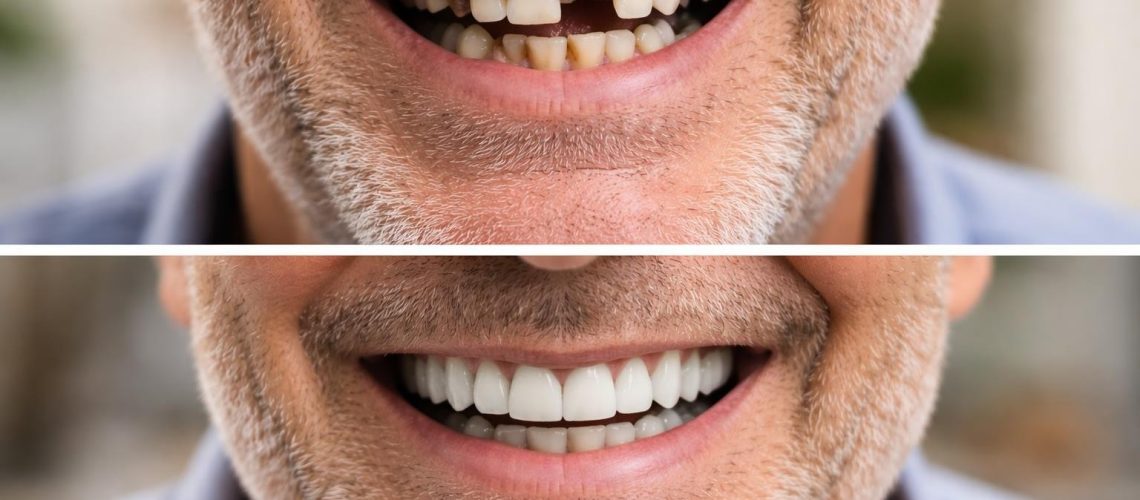
Losing multiple teeth or facing complete tooth loss affects far more than your ability to eat comfortably. It impacts your confidence, your social interactions, and your overall quality of life. For Texas families and individuals experiencing significant tooth loss, the prospect of permanent tooth replacement through full mouth dental implants represents a transformative solution that goes beyond traditional dentures. This comprehensive guide explores everything you need to know about this advanced dental treatment, from understanding the procedure to navigating costs, recovery timelines, and long-term benefits that make this investment worthwhile for your oral health and well-being.
Understanding Full Mouth Dental Implants
Full mouth dental implants represent a permanent solution for individuals who have lost most or all of their teeth in either the upper or lower jaw, or both. Unlike traditional dentures that rest on the gums and require adhesives, this approach uses surgically placed titanium posts that fuse with the jawbone to create a stable foundation for replacement teeth.
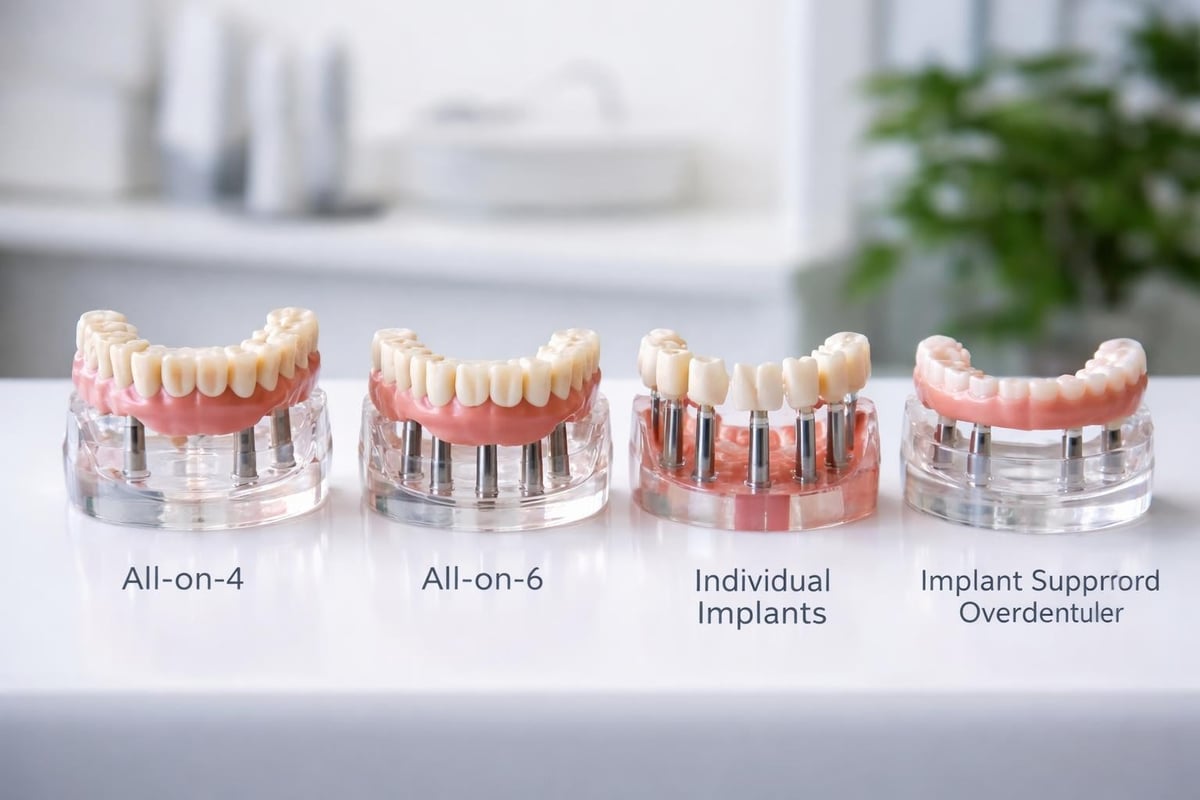
The term “full mouth” doesn’t always mean every single tooth receives an individual implant. Modern techniques have evolved to maximize efficiency and minimize invasiveness. The All-on-4 method, for instance, strategically positions four implants per arch to support a full set of prosthetic teeth. Some patients may require six to eight implants per arch depending on bone density and individual anatomical considerations.
How the Procedure Works
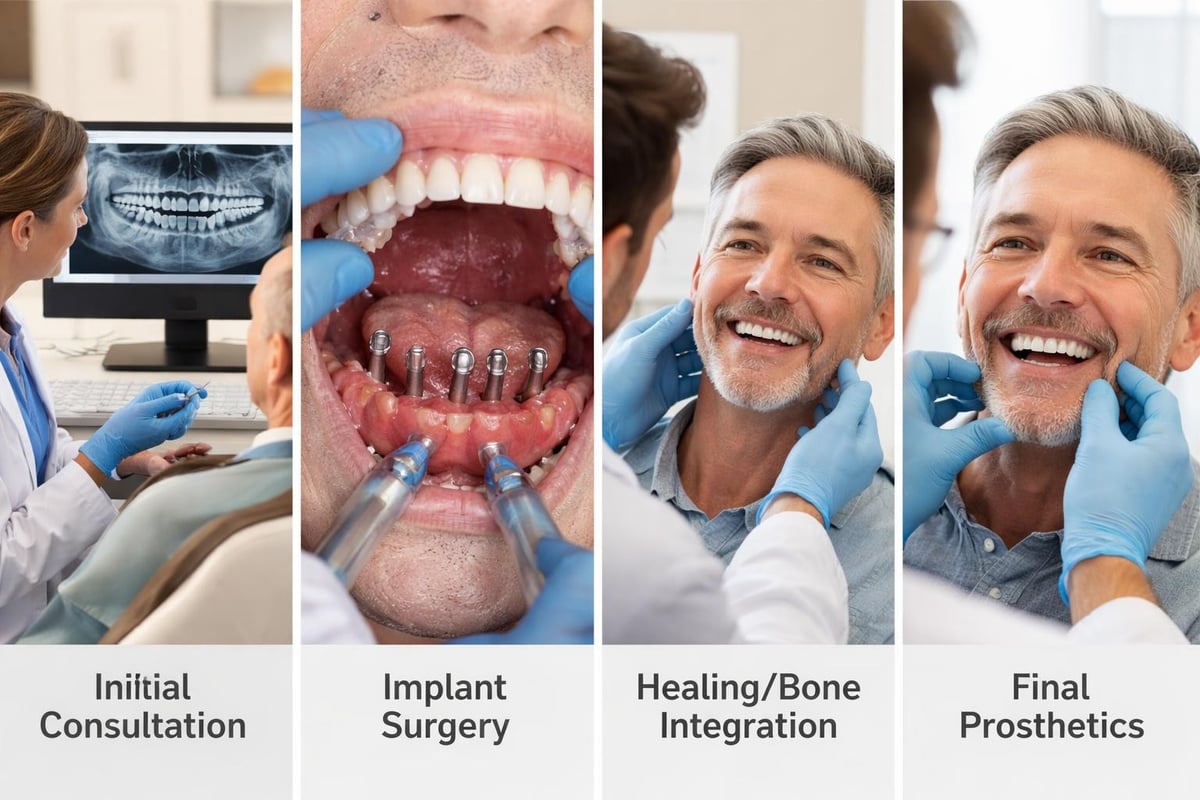
The process begins with a comprehensive evaluation that includes digital imaging, 3D scans, and a thorough assessment of your jawbone structure. Your dental team creates a customized treatment plan that addresses your specific needs and goals.
Key stages include:
- Initial consultation and diagnostic imaging
- Bone grafting if necessary to ensure adequate support
- Surgical placement of titanium implant posts
- Healing period for osseointegration (bone fusion)
- Attachment of abutments and final prosthetic teeth
The timeline varies depending on individual circumstances. Some patients receive temporary teeth on the same day as implant placement, while others wait several months for complete healing before receiving permanent restorations.
Benefits That Transform Lives
Choosing full mouth dental implants delivers advantages that extend far beyond aesthetics. Patients consistently report life-changing improvements that affect their daily activities, health, and self-esteem.
Functional benefits:
- Natural chewing ability restored to approximately 80-90% of original strength
- Clear speech without the slipping or clicking associated with traditional dentures
- No dietary restrictions allowing you to enjoy foods you’ve missed
- Preservation of jawbone density preventing the facial collapse common with tooth loss
Lifestyle advantages:
- Permanent solution requiring no removal for cleaning
- No messy adhesives or special soaking solutions
- Confidence in social situations without fear of denture movement
- Long-term durability with proper care lasting 20+ years
Studies show that individuals with dental implants report significantly higher satisfaction rates compared to those using conventional dentures. The psychological impact of having secure, natural-looking teeth cannot be overstated. Many patients describe regaining a sense of normalcy they thought was lost forever.
Comparison With Traditional Dentures
| Feature | Full Mouth Dental Implants | Traditional Dentures |
|---|---|---|
| Stability | Permanently anchored to jawbone | Rest on gums, may slip |
| Bone preservation | Stimulates bone, prevents loss | Bone deterioration continues |
| Eating capability | Normal chewing force | Reduced chewing power (25-50%) |
| Maintenance | Brush like natural teeth | Remove for cleaning, soaking |
| Lifespan | 20+ years with care | 5-7 years replacement cycle |
| Initial investment | Higher upfront cost | Lower initial cost |
This comparison reveals why many dental professionals and patients view full mouth dental implants as the gold standard for complete tooth replacement. While the initial investment is substantial, the long-term benefits of replacing all teeth with implants often outweigh the cumulative costs and inconveniences of traditional dentures.
Cost Considerations and Financial Planning
The financial aspect of full mouth dental implants represents the primary concern for most Texas families considering this treatment. Understanding the factors that influence pricing helps you make an informed decision and plan accordingly.
Price Range and Variables
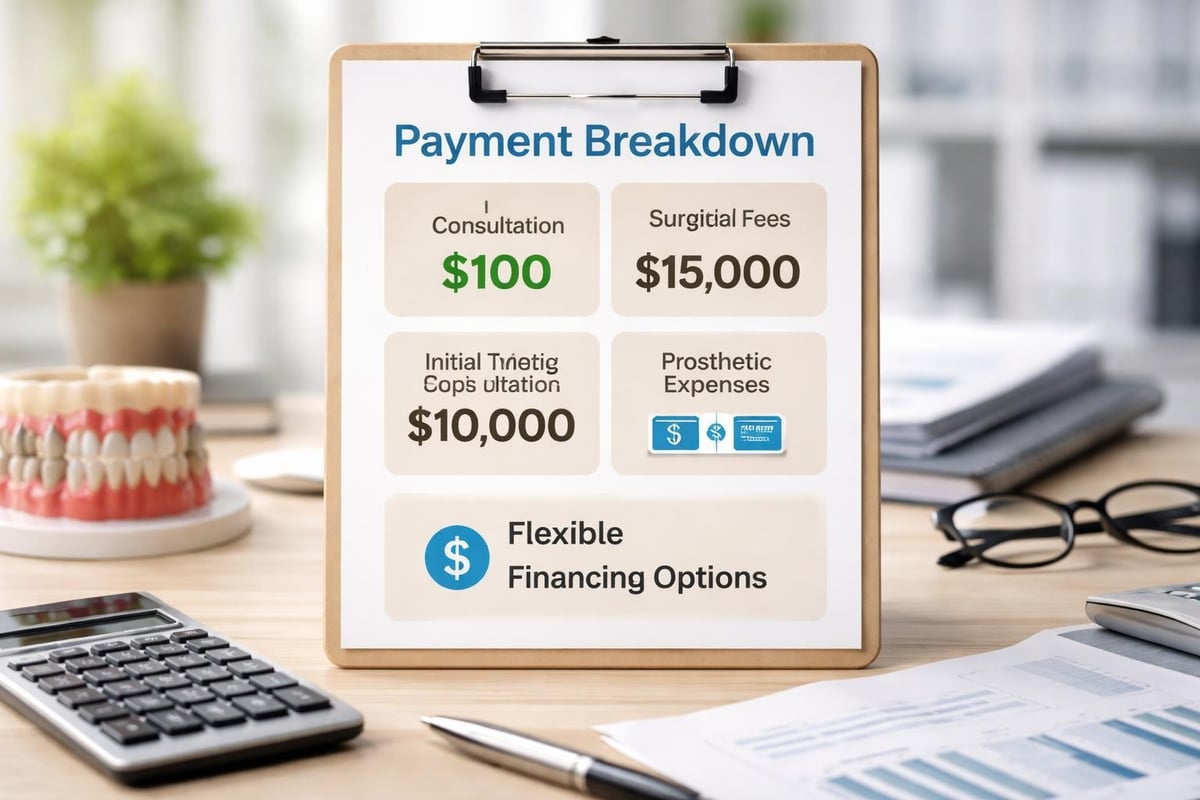
In 2026, the typical cost for full mouth dental implants ranges from $24,000 to $100,000 depending on numerous factors. This wide range reflects the highly customized nature of treatment.
Factors affecting total cost:
- Number of implants required (4-8 per arch is common)
- Quality and type of prosthetic materials selected
- Need for preliminary procedures like bone grafting or extractions
- Geographic location and provider experience
- Laboratory fees for custom prosthetics
- Sedation or anesthesia preferences
For patients across Texas communities like Beeville, New Braunfels, and Leander, regional pricing variations exist but remain competitive. The cost considerations for dental implants parallel global trends showing increased accessibility through improved techniques and materials.
Insurance and Payment Options
Most dental insurance plans classify full mouth dental implants as a major procedure with varying coverage levels. While some plans may cover a portion of the treatment, many patients find themselves responsible for significant out-of-pocket expenses.
Financing strategies to consider:
- Health Savings Accounts (HSAs) or Flexible Spending Accounts (FSAs) for tax-advantaged payments
- Dental financing companies offering extended payment plans with competitive interest rates
- In-house payment plans provided by dental practices, sometimes interest-free
- Dental savings plans that offer discounts on major procedures for annual membership fees
- Medical credit cards designed specifically for healthcare expenses
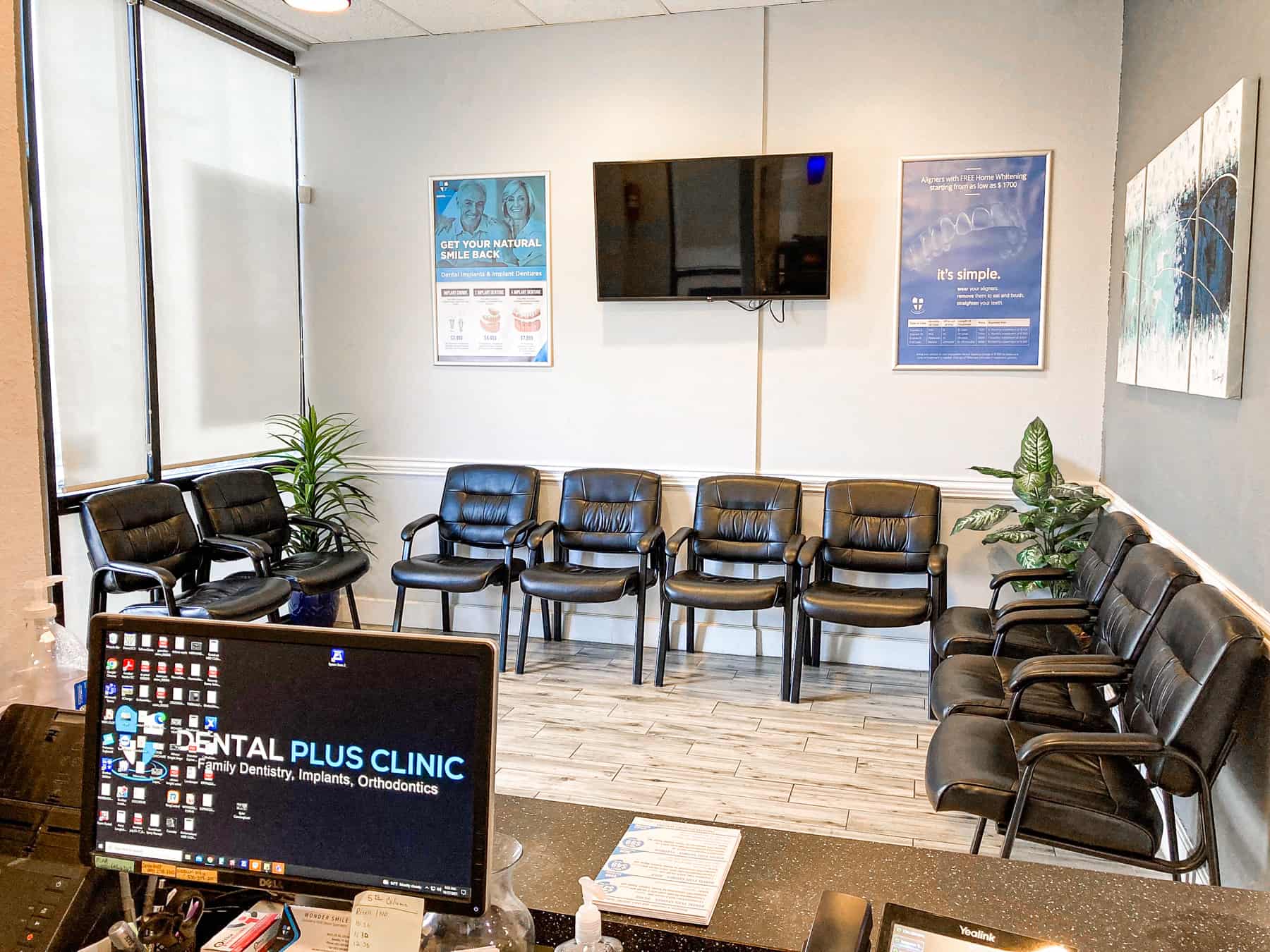
At locations like Dental Plus Clinic in Seguin, patient coordinators work with families to explore all available options. Many patients discover that affordable monthly payments make this life-changing treatment accessible without financial strain.
The savings plan options available at comprehensive dental practices help bridge the gap between traditional insurance limitations and treatment needs.
The Treatment Timeline and Recovery Process
Understanding what to expect throughout your treatment journey helps alleviate anxiety and ensures optimal outcomes. The complete process typically spans several months, though modern techniques have significantly reduced treatment timelines compared to traditional approaches.
Phase One: Planning and Preparation
Your journey begins with comprehensive diagnostic work. During initial consultations, your dental team performs detailed examinations including:
- Complete medical and dental history review
- Digital X-rays and 3D cone beam CT scans
- Impressions and bite registrations
- Discussion of aesthetic goals and functional needs
This phase may also include preparatory procedures. If you have remaining damaged teeth, extractions occur first. Patients with insufficient bone density may require bone grafting, which necessitates additional healing time before implant placement.
Phase Two: Surgical Placement
The surgical phase represents the most critical step in your treatment. Under local anesthesia or sedation based on your preference and medical needs, the oral surgeon precisely positions implant posts into the jawbone.
What happens during surgery:
- Incisions made in gum tissue to access jawbone
- Precise drilling of sites for implant placement
- Insertion of titanium posts at calculated angles and depths
- Closure of incisions with sutures
- Placement of temporary prosthetics if using immediate loading protocols
Many patients express surprise at the manageable discomfort level during and after surgery. Modern anesthesia techniques and pain management protocols make the experience far more comfortable than anticipated.
Phase Three: Healing and Osseointegration
Recovery time for full mouth dental implants varies by individual but follows predictable patterns. The initial healing period lasts approximately 7-10 days, during which minor swelling and discomfort gradually subside.
The more critical process, osseointegration, occurs over 3-6 months. During this time, bone cells grow around the titanium posts, creating a permanent bond that provides the stability necessary for long-term success.
Recovery timeline breakdown:
| Timeframe | What to Expect |
|---|---|
| Days 1-3 | Peak swelling and discomfort, stick to soft foods |
| Days 4-7 | Swelling decreases, gradual return to normal activities |
| Weeks 2-4 | Soft tissue healing complete, follow-up appointments |
| Months 2-6 | Osseointegration occurs, bone fuses with implants |
| Month 6+ | Final prosthetics attached, treatment complete |
Throughout recovery, maintaining excellent oral hygiene and following post-operative instructions proves essential. Your dental team provides detailed guidance on cleaning techniques, dietary modifications, and activity restrictions during healing.
Candidacy and Evaluation Criteria
Not everyone qualifies as an ideal candidate for full mouth dental implants, though advancements in techniques and materials have expanded eligibility significantly. Understanding the requirements helps set realistic expectations.
Ideal Candidate Characteristics
The best candidates possess several key attributes that contribute to successful outcomes:
- Adequate bone density to support implant posts or willingness to undergo bone grafting
- Good overall health without conditions that impair healing
- Commitment to oral hygiene and long-term maintenance
- Realistic expectations about outcomes and timelines
- Non-smokers or willingness to quit during treatment and healing
Age itself doesn’t disqualify candidates. Many seniors successfully receive full mouth dental implants, while younger patients who’ve experienced traumatic tooth loss also achieve excellent results.
Medical Considerations
Certain health conditions require careful evaluation before proceeding with implant surgery. Your dental team works closely with your physicians to ensure safety and optimize outcomes.
Conditions requiring special consideration:
- Uncontrolled diabetes affecting healing capacity
- Active periodontal disease needing treatment first
- Osteoporosis or medications affecting bone density
- Autoimmune disorders impacting tissue healing
- History of radiation therapy to head or neck
These conditions don’t automatically exclude you from treatment but may require modifications to your treatment plan or additional precautions. Honest communication with your dental team about your complete medical history ensures the safest, most effective approach.
Lifestyle Factors
Smoking represents the most significant lifestyle factor affecting implant success rates. Tobacco use restricts blood flow, impairs healing, and dramatically increases the risk of implant failure. Dentists strongly encourage smoking cessation before and after treatment.
Heavy alcohol consumption similarly impacts healing and long-term outcomes. Patients committed to successful results often use the treatment process as motivation for positive lifestyle changes that benefit overall health beyond oral wellness.
Alternative Approaches and Techniques
While traditional full mouth dental implants represent the gold standard, several variations and alternatives exist to address different needs, budgets, and anatomical situations.
All-on-4 and All-on-6 Protocols
The All-on-4 dental implants technique revolutionized full mouth restoration by reducing the number of implants needed per arch. This approach strategically positions four implants at specific angles to maximize existing bone and eliminate the need for grafting in many cases.
All-on-4 advantages:
- Reduced surgical complexity and recovery time
- Lower overall cost compared to individual implants per tooth
- Often allows same-day temporary teeth
- Suitable for patients with moderate bone loss
The All-on-6 variation adds two additional implants for enhanced stability, particularly beneficial for patients with stronger bite forces or specific anatomical considerations. Both techniques deliver excellent long-term results when properly planned and executed.
Implant-Supported Overdentures
For patients seeking a middle ground between traditional dentures and fixed full mouth dental implants, overdentures offer a removable option secured by implants. This hybrid approach uses 2-4 implants per arch with special attachments that snap the denture into place.
Benefits of overdentures:
- Significantly more stable than traditional dentures
- Removable for easier cleaning
- Lower cost than fixed implant bridges
- Maintains some bone preservation benefits
The removable nature appeals to some patients while others prefer the permanence of fixed solutions. Full mouth rehabilitation encompasses various techniques tailored to individual circumstances.
Mini Implants
Mini dental implants, roughly half the diameter of traditional implants, serve specific purposes in full mouth restoration. While not suitable as primary support for complete arches, they can stabilize dentures or serve as temporary anchors during healing.
These smaller implants require less invasive placement and heal more quickly, making them advantageous in certain situations. However, they lack the strength and longevity of standard-diameter implants for comprehensive restorations.
Long-Term Care and Maintenance
The longevity of your full mouth dental implants depends heavily on consistent, proper maintenance. While implants themselves cannot decay, the surrounding tissues require diligent care to prevent complications.
Daily Hygiene Practices
Caring for implant-supported teeth resembles natural tooth care with some specific considerations:
Essential daily routine:
- Brush at least twice daily with a soft-bristle brush
- Use low-abrasive toothpaste to protect prosthetic surfaces
- Floss or use interdental brushes around each implant
- Consider water flossers for hard-to-reach areas
- Rinse with antimicrobial mouthwash if recommended
The areas where prosthetic teeth meet the gums require particular attention. Plaque accumulation in these regions can lead to peri-implantitis, an inflammatory condition that threatens implant stability.
Professional Maintenance
Regular professional care complements home hygiene efforts. Most dental professionals recommend checkups every 3-6 months for implant patients, more frequently than the standard annual visit.
Professional maintenance includes:
- Thorough cleaning of implant surfaces using specialized instruments
- Assessment of soft tissue health around implants
- X-rays to monitor bone levels and implant stability
- Bite evaluation to ensure proper force distribution
- Tightening of prosthetic components as needed
These preventive appointments catch potential issues early when they’re most easily addressed. The implant services provided at comprehensive dental clinics emphasize long-term success through ongoing patient relationships.
Warning Signs to Monitor
Between professional visits, remain alert for symptoms that warrant immediate attention:
- Persistent discomfort or pain around implants
- Swelling or redness of surrounding tissues
- Bleeding when brushing or flossing
- Loosening of prosthetic teeth
- Changes in bite alignment
Early intervention prevents minor concerns from developing into serious complications. Your dental team appreciates proactive communication about any changes you notice.
Addressing Common Concerns and Obstacles
Prospective patients often harbor concerns that prevent them from pursuing full mouth dental implants. Understanding these objections and their solutions helps make informed decisions.
Pain and Discomfort Fears
Perhaps the most common anxiety involves anticipated pain during and after the procedure. Modern dentistry has made tremendous strides in pain management, and most patients report far less discomfort than expected.
Pain management strategies:
- Multiple sedation options from local anesthesia to general sedation
- Prescription pain medication for the immediate post-operative period
- Cold therapy and elevation techniques to minimize swelling
- Detailed post-operative instructions optimizing comfort
Most patients manage well with over-the-counter pain relievers within 3-5 days of surgery. The temporary discomfort pales in comparison to the years of challenges living with missing teeth or ill-fitting dentures.
Time Commitment Concerns
The months-long treatment timeline concerns patients eager for immediate results. While full mouth dental implants require patience, modern protocols have significantly compressed treatment timelines.
Immediate load protocols allow some patients to receive temporary teeth the same day as implant placement. While these aren’t the final prosthetics, they eliminate the embarrassment of being toothless during healing. The investment of a few months yields decades of benefits, making the time commitment worthwhile.
Cost as a Barrier
Financial concerns represent legitimate obstacles for many families. However, viewing the investment through a long-term lens reveals surprising value.
Cost comparison over 20 years:
| Solution | Initial Cost | Replacement Cycles | Total 20-Year Cost |
|---|---|---|---|
| Full Mouth Implants | $50,000 | None expected | ~$53,000 (with maintenance) |
| Traditional Dentures | $3,000 | Every 5-7 years | ~$15,000 (multiple sets + adhesives) |
| Implant Overdentures | $15,000 | Denture replacement every 7-10 years | ~$21,000 |
When accounting for replacements, repairs, adhesives, and the improved quality of life, full mouth dental implants often represent the most cost-effective long-term solution. Payment plans and financing options further improve accessibility for Texas families.
Patient Success Stories and Real-World Outcomes
Real experiences from patients who’ve undergone full mouth dental implant treatment provide valuable perspective beyond clinical statistics.
Functional Restoration Impact
A 58-year-old patient from New Braunfels who struggled with failing teeth for years described her experience: “I avoided social gatherings because I was self-conscious about my smile. After getting full mouth dental implants, I accepted a promotion at work that requires presentations. The confidence I gained changed my entire life trajectory.”
Functional improvements extend to nutrition as well. Patients consistently report expanding their diets to include fresh fruits, vegetables, and proteins they’d eliminated due to chewing difficulties. This nutritional improvement contributes to overall health benefits beyond oral wellness.
Quality of Life Transformations
The psychological impact often surprises patients. Many describe feeling years younger and more willing to engage in activities they’d withdrawn from. Simple pleasures like laughing freely without worrying about denture movement create profound daily improvements.
A grandfather from Converse shared: “Playing with my grandchildren used to stress me out because I worried about my dentures. Now I can roughhouse, laugh, and eat birthday cake without a second thought. That’s priceless.”
Success Rate Statistics
Clinical data supports these positive experiences with impressive statistics:
- Overall success rate exceeds 95% for lower jaw implants
- Upper jaw success rates range from 90-95%
- 10-year survival rates remain above 90% with proper care
- Patient satisfaction scores consistently exceed 85% in long-term studies
These numbers reflect proper patient selection, skilled surgical technique, and committed long-term maintenance. Choosing experienced providers significantly influences outcomes.
Choosing the Right Dental Provider
The success of your full mouth dental implant treatment depends heavily on selecting qualified, experienced professionals. Not all dental providers offer the same level of expertise or technology.
Credentials and Experience to Seek
When evaluating potential providers, investigate their qualifications thoroughly:
Essential credentials:
- Advanced training in implant dentistry or oral surgery
- Membership in professional organizations like the American Academy of Implant Dentistry
- Years of experience specifically with full mouth cases
- Portfolio of completed cases demonstrating expertise
- Investment in modern technology like 3D imaging and guided surgery systems
Don’t hesitate to ask about success rates, complication management, and how many full arch cases the provider completes annually. Experienced practitioners welcome these questions and provide transparent answers.
Technology and Facility Standards
State-of-the-art technology improves precision, reduces complications, and enhances outcomes. Modern dental clinics invest in equipment that makes treatment safer and more predictable.
Technology advantages:
- 3D cone beam CT scanning for precise planning
- Computer-guided surgery systems for accurate implant placement
- Digital impressions eliminating uncomfortable traditional molds
- In-house surgical suites meeting stringent safety standards
- On-site laboratories allowing faster prosthetic fabrication
The commitment to sterilization and safety protocols at quality dental facilities protects patient health throughout treatment.
Comprehensive Care Approach
Providers offering complete care from initial consultation through long-term maintenance deliver significant advantages. Continuity of care ensures consistent quality and builds trusting relationships.
Look for clinics that provide:
- Multiple specialists collaborating on your case
- In-house surgical capabilities
- Customized treatment planning
- Flexible scheduling across multiple locations
- Transparent pricing and financing assistance
For Texas families, access to multiple convenient locations makes ongoing care more manageable. Whether you’re in Beeville or exploring options across the state, finding a provider with comprehensive services streamlines your experience.
Frequently Asked Questions
How long do full mouth dental implants last?
With proper care and maintenance, full mouth dental implants typically last 20-25 years or longer. The titanium posts themselves can last a lifetime, though the prosthetic teeth may eventually require replacement due to normal wear. Regular dental checkups and excellent home care significantly extend the lifespan of your investment.
Can I eat normally with full mouth dental implants?
Yes, full mouth dental implants restore approximately 80-90% of natural chewing force, allowing you to eat virtually any food you could with natural teeth. Unlike traditional dentures that prohibit sticky or hard foods, implant-supported teeth function naturally. Most patients report enjoying foods they haven’t eaten in years after completing treatment.
What is the recovery time after getting full mouth dental implants?
Initial recovery from surgery typically takes 7-10 days, during which you’ll experience manageable swelling and discomfort. However, complete healing and osseointegration require 3-6 months before final prosthetics can be attached. Many patients receive temporary teeth immediately, allowing normal appearance and function during healing.
Are full mouth dental implants covered by insurance?
Coverage varies significantly by insurance plan. Some policies cover a portion of implant treatment, classifying it as a major procedure with typical coverage of 50%. Many plans exclude implants entirely or have annual maximum limits that don’t cover complete treatment costs. Review your specific policy and discuss financing options with your dental provider.
How painful is the full mouth dental implant procedure?
Most patients report less pain than expected. Modern anesthesia and sedation options ensure comfort during surgery, while prescription and over-the-counter pain medications manage post-operative discomfort effectively. Many patients compare the experience to having multiple tooth extractions, with manageable pain that subsides within several days.
Am I too old for full mouth dental implants?
Age alone doesn’t disqualify candidates for dental implants. Many successful recipients are in their 70s, 80s, or beyond. Overall health and bone density matter more than chronological age. As long as you’re healthy enough for routine dental procedures and have adequate bone structure, age shouldn’t prevent you from benefiting from this treatment.
What happens if an implant fails?
While implant failure is uncommon (occurring in less than 5% of cases), it can happen due to infection, insufficient bone integration, or excessive force. Failed implants can typically be removed and replaced after the site heals. Most dental providers offer warranties or guarantees addressing implant failures within specific timeframes, providing peace of mind for your investment.
Can I get full mouth dental implants if I have bone loss?
Many patients with bone loss successfully receive dental implants through bone grafting procedures. These techniques rebuild adequate bone structure to support implants. Advanced methods like zygomatic implants or the All-on-4 technique maximize existing bone, often eliminating the need for extensive grafting. A thorough evaluation determines the best approach for your situation.
How do I clean full mouth dental implants?
Clean implant-supported teeth similarly to natural teeth with some modifications. Brush twice daily with a soft-bristle brush and low-abrasive toothpaste. Use floss, interdental brushes, or water flossers to clean around each implant. Avoid metal instruments that could scratch prosthetic surfaces. Regular professional cleanings complement home care for optimal long-term health.
What’s the difference between All-on-4 and traditional full mouth implants?
Traditional full mouth implants might use 6-8 individual implants per arch, while All-on-4 uses just four strategically angled implants to support a full arch of teeth. All-on-4 typically costs less, requires less surgery, and often allows same-day temporary teeth. Both approaches deliver excellent long-term results when properly executed.
Final Thoughts
Full mouth dental implants represent a transformative investment in your oral health, functionality, and confidence that pays dividends for decades. Understanding the process, costs, and commitment required empowers you to make the best decision for your unique situation. Whether you’re exploring options to understand if dental implants or bridges are better for your needs, or you’re ready to take the next step toward a complete smile restoration, professional guidance makes all the difference. Dental Plus Clinic offers comprehensive implant services across five convenient Texas locations, combining advanced technology with personalized care to help you achieve the healthy, confident smile you deserve. Schedule a consultation today to discover how full mouth dental implants can transform your life.