
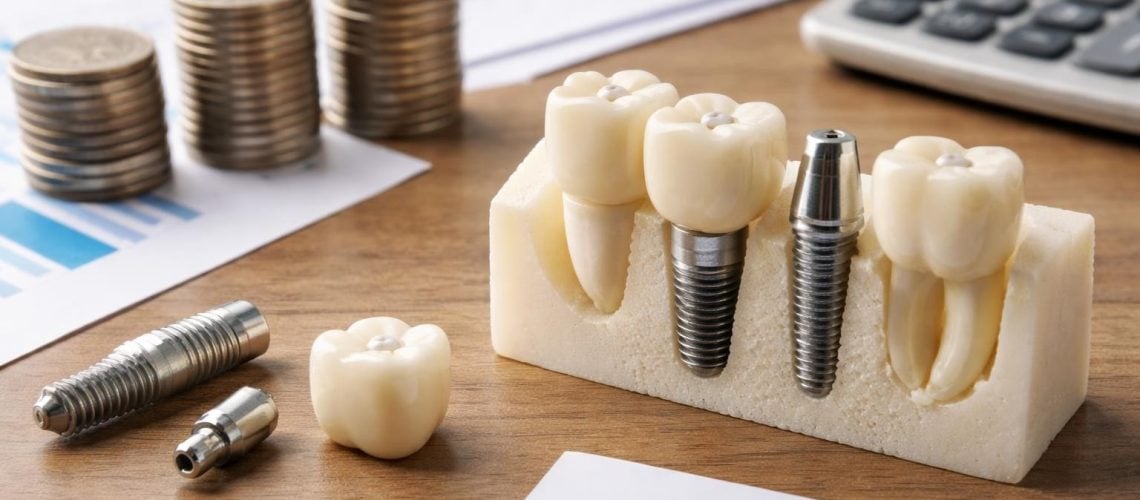
Understanding the financial commitment involved in dental implants is a crucial first step for anyone considering this transformative tooth replacement option. Whether you’re a parent exploring solutions for your family or an adult ready to restore your smile, dental implant cost represents an important investment in your long-term oral health and quality of life. At Dental Plus Clinic, we recognize that Texas families need transparent, detailed information about implant pricing before making this significant decision. This comprehensive guide breaks down every aspect of dental implant costs in 2026, helping you plan confidently for a healthier smile.
Understanding What Influences Dental Implant Cost
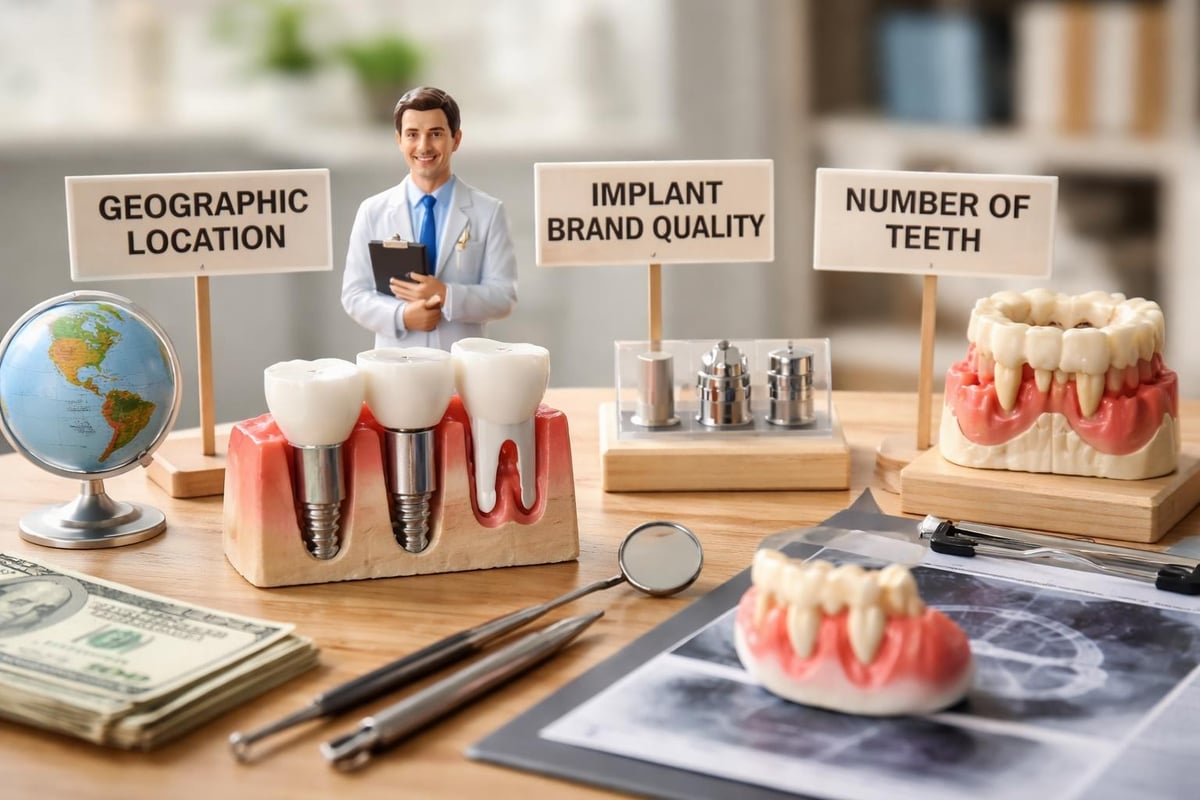
The price of dental implants varies significantly based on multiple factors, creating a wide range that can seem confusing at first glance. Rather than a one-size-fits-all price tag, dental implant cost reflects the complexity and customization of each patient’s unique situation.
Geographic location plays a substantial role in pricing. According to research analyzing implant costs across major U.S. markets, metropolitan areas typically charge more than smaller communities. However, Texas communities like Beeville, Seguin, New Braunfels, Leander, and Converse often offer more competitive pricing than large urban centers while maintaining exceptional quality standards.
The dentist’s experience and training level significantly impacts cost structures. Implant dentistry requires specialized education beyond dental school, and practitioners with advanced certifications or decades of experience typically charge premium rates that reflect their expertise.
Material Quality and Brand Selection
Not all dental implants are created equal. The implant brand and materials used represent common factors that determine treatment prices.
Premium implant brands such as Nobel Biocare, Straumann, and Zimmer Biomet typically cost more but offer:
- Extensive research backing their success rates
- Longer warranty periods
- Better long-term osseointegration results
- Wider availability of replacement parts
Standard-tier brands provide reliable performance at lower price points, making them suitable for patients with budget constraints who still want quality results.
The crown material also affects the final dental implant cost. Porcelain-fused-to-metal crowns offer durability at moderate prices, while all-ceramic or zirconia crowns provide superior aesthetics but cost more.
Additional Procedures That Affect Total Investment
Many patients require preparatory work before implant placement, which increases the overall investment. These additional procedures address underlying oral health issues that must be resolved for implant success.
| Procedure | Purpose | Typical Cost Range |
|---|---|---|
| Bone Grafting | Builds sufficient bone density | $300 – $1,200 per site |
| Sinus Lift | Creates space in upper jaw | $1,500 – $2,500 |
| Tooth Extraction | Removes damaged tooth | $75 – $450 per tooth |
| CT Scan/3D Imaging | Precise surgical planning | $200 – $600 |
| Temporary Crown | Protects site during healing | $300 – $800 |
At Dental Plus Clinic locations throughout Texas, our comprehensive initial consultation includes detailed imaging and treatment planning, so you’ll understand exactly which procedures your situation requires.
Breaking Down Single Tooth Implant Costs
For patients replacing one missing tooth, understanding the itemized breakdown helps clarify where your investment goes. A single dental implant cost typically includes three main components that work together to create a functional, natural-looking tooth.
The implant post serves as an artificial tooth root, surgically placed into your jawbone. This titanium or zirconia screw ranges from $1,000 to $3,000 depending on brand and complexity. The post integrates with your bone over several months, creating a stable foundation.
The abutment connects the implant post to the final crown. This small connector piece typically costs $300 to $500. Some implant systems include the abutment in the post price, while others charge separately.
The dental crown represents the visible portion of your new tooth. Custom-fabricated to match your natural teeth perfectly, crowns range from $1,000 to $3,000 based on material and fabrication method.
Total Investment for Single Tooth Replacement
When combined, the average dental implant cost for a single tooth in 2026 ranges from $3,000 to $6,500. This comprehensive figure includes the surgical placement, healing components, and final restoration. Authority Dental’s detailed breakdown confirms these national averages align with current market rates.
Texas patients often find more affordable options compared to coastal metropolitan areas. Our Leander dental implant services provide transparent pricing and flexible payment arrangements for families throughout central Texas.
Some situations require additional investment beyond the basic three components:
- Immediate placement after extraction: $200-$500 extra
- Soft tissue grafting: $300-$1,200 for optimal gum appearance
- Custom abutment fabrication: $500-$1,500 for complex cases
- Sedation options: $200-$800 depending on type
Multiple Teeth Replacement Options and Pricing
Patients missing several teeth have multiple implant-based solutions, each with distinct cost structures and benefits. The right choice depends on how many teeth you’re replacing, their location, and your bone density.
Implant-Supported Bridges
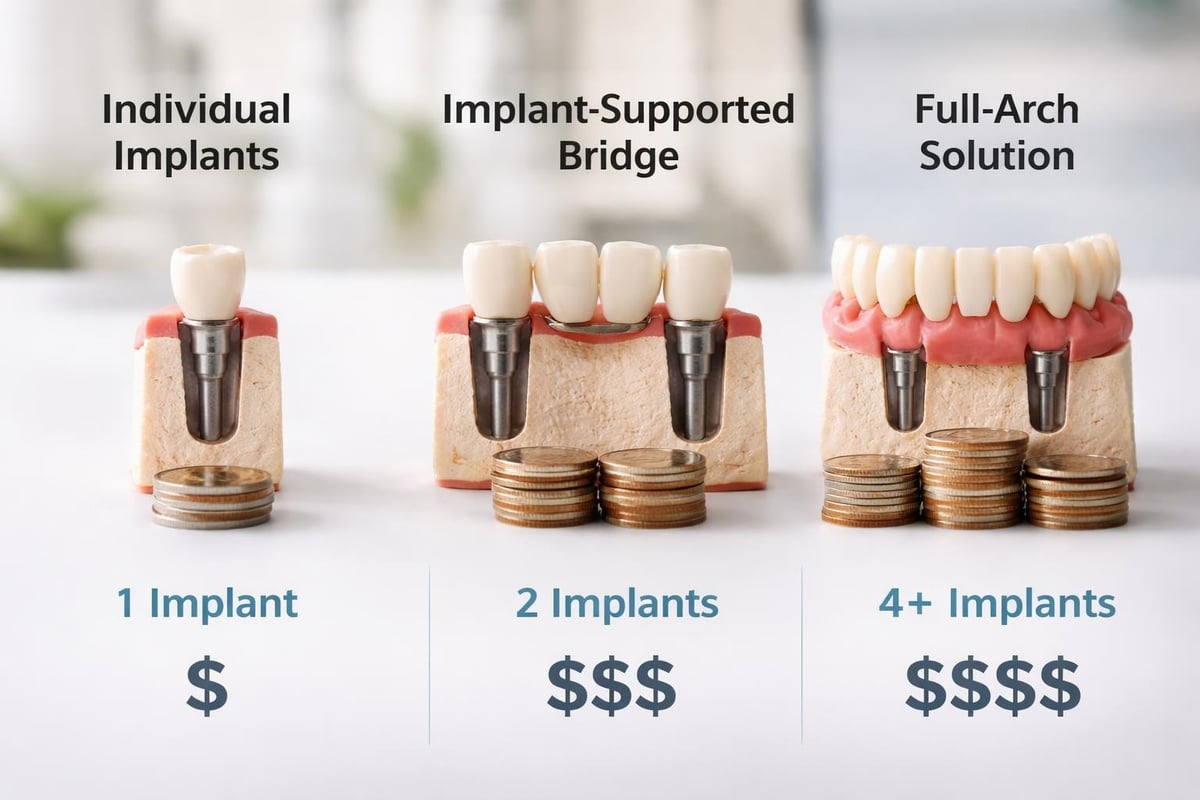
When replacing 2-4 adjacent teeth, implant-supported bridges offer an efficient solution. Instead of placing an implant for each missing tooth, this approach uses two implants to support a multi-tooth bridge.
Cost structure: Two implants ($2,000-$6,000) plus a 3-4 unit bridge ($3,000-$5,000) totals approximately $5,000-$11,000. This represents significant savings compared to individual implants for each tooth while maintaining excellent stability and function.
Full Arch Restoration Solutions
Patients missing all teeth in an upper or lower arch have revolutionary options that deliver complete smile restoration. The dental implant cost for full-arch solutions varies based on the technique selected.
All-on-4 Treatment Concept
This innovative approach uses four strategically placed implants to support a full arch of prosthetic teeth:
- Total investment: $15,000-$30,000 per arch
- Completed in one day in many cases
- No bone grafting required for most patients
- Immediate functional teeth
Traditional Full-Arch Implant Bridge
Using 6-8 implants per arch provides maximum stability:
- Total investment: $25,000-$50,000 per arch
- Superior long-term durability
- Closest simulation to natural teeth
- Requires sufficient bone density
Dental Plus Clinic’s comprehensive implant solutions include both traditional and modern full-arch techniques, customized to your specific needs and budget.
Insurance Coverage and Payment Realities
Understanding how dental insurance treats implants helps set realistic expectations about out-of-pocket expenses. The insurance landscape for dental implant cost has evolved considerably, though coverage remains inconsistent across plans.
Traditional dental insurance typically classifies implants as cosmetic or elective procedures, resulting in limited or no coverage. However, some plans now cover portions of the treatment:
- Crown portion: 50% coverage common
- Surgical placement: 0-50% coverage
- Preparatory procedures: Sometimes covered under periodontal benefits
- Annual maximum limitations: Usually $1,000-$2,000 total
Medical insurance occasionally covers dental implant cost when tooth loss resulted from:
- Accident or trauma
- Cancer treatment
- Congenital conditions
- Medically necessary reconstruction
The distinction between dental and medical necessity significantly impacts coverage. Documentation from your dentist explaining medical justification strengthens insurance claims.
Alternative Financing Solutions
Most dental practices recognize that paying thousands upfront creates barriers to necessary treatment. Multiple financing options make implants accessible:
- In-house payment plans spread costs over 6-24 months without interest
- Healthcare credit cards like CareCredit offer promotional periods
- Personal loans from banks or credit unions
- Dental savings plans provide discounts for plan members
- Health Savings Accounts (HSA) and Flexible Spending Accounts (FSA) allow pre-tax payment
Our savings plan options help Texas families access quality implant care without financial stress. Dental Plus Clinic works with patients to create affordable payment schedules that fit family budgets.
Comparing Costs: Implants vs. Alternative Solutions
When evaluating dental implant cost, comparing it against alternative tooth replacement options provides important context. While implants require higher initial investment, long-term value calculations often favor implants.
| Solution | Initial Cost | Lifespan | Replacement Frequency | 20-Year Total Cost |
|---|---|---|---|---|
| Single Implant | $3,000-$6,500 | 25+ years | Rarely needed | $3,000-$6,500 |
| Traditional Bridge | $2,000-$5,000 | 10-15 years | 1-2 times | $4,000-$10,000 |
| Removable Partial | $800-$2,500 | 5-8 years | 2-4 times | $2,400-$10,000 |
| Complete Dentures | $1,500-$4,000 | 5-7 years | 3-4 times | $6,000-$16,000 |
Beyond pure economics, implants provide functional and health benefits that alternatives cannot match. According to NewMouth’s comprehensive cost analysis, implants preserve jawbone density, protect adjacent teeth, and offer superior chewing efficiency.
Hidden Costs of Cheaper Alternatives
Bridges require grinding down healthy adjacent teeth, permanently weakening them and increasing future treatment needs. This cascade effect makes the true long-term cost significantly higher than initial pricing suggests.
Removable dentures accelerate bone loss, requiring periodic relines and eventual replacement. Patients also face ongoing costs for adhesives, cleaning products, and dietary limitations that reduce quality of life.
Implant advantages extend beyond longevity:
- No damage to neighboring teeth
- Prevents bone deterioration
- Eliminates embarrassing slippage
- Allows normal eating and speaking
- Requires only routine brushing and flossing
Regional Cost Variations Across Texas
Texas families researching dental implant cost discover significant pricing differences between urban centers and smaller communities. Understanding these regional variations helps you make informed decisions about where to receive treatment.
Major metropolitan areas like Dallas, Houston, and Austin typically charge 15-30% more than mid-sized Texas communities. Higher overhead costs, premium real estate, and increased demand drive these price differences.
Smaller Texas cities including Beeville, Seguin, New Braunfels, Leander, and Converse offer competitive advantages:
- Lower operational costs translate to patient savings
- Personalized care in community-focused practices
- Shorter wait times for appointments
- Convenient access without big-city traffic
Research examining national dental implant cost trends reveals that mid-sized communities consistently provide 20-25% savings compared to major metropolitan areas while maintaining equivalent quality standards.
Quality Considerations Beyond Price
The lowest dental implant cost doesn’t always represent the best value. Evaluating provider qualifications, technology, and patient outcomes ensures your investment delivers lasting results.
Key quality indicators to assess:
- Advanced training and continuing education credentials
- Modern digital imaging and surgical planning technology
- Infection control protocols and facility accreditation
- Patient testimonials and before/after documentation
- Warranty or guarantee policies
- Emergency availability and follow-up care
Dental Plus Clinic maintains consistent quality standards across all five Texas locations, combining advanced technology with personalized care. Our experienced team provides the expertise you’d expect from university-affiliated centers at community-practice pricing.

Special Considerations for Different Age Groups
Dental implant cost considerations vary based on patient age, with unique factors affecting children, adults, and seniors. Understanding these age-specific elements helps families plan appropriately.
Pediatric Implant Considerations
Children and teenagers require special evaluation before implant placement. Jaw growth must be complete before permanent implants, typically around age 18-21 for females and 19-25 for males.
Temporary solutions bridge the gap:
- Removable partial dentures: $500-$1,500
- Resin-bonded bridges: $1,000-$2,500
- Space maintainers: $200-$500
Our pediatric dentistry services include growth monitoring and timeline planning for eventual implant placement when appropriate.
Adult Prime Candidates
Adults aged 25-65 represent ideal implant candidates with fully developed bone structure and generally good healing capacity. This demographic typically experiences straightforward procedures with predictable outcomes.
Investment considerations for working adults:
- HSA/FSA contribution planning throughout the year
- Employer-sponsored dental benefits coordination
- Timing procedures to maximize insurance annual maximums
- Career impact of improved confidence and appearance
Senior Patient Factors
Older adults benefit tremendously from implants but may face additional considerations affecting dental implant cost and treatment planning.
Age-related factors:
- Slower healing requiring extended treatment timelines
- Medications affecting bone integration
- Medical conditions requiring clearance
- Bone density assessment and potential grafting needs
- Fixed income budget planning
Research published in PubMed examining patient decision-making emphasizes the importance of clear communication about costs and realistic timelines, especially for older patients on fixed incomes.
Maximizing Your Implant Investment Value
Smart planning strategies help you optimize your dental implant cost investment while ensuring successful outcomes. These practical approaches make quality implants more accessible.
Timing Your Treatment Strategically
End-of-year planning maximizes insurance benefits:
- Schedule consultation in November/December
- Use remaining annual maximum for diagnostic work
- Begin treatment in January with refreshed benefits
- Split multi-implant cases across two benefit years
Seasonal promotions offered by many practices provide additional savings. Dental Plus Clinic periodically offers special pricing on implant procedures, making premium care more affordable for Texas families.
Bundling Procedures for Efficiency
When multiple family members need dental work, coordinating treatment creates cost efficiencies:
- Shared diagnostic imaging costs
- Volume discounts for multiple procedures
- Reduced appointment overhead
- Family payment plan options
Investing in Prevention
Protecting your implant investment requires minimal ongoing costs:
- Professional cleanings: $75-$200 twice yearly
- Specialized implant maintenance tools: $50-$100 one-time
- Antimicrobial rinses: $10-$15 monthly
- Night guards (if grinding): $300-$600 one-time
These preventive measures cost far less than implant repairs or replacements, protecting your investment for decades.
Common Cost-Related Questions and Concerns
Patients consistently express similar concerns about dental implant cost when exploring treatment options. Addressing these common questions helps clarify expectations and reduce anxiety.
“Why do dental implants cost so much?”
The price reflects multiple factors beyond the physical materials. Specialized surgical training requires years of additional education beyond dental school. Advanced imaging technology, sterile surgical facilities, and precision-fabricated components all contribute to the investment.
Quality implant treatment includes:
- Comprehensive diagnostic evaluation and planning
- Surgical expertise and precision placement
- High-grade biocompatible materials
- Custom crown fabrication matching natural teeth
- Follow-up care and warranty support
Understanding what dental implants involve helps clarify why this sophisticated treatment requires significant investment.
“Can I find cheaper implants abroad?”
Dental tourism advertises dramatically lower prices, but hidden costs and risks often offset apparent savings. Travel expenses, accommodation, time off work, and potential complication management at home add significantly to the real cost.
Risks of discount overseas implants:
- Unknown material quality and safety standards
- Limited recourse for complications
- Follow-up care challenges
- Warranty enforcement difficulties
- Communication barriers affecting informed consent
“What happens if I can’t afford implants right now?”
Delaying necessary tooth replacement carries consequences, but several interim solutions exist while you save or arrange financing:
- Temporary partial dentures maintain appearance
- Space maintenance prevents tooth shifting
- Bone preservation techniques prevent deterioration
- Payment plan deposits secure future pricing
Our team at Dental Plus Clinic works with patients to create realistic timelines balancing budget constraints with oral health needs.
Evaluating Long-Term Return on Investment
Viewing dental implant cost through a long-term lens reveals the true value proposition. While initial expenses seem substantial, calculating lifetime costs and benefits demonstrates financial wisdom.
Calculating Lifetime Value
A properly maintained implant lasting 30+ years costs approximately $100-$200 annually when initial investment is amortized. Compare this to bridges requiring replacement every decade or dentures needing frequent adjustments.
Quality of life improvements provide immeasurable value:
- Unrestricted diet without food limitations
- Confident speaking and laughing
- Professional appearance benefits
- Elimination of adhesives and daily removal
- Natural oral hygiene routine
Health Impact Considerations
Missing teeth create cascading health effects extending beyond your mouth. Implants prevent these complications, reducing long-term healthcare costs:
- Preserved jawbone preventing facial structure changes
- Maintained bite alignment preventing TMJ issues
- Protected adjacent teeth avoiding future treatment needs
- Improved nutrition from unrestricted eating
- Enhanced self-esteem supporting mental health
Comprehensive guides on implant value emphasize these long-term health and financial benefits that pure cost comparisons overlook.
Professional and Social Benefits
The confidence boost from a complete, functional smile impacts career advancement and social relationships in ways difficult to quantify financially but extremely valuable personally.
Documented benefits include:
- Increased job interview success rates
- Enhanced professional credibility
- Improved social engagement
- Greater willingness to smile and laugh
- Reduced anxiety in social situations
Frequently Asked Questions
How much does a single dental implant cost in Texas?
A single dental implant cost in Texas typically ranges from $3,000 to $6,500, including the implant post, abutment, and crown. Prices vary based on location, with communities like Beeville, Seguin, and New Braunfels often offering more competitive rates than major metropolitan areas while maintaining high quality standards.
Does dental insurance cover implants in 2026?
Most traditional dental insurance plans provide limited implant coverage, classifying them as elective. However, some plans cover the crown portion at 50% and may cover preparatory procedures under periodontal benefits. Medical insurance occasionally covers implants when tooth loss resulted from trauma, disease, or congenital conditions rather than routine decay.
What payment options exist for dental implant costs?
Multiple financing options make implants accessible, including in-house payment plans, healthcare credit cards like CareCredit, personal loans, dental savings plans, and HSA/FSA accounts. Many practices offer interest-free payment arrangements for 12-24 months, spreading the investment over manageable monthly amounts.
Are cheaper dental implants worth considering?
Extremely low-cost implants often compromise on material quality, provider expertise, or follow-up care. While budget constraints are real, selecting providers based solely on the lowest price increases failure risk and potential long-term costs. Mid-range pricing from experienced providers typically delivers the best value balance.
How long do dental implants last?
With proper care, dental implants can last 25 years or longer, with many lasting a lifetime. The crown may need replacement after 10-15 years due to normal wear, but the implant post itself typically remains functional indefinitely. This longevity makes implants cost-effective compared to alternatives requiring frequent replacement.
Can I get dental implants if I have bone loss?
Yes, bone grafting procedures can rebuild sufficient bone density for implant placement. While this adds $300-$1,200 per site to the total dental implant cost, it makes treatment possible for patients who otherwise wouldn’t qualify. Modern techniques achieve high success rates even in challenging bone situations.
What’s included in the quoted dental implant cost?
Comprehensive quotes should include the surgical placement, implant post, abutment, custom crown, and follow-up appointments. However, some quotes exclude preparatory procedures like extractions, bone grafts, or imaging. Always request itemized estimates specifying exactly what’s included to avoid surprise expenses.
How does the dental implant cost compare to a bridge?
Initial bridge costs ($2,000-$5,000) appear lower than implant costs, but bridges require replacement every 10-15 years and damage adjacent teeth. Over 20 years, the total cost often exceeds implants while providing inferior function and requiring ongoing maintenance.
Are there ways to reduce dental implant costs?
Strategic timing to maximize insurance benefits, choosing mid-tier implant brands, bundling multiple procedures, utilizing dental savings plans, and selecting experienced providers in mid-sized communities rather than major metropolitan areas can significantly reduce total investment while maintaining quality.
What happens if a dental implant fails?
Implant failure rates remain low at 5-10%, with most failures occurring during initial integration. Reputable providers offer warranties covering replacement if failure occurs within specified timeframes. Proper maintenance and following post-operative instructions minimize failure risk significantly.
Final Thoughts
Understanding dental implant cost empowers you to make confident decisions about your oral health investment. While the initial expense requires careful planning, the long-term benefits of restored function, preserved bone health, and renewed confidence make implants an exceptional value for most patients. Dental Plus Clinic serves Texas families across Beeville, Seguin, New Braunfels, Leander, and Converse with transparent pricing, flexible payment options, and the expertise you deserve. Schedule your consultation today to discover how we can help you achieve the healthy, complete smile you’ve been missing.