
Missing teeth can affect more than just your smile. They impact your ability to eat comfortably, speak clearly, and maintain your facial structure. For Texas families in Beeville, Seguin, New Braunfels, Leander, and Converse, understanding the dental implant procedure has become increasingly important as this tooth replacement option continues to grow in popularity. With success rates exceeding 95% according to clinical research, dental implants offer a permanent solution that looks, feels, and functions like natural teeth. This comprehensive guide walks you through every stage of the process, from your initial consultation to complete recovery, helping you make an informed decision about restoring your smile.
What Is a Dental Implant Procedure
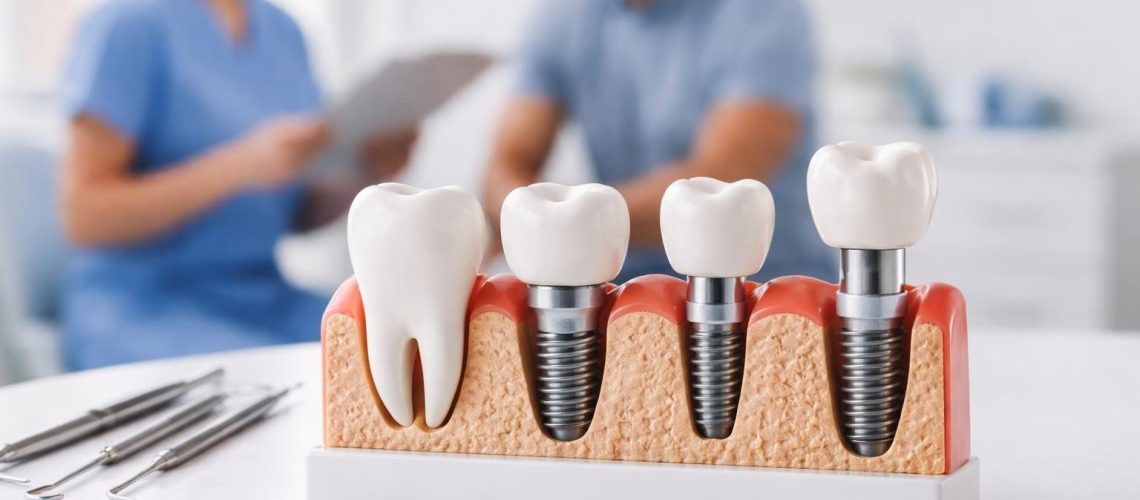
A dental implant procedure is a multi-stage surgical process that replaces missing tooth roots with titanium posts and attaches custom-made artificial teeth. Unlike dentures or bridges that sit on top of the gums, implants integrate directly with your jawbone through a biological process called osseointegration.
The procedure involves placing a small titanium screw into the jawbone where the tooth root once existed. This implant serves as a sturdy foundation for the replacement tooth. Over several months, the bone grows around the implant, creating a secure anchor that can last a lifetime with proper care.
Understanding the Components
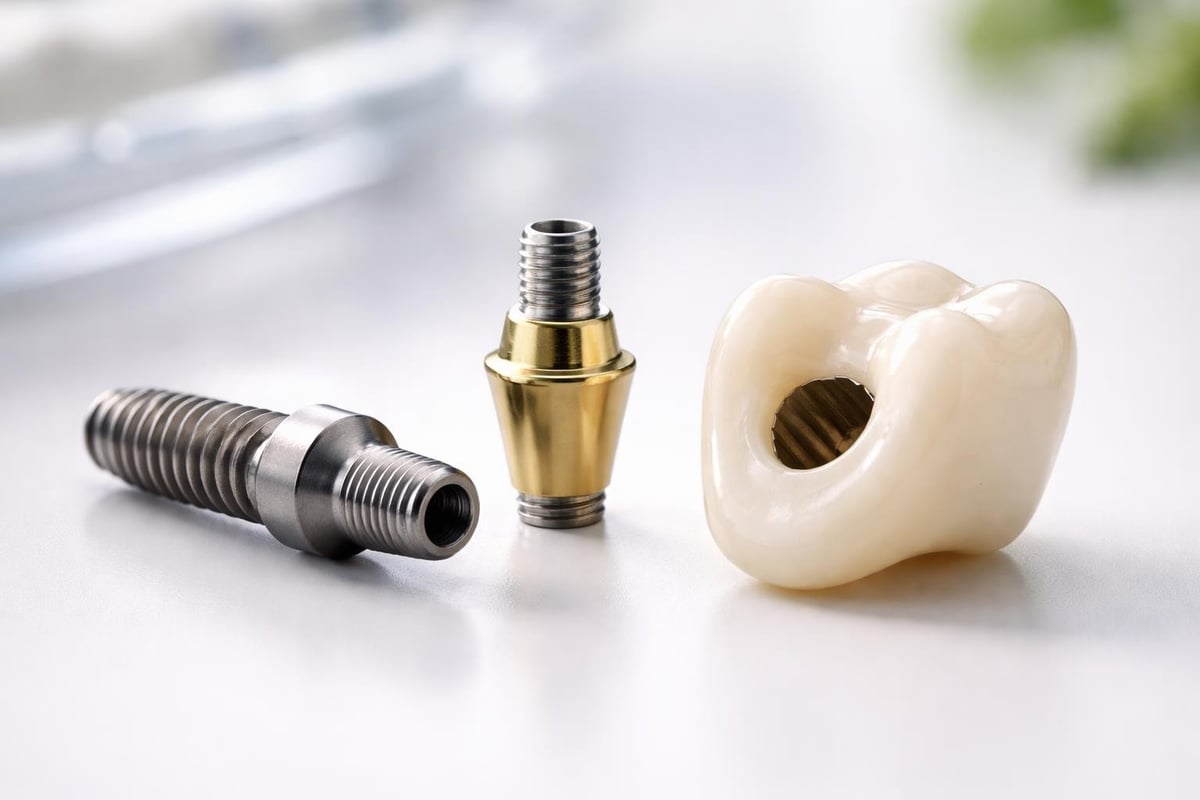
Every dental implant consists of three primary parts that work together to create a functional replacement tooth:
- The implant post: A titanium screw that replaces the natural tooth root
- The abutment: A connector piece that attaches to the implant post
- The crown: The visible prosthetic tooth that matches your natural teeth
According to research on dental implant placement techniques, modern guided surgery methods have improved precision and outcomes significantly. These advancements mean patients throughout Texas can expect more predictable results with less discomfort.
Who Needs a Dental Implant Procedure
Adults and teenagers with fully developed jawbones who have lost one or more teeth are potential candidates. The most common reasons people seek implants include tooth loss from decay, gum disease, injury, or congenital absence of certain teeth.
Ideal candidates typically have:
- Sufficient jawbone density to support the implant
- Healthy gums free from periodontal disease
- Good overall health without conditions that impair healing
- Commitment to excellent oral hygiene practices
- Realistic expectations about the timeline and results
However, certain medical conditions require careful evaluation. Patients with uncontrolled diabetes, active cancer treatment, or severe osteoporosis may need additional preparation before proceeding. Smokers face higher failure rates and should discuss cessation strategies with their dental team.
Special Considerations for Texas Families
Many parents in New Braunfels and Leander ask whether teenagers can receive implants. While the technology is safe, dentists typically wait until facial growth is complete, usually around age 18 for women and 21 for men. Meanwhile, alternative temporary solutions can maintain space and function.
Seniors often wonder if age limits their eligibility. The good news is that healthy patients in their 70s, 80s, and beyond successfully receive implants every year. Your overall health matters more than your age when determining candidacy.
Initial Consultation and Assessment
The dental implant procedure begins long before any surgery takes place. Your first appointment involves comprehensive evaluation and treatment planning that sets the foundation for success.
During this visit, your dentist will review your medical history, current medications, and any health conditions that might affect healing. Be completely transparent about supplements, vitamins, and over-the-counter medications, as some can interfere with blood clotting or bone integration.
Diagnostic Imaging and Planning
Modern implant dentistry relies heavily on advanced imaging technology:
| Imaging Type | Purpose | Information Provided |
|---|---|---|
| Digital X-rays | Overall bone structure | Bone height, sinus location, nerve pathways |
| 3D CT Scans | Detailed bone mapping | Bone density, precise measurements, surgical planning |
| Intraoral Photos | Treatment documentation | Current tooth condition, gum health, bite alignment |
These images allow your dentist to create a detailed surgical plan, determining the exact position, angle, and depth for implant placement. This precision planning is particularly important when placing multiple implants or working with limited bone structure.
Your dentist will also discuss timeline expectations, costs, and payment options. Many families appreciate knowing that savings plans are available to make implant treatment more affordable.
Preparatory Procedures Before Implant Placement
Not every patient can proceed directly to implant surgery. Some require preparatory treatments to ensure successful outcomes and long-term stability.
Bone Grafting for Insufficient Volume
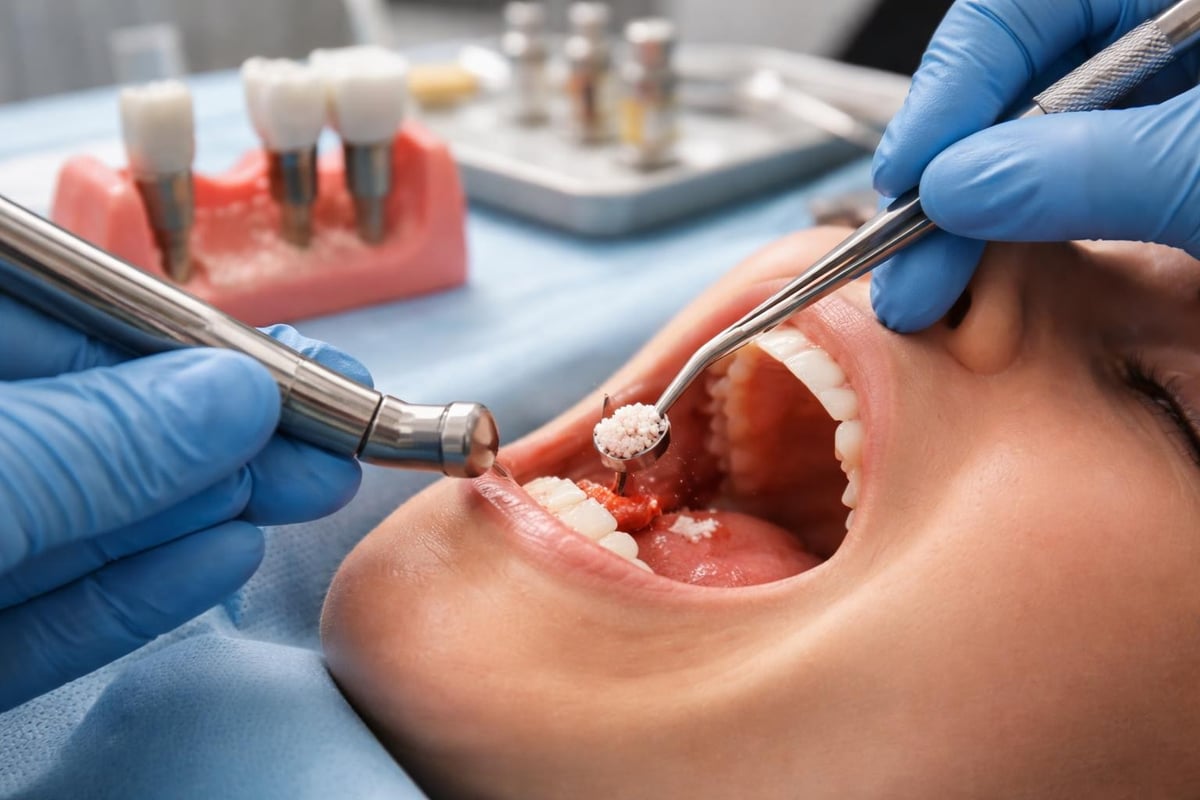
When the jawbone lacks sufficient height, width, or density, bone grafting becomes necessary. This procedure adds bone material to the deficient area, creating a solid foundation for the implant. The graft material can come from your own body, a donor source, or synthetic materials.
Common grafting scenarios include:
- Socket preservation immediately after tooth extraction
- Sinus lift procedures for upper back teeth
- Ridge augmentation for width deficiencies
- Block grafts for significant bone loss
Healing from bone grafting typically requires three to six months before implant placement can proceed. While this extends the overall timeline, skipping this critical step would likely result in implant failure.
Treating Gum Disease
Active periodontal disease must be resolved before proceeding with implants. The same bacteria that destroy natural tooth support can compromise implant integration. Your dentist may recommend deep cleanings, antibiotics, or other periodontal treatments to establish a healthy foundation.
Patients in Converse and Beeville often ask why this step matters so much. The reality is that placing implants in diseased tissue is like building a house on unstable ground. Taking time to create optimal conditions dramatically improves long-term success rates.
The Surgical Implant Placement Process
The day of your dental implant procedure represents a significant milestone in your tooth replacement journey. Understanding what happens during surgery helps reduce anxiety and prepare you for the experience.
Most implant placements occur under local anesthesia, though sedation options are available for anxious patients or complex cases. The procedure typically takes 60 to 90 minutes per implant, depending on location and complexity.
Step-by-Step Surgical Protocol
Your oral surgeon or implant dentist follows a precise sequence during placement:
- Anesthesia administration: Complete numbing of the surgical area ensures comfort
- Incision creation: A small cut in the gum tissue exposes the underlying bone
- Bone preparation: Specialized drills create a precisely sized hole in the jawbone
- Implant insertion: The titanium post is carefully positioned at the planned angle and depth
- Tissue closure: Sutures secure the gum tissue over or around the implant
According to surgical guidelines for dental implant placement, following standardized protocols significantly improves predictability and outcomes. Modern techniques emphasize minimally invasive approaches that preserve surrounding tissue and promote faster healing.
Immediate Load vs. Traditional Healing
Traditional protocols require waiting several months for osseointegration before attaching the replacement tooth. However, some patients qualify for immediate load implants, where a temporary crown is placed the same day.
Factors favoring immediate loading:
- Excellent bone quality and density
- Primary stability of the implant during placement
- Anterior (front) tooth positions with lower chewing forces
- Patient compliance with dietary restrictions
Your dentist will determine which approach best suits your situation. While immediate loading offers faster aesthetic results, traditional healing remains the gold standard for long-term predictability in most cases.
Osseointegration and Healing Period
After surgical placement, the dental implant procedure enters its most critical phase. Osseointegration, the biological fusion of bone and titanium, determines whether your implant succeeds or fails.
This remarkable process occurs gradually over three to six months. During this time, bone cells migrate to the implant surface, forming new bone tissue that essentially welds the implant to your jaw. The titanium’s biocompatible properties trigger this response, making it uniquely suited for dental applications.
What to Expect During Healing
The first few days post-surgery require the most attention and care:
- Days 1-3: Swelling, minor bleeding, and discomfort peak then gradually improve
- Week 1: Soft diet continues; sutures may be removed or dissolve on their own
- Weeks 2-4: Most discomfort resolves; eating becomes more comfortable
- Months 2-6: Silent healing occurs internally as bone integrates with the implant
Throughout this period, maintaining excellent oral hygiene around the surgical site is essential. However, you must clean gently to avoid disturbing the healing tissue. Your dentist will provide specific instructions tailored to your situation.
Factors Affecting Integration Success
Several variables influence how well your bone accepts the implant:
| Success Factor | Impact on Healing | How to Optimize |
|---|---|---|
| Smoking | Reduces blood flow, impairs healing | Quit or reduce significantly |
| Diabetes control | Affects immune response | Maintain stable blood sugar levels |
| Oral hygiene | Prevents infection | Follow prescribed cleaning protocols |
| Diet quality | Provides healing nutrients | Emphasize protein, vitamins C and D, calcium |
| Physical activity | Excessive force risks failure | Avoid contact sports, heavy lifting initially |
Patients throughout Seguin and Leander who follow post-operative instructions carefully experience failure rates below 5%. Those who smoke, neglect oral hygiene, or ignore dietary restrictions face significantly higher complication risks.
Abutment Placement and Impressions
Once osseointegration is complete, the dental implant procedure continues with abutment placement. This minor surgical procedure connects the buried implant to the visible portion of your restoration.
During a brief appointment, your dentist reopens the gum tissue covering the implant and attaches the abutment, a small connector post. Some implant systems allow abutment placement during the initial surgery, eliminating this separate step.
Creating Your Custom Crown
After the abutment heals for about two weeks, your dentist takes detailed impressions of your teeth and bite. These molds guide the dental laboratory in fabricating a crown that matches your natural teeth in size, shape, and color.
Modern digital dentistry offers an alternative to traditional impressions. Intraoral scanners create precise 3D models of your mouth, often providing more accurate results with greater patient comfort. The digital data is transmitted to the lab electronically, sometimes reducing fabrication time.
Crown material options include:
- Porcelain fused to metal for strength and aesthetics
- All-ceramic for superior natural appearance
- Zirconia for maximum durability in high-stress areas
- Gold alloys for posterior teeth (less common today)
Your dentist will recommend materials based on the implant location, your bite forces, aesthetic preferences, and budget considerations. Many patients at our New Braunfels location choose all-ceramic crowns for front teeth and zirconia for molars, balancing beauty with function.
Final Crown Placement and Adjustment
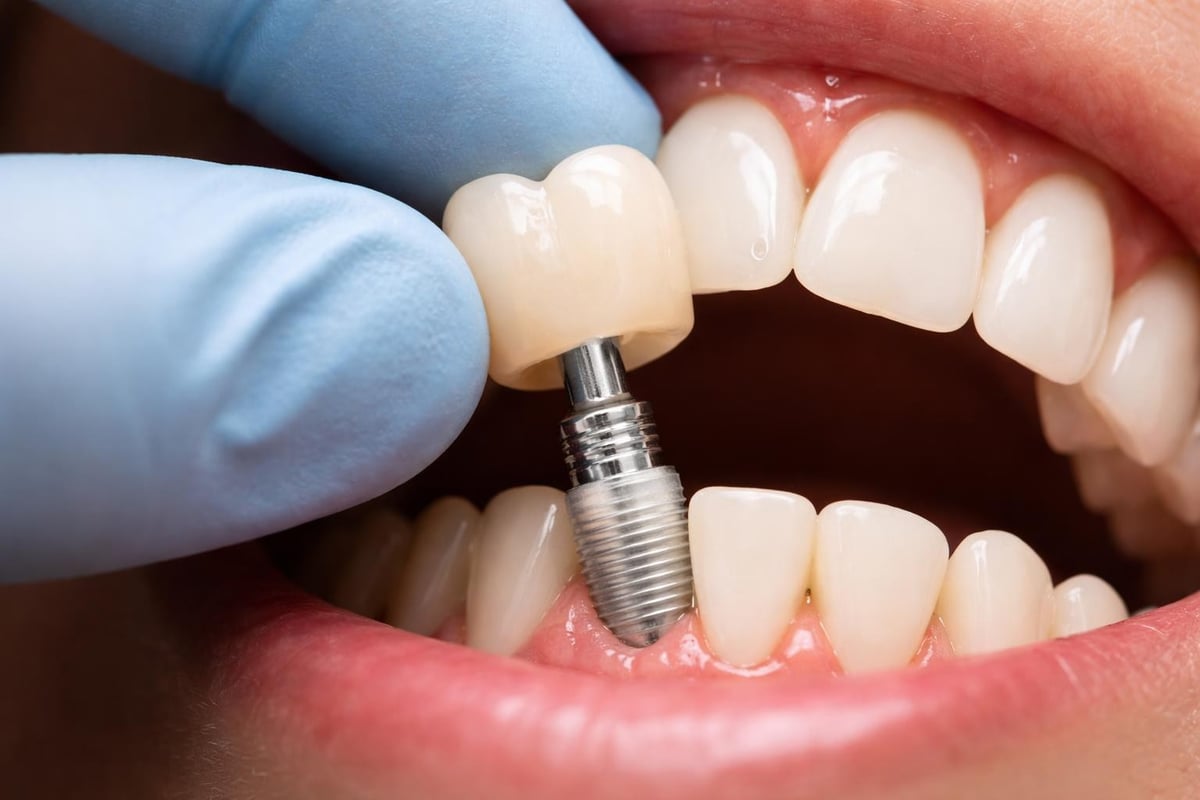
The final stage of your dental implant procedure arrives when your custom crown is ready. This appointment transforms the implant from a functional post into a complete, beautiful tooth replacement.
Your dentist carefully positions the crown onto the abutment, checking multiple factors before permanent attachment. The crown must align properly with your bite, allow normal flossing access, and blend seamlessly with adjacent teeth.
Ensuring Proper Fit and Function
Before cementing or screwing the crown in place, your dentist evaluates several critical aspects:
- Occlusion: How the crown contacts opposing teeth during chewing
- Contact points: Proper touch with neighboring teeth prevents food trapping
- Emergence profile: How the crown rises from the gum line for natural appearance
- Shade match: Color harmony with surrounding natural teeth
Minor adjustments are common and expected. Your dentist may polish certain areas, adjust the bite slightly, or refine the contact points. These small modifications ensure comfortable chewing and natural function.
Once everyone is satisfied with the fit, the crown is permanently secured. Screw-retained crowns offer easier future maintenance if needed, while cement-retained crowns provide superior aesthetics in visible areas.
Recovery Timeline and Post-Procedure Care
Understanding the complete recovery timeline helps set realistic expectations for your dental implant procedure. While individual experiences vary, most patients follow a predictable healing pattern.
Complete timeline from start to finish:
- Initial surgery: Day 1
- Soft tissue healing: 7-14 days
- Osseointegration: 3-6 months
- Abutment placement: Single visit
- Gum tissue maturation: 2 weeks
- Crown fabrication: 2-3 weeks
- Final crown placement: Single visit
From first surgery to final crown, expect four to nine months for the complete dental implant procedure. While this seems lengthy, remember that most of this time involves natural healing with minimal appointments. The result is a permanent tooth replacement that can last decades.
Daily Care and Maintenance
Once your implant is complete, caring for it resembles caring for natural teeth with a few important distinctions:
- Brush twice daily with a soft-bristled toothbrush
- Floss around the implant using unwaxed floss or specialized implant floss
- Use a water flosser to clean hard-to-reach areas around the crown
- Attend regular checkups and professional cleanings every six months
- Avoid using the implant to bite extremely hard foods like ice or hard candy
Many patients ask whether implants can develop cavities. The crown itself cannot decay, but the surrounding gum tissue remains vulnerable to infection. Proper hygiene prevents peri-implantitis, an inflammatory condition that can jeopardize implant stability.
Potential Complications and How to Avoid Them
While dental implants boast high success rates, understanding potential complications helps you recognize warning signs early and seek prompt treatment when necessary.
Common Issues and Solutions
| Complication | Occurrence Rate | Prevention Strategy |
|---|---|---|
| Infection at implant site | 5-10% | Excellent oral hygiene, prescribed antibiotics |
| Implant failure to integrate | 2-5% | Avoid smoking, follow healing protocols |
| Nerve damage | Less than 1% | Choose experienced surgeons, proper imaging |
| Sinus problems (upper jaw) | 1-3% | Sinus lift when needed, proper planning |
| Crown loosening | 5-8% over 10 years | Regular checkups, proper bite adjustment |
According to guidelines for dental implant provision, selecting qualified practitioners and following evidence-based protocols dramatically reduces complication risks. This is why choosing a clinic with experienced implant dentists matters significantly.
When to Contact Your Dentist
Certain symptoms require immediate professional attention:
- Severe pain unrelieved by prescribed medications
- Excessive bleeding beyond the first 24 hours
- Fever above 101°F (38.3°C)
- Implant feeling loose or moving
- Pus or unusual discharge from the surgical site
- Numbness persisting beyond expected timeline
Most complications resolve quickly when addressed promptly. Delaying treatment can transform minor issues into serious problems requiring additional procedures or even implant removal.
Cost Considerations and Insurance Coverage
The dental implant procedure represents a significant financial investment, but understanding costs helps families in Texas plan effectively. Prices vary based on several factors including location, complexity, and materials used.
Breaking Down the Investment
A single dental implant typically costs between $3,000 and $6,000 when including all stages. This encompasses the surgical placement, abutment, crown, and follow-up appointments. Additional procedures like bone grafting or sinus lifts add to the total.
Cost components include:
- Initial consultation and imaging: $200-$500
- Bone grafting (if needed): $300-$3,000
- Surgical implant placement: $1,500-$2,500
- Abutment and crown: $1,000-$3,000
- Follow-up appointments: Usually included
Multiple implants or full-arch replacements benefit from economies of scale, reducing per-tooth costs. Some patients invest in implant-supported dentures, which replace entire arches at lower per-tooth expenses than individual implants.
Insurance and Payment Options
Traditional dental insurance often provides limited implant coverage, viewing them as elective rather than necessary. However, policies increasingly recognize implants as standard care, particularly when teeth are lost due to accident or disease.
Insurance may cover:
- A portion of the crown (the “tooth” portion)
- Bone grafting in some circumstances
- 10-50% of total costs depending on your plan
Even without insurance coverage, the dental implant procedure remains accessible through various payment strategies. Many practices offer financing plans with monthly payments, making treatment affordable for more families. Additionally, some patients use health savings accounts (HSA) or flexible spending accounts (FSA) to pay with pre-tax dollars.
Families seeking affordable options can explore whether savings plans reduce their out-of-pocket expenses for comprehensive dental care including implants.
Comparing Implants to Alternative Tooth Replacement Options
When facing tooth loss, understanding all available options helps you make the best decision for your situation. The dental implant procedure offers distinct advantages, but bridges and dentures serve important roles in certain circumstances.
Dental Bridges
Traditional bridges attach artificial teeth to adjacent natural teeth, which must be filed down to accommodate crowns. This provides a fixed solution without surgery but sacrifices healthy tooth structure.
Bridge advantages:
- Shorter treatment timeline (2-3 weeks)
- Lower upfront cost
- No surgery required
- Predictable results
Bridge disadvantages:
- Requires altering healthy adjacent teeth
- Average lifespan of 10-15 years
- Does not prevent bone loss under the missing tooth
- Difficult to clean underneath
- May stress supporting teeth
Many patients explore whether dental implants or bridges better suit their needs, and the answer depends on individual circumstances including age, bone health, and budget.
Removable Dentures
Full or partial dentures rest on the gums and are removed for cleaning. Modern dentures fit better than ever but cannot match the stability and comfort of implanted teeth.
| Feature | Dental Implants | Removable Dentures |
|---|---|---|
| Stability | Excellent, feels like natural teeth | Good, but may slip occasionally |
| Bone preservation | Yes, stimulates bone | No, bone loss continues |
| Diet restrictions | Minimal | Avoid hard, sticky foods |
| Maintenance | Brush and floss | Remove and clean daily |
| Longevity | 25+ years | 5-8 years before replacement |
| Initial cost | Higher | Lower |
| Long-term value | Better | Requires periodic replacement |
Some patients choose implant-supported dentures, which combine the tooth replacement capacity of dentures with the stability of implants. This hybrid approach offers excellent value for patients missing most or all teeth.
Lifestyle Changes and Dietary Recommendations
Successfully navigating the dental implant procedure requires temporary lifestyle adjustments that protect your investment and promote optimal healing.
Immediate Post-Surgery Diet
The first few days after implant placement demand careful food choices:
- Days 1-3: Cold, soft foods like yogurt, smoothies, pudding, ice cream
- Days 4-7: Warm soft foods including mashed potatoes, scrambled eggs, oatmeal, pasta
- Weeks 2-4: Gradually introduce tender cooked vegetables, soft fruits, ground meats
- Months 2+: Return to normal diet while avoiding extreme forces
Temperature matters during early healing. Very hot foods can increase bleeding and discomfort, while cold items often feel soothing. Avoid using straws, as the suction can dislodge blood clots and delay healing.
Long-Term Dietary Considerations
Once fully healed, your dental implant can handle nearly any food. However, exercising reasonable caution preserves your investment:
Foods to approach carefully:
- Extremely hard items (ice, hard candy, popcorn kernels)
- Very sticky substances (taffy, caramels, gummy candies)
- Whole hard nuts (almonds, hard shell pistachios)
- Crusty bread with tough exteriors
- Chewing non-food items (pens, fingernails)
These precautions apply to natural teeth as well. The goal is avoiding excessive force that could damage the crown or, in rare cases, stress the implant-bone interface.
Activity Restrictions
Physical activity restrictions apply primarily during the initial healing phase:
- Avoid strenuous exercise for 72 hours post-surgery
- Skip contact sports until osseointegration completes
- Limit heavy lifting that increases blood pressure during the first week
- Resume normal activities gradually as comfort allows
These temporary limitations prevent complications like excessive bleeding, swelling, or accidental trauma to the healing site. Once healed, implants withstand normal athletic activities without special precautions.
Advanced Implant Techniques and Technologies
The dental implant procedure has evolved dramatically over recent decades. Modern innovations make treatment faster, more comfortable, and more predictable than ever before.
Computer-Guided Implant Surgery
Advanced 3D planning software allows surgeons to virtually place implants before touching a patient. This technology creates surgical guides that direct drills with sub-millimeter precision, reducing surgical time and improving accuracy.
Benefits of guided surgery include:
- Minimized surgical trauma to surrounding tissues
- Reduced post-operative discomfort and swelling
- Shorter procedure times
- More predictable aesthetic outcomes
- Ability to plan complex cases with confidence
Research on fully guided dental implant placement techniques demonstrates how these advances improve both safety and outcomes, particularly in complex cases or when placing multiple implants.
Immediate Loading Protocols
Traditional implant protocols required months of healing before attaching teeth. Immediate loading allows selected patients to leave with temporary teeth the same day as implant placement.
Requirements for immediate loading:
- Primary implant stability exceeding 35 Ncm torque
- Adequate bone density (Type 1 or 2)
- Strategic implant positioning for force distribution
- Patient compliance with dietary restrictions
While not suitable for every case, immediate loading offers psychological and functional benefits for appropriate candidates. Front tooth replacements particularly benefit from this approach, as gaps in visible areas affect confidence and social interactions.
Mini Implants for Special Situations
Standard implants measure approximately 3.5-4.2mm in diameter. Mini implants, measuring 1.8-3mm, serve specific purposes:
- Stabilizing lower dentures
- Replacing small lateral incisors
- Working in areas with limited bone width
- Serving as temporary anchors during orthodontic treatment
While mini implants cost less and heal faster than standard implants, they also generate less retention and are typically used for lower-stress applications. Your dentist will recommend the appropriate implant size based on the specific tooth being replaced and the forces it must withstand.
Patient Experience and Testimonials
Understanding others’ experiences with the dental implant procedure helps set realistic expectations and reduce anxiety about treatment.
Common Patient Concerns Addressed
Many patients in Beeville, Converse, and surrounding communities share similar worries before beginning treatment:
“Will the surgery hurt?” Most patients report minimal discomfort during the procedure due to effective anesthesia. Post-operative soreness typically responds well to over-the-counter pain medications and resolves within a few days.
“How long before I can return to work?” Many patients return to desk jobs the next day, though physical laborers may need 2-3 days off depending on job demands. Swelling and bruising are usually minimal with modern surgical techniques.
“Will people notice I have an implant?” When properly placed and restored, dental implants are virtually indistinguishable from natural teeth. Even dentists examining your mouth may need x-rays to identify which teeth are implants.
“What if my body rejects the implant?” True rejection is extremely rare with titanium implants. The body accepts titanium as biocompatible, and “rejection” typically indicates infection or inadequate bone quality rather than immune response.
Real Outcomes From Texas Patients
Adults throughout Texas consistently report high satisfaction with their dental implant procedures. Common benefits mentioned include:
- Restored confidence in social and professional situations
- Improved ability to eat favorite foods without worry
- Better speech clarity compared to dentures
- No concern about appliances slipping or clicking
- Natural feeling that makes them forget which teeth are implants
Parents particularly appreciate that their teenagers and young adults receive permanent solutions rather than temporary fixes that require replacement throughout life. When comparing the lifetime cost of repeatedly replacing bridges or dentures, implants often prove more economical despite higher initial investment.
Frequently Asked Questions About Dental Implants
How long does the entire dental implant procedure take?
The complete process typically spans four to nine months from initial surgery to final crown placement. This includes three to six months for osseointegration. However, the actual time in the dental chair totals only a few hours across multiple appointments.
Are dental implants painful?
Most patients experience minimal discomfort during the procedure thanks to local anesthesia. Post-operative soreness is usually less than expected and well-managed with over-the-counter pain relievers. Many patients report that tooth extraction was more uncomfortable than implant placement.
Can I get dental implants if I have gum disease?
Active periodontal disease must be treated before implant placement. Once your gums are healthy and stable, you become a viable candidate. Untreated gum disease significantly increases implant failure risk, making preliminary treatment essential.
What is the success rate for dental implants?
Modern dental implants succeed in approximately 95-98% of cases when placed by experienced practitioners in healthy patients. Success rates decrease slightly for smokers, diabetics with poor glucose control, and patients with certain bone conditions.
How do I care for my dental implants?
Care for implants exactly like natural teeth: brush twice daily, floss daily, and visit your dentist every six months for professional cleanings and examinations. While the crown cannot decay, the surrounding gum tissue requires the same attention as natural teeth.
Will my dental insurance cover implants?
Coverage varies significantly by plan. Some policies cover a portion of implant costs, particularly when tooth loss results from accident or disease. Many plans cover the crown portion while excluding the surgical implant placement. Check with your specific dental insurance for details.
Can dental implants fail years after placement?
While rare, late implant failure can occur due to peri-implantitis (infection around the implant), excessive bite forces, or bone loss from systemic conditions. Proper oral hygiene and regular dental visits minimize this risk significantly.
Am I too old for dental implants?
Age alone does not disqualify patients from implant treatment. Overall health matters more than chronological age. Healthy patients in their 80s and 90s successfully receive implants regularly. Your dentist evaluates your specific health conditions rather than your age.
How many teeth can be replaced with implants?
Dental implants can replace anywhere from a single tooth to an entire arch. Full-mouth reconstruction using implant-supported prosthetics represents one of dentistry’s most transformative procedures, often requiring as few as four to six implants per arch.
What happens if an implant fails?
If an implant fails to integrate or develops problems later, it can usually be removed and replaced after the site heals. Identifying and addressing the failure cause (infection, inadequate bone, excessive forces) improves the success rate of replacement implants.
Maintaining Your Dental Implants Long-Term
The dental implant procedure concludes with crown placement, but your role in ensuring long-term success continues indefinitely. Proper maintenance protects your investment and maximizes implant lifespan.
Professional Maintenance Schedule
Regular dental visits form the foundation of implant longevity:
- Initial six months: Visit every 3-4 months to monitor healing and integration
- Years 1-5: Standard six-month cleanings and examinations
- Year 5+: Continue six-month intervals, with possible x-rays to assess bone levels
During these visits, your dental hygienist carefully cleans around implants using specialized instruments that won’t scratch titanium surfaces. Your dentist examines the implant stability, crown integrity, and surrounding tissue health.
Home Care Best Practices
Daily oral hygiene prevents the most common cause of late implant failure: peri-implantitis. This inflammatory condition resembles gum disease but affects tissue surrounding implants.
Essential daily practices:
- Brush implant crowns and adjacent teeth with a soft-bristled brush
- Floss around implants using unwaxed floss or specialized implant floss
- Consider using a water flosser to clean areas difficult to reach with traditional floss
- Use an antiseptic mouth rinse if recommended by your dentist
- Inspect implants regularly for any changes in appearance or sensation
According to expert perspectives on patient education about dental implants, effective communication between dentists and patients significantly improves long-term outcomes. Never hesitate to ask questions about proper care techniques during your regular appointments.
Recognizing Warning Signs
Early detection of problems allows intervention before serious damage occurs. Contact your dentist if you notice:
- Bleeding around the implant when brushing or flossing
- Persistent bad taste or odor near the implant
- Gum recession exposing implant threads
- Discomfort or sensitivity around the implant
- Any feeling of movement or looseness
These symptoms may indicate developing peri-implantitis, crown loosening, or other issues requiring professional attention. Addressing problems early often prevents implant loss and reduces treatment complexity.
Choosing the Right Dental Implant Provider
The success of your dental implant procedure depends heavily on provider expertise and experience. Selecting the right dental team represents one of your most important decisions.
Credentials and Experience to Consider
When evaluating potential implant providers in Texas, investigate several key qualifications:
Essential credentials include:
- Advanced training in implant dentistry beyond dental school
- Membership in professional organizations like the American Academy of Implant Dentistry
- Years of experience specifically placing implants
- Continuing education in modern implant techniques
- Access to advanced imaging technology (3D CT scanners)
- In-house surgical facilities meeting appropriate standards
According to evaluation of dental implant guidelines, following evidence-based protocols significantly impacts outcomes. Providers who stay current with research and guidelines deliver superior results compared to those using outdated techniques.
Questions to Ask Potential Providers
During consultations at dental offices in Seguin, Leander, or other Texas locations, ask specific questions that reveal provider qualifications:
- How many dental implants do you place annually?
- What is your personal success rate with implants?
- How do you handle complications if they arise?
- What technology do you use for treatment planning?
- Can you show before-and-after photos of similar cases?
- What post-operative support do you provide?
- Do you perform the surgery yourself or refer to specialists?
Comprehensive answers to these questions help you assess whether a provider meets your needs. Providers who welcome questions and provide detailed responses typically offer superior patient experiences.
The Importance of Comprehensive Care
Choosing a practice offering comprehensive dental services provides continuity throughout your implant journey. Clinics that handle consultations, surgery, restoration, and maintenance under one roof streamline communication and simplify scheduling.
This integrated approach ensures that your implant dentist, restorative dentist, and hygienist all collaborate on your case, optimizing both function and aesthetics. Many Texas families appreciate the convenience and consistency this model provides, particularly when managing care for multiple family members.
Special Considerations for Full-Mouth Reconstruction
Some patients require replacing most or all teeth rather than single implants. Full-mouth reconstruction using implant-supported prosthetics represents the most transformative application of dental implant technology.
All-on-4 and All-on-6 Concepts
These innovative approaches replace entire arches using just four or six strategically placed implants. By angling posterior implants to avoid anatomical structures and maximize bone contact, dentists can provide stable, fixed teeth even for patients with moderate bone loss.
Advantages of full-arch implant prosthetics:
- Restore complete function with fewer implants than individual tooth replacement
- Lower overall cost compared to replacing each tooth separately
- Often qualify for immediate loading with temporary teeth
- Provide exceptional stability compared to traditional dentures
- Prevent further bone loss throughout the jaw
Candidates for these procedures include patients currently wearing complete dentures, those facing extraction of remaining teeth due to severe decay or gum disease, and individuals with extensive previous dental work that continues failing.
Timeline for Full-Mouth Cases
Full-arch reconstruction follows a similar dental implant procedure timeline as single implants but involves more complex coordination:
- Comprehensive evaluation: Detailed imaging, bite analysis, smile design
- Treatment planning: Virtual implant placement, prosthetic design, surgical guide fabrication
- Surgical day: Possible extractions, implant placement, immediate temporary prosthetic
- Healing period: 3-6 months with temporary teeth in place
- Final prosthetic: Custom-fabricated permanent teeth designed for aesthetics and function
Many patients appreciate leaving the surgical appointment with functional temporary teeth, avoiding any period without teeth. This immediate loading approach, when appropriate, transforms smiles in a single day while allowing months for complete healing underneath.
Investment and Value
Full-mouth implant reconstruction represents a significant financial commitment, typically ranging from $20,000 to $50,000 per arch depending on complexity and materials. However, when compared to the lifetime cost of dentures, adhesives, relines, and eventual replacements, implants often prove more economical.
Additionally, the improved quality of life, dietary freedom, and confidence many patients experience represents value that transcends purely financial considerations. The ability to eat favorite foods, speak clearly, and smile without self-consciousness significantly impacts overall wellbeing.
The Role of Technology in Modern Dental Implants
Technological advancement has revolutionized the dental implant procedure, making treatment more precise, predictable, and comfortable than previous generations could imagine.
Digital Smile Design
Before placing any implants, modern practices use digital smile design software to show you the expected final result. This technology considers facial proportions, smile line, tooth size, and color to create beautiful, harmonious outcomes.
You actively participate in designing your new smile, providing input on tooth shape, length, and shade. This collaboration ensures satisfaction with aesthetic results and prevents miscommunication about expectations.
Cone Beam Computed Tomography (CBCT)
Three-dimensional CBCT imaging provides comprehensive views of your jaw anatomy impossible with traditional x-rays. This technology reveals:
- Precise bone dimensions in all three planes
- Location of nerves, blood vessels, and sinuses
- Bone density variations throughout the jaw
- Existing pathology requiring treatment
- Optimal implant positions and angulations
According to comprehensive information available through dental implant encyclopedic resources, advanced imaging has dramatically reduced complications and improved outcomes. The ability to virtually plan surgery before touching the patient represents one of dentistry’s most significant technological leaps.
CAD/CAM Restoration Fabrication
Computer-aided design and manufacturing technology creates implant crowns with unprecedented precision. Digital impressions feed directly into milling machines that carve restorations from solid blocks of ceramic or zirconia.
This process eliminates human error in traditional impression-taking and manual crown fabrication. The result is restorations that fit better, look more natural, and last longer than conventionally made crowns.
Understanding Risks and Setting Realistic Expectations
While the dental implant procedure offers outstanding success rates, understanding potential risks and limitations helps you make informed decisions and set appropriate expectations.
Realistic Outcome Expectations
Dental implants will not make you look 20 years younger or transform your entire appearance. They will, however, replace missing teeth with natural-looking, functional substitutes that restore your smile and chewing ability.
Implants successfully achieve:
- Natural appearance blending seamlessly with existing teeth
- Complete restoration of chewing function
- Prevention of bone loss in missing tooth areas
- Permanent solution eliminating need for removable appliances
- Improved speech clarity compared to dentures
Implants cannot:
- Change the alignment of your other teeth (orthodontics required)
- Whiten surrounding natural teeth (whitening treatments needed)
- Fix unrelated dental problems like decay in other teeth
- Prevent future tooth loss from gum disease elsewhere in your mouth
Setting realistic expectations from the beginning prevents disappointment and ensures satisfaction with results.
Managing Anxiety and Fear
Dental anxiety affects many patients considering the dental implant procedure. Modern dentistry offers several solutions for managing fear:
- Detailed procedure explanations so you know exactly what to expect
- Nitrous oxide (laughing gas) for mild relaxation
- Oral sedation medications taken before appointments
- IV sedation for complete relaxation during surgery
- General anesthesia in hospital settings for complex cases
Never let fear prevent you from receiving needed treatment. Communicate openly with your dental team about anxiety, and they will work with you to create a comfortable experience.
Additional information available through detailed Wikipedia coverage of dental implants provides comprehensive understanding of techniques, risks, and outcomes, helping patients make informed decisions.
The Future of Dental Implant Technology
The dental implant procedure continues evolving as researchers develop new materials, techniques, and technologies. Understanding emerging trends provides perspective on where implant dentistry is heading.
Bioactive Implant Surfaces
Current research focuses on implant surfaces that actively promote bone growth rather than simply allowing passive integration. These bioactive coatings contain growth factors, proteins, or minerals that accelerate healing and improve outcomes.
Early studies suggest these advanced surfaces may:
- Reduce osseointegration time from months to weeks
- Improve success rates in challenging cases
- Enable implant placement in patients currently considered poor candidates
- Enhance long-term stability through stronger bone bonding
Ceramic Implants
While titanium remains the gold standard, ceramic (zirconia) implants are gaining popularity for specific applications. These tooth-colored implants eliminate the risk of gray color showing through thin gums and appeal to patients seeking metal-free solutions.
Current ceramic implants show promise but lack titanium’s decades-long track record. As materials improve and research accumulates, ceramics may become more mainstream for anterior tooth replacement where aesthetics are paramount.
Regenerative Therapies
Stem cell research and tissue engineering may eventually eliminate the need for bone grafting. Instead of transplanting bone from other sources, future techniques might stimulate your body to regenerate bone naturally at implant sites.
While these technologies remain largely experimental in 2026, they represent exciting possibilities for improving access to implant treatment and expanding candidacy to patients currently facing bone deficiency challenges.
Making Your Decision About Dental Implants
After understanding the complete dental implant procedure, timeline, costs, and expectations, you face an important decision about how to replace missing teeth. Several considerations help clarify whether implants represent the right choice for your situation.
Evaluating Your Personal Priorities
Different patients prioritize different factors when selecting tooth replacement options:
Choose implants if you prioritize:
- Permanent solution avoiding future replacements
- Maximum stability and natural function
- Preserving remaining teeth and preventing bone loss
- Long-term value despite higher initial investment
- Comfort and convenience of fixed teeth
Consider alternatives if you prioritize:
- Lowest possible upfront cost
- Fastest treatment timeline
- Non-surgical solutions
- Reversible options allowing future changes
Neither choice is inherently better. The right decision depends on your unique circumstances, values, and goals for your oral health.
Taking the First Step
If you decide to explore dental implant treatment, scheduling a consultation represents your first action. This appointment involves no commitment but provides valuable information about your specific situation.
During this visit, you will learn:
- Whether you qualify as a good implant candidate
- What preparatory procedures, if any, you need
- Detailed timeline for your specific case
- Accurate cost estimates including all treatment phases
- Payment options and insurance coverage available
Many patients find that fears decrease significantly once they understand the process and meet the team who will provide their care. Knowledge replaces anxiety, allowing confident decisions about treatment.
The American College of Prosthodontists provides position statements on dental implants emphasizing the importance of patient education and proper training, reinforcing the value of choosing qualified providers for this life-changing treatment.
Final Thoughts
Understanding the dental implant procedure empowers you to make informed decisions about replacing missing teeth and restoring your smile. From initial consultation through final crown placement, each stage builds toward a permanent solution that looks, feels, and functions like natural teeth.
At Dental Plus Clinic, our experienced team provides comprehensive implant services across our five Texas locations in Beeville, Seguin, New Braunfels, Leander, and Converse. We combine advanced technology with personalized care to ensure comfortable, successful outcomes for every patient. Whether you are missing a single tooth or need full-mouth reconstruction, our specialists will create a customized treatment plan that fits your needs and budget. Schedule your consultation today to discover how dental implants can transform your smile and restore your confidence.