
When considering dental implants as a solution for missing teeth, one question consistently tops the list of patient concerns: do dental implants look natural? This apprehension is completely understandable, as your smile is one of the first things people notice about you. The good news is that modern dental implant technology has reached a level of sophistication where distinguishing between an implant and a natural tooth is virtually impossible to the untrained eye. Through advanced materials, precise customization, and skilled dental artistry, dental implants now deliver results that seamlessly blend with your existing teeth, restoring both function and aesthetics with remarkable precision.
Understanding the Anatomy of Natural-Looking Dental Implants
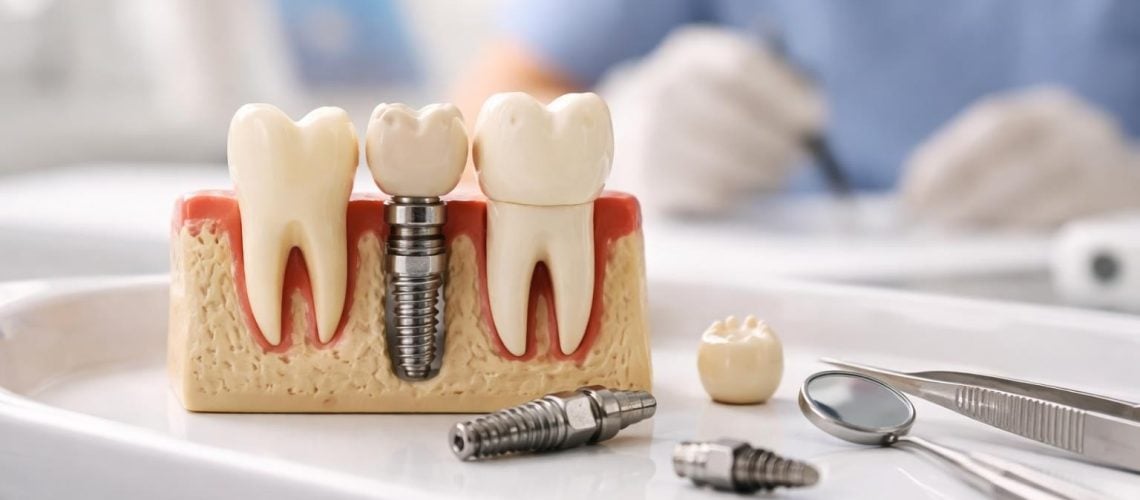
Dental implants consist of three distinct components, each designed to replicate the structure and appearance of natural teeth. The titanium or zirconia post serves as an artificial root, anchoring securely into the jawbone through a process called osseointegration. This foundation supports an abutment, which connects the implant to the visible portion of the restoration.
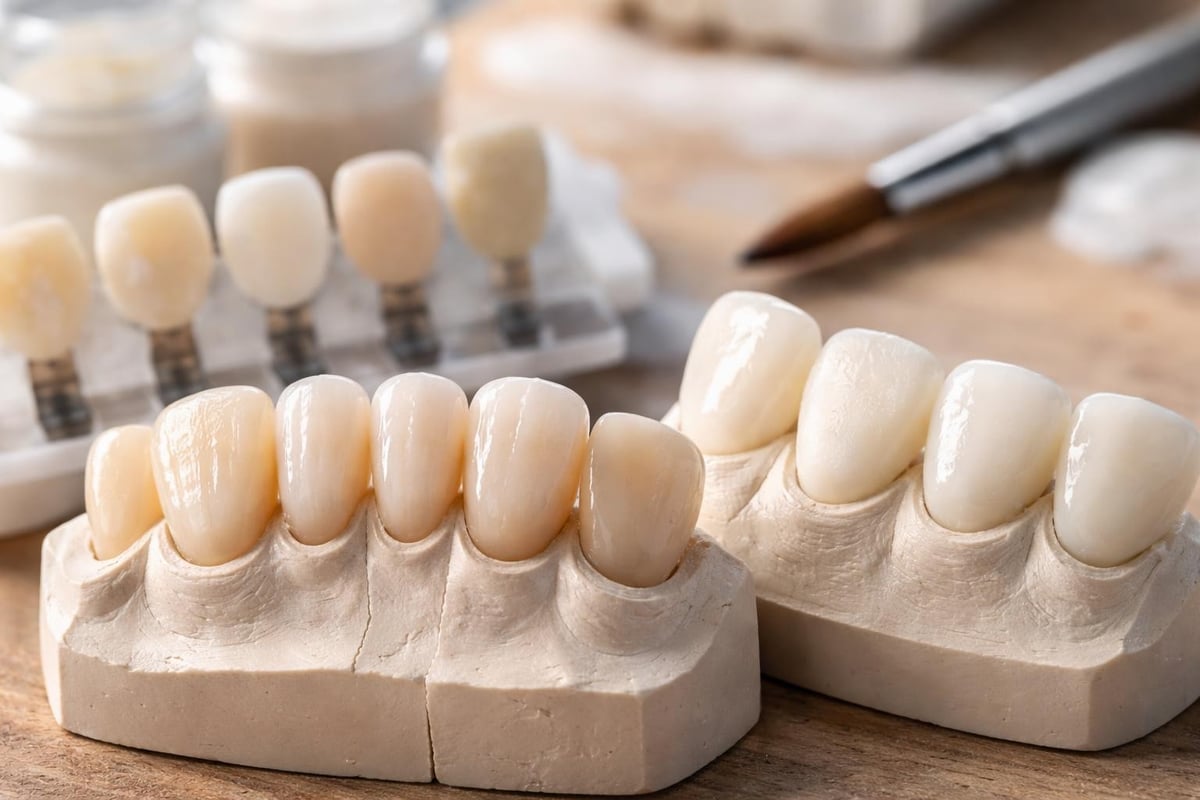
The crown represents the most critical element when assessing whether dental implants look natural. Modern dental laboratories create these crowns using high-quality materials like porcelain, ceramic, or zirconia that possess translucency and light-reflecting properties identical to natural tooth enamel.
Material Selection and Its Impact on Aesthetics
Porcelain crowns have dominated cosmetic dentistry for decades due to their exceptional ability to mimic natural teeth. These materials can be layered and shaded to create depth, translucency, and color variations that match surrounding teeth perfectly.
Zirconia crowns offer superior strength while maintaining aesthetic appeal. Recent advances in zirconia technology have produced materials with improved translucency, making them suitable for front teeth where appearance is paramount. Patients interested in comparing materials can explore more about zirconia vs titanium implants to understand how different components contribute to the final result.
The selection process involves careful consideration of several factors:
- Location of the missing tooth (front versus back)
- Bite force requirements
- Gum tissue characteristics
- Adjacent tooth coloring
- Patient budget and preferences
Customization: The Key to Natural Aesthetics
Do dental implants look natural without extensive customization? The answer is no. Every successful implant restoration begins with detailed analysis and personalized design. Your dental team takes digital impressions, photographs, and measurements to ensure the implant crown matches your natural dentition in multiple dimensions.
Color Matching and Shade Selection
Professional dental laboratories use shade guides containing hundreds of color variations to match your existing teeth. This process goes beyond selecting a single color-technicians layer different shades to create depth and realism.
Natural teeth display color variation from the gum line to the biting edge. Teeth typically appear darker near the gums and lighter toward the tips. Skilled ceramists replicate these gradients in implant crowns, ensuring they blend seamlessly when you smile.
Shape, Size, and Proportion Considerations
The shape of your implant crown must harmonize with your facial features and surrounding teeth. Dentists consider factors like tooth length-to-width ratio, incisal edge shape, and surface texture when designing restorations.
| Design Element | Natural Variation | Implant Customization |
|---|---|---|
| Tooth Length | Varies by position | Matched to adjacent teeth |
| Surface Texture | Unique ridges, wear patterns | Customized contours |
| Translucency | Higher at edges | Layered materials |
| Embrasure Spaces | Natural gaps between teeth | Precisely engineered |
According to dental implant specialists, the personalization process extends to creating age-appropriate characteristics, ensuring implants don’t look artificially perfect among naturally aged teeth.
Gum Tissue and the Natural Emergence Profile
An often-overlooked aspect of natural-looking implants involves the soft tissue surrounding the restoration. The way a crown emerges from the gum tissue significantly impacts overall aesthetics. When patients ask do dental implants look natural, they’re often referring to this critical junction between tooth and gum.
Proper implant placement ensures adequate tissue support around the crown. The abutment is designed to shape and support gum tissue, creating a natural emergence profile that mimics how natural teeth grow from the gums.
Pink Aesthetics and Tissue Management
Experienced implant dentists pay meticulous attention to gum health and architecture throughout the treatment process. Sometimes, additional procedures like gum grafting enhance tissue volume and create ideal contours around the implant.
The color and texture of gum tissue also play a role. Healthy pink gums frame teeth naturally, and maintaining this appearance requires careful surgical technique and proper healing protocols.
Key factors in gum tissue aesthetics include:
- Adequate tissue thickness
- Proper blood supply
- Correct implant positioning depth
- Appropriate emergence angle
- Maintenance of interdental papillae (gum tissue between teeth)
Patients undergoing bone grafting for dental implants often achieve better long-term aesthetic outcomes because adequate bone volume supports healthy gum tissue architecture.
Before and After: Real-World Transformations
Visual evidence provides the most compelling answer to whether dental implants look natural. Patients who have completed implant treatment consistently report that friends, family, and even dental professionals cannot identify which teeth are implants without being told.
Front Tooth Replacement Success
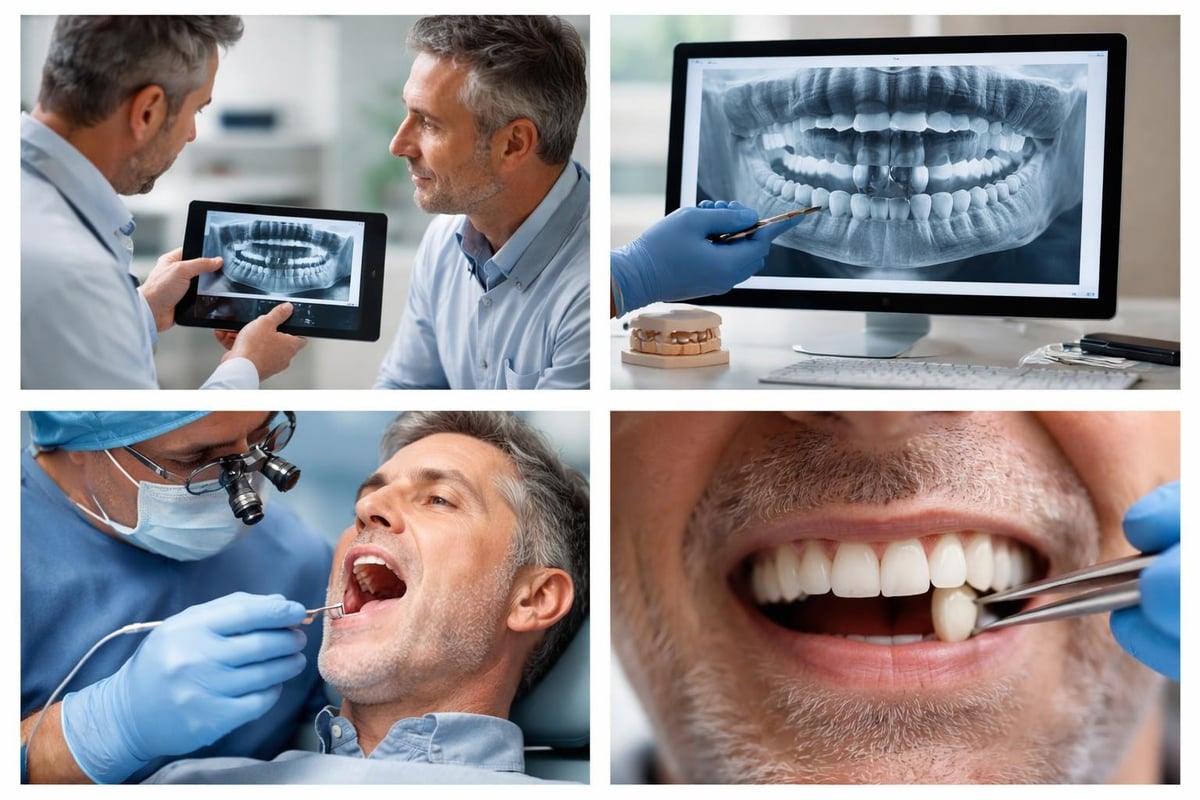
Replacing front teeth presents the greatest aesthetic challenge due to their visibility when speaking and smiling. Modern techniques deliver exceptional results even in these demanding situations. Digital smile design technology allows patients to preview expected outcomes before treatment begins.
The process involves capturing detailed images and creating digital mock-ups showing how implants will look in your smile. This technology ensures patient satisfaction and provides precise guidance for the dental laboratory.
Multiple Tooth Restorations
When replacing several adjacent teeth, implants can actually improve upon nature. Patients who had crooked, discolored, or irregularly shaped natural teeth often achieve better aesthetic results with implants than they had previously.
Full mouth reconstructions using dental implants offer opportunities to design an entire smile with ideal proportions, alignment, and coloring while maintaining a completely natural appearance.
The Role of Digital Technology in Natural Results
Modern dental practices employ advanced technology that dramatically improves implant aesthetics. Do dental implants look natural when created using traditional methods? Yes, but digital workflows enhance precision and predictability.
Computer-Aided Design and Manufacturing
CAD/CAM technology allows dental laboratories to design and mill crowns with microscopic accuracy. These systems create restorations that fit precisely, reducing gaps where food can trap and ensuring proper contact with adjacent teeth.
Digital design software incorporates algorithms that automatically generate anatomically correct tooth shapes based on the position being restored. Technicians then customize these templates to match individual patient characteristics.
3D Imaging and Surgical Guides
Cone beam computed tomography (CBCT) provides three-dimensional views of your jaw structure, allowing surgeons to plan ideal implant positions before making the first incision. Surgical guides manufactured from these scans ensure implants are placed exactly as planned.
Proper positioning is essential for natural aesthetics. Implants placed too far forward, backward, or at incorrect angles create crowns that look artificial or fail to support gum tissue properly. The latest dental implant technology incorporates these digital planning tools as standard practice in 2026.
Factors That Influence Long-Term Aesthetics
While dental implants are designed to look natural immediately after placement, maintaining that appearance requires ongoing attention. Several factors influence how natural implants appear over time.
Implant Stability and Bone Preservation
One advantage implants have over other tooth replacement options is bone preservation. When you lose a natural tooth, the surrounding bone gradually deteriorates without the stimulation provided by tooth roots. This bone loss can create aesthetic problems with bridges and dentures.
Dental implants stimulate bone tissue just like natural roots, preventing the facial collapse and gum recession that can occur after tooth loss. This preservation maintains the natural contours of your smile for decades.
Long-term aesthetic benefits include:
- Maintained facial structure and lip support
- Stable gum tissue levels
- Consistent crown-to-gum proportions
- Prevention of adjacent tooth shifting
- Preservation of natural smile width
Oral Hygiene and Maintenance
Proper care ensures implant crowns maintain their natural appearance. While the materials used in crowns resist staining better than natural enamel, they still require regular cleaning.
Professional cleanings remove plaque and tartar that can cause gum inflammation around implants. Maintaining healthy gum tissue is crucial for preserving the natural pink-and-white aesthetics of your restoration.
| Maintenance Task | Frequency | Aesthetic Benefit |
|---|---|---|
| Professional Cleaning | Every 6 months | Prevents gum inflammation |
| Home Brushing | Twice daily | Maintains crown luster |
| Flossing | Daily | Preserves gum contours |
| Crown Polishing | During cleanings | Removes surface stains |
| Tissue Assessment | Each dental visit | Identifies issues early |
Comparing Implants to Alternative Restorations
When evaluating whether dental implants look natural, comparing them to other tooth replacement options provides valuable perspective. Bridges and dentures have improved significantly, but implants offer distinct aesthetic advantages.
Implants Versus Dental Bridges
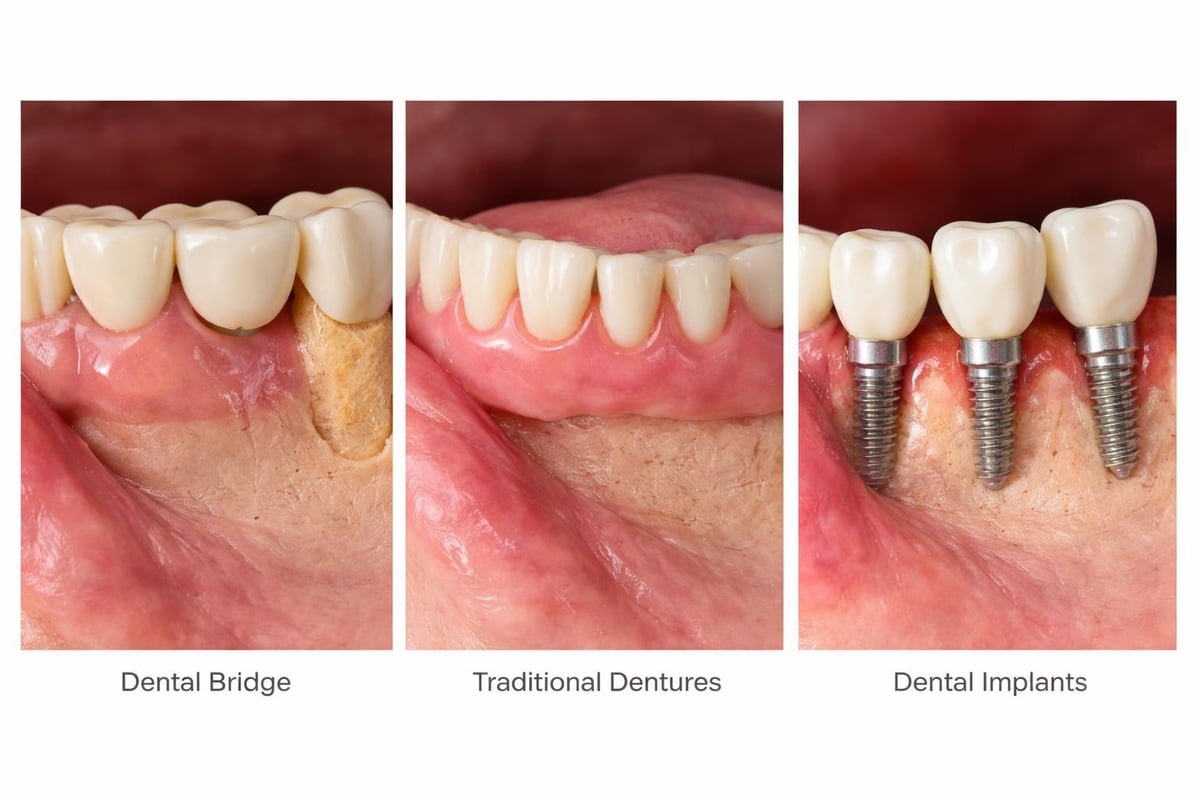
Traditional bridges require crowning adjacent healthy teeth to support the replacement tooth. While modern bridges can look quite natural, they don’t preserve bone tissue beneath the pontic (artificial tooth), potentially leading to ridge defects over time.
Implant-supported crowns emerge independently from the gum tissue without relying on neighboring teeth. This independence allows for more natural spacing and easier cleaning between teeth.
Implants Versus Dentures
Removable dentures have improved dramatically with better materials and construction techniques. However, they still face challenges in replicating the natural emergence of teeth from gums. Dentures sit on top of gum tissue rather than emerging from it, creating a slightly different appearance.
Implant-supported dentures combine the stability and natural emergence of implants with the efficiency of replacing multiple teeth simultaneously. Options like All-on-4 dental implants provide fixed, natural-looking solutions for patients missing most or all teeth.
Patient Experiences and Satisfaction Rates
Do dental implants look natural according to patients who have received them? Research and patient surveys consistently show satisfaction rates exceeding 95% for dental implant aesthetics. Many patients report their implants look better than the natural teeth they replaced, particularly when those teeth were damaged, discolored, or poorly positioned.
Immediate Versus Delayed Loading
Modern implant protocols sometimes allow temporary crowns to be placed the same day as implant surgery. While these immediate restorations provide functional and aesthetic benefits during healing, the final crowns installed after osseointegration completes typically offer superior aesthetics.
The healing period allows gum tissue to mature and develop natural contours around the implant. Final crowns are created after this tissue sculpting is complete, ensuring optimal emergence profiles.
Addressing Common Aesthetic Concerns
Patients sometimes worry about specific aesthetic issues before getting implants. Understanding how modern dentistry addresses these concerns provides reassurance:
“Will the implant crown match my other teeth as they age and stain?” Natural teeth gradually darken and stain over decades. Implant crowns resist staining but can be replaced if significant color differences develop. Many patients choose teeth whitening before implant placement, then have crowns matched to their newly brightened smile.
“Can people tell I have an implant when I smile?” Studies show that properly designed implant crowns are indistinguishable from natural teeth in social situations, even to dental professionals without close examination.
“Will the implant look fake under different lighting?” High-quality porcelain and zirconia materials reflect and transmit light similarly to natural enamel, appearing natural under various lighting conditions including bright sunlight, fluorescent office lighting, and warm restaurant ambiance.
The Importance of Choosing Experienced Providers
The question “do dental implants look natural” depends significantly on the skill and experience of your dental team. While materials and technology provide the tools for excellent results, human expertise remains irreplaceable.
The Dental Team Behind Natural Results
Creating natural-looking implants requires collaboration between several specialists. The surgeon or periodontist places the implant foundation, the restorative dentist designs the crown, and the dental laboratory technician crafts the final restoration.
At Dental Plus Clinic, experienced teams work together throughout the treatment process, ensuring each phase contributes to the final aesthetic outcome. Communication between team members allows for adjustments and refinements that make the difference between good results and exceptional ones.
Evaluating Before-and-After Galleries
When researching implant providers, carefully review before-and-after photographs of actual patients. Look for cases similar to your situation, particularly regarding tooth position and complexity. According to expert sources, consistent quality across many cases indicates systematic excellence rather than occasional success.
Quality photography showing teeth from multiple angles and in different lighting conditions demonstrates confidence in results. Practices that invest in professional documentation typically maintain high standards throughout treatment.
Financial Considerations and Aesthetic Quality
Cost concerns naturally arise when considering dental implants. Some patients wonder if choosing less expensive options compromises aesthetics. Understanding the relationship between investment and aesthetic outcomes helps inform decision-making.
Material Quality and Pricing
Premium materials cost more but deliver superior aesthetics and longevity. The difference between economy and premium crowns becomes apparent in translucency, color stability, and resistance to wear and chipping.
Patients exploring cheap versus premium dental implants should understand that aesthetic quality often correlates with material selection and laboratory expertise. Investing in quality materials typically provides better long-term value through enhanced appearance and durability.
Insurance and Financing Options
Many dental insurance plans now provide partial coverage for implants, recognizing them as standard care rather than cosmetic treatment. Additionally, flexible financing options make premium implant treatment accessible to more patients.
Typical cost factors include:
- Implant material (titanium versus zirconia)
- Crown material (porcelain-fused-to-metal versus all-ceramic)
- Laboratory fees for custom fabrication
- Additional procedures (bone grafting, tissue grafting)
- Digital imaging and surgical guides
Understanding what you’re paying for helps appreciate the value of natural-looking results. The investment in a quality implant provides decades of confident smiling and comfortable function.
Special Considerations for Front Teeth
Achieving natural aesthetics with front tooth implants requires exceptional attention to detail. These teeth display prominently when speaking and smiling, making any imperfections immediately noticeable.
Tissue Architecture Challenges
Front teeth naturally have thin gum tissue and delicate bone structures. Preserving or recreating these tissues around implants demands advanced surgical techniques and sometimes multiple procedures spaced over several months.
Immediate implant placement after tooth extraction can help preserve tissue architecture, but this approach requires specific anatomical conditions. Your dentist evaluates whether immediate placement is appropriate for your situation or if allowing the site to heal before implant surgery produces better aesthetic outcomes.
The Importance of Customization
Generic, prefabricated crowns never achieve truly natural results in the aesthetic zone. Custom laboratory fabrication considering your unique dental anatomy, skin tone, and smile characteristics is essential.
Research indicates that individualized shade mapping, where multiple color samples are taken from different parts of your natural teeth, produces more realistic results than single-shade crown fabrication.
Maintaining Natural Appearance Through Lifestyle Choices
Certain lifestyle factors affect how natural your implants continue to look over time. While implant materials resist staining better than natural enamel, surrounding natural teeth may darken, potentially creating color mismatches.
Tobacco Use and Aesthetics
Smoking not only increases implant failure risk but also causes gum tissue discoloration and recession that can compromise aesthetics. The healing process after implant surgery is particularly vulnerable to smoking’s negative effects, potentially resulting in poor tissue contours around the final restoration.
Dietary Considerations
While implant crowns are extremely durable, excessive force from chewing hard substances like ice or hard candy can cause chips or fractures. These damage events may require crown replacement and compromise the restoration’s natural appearance until repairs are completed.
Staining beverages like coffee, tea, and red wine affect natural teeth more than crown materials. However, maintaining relatively consistent coloring between natural teeth and implant crowns may require periodic whitening treatments for natural teeth or crown replacement every 10-15 years.
Regular Dental Visits
Professional monitoring ensures minor issues are addressed before they affect aesthetics. Gum tissue health around implants requires specific attention during hygiene appointments, as inflammation can cause tissue recession that exposes implant components.
The Psychology of Natural-Looking Smiles
Beyond physical appearance, do dental implants look natural in the psychological sense? Patients report feeling that implants are genuinely part of their body rather than foreign objects. This integration contributes to natural smiling behavior and facial expressions.
Confidence and Natural Behavior
When people worry about their teeth, they often develop unconscious habits like covering their mouth when laughing or speaking. These behaviors actually draw more attention to dental problems than the problems themselves might.
After receiving natural-looking implants, patients report feeling comfortable smiling broadly and speaking freely. This behavioral change contributes significantly to the perception that their teeth look natural-because they’re no longer self-conscious about their appearance.
Neurological Integration
Dental implants provide sensory feedback through the surrounding bone and tissue, though not identical to natural tooth sensation. Over time, your brain integrates implants into your body image just as it would a natural tooth. This neurological acceptance contributes to implants feeling and functioning naturally.
Advanced Aesthetic Techniques in 2026
The field of implant dentistry continues evolving, with new techniques emerging that further improve natural aesthetics. Current innovations focus on tissue preservation, digital design, and biomimetic materials that more closely replicate natural dental structures.
Immediate Provisionalization Advances
Temporary crowns placed immediately after implant surgery now achieve aesthetic standards that previously required permanent restorations. These advances allow patients to leave the dental office with natural-looking teeth the same day implants are placed, avoiding the social and psychological challenges of visible gaps.
Guided Tissue Regeneration
New protocols encourage soft tissue growth in specific patterns around healing implants, creating ideal emergence profiles and papillae. These techniques produce gum architecture that rivals or exceeds what existed around natural teeth.
Biomimetic Crown Materials
Research into materials that more accurately replicate natural enamel’s optical properties continues advancing. The latest ceramic formulations demonstrate light transmission and reflection patterns nearly identical to natural teeth, making implants even more indistinguishable from biological teeth.
Regional Considerations for Texas Patients
Patients seeking implants in Texas benefit from access to advanced dental care at competitive prices. The state’s robust dental education programs and large population support numerous experienced implant specialists.
Climate and Oral Health
Texas’s warm climate contributes to year-round outdoor activities and social engagement, making aesthetic dental concerns particularly relevant. Residents place high value on appearance and often seek cosmetic dental solutions including implant treatment.
Access to Care Across Multiple Locations
Having multiple clinic locations throughout Texas ensures patients can access quality implant care conveniently. Whether in Beeville, Seguin, New Braunfels, Leander, or Converse, consistent treatment protocols ensure predictable aesthetic outcomes.
Understanding the dental implant procedure before beginning treatment helps patients appreciate the careful planning and execution required for natural-looking results. Each step in the process contributes to the final aesthetic outcome.
Setting Realistic Expectations
While modern dental implants deliver remarkably natural results, understanding realistic expectations prevents disappointment. Perfect symmetry and uniform coloring across all teeth isn’t actually natural-real smiles display subtle variations and imperfections.
Communicating Your Aesthetic Goals
Open dialogue with your dental team about your expectations is essential. Bringing photographs of smiles you admire helps communicate your preferences. Experienced dentists guide patients toward realistic goals that complement their facial features and existing dentition.
The Concept of “Natural” Varies
What looks natural to one person might appear artificial to another. Cultural and regional preferences influence perception of ideal dental aesthetics. Your dentist considers these factors when designing your restoration, creating results that look natural within your specific context.
Timeline for Final Results
Achieving optimal aesthetics with dental implants requires patience. From initial consultation to final crown placement, the process typically spans several months. This timeline allows for proper healing, tissue maturation, and multiple opportunities for refinement.
Understanding that temporary restorations serve functional purposes during healing helps patients appreciate the enhanced aesthetics of final restorations. The wait proves worthwhile when you see the natural appearance of completed treatment.
Final Thoughts
Dental implants achieve remarkably natural aesthetics through advanced materials, precise customization, and skilled dental artistry that make them virtually indistinguishable from biological teeth. When you’re ready to restore your smile with confidence, the experienced team at Dental Plus Clinic provides comprehensive implant services using the latest technology to deliver natural-looking, long-lasting results across our five Texas locations. Schedule a consultation today to discover how dental implants can transform your smile while maintaining the natural appearance you deserve.