
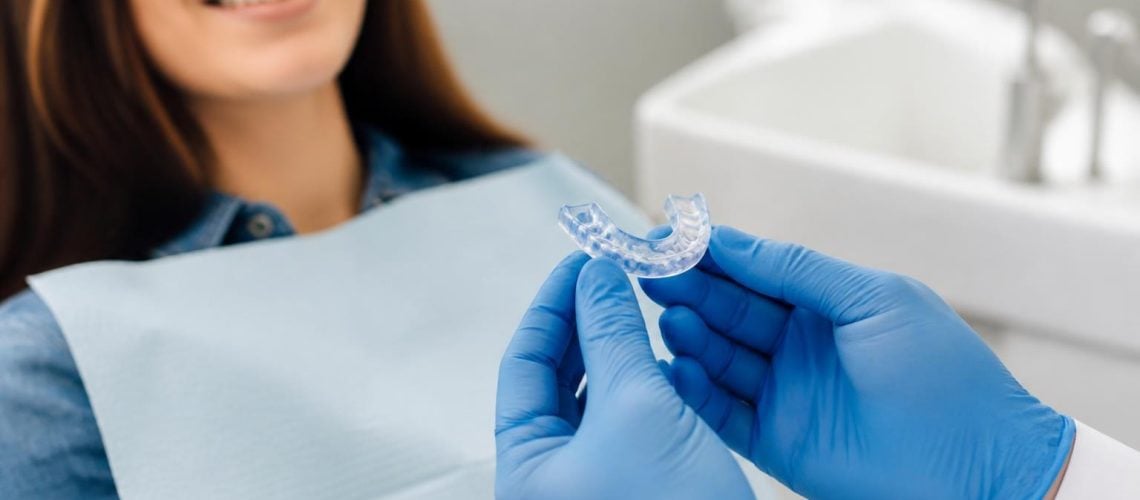
If you've been grinding your teeth at night or waking up with jaw pain, searching for "night guards near me" is likely your first step toward relief. Bruxism, the medical term for teeth grinding and clenching, affects millions of Americans and can lead to serious dental complications if left untreated. A properly fitted night guard can protect your teeth, reduce jaw discomfort, and improve your sleep quality. Understanding how to choose the right dental provider for this essential oral appliance can make the difference between effective protection and wasted money on an ill-fitting device.
Understanding Night Guards and Why They Matter
Night guards are protective dental appliances designed to create a barrier between your upper and lower teeth while you sleep. These devices serve multiple purposes beyond simply preventing tooth-on-tooth contact during grinding episodes.
The primary function of a night guard is to distribute bite pressure evenly across all teeth, preventing the excessive wear that grinding causes. Understanding what occlusal guards do helps patients appreciate why professional fitting matters so much for long-term oral health.
The Health Consequences of Untreated Bruxism
Chronic teeth grinding doesn't just wear down enamel. It creates cascading health issues that affect your entire oral cavity and beyond.
Common complications include:
- Fractured, chipped, or loose teeth requiring expensive restorative work
- Worn enamel exposing sensitive dentin layers
- Temporomandibular joint (TMJ) disorders causing chronic pain
- Persistent headaches, especially upon waking
- Damaged dental work including crowns and fillings
Many patients don't realize they grind their teeth until a dental professional points out the telltale signs during a routine examination. Flat, worn tooth surfaces and increased sensitivity often provide the first clues.
Types of Night Guards Available
When searching for night guards near me, you'll encounter three main categories of devices, each with distinct advantages and appropriate use cases.
| Guard Type | Best For | Durability | Cost Range | Fitting Method |
|---|---|---|---|---|
| Stock/OTC | Mild grinding, temporary use | Low | $20-50 | One-size-fits-all |
| Boil-and-bite | Moderate grinding, budget-conscious | Medium | $50-150 | Home molding |
| Custom-fitted | Severe grinding, optimal protection | High | $300-800 | Professional impression |
Over-the-counter options provide minimal customization and often feel bulky or uncomfortable. The boil-and-bite variety offers slightly better fit through heat-softened material that molds to your teeth. However, custom-fitted guards created from dental impressions provide superior comfort, durability, and protection.
What Makes a Custom Night Guard Superior
Professional night guards created at dental clinics offer significant advantages over drugstore alternatives. The customization process begins with precise impressions of your teeth, ensuring the guard fits your unique dental anatomy perfectly.
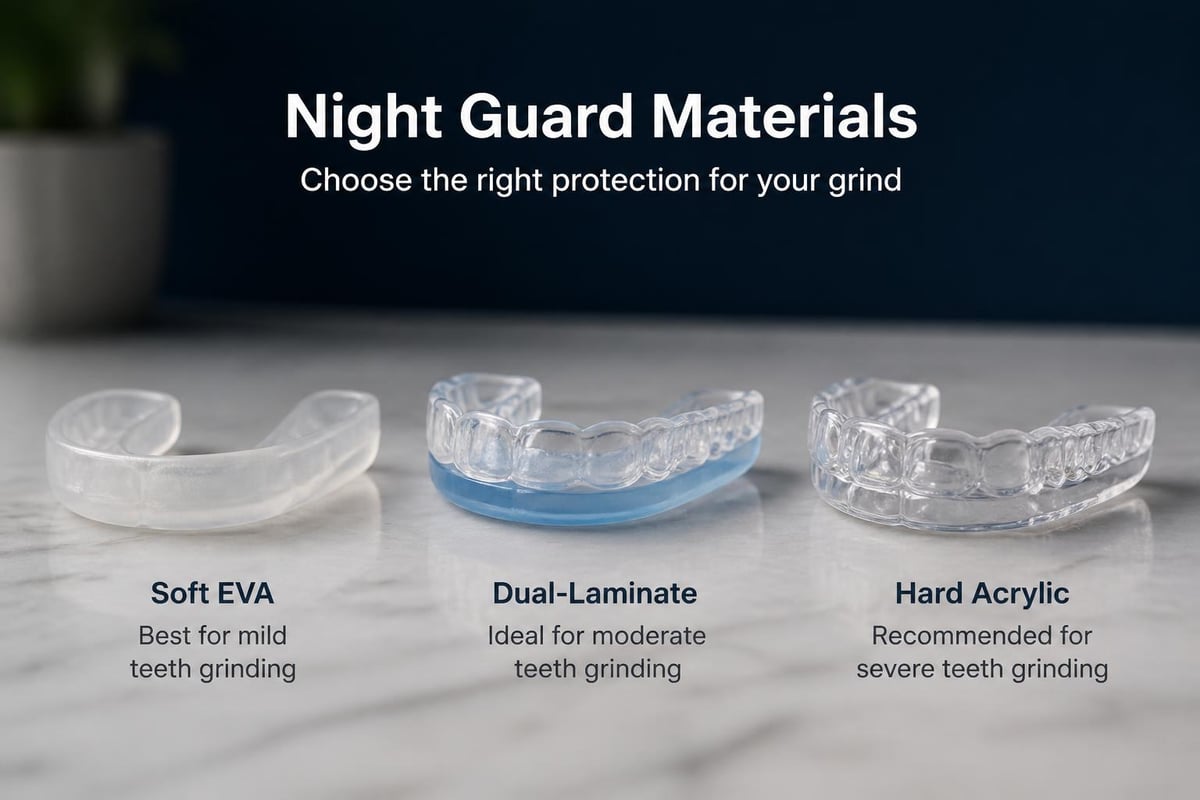
Custom guards account for your specific bite pattern, existing dental work, and the severity of your grinding. The materials used in professional night guards are selected based on your individual needs, with options ranging from soft flexible materials to rigid hard acrylic.
Material Selection for Different Grinding Patterns
Dentists evaluate multiple factors when recommending night guard materials. Patients with mild grinding typically benefit from soft, flexible guards that provide cushioning without excessive bulk.
Moderate to severe grinders require more durable materials. Hard acrylic guards withstand intense grinding forces while maintaining their shape over years of use. Dual-laminate guards combine a soft inner layer for comfort with a hard outer shell for durability, offering the best of both approaches.
The thickness of the material also varies based on grinding severity. Thinner guards work well for mild cases and feel less intrusive, while thicker designs provide necessary protection for aggressive grinders.
How to Find Quality Night Guards Near Me in Texas
Location matters significantly when selecting a dental provider for your night guard. Regular adjustments and proper fitting require accessible care, making proximity an important consideration.
Evaluating Dental Clinics for Night Guard Services
Start your search by identifying dental practices that emphasize preventive care and invest in modern diagnostic technology. Quality providers use digital impressions or traditional molds with meticulous attention to detail.
Key factors to assess:
- Years of experience creating custom night guards
- Range of material options offered
- In-house laboratory capabilities versus outsourced fabrication
- Follow-up adjustment policies
- Patient reviews specifically mentioning night guards
Texas residents have access to numerous dental clinics, but not all offer the same level of expertise in fabricating protective oral appliances. At Dental Plus Clinic locations across Texas, specialists create custom night guards using advanced materials and precise fitting techniques.
Questions to Ask During Your Consultation
Your initial appointment should include a comprehensive evaluation of your grinding patterns and dental health. Don't hesitate to ask detailed questions about the night guard creation process.
Request information about the specific materials the dentist recommends for your case and why. Understanding the benefits a night guard provides helps you appreciate the investment in professional care.
Ask about the expected lifespan of your night guard and what warranty or replacement policies exist. Quality dental practices stand behind their work and offer reasonable adjustment periods.
The Custom Night Guard Creation Process
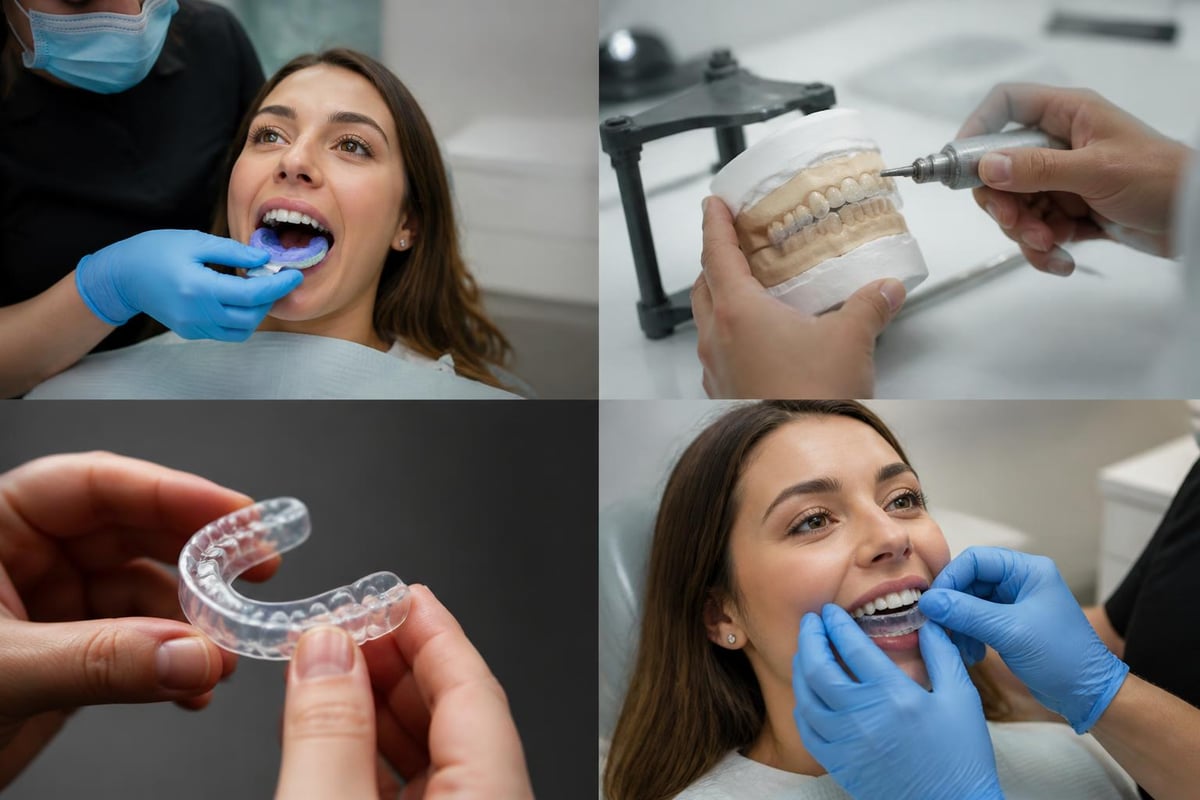
Professional night guards require multiple appointments and precise technical work. Understanding this process helps set realistic expectations for timeline and results.
Initial Examination and Diagnosis
Your dentist begins with a thorough oral examination, checking for existing damage from grinding. They evaluate your bite alignment, jaw joint function, and overall dental health.
Digital imaging or physical examination reveals wear patterns that indicate grinding severity and location. This diagnostic phase determines the appropriate guard type and material for your specific needs.
The dentist also screens for underlying conditions that might contribute to bruxism, such as sleep apnea, stress, or medication side effects. Addressing root causes alongside symptom management provides comprehensive care.
Impression Taking and Laboratory Fabrication
Once you approve the treatment plan, the dentist creates detailed impressions of your upper and lower teeth. Modern practices may use digital scanning technology for greater accuracy and patient comfort.
These impressions go to a dental laboratory where skilled technicians craft your custom guard. The fabrication process typically takes one to two weeks, depending on material selection and laboratory workload.
High-quality laboratories create guards with precise occlusal surfaces that match your natural bite. This attention to detail prevents discomfort and ensures you'll actually wear the device consistently.
Fitting and Adjustment Appointments
When your night guard arrives, you'll return for a fitting appointment. The dentist checks the fit carefully, making sure the guard seats properly and feels comfortable.
Minor adjustments are normal during this appointment. The dentist may refine the edges, adjust thickness in specific areas, or modify the occlusal surface for optimal bite alignment.
You'll receive detailed instructions on insertion, removal, and daily care. Proper maintenance of your night guard extends its lifespan and ensures continued effectiveness.
Cost Considerations When Searching Night Guards Near Me
Investment in a custom night guard varies based on multiple factors. Understanding pricing structures helps you budget appropriately and evaluate value.
Factors Affecting Night Guard Pricing
Material selection significantly impacts cost. Soft guards typically cost less than hard acrylic or dual-laminate options. The complexity of your case also influences pricing, as patients requiring extensive adjustments or specialized designs pay more.
Geographic location within Texas affects pricing structures. Urban areas with higher operating costs often charge more than practices in smaller communities. However, quality should take precedence over minor price differences.
| Cost Component | Typical Range | What It Includes |
|---|---|---|
| Initial exam | $75-150 | Diagnosis and treatment planning |
| Impressions | Included-$100 | Digital or physical molds |
| Guard fabrication | $250-600 | Laboratory work and materials |
| Fitting appointment | Included-$75 | Adjustments and instructions |
| Total investment | $300-800 | Complete custom night guard |
Insurance Coverage and Payment Options
Many dental insurance plans provide partial coverage for night guards when medically necessary. Your policy may classify them under major restorative services or preventive care, affecting coverage percentages.
Prior authorization helps clarify your out-of-pocket expenses before treatment begins. Submit required documentation showing medical necessity based on your dentist's diagnosis.
Practices like Dental Plus Clinic work with multiple insurance carriers and help patients maximize their benefits. If you're concerned about costs, exploring ways to reduce dental care expenses can make treatment more accessible.
Comparing Professional and Over-the-Counter Options
The price difference between drugstore night guards and custom devices seems substantial initially. However, analyzing long-term value reveals important considerations.
When OTC Guards Might Work
Over-the-counter options serve specific limited purposes. Patients with very mild grinding or those needing temporary protection while waiting for a custom guard may find them adequate.
They also provide an affordable way to determine if you can tolerate wearing a night guard. Some people struggle with the sensation initially, and testing with an inexpensive option reduces financial risk.
Limitations of store-bought guards include:
- Poor fit leading to discomfort and reduced compliance
- Limited durability requiring frequent replacement
- Inability to address specific bite issues
- Potential to shift teeth if fit is extremely poor
- Less effective protection against severe grinding
The Value Proposition of Custom Guards
Professional night guards typically last three to five years with proper care, sometimes longer. This longevity makes the per-year cost comparable to repeatedly purchasing drugstore versions.
Custom fit dramatically improves compliance. Patients who find OTC guards uncomfortable often don't wear them consistently, negating any protective benefit. A comfortable custom guard becomes part of your nightly routine without struggle.
The precision fit also provides superior protection. Custom guards distribute forces evenly and protect all vulnerable tooth surfaces, preventing the costly dental damage that inferior guards might miss.
Geographic Considerations for Texas Residents
Texas's size creates unique challenges when searching for night guards near me. Travel distance to your dental provider affects convenience for multiple appointments and future adjustments.
Finding Accessible Dental Care Across Texas
Major metropolitan areas like Houston, Dallas, San Antonio, and Austin offer numerous options. However, quality care exists in smaller communities throughout the state as well.
Dental Plus Clinic maintains multiple locations including New Braunfels and Leander, providing accessible care across central Texas. This geographic distribution reduces travel time while maintaining consistent quality standards.
Consider proximity to your home or workplace when selecting a provider. Regular dental care becomes easier when your clinic sits along your daily routes.
Evaluating Multi-Location Dental Practices
Dental groups with multiple offices offer distinct advantages. Your records remain accessible across all locations, and you can visit different offices based on scheduling convenience.
These practices often invest in standardized equipment and training, ensuring consistent quality regardless of which location you visit. They also typically offer extended hours and weekend availability.
However, verify that your preferred dentist practices at your most convenient location. Building a relationship with a specific provider who understands your dental history improves long-term care quality.
Maintaining Your Night Guard for Longevity
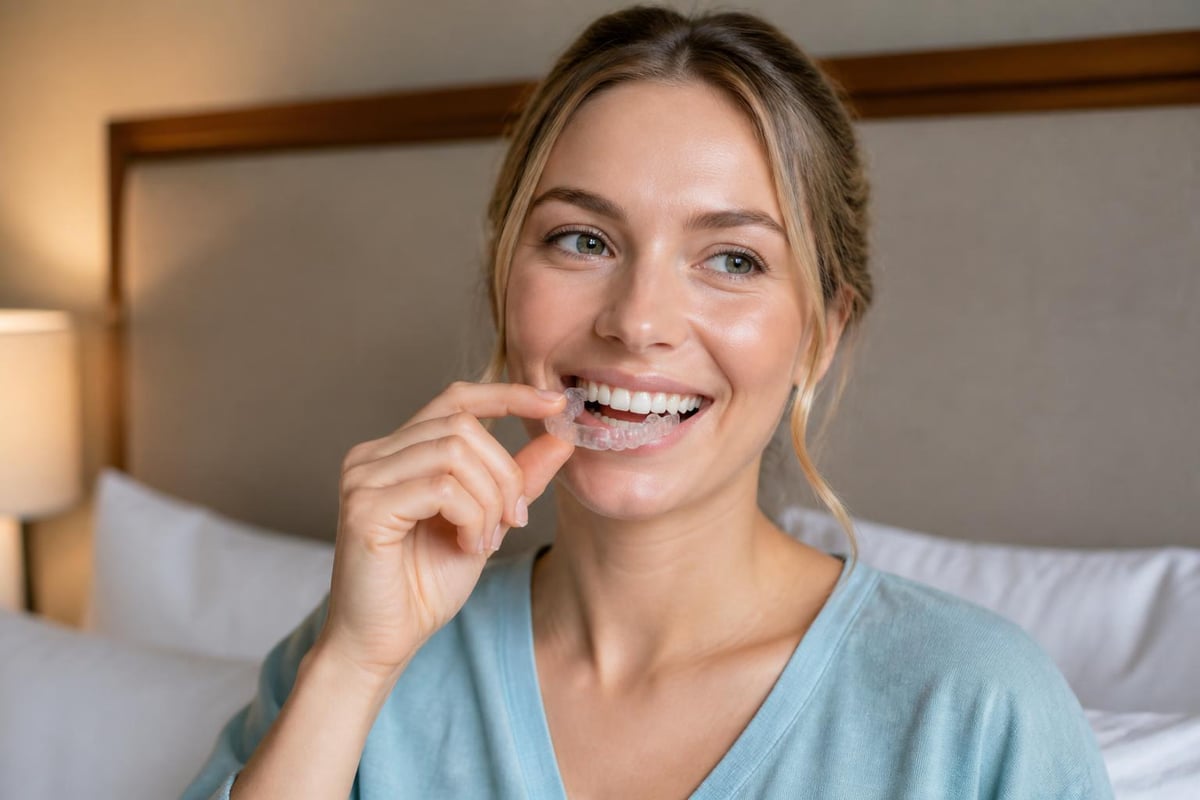
Proper care extends your night guard's lifespan and ensures it continues protecting your teeth effectively. Daily maintenance requires minimal time but delivers significant benefits.
Daily Cleaning Protocols
Rinse your night guard with cool water immediately after removal each morning. This removes saliva and debris before they dry and harden on the surface.
Brush the guard gently with a soft toothbrush and mild soap or non-abrasive toothpaste. Avoid hot water, which can warp thermoplastic materials and compromise fit.
Essential care practices:
- Store in a ventilated case allowing air circulation
- Keep away from heat sources and direct sunlight
- Bring to dental appointments for professional evaluation
- Replace if cracks, holes, or significant wear appears
- Never use harsh chemicals or abrasive cleaners
Deep Cleaning and Professional Maintenance
Weekly deep cleaning with denture cleaner or specialized appliance solution prevents bacterial buildup. Soak according to product instructions, then rinse thoroughly before use.
Schedule regular dental check-ups where your dentist examines the night guard's condition. They assess wear patterns that might indicate fit issues or changing grinding severity.
Professional cleaning during these visits removes stubborn deposits and ensures the guard remains hygienic. Your dentist can also make minor adjustments if your bite has shifted slightly over time.
Recognizing When You Need a Night Guard
Many people grind their teeth without realizing it. Identifying symptoms early prevents extensive damage and reduces treatment complexity.
Common Signs of Nighttime Grinding
Morning jaw soreness or facial pain often indicates nocturnal bruxism. The muscles work intensely during grinding episodes, leaving them tired and achy upon waking.
Your partner might notice grinding sounds during the night. These can range from subtle clicking to loud gnashing that disrupts their sleep as well.
Dental signs include unexplained tooth sensitivity, especially to temperature changes. As enamel wears away, the underlying dentin becomes exposed and reactive. Understanding tooth sensitivity causes helps distinguish grinding damage from other issues.
Professional Diagnosis and Assessment
Only a dental professional can definitively diagnose bruxism and determine appropriate treatment. During examinations, dentists look for specific wear patterns, enamel erosion, and soft tissue damage.
They may ask about stress levels, sleep quality, and medication use since these factors contribute to grinding. Comprehensive assessment identifies contributing factors beyond just the physical symptoms.
Digital photography or models of your teeth document baseline conditions. These records track progression over time and demonstrate the night guard's protective effectiveness.
Special Considerations for Different Patient Populations
Night guard needs vary across age groups and special circumstances. Customizing treatment approaches ensures optimal outcomes for diverse patients.
Night Guards for Children and Adolescents
Pediatric bruxism often resolves naturally as permanent teeth emerge and jaws develop. However, severe cases may require intervention to prevent damage.
Children's night guards must accommodate growing mouths and shifting teeth. Dentists typically recommend more frequent replacements as dental anatomy changes.
Pediatric dentistry specialists understand developmental considerations and can determine if a night guard is appropriate for your child's age and situation.
Considerations for Patients with Dental Work
Existing restorations like crowns, bridges, or implants require special attention when fabricating night guards. The device must protect these investments while accommodating their structure.
Patients with dental implants benefit significantly from night guards since grinding forces can stress the implant-bone interface. If you're considering dental implant treatment, discuss night guard needs during planning.
Orthodontic patients may need modified guards that work with braces or retainers. Coordinating with your orthodontist ensures all appliances work together effectively.
Advanced Night Guard Technologies and Materials
Dental technology continues evolving, offering improved materials and fabrication methods for night guards. Staying informed about innovations helps you make educated decisions.
Modern Material Science Applications
Contemporary night guards utilize advanced polymers engineered specifically for oral appliances. Understanding what materials compose modern night guards reveals how far these devices have progressed from simple acrylic designs.
Ethylene-vinyl acetate (EVA) provides excellent cushioning for moderate grinders. This flexible material absorbs impact forces while maintaining durability through hundreds of use cycles.
Hard acrylic remains the gold standard for severe bruxism cases. Modern formulations resist cracking better than older materials while maintaining the rigidity necessary for aggressive grinding protection.
Digital Workflow Advantages
Digital impressions using intraoral scanners eliminate the discomfort of traditional impression materials. Patients with strong gag reflexes particularly appreciate this technology.
Computer-aided design allows precise customization of guard thickness, extension, and occlusal surfaces. Digital files also enable easy replication if replacement becomes necessary years later.
Some laboratories use 3D printing technology to create night guards with unprecedented accuracy. This manufacturing method produces consistent results and reduces turnaround time.
Addressing Common Night Guard Concerns and Myths
Misconceptions about night guards prevent some patients from seeking treatment. Addressing these concerns with factual information promotes better oral health decisions.
Comfort and Adjustment Period
New night guard users often worry about discomfort preventing sleep. While an adjustment period is normal, properly fitted custom guards become comfortable within days.
Most adaptation challenges involve excess saliva production or mild jaw soreness. These symptoms typically resolve as your mouth acclimates to the appliance.
If discomfort persists beyond two weeks, contact your dentist for adjustments. A well-fitted guard should feel secure but not tight, with smooth edges that don't irritate soft tissues.
Effectiveness and Compliance
Some patients question whether night guards truly prevent damage or simply mask symptoms. Research consistently demonstrates that proper guard use significantly reduces tooth wear and fracture rates.
The key factor is consistent use. Wearing your guard every night provides continuous protection, while sporadic use leaves gaps for damage to occur.
Setting a bedtime routine that includes inserting your night guard improves compliance. Place the guard case somewhere visible as a reminder.
The Connection Between Bruxism and Overall Health
Teeth grinding doesn't exist in isolation. It often connects to broader health conditions that require comprehensive management.
Sleep Disorders and Bruxism
Sleep apnea and bruxism frequently occur together. Grinding episodes may represent the body's attempt to reopen airways during breathing interruptions.
If you experience daytime fatigue, loud snoring, or witnessed breathing pauses, discuss sleep study referral with your dentist. Addressing underlying sleep disorders often reduces grinding severity.
Night guards protect teeth but don't treat apnea. Patients with both conditions may need CPAP therapy or other interventions alongside their dental appliance.
Stress Management and Behavioral Factors
Psychological stress triggers or worsens bruxism in many patients. The jaw becomes a physical outlet for mental tension during sleep.
Incorporating stress reduction techniques like meditation, exercise, or counseling can decrease grinding frequency. Understanding how oral health affects overall wellbeing emphasizes the mind-body connection in dental health.
Your dentist may recommend working with other healthcare providers for comprehensive bruxism management. This team approach addresses both symptoms and underlying causes.
Making Your Final Decision on Night Guards Near Me
Armed with comprehensive information, you can confidently choose the right provider and treatment approach for your night guard needs.
Prioritizing Quality Over Convenience
While finding night guards near me emphasizes location, quality should remain your primary criterion. A slightly longer drive to an experienced provider yields better long-term results than choosing the closest mediocre option.
Research dentists' credentials, continuing education activities, and patient satisfaction ratings. Providers who invest in advanced training deliver superior outcomes.
Schedule consultations with multiple practices if you're uncertain. Most dentists offer complimentary initial visits where you can assess their approach and facility.
Building a Long-Term Dental Relationship
Your night guard represents one component of comprehensive oral health care. Selecting a dental home where you'll receive all services streamlines treatment and builds continuity.
Practices offering preventive care, restorative dentistry, and cosmetic services under one roof simplify your dental life. You develop rapport with providers who understand your complete dental history.
Regular check-ups allow early detection of issues beyond bruxism. Your dentist might identify cavities, gum disease, or other concerns during night guard follow-up appointments, providing comprehensive care that protects your investment in oral health.
Protecting your teeth from nighttime grinding requires professional guidance and a properly fitted night guard tailored to your specific needs. The investment in custom dental appliances pays dividends through preserved tooth structure, reduced pain, and improved quality of life. Whether you're experiencing the early signs of bruxism or already dealing with grinding-related damage, seeking professional care now prevents more extensive and expensive treatment later. Dental Plus Clinic offers expert night guard services across multiple Texas locations, combining advanced materials with personalized care to help you achieve lasting oral health and peaceful sleep.