
Smoking affects nearly every aspect of oral health, and dental implants are no exception. Many tobacco users who need tooth replacement wonder whether their smoking habit disqualifies them from receiving dental implants. The answer isn't a simple yes or no. Can smokers get dental implants? Absolutely, but the journey comes with additional considerations, higher risks, and specific protocols that both patients and dental professionals must address. Understanding these factors helps smokers make informed decisions about their oral health and prepares them for what to expect during the implant process.
Understanding Dental Implants and How They Work
Dental implants represent the gold standard for tooth replacement in 2026. These titanium posts surgically placed into the jawbone act as artificial tooth roots, providing a stable foundation for crowns, bridges, or dentures. The success of dental implants depends heavily on a biological process called osseointegration, where the bone grows around and fuses with the implant surface.
The typical implant procedure involves multiple stages spread over several months. First, the dentist places the titanium post into the jawbone during a surgical procedure. Over the next three to six months, osseointegration occurs as bone cells attach to the implant surface. Once the implant has fully integrated with the bone, the dentist attaches an abutment and finally places the permanent restoration.
The success rate for dental implants in non-smokers typically exceeds 95%. This impressive statistic reflects the procedure's reliability when performed on healthy patients who maintain good oral hygiene and follow post-operative instructions.
Critical Factors for Implant Success
Several elements determine whether a dental implant will succeed long-term:
- Adequate bone density and volume to support the implant
- Healthy gum tissue surrounding the implant site
- Proper blood supply to facilitate healing and integration
- Absence of infection during and after placement
- Patient compliance with oral hygiene and follow-up care
Each of these factors becomes compromised when tobacco enters the equation, which is why the question "can smokers get dental implants" requires a nuanced answer.
How Smoking Impacts Dental Implant Success
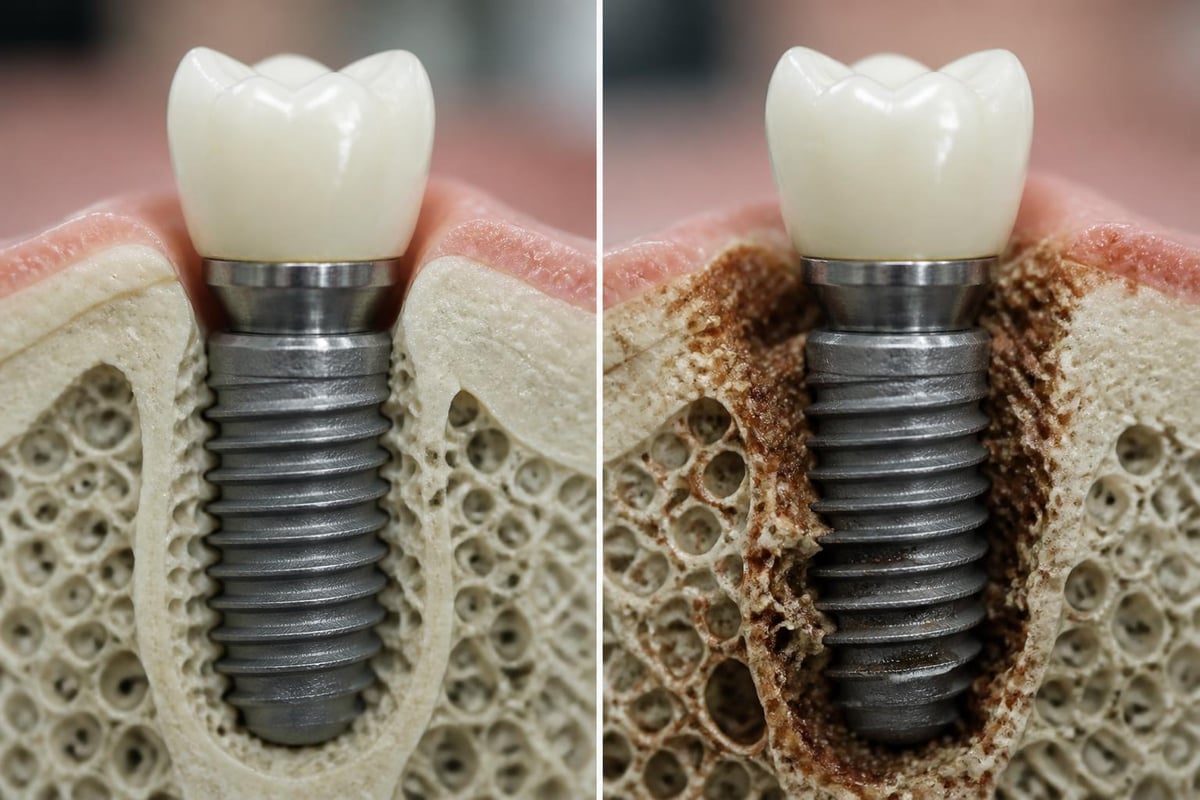
Tobacco use creates multiple obstacles to successful implant integration and long-term stability. According to research examining smoking levels and implant failure, higher levels of smoking correlate directly with increased implant failure rates. The effects span from the initial healing phase through years of implant maintenance.
Nicotine and other chemicals in tobacco smoke constrict blood vessels throughout the body, including those in the oral tissues. This vasoconstriction reduces blood flow to the gums and jawbone, starving these tissues of the oxygen and nutrients they need for healing. When blood flow diminishes, the body's ability to fight infection decreases while healing times extend dramatically.
Specific Risks Smokers Face
| Risk Factor | Impact on Non-Smokers | Impact on Smokers |
|---|---|---|
| Implant failure rate | 5% or less | 15-20% or higher |
| Healing time | 3-4 months | 4-6+ months |
| Infection risk | Low | 2-3x higher |
| Bone loss around implants | Minimal | Significantly increased |
The relationship between smoking and dental implant complications demonstrates that smokers experience not just higher failure rates but also more frequent and severe complications. These include peri-implantitis (inflammation around the implant), bone loss, and delayed or incomplete osseointegration.
Research indicates that smoking acts as a primary patient-centered risk factor for implant loss, making it one of the most significant controllable variables affecting treatment outcomes.
The Science Behind Smoking's Effects on Oral Healing
Understanding the biological mechanisms helps explain why smoking poses such significant challenges for implant patients. Tobacco smoke contains over 7,000 chemicals, many of which directly interfere with tissue repair and immune function.
Nicotine's Role in Impaired Healing:
Nicotine triggers vasoconstriction, narrowing blood vessels and reducing blood flow by up to 25% in oral tissues. This reduction persists for hours after each cigarette, creating a chronic state of reduced oxygenation. Without adequate oxygen, cells cannot produce the energy needed for tissue repair and bone formation.
Beyond vasoconstriction, smoking affects the cellular level of healing. Tobacco use reduces the number and function of fibroblasts, cells responsible for producing collagen and other structural proteins essential for tissue repair. Smokers also experience decreased activity of osteoblasts, the specialized cells that build new bone tissue during osseointegration.
Immune System Suppression
The immune system plays a crucial role in fighting bacteria and preventing infection around healing implant sites. Smoking suppresses immune function in multiple ways:
- Reduces the number of white blood cells available to fight infection
- Impairs the function of neutrophils, which attack invading bacteria
- Decreases production of antibodies needed for long-term protection
- Alters the balance of bacteria in the mouth, favoring harmful species
These immune deficiencies explain why smokers experience infection rates two to three times higher than non-smokers following dental implant surgery.
Can Smokers Get Dental Implants? The Professional Perspective
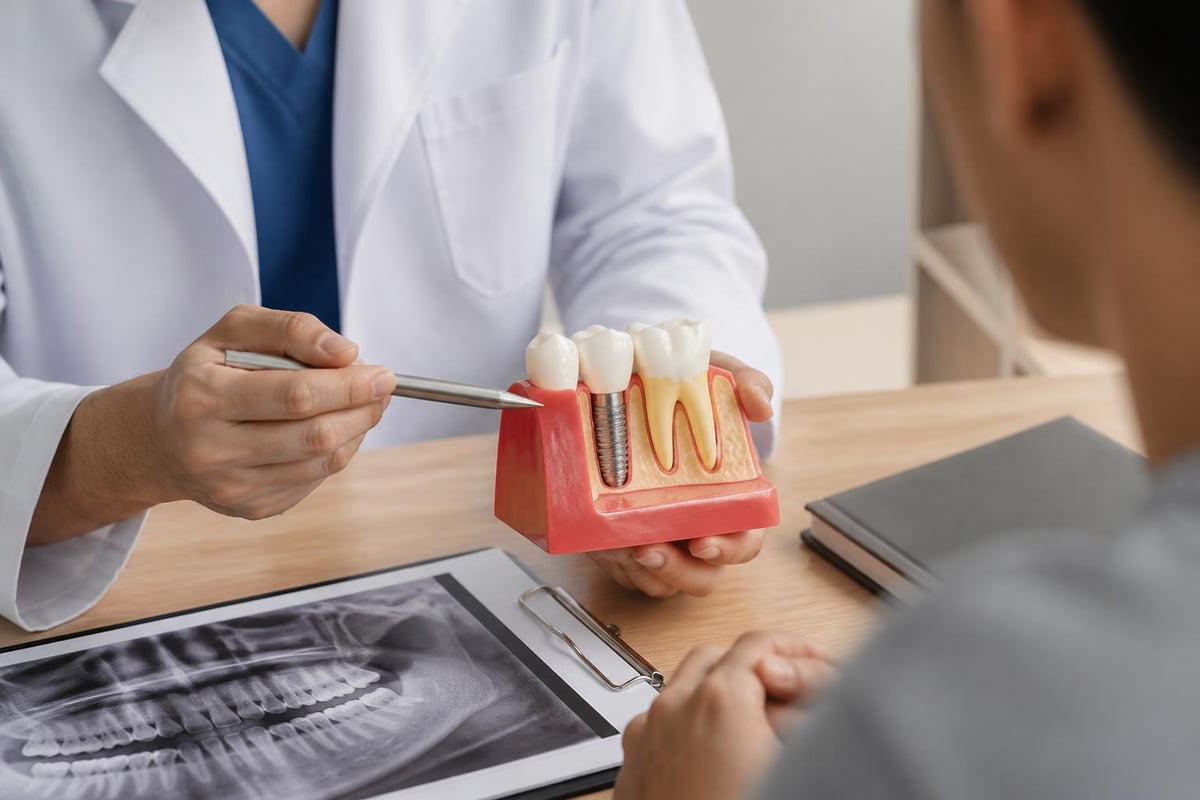
Most dental professionals, including those at Dental Plus Clinic, will not refuse treatment to smokers outright. However, they will provide comprehensive counseling about the elevated risks and may require specific conditions before proceeding.
Dentists typically categorize smoking patients into different risk levels based on consumption:
- Light smokers (fewer than 10 cigarettes per day)
- Moderate smokers (10-20 cigarettes per day)
- Heavy smokers (more than 20 cigarettes per day)
Each category carries progressively higher risk, with heavy smokers facing the greatest challenges to successful implant integration.
Pre-Treatment Requirements for Smokers
Many dental practices implement specific protocols for smoking patients:
- Mandatory smoking cessation period before surgery (ideally 2-4 weeks)
- Extended cessation after surgery (minimum 8-12 weeks during osseointegration)
- More frequent follow-up appointments to monitor healing
- Additional diagnostic imaging to assess bone integration
- Longer waiting periods between surgical stages
Some practices may require smokers to sign informed consent documents acknowledging the increased risks and accepting responsibility for potential complications or failures.
Smoking Cessation: The Most Important Factor
When patients ask "can smokers get dental implants," the real question becomes whether they can quit smoking long enough to ensure success. The impact of smoking on implant outcomes emphasizes that cessation dramatically improves success rates.
Benefits of Quitting Before Implant Surgery:
Stopping tobacco use even temporarily provides measurable benefits. Within 48 hours of quitting, blood flow begins to improve. After two weeks, circulation increases significantly, and oxygen levels in tissues normalize. By four weeks, the body's healing capacity approaches that of a non-smoker.
Patients who quit smoking for at least four weeks before implant placement and continue abstaining through the initial healing phase experience success rates nearly comparable to non-smokers. This finding offers hope and motivation for smokers committed to successful implant treatment.
Strategies for Successful Cessation
Quitting smoking ranks among life's most challenging endeavors, but the stakes for implant success make it worthwhile:
- Nicotine replacement therapy (patches, gum, lozenges) reduces withdrawal symptoms
- Prescription medications like varenicline or bupropion can help
- Behavioral counseling addresses psychological dependence
- Support groups provide accountability and encouragement
- Smartphone apps track progress and provide motivation
Working with both your dentist and primary care physician creates a comprehensive support system for cessation efforts.
Alternative Implant Approaches for Smokers
Dental technology continues advancing, offering modified approaches that may benefit smokers. While no technique completely eliminates smoking-related risks, certain strategies show promise for improving outcomes in tobacco users.
Advanced Implant Surface Technologies
Modern implants feature specialized surface treatments that enhance osseointegration. Surfaces treated with calcium phosphate, zirconium, or laser modifications promote faster and stronger bone attachment. For smokers exploring zirconia dental implants, these ceramic alternatives offer excellent biocompatibility and may resist bacterial colonization better than traditional titanium.
Comparison of Implant Options for Smokers:
| Implant Type | Benefits for Smokers | Considerations |
|---|---|---|
| Traditional titanium | Proven track record, extensive research | Standard risks apply |
| Surface-modified titanium | Enhanced integration potential | Higher cost |
| Zirconia implants | Better soft tissue response | Limited long-term data |
| Short implants | Avoid bone grafting | Reduced surface area for integration |
The latest dental implant technology incorporates features specifically designed to overcome healing challenges, potentially benefiting smokers willing to follow strict post-operative protocols.
Managing Expectations: Success Rates and Realistic Outcomes
Transparency about outcomes helps smokers make informed decisions. According to comprehensive reviews on smoking and implant procedures, heavy smokers may experience failure rates approaching 20%, compared to under 5% for non-smokers.
These statistics don't mean smokers should avoid implants entirely. Rather, they highlight the importance of thorough planning, realistic expectations, and commitment to risk reduction strategies.
Factors That Improve Smoker Outcomes
Even active smokers can tilt the odds in their favor:
- Excellent oral hygiene reduces bacterial load and infection risk
- Smoking reduction (even if not complete cessation) helps
- Proper nutrition supports healing and immune function
- Stress management promotes overall health
- Compliance with appointments allows early intervention for problems
Patients who implement multiple risk-reduction strategies simultaneously achieve better results than those who make no modifications to their smoking habits.
Post-Operative Care for Smoking Patients
The period immediately following implant placement proves critical for long-term success. Smokers require enhanced post-operative protocols to maximize healing potential.
First 72 Hours After Surgery
This initial period sets the foundation for successful integration:
- Complete smoking cessation (absolutely no tobacco of any kind)
- Ice application to reduce swelling and inflammation
- Soft food diet to avoid disturbing the surgical site
- Prescribed medications taken exactly as directed
- Gentle saltwater rinses to maintain cleanliness
Even a single cigarette during this crucial window can trigger vasoconstriction that impairs clot formation and initial healing.
Extended Healing Phase (Weeks 1-12)
The osseointegration process requires months of careful attention:
- Continue complete smoking abstinence if possible
- Maintain meticulous oral hygiene without disturbing the implant
- Attend all scheduled follow-up appointments
- Report any signs of infection, pain, or loosening immediately
- Avoid activities that could traumatize the healing site
For patients at Dental Plus Clinic locations throughout Texas, regular monitoring ensures any complications receive prompt attention.
Financial Considerations for Smoking Patients
Dental implants represent a significant investment, and smokers may face additional costs. Understanding the financial implications helps with treatment planning.
Potential Additional Expenses:
- More frequent follow-up appointments and monitoring
- Additional bone grafting procedures if initial attempts fail
- Replacement of failed implants
- Extended antibiotic therapy to prevent infection
- Specialized imaging and diagnostic tests
Many insurance plans provide limited coverage for dental implants, and dealing with dental insurance denials becomes more common when smoking-related complications arise. Patients should discuss all potential costs upfront and explore financing options for comprehensive treatment.
Alternative Tooth Replacement Options
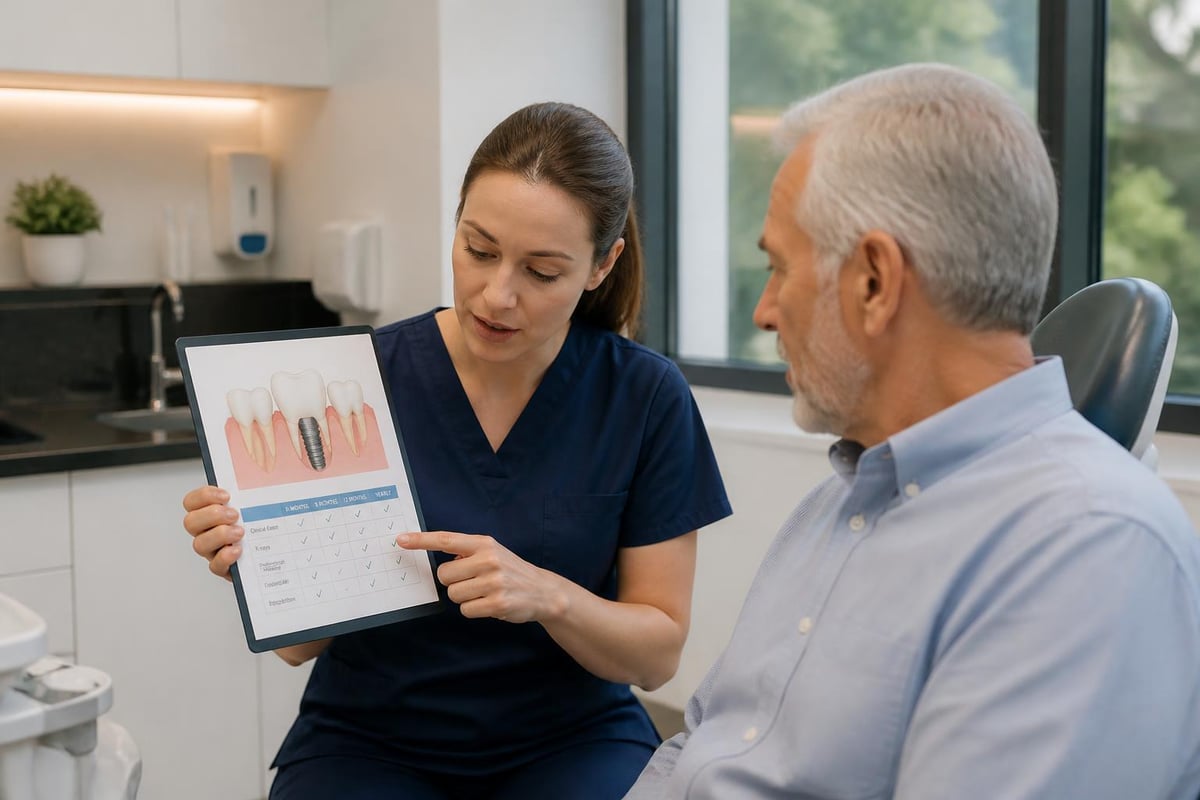
While dental implants offer superior stability and longevity, smokers who cannot or will not quit may consider alternatives. Understanding the differences between dental implants and bridges helps patients make informed choices.
Traditional Fixed Bridges
Bridges anchor to adjacent teeth, avoiding the need for osseointegration. Benefits for smokers include:
- No surgical healing period required
- Success less dependent on bone health
- Faster treatment completion
- Lower upfront cost
However, bridges require altering healthy adjacent teeth and typically last 10-15 years compared to decades for successful implants.
Removable Partial or Complete Dentures
Dentures offer the most conservative tooth replacement approach:
- No surgery required
- Lowest initial cost
- Easy to adjust or replace
- Suitable for patients with significant bone loss
The downsides include reduced chewing efficiency, potential speech difficulties, and ongoing bone loss that changes fit over time.
Implant-Supported Dentures
For patients missing multiple teeth, full mouth dental implants or All-on-4 dental implants provide middle-ground solutions. These approaches use fewer implants to support entire arches, potentially reducing smoking-related risk factors while maintaining superior stability compared to traditional dentures.
Long-Term Maintenance and Implant Longevity
Successful implant placement marks the beginning, not the end, of the journey. Long-term success requires ongoing commitment, especially for smokers.
Professional Maintenance Schedule
Smoking patients typically require more frequent professional care:
- Dental cleanings every 3-4 months (versus 6 months for non-smokers)
- Annual radiographs to assess bone levels around implants
- Professional implant cleaning with specialized instruments
- Soft tissue evaluation for signs of peri-implantitis
These appointments allow early detection of problems before they threaten implant survival.
Daily Home Care Requirements
Patients bear primary responsibility for implant longevity through consistent home care:
- Brush at least twice daily with soft-bristled toothbrush
- Use non-abrasive toothpaste designed for implants
- Floss daily with implant-specific floss or interdental brushes
- Rinse with antimicrobial mouthwash
- Inspect implant sites regularly for signs of inflammation
The combination of professional and home care creates the best environment for long-term implant success, even in smokers.
Common Questions About Smoking and Dental Implants
What happens if I smoke after getting dental implants?
Smoking after implant placement significantly increases risk of complications. Each cigarette constricts blood vessels, reducing oxygen delivery to healing tissues. Patients who smoke during the critical first few months after surgery experience higher rates of infection, delayed healing, and implant failure.
How long should I quit smoking before dental implants?
Ideally, quit at least 4 weeks before implant surgery and continue abstaining for a minimum of 8-12 weeks afterward. Longer cessation periods produce even better outcomes. Permanent cessation offers the best chance for long-term implant success and overall health improvement.
Are dental implants more likely to fail in smokers?
Yes. Research consistently shows smokers experience implant failure rates 2-4 times higher than non-smokers. Heavy smokers face even greater risk. However, smokers who quit or significantly reduce tobacco use before and after surgery can achieve success rates approaching those of non-smokers.
Can vaping affect dental implants?
Vaping introduces nicotine and other chemicals that constrict blood vessels similar to traditional cigarettes. While research on vaping and dental implants remains limited, early evidence suggests e-cigarettes pose similar risks to conventional tobacco products. Dentists recommend avoiding all nicotine products during implant treatment.
Will my dentist refuse to place implants if I smoke?
Most dentists will not automatically refuse treatment to smokers. However, they will thoroughly discuss increased risks and may require smoking cessation as a condition for treatment. Some practices mandate pre-treatment cessation periods and documented abstinence during healing phases.
Do smokers need special types of implants?
Standard titanium implants work for smokers, but some dentists recommend surface-modified implants that promote faster or stronger bone integration. These specialized implants may help offset some smoking-related healing challenges, though they cannot eliminate all risks.
How can I increase my chances of implant success as a smoker?
The single most effective strategy involves quitting smoking. Additional measures include maintaining excellent oral hygiene, attending all follow-up appointments, eating nutritious foods that support healing, managing stress, staying well-hydrated, and avoiding alcohol during the healing phase.
What are early signs of implant problems in smokers?
Warning signs include persistent pain beyond normal healing, swelling or redness around the implant site, bleeding when brushing, bad taste or odor from the area, loosening of the implant, or visible bone loss. Report any concerning symptoms to your dentist immediately.
Building Your Support System for Implant Success
The journey from consultation to fully integrated implants requires months of commitment. Building a strong support system improves outcomes and makes the process more manageable.
Key Members of Your Support Team:
- Your dental implant specialist provides surgical expertise and technical care
- Your general dentist manages overall oral health and preventive care
- Your primary care physician supports smoking cessation efforts
- Family and friends offer encouragement and accountability
- Support groups (in-person or online) connect you with others facing similar challenges
Texas residents have access to comprehensive care through multiple locations. Whether you're in Leander, New Braunfels, Seguin, Beeville, or Converse, finding a convenient location for regular appointments removes barriers to consistent care.
Making the Decision: Is It Worth It?
For smokers weighing whether to proceed with dental implants, the decision requires careful consideration of multiple factors. Missing teeth affect far more than appearance. They impact nutrition, self-confidence, speech, and even facial structure as bone loss progresses.
Benefits That Make Implants Worthwhile:
- Restored chewing function allows nutritious food choices
- Natural appearance boosts confidence and social interactions
- Preservation of jawbone prevents facial collapse
- Improved speech clarity
- No dietary restrictions like with dentures
- Long-term cost-effectiveness compared to repeated bridge replacements
For many smokers, the prospect of dental implants provides powerful motivation for smoking cessation. The investment in implants becomes an investment in overall health transformation.
Real-World Success Stories
Many former smokers successfully navigate the implant journey. Consider Maria, a 52-year-old from San Antonio who smoked for 30 years before losing her back molars. Determined to get implants, she quit smoking six weeks before surgery and remained abstinent throughout the healing period. Two years later, her implants function perfectly, and she hasn't returned to smoking.
Or James, a 45-year-old who reduced his cigarette consumption from two packs daily to five cigarettes per day before implant placement. While not ideal, his significant reduction combined with excellent oral hygiene resulted in successful integration. He eventually quit entirely, recognizing the broader health benefits.
These stories demonstrate that can smokers get dental implants successfully? Yes, with commitment, preparation, and proper care.
Taking Action Toward Your New Smile
If you're a smoker considering dental implants, start by scheduling a comprehensive consultation. During this appointment, your dental team will:
- Evaluate your overall oral health and bone condition
- Review your medical history and smoking habits
- Discuss realistic expectations and success rates
- Create a personalized treatment plan
- Provide resources for smoking cessation support
- Outline costs and payment options
This consultation provides the information needed to make an informed decision without obligation to proceed immediately.
Preparing for Your Consultation:
- Compile a list of medications and supplements you take
- Document your smoking history honestly (amount, duration, previous quit attempts)
- Write down questions about the procedure, timeline, and costs
- Consider bringing a family member for support and to help remember information
- Research your dental insurance coverage beforehand
Honesty about smoking habits allows your dental team to develop the most appropriate treatment plan and set realistic expectations.
While smoking increases the challenges associated with dental implants, it doesn't make successful treatment impossible. With proper planning, commitment to risk reduction strategies, and professional guidance, smokers can achieve excellent outcomes. The key lies in understanding the risks, preparing adequately, and following through with post-operative care. At Dental Plus Clinic, our experienced team works with patients across Texas to develop personalized implant treatment plans that account for individual circumstances, including tobacco use. We provide the education, support, and advanced dental care needed to help you achieve a healthy, confident smile regardless of your starting point. Contact us today to schedule your consultation and take the first step toward restoring your smile.