
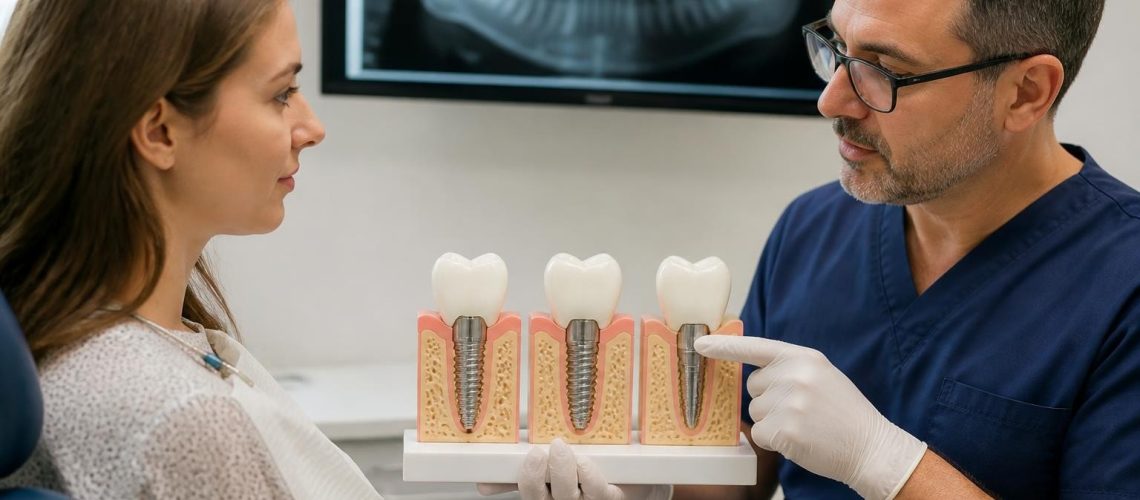
When considering tooth replacement options, many patients experience sticker shock upon learning the price of dental implants. The investment often ranges from $3,000 to $6,000 per tooth, leaving many wondering about the justification for such costs. Understanding why are dental implants so expensive requires examining the complexity of the procedure, the premium materials involved, and the specialized expertise required to ensure successful outcomes. This comprehensive breakdown will illuminate the various factors contributing to dental implant costs and help you make informed decisions about your oral health investment.
The Multi-Stage Surgical Process and Professional Expertise
Dental implant placement is far more complex than simply installing a tooth replacement. The procedure requires multiple stages spread across several months, each demanding precision and specialized skills.
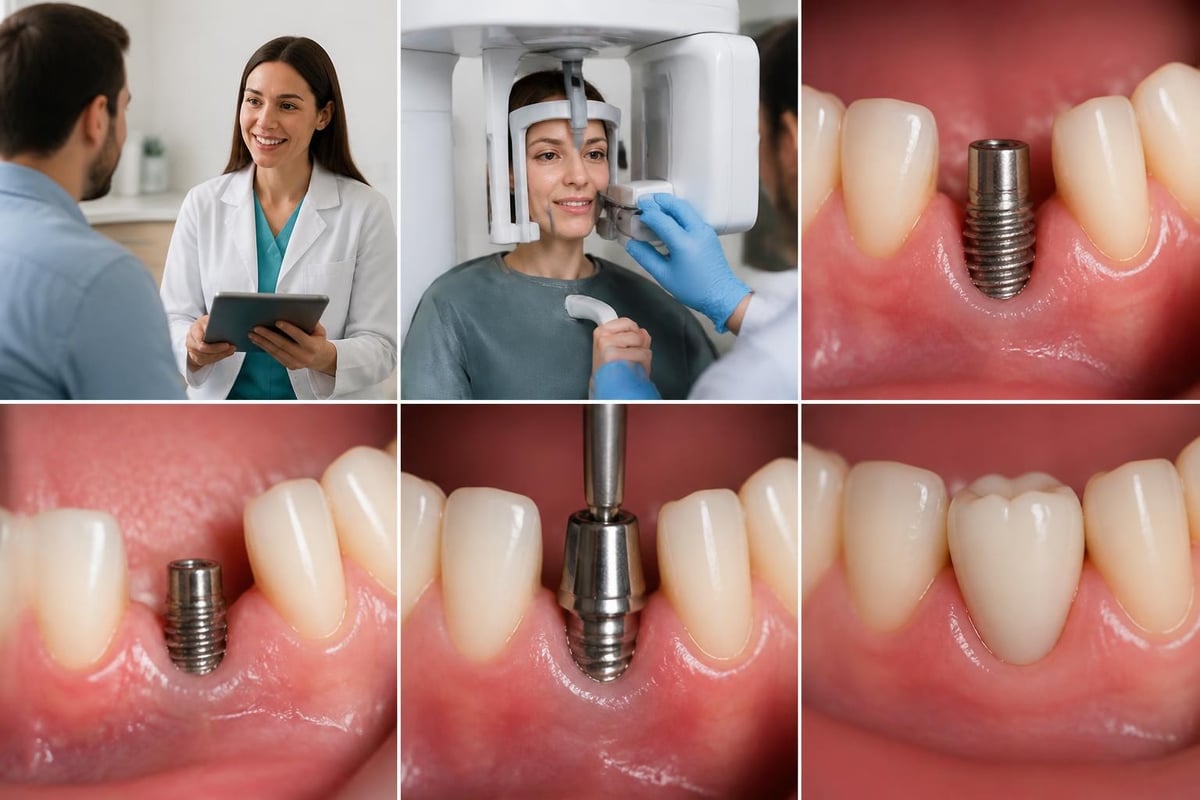
Initial Consultation and Diagnostic Imaging
The journey begins with comprehensive diagnostic work that includes 3D cone beam CT scans, detailed X-rays, and oral examinations. These advanced imaging technologies allow dental professionals to:
- Map jaw bone density and structure
- Identify nerve pathways to avoid complications
- Plan precise implant positioning for optimal function
- Assess sinus cavity proximity in upper jaw cases
- Determine if bone grafting is necessary before implant placement
This diagnostic phase alone can cost between $300 and $500, representing just the beginning of the investment. Finding the right implant dentist with experience in advanced imaging interpretation is crucial for successful outcomes.
Surgical Placement Requirements
The actual surgical procedure requires an operating environment that meets strict sterilization standards. Dentists invest heavily in equipment, training, and facility maintenance to ensure patient safety. The surgeon must have extensive training beyond general dentistry, often including:
Specialized Education Requirements:
- Additional years of periodontal or oral surgery training
- Continuing education in implantology techniques
- Certification in bone grafting procedures
- Training in sedation dentistry protocols
The surgical placement itself takes 1-2 hours per implant, during which the dentist precisely drills into the jawbone, positions the titanium post, and ensures proper angulation for future crown placement. This level of precision requires years of experience and steady hands.
Premium Materials and Manufacturing Complexity
One of the primary reasons why are dental implants so expensive relates to the materials used in their construction. Unlike dentures or bridges made from acrylic or basic ceramics, implants utilize biocompatible materials engineered for permanent integration with human bone.
Titanium and Zirconia Implant Posts
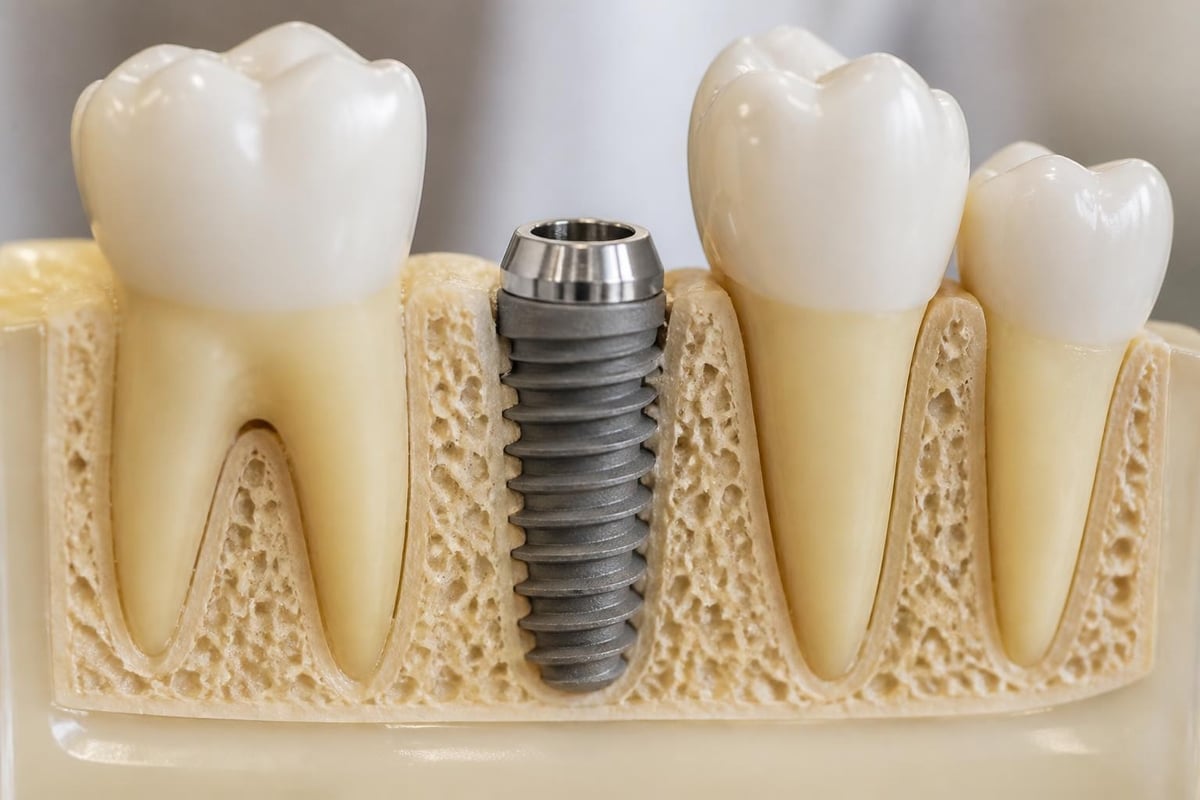
The implant post, which serves as an artificial tooth root, is manufactured from either medical-grade titanium or zirconia. These materials offer unique properties:
| Material | Benefits | Cost Impact |
|---|---|---|
| Titanium Grade 4/5 | Superior osseointegration, proven track record, lightweight | $800-$1,500 per post |
| Zirconia | Metal-free, tooth-colored, biocompatible | $1,200-$2,000 per post |
| Titanium Alloy | Enhanced strength, corrosion resistance | $900-$1,600 per post |
According to research on implant surface modifications, the manufacturing process involves precision machining and special surface treatments that enhance bone integration. These treatments add significant costs but dramatically improve success rates.
Crown and Abutment Components
The visible portion of the implant consists of an abutment (connector piece) and crown. These components require:
- Custom fabrication to match surrounding teeth
- High-grade porcelain or ceramic materials
- Precise color matching for aesthetic appeal
- CAD/CAM technology for exact specifications
- Multiple adjustment fittings
Premium crowns made from materials like zirconia or porcelain-fused-to-metal can cost $1,000-$3,000 alone. The quality of materials used directly impacts both the longevity and appearance of the final restoration.
Advanced Technology and Equipment Investment
Modern dental implant procedures rely on cutting-edge technology that requires substantial capital investment from dental practices. Understanding these overhead costs helps explain why are dental implants so expensive.
Diagnostic and Treatment Planning Tools
State-of-the-art practices utilize:
- 3D Cone Beam CT Scanners ($100,000-$200,000): Provide detailed bone structure visualization
- Digital Impression Systems ($30,000-$50,000): Create precise crown and abutment models
- Computer-Guided Surgery Software ($15,000-$40,000): Plans exact implant placement
- Surgical Navigation Systems ($50,000-$100,000): Guides real-time implant positioning
These investments must be recouped through patient fees while allowing the practice to remain financially viable. At facilities like Dental Plus Clinic in Leander, advanced technology ensures predictable outcomes and shorter treatment times.
Sterilization and Safety Equipment
Every implant procedure requires strict adherence to infection control protocols. This necessitates:
- Autoclave sterilization systems
- Single-use surgical instruments
- Sterile operating environments
- Disposable protective equipment
- Regular equipment maintenance and calibration
The commitment to safety standards adds to per-procedure costs but protects patient health and prevents complications that could prove far more expensive to treat.
The Osseointegration Period and Multiple Appointments
Unlike traditional tooth replacement options completed in days, dental implants require months of healing during which the titanium post fuses with jawbone tissue. This biological process, called osseointegration, is essential for implant stability but extends treatment timelines and increases overall costs.
Healing Timeline and Monitoring
Typical Treatment Schedule:
- Initial Placement (Day 1): Surgical insertion of implant post
- Healing Check (Week 2): Suture removal and initial healing assessment
- Progress Evaluation (Month 3): Bone integration verification via X-ray
- Abutment Placement (Month 4-6): Connector piece attachment
- Crown Fitting (Month 5-7): Multiple appointments for custom crown creation
- Final Placement (Month 6-8): Permanent crown installation and bite adjustment
Each appointment requires professional time, facility use, and administrative coordination. The extended timeline means dental practices must manage patient relationships over many months, adding to operational costs.
Temporary Solutions During Healing
Many patients require temporary teeth during the osseointegration period, particularly for visible front teeth. These provisional restorations involve additional costs for:
- Temporary crown fabrication
- Multiple adjustments as gums heal
- Adhesive materials and installation
- Removal before final crown placement
For patients exploring dental implants without insurance, understanding these interim costs helps with comprehensive budget planning.
Additional Procedures That Increase Total Costs
Many patients require supplementary treatments before or during implant placement, further explaining why are dental implants so expensive. These procedures address anatomical challenges that could otherwise compromise implant success.
Bone Grafting Requirements
When jawbone density proves insufficient for implant support, bone grafting becomes necessary. This procedure involves:
- Harvesting bone material from the patient or using synthetic alternatives
- Surgical placement at the implant site
- Additional healing time (3-6 months) before implant placement
- Separate surgical fees ($300-$3,000 depending on extent)
Studies show that approximately 50% of implant patients require some degree of bone augmentation, particularly those who have lived with missing teeth for extended periods.
Sinus Lift Procedures
For upper jaw implants, insufficient bone height between the jaw and sinus cavity may necessitate a sinus lift. This complex procedure:
- Elevates the sinus membrane
- Places bone graft material beneath
- Creates adequate bone volume for implant placement
- Adds $1,500-$3,000 to total treatment costs
Tooth Extraction Costs
If the damaged tooth remains in place, extraction becomes the first step in the implant process. Surgical extractions, particularly for impacted or broken teeth, can range from $200 to $600 per tooth.
Geographic Location and Practice Overhead
The cost of dental implants varies significantly based on geographic location, with urban practices in high-cost-of-living areas charging substantially more than rural clinics. This variation reflects differences in:
Regional Cost Factors:
- Commercial real estate and rent expenses
- Staff salary expectations and benefits
- Local competition and market rates
- State regulatory requirements and licensing fees
- Supply chain and shipping costs
| Region Type | Average Implant Cost | Cost Drivers |
|---|---|---|
| Major Metropolitan | $5,000-$8,000 | High overhead, premium market |
| Suburban Areas | $3,500-$5,500 | Moderate overhead, competitive |
| Rural Communities | $3,000-$4,500 | Lower overhead, limited specialists |
Texas patients benefit from competitive pricing across the state, with practices like Dental Plus Clinic in Converse offering quality care at accessible price points compared to major coastal cities.
Insurance Coverage and Its Impact on Pricing
Dental insurance traditionally classifies implants as cosmetic procedures, offering limited or no coverage. This lack of insurance reimbursement means practices cannot negotiate bulk rates with insurance companies, and patients bear the full cost. The factors influencing dental implant costs include this insurance dynamic, which affects pricing structures industry-wide.
However, some medical insurance policies may cover implant procedures when tooth loss results from accident or disease. Understanding coverage options helps patients maximize available benefits.
Long-Term Value Versus Upfront Investment
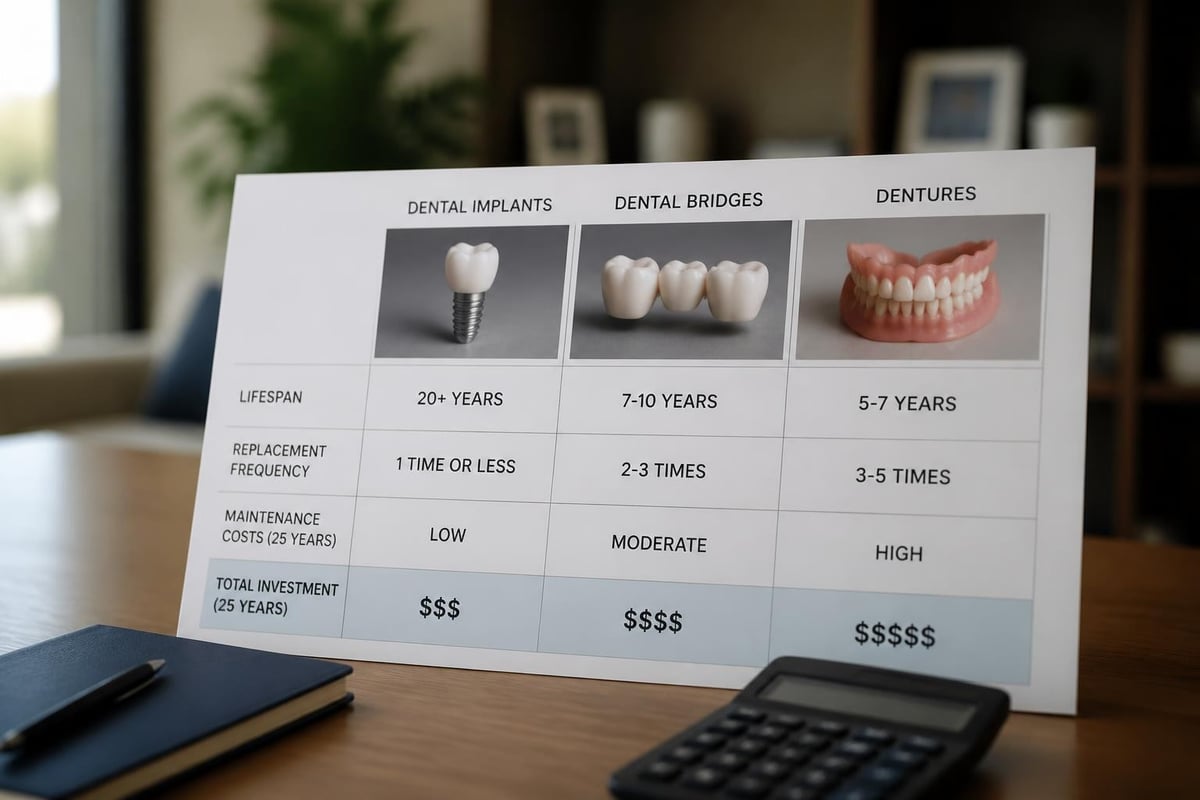
While the initial expense is substantial, dental implants offer economic advantages over cheaper alternatives when evaluated across their lifespan. This perspective helps contextualize why are dental implants so expensive relative to their long-term value.
Durability and Replacement Frequency
Lifespan Comparison:
- Dental Implants: 25+ years to lifetime with proper care
- Fixed Bridges: 7-15 years average
- Partial Dentures: 5-8 years average
- Complete Dentures: 5-10 years average
Implants require minimal maintenance beyond regular dental hygiene, while bridges and dentures need periodic adjustments, relines, and eventual replacement. The comprehensive guide to dental implant costs demonstrates how total lifetime costs often favor implants despite higher initial investment.
Bone Preservation Benefits
Unlike bridges and dentures, implants stimulate jawbone tissue like natural tooth roots, preventing bone resorption that leads to:
- Facial structure changes and premature aging appearance
- Adjacent tooth shifting and bite problems
- Difficulty with future tooth replacement options
- Need for additional bone grafting procedures
This bone preservation eliminates future reconstruction costs that bridge and denture patients commonly face after years of bone loss.
Quality of Life Improvements
Beyond financial calculations, implants provide functional benefits that alternatives cannot match:
- Full chewing capacity: Bite force of 200+ pounds, similar to natural teeth
- No dietary restrictions: Enjoy corn on the cob, apples, and steak without concern
- Speech clarity: No slippage or clicking sounds during conversation
- Confidence: Permanent solution eliminates social anxiety about tooth replacement visibility
Many patients report that these quality-of-life improvements justify the investment, making the question of why are dental implants so expensive less about absolute cost and more about value received.
The Manufacturing and Supply Chain Process
The journey from raw materials to finished implant components involves sophisticated manufacturing processes that contribute to final costs. Understanding this supply chain illuminates another aspect of why are dental implants so expensive.
Precision Engineering Requirements
Implant manufacturers must maintain tolerances measured in microns. The production process includes:
- Medical-grade titanium sourcing and purity verification
- CNC machining to exact specifications
- Surface treatment processes for enhanced osseointegration
- Sterile packaging in cleanroom environments
- Quality control testing for each batch
According to information on manufacturing processes and costs, major implant companies invest millions in research and development to improve success rates and reduce complications. These R&D costs are factored into component pricing.
Quality Assurance and Regulatory Compliance
FDA approval for dental implants requires extensive testing:
- Biocompatibility studies
- Clinical trial data spanning years
- Long-term success rate documentation
- Manufacturing facility inspections
- Post-market surveillance programs
Only implants meeting stringent standards reach the market, ensuring patient safety but adding to development and production expenses.
Practitioner Training and Continuing Education
The expertise required to successfully place dental implants extends far beyond general dentistry training. Specialists invest significant time and money in education, directly impacting service costs.
Educational Investment
Training Requirements Include:
- Dental school: 4 years post-undergraduate ($200,000-$500,000 debt typical)
- Specialty residency: 2-6 additional years for oral surgeons or periodontists
- Implant fellowship programs: $20,000-$50,000 for focused training
- Annual continuing education: $5,000-$15,000 to maintain certification
- Hands-on surgical courses: $3,000-$10,000 per intensive program
This educational investment represents hundreds of thousands of dollars and years of delayed income, costs that must be recovered through professional fees. The detailed breakdown of implant components and costs emphasizes how practitioner expertise contributes significantly to pricing.
Skill Development and Experience
Beyond formal education, developing implant placement proficiency requires:
- Supervised placement of initial cases
- Mentorship from experienced implantologists
- Learning to manage complications and unexpected situations
- Staying current with evolving techniques and materials
Patients benefit from this expertise through higher success rates, fewer complications, and predictable outcomes. When comparing whether to choose dental implants or bridges, the practitioner's skill level becomes a crucial factor in long-term success.
Risk Management and Professional Liability
Dental practices maintain comprehensive malpractice insurance and implement risk management protocols that add to operational costs. These protective measures ensure patient safety and practice sustainability.
Insurance and Legal Protection
Professional liability insurance for practices offering implant services costs substantially more than coverage for general dentistry alone:
- Annual premiums: $15,000-$50,000+ depending on case volume
- Tail coverage for retiring practitioners: $100,000+
- Legal consultation and contract review
- Patient consent documentation systems
These costs protect both patients and practitioners but must be incorporated into service pricing.
Complication Management Reserves
Despite high success rates (95%+ for properly selected cases), occasional complications require corrective treatment. Ethical practices budget for:
- Revision surgeries without additional patient charges
- Implant removal and replacement
- Management of infections or integration failures
- Additional bone grafting if initial grafts fail
Building these contingency funds into pricing ensures practices can honor warranties and guarantees without financial hardship.
Financing Options and Affordability Strategies
Understanding why are dental implants so expensive also means recognizing available options to make treatment accessible. Many practices offer solutions that distribute costs over time.
Payment Plans and Financing Programs
Common affordability approaches include:
In-House Payment Plans:
- No-interest plans for 6-12 months
- Low-interest extended plans (18-60 months)
- Down payment requirements (typically 20-30%)
- Automatic monthly deductions
Third-Party Financing:
- CareCredit and similar healthcare credit cards
- Personal medical loans through banks
- Credit union healthcare financing programs
- Home equity lines of credit for major treatments
The five reasons for high implant costs include the comprehensive nature of treatment, but financing options help patients access needed care despite upfront costs.
Dental Savings Plans and Discount Programs
For patients without insurance, dental savings plans offer:
- Annual membership fees ($100-$350)
- 10-60% discounts on procedures
- No waiting periods or claim forms
- Coverage for pre-existing conditions
These plans can reduce implant costs by $500-$2,000, making treatment more accessible for budget-conscious patients.
Comparing Single Implants to Full-Arch Solutions
The cost structure differs significantly between single tooth replacement and full-arch restoration systems, affecting the overall investment calculation.
All-on-4 and All-on-6 Implant Systems
For patients missing multiple teeth or requiring full-arch replacement, specialized systems offer economies of scale:
| Solution | Number of Implants | Typical Cost Range | Cost Per Tooth |
|---|---|---|---|
| Single Implant | 1 | $3,000-$6,000 | $3,000-$6,000 |
| Implant Bridge (3 teeth) | 2 | $7,000-$15,000 | $2,300-$5,000 |
| All-on-4 (full arch) | 4 | $20,000-$30,000 | $1,400-$2,100 |
| All-on-6 (full arch) | 6 | $25,000-$40,000 | $1,800-$2,900 |
Understanding the differences between All-on-4 vs All-on-6 dental implants helps patients select appropriate solutions for their specific situations. The per-tooth cost decreases with full-arch solutions because they share abutments and require fewer overall components.
Hybrid Denture Options
Some patients benefit from implant-supported dentures that use 2-4 implants to stabilize removable prosthetics. These hybrid solutions:
- Cost $8,000-$20,000 per arch
- Provide better stability than traditional dentures
- Cost less than individual implants for each missing tooth
- Require removal for cleaning but eliminate adhesives
This middle-ground approach balances affordability with improved function compared to conventional dentures.
Frequently Asked Questions
Why are dental implants so expensive compared to other tooth replacement options?
Dental implants involve surgical procedures, premium biocompatible materials like medical-grade titanium, advanced technology for planning and placement, and multiple appointments over several months. Unlike bridges or dentures, implants replace both the tooth root and crown, requiring integration with jawbone tissue through osseointegration. This complexity, combined with specialized training requirements and high success rates, justifies the investment.
Does dental insurance cover any portion of implant costs?
Most traditional dental insurance plans classify implants as cosmetic procedures and provide limited coverage. However, some plans may cover portions like the crown component or necessary extractions. Approximately 10-15% of dental plans offer partial implant coverage in 2026, typically capping benefits at $1,000-$2,000 annually. Medical insurance might provide coverage when tooth loss results from accident or medical conditions rather than decay.
How long do dental implants last, and does that justify the cost?
Properly placed and maintained dental implants can last 25 years to a lifetime, with success rates exceeding 95%. The titanium post typically lasts permanently, though the crown may need replacement after 15-20 years due to normal wear. Compared to bridges (7-15 year lifespan) or dentures (5-10 years), implants offer superior longevity that often justifies the higher initial investment when calculated over decades.
Can I get affordable dental implants without sacrificing quality?
Yes, several strategies reduce costs while maintaining quality standards. Consider seeking treatment at dental schools where supervised students perform procedures at reduced rates, explore dental tourism in accredited facilities, utilize flexible financing plans, or investigate whether you qualify for clinical research studies. Additionally, some practices offer periodic promotions or discounts for multiple implants. Always verify practitioner credentials and implant brand reputation regardless of price.
What factors increase or decrease dental implant costs for individual patients?
Costs vary based on bone density (grafting needs), number of implants required, implant location (front teeth requiring aesthetic excellence cost more), chosen materials (zirconia versus titanium, premium crown materials), geographic location, practitioner experience level, and whether additional procedures like sinus lifts or extractions are necessary. Patients with healthy jawbones requiring single posterior implants typically pay less than those needing multiple anterior implants with bone grafting.
Are payment plans available for dental implant procedures?
Most dental practices offering implants provide financing options including in-house payment plans, third-party healthcare financing through companies like CareCredit, or partnerships with dental lending institutions. Terms typically range from 6-60 months with interest rates varying based on credit qualification. Some practices offer 0% interest for shorter terms (6-12 months) or reduced-interest rates for extended payment periods.
What happens if a dental implant fails, and who covers the cost?
Implant failure occurs in approximately 5% of cases, typically within the first few months or after many years. Reputable practitioners offer warranties covering implant replacement if failure occurs due to integration issues rather than patient neglect. Coverage periods vary but commonly span 1-10 years. Always clarify warranty terms before treatment and understand what circumstances qualify for no-cost replacement versus those requiring patient payment.
How do costs for single implants compare to full-mouth restoration?
Single implants cost $3,000-$6,000 per tooth, making individual replacement of many teeth prohibitively expensive. Full-mouth solutions like All-on-4 implants restore entire arches for $20,000-$30,000, averaging $1,400-$2,100 per tooth. For patients missing most or all teeth, full-arch solutions provide better value while delivering superior function compared to traditional dentures.
Understanding the comprehensive factors behind dental implant costs empowers patients to make informed decisions about their oral health investments. While the expense is significant, the combination of durability, functionality, and bone preservation often makes implants the most cost-effective long-term solution for tooth replacement. If you're exploring implant options in Texas, Dental Plus Clinic offers transparent pricing, flexible financing, and experienced professionals across five convenient locations. Schedule a consultation today to receive a personalized treatment plan and discover how we can help you achieve a confident, healthy smile that lasts a lifetime.