

When considering dental implants as a solution for missing teeth, one of the most pressing questions patients ask is whether this significant investment will truly stand the test of time. The answer to "can dental implants last a lifetime" is more nuanced than a simple yes or no, but the research and clinical evidence provide encouraging insights. Modern dental implants have demonstrated remarkable longevity, with many patients enjoying their implants for 25 years or more. Understanding the factors that influence implant durability, the role of proper maintenance, and the latest advancements in implant technology can help you make an informed decision about this life-changing dental treatment.
Understanding Dental Implant Longevity and Success Rates
The question of whether can dental implants last a lifetime depends on multiple variables, including implant quality, surgical technique, patient health, and ongoing care. According to comprehensive research on dental implant survival rates, modern implants demonstrate impressive long-term success when properly placed and maintained.
Current Success Rate Statistics
Clinical studies reveal that dental implants boast a success rate of 95-98% over a 10-year period. More impressively, many implants continue functioning well beyond this timeframe:
- 10-year survival rate: 95-98% for properly maintained implants
- 20-year survival rate: 90-95% with excellent oral hygiene
- 25+ year survival: Common in patients who follow recommended care protocols
- Lifetime potential: Achievable with optimal conditions and maintenance
These statistics demonstrate that while "lifetime" may vary from person to person, dental implants at Dental Plus Clinic can indeed last several decades or potentially a lifetime with proper care.
Factors That Determine Implant Lifespan
Several critical elements influence whether can dental implants last a lifetime for individual patients:
Patient-Related Factors:
- Overall health status and immune function
- Bone density and quality at implant site
- Oral hygiene habits and commitment
- Lifestyle choices (smoking, diet, teeth grinding)
Treatment-Related Factors:
- Surgeon expertise and technique
- Implant quality and material composition
- Proper placement depth and angle
- Adequate healing time before loading
Maintenance-Related Factors:
- Regular professional cleanings and examinations
- Daily home care routine
- Timely intervention for complications
- Protective measures against trauma
The Science Behind Implant Durability
Understanding the biological and mechanical aspects of dental implants helps clarify why can dental implants last a lifetime under the right conditions. The process of osseointegration, where the titanium implant fuses with the jawbone, creates a foundation that can rival natural tooth roots in strength and stability.
Osseointegration: The Foundation of Longevity
Osseointegration is the biological process that makes long-term implant success possible. This phenomenon occurs when bone cells grow directly onto the titanium surface, creating a permanent bond.
The timeline for complete osseointegration typically follows this pattern:
- Initial healing phase (1-2 weeks): Blood clot formation and initial bone response
- Primary stability period (3-6 weeks): New bone begins forming around implant
- Maturation phase (3-6 months): Dense bone integration reaches full strength
- Long-term remodeling (ongoing): Bone continuously adapts and maintains the bond
Recent advancements in bioactive surface modifications have enhanced osseointegration, potentially improving long-term outcomes and contributing to the possibility that can dental implants last a lifetime.
Material Science and Implant Construction
Modern dental implants utilize materials specifically chosen for biocompatibility and durability:
| Component | Material | Expected Lifespan | Key Properties |
|---|---|---|---|
| Implant Post | Titanium or Zirconia | 25+ years to lifetime | Biocompatible, corrosion-resistant, strong |
| Abutment | Titanium, Zirconia, or Gold | 15-25+ years | Connects crown to implant, supports restoration |
| Crown | Porcelain, Zirconia, or Composite | 10-15 years (replaceable) | Aesthetic, functional, can be replaced without affecting implant |
The titanium post itself, when properly integrated, can function indefinitely. However, the crown may require replacement due to normal wear, similar to how natural teeth experience enamel wear over time. This is an important distinction when discussing whether can dental implants last a lifetime-the implant itself may be permanent while the restoration requires periodic renewal.
Maintenance Requirements for Lifetime Implant Success
The answer to can dental implants last a lifetime heavily depends on consistent, proper maintenance. Unlike natural teeth, implants don't develop cavities, but they remain susceptible to peri-implantitis-an inflammatory condition affecting the tissues surrounding the implant.
Daily Home Care Protocol
Establishing a comprehensive oral hygiene routine is essential for implant longevity:
Morning and Evening Routine:
- Brush implant-supported teeth using a soft-bristle toothbrush
- Use low-abrasive toothpaste to protect crown surfaces
- Floss carefully around implant sites using specialized floss or interdental brushes
- Rinse with antimicrobial mouthwash (alcohol-free preferred)
Special Considerations:
- Water flossers provide excellent cleaning around implant restorations
- Avoid metal instruments that could scratch implant surfaces
- Pay extra attention to the gum line where bacteria accumulate
- Replace toothbrushes every three months
The American Society of Implant and Reconstructive Dentistry emphasizes that proper daily care reduces the risk of peri-implantitis by up to 80%, significantly improving the chances that can dental implants last a lifetime.
Professional Maintenance Schedule
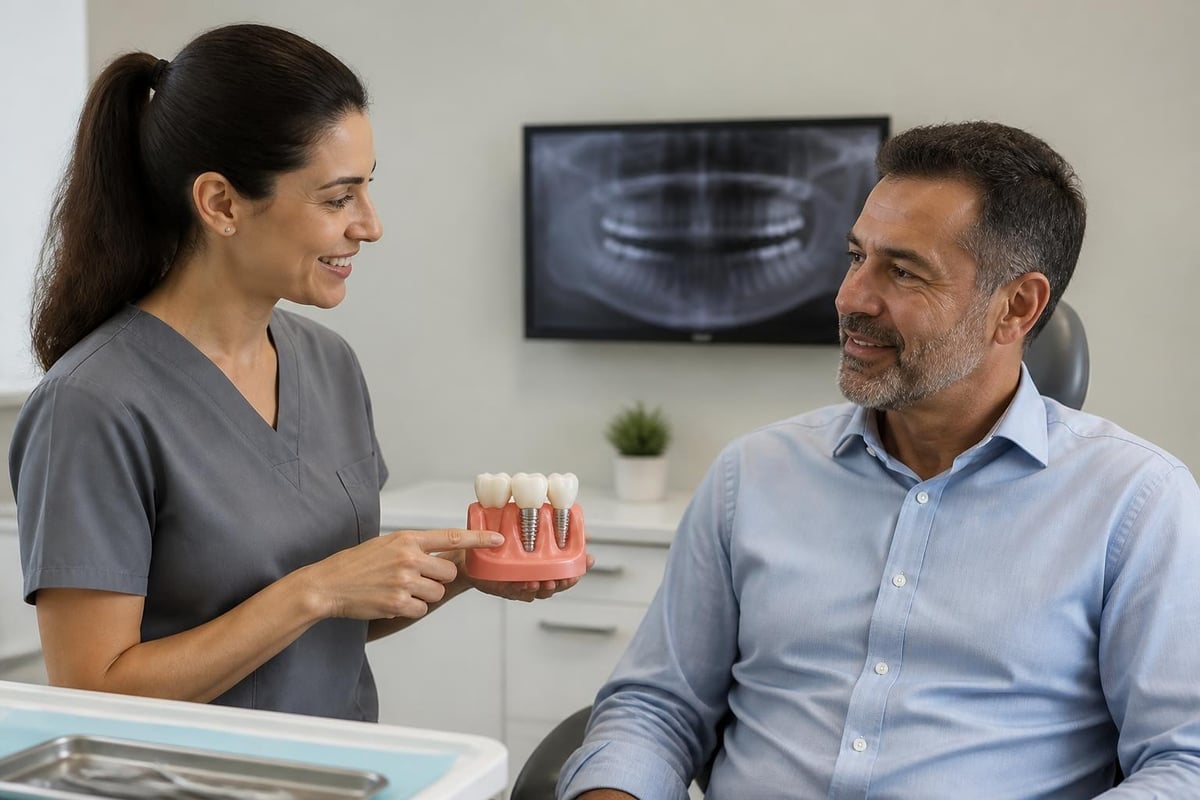
Regular dental visits are non-negotiable for patients wanting their implants to last a lifetime. At Dental Plus Clinic locations throughout Texas, professional maintenance protocols include:
- Every 3-6 months: Professional cleaning with specialized instruments designed for implants
- Annual assessment: Comprehensive examination including X-rays to monitor bone levels
- Periodic evaluations: Assessment of crown condition, occlusion, and tissue health
- Immediate intervention: Quick response to any signs of inflammation or complications
These regular visits allow dentists to detect potential issues before they compromise implant longevity. Professional maintenance for dental implants has been shown to extend implant lifespan significantly compared to patients who skip regular check-ups.
Risk Factors That Can Shorten Implant Lifespan
While many patients wonder can dental implants last a lifetime, certain risk factors can compromise longevity. Understanding these risks allows for proactive management and better outcomes.
Lifestyle and Health Considerations
Smoking and Tobacco Use:
Tobacco use represents one of the most significant threats to implant success. Smoking constricts blood vessels, reducing oxygen and nutrient delivery to healing tissues. Statistics show:
- Smokers have a 15-20% higher implant failure rate
- Healing time increases by 30-50% in tobacco users
- Peri-implantitis risk doubles in smoking patients
- Quitting smoking before implant placement improves success rates dramatically
Systemic Health Conditions:
Certain medical conditions affect implant longevity:
- Diabetes: Uncontrolled diabetes impairs healing and increases infection risk
- Osteoporosis: Bone density medications may affect osseointegration
- Autoimmune disorders: Can compromise immune response and healing
- Heart disease: May require antibiotic prophylaxis during procedures
Bruxism (Teeth Grinding):
Habitual teeth grinding creates excessive force on implants, potentially causing:
- Mechanical complications in implant components
- Crown fractures or loosening
- Accelerated wear on restoration materials
- Possible implant failure in severe cases
Patients with bruxism should use a custom night guard to protect their investment and increase the likelihood that can dental implants last a lifetime.
Preventable Complications
Several complications can threaten implant longevity but are largely preventable with proper care:
| Complication | Prevention Strategy | Success Rate |
|---|---|---|
| Peri-implantitis | Regular cleanings, excellent home care | 95% prevention |
| Crown damage | Night guard for grinders, avoid hard foods | 90% prevention |
| Implant loosening | Proper initial placement, regular monitoring | 98% prevention |
| Bone loss | Immediate loading protocols, good hygiene | 92% prevention |
Understanding these risk factors helps patients at Dental Plus Clinic in Leander and other locations make informed decisions about their oral health behaviors.
Advanced Technology and Implant Longevity
Technological advancements continue to improve the prospects that can dental implants last a lifetime. Modern innovations address historical challenges and enhance both initial success rates and long-term durability.
Modern Implant Design Improvements
Contemporary implant systems incorporate features that enhance longevity:
Surface Treatments:
- Micro-textured surfaces promote faster, stronger bone integration
- Hydrophilic coatings improve initial stability
- Nanostructured surfaces enhance cellular attachment
- Antibacterial coatings reduce infection risk
Thread Design Optimization:
- Advanced thread patterns distribute forces more evenly
- Variable thread depths accommodate different bone densities
- Platform-switching designs preserve marginal bone
- Tapered designs improve primary stability
The latest dental implant technology available at Dental Plus Clinic represents significant improvements over implants placed even a decade ago, suggesting that can dental implants last a lifetime is more achievable than ever.
Digital Planning and Precision Placement
Computer-guided implant surgery has revolutionized placement accuracy:
- 3D cone beam CT scans create detailed anatomical maps
- Virtual planning software determines optimal implant positioning
- Surgical guides ensure precise placement angles and depths
- Real-time navigation provides feedback during surgery
- Predictable outcomes reduce complications and improve longevity
These technologies minimize surgical trauma, optimize implant positioning, and reduce the risk of complications that could shorten implant lifespan. Patients receiving implants in 2026 benefit from precision that was impossible just years ago.
Comparing Implants to Natural Teeth and Alternatives
When evaluating whether can dental implants last a lifetime, it's helpful to compare them with natural teeth and alternative tooth replacement options. This comparison provides realistic expectations and context for decision-making.
Implants vs. Natural Teeth Longevity
Research comparing the longevity of natural teeth and dental implants reveals interesting insights:
Natural Teeth:
- Can last a lifetime with excellent care
- Susceptible to decay, fractures, and gum disease
- Average tooth loss accelerates after age 50
- Compromised teeth may require extraction despite care efforts
Dental Implants:
- Immune to dental caries (cavities)
- Can last 25+ years to lifetime with proper maintenance
- More predictable longevity than compromised natural teeth
- Require similar hygiene commitment as natural teeth
The key finding is that while both can last a lifetime, properly maintained implants in healthy patients often demonstrate more predictable longevity than natural teeth with a history of dental disease.
Alternative Tooth Replacement Options
Understanding how implants compare to alternatives helps illustrate their superior longevity:
Traditional Dental Bridges:
- Average lifespan: 10-15 years
- Require alteration of adjacent healthy teeth
- Do not prevent bone loss at missing tooth site
- May need replacement multiple times during patient's life
Removable Partial Dentures:
- Average lifespan: 5-8 years before replacement needed
- Contribute to continued bone loss
- Require frequent adjustments and relines
- Less stable and functional than implants
Complete Dentures:
- Need replacement every 5-10 years
- Accelerate bone resorption
- Reduced chewing efficiency (25-30% of natural teeth)
- Require adhesives and frequent adjustments
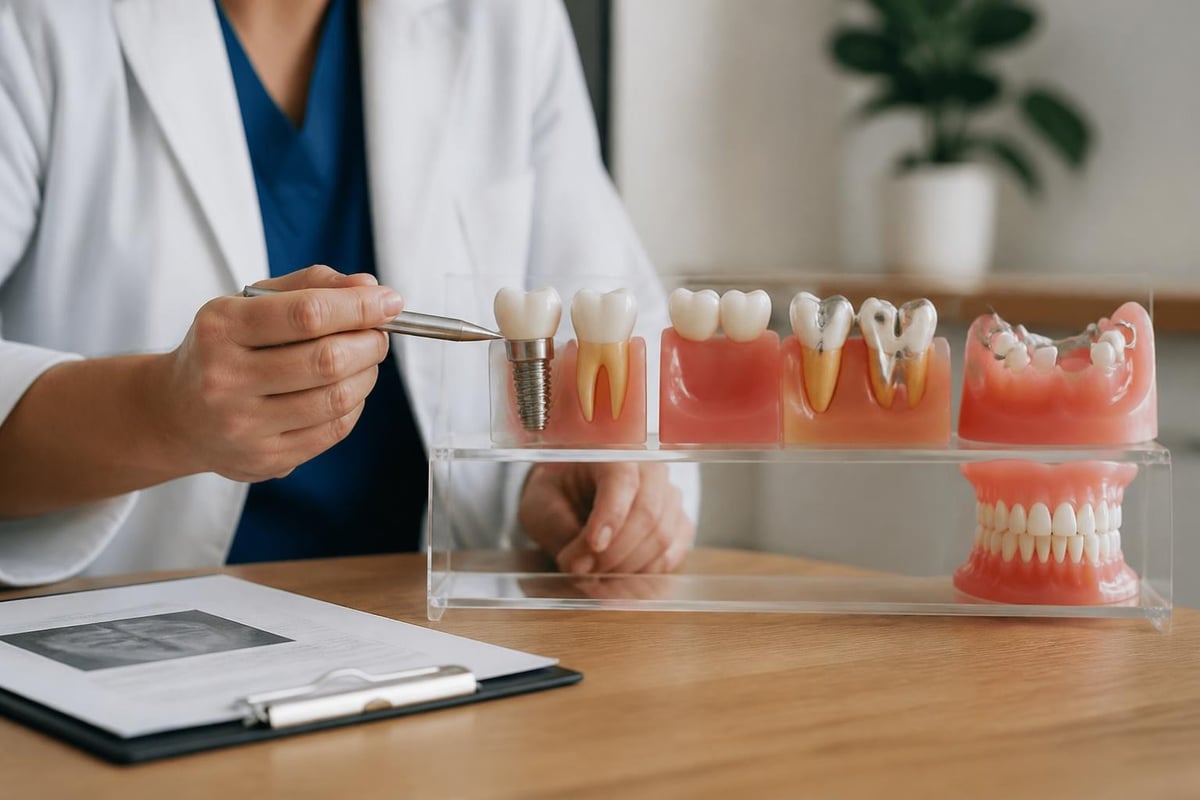
When considering whether can dental implants last a lifetime, the comparison clearly shows implants offer superior longevity compared to traditional alternatives. For patients evaluating options, resources like our guide on dental implants vs. bridges provide additional decision-making information.
Age Considerations and Implant Placement Timing
The question of whether can dental implants last a lifetime takes on different dimensions depending on the patient's age at placement. Timing considerations affect both immediate success and long-term outcomes.
Implants for Younger Patients
For adults in their 20s and 30s, implants represent a potentially decades-long investment:
Advantages:
- Stronger bone density facilitates integration
- Longer expected benefit period
- Prevention of bone loss from early tooth loss
- Psychological benefits during prime social and career years
Considerations:
- Must have completed jaw growth (typically age 18-21)
- Greater likelihood of needing crown replacement during lifetime
- Important to establish excellent oral hygiene habits early
- Cost-benefit analysis favors longevity potential
Younger patients who receive implants at age 30 and maintain them properly can reasonably expect them to last 40-50+ years, effectively answering "yes" to can dental implants last a lifetime for their situation.
Implants for Older Adults
Patients in their 50s, 60s, and beyond also achieve excellent implant outcomes:
Benefits:
- Improved quality of life during retirement years
- Restored chewing ability supports nutritional health
- Enhanced confidence and social engagement
- Better outcomes than removable alternatives
Special Considerations:
- May require bone grafting due to age-related bone loss
- Systemic health conditions need evaluation and management
- Medication review to identify potential complications
- Healing may take slightly longer than younger patients
Even patients receiving implants at age 70 can expect them to function for the remainder of their life with proper care, making the lifetime investment worthwhile. At Dental Plus Clinic in Converse and other locations, age-appropriate treatment planning ensures optimal outcomes for all patients.
Financial Considerations and Lifetime Value
Understanding the economic aspect of implants helps answer whether can dental implants last a lifetime from a value perspective. While the initial investment is substantial, the long-term cost-effectiveness becomes apparent when comparing lifetime expenses.
Initial Investment vs. Long-Term Costs
Typical Implant Costs (2026):
- Single implant: $3,000-$6,000 (including post, abutment, and crown)
- Multiple implants: $15,000-$30,000 for full arch restoration
- Additional procedures: Bone grafting ($300-$3,000), sinus lift ($1,500-$3,000)
Lifetime Cost Comparison:
| Option | Initial Cost | Replacement Frequency | 30-Year Total Cost |
|---|---|---|---|
| Dental Implant | $4,000 | Minimal (crown replacement ~$1,500 once) | $5,500 |
| Dental Bridge | $3,000 | Every 10-15 years | $9,000-$12,000 |
| Partial Denture | $1,500 | Every 5-8 years | $7,500-$9,000 |
This analysis demonstrates that when can dental implants last a lifetime (or even 25-30 years), they often represent the most economical choice despite higher upfront costs.
Insurance and Payment Options
Many patients worry about affording implants despite their long-term value. Options include:
- Dental insurance: Some plans cover portions of implant treatment
- Payment plans: Many practices offer interest-free financing
- Health savings accounts: HSA/FSA funds can cover implant expenses
- Discount programs: Membership plans may reduce treatment costs
For patients considering dental implants without insurance, exploring payment options makes lifetime-lasting solutions more accessible.
Special Implant Applications and Longevity
Different implant applications have varying longevity expectations. Understanding these differences helps patients set realistic expectations about whether can dental implants last a lifetime for their specific situation.
Single Tooth Implants
Single implants demonstrate the highest success rates and longevity potential:
- Success rate: 97-99% at 10 years
- Ideal conditions: No adjacent implants, healthy bone, excellent hygiene
- Expected lifespan: 25+ years to lifetime with proper care
- Replacement needs: Crown replacement every 10-15 years typical
Single implants represent the best-case scenario for the question can dental implants last a lifetime, as they experience less stress than implants supporting multiple teeth.
Multiple Tooth and Full Arch Restorations
Implant-supported bridges and full arch restorations have specific considerations:
All-on-4/All-on-6 Systems:
- Four to six implants support entire arch of teeth
- Success rates: 94-98% at 10 years
- Implant longevity: 20-25+ years typical
- Prosthesis replacement: May need renewal every 10-15 years
Patients interested in comprehensive solutions can learn more about All-on-4 vs. All-on-6 dental implants to determine which option suits their needs.
Individual Implants Supporting Bridge:
- Multiple implants with connecting restoration
- Success rates: 95-97% at 10 years
- Load distribution affects individual implant stress
- Expected lifespan: 15-25+ years with proper maintenance
Implant-Retained Dentures
Overdentures supported by implants offer improved stability over traditional dentures:
- Attachment system longevity: 5-10 years before replacement
- Implant longevity: 15-25+ years
- Denture base replacement: Every 7-10 years
- Overall satisfaction: Significantly higher than conventional dentures
While the denture components require periodic replacement, the underlying implants can last significantly longer, supporting the concept that can dental implants last a lifetime even when the visible restorations require updates.
Common Questions About Implant Longevity
How Do I Know If My Implant Is Failing?
Warning signs of implant problems include:
- Persistent pain or discomfort around the implant site
- Swelling or redness in gum tissues
- Implant mobility or movement
- Difficulty chewing or changes in bite
- Visible recession of gum tissue around the implant
Early detection and intervention can often save an implant that's beginning to fail. Regular professional examinations catch problems before they become severe.
Can Failed Implants Be Replaced?
If an implant fails, replacement is often possible:
- Removal of failed implant: Performed carefully to preserve bone
- Healing period: Typically 3-6 months to allow bone recovery
- Bone grafting if needed: Rebuilds lost bone structure
- New implant placement: Often successful with proper site preparation
- Enhanced maintenance protocol: Prevents repeat failure
Success rates for replacement implants range from 70-90%, depending on the reason for initial failure and corrective measures taken.
Do Implants Require Special Care When Traveling?
Patients with implants can travel without special concerns:
- Continue regular oral hygiene routines
- Bring backup cleaning supplies
- Avoid extremely hard foods that could damage crowns
- Carry dental emergency contact information
- Schedule dental visits before extended trips
The durability of implants makes them ideal for active lifestyles, supporting the notion that can dental implants last a lifetime without restricting your activities.
What Happens to Implants as I Age?
Properly maintained implants continue functioning as you age:
- Bone integration remains stable with good oral health
- Natural bone loss from aging occurs but doesn't necessarily affect implants
- Crown wear may necessitate replacement but implant remains sound
- Systemic health changes should be communicated to your dentist
- Hygiene may require adaptation (electric toothbrushes, water flossers)
Many patients maintain their implants successfully into their 80s and 90s, demonstrating that can dental implants last a lifetime is achievable across the full adult lifespan.
Maximizing Your Implant Investment
Taking proactive steps ensures you get the maximum lifespan from your dental implants. These strategies increase the likelihood that can dental implants last a lifetime for you specifically.
Choosing the Right Dental Provider
The foundation for long-lasting implants begins with selecting an experienced implant dentist:
Key Selection Criteria:
- Board certification or advanced training in implant dentistry
- Years of experience placing and restoring implants
- Access to modern technology (3D imaging, guided surgery)
- Comprehensive approach to treatment planning
- Positive patient reviews and documented success rates
Resources like our guide on how to find the best implant dentist help patients make informed provider choices. The expertise available at Dental Plus Clinic locations ensures patients receive care that maximizes implant longevity.
Following Post-Operative Instructions
The initial healing period critically affects long-term success:
Immediate Post-Op (First 24-48 Hours):
- Apply ice packs to reduce swelling
- Take prescribed medications as directed
- Eat only soft, cool foods
- Avoid disturbing the surgical site
- Rest and limit physical activity
First Two Weeks:
- Gentle brushing around surgical area
- Rinse with prescribed antimicrobial solution
- Gradually reintroduce normal foods
- Attend follow-up appointments
- Report any concerning symptoms immediately
First Three Months:
- Avoid excessive force on healing implant
- Continue excellent oral hygiene
- Refrain from smoking or tobacco use
- Follow dietary restrictions for hard/sticky foods
- Attend all scheduled check-ups
Proper healing establishes the foundation that allows can dental implants last a lifetime to become reality rather than just possibility.
Long-Term Protective Strategies
Beyond basic maintenance, additional protective measures extend implant lifespan:
- Custom night guards: Protect against bruxism and excessive forces
- Regular professional cleanings: Remove calculus that home care misses
- Immediate problem addressing: Don't delay when issues arise
- Healthy lifestyle choices: Nutrition, exercise, and stress management
- Tobacco cessation: Eliminates primary risk factor for failure
- Diabetes management: Controlled blood sugar supports tissue health
- Medication awareness: Discuss any new prescriptions with your dentist
These strategies work synergistically to create optimal conditions for implant longevity.
Real Patient Outcomes and Success Stories
Understanding whether can dental implants last a lifetime becomes more tangible through real-world examples. While individual results vary, documented cases demonstrate the impressive potential for implant longevity.
Long-Term Success Documentation
Clinical literature documents numerous cases of implants functioning for 30, 40, even 50+ years:
- The longest-documented functional implant: 52 years (placed 1974, still functional in 2026)
- Average documented longevity in compliant patients: 25-35 years
- Percentage of implants exceeding 20 years: Approximately 85-90%
- Failure rate after successful 5-year integration: Less than 1% annually
These statistics reinforce that with proper conditions, can dental implants last a lifetime is not merely marketing language but a realistic expectation.
Common Scenarios and Expected Outcomes
Scenario 1: Healthy 35-Year-Old Non-Smoker
- Excellent bone quality and oral hygiene
- Single anterior implant
- Expected outcome: 40+ years, potentially lifetime
- Likelihood of success: 98%+
Scenario 2: 55-Year-Old with Controlled Diabetes
- Good bone density, commits to maintenance
- Multiple posterior implants
- Expected outcome: 25-30+ years
- Likelihood of success: 92-95%
Scenario 3: 45-Year-Old Former Smoker with Bruxism
- Quit smoking before treatment, uses night guard
- Full arch restoration
- Expected outcome: 20-25+ years
- Likelihood of success: 88-92%
These scenarios illustrate that while ideal conditions maximize longevity, even patients with risk factors can achieve decades of implant function when they commit to recommended care protocols.
The Role of Innovation in Future Implant Longevity
As we progress through 2026 and beyond, ongoing research continues improving the prospects that can dental implants last a lifetime for even more patients.
Emerging Technologies
Biomaterial Advances:
- Next-generation titanium alloys with enhanced biocompatibility
- Bioactive ceramics that actively promote bone formation
- Antibacterial coatings that prevent peri-implantitis
- Smart materials that respond to biological signals
Regenerative Techniques:
- Growth factor applications accelerating integration
- Stem cell therapies enhancing bone regeneration
- Customized bone grafts from patient's own cells
- 3D-printed implants tailored to individual anatomy
Monitoring Technologies:
- Sensors embedded in implants detecting early problems
- Artificial intelligence analyzing X-rays for subtle changes
- Remote monitoring systems alerting dentists to concerns
- Predictive analytics identifying at-risk implants
These innovations promise to make "yes" an even more definitive answer to can dental implants last a lifetime in the coming decades.
Preventive Care Evolution
The future of implant maintenance focuses on prevention rather than treatment:
- Personalized risk assessment: Genetic and biomarker testing identifying individual risk factors
- Targeted interventions: Customized maintenance protocols based on risk profiles
- Early warning systems: Technology detecting problems before clinical symptoms
- Minimally invasive treatments: Less aggressive interventions preserving implant structure
These advances will help patients at facilities like Dental Plus Clinic maintain their implants with greater ease and predictability.
Making the Decision: Is the Investment Worth It?
For most patients wondering can dental implants last a lifetime, the question ultimately centers on value. Weighing benefits against costs and alternatives helps clarify the decision.
Quality of Life Improvements
The non-monetary benefits of implants include:
Functional Benefits:
- Restored chewing efficiency (90%+ of natural teeth)
- Improved speech clarity
- No dietary restrictions from poor-fitting dentures
- Prevention of adjacent tooth shifting
Psychological Benefits:
- Enhanced self-confidence
- Improved social interactions
- Reduced anxiety about tooth loss
- Better overall mental health
Health Benefits:
- Preservation of jawbone structure
- Maintenance of facial appearance
- Better nutrition from improved chewing
- Reduced risk of additional tooth loss
These quality-of-life improvements often outweigh cost considerations for patients who value long-term oral health and confidence.
When Implants May Not Be the Best Choice
Despite their advantages, implants aren't ideal for everyone:
Potential Contraindications:
- Severe uncontrolled diabetes
- Active periodontal disease requiring treatment first
- Insufficient bone without willingness for grafting
- Inability to commit to maintenance requirements
- Certain medications affecting bone metabolism
Alternative Scenarios:
- Limited budget with other health priorities
- Very advanced age with limited life expectancy
- Medical conditions making surgery inadvisable
- Personal preference for removable options
Honest consultation with experienced dentists helps determine whether implants represent the best choice for your specific situation and whether can dental implants last a lifetime is a realistic goal given your individual circumstances.
When properly placed, maintained, and protected, dental implants can indeed last 25 years or more, with many functioning for a lifetime. Success depends on multiple factors including patient health, oral hygiene commitment, professional maintenance, and lifestyle choices. At Dental Plus Clinic, our experienced team uses advanced technology and personalized treatment planning to maximize implant longevity for patients across our five Texas locations. Whether you're considering your first implant or seeking expert care for existing implants, we're here to help you achieve a healthy, confident smile that lasts.