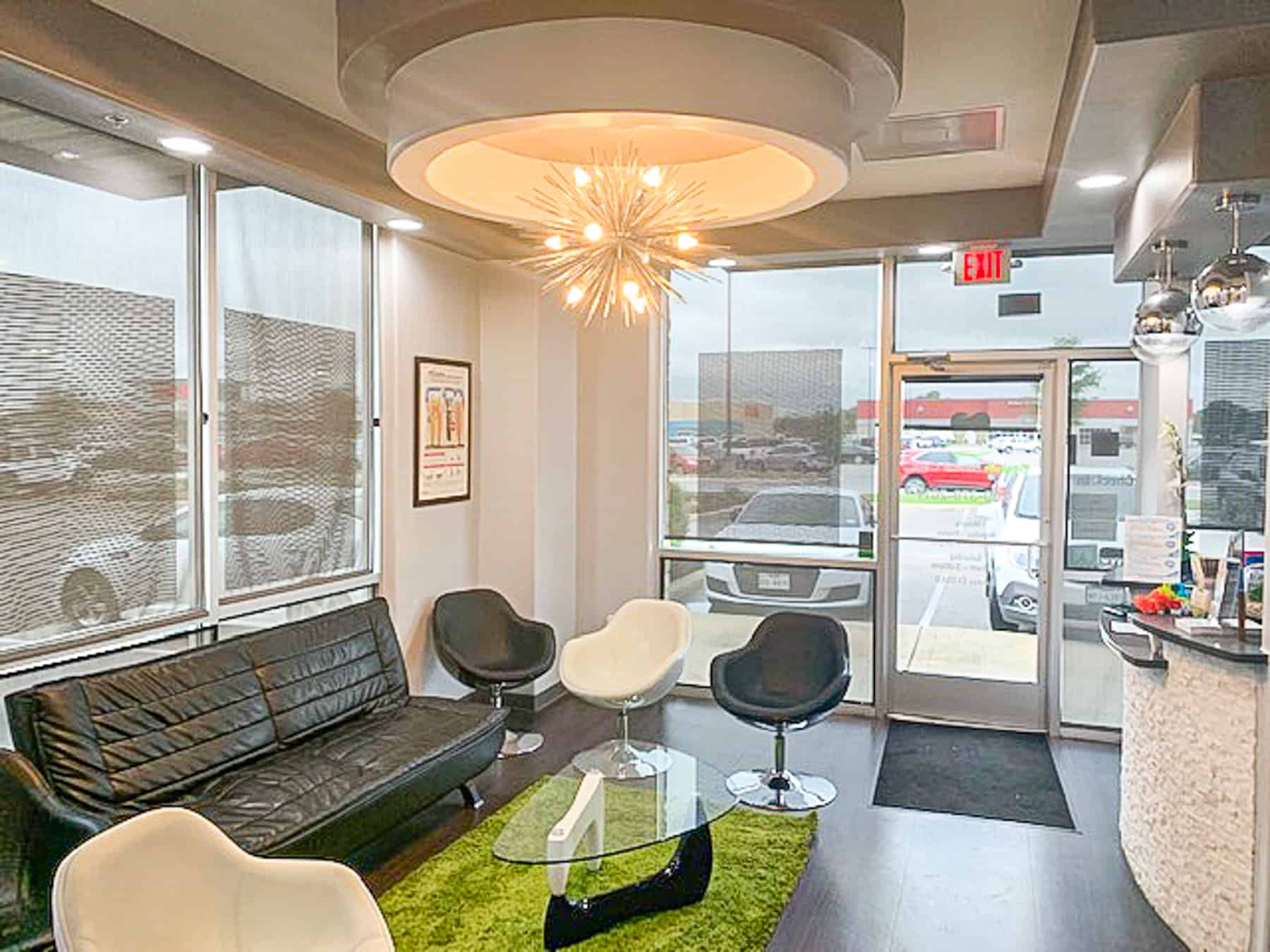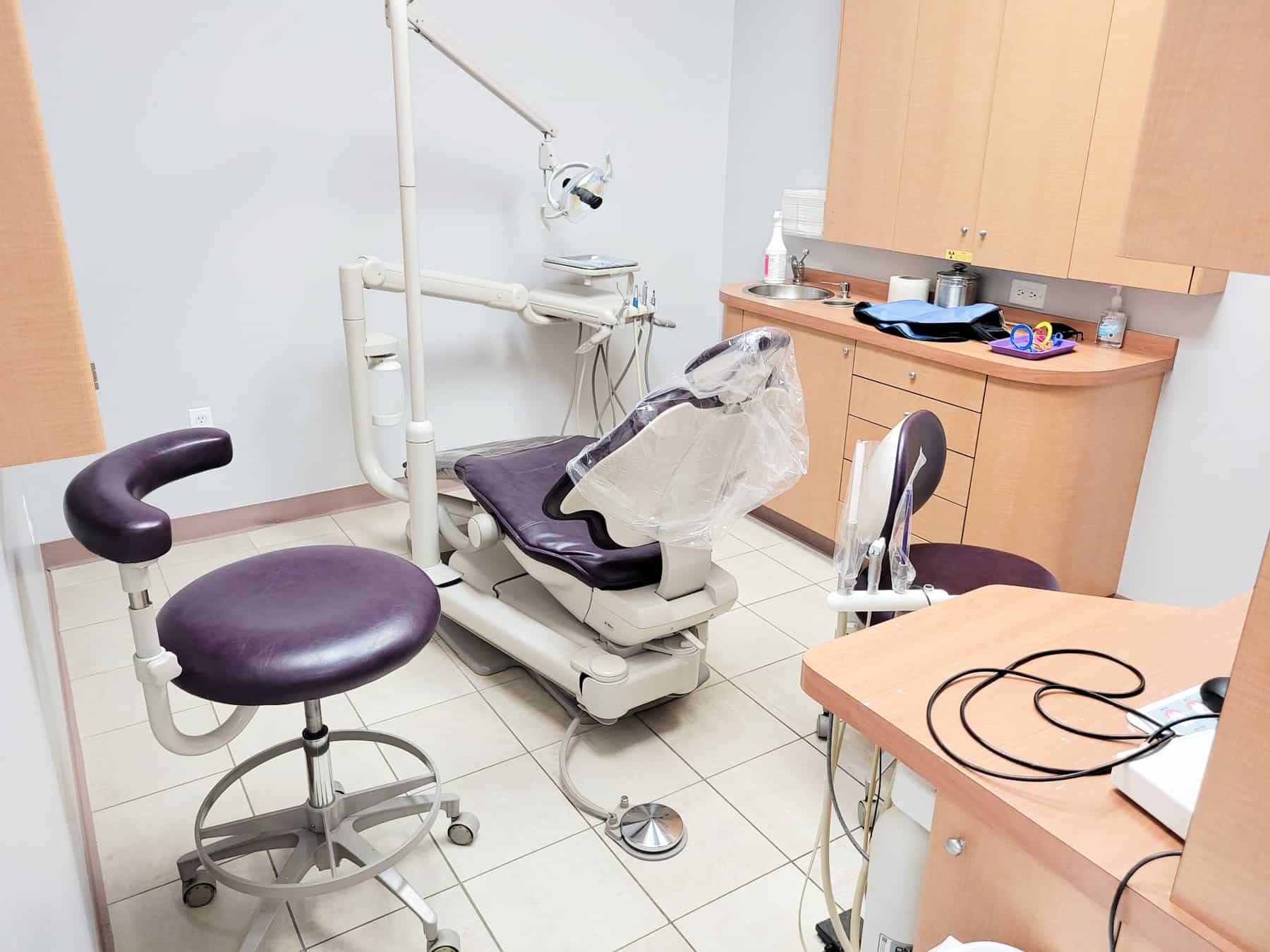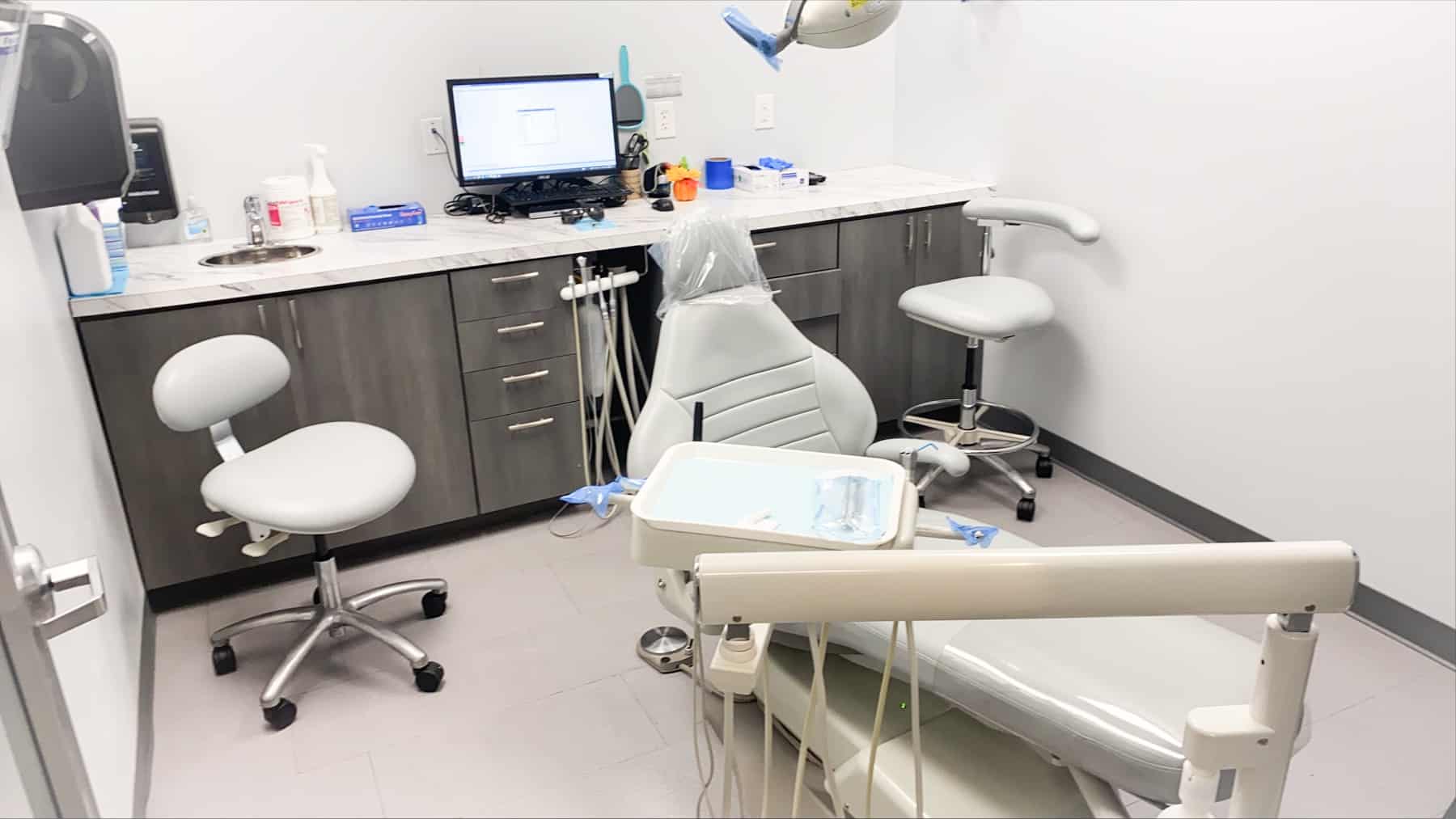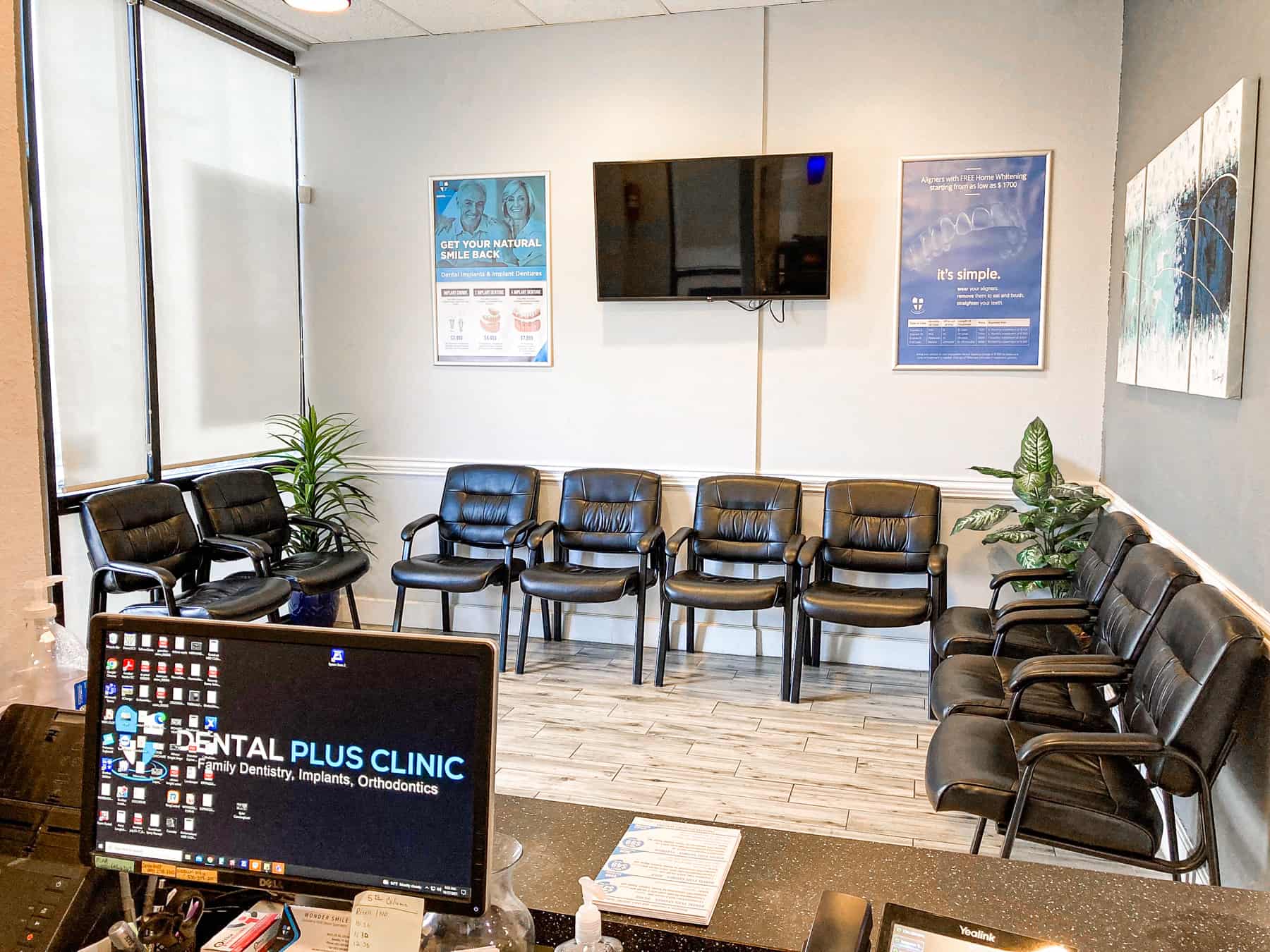

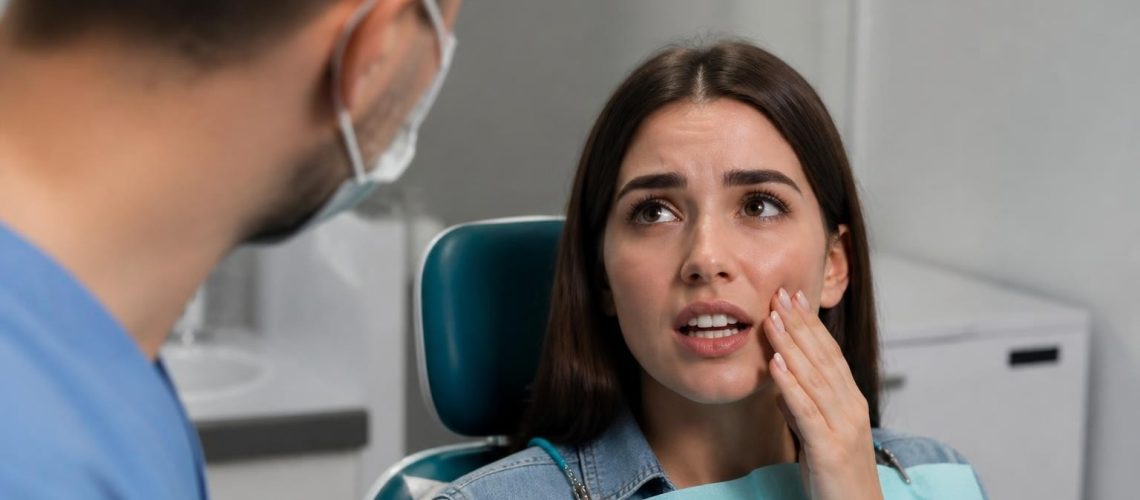
When dental pain strikes unexpectedly or a tooth breaks during dinner, the search for a "walk in dentist near me" becomes urgent. Finding immediate dental care without waiting weeks for an appointment can mean the difference between saving a tooth and losing it permanently. Walk-in dental services have transformed how families access oral healthcare, providing same-day treatment for emergencies and routine care when traditional scheduling doesn't work. This comprehensive guide explores everything you need to know about walk-in dental clinics, from understanding what services they offer to identifying when you truly need emergency dental attention.
Understanding Walk-In Dental Services
Walk-in dental clinics operate differently from traditional dental offices that rely primarily on scheduled appointments. These facilities accommodate patients who need immediate attention, whether for severe pain, broken teeth, or routine services when regular dentists aren't available.
What Makes Walk-In Dentists Different
A walk in dentist near me typically offers extended hours, including evenings and weekends, making dental care accessible when you need it most. Unlike emergency rooms that may lack specialized dental equipment, walk-in dental clinics provide comprehensive oral health services with trained dentists and modern technology.
Key differences include:
- Same-day appointments without prior scheduling
- Extended operating hours beyond typical 9-to-5 schedules
- Immediate pain relief and urgent care treatments
- Comprehensive diagnostic equipment on-site
- Experienced dentists trained in emergency procedures
Traditional dental practices may require scheduling weeks in advance, but walk-in clinics prioritize immediate access. According to the American Dental Association’s emergency treatment guidelines, timely intervention in dental emergencies significantly improves treatment outcomes and patient comfort.
Services Offered at Walk-In Dental Clinics
Walk-in facilities provide a comprehensive range of dental services beyond just emergency care. While many patients associate walk-in dentists exclusively with urgent situations, these clinics offer preventive, restorative, and cosmetic treatments as well.
| Service Category | Common Treatments | Typical Wait Time |
|---|---|---|
| Emergency Care | Severe toothaches, broken teeth, abscesses | Immediate to 30 minutes |
| Restorative | Fillings, crowns, root canals | Same day |
| Preventive | Cleanings, exams, X-rays | Same day |
| Cosmetic | Bonding, whitening consultations | Same or next day |
The comprehensive overview of dental emergencies published by medical professionals highlights that walk-in clinics must be equipped to handle various urgent conditions, from trauma to infections. This versatility makes them valuable healthcare resources for communities.

When to Search for a Walk In Dentist Near Me
Knowing when your dental issue requires immediate attention versus when it can wait for a regular appointment helps you make informed healthcare decisions. Not all dental problems constitute true emergencies, but certain symptoms demand urgent evaluation.
True Dental Emergencies
Some situations require immediate professional intervention to prevent permanent damage or life-threatening complications. When experiencing these symptoms, searching for a walk in dentist near me should be your immediate priority.
Seek immediate walk-in dental care for:
- Severe, uncontrollable pain that doesn't respond to over-the-counter medication
- Knocked-out permanent tooth where timing determines saving the tooth
- Uncontrolled bleeding from the mouth or gums lasting more than 15 minutes
- Facial swelling especially if accompanied by fever or difficulty breathing
- Broken jaw or suspected facial bone fractures
- Abscess or infection causing visible swelling or pus discharge
The classification and management of dental emergencies emphasizes that infections and trauma require rapid assessment. Delayed treatment can lead to complications including systemic infection, permanent tooth loss, or damage to surrounding structures.
Urgent But Non-Emergency Situations
Many dental issues need prompt attention but aren't life-threatening emergencies. These situations benefit from walk-in dental services, allowing you to receive care within hours rather than days or weeks.
Common urgent dental concerns include:
- Chipped or cracked teeth without severe pain
- Lost fillings or crowns causing discomfort
- Persistent mild to moderate toothaches
- Broken orthodontic wires irritating soft tissues
- Minor soft tissue injuries or canker sores
- Temporary crown detachment
For families with children, understanding when tooth pain requires immediate intervention versus home care helps reduce anxiety. Learning how to help with tooth pain provides valuable information for managing discomfort while arranging professional care.
Preventive and Routine Care at Walk-In Clinics
Beyond emergencies, walk-in dental clinics serve patients who need routine services but face scheduling challenges with traditional practices. Working professionals, parents with unpredictable schedules, or individuals without established dental homes benefit from this flexibility.
Patients often visit walk-in clinics for:
- Routine cleanings when regular dentists have long wait times
- Second opinions on proposed treatments
- Dental care while traveling away from home
- Quick consultations for cosmetic concerns
- Same-day treatment for newly discovered cavities
Finding Quality Walk-In Dental Care in Your Area
The search for reliable walk-in dental services requires evaluating several factors beyond simple proximity. Quality care, experienced staff, and comprehensive services should guide your selection process.
Evaluating Walk-In Dental Clinics
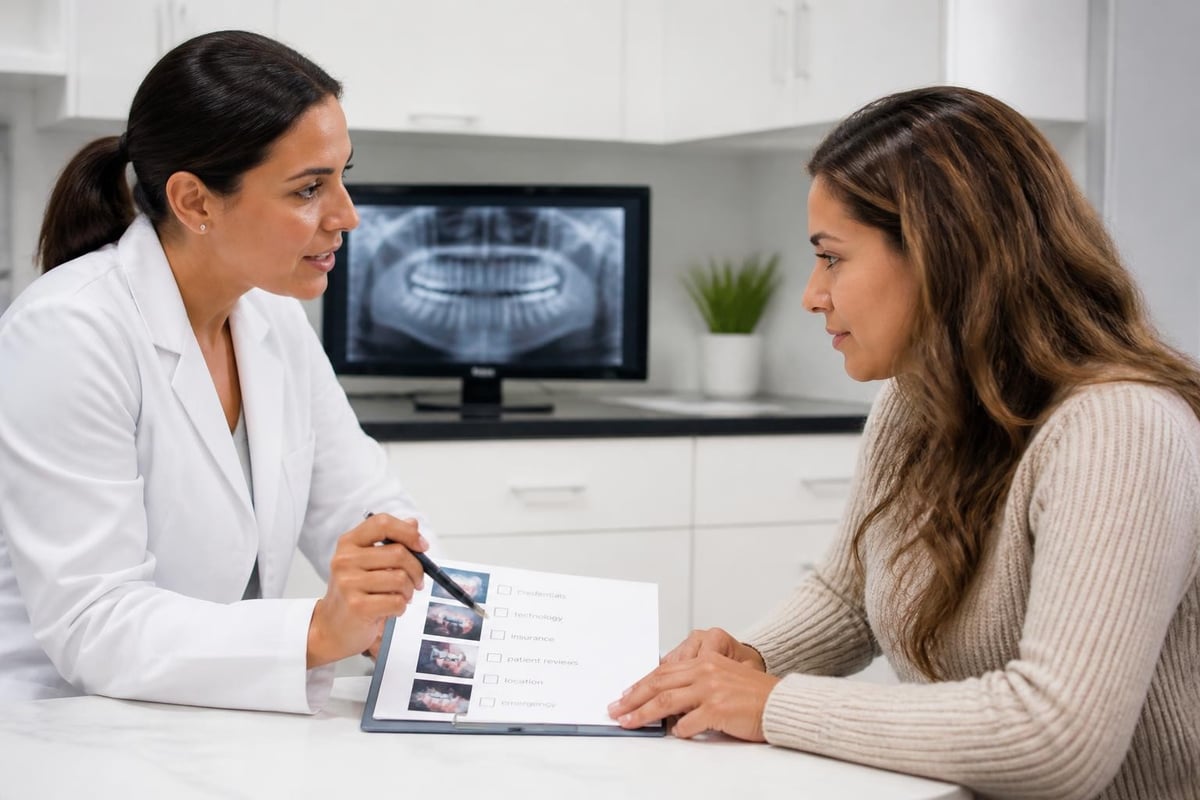
When searching for a walk in dentist near me, consider these critical factors that indicate a high-quality practice:
Professional credentials matter significantly. Verify that dentists are licensed in Texas and maintain active certifications. Check online reviews and patient testimonials to understand others' experiences with care quality, wait times, and staff professionalism.
Technology and equipment indicate commitment to modern care. Clinics with digital X-rays, intraoral cameras, and advanced diagnostic tools provide more accurate diagnoses and efficient treatments. Modern sterilization equipment ensures safety-understanding sterilization in dentistry reveals why this matters for patient health.
Insurance acceptance and transparent pricing protect your finances. Contact the clinic beforehand to confirm they accept your dental insurance. Quality walk-in practices provide clear pricing information and discuss costs before beginning treatment.
| Evaluation Factor | What to Look For | Red Flags |
|---|---|---|
| Credentials | Licensed dentists, board certifications | No visible licenses, evasive about qualifications |
| Reviews | Consistent positive feedback, detailed experiences | Many complaints about pain management, billing issues |
| Technology | Digital imaging, modern equipment | Outdated equipment, lack of diagnostic tools |
| Transparency | Clear pricing, treatment explanations | Hidden fees, pressure tactics |
Location-Specific Considerations in Texas
Texas residents have unique considerations when selecting walk-in dental services. With Dental Plus Clinic's five locations across the state, accessibility to quality care has expanded significantly for families in smaller communities.
Geographic accessibility affects emergency response times. In rural areas or smaller cities like Beeville, having local walk-in dental services prevents long drives during painful emergencies. Urban centers like New Braunfels or Leander offer multiple options, making it important to identify the closest quality provider before emergencies occur.
Consider each location's specific strengths:
- Beeville location serves rural communities with comprehensive emergency and preventive care
- Seguin provides family-focused services with pediatric specialists
- New Braunfels offers advanced cosmetic and restorative treatments
- Leander location features extended weekend hours for working families
- Converse specializes in senior dental care and implant services
What to Expect During Your Walk-In Dental Visit
Understanding the walk-in dental experience reduces anxiety and helps you prepare for efficient, effective treatment. The process differs slightly from scheduled appointments but maintains the same quality standards.
Arrival and Initial Assessment
When you arrive at a walk in dentist near me facility, expect a streamlined but thorough intake process. Staff will ask you to complete brief paperwork documenting your medical history, current medications, and allergies. Emergency cases receive priority, so wait times vary depending on the severity of your condition.
The initial assessment includes:
- Triage evaluation to determine urgency level
- Basic vital signs if you're experiencing pain or swelling
- Brief discussion of your primary concern
- Preliminary visual examination
- Insurance verification and cost estimation
Most walk-in clinics utilize efficient systems to minimize waiting. However, true emergencies-like knocked-out teeth or severe infections-receive immediate attention before less urgent cases. The protocols for medical emergencies in dental settings ensure that life-threatening situations receive appropriate rapid response.
Diagnostic Procedures and Treatment Planning
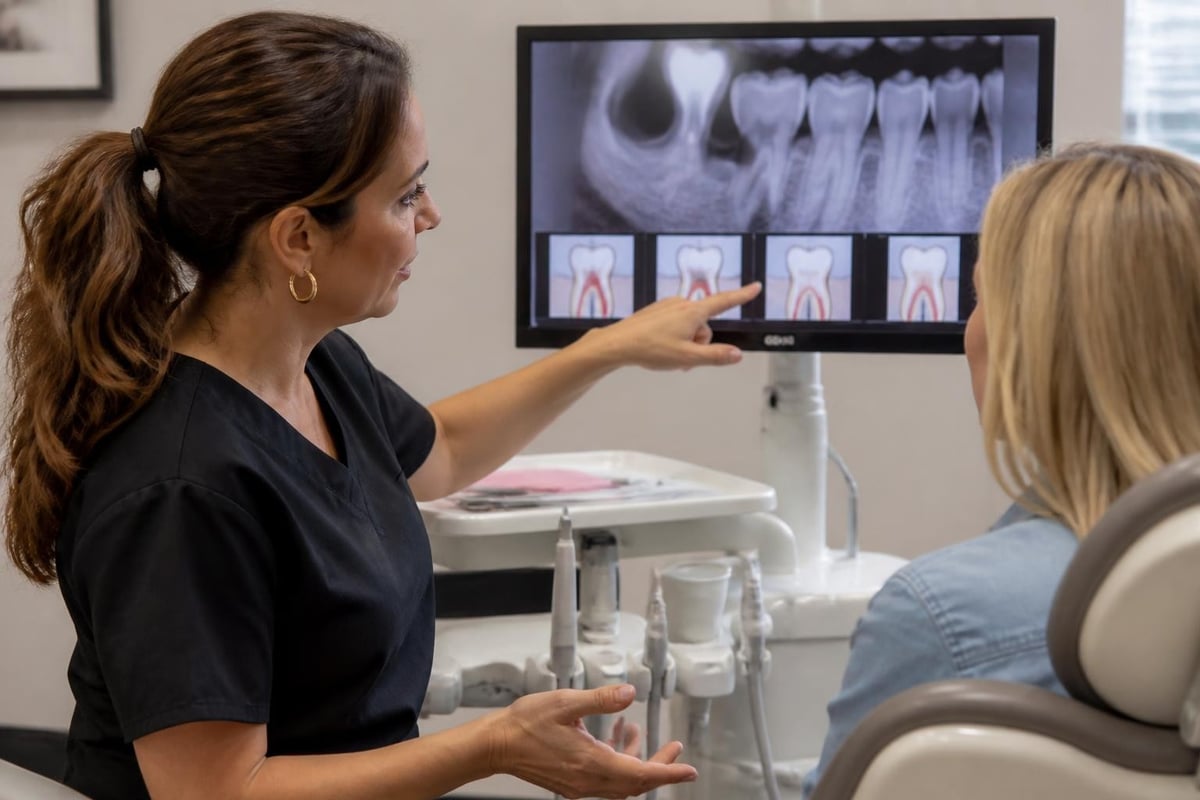
After the initial assessment, your dentist conducts comprehensive diagnostics to identify the problem's root cause. Modern walk-in clinics use advanced imaging technology for accurate diagnosis without requiring separate appointments.
Diagnostic steps typically include:
- Digital X-rays to visualize tooth structure, roots, and bone
- Intraoral cameras for detailed examination of specific areas
- Periodontal probing to assess gum health
- Vitality testing to determine tooth nerve status
- Discussion of findings and treatment options
Dentists at quality walk-in facilities prioritize patient education, explaining diagnoses clearly and presenting all available treatment options. They discuss the pros and cons of each approach, helping you make informed decisions about your oral health. When dealing with dental insurance complications, understanding what happens when dental insurance is denied can help you navigate payment options.
Same-Day Treatment Options
One significant advantage of walk-in dental clinics is their ability to provide immediate treatment for most conditions. Unlike traditional practices that may schedule procedures weeks after diagnosis, walk-in facilities complete many treatments during your initial visit.
| Condition | Same-Day Treatment | Follow-Up Needed |
|---|---|---|
| Simple cavity | Filling placement | Routine check-up |
| Cracked tooth | Bonding or crown prep | Crown placement if needed |
| Abscess | Drainage, antibiotics | Root canal or extraction |
| Lost filling | Replacement filling | None typically |
| Severe pain | Emergency root canal | Final restoration |
For complex cases requiring multiple visits, walk-in dentists develop comprehensive treatment plans and can often schedule follow-ups immediately, ensuring continuity of care.
Managing Dental Emergencies Before Reaching the Clinic
The time between recognizing a dental emergency and receiving professional care requires appropriate first aid. Knowing how to respond during these critical minutes can preserve teeth and reduce complications.
Immediate Steps for Common Dental Emergencies
Different dental emergencies require specific first-aid responses. Taking correct action immediately improves outcomes and prevents additional damage while you search for a walk in dentist near me.
For a knocked-out permanent tooth:
- Handle the tooth only by the crown, never touching the root
- Rinse gently with water if dirty, without scrubbing
- Try to reinsert the tooth into the socket if possible
- If reinsertion isn't feasible, place tooth in milk or saliva
- Seek dental care within 30 minutes for best reimplantation chances
For severe toothache:
- Rinse mouth with warm salt water
- Gently floss to remove trapped food particles
- Apply cold compress to outside of cheek
- Take over-the-counter pain reliever as directed
- Avoid applying aspirin directly to gums or teeth
For broken or chipped teeth:
- Save any broken pieces in clean container
- Rinse mouth with warm water
- Apply gauze to any bleeding areas
- Use cold compress to reduce swelling
- Cover sharp edges with dental wax or sugarless gum
The American College of Emergency Physicians’ guidance on dental emergencies provides detailed information on recognizing situations requiring immediate professional intervention versus those manageable with home care.
What Not to Do During Dental Emergencies
Improper emergency response can worsen dental injuries or create additional complications. Avoid these common mistakes while arranging walk-in dental care.
Never:
- Apply heat to painful areas (increases swelling and spreads infection)
- Use sharp objects to remove stuck food particles
- Place aspirin directly on gums or teeth (causes chemical burns)
- Ignore severe pain or swelling (may indicate serious infection)
- Attempt to straighten misaligned teeth yourself
- Delay seeking professional care for knocked-out permanent teeth
Understanding the difference between emergency versus non-emergency dental procedures helps you assess the urgency of your situation accurately. This knowledge prevents unnecessary emergency room visits while ensuring truly urgent cases receive timely treatment.
Cost Considerations and Insurance Coverage
Financial concerns often influence healthcare decisions, including whether to visit a walk-in dental clinic. Understanding costs and insurance coverage helps you access necessary care without unexpected financial stress.
Typical Walk-In Dental Costs
Walk-in dental services typically cost more than scheduled appointments at traditional practices due to the convenience factor and extended hours. However, the pricing remains comparable to emergency room visits while providing superior dental-specific care.
Average cost ranges for common walk-in services:
- Emergency exam and X-rays: $150-$300
- Simple filling: $200-$400
- Emergency root canal: $800-$1,500
- Tooth extraction: $150-$400
- Crown placement: $1,000-$2,500
- Dental bonding for chips: $300-$600
These costs vary based on geographic location, procedure complexity, and specific clinic pricing. Texas cities like Seguin and Leander may have different cost structures compared to larger metropolitan areas. Always request detailed cost estimates before treatment begins.
Insurance Coverage for Walk-In Dental Services
Most dental insurance plans cover walk-in services similarly to traditional appointments, though certain restrictions may apply. Understanding your specific coverage prevents billing surprises and helps you maximize benefits.
Key insurance considerations:
- In-network versus out-of-network status significantly affects out-of-pocket costs
- Emergency coverage often has higher reimbursement rates than non-emergency care
- Annual maximums still apply to walk-in services
- Deductibles must be met before insurance pays benefits
- Prior authorization requirements may not apply to true emergencies
Contact your insurance provider before visiting a walk in dentist near me when possible. For urgent situations, most insurers allow filing claims retroactively. Quality dental practices employ insurance specialists who verify coverage and maximize your benefits.
Affordable Care Options
For patients without insurance or facing coverage limitations, walk-in dental clinics often provide alternatives to make care accessible. Dental Plus Clinic's patient-focused approach includes various payment options designed to remove financial barriers to necessary treatment.
Consider these affordability strategies:
- Payment plans that spread costs over several months
- Discount programs for patients without insurance
- Bundled service packages for comprehensive treatment
- Flexible scheduling to accommodate budget timing
- Transparent pricing discussed before treatment begins
Resources about reducing costs for dental care provide additional strategies for managing dental expenses while maintaining oral health.
Preventive Care to Reduce Emergency Dental Visits
While walk-in dental services provide critical access to care, preventing emergencies altogether through proactive oral health maintenance offers superior outcomes. Regular preventive care reduces the likelihood of painful emergencies and expensive treatments.
Essential Preventive Practices
Implementing consistent oral hygiene habits dramatically reduces cavity formation, gum disease, and other conditions that lead to emergency dental visits. These practices require minimal time but deliver significant long-term benefits.
Daily preventive care includes:
- Brushing twice daily for two minutes with fluoride toothpaste
- Flossing at least once daily to remove interdental plaque
- Using antimicrobial mouthwash to reduce bacteria populations
- Limiting sugary foods and acidic beverages
- Drinking water after meals to rinse food particles
Many patients wonder whether to brush or floss first-research suggests flossing before brushing may slightly improve fluoride delivery between teeth. Consistency matters more than sequence.
Regular Dental Check-Ups
Professional dental examinations every six months identify problems early when they're easier and less expensive to treat. These appointments include comprehensive cleanings and screenings that prevent emergencies.
Professional preventive care provides:
- Early cavity detection before teeth develop painful infections
- Gum disease screening to prevent tooth loss
- Oral cancer examination for early detection
- Professional cleaning removing calculus brushing can't eliminate
- Customized prevention advice based on your specific risk factors
For families, establishing regular dental visits prevents pediatric emergencies. Learning how children can avoid tooth decay helps parents protect their children's oral health proactively.
Addressing Problems Early
Minor dental issues become emergencies when ignored. Addressing small problems promptly through routine care prevents them from escalating into painful, expensive crises requiring walk-in emergency treatment.
Warning signs requiring prompt attention:
- Tooth sensitivity to hot, cold, or sweet foods
- Bleeding gums during brushing or flossing
- Persistent bad breath despite good hygiene
- Visible holes or dark spots on teeth
- Loose or shifting teeth
- Jaw pain or clicking sounds
Understanding how to identify cavities early enables intervention before root canals become necessary. Similarly, recognizing whether tooth sensitivity is permanently curable helps you seek appropriate treatment before nerve damage occurs.
Special Considerations for Different Patient Groups
Walk-in dental services accommodate diverse patient populations with varying needs. Understanding how these facilities serve specific groups helps families make informed decisions about their oral healthcare.
Pediatric Walk-In Dental Care
Children experience dental emergencies differently than adults, requiring specialized approaches and equipment. Quality walk-in dental clinics employ pediatric-trained dentists or have protocols specifically designed for young patients.
Common pediatric dental emergencies include:
- Knocked-out baby teeth (usually not reimplanted but requiring evaluation)
- Facial injuries affecting developing permanent teeth
- Severe toothaches from rapid cavity progression
- Broken front teeth from falls or sports injuries
- Foreign objects stuck between teeth
Parents often wonder when dental emergencies truly require immediate care versus when they can wait. The distinction between baby and permanent teeth affects treatment urgency-while baby teeth won't be reimplanted, trauma can damage developing permanent teeth beneath the surface.
Senior Dental Emergency Needs
Older adults face unique dental challenges including medication-related dry mouth, gum recession, and restoration failures. Walk-in dental clinics serving senior populations understand these specific concerns.
Age-related dental issues requiring walk-in care:
- Broken dentures affecting nutrition and speech
- Lost crowns on teeth with extensive decay
- Infections around dental implants
- Medication-induced gum problems
- Tooth fractures from weakened enamel
The Converse location specializes in senior dental care, understanding how age-related factors affect oral health and emergency treatment approaches.
Patients with Dental Anxiety
Many individuals avoid dental care due to fear or anxiety, leading to neglected problems that eventually become emergencies. Walk-in dental clinics increasingly offer anxiety management options to help these patients receive necessary care.
Anxiety accommodation strategies include:
- Sedation dentistry options for fearful patients
- Extended appointment times allowing breaks
- Detailed explanations before procedures begin
- Gentle techniques minimizing discomfort
- Patient control signals to pause treatment
Building trust through transparent communication helps anxious patients access walk-in care when emergencies occur. When you need to switch dentists, finding providers who understand anxiety management becomes particularly important.
Advanced Treatments Available at Walk-In Clinics
Modern walk-in dental facilities extend beyond basic emergency care, offering sophisticated treatments previously only available through specialist referrals or lengthy appointment scheduling. This comprehensive approach provides patients with convenient access to advanced procedures.
Restorative Dentistry Services
Walk-in clinics equipped with modern technology can complete complex restorative procedures during same-day visits. This capability eliminates the frustration of multiple appointments for urgent dental repairs.
Advanced restorative options include:
- Same-day crown fabrication using CAD/CAM technology
- Emergency root canal therapy with rotary instrumentation
- Immediate denture repairs and relines
- Complex filling procedures for multiple teeth
- Tooth extractions with immediate planning for replacements
For patients considering permanent tooth replacement, understanding the differences between dental implants and bridges helps inform treatment decisions. Walk-in consultations allow dentists to evaluate your specific situation and recommend optimal solutions.
Cosmetic Dental Consultations
While walk-in clinics primarily address urgent needs, many also accommodate cosmetic concerns. Breaking a front tooth or losing a visible restoration creates both functional and aesthetic emergencies that walk-in dentists can address.
| Cosmetic Service | Walk-In Availability | Typical Timeline |
|---|---|---|
| Bonding for chips | Same day | 30-60 minutes |
| Whitening consultation | Same day | Results in 1-2 weeks |
| Veneer consultation | Same day consult | Placement in 2-3 weeks |
| Smile evaluation | Same day | Treatment varies |
Learning what cosmetic dentists can accomplish helps patients understand the range of aesthetic improvements available. Many walk-in dental facilities provide comprehensive services covering both urgent care and elective cosmetic treatments.
Dental Implant Services
Advanced walk-in dental clinics offer dental implant consultations and, in some cases, same-day implant placement. This technology represents a significant advancement in immediate tooth replacement options.
Implant services at walk-in facilities include:
- Emergency implant consultations after tooth loss
- Immediate implant placement following extraction
- Same-day temporary tooth replacement
- Comprehensive treatment planning for full-arch restoration
- Follow-up care integrated with initial emergency visit
Understanding the latest dental implant technology reveals how modern techniques enable faster, more predictable results. For patients requiring extensive restoration, comparing All-on-4 versus All-on-6 dental implants provides valuable information for making informed decisions.
Frequently Asked Questions About Walk-In Dental Care
Do I need an appointment for a walk-in dentist?
No, walk-in dental clinics specifically accommodate patients without prior appointments. However, calling ahead helps the clinic prepare for your arrival and provides estimated wait times. For non-emergency situations, some clinics allow same-day appointment scheduling to minimize waiting.
How long will I wait at a walk-in dental clinic?
Wait times vary based on patient volume and emergency severity. True emergencies receive immediate attention, while less urgent cases may wait 15-60 minutes. Calling ahead provides current wait time estimates, and arriving during off-peak hours (mid-morning or early afternoon on weekdays) typically reduces waiting.
Are walk-in dentists as qualified as regular dentists?
Yes, dentists working in walk-in clinics hold the same licenses and complete identical educational requirements as those in traditional practices. Many walk-in dentists have additional emergency care training and experience managing diverse urgent situations. Always verify credentials when selecting a dental provider.
Can walk-in dentists provide prescriptions for pain and antibiotics?
Licensed dentists at walk-in clinics can prescribe appropriate medications including pain relievers, antibiotics for infections, and other necessary pharmaceuticals. They evaluate your condition, review medical history for contraindications, and provide prescriptions as clinically indicated.
What should I bring to my walk-in dental appointment?
Bring photo identification, insurance cards, a list of current medications, and any relevant medical history documentation. If you've knocked out a tooth or have broken pieces, bring them in milk or saliva. For children, bring their immunization records if the clinic is unfamiliar with their history.
Does dental insurance cover walk-in emergency visits?
Most dental insurance plans cover emergency services similarly to regular appointments, though coverage details vary by plan. Emergency care often receives higher reimbursement percentages than elective procedures. Contact your insurance provider to understand specific coverage terms, or allow the dental office to verify benefits.
How can I tell if my dental problem is truly an emergency?
Severe pain, uncontrolled bleeding, knocked-out permanent teeth, facial swelling, suspected broken jaw, or signs of infection (fever, pus, swelling) constitute true emergencies requiring immediate care. Minor chips without pain, lost fillings causing mild discomfort, or dull aches can often wait for regular business hours but still benefit from walk-in services.
What if I need treatment beyond what the walk-in dentist can provide?
Walk-in dentists stabilize emergencies and provide initial treatment, referring to specialists when necessary. Quality clinics coordinate these referrals, ensuring continuity of care. They provide temporary solutions, pain management, and detailed treatment plans for complex cases requiring specialist intervention.
Can I establish ongoing care with a walk-in dental clinic?
Many walk-in facilities welcome patients for regular preventive care in addition to emergency services. This approach provides consistency with familiar providers who understand your dental history. Establishing a dental home-even at a walk-in facility-improves long-term oral health outcomes.
Are walk-in dental clinics open on weekends and holidays?
Many walk-in dental facilities maintain extended hours including evenings, weekends, and some holidays specifically to serve patients when traditional practices close. Operating hours vary by location, so check specific clinic schedules. Dental Plus Clinic's multiple Texas locations offer expanded availability for patient convenience.
How do walk-in dentists handle dental anxiety or fear?
Quality walk-in dental clinics prioritize patient comfort, offering various anxiety management options. These may include detailed explanations before procedures, sedation dentistry, nitrous oxide for relaxation, and compassionate communication. Discussing your anxiety with staff upon arrival allows them to accommodate your needs appropriately.
What happens if I can't afford the recommended treatment?
Walk-in dental clinics typically offer payment plans, discount programs for uninsured patients, or can prioritize treatments addressing immediate pain and infection while deferring elective procedures. Honest discussion about financial constraints allows dentists to create realistic treatment plans fitting your budget while addressing urgent health needs.
When dental emergencies strike or you need immediate oral healthcare, finding a reliable walk in dentist near me ensures you receive prompt, professional treatment without lengthy delays. Understanding when to seek urgent care, what to expect during your visit, and how to prevent future emergencies empowers you to make confident decisions about your family's dental health. Dental Plus Clinic serves Texas families across five convenient locations with comprehensive walk-in dental services, from emergency care to preventive treatments and advanced restorative procedures. Whether you're experiencing a dental emergency or simply need flexible scheduling for routine care, our experienced team provides compassionate, patient-focused treatment designed to restore your healthy, confident smile.