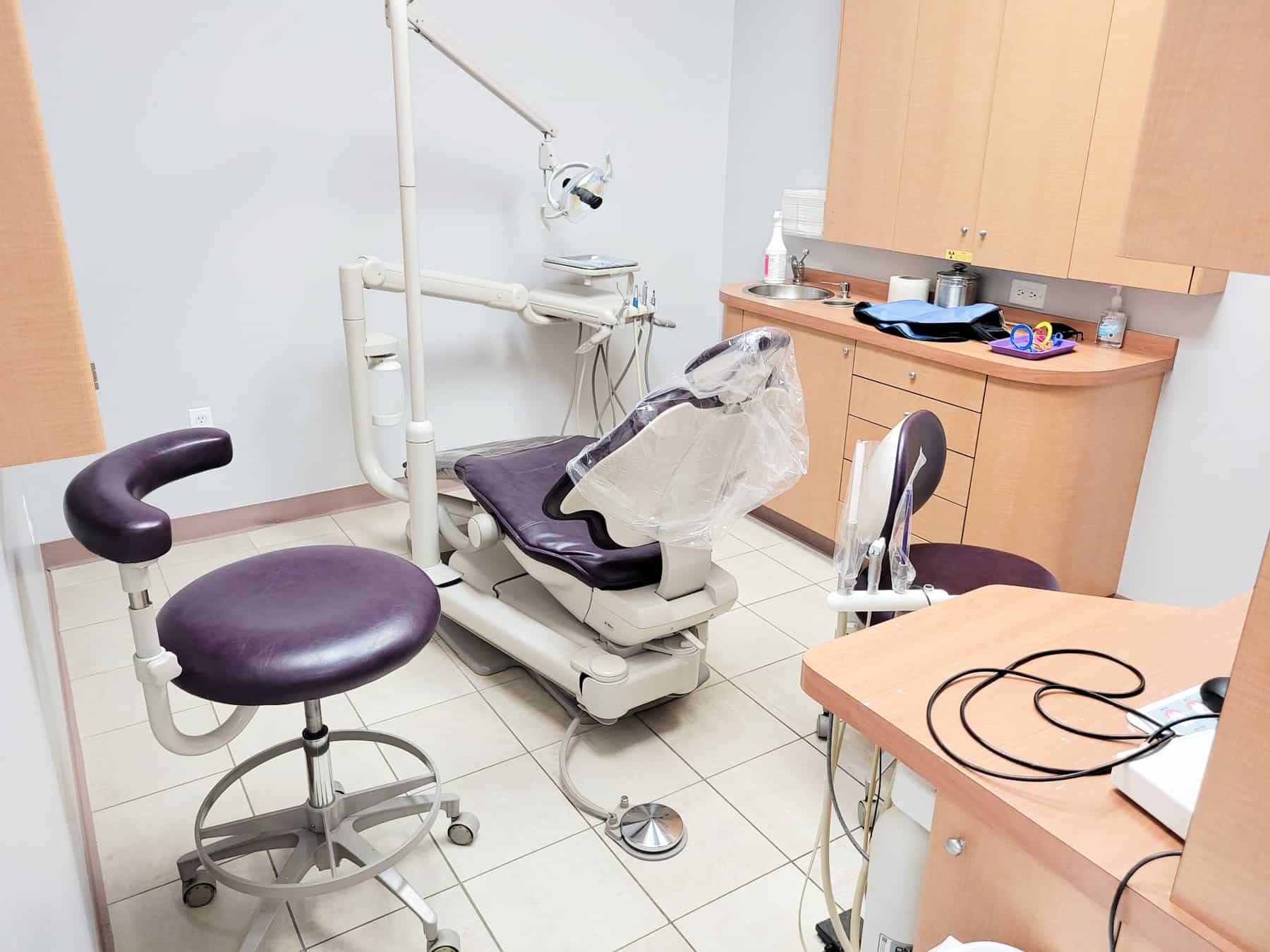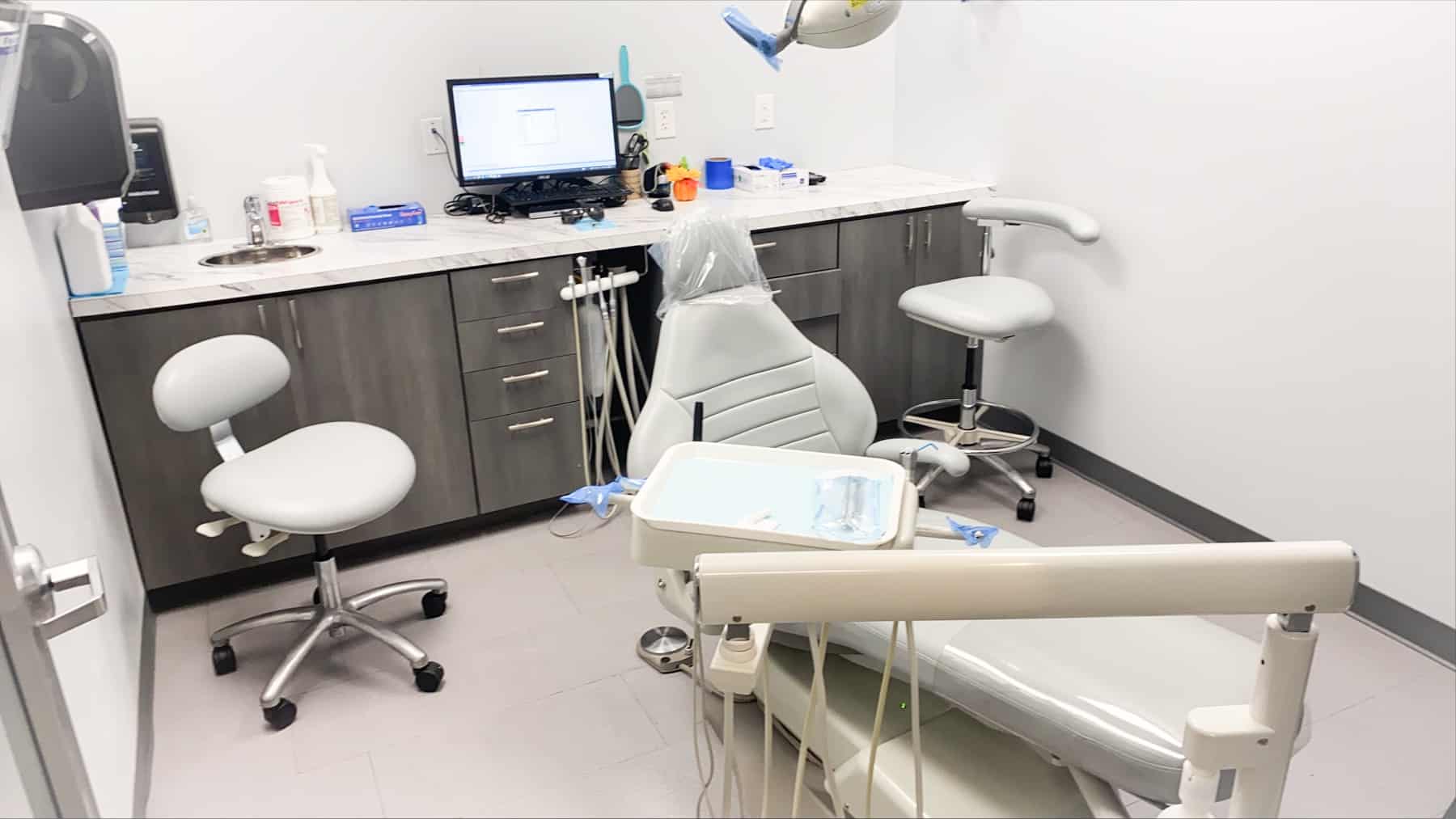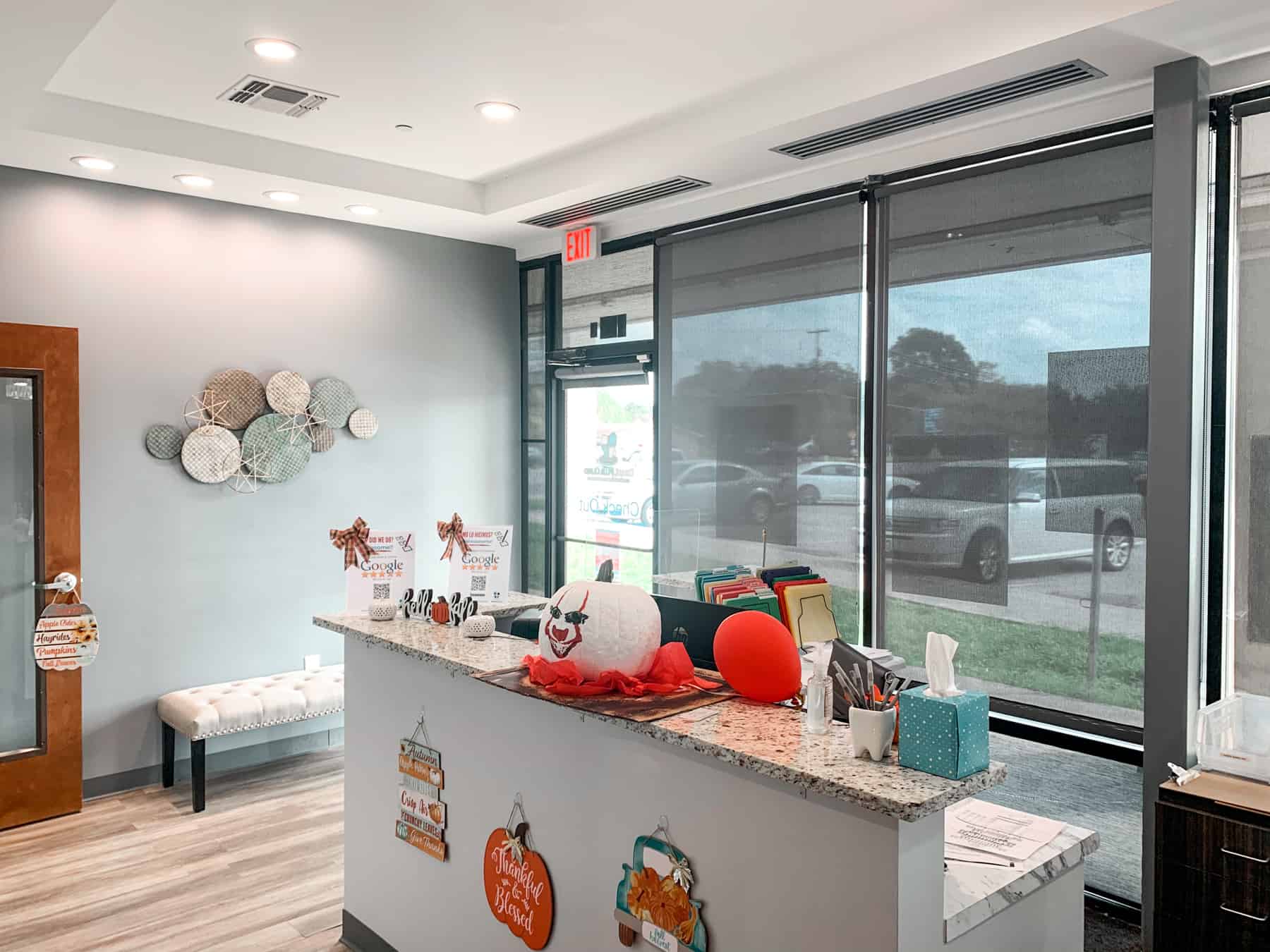


Finding a qualified kids dentist near me is one of the most important decisions parents make for their child's lifelong oral health. Pediatric dental care goes beyond routine cleanings, establishing the foundation for healthy teeth, positive dental experiences, and preventive care habits that last a lifetime. With children requiring specialized attention, unique communication approaches, and age-appropriate treatment techniques, choosing the right dental provider impacts everything from cavity prevention to orthodontic development. For families across Texas, understanding what makes pediatric dentistry different and knowing how to evaluate local options ensures your child receives exceptional care tailored to their developmental needs.
Understanding Pediatric Dentistry and Why Specialization Matters
Pediatric dentists receive additional training beyond general dental school, focusing specifically on the oral health needs of infants, children, and adolescents. This specialized education includes child psychology, growth and development, and techniques for managing young patients who may experience dental anxiety.
Key Differences Between General and Pediatric Dentistry
When searching for a kids dentist near me, parents should understand what sets pediatric specialists apart from general practitioners. The training differences directly impact treatment quality and patient experience.
Specialized Training Components:
- Two to three years of additional residency after dental school
- Focus on child behavior management and communication
- Expertise in developing teeth and jaw structures
- Advanced knowledge of childhood dental diseases
- Training in treating patients with special healthcare needs
The American Academy of Pediatric Dentistry provides evidence-based clinical practice guidelines that pediatric dentists follow to ensure optimal care standards. These protocols address everything from fluoride application schedules to emergency trauma management specific to children.
General dentists can certainly treat children, and many family practices excel at providing comprehensive care for all ages. However, pediatric specialists bring unique advantages in managing behavioral challenges, addressing developmental concerns, and creating positive dental experiences that shape lifelong attitudes toward oral health.

What to Look for When Searching for a Kids Dentist Near Me
Identifying the right pediatric dental provider requires evaluating multiple factors beyond geographic convenience. Parents should consider qualifications, office environment, treatment philosophy, and practical considerations that impact long-term care quality.
Essential Qualifications and Credentials
Board certification demonstrates a dentist's commitment to maintaining the highest standards in pediatric dentistry. Verify that potential providers have completed accredited residency programs and maintain active memberships in professional organizations.
| Credential | What It Means | Why It Matters |
|---|---|---|
| Board Certification | Passed rigorous exams beyond licensing | Demonstrates advanced expertise |
| AAPD Membership | Stays current with pediatric guidelines | Access to latest research and techniques |
| Hospital Privileges | Authorized to perform procedures in hospital settings | Important for complex cases or sedation |
| Continuing Education | Regular training updates | Keeps skills current with technology advances |
Office Environment and Child-Friendly Features
The physical space significantly influences a child's comfort level and willingness to cooperate during appointments. When visiting potential practices, observe the waiting area, treatment rooms, and overall atmosphere.
Positive Environmental Indicators:
- Age-appropriate entertainment options
- Colorful, welcoming décor that reduces anxiety
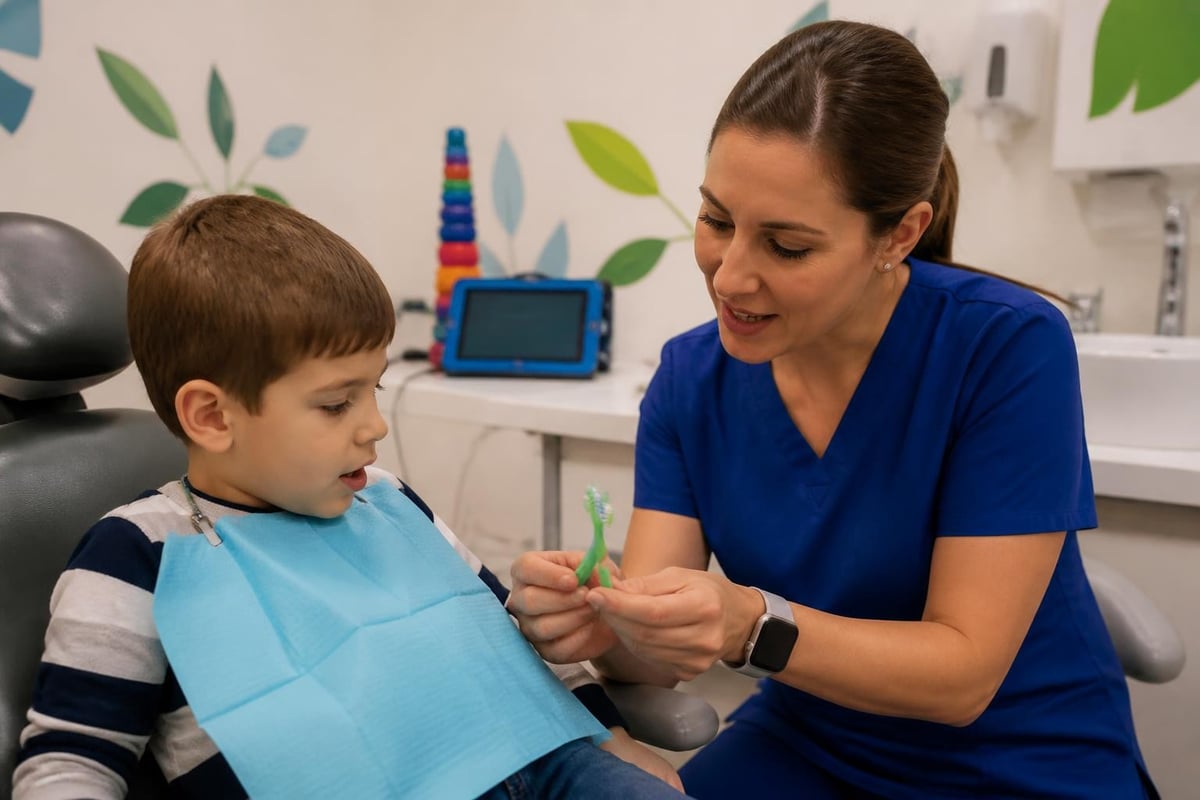
- Staff members who engage warmly with children
- Clean, well-maintained facilities
- Separate areas for different age groups when possible
Parents in communities like Leander, Converse, and New Braunfels should prioritize dental practices that demonstrate commitment to creating positive experiences for young patients.
Communication Style and Patient Education
Effective pediatric dentists communicate clearly with both children and parents, using age-appropriate language and visual aids to explain procedures. They prioritize prevention through education, helping families understand proper brushing techniques, nutrition impacts, and cavity prevention strategies.
According to the National Institute of Dental and Craniofacial Research information on children’s oral health, early education about dental hygiene significantly reduces childhood cavities and establishes healthy habits that persist into adulthood.
Common Pediatric Dental Services and Treatments
Understanding what services a kids dentist near me should provide helps parents evaluate whether a practice can meet their child's complete oral health needs from infancy through adolescence.
Preventive Care Services
Prevention forms the foundation of pediatric dentistry, with regular checkups allowing early detection of potential problems before they require extensive intervention.
Core Preventive Services:
- Professional cleanings and exams every six months
- Fluoride treatments to strengthen enamel
- Dental sealants to protect molars from decay
- X-rays to monitor development and detect hidden issues
- Nutritional counseling for cavity prevention
Research shows that children who receive consistent preventive care experience significantly fewer cavities and dental emergencies. The American Academy of Pediatrics emphasizes early dental care as crucial for establishing healthy oral development patterns.
Restorative Treatments for Children
Despite best prevention efforts, many children require restorative work at some point. Pediatric dentists use materials and techniques specifically designed for developing teeth.
| Treatment Type | Purpose | Child-Specific Considerations |
|---|---|---|
| Composite Fillings | Repair cavities | Tooth-colored materials for better aesthetics |
| Stainless Steel Crowns | Restore severely decayed primary teeth | Protect tooth until natural loss |
| Pulp Therapy | Treat infected tooth pulp | Preserves primary teeth until ready to fall out |
| Space Maintainers | Hold space after premature tooth loss | Prevents orthodontic problems |
Emergency Dental Care
Dental emergencies happen frequently with active children. A reliable kids dentist near me should offer prompt emergency appointments for situations like knocked-out teeth, severe toothaches, or facial trauma.
Parents should know how to handle common dental emergencies before reaching the dentist. For example, a knocked-out permanent tooth has the best chance of successful reimplantation if kept moist and the child receives treatment within 30 minutes.
When to Start Taking Your Child to the Dentist
Timing the first dental visit appropriately sets the stage for positive lifelong dental experiences and allows early intervention if developmental concerns arise.
The First Dental Visit Timeline
Dental professionals recommend scheduling the first appointment by age one or within six months of the first tooth erupting, whichever comes first. This early start allows the dentist to assess oral development, provide guidance on teething and oral hygiene, and establish a dental home.
Benefits of Early Dental Visits:
- Identifies potential problems before they become serious
- Establishes baseline for tracking development
- Builds familiarity with dental environment
- Provides parents with expert guidance on care techniques
- Addresses habits like thumb-sucking or pacifier use
Many parents wait too long for the first visit, often not bringing children until age three or four. By this time, cavities may have already developed, requiring treatment that could have been prevented with earlier intervention.
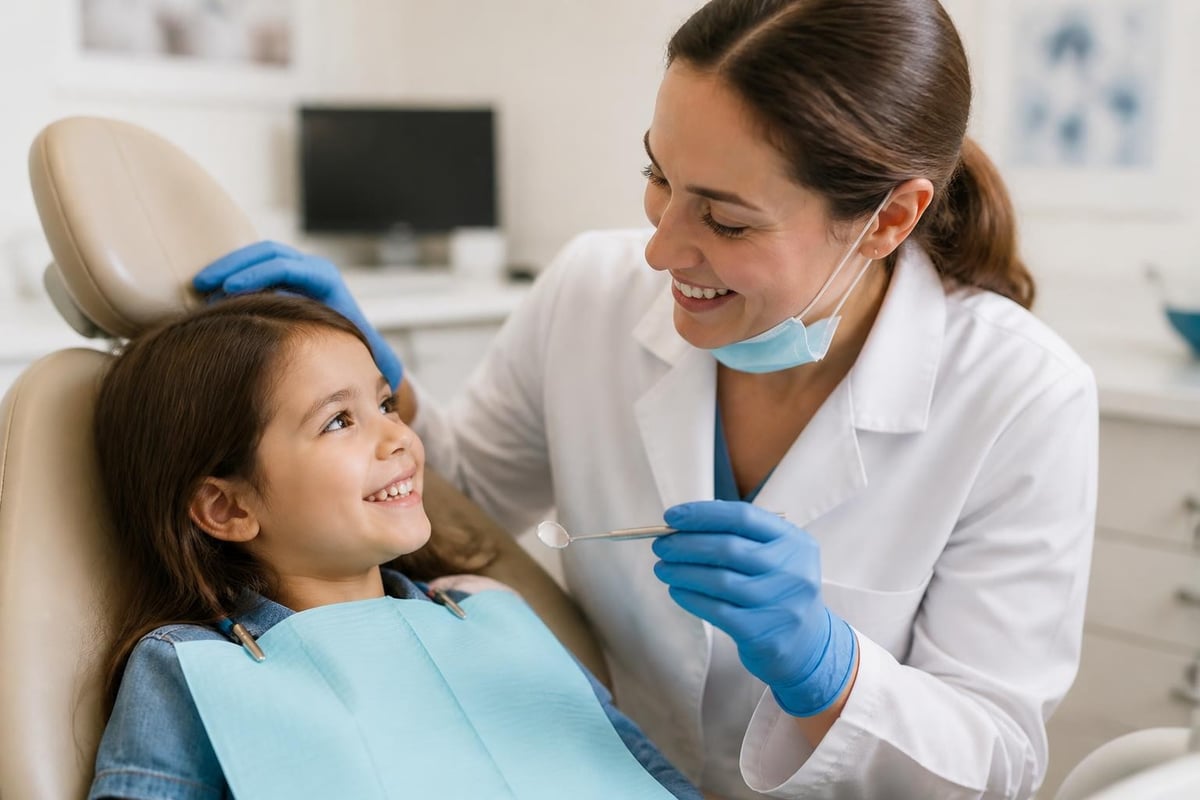
Preparing Your Child for Dental Appointments
Reducing anxiety around dental visits requires preparation and positive framing. Children pick up on parental stress, so maintaining calm, upbeat attitudes helps tremendously.
Preparation Strategies:
- Read age-appropriate books about visiting the dentist
- Play pretend dentist at home with stuffed animals
- Use positive language, avoiding words like "pain" or "shot"
- Schedule morning appointments when children are well-rested
- Reward cooperation with praise rather than bribes
The goal is making dental visits routine and unremarkable rather than special occasions that generate anxiety. Consistent positive experiences during childhood prevent dental phobia in adulthood.
How Location and Accessibility Impact Your Choice
Geographic convenience significantly affects whether families maintain consistent dental care schedules. Finding a kids dentist near me within your regular travel patterns makes keeping appointments easier.
Evaluating Location Practicality
Consider how the dental office location fits into your daily routine. Practices near home, work, or school offer different advantages depending on family schedules and transportation options.
Location Considerations:
- Travel time from home and school
- Availability of parking or public transportation
- Proximity to other frequently visited locations
- Accessibility during school hours versus evenings and weekends
- Multiple location options for families with changing needs
For Texas families, having access to multiple locations like those in Beeville or Seguin provides flexibility as work schedules or residences change.
Office Hours and Appointment Availability
Flexible scheduling accommodates school schedules and working parents' constraints. Practices offering early morning, evening, or weekend appointments make maintaining regular care more manageable.
Emergency availability also matters significantly. Dental emergencies rarely happen during convenient business hours, so knowing your kids dentist near me provides after-hours support offers peace of mind.
Cost Considerations and Insurance Coverage
Understanding the financial aspects of pediatric dental care helps families budget appropriately and avoid unexpected expenses.
Insurance Acceptance and Coverage
Most dental insurance plans include pediatric coverage, though specific benefits vary. When evaluating potential dentists, verify they accept your insurance and understand what services fall under preventive versus restorative categories.
Insurance Questions to Ask:
- Does the practice accept your specific insurance plan?
- Are preventive services fully covered?
- What is the typical out-of-pocket cost for common procedures?
- Does the office handle insurance claims directly?
- Are payment plans available for larger treatments?
Families experiencing dental insurance denials should seek practices with experienced billing staff who can advocate on their behalf or offer alternative payment solutions.
Value Beyond Price
While cost matters, focusing solely on the cheapest option may compromise care quality. Consider the total value proposition including expertise, convenience, emergency availability, and long-term relationship potential.
Preventive care saves substantial money compared to treating advanced dental problems. Investing in quality preventive services and establishing consistent care patterns reduces lifetime dental expenses significantly.
Advanced Technology in Pediatric Dentistry
Modern dental technology enhances diagnostic accuracy, treatment comfort, and efficiency. When searching for a kids dentist near me, consider practices that invest in current equipment and techniques.
Diagnostic Technology Advances
Digital radiography reduces radiation exposure by up to 90 percent compared to traditional X-rays while providing clearer images. Intraoral cameras help children and parents visualize problems, improving understanding and treatment acceptance.
Recent research on AI applications in dental healthcare demonstrates how artificial intelligence enhances diagnostic accuracy and treatment planning, particularly for complex cases requiring specialized intervention.
Comfort-Enhancing Technologies
Modern pediatric practices employ various technologies to reduce discomfort and anxiety during procedures.
| Technology | Benefit | Application |
|---|---|---|
| Laser Dentistry | Minimally invasive, often no anesthesia needed | Cavity treatment, soft tissue procedures |
| Digital Impressions | No messy impression material | Orthodontic planning, crown fabrication |
| Nitrous Oxide Sedation | Reduces anxiety while maintaining consciousness | Anxious patients, longer procedures |
| Electronic Anesthesia | Reduces injection discomfort | Local anesthesia delivery |
These technologies particularly benefit children with dental anxiety or sensory sensitivities. Practices that invest in comfort-enhancing equipment demonstrate commitment to positive patient experiences.
Building Long-Term Relationships with Your Pediatric Dentist
Continuity of care provides significant advantages for children's oral health. Staying with the same practice allows the dental team to track development, recognize changes quickly, and build trust with young patients.
Benefits of Consistent Care
Children who see the same dentist regularly experience better outcomes than those who change providers frequently. The dentist develops comprehensive understanding of the child's dental history, growth patterns, and individual risk factors.
Long-Term Relationship Advantages:
- Comprehensive understanding of dental development history
- Early recognition of emerging problems
- Stronger trust and reduced anxiety
- Coordinated treatment planning for complex issues
- Smoother transitions through developmental stages
Parents should view selecting a kids dentist near me as choosing a long-term partner in their child's health journey rather than a transaction-based service provider.
Transitioning from Pediatric to Adult Dentistry
Most pediatric dentists care for patients through adolescence, typically until age 18 or until wisdom teeth emerge. Planning the transition to adult dental care thoughtfully maintains continuity while ensuring age-appropriate expertise.
Some family practices, like comprehensive clinics serving all ages, allow children to transition seamlessly within the same office as they mature. This approach combines the benefits of long-term relationship continuity with life-stage appropriate care.
Special Considerations for Children with Unique Needs
Children with medical conditions, developmental disabilities, or special healthcare needs require dentists with specific expertise and accommodation capabilities.
Medical Complexity and Dental Care
Certain medical conditions affect dental treatment approaches and require coordination between dental and medical providers. Conditions like heart defects, bleeding disorders, or immune system problems necessitate modified treatment protocols.
Special Health Considerations:
- Pre-procedure antibiotic prophylaxis requirements
- Medication interactions with dental treatments
- Positioning accommodations for physical disabilities
- Communication adaptations for developmental differences
- Hospital-based treatment options for complex cases
Pediatric dentists typically have more experience managing medically complex patients than general practitioners. Advanced training includes understanding how systemic health conditions impact oral health and treatment safety.
Behavioral Management Techniques
Children with autism, ADHD, or anxiety disorders may require specialized behavioral management approaches. Experienced pediatric dentists employ techniques like tell-show-do, positive reinforcement, and desensitization to build cooperation.
Some practices offer sensory-friendly appointment times with reduced stimulation, social stories to prepare children for visits, or extended appointment lengths to accommodate processing needs.
Red Flags to Avoid When Choosing a Pediatric Dentist
Not all dental practices provide equal quality care. Recognizing warning signs helps parents avoid problematic providers and protect their children from negative experiences.
Quality and Safety Concerns
Certain indicators suggest a practice may not meet appropriate standards for pediatric dental care.
Warning Signs to Watch For:
- Dirty or disorganized facilities
- Staff who seem rushed or dismissive
- Pressure to accept unnecessary treatments
- Lack of clear treatment explanations
- No emergency contact information provided
- Dentist who doesn't interact directly with children
- Outdated equipment or techniques
Trust your instincts when evaluating dental practices. If something feels wrong or uncomfortable, continue searching for a kids dentist near me that better aligns with your expectations and values.
Communication Breakdowns
Effective communication forms the foundation of quality healthcare relationships. Dentists who don't listen to parent concerns, dismiss questions, or fail to provide clear treatment explanations create problematic care situations.
Parents should feel comfortable asking questions, expressing concerns, and participating in treatment decisions. Pediatric dentists should welcome parent involvement and provide thorough explanations in understandable language.
Preventive Strategies Parents Can Implement at Home
While professional dental care remains essential, home oral hygiene practices determine day-to-day oral health outcomes. Parents play crucial roles in establishing and maintaining healthy habits.
Age-Appropriate Oral Hygiene Routines
Dental care requirements evolve as children grow and develop new skills. Adapting hygiene routines to developmental stages ensures effectiveness while building independence.
Oral Hygiene by Age Group:
| Age Range | Parent Role | Child Role | Key Practices |
|---|---|---|---|
| 0-2 years | Complete responsibility | None | Wipe gums, brush emerging teeth twice daily |
| 3-5 years | Full supervision and assistance | Beginning participation | Brush twice daily, begin flossing when teeth touch |
| 6-8 years | Direct supervision | Increasing independence | Child brushes with parent check, daily flossing |
| 9+ years | Monitoring and reminders | Primary responsibility | Independent brushing and flossing with spot checks |
Children lack the fine motor skills for effective brushing until approximately age 8. Parents should supervise and assist even when children express desire for independence.
Nutrition and Cavity Prevention
Dietary choices dramatically impact cavity risk. Frequent snacking, sugary beverages, and sticky foods create environments where cavity-causing bacteria thrive.
Parents can review strategies for helping children avoid tooth decay through practical dietary and hygiene modifications that fit busy family schedules.
Cavity-Prevention Nutrition Strategies:
- Limit juice and sugary drinks to mealtimes
- Choose water as the primary beverage
- Offer crunchy fruits and vegetables as snacks
- Avoid sticky candies and dried fruits
- End meals with cheese or nuts to neutralize acids
Working with your kids dentist near me to develop personalized prevention plans addresses your child's specific risk factors and dietary preferences.
Frequently Asked Questions About Pediatric Dental Care
How often should my child visit the dentist?
Most children should receive dental checkups and cleanings every six months. However, children with high cavity risk, orthodontic concerns, or special health needs may require more frequent visits. Your pediatric dentist will recommend an appropriate schedule based on individual circumstances.
What should I do if my child has dental anxiety?
Dental anxiety is common among children. Start with short, positive visits to build familiarity. Use positive language when discussing appointments, read books about dentist visits, and consider practices offering sedation options for particularly anxious children. Never use dental visits as punishment or threats.
Are dental X-rays safe for children?
Modern digital X-rays expose children to minimal radiation, less than they receive from natural environmental sources daily. Dentists only take X-rays when diagnostically necessary and use lead aprons and thyroid collars for protection. The diagnostic benefits far outweigh minimal radiation risks.
When should my child start using fluoride toothpaste?
Children should use fluoride toothpaste beginning with the first tooth. Use a rice-grain-sized amount for children under three and a pea-sized amount for ages three to six. Supervise brushing to ensure children spit out toothpaste rather than swallowing it.
What happens if my child's baby tooth gets knocked out?
Unlike permanent teeth, knocked-out baby teeth should not be reimplanted as this may damage developing permanent teeth underneath. Contact your kids dentist near me immediately for evaluation. Save any tooth fragments and keep the area clean.
How do I know if my child needs braces?
Signs indicating potential orthodontic needs include difficulty chewing, mouth breathing, thumb sucking beyond age five, crowded or crooked teeth, and jaw clicking. Most orthodontic evaluations occur around age seven, though treatment may not begin until later.
What are dental sealants and does my child need them?
Dental sealants are thin protective coatings applied to chewing surfaces of back teeth to prevent cavities. They're particularly beneficial for children who struggle with thorough brushing. Most pediatric dentists recommend sealants for permanent molars as they emerge.
Can my child see a regular dentist instead of a pediatric specialist?
Many family dentists provide excellent care for children. However, pediatric specialists offer advantages for very young children, those with dental anxiety, special healthcare needs, or complex dental problems. Consider your child's specific needs when making this decision.
Integrating Dental Care into Overall Child Wellness
Oral health connects intrinsically with overall physical and emotional wellbeing. Parents should view dental care as one component of comprehensive health management rather than an isolated concern.
Connections Between Oral and Systemic Health
Poor oral health affects nutrition, speech development, self-esteem, and school performance. Understanding how oral health affects the rest of the body helps parents appreciate why consistent dental care matters beyond preventing cavities.
Untreated dental infections can spread to other body systems, causing serious health complications. Children with chronic dental pain may struggle with concentration, eating, and sleeping, impacting overall development and academic performance.
Coordinating Care with Other Healthcare Providers
Pediatric dentists should coordinate with your child's pediatrician, especially for children with medical conditions. Some practices have established referral relationships with trusted specialists for orthodontics, oral surgery, or other advanced needs.
For families working with specialists in related fields such as child development or family therapy practices like CopeHouse Collective, coordinating care ensures comprehensive support for children experiencing dental anxiety or behavioral challenges during treatment.
Building Healthy Habits That Last
Establishing positive dental habits during childhood creates foundations for lifelong oral health. Children who learn proper brushing techniques, understand cavity prevention, and maintain regular dental visits typically continue these practices into adulthood.
Parents model attitudes toward healthcare. Children whose parents prioritize and speak positively about dental care develop healthier perspectives than those whose parents avoid or complain about dental appointments.
Community Resources and Support for Pediatric Dental Health
Beyond individual dental practices, various community resources support children's oral health, particularly for families facing financial barriers or special circumstances.
School-Based Dental Programs
Many Texas school districts offer dental screening programs or partner with mobile dental clinics to provide services for underserved populations. These programs identify children needing treatment and often provide basic preventive services.
Parents should view school programs as supplements to regular dental care rather than replacements. While valuable for identifying problems and providing basic prevention, they don't replace comprehensive care relationships with a dedicated kids dentist near me.
Public Health Initiatives
State and local health departments often sponsor fluoride varnish programs, dental sealant initiatives, and educational campaigns promoting children's oral health. These programs particularly benefit communities with limited access to private dental care.
Support for Families with Limited Resources
Financial barriers shouldn't prevent children from receiving necessary dental care. Many communities offer sliding-scale clinics, dental schools providing reduced-cost care, and programs specifically serving low-income families.
Dental practices committed to community access often maintain relationships with these resources and can help families identify appropriate options when cost presents obstacles to care.
Making the Final Decision
After researching options, visiting practices, and evaluating qualifications, parents must ultimately choose a kids dentist near me that best fits their family's needs and values.
Trust Your Instincts
Professional qualifications and convenient locations matter, but comfort and trust ultimately determine whether dental relationships succeed. If you feel confident in a dentist's expertise, appreciate their communication style, and observe your child responding positively, those indicators carry significant weight.
Conversely, if something feels wrong despite impressive credentials or convenient location, continue searching. The right fit exists, and finding it justifies additional effort.
Trial Period Approach
Consider scheduling an initial consultation or first cleaning as a trial before committing to extensive treatment plans. This approach allows you and your child to experience the practice environment, meet the staff, and evaluate whether it meets expectations.
Most pediatric dentists welcome this approach, understanding that good matches benefit both families and practices. If the initial experience doesn't meet expectations, you can continue searching without having invested significantly.
Prioritizing What Matters Most
Different families prioritize different factors. Some value cutting-edge technology, others emphasize warm personal relationships, and still others require specific language capabilities or cultural competency.
Identify your top three non-negotiable requirements and use those as primary filters when evaluating options. This focused approach prevents analysis paralysis while ensuring essential needs are met.
Building Confidence in Your Choice
Once you've selected a kids dentist near me, invest in building a strong partnership that supports your child's oral health through all developmental stages.
Establishing Open Communication
Share relevant information about your child's health history, behavioral tendencies, and any concerns you have about dental development. The more information the dental team has, the better they can tailor care to your child's needs.
Ask questions whenever you don't understand something. Good dental providers welcome questions and view parent education as integral to their role.
Maintaining Consistency
Keep scheduled appointments and arrive on time. Consistency helps children develop comfortable routines around dental care and allows the dentist to monitor development accurately over time.
If you must cancel, reschedule promptly rather than letting appointments lapse. Gaps in care can allow small problems to become serious issues requiring more extensive treatment.
Partnering in Prevention
Follow home care recommendations your dentist provides. Implement suggested dietary changes, ensure thorough daily brushing and flossing, and address habits like thumb-sucking that may affect dental development.
View your dentist as a partner in your child's health rather than simply a service provider you visit when problems arise. This partnership approach optimizes outcomes and builds relationships that benefit your family for years.
Finding the right kids dentist near me represents a significant investment in your child's lifelong health and confidence. By evaluating qualifications, prioritizing preventive care, and building strong relationships with dental professionals, families establish foundations for healthy smiles that last a lifetime. Dental Plus Clinic provides comprehensive pediatric dental services across five Texas locations, combining specialized expertise with family-friendly environments designed to make every visit positive and productive. Schedule your child's appointment today to experience the difference patient-focused, quality dental care makes.