
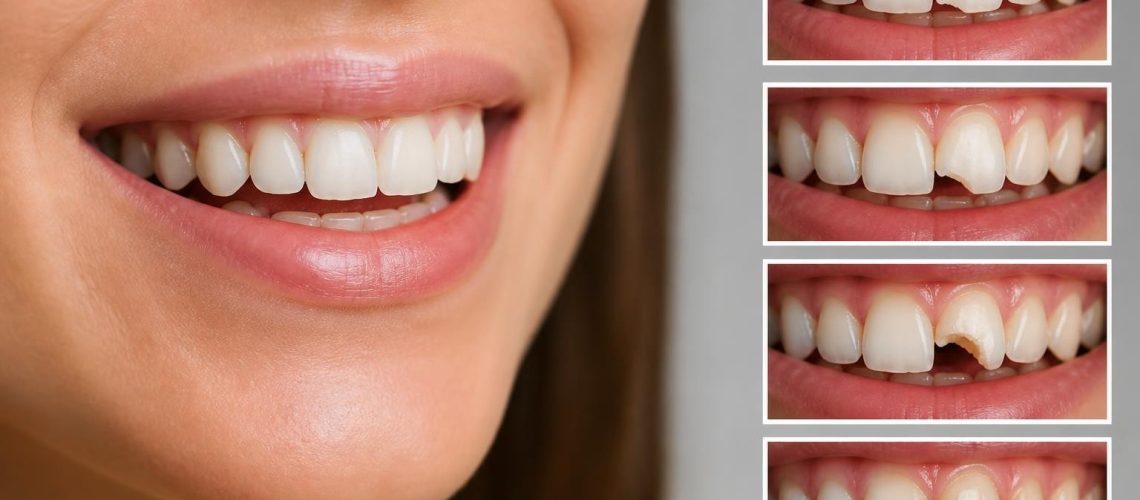
Dental emergencies can happen when you least expect them, and few situations cause more immediate concern than discovering you have broken teeth. Whether from a sports injury, biting down on something hard, or years of gradual wear, tooth damage affects millions of Americans every year. Understanding the causes, recognizing the symptoms, and knowing your treatment options can make the difference between saving your tooth and facing more extensive dental work down the road. This comprehensive guide explores everything you need to know about broken teeth, from immediate emergency care to long-term restoration solutions.
Understanding the Types and Severity of Broken Teeth
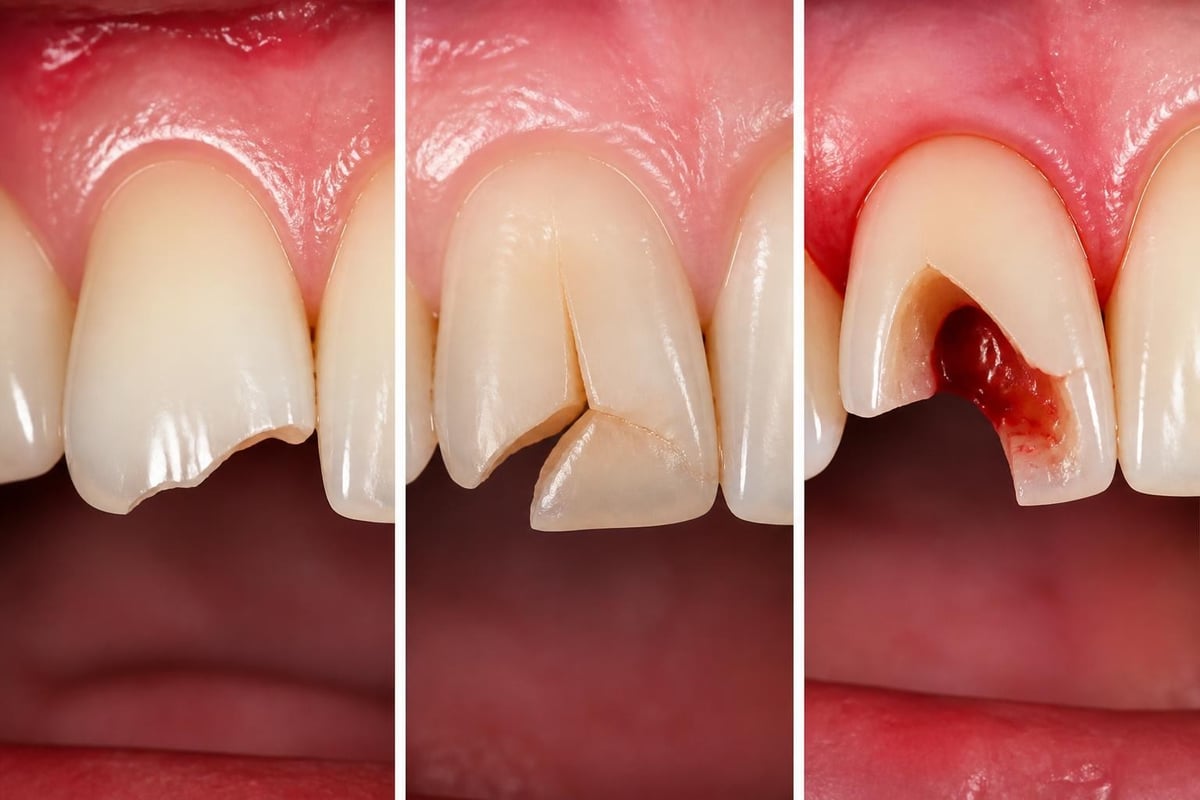
Not all tooth fractures are created equal. The various types of cracked teeth range from minor cosmetic chips to severe breaks that expose the tooth's inner pulp. Recognizing the type and severity of your dental damage determines the appropriate treatment approach.
Minor Chips and Cracks
Surface-level damage typically affects only the enamel, the hard outer layer of your tooth. These minor issues may appear as:
- Small chips along the biting edge
- Hairline cracks visible only under magnification
- Superficial enamel fractures that don't cause pain
- Rough spots you can feel with your tongue
Minor chips often don't require immediate emergency treatment but should still be evaluated by a dental professional to prevent progression.
Moderate Fractures
When damage extends beyond the enamel into the dentin layer, you're dealing with a more serious situation. The dentin contains microscopic tubules that lead to the tooth's nerve, which explains why moderate fractures often cause sensitivity to temperature and pressure.
Common characteristics of moderate fractures include:
- Visible crack lines extending down the tooth
- Sharp pain when biting or chewing
- Intermittent discomfort that comes and goes
- Increased sensitivity to hot and cold foods
These fractures require professional intervention to prevent further damage and potential infection.
Severe Breaks and Split Teeth
The most serious category involves fractures that reach the tooth's pulp chamber or split the tooth vertically. According to research on cracked tooth treatment, these injuries often result from significant trauma and typically require immediate dental attention.
Severe breaks present with:
- Intense, constant pain
- Visible damage with possible bleeding
- Exposed tooth pulp (pink or red tissue)
- Pieces of tooth that have completely broken off
- Inability to bite down without severe pain
| Fracture Type | Depth of Damage | Pain Level | Treatment Urgency |
|---|---|---|---|
| Minor Chip | Enamel only | Minimal to none | Non-urgent |
| Craze Lines | Surface cracks | None | Monitoring |
| Moderate Crack | Into dentin | Moderate, intermittent | Within days |
| Deep Fracture | Reaches pulp | Severe, constant | Immediate |
| Vertical Split | Full tooth length | Extreme | Emergency |
Common Causes of Broken Teeth
Understanding what causes broken teeth helps you take preventive measures and protect your dental health. While accidents happen, many instances of tooth damage stem from preventable behaviors and underlying conditions.
Physical Trauma and Accidents
Direct impact to the face or mouth remains the leading cause of sudden tooth fractures. Sports injuries account for a significant percentage of these accidents, particularly in contact sports like football, hockey, and basketball. Car accidents, falls, and workplace injuries also contribute to emergency dental visits for broken teeth.
High-risk activities that frequently result in tooth damage:
- Contact sports without proper mouth protection
- Recreational activities like skateboarding and cycling
- Physical altercations or accidents
- Workplace incidents in construction or manual labor
Wearing a custom-fitted mouthguard during sports significantly reduces your risk of dental trauma.
Dietary Habits and Hard Foods
Your daily eating habits play a crucial role in tooth integrity. Biting down on exceptionally hard substances creates sudden, intense pressure that enamel cannot always withstand. Ice chewing, a common habit, ranks among the top dietary causes of broken teeth.
Foods and items that commonly cause fractures include:
- Ice cubes and frozen treats
- Hard candy and jawbreakers
- Popcorn kernels
- Nutshells and hard nuts
- Bones in meat and fish
- Pitted fruits like olives and cherries
- Pens, pencils, and non-food objects
The causes of chipped teeth extend beyond obvious hard foods to include seemingly harmless habits like using your teeth as tools to open packages or bottles.
Dental Conditions and Weakened Enamel
Pre-existing dental problems significantly increase your susceptibility to broken teeth. Tooth decay creates weak spots in enamel, making fractures more likely even with normal chewing forces. Large fillings, especially older metal amalgam fillings, can also compromise tooth structure over time.
Conditions that weaken teeth and increase fracture risk:
- Untreated cavities and decay
- Enamel erosion from acid exposure
- Previous dental work with large fillings
- Root canal treated teeth without crowns
- Bruxism (teeth grinding and clenching)
- Acid reflux and frequent vomiting
- Dry mouth conditions
Bruxism deserves special attention as it affects an estimated 10-15% of adults. The constant grinding force, especially during sleep, gradually weakens teeth until they crack under pressure. If you experience jaw pain or notice worn teeth, consider getting a dental night guard to protect your teeth.
Age-Related Factors
As we age, our teeth naturally become more brittle and susceptible to damage. Years of chewing, temperature changes, and exposure to acids gradually wear down enamel. People over 50 experience a higher incidence of broken teeth compared to younger adults, even without obvious trauma.
Recognizing the Symptoms and Warning Signs
Early detection of tooth damage can prevent minor problems from escalating into major dental emergencies. Many people ignore subtle warning signs until pain becomes unbearable, but understanding your toothache and other symptoms helps you seek timely treatment.
Visible Damage and Structural Changes
Sometimes broken teeth are immediately obvious. You might see a missing piece, feel a sharp edge with your tongue, or notice a visible crack line. However, not all damage is apparent at first glance.
Visual indicators to watch for:
- Chips or missing pieces of tooth structure
- Dark lines running across the tooth surface
- Uneven edges or jagged surfaces
- Changes in tooth color or translucency
- Gaps between teeth that weren't there before
Hold a flashlight to your teeth and examine them in a mirror regularly. Early detection of cracks can save your tooth.
Pain and Sensitivity Patterns
The pain from broken teeth often follows distinct patterns that differ from other dental problems. Unlike cavity pain that typically worsens gradually, fracture pain may appear suddenly or only under specific conditions.
Pain characteristics associated with tooth fractures:
- Sharp, shooting pain when biting – Indicates the crack flexes under pressure
- Sensitivity to temperature extremes – Suggests damage has reached the dentin layer
- Pain that comes and goes – Common with incomplete cracks
- Constant, throbbing pain – May indicate pulp exposure or infection
- Discomfort when releasing bite pressure – Classic sign of cracked tooth syndrome
The intermittent nature of crack-related pain often frustrates patients and makes diagnosis challenging. You might go days without symptoms, then suddenly experience severe pain from a particular bite.
Secondary Symptoms and Complications
Beyond direct pain, broken teeth can cause various secondary issues. Swelling around the affected tooth, tenderness in the gums, or sensitivity in nearby teeth all warrant professional evaluation. If you develop a fever or notice pus, you may have an infection requiring immediate treatment.
According to information about tooth infections, bacteria can enter through cracks and cause serious complications if left untreated. Don't ignore persistent symptoms, even if pain is manageable.
Emergency Care and Immediate Actions
When you discover broken teeth, taking the right immediate steps can significantly impact the success of subsequent treatment. Whether you've experienced obvious trauma or discovered damage during routine activities, following proper emergency protocols protects your tooth and reduces pain.
First Response Steps
The moments immediately following tooth damage are critical. Stay calm and assess the situation before taking action.
Immediate actions to take:
- Rinse your mouth gently with warm water to clean the area
- If bleeding occurs, apply gauze with gentle pressure for 10 minutes
- Locate any broken tooth fragments and preserve them in milk or saliva
- Apply a cold compress to the outside of your cheek to reduce swelling
- Take over-the-counter pain medication as directed on the package
- Cover sharp edges with dental wax or sugar-free gum temporarily
Never apply aspirin directly to the gums or broken tooth, as this can burn the soft tissue. Similarly, avoid using topical numbing gels excessively, as they may mask symptoms your dentist needs to evaluate.
When to Seek Emergency Dental Care
Not every chip requires an immediate trip to the dentist, but certain situations demand urgent attention. Understanding the difference between a situation that can wait until regular business hours and a true emergency helps you make informed decisions.
Seek immediate emergency care if you experience:
- Severe, uncontrollable pain
- Heavy bleeding that doesn't stop with pressure
- Large pieces of tooth that have broken off
- Trauma that includes facial swelling or possible jaw injury
- Difficulty swallowing or breathing
- Signs of infection like fever or pus
For Texas residents, Dental Plus Clinic locations across Beeville, Seguin, New Braunfels, Leander, and Converse provide emergency dental services when you need immediate care.
Managing Pain Until Your Appointment
While waiting for professional treatment, focus on pain management and preventing further damage. Avoid chewing on the affected side and stick to soft foods that don't require significant biting force.
Pain management strategies:
- Apply clove oil to the affected area (natural pain reliever)
- Use over-the-counter pain medication as directed
- Avoid extremely hot or cold foods and beverages
- Sleep with your head elevated to reduce blood flow to the area
- Rinse with saltwater several times daily to prevent infection
If pain becomes unbearable before your scheduled appointment, contact your dentist immediately. Many dental offices, including practices focused on patient comfort, offer same-day emergency slots for urgent situations.
Professional Treatment Options for Broken Teeth
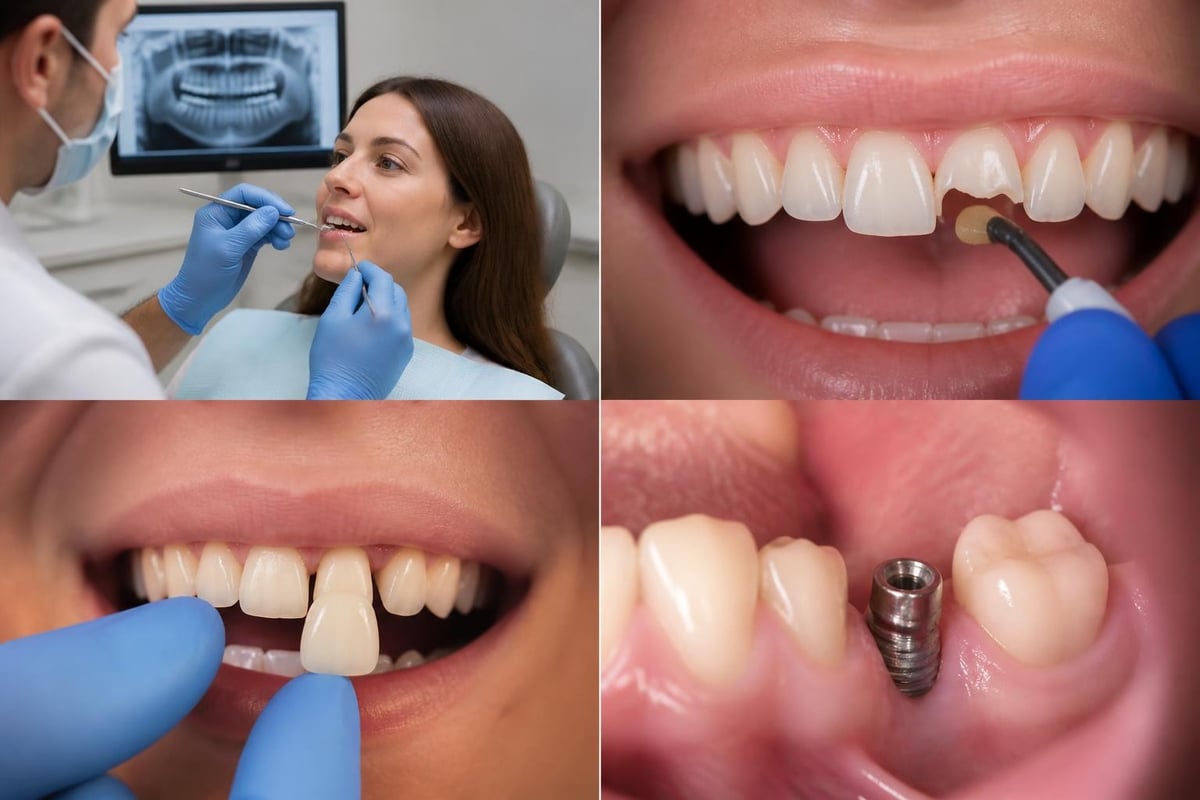
Modern dentistry offers numerous solutions for repairing broken teeth, ranging from simple bonding to complex restorations. The appropriate treatment depends on the location, extent, and type of damage your tooth has sustained. Your dentist will evaluate your specific situation and recommend the most effective approach for your long-term oral health.
Dental Bonding for Minor Repairs
For small chips and minor fractures, dental bonding provides a quick, affordable, and aesthetically pleasing solution. This procedure involves applying a tooth-colored composite resin material to the damaged area, which your dentist then shapes and polishes to match your natural tooth.
Advantages of dental bonding:
- Completed in a single office visit
- No anesthesia required for most cases
- Preserves maximum natural tooth structure
- Cost-effective compared to other options
- Natural-looking results when properly applied
Bonding typically lasts 5-10 years with proper care, though it may stain over time and isn't as durable as other restoration methods. It works best for front teeth that don't bear heavy chewing forces.
Dental Crowns for Moderate to Severe Damage
When a tooth has lost significant structure or has a fracture that extends below the gum line, a crown provides comprehensive protection and restoration. What dental crowns can offer includes both functional restoration and cosmetic improvement.
The crown process typically requires two visits:
- First appointment – Tooth preparation, impressions, and temporary crown placement
- Second appointment – Permanent crown fitting and cementation
Modern dental technology has introduced same-day crown options using CAD/CAM systems, allowing some patients to receive their permanent restoration in a single visit.
| Treatment Option | Best For | Durability | Visits Required | Cost Range |
|---|---|---|---|---|
| Bonding | Minor chips | 5-10 years | 1 | $ |
| Veneer | Front tooth damage | 10-15 years | 2 | $$ |
| Crown | Moderate to severe | 15-30 years | 1-2 | $$$ |
| Root Canal + Crown | Pulp involvement | 15-30 years | 2-3 | $$$$ |
| Extraction + Implant | Unsalvageable tooth | 20+ years | 3-6 | $$$$$ |
Root Canal Therapy When Pulp Is Affected
When a fracture extends into the tooth's pulp chamber, root canal treatment becomes necessary to save the tooth. Despite their reputation, modern root canal procedures are relatively comfortable and highly successful. According to research on cracked tooth procedures, root canal treatment has a success rate exceeding 95% when performed properly.
The procedure involves removing infected or damaged pulp tissue, cleaning and disinfecting the root canals, and sealing them to prevent future infection. A crown typically follows to protect the now-brittle tooth structure.
Dental Implants for Unsalvageable Teeth
When broken teeth cannot be saved through other means, extraction followed by implant placement provides the most durable, natural-looking replacement option. Dental implants function like natural tooth roots, preserving jawbone density and providing stable support for replacement teeth.
The implant process involves several stages over 3-6 months, allowing time for osseointegration (bone fusion with the implant). For patients concerned about costs, exploring dental implant financing options in Texas can make this investment in your oral health more accessible.
Benefits of choosing dental implants:
- Permanent solution that can last a lifetime
- Prevents bone loss in the jaw
- No impact on adjacent healthy teeth
- Natural appearance and function
- No dietary restrictions once healed
Patients often ask whether bridges or implants provide better value. The answer depends on individual circumstances, but comparing implants to bridges reveals that implants typically offer superior long-term outcomes.
Prevention Strategies and Protective Measures
Preventing broken teeth requires less time, money, and discomfort than treating them. By implementing protective strategies and modifying certain behaviors, you can significantly reduce your risk of tooth damage throughout your lifetime.
Protective Equipment for Sports and Activities
If you participate in sports or recreational activities that pose a risk to your teeth, investing in quality protective equipment is essential. Custom-fitted mouthguards offer superior protection compared to over-the-counter options, as they're designed specifically for your bite and provide optimal coverage.
Activities that warrant mouthguard use:
- All contact sports (football, hockey, basketball, soccer)
- Combat sports (boxing, martial arts, wrestling)
- Recreational activities (skateboarding, mountain biking, rollerblading)
- Any activity with risk of facial impact
Your dentist can create a custom mouthguard that fits comfortably and stays in place during activity. While they cost more than store-bought versions, the protection they provide makes them a worthwhile investment.
Dietary Modifications and Healthy Habits
Simple changes to your eating habits can dramatically reduce your risk of tooth fractures. Being mindful of what you bite and how you chew protects your dental work and natural teeth alike.
Protective dietary habits include:
- Cutting hard foods into smaller pieces before eating
- Avoiding chewing ice completely
- Being cautious with hard candy and sticky sweets
- Removing pits from fruits before eating
- Choosing softer snack alternatives when possible
- Never using your teeth to open packages or bottles
Beyond avoiding hard foods, maintaining good overall nutrition supports strong tooth enamel. Calcium, phosphorus, and vitamin D all contribute to dental health and may help prevent fractures.
Managing Bruxism and Teeth Grinding
For the millions of Americans who grind or clench their teeth, especially during sleep, a night guard provides essential protection. The constant force of bruxism can crack even healthy teeth over time, and the condition often worsens during periods of stress.
Signs you may need a night guard:
- Waking with jaw pain or headaches
- Worn, flattened, or chipped teeth
- Increased tooth sensitivity
- Cheek tissue damage from biting
- Partner reporting grinding sounds during sleep
Professional night guards from your dentist offer better fit and durability than over-the-counter options. The investment protects not only your natural teeth but also expensive dental work like crowns and veneers.
Regular Dental Checkups and Early Detection
Preventive dental care remains your best defense against serious tooth damage. During routine examinations, dentists can identify early warning signs of potential fractures, including weakened enamel, existing cracks, and teeth at high risk for damage.
Professional cleanings remove plaque and tartar that contribute to tooth decay, while dental X-rays reveal problems invisible to the naked eye. General dentistry treatments encompass comprehensive preventive care designed to maintain your oral health and catch problems early.
Recommended preventive care schedule:
- Dental checkups every six months for most patients
- Professional cleanings twice yearly
- X-rays annually or as recommended by your dentist
- Immediate evaluation of any pain or sensitivity
- Discussion of any changes in your oral health
Cost Considerations and Financial Planning
Understanding the financial aspects of treating broken teeth helps you make informed decisions about your care. While costs vary based on damage severity and chosen treatment method, knowing what to expect allows for better planning and reduces financial stress during dental emergencies.
Insurance Coverage and Benefits
Most dental insurance plans cover emergency treatment for broken teeth, though coverage levels vary significantly. Typically, insurance categorizes procedures into preventive, basic, and major services, each with different coverage percentages.
Standard insurance coverage ranges:
- Preventive care (exams, cleanings): 80-100%
- Basic procedures (fillings, simple extractions): 70-80%
- Major procedures (crowns, root canals): 50-60%
- Cosmetic procedures (bonding for appearance only): Often not covered
Before proceeding with treatment, request a pre-authorization from your insurance company. This provides a detailed breakdown of your coverage and out-of-pocket expenses. For those seeking implant solutions, understanding the cost of dental implants with insurance helps with financial planning.
Payment Options for Uninsured Patients
If you don't have dental insurance, treatment for broken teeth can still be accessible through various payment options. Many dental practices, recognizing that dental emergencies don't wait for financial readiness, offer flexible payment plans and financing solutions.
Available payment options include:
- In-house payment plans with low or no interest
- Third-party financing through companies like CareCredit
- Health savings accounts (HSAs) or flexible spending accounts (FSAs)
- Dental discount plans as an alternative to traditional insurance
- Cash payment discounts at some practices
For Texas residents exploring their options, researching dental implants without insurance and other self-pay scenarios provides valuable insights into managing costs effectively.
Long-Term Value of Proper Treatment
While the initial cost of treating broken teeth may seem substantial, proper restoration provides long-term value that outweighs budget alternatives. Choosing the most durable, appropriate treatment prevents future complications and additional expenses.
Consider these long-term cost factors:
- Untreated fractures often worsen, requiring more extensive (expensive) procedures later
- Quality restorations last longer, reducing replacement costs
- Preventing tooth loss avoids the need for costly implants or bridges
- Protecting adjacent teeth from damage reduces overall dental expenses
- Maintaining oral health prevents systemic health issues with associated costs
According to options for broken tooth repair, investing in proper treatment immediately typically costs less over time than delaying care or choosing inadequate solutions.
Frequently Asked Questions About Broken Teeth
Can broken teeth heal on their own?
Unlike bones, teeth cannot regenerate or heal themselves once fractured. Enamel lacks living cells, so it cannot repair cracks or chips naturally. However, very minor surface cracks that don't extend through the enamel may not worsen if properly monitored. Any fracture that causes pain or extends into the dentin requires professional treatment. Delaying care allows bacteria to enter the crack, potentially leading to decay or infection that complicates treatment.
How long can I wait to treat a broken tooth?
The appropriate timeframe depends on damage severity. Minor cosmetic chips without pain can typically wait for a regular appointment within a few weeks. However, fractures causing pain, sensitivity, or visible damage should be evaluated within days. If you experience severe pain, bleeding, or signs of infection, seek emergency care immediately. Understanding why cracked teeth shouldn’t be ignored emphasizes that delays often result in more complex, expensive treatments.
Will my broken tooth get worse over time?
Yes, most tooth fractures worsen without treatment. Daily chewing forces, temperature changes, and bacterial invasion all contribute to crack progression. What starts as a minor, painless crack can extend deeper into the tooth, eventually reaching the pulp and requiring root canal therapy or extraction. Temperature fluctuations cause expansion and contraction that gradually widens cracks. Proper treatment stabilizes the tooth and prevents progression.
Are there home remedies for broken teeth?
While no home remedy can repair broken teeth, several measures can manage symptoms until you receive professional care. Rinsing with warm salt water reduces bacteria and inflammation. Over-the-counter pain relievers help manage discomfort. Dental wax or temporary filling material from pharmacies can cover sharp edges. Clove oil provides temporary pain relief due to its natural anesthetic properties. However, these are temporary solutions only, not substitutes for professional dental treatment.
How do I know if my broken tooth needs a root canal?
Several signs indicate pulp involvement requiring root canal treatment. Severe, constant pain that doesn't respond well to pain medication suggests pulp inflammation or infection. Sensitivity that lingers long after removing hot or cold stimuli indicates pulp damage. Swelling, tenderness in the gums, or pimple-like bumps near the tooth suggest infection. Discoloration of the tooth may indicate dying pulp tissue. Your dentist will perform tests and take X-rays to determine if root canal therapy is necessary.
Can I eat normally with a broken tooth?
Modify your diet until you receive treatment to prevent further damage and reduce pain. Avoid the affected side when chewing, especially for hard or crunchy foods. Stick to soft foods that require minimal biting force. Avoid temperature extremes that may trigger sensitivity. Cut food into smaller pieces to reduce chewing stress. Once your tooth is properly restored with bonding, a crown, or other treatment, you can typically return to normal eating habits without restrictions.
What happens if I ignore a broken tooth?
Ignoring broken teeth leads to progressive complications. The crack typically extends deeper, eventually reaching the pulp and causing severe pain and infection. Bacteria enter through the fracture, causing decay that weakens the tooth further. The tooth may become so damaged that it cannot be saved, requiring extraction. Infection can spread to surrounding tissues, gums, and even your bloodstream, creating serious health risks. Medical insights on cracked teeth confirm that early intervention prevents most complications and saves teeth that might otherwise be lost.
Are broken teeth more common in certain age groups?
Tooth fractures occur across all age groups but with varying causes. Children and young adults often break teeth through sports injuries and accidents. Middle-aged adults experience fractures from worn dental work, grinding, and accumulated stress on teeth. Seniors face increased risk due to naturally brittle teeth, existing dental work, and conditions like osteoporosis. However, with proper preventive care and protection, people of any age can minimize their risk of tooth damage.
Protecting your smile from broken teeth requires awareness, prevention, and prompt professional care when damage occurs. Whether you're dealing with a minor chip or a severe fracture, understanding your treatment options empowers you to make informed decisions about your oral health. At Dental Plus Clinic, our experienced team provides comprehensive care for broken teeth using advanced technology and personalized treatment plans. With convenient locations throughout Texas, including facilities in Beeville, Seguin, New Braunfels, Leander, and Converse, we're ready to help restore your smile and protect your long-term dental health. Don't wait for a minor problem to become a major emergency-schedule your appointment with Dental Plus Clinic today and take the first step toward a healthier, more confident smile.