

A dental abscess represents one of the most painful and potentially serious oral health emergencies that patients can experience. This pus-filled infection occurs when bacteria invade the tooth pulp or gum tissue, creating a pocket of infection that requires immediate professional attention. Understanding the warning signs, risk factors, and treatment options can help Texas families protect their oral health and prevent serious complications. At Dental Plus Clinic, we see patients from across Texas experiencing this condition, and early intervention makes all the difference in preserving natural teeth and preventing the infection from spreading.
Understanding What a Dental Abscess Really Is
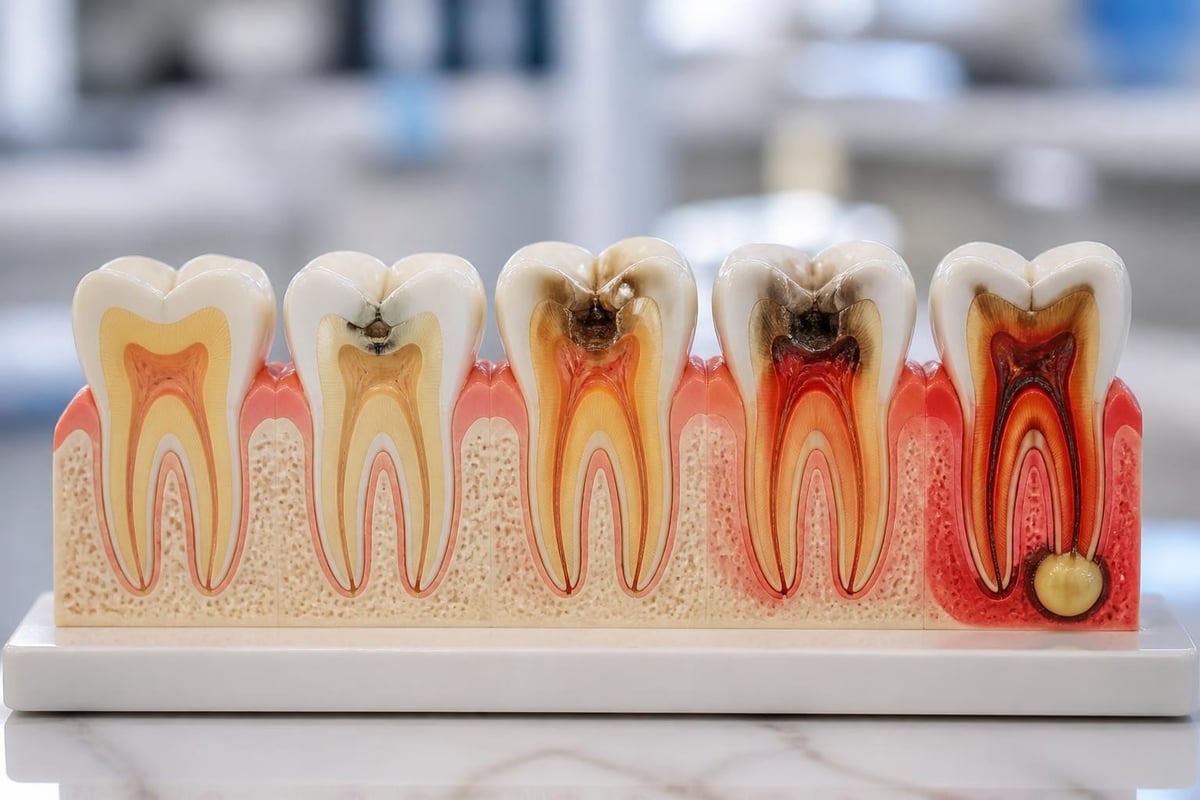
A dental abscess forms when bacterial infection creates a pocket of pus within or around a tooth. This condition doesn't resolve on its own and requires professional dental treatment to eliminate the infection completely.
Types of Dental Abscesses
The classification of dental abscesses helps determine the appropriate treatment approach. Three primary types affect patients:
Periapical abscesses develop at the tip of the tooth root, typically resulting from untreated tooth decay that allows bacteria to penetrate the dental pulp. This represents the most common type seen in dental practices.
Periodontal abscesses occur in the gum tissue beside a tooth root, often affecting patients with gum disease. The infection originates in the periodontal pocket and can affect the supporting bone structure.
Gingival abscesses form in the gum tissue itself without involving the tooth or periodontal ligament. These typically result from foreign objects or food particles becoming trapped beneath the gum line.
| Abscess Type | Location | Primary Cause | Common Symptoms |
|---|---|---|---|
| Periapical | Tooth root tip | Untreated decay | Severe toothache, sensitivity |
| Periodontal | Gum beside root | Gum disease | Swelling, painful chewing |
| Gingival | Gum tissue only | Foreign object | Localized gum swelling |
The Infection Process
Understanding how a dental abscess develops helps patients recognize early warning signs. The process typically follows these stages:
- Bacterial invasion through tooth decay, cracks, or gum pockets
- Infection spread into the pulp chamber or periodontal space
- Immune response triggering inflammation and pus formation
- Abscess formation creating a contained pocket of infection
- Potential spreading to surrounding tissues if untreated
The body attempts to contain the infection by forming a barrier around it, but this doesn't eliminate the bacteria. Professional intervention remains necessary regardless of whether pain temporarily subsides.
Recognizing the Warning Signs and Symptoms
Early recognition of dental abscess symptoms enables faster treatment and better outcomes. Patients should never ignore these warning signs, as the infection can spread rapidly.
Primary Symptoms to Watch For
The most prominent indicator involves severe, persistent throbbing pain in the affected tooth or surrounding area. This discomfort typically intensifies when lying down or applying pressure during chewing.
Temperature sensitivity often precedes abscess formation, with patients experiencing sharp pain when consuming hot or cold foods and beverages. The sensitivity may persist long after removing the temperature stimulus.
Swelling represents a critical warning sign that shouldn't be ignored:
- Facial swelling on the affected side
- Gum tissue appearing red and inflamed
- Visible bump or pimple on the gum
- Swollen lymph nodes under the jaw or neck
Additional Warning Indicators
Beyond the primary symptoms, patients may experience several secondary signs that indicate developing infection. Fever suggests the infection is spreading beyond the localized area, requiring immediate dental attention.
A foul taste or odor in the mouth often occurs when an abscess ruptures, temporarily releasing pus and reducing pressure. While this may provide momentary relief, the infection remains active and dangerous.
Difficulty swallowing or breathing represents a medical emergency requiring immediate hospital care, as it indicates the infection has spread to deeper facial spaces. Our emergency dental services provide immediate care for severe cases across our Texas locations.
When to Seek Immediate Care
Certain symptoms demand urgent professional attention:
- Swelling affecting the eye or causing difficulty breathing
- High fever above 101°F
- Severe pain unresponsive to over-the-counter medication
- Facial swelling that continues spreading
- General feeling of illness or weakness
According to dental health experts, delaying treatment increases the risk of serious complications, including the spread of infection to the jaw, neck, or even brain in rare cases.
Root Causes and Risk Factors
Understanding what causes a dental abscess helps patients take preventive measures. Multiple factors contribute to infection development, with some patients facing higher risk than others.
Primary Contributing Factors
Untreated tooth decay represents the leading cause of periapical abscesses. When cavities penetrate through the enamel and dentin layers, bacteria gain direct access to the tooth pulp, creating ideal conditions for infection.
Dental trauma from accidents, sports injuries, or grinding habits can crack teeth or damage existing dental work, providing entry points for bacteria. Even minor cracks invisible to the naked eye can allow bacterial invasion.
Gum disease creates periodontal pockets where bacteria accumulate, potentially leading to periodontal abscesses. Patients with advanced periodontitis face significantly higher risk.
Additional Risk Factors
Several lifestyle and health factors increase susceptibility:
- Poor oral hygiene allowing plaque and bacteria accumulation
- High sugar diet feeding bacteria and promoting decay
- Dry mouth from medications or medical conditions reducing protective saliva
- Weakened immune system from diabetes, HIV, or immunosuppressive medications
- Previous dental work where decay develops around older fillings or crowns
| Risk Level | Patient Characteristics | Preventive Recommendations |
|---|---|---|
| High | Diabetes, poor hygiene, gum disease | Quarterly cleanings, strict home care |
| Moderate | Previous cavities, occasional care | Bi-annual exams, fluoride treatments |
| Low | Good hygiene, regular visits | Annual exams, maintenance care |
The Role of Delayed Dental Care
Many Texas families postpone dental treatment due to cost concerns or fear. However, delaying care for cavities or damaged teeth significantly increases abscess risk. A small cavity requiring a simple filling can progress to require root canal treatment or extraction if ignored.
Research from dental health organizations indicates that patients who maintain regular preventive care reduce their abscess risk by over 60% compared to those seeking only emergency treatment.
Professional Diagnosis and Evaluation
Accurate diagnosis ensures appropriate treatment for each specific case. Dental professionals use multiple assessment methods to evaluate the infection extent.
Clinical Examination Process
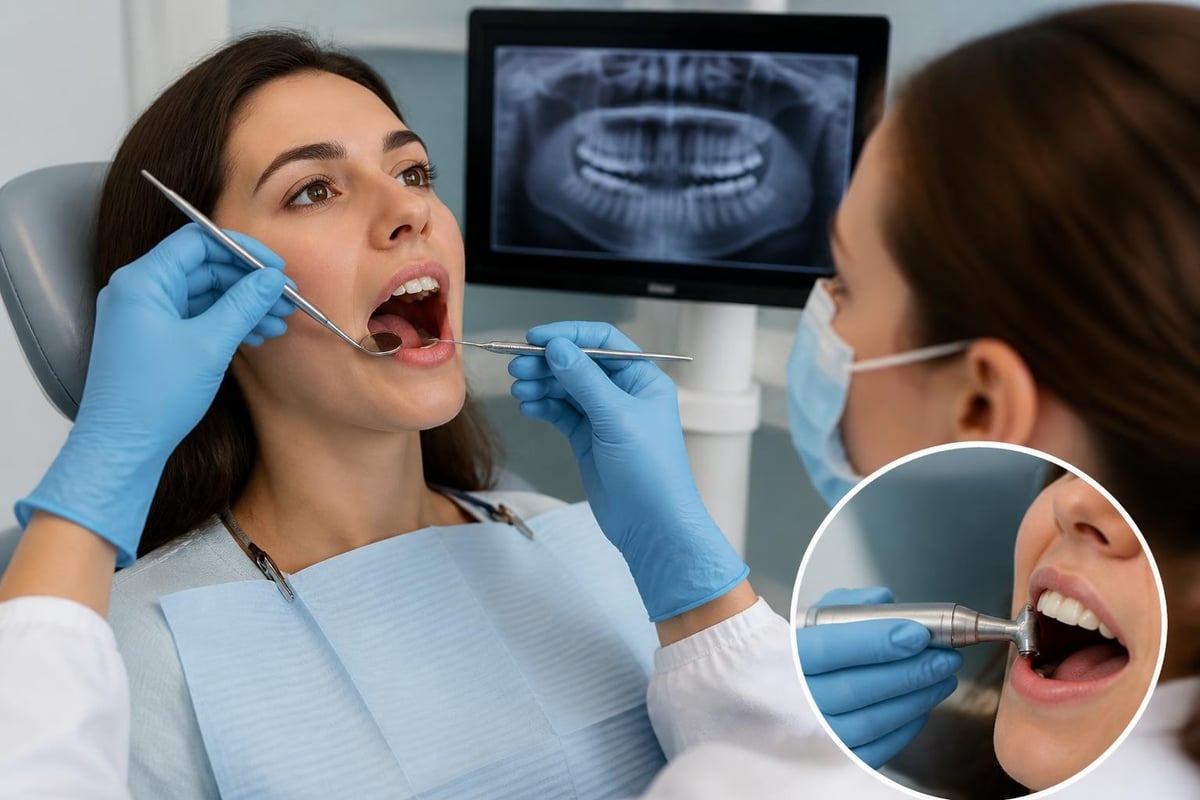
The diagnostic process begins with a comprehensive examination of the affected area. Dentists assess visible signs including swelling, discoloration, and the presence of any draining fistula (pimple-like bump on the gum).
Percussion testing involves gently tapping the tooth to evaluate pain response. Abscessed teeth typically exhibit heightened sensitivity to percussion compared to healthy neighboring teeth.
Temperature testing helps determine pulp vitality. Applying cold stimulus to the tooth can indicate whether the nerve tissue remains alive or has succumbed to infection.
Diagnostic Imaging
X-rays provide essential information about infection extent and bone involvement:
- Periapical radiographs reveal bone loss around tooth roots
- Panoramic x-rays show wider jaw involvement
- Cone beam CT scans offer three-dimensional views for complex cases
These imaging studies help dentists determine whether the tooth can be saved or requires extraction, and whether infection has spread to surrounding bone structures.
Differential Diagnosis Considerations
Dental professionals must distinguish abscesses from other conditions causing similar symptoms. Cracked tooth syndrome, temporomandibular joint disorders, and sinus infections can produce pain patterns resembling dental abscesses.
Proper diagnosis ensures patients receive appropriate treatment rather than unnecessary procedures. The comprehensive approach used at dental care facilities across Texas ensures accurate assessment before proceeding with treatment.
Treatment Options and Procedures
Treating a dental abscess requires eliminating the infection source and preventing recurrence. Multiple treatment approaches exist depending on abscess type, severity, and tooth condition.
Immediate Infection Management
Drainage represents the first priority in abscess treatment. The dentist creates an opening to allow pus to escape, immediately reducing pressure and pain. This may involve:
- Incising the gum tissue for periodontal abscesses
- Drilling through the tooth crown for periapical abscesses
- Irrigating the area with antimicrobial solutions
- Placing temporary drainage if needed
Antibiotic therapy helps control infection spread, particularly when facial swelling or fever indicates systemic involvement. However, antibiotics alone cannot cure a dental abscess-professional drainage and source elimination remain essential.
Root Canal Therapy
When the tooth structure remains salvageable, root canal treatment offers the best option for preserving the natural tooth. This procedure involves:
- Accessing the infected pulp chamber
- Removing diseased tissue and bacteria
- Cleaning and shaping the root canal system
- Filling canals with biocompatible material
- Restoring the tooth with a crown
According to dental care resources, root canal success rates exceed 95% when performed properly, making this a reliable long-term solution.
Extraction Considerations
Some situations necessitate tooth removal:
- Extensive structural damage preventing restoration
- Vertical root fractures
- Inadequate bone support from advanced periodontal disease
- Patient preference or financial constraints
Following extraction, patients should consider replacement options like dental implants to maintain proper jaw structure and prevent adjacent teeth from shifting.
Periodontal Abscess Treatment
Gum abscesses require thorough cleaning of the periodontal pocket, removal of tartar and infected tissue, and sometimes minor surgical procedures to reshape gum tissue for better long-term maintenance.
| Treatment Type | Best For | Success Rate | Recovery Time |
|---|---|---|---|
| Root Canal | Viable tooth with periapical abscess | 95%+ | 1-2 weeks |
| Extraction | Severely damaged teeth | 100% | 2-4 weeks |
| Periodontal Therapy | Gum abscesses | 85-90% | 2-3 weeks |
Pain Management and Home Care
While professional treatment remains essential, patients can take steps to manage discomfort before and after dental appointments. Understanding appropriate home care prevents complications and promotes healing.
Safe Pain Relief Methods
Over-the-counter pain medications provide temporary relief while awaiting professional treatment. Ibuprofen works particularly well for dental pain due to its anti-inflammatory properties, while acetaminophen offers an alternative for patients who cannot take NSAIDs.
Cold compresses applied to the outside of the face can reduce swelling and numb pain. Apply for 15-20 minutes at a time with breaks between applications.
Saltwater rinses help clean the affected area and may provide mild pain relief. Dissolve half a teaspoon of salt in eight ounces of warm water and gently swish for 30 seconds.
Important Things to Avoid
Certain actions can worsen the situation or delay healing:
- Never apply aspirin directly to gums, as this causes chemical burns
- Avoid extremely hot or cold foods that trigger sensitivity
- Don't attempt to drain the abscess yourself, which risks spreading infection
- Never discontinue antibiotics early, even if symptoms improve
- Avoid hard or chewy foods on the affected side
Post-Treatment Care Guidelines
After professional treatment, following care instructions ensures proper healing:
- Take all prescribed medications exactly as directed
- Maintain gentle oral hygiene around the treated area
- Eat soft foods for the first few days
- Avoid smoking or tobacco use which impairs healing
- Attend all follow-up appointments to monitor recovery
Patients experiencing increasing pain, swelling, or fever after treatment should contact their dental office immediately, as these symptoms may indicate complications requiring additional intervention.
Prevention Strategies for Long-Term Oral Health
Preventing dental abscesses proves far easier and less expensive than treating them. Implementing consistent oral hygiene practices and maintaining regular professional care dramatically reduces infection risk.
Essential Daily Practices
Thorough brushing twice daily removes bacteria and food particles before they can cause decay. Use fluoride toothpaste and brush for at least two minutes, paying special attention to the gum line where bacteria accumulate.
Daily flossing cleans between teeth where toothbrush bristles cannot reach. This prevents both cavities and gum disease, addressing the two primary pathways for abscess development.
Antimicrobial mouthwash provides additional protection by reducing bacterial load throughout the mouth. Look for products containing chlorhexidine or essential oils for maximum effectiveness.
Professional Preventive Care
Regular dental exams and cleanings enable early detection and treatment of problems before they progress to abscesses:
- Professional cleanings remove hardened tartar that home care cannot eliminate
- Comprehensive examinations identify cavities while they remain small
- X-rays reveal hidden decay between teeth or beneath existing fillings
- Periodontal assessments catch gum disease in early, reversible stages
The American Dental Association recommends professional visits at least twice yearly for most patients, with more frequent care for those with higher risk factors.
Dietary Considerations for Dental Health
Limiting sugar intake reduces fuel for cavity-causing bacteria. When consuming sugary foods or drinks, doing so with meals rather than as frequent snacks minimizes acid exposure time.
Drinking fluoridated water strengthens tooth enamel and provides ongoing protection against decay. Most Texas municipalities add fluoride to public water supplies at optimal levels.
Eating nutritious foods supports overall oral health:
- Calcium-rich dairy products strengthen teeth
- Crunchy vegetables stimulate saliva production
- Lean proteins provide nutrients for tissue repair
- Whole grains offer vitamins without excessive sugar
Protective Measures for At-Risk Patients
Certain individuals benefit from additional preventive strategies:
- Fluoride treatments for patients with high decay rates
- Dental sealants protecting cavity-prone molar surfaces
- Custom nightguards preventing damage from teeth grinding
- More frequent cleanings for diabetic patients or those with gum disease

Potential Complications and Serious Risks
Understanding potential complications emphasizes the importance of seeking prompt treatment. While rare when proper care is received, untreated dental abscesses can lead to life-threatening conditions.
Local Complications
Tooth loss represents the most common complication when abscesses remain untreated. The infection destroys bone and tissue supporting the tooth, eventually causing it to loosen and fall out or require extraction.
Bone infection (osteomyelitis) can develop when bacteria spread from the tooth into the jaw bone. This serious condition requires aggressive antibiotic therapy and sometimes surgical intervention to remove infected bone tissue.
Fistula formation occurs when the abscess creates a drainage channel through bone and gum tissue. While this may temporarily relieve pressure, it indicates active infection requiring professional treatment.
Systemic Spread of Infection
More serious complications arise when infection spreads beyond the local area:
- Ludwig's angina: A rapidly spreading infection affecting the floor of the mouth and neck, potentially blocking airways
- Cavernous sinus thrombosis: Rare blood clot formation in brain sinuses from upper tooth infections
- Brain abscess: Extremely rare but potentially fatal complication requiring neurosurgical intervention
- Sepsis: Life-threatening systemic infection response requiring hospitalization
According to medical authorities, these severe complications occur primarily in patients with weakened immune systems or those who delay treatment for extended periods.
Warning Signs of Spreading Infection
Patients should seek emergency medical care if experiencing:
- High fever with chills and sweating
- Difficulty breathing or swallowing
- Rapid heartbeat or confusion
- Swelling affecting the eye or neck
- Severe headache or vision changes
Special Considerations for High-Risk Patients
Certain populations face increased complication risk:
| Risk Group | Specific Concerns | Recommended Precautions |
|---|---|---|
| Diabetics | Slower healing, increased spread risk | Immediate treatment, glucose monitoring |
| Pregnant women | Hormonal changes affecting gums | Safe treatment protocols, careful medication selection |
| Immunocompromised | Rapid infection progression | Aggressive treatment, hospitalization may be needed |
| Elderly patients | Multiple medications, general health | Comprehensive medical history review |
The comprehensive approach at facilities like those serving New Braunfels and surrounding communities ensures that high-risk patients receive appropriate monitoring and treatment modifications.
Understanding Treatment Costs and Insurance Coverage
Financial concerns shouldn't prevent patients from seeking necessary abscess treatment. Understanding typical costs and insurance coverage helps families make informed decisions about their dental care.
Typical Treatment Expenses
Treatment costs vary based on abscess type, severity, and required procedures:
Emergency examination and drainage typically range from $150-$400, providing immediate relief while determining long-term treatment needs. Most dental insurance plans cover emergency visits.
Root canal therapy costs between $700-$1,500 depending on tooth location (front teeth cost less than molars due to simpler anatomy). Insurance coverage for root canals typically ranges from 50-80% after meeting deductibles.
Extraction represents a less expensive option at $150-$400 for simple cases, though complex surgical extractions may cost more. However, replacement costs should be factored into the total when considering this option.
Insurance and Payment Options
Most dental insurance plans categorize abscess treatment as necessary care:
- Diagnostic x-rays: Usually 80-100% covered
- Emergency treatment: 50-80% coverage typical
- Root canal therapy: 50-80% coverage after deductible
- Crowns: 50% coverage common, sometimes considered cosmetic
For patients without insurance or facing significant out-of-pocket costs, several options exist:
- Payment plans through dental offices spreading costs over several months
- Dental discount programs offering reduced fees for uninsured patients
- Healthcare credit cards providing special financing terms
- Community health centers serving low-income populations
Facilities serving communities like Beeville and Leander often provide flexible payment options to ensure that cost doesn't prevent necessary care.
Cost Comparison: Treatment vs. Extraction
While extraction initially costs less than root canal therapy, the total long-term expense tells a different story:
Root Canal + Crown Total: $1,500-$2,500
- Preserves natural tooth
- No replacement needed
- Adjacent teeth remain stable
Extraction + Replacement Total: $2,000-$5,000+
- Initial extraction: $150-$400
- Dental implant replacement: $1,500-$4,000
- Crown on implant: $1,000-$2,000
The investment in saving the natural tooth often proves more economical over time while providing superior function and aesthetics.
Frequently Asked Questions About Dental Abscesses
Can a dental abscess go away on its own without treatment?
No, a dental abscess cannot heal without professional treatment. While the pain may temporarily decrease if the abscess ruptures and drains on its own, the underlying infection remains active. The bacteria continue multiplying, and the infection can spread to surrounding tissues, bone, and even other parts of the body. Professional intervention is always necessary to eliminate the infection source and prevent serious complications.
How quickly does a dental abscess develop?
Development time varies considerably depending on the underlying cause. An abscess from sudden trauma may form within days, while one developing from slow-progressing decay might take weeks or months to become symptomatic. Once bacteria reach the tooth pulp or establish a periodontal infection, abscess formation typically occurs within several days to two weeks. The infection can spread rapidly once established, making prompt treatment essential.
Are dental abscesses contagious to other people?
The bacteria causing dental abscesses exist naturally in everyone's mouth, so the infection itself isn't contagious in the traditional sense. However, according to dental health experts, sharing utensils, kissing, or other close contact can transfer bacteria between people, potentially increasing cavity risk in those with poor oral hygiene. The primary concern involves the infected individual's health rather than transmission to others.
Can I wait until my regular dental appointment if I suspect an abscess?
No, suspected dental abscesses require immediate evaluation regardless of when your next scheduled appointment occurs. The infection can spread rapidly, causing serious complications including bone loss, systemic infection, and in rare cases, life-threatening conditions. Contact your dental office immediately for an emergency appointment-most practices reserve time slots for urgent situations or provide after-hours emergency contact information.
What should I do if an abscess ruptures on its own?
If an abscess spontaneously drains, rinse your mouth gently with warm salt water to help clean the area. While you may experience temporary pain relief as pressure decreases, the infection source remains and requires professional treatment. Contact your dentist immediately to schedule an appointment. Continue gentle oral hygiene, avoid touching the area with your tongue or fingers, and don't attempt to squeeze or manipulate the swelling.
How long does recovery take after abscess treatment?
Recovery timelines vary based on treatment type and individual healing factors. After drainage and antibiotics, pain typically improves within 48-72 hours. Root canal procedures may cause minor discomfort for several days, with complete healing taking 1-2 weeks. Extraction sites generally heal within 2-4 weeks for soft tissue, though bone remodeling continues for several months. Follow all post-treatment instructions and attend scheduled follow-up appointments to ensure proper healing.
Can dental abscesses affect my overall health?
Yes, dental infections can significantly impact general health beyond the mouth. The bacteria and inflammatory chemicals from abscesses enter the bloodstream, potentially affecting the cardiovascular system, respiratory health, and blood sugar control. Research shows links between oral infections and increased risk for heart disease, diabetes complications, and adverse pregnancy outcomes. Patients with existing health conditions face higher risk for abscess complications, emphasizing the importance of prompt treatment.
Will my tooth be sensitive after abscess treatment?
Some sensitivity after treatment is normal and typically temporary. Following root canal therapy, the tooth may feel slightly different for several days as inflammation subsides and the area heals. Mild sensitivity to pressure during chewing usually resolves within a week or two. Persistent or increasing pain after treatment may indicate complications and should be reported to your dentist immediately. Most patients return to normal function within 2-3 weeks.
How can I prevent getting another abscess?
Prevention focuses on eliminating the conditions that allow bacterial infection:
- Maintain excellent oral hygiene with twice-daily brushing and daily flossing
- Visit your dentist regularly for examinations and professional cleanings
- Address cavities promptly before they reach the tooth pulp
- Treat gum disease in early stages to prevent periodontal abscesses
- Wear protective mouthguards during sports to prevent dental trauma
- Manage health conditions like diabetes that increase infection risk
- Avoid tobacco products which compromise gum health and healing
Are some teeth more prone to abscesses than others?
Yes, certain teeth face higher risk based on anatomy and function. Molars develop abscesses most frequently due to their complex root structure, deep grooves that trap food and bacteria, and difficulty with thorough cleaning. Wisdom teeth that are partially erupted create pockets where bacteria accumulate easily. Previously treated teeth with large fillings or crowns may develop new decay around restorations, leading to abscess formation. Fractured teeth from any cause provide direct pathways for bacterial invasion regardless of location.
Recognizing and addressing a dental abscess quickly protects both your immediate comfort and long-term oral health. The infection won't resolve without professional care, and early intervention prevents complications while often saving the natural tooth. Whether you're experiencing concerning symptoms or simply want to maintain optimal preventive care for your family, Dental Plus Clinic provides comprehensive, patient-focused treatment across our five Texas locations in Beeville, Seguin, New Braunfels, Leander, and Converse. Our experienced team offers same-day emergency appointments, advanced treatment technology, and flexible payment options to ensure that every patient receives the prompt, effective care they need for healthy, pain-free smiles.