
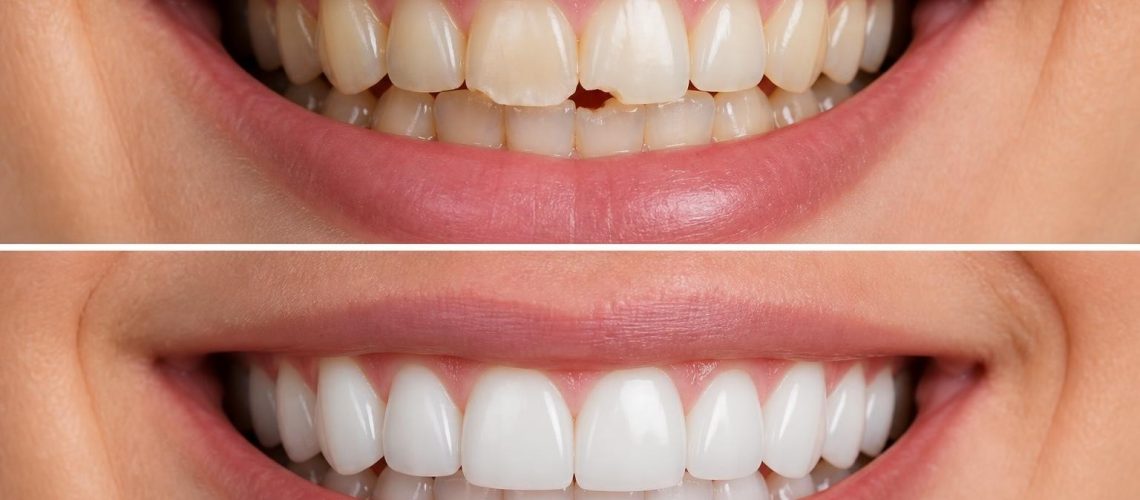
When you look in the mirror and notice a chipped tooth, a gap between your teeth, or discoloration that makes you self-conscious, you might wonder if fixing these issues requires extensive, expensive dental work. Fortunately, cosmetic bonding offers an accessible solution that can transform your smile in just one visit. This minimally invasive procedure has become one of the most popular cosmetic dentistry treatments, delivering natural-looking results without the significant time commitment or expense associated with alternatives like veneers or crowns. Understanding what cosmetic bonding entails, how it works, and whether it's the right choice for your dental needs can help you make an informed decision about your oral health and aesthetic goals.
Understanding Cosmetic Bonding and Its Applications
Cosmetic bonding is a dental procedure where a tooth-colored composite resin material is applied to teeth to improve their appearance or restore their structure. The process involves carefully selecting a resin shade that matches your natural tooth color, preparing the tooth surface, and then sculpting the material to achieve the desired shape and contour.
What Conditions Does Cosmetic Bonding Address
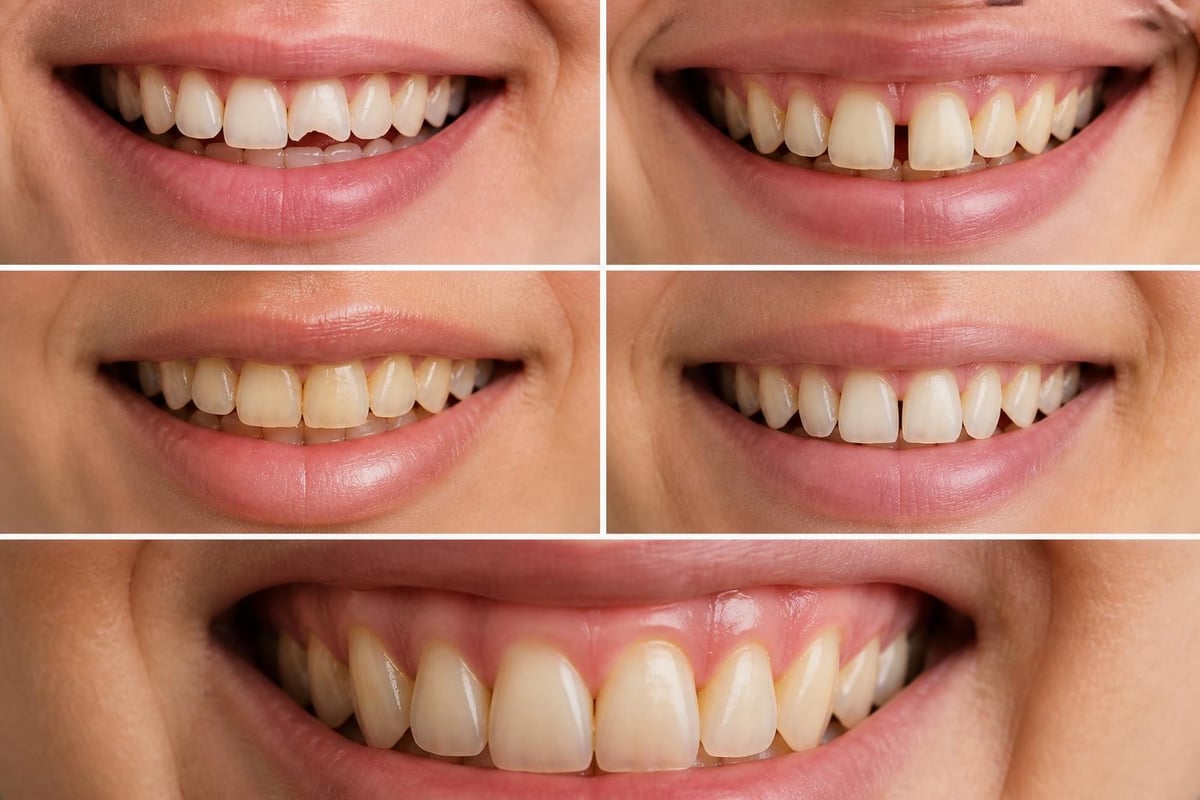
This versatile treatment addresses numerous dental imperfections that affect both function and aesthetics. Patients commonly seek cosmetic bonding to repair chipped or cracked teeth, close small gaps between teeth, alter tooth shape or length, protect exposed tooth roots caused by gum recession, and cover stubborn discoloration that doesn't respond to teeth whitening treatments.
According to research on dental bonding applications, the procedure has proven effective for minor to moderate cosmetic corrections. The composite resin material bonds directly to tooth enamel, creating a strong, durable restoration that blends seamlessly with surrounding teeth.
Common uses for cosmetic bonding include:
- Repairing chips and cracks in front teeth
- Filling small gaps and spaces
- Reshaping uneven or irregularly shaped teeth
- Covering permanent stains resistant to bleaching
- Protecting tooth roots exposed by receding gums
- Creating a more uniform smile appearance
How Cosmetic Bonding Differs from Other Treatments
While several cosmetic dentistry options exist, each serves different purposes and offers distinct advantages. Cosmetic bonding stands apart from porcelain veneers in several key ways, particularly regarding invasiveness, cost, and time requirements.
| Treatment Feature | Cosmetic Bonding | Porcelain Veneers | Crowns |
|---|---|---|---|
| Time Required | 1 visit | 2-3 visits | 2-3 visits |
| Tooth Preparation | Minimal | Moderate enamel removal | Significant reshaping |
| Lifespan | 3-10 years | 10-15 years | 15-30 years |
| Cost Range | $300-$600 per tooth | $925-$2,500 per tooth | $1,000-$3,500 per tooth |
| Reversibility | Yes | No | No |
The non-invasive nature of cosmetic bonding makes it an attractive option for patients who want to preserve their natural tooth structure. Unlike veneers or crowns, bonding typically requires little to no removal of existing enamel, meaning the procedure can be reversed if desired.
The Cosmetic Bonding Procedure Step by Step
Understanding what happens during a cosmetic bonding appointment helps alleviate anxiety and sets realistic expectations. The procedure is remarkably straightforward compared to other cosmetic dental treatments, typically completed in 30 to 60 minutes per tooth.
Preparation and Shade Selection
Your dentist begins by examining the tooth or teeth requiring treatment and discussing your aesthetic goals. This consultation phase ensures alignment between your expectations and what the procedure can realistically achieve. The dentist then selects a composite resin shade that closely matches your natural tooth color, using a shade guide to ensure seamless integration with surrounding teeth.
In most cases, anesthesia isn't necessary unless the bonding is being used to fill a cavity or the damaged area is near a nerve. The tooth surface is then prepared by roughening it slightly and applying a conditioning liquid. This preparation helps the bonding material adhere properly to the tooth structure.
Application and Sculpting Process
Once the tooth is prepared, the dentist applies the putty-like composite resin in layers. Each layer is carefully molded and shaped to achieve the desired contour and appearance. This sculpting phase requires artistic skill and precision, as the dentist must create a restoration that looks natural while maintaining proper bite alignment.
The application process includes these critical steps:
- Roughening the tooth surface for better adhesion
- Applying a conditioning liquid to enhance bonding
- Layering the tooth-colored resin material
- Sculpting and shaping each layer
- Using a special curing light to harden the material
- Final trimming, shaping, and polishing
After applying and shaping each resin layer, the dentist uses a high-intensity light to cure or harden the material. This curing process typically takes only a few seconds per layer. Once all layers are applied and hardened, the dentist trims any excess material, shapes the bonding to match the natural tooth contour, and polishes it to a smooth, natural-looking finish.
Immediate Results and Same-Day Transformation
One of the most compelling advantages of cosmetic bonding is the immediate transformation. Unlike treatments requiring multiple appointments or laboratory fabrication, you leave the office with completed results the same day. This efficiency makes cosmetic bonding an excellent choice for patients with upcoming events or those who simply want quick improvements.
The comprehensive approach to dental bonding emphasizes the importance of proper technique in achieving long-lasting, aesthetically pleasing results. At facilities like Dental Plus Clinic in New Braunfels, experienced dentists combine technical expertise with artistic sensibility to create natural-looking restorations.
Cost Considerations and Financial Planning
Financial considerations play a significant role in treatment decisions, and cosmetic bonding often emerges as the most budget-friendly cosmetic dentistry option. Understanding the factors that influence cost helps patients plan accordingly and explore available payment options.
Average Pricing and Variables
The cost of cosmetic bonding typically ranges from $300 to $600 per tooth, though prices vary based on several factors. Geographic location significantly impacts pricing, with dental practices in metropolitan areas generally charging more than those in smaller communities. The complexity and extent of the bonding required also affect the final cost, as does the dentist's experience and expertise level.
Factors influencing cosmetic bonding costs include:
- Number of teeth requiring treatment
- Extent of damage or imperfection
- Geographic location of the dental practice
- Dentist's experience and training
- Additional procedures needed alongside bonding
Unlike restorative procedures such as dental fillings, cosmetic bonding is generally considered an elective aesthetic treatment. This classification means most dental insurance plans do not cover the procedure. However, if bonding is performed to repair damage from an accident or to fill a cavity, partial insurance coverage may apply.
Insurance Coverage and Payment Options
Patients should verify their specific coverage by contacting their insurance provider before scheduling treatment. Understanding how dental insurance works can help you navigate coverage questions and determine out-of-pocket expenses.
Many dental practices offer flexible payment plans to make cosmetic bonding more accessible. These arrangements allow patients to spread the cost over several months, making the treatment more manageable financially. Some practices also accept third-party financing through companies specializing in healthcare credit.
| Payment Option | Typical Terms | Advantages |
|---|---|---|
| Cash/Credit | Immediate payment | Potential discount for upfront payment |
| Practice Payment Plan | 3-12 months | No credit check required |
| Healthcare Credit Card | 6-24 months | Promotional interest-free periods |
| HSA/FSA | Tax-advantaged funds | Pre-tax dollars reduce effective cost |
For those seeking affordable cosmetic dentistry options, cosmetic bonding represents an excellent starting point. The combination of lower cost, minimal invasiveness, and immediate results makes it accessible to a broader range of patients compared to more expensive alternatives.

Longevity and Maintenance Requirements
While cosmetic bonding delivers immediate aesthetic improvements, understanding its lifespan and care requirements ensures realistic expectations and optimal results. Proper maintenance significantly extends the life of bonded teeth and preserves their appearance.
Expected Lifespan and Influencing Factors
Cosmetic bonding typically lasts between three and ten years, with many patients enjoying excellent results for five to seven years. This lifespan is shorter than porcelain veneers or crowns, but the lower cost and reversibility often offset this consideration. Several factors influence how long bonding lasts, including the location of the bonded tooth, your oral hygiene habits, dietary choices, and habits like nail biting or chewing on hard objects.
According to detailed research on dental bonding longevity, bonding on teeth that experience heavy biting forces, such as molars, may wear more quickly than bonding on front teeth primarily used for biting softer foods. Similarly, patients who maintain excellent oral hygiene and avoid staining foods generally experience longer-lasting results.
Daily Care and Protection Strategies
Caring for bonded teeth requires minimal additional effort beyond standard oral hygiene practices. Brushing twice daily with fluoride toothpaste, flossing daily, and attending regular dental exams and cleanings form the foundation of bonding maintenance.
Essential care practices for bonded teeth:
- Brush gently with a soft-bristled toothbrush
- Use non-abrasive toothpaste to prevent scratching
- Floss daily to remove plaque between teeth
- Avoid biting hard foods like ice or hard candy
- Refrain from using teeth as tools to open packages
- Wear a protective night guard if you grind your teeth
The composite resin material used in cosmetic bonding can stain over time, particularly when exposed to coffee, tea, red wine, and tobacco products. While the bonding material doesn't respond to whitening treatments the way natural enamel does, limiting exposure to staining agents helps maintain color consistency. If staining occurs, your dentist can polish the bonded area or replace the bonding material entirely.
Signs That Bonding Needs Repair or Replacement
Despite proper care, bonded teeth may eventually require touch-ups or replacement. Recognizing early warning signs allows for timely intervention before minor issues become major problems. Visible chips or cracks in the bonding material, changes in color that create noticeable contrast with surrounding teeth, rough or uneven edges that catch on your tongue, and sensitivity when biting or chewing all indicate potential bonding problems.
Regular dental checkups enable your dentist to monitor bonded teeth and identify issues before you notice symptoms. Professional assessment every six months ensures any necessary repairs are addressed promptly, extending the overall lifespan of your cosmetic bonding.
Research on advanced dental materials continues to improve the durability and longevity of composite resins used in bonding procedures. These advancements promise even better performance in future cosmetic bonding applications.
Advantages and Limitations of Cosmetic Bonding
Every dental treatment presents distinct benefits and drawbacks, and cosmetic bonding is no exception. Weighing these factors against your specific needs, budget, and aesthetic goals helps determine whether bonding is the optimal choice for your situation.
Key Benefits That Make Bonding Popular
Cosmetic bonding offers numerous advantages that have contributed to its widespread popularity among both patients and dentists. The procedure's affordability stands out as perhaps its most significant benefit, costing considerably less than veneers or crowns while still delivering impressive aesthetic improvements. The single-visit completion appeals to busy individuals who cannot accommodate multiple appointments or extended treatment timelines.
The conservative approach to tooth preparation represents another major advantage. Because cosmetic bonding requires minimal removal of natural tooth structure, it preserves healthy enamel and maintains tooth strength. This conservative nature also means the procedure is reversible should you later decide to pursue alternative treatments.
Primary advantages of cosmetic bonding:
- Significantly lower cost than veneers or crowns
- Completed in a single appointment
- Minimal tooth preparation required
- Reversible procedure preserving natural tooth structure
- No laboratory fabrication needed
- Anesthesia often unnecessary
- Immediate results with no waiting period
- Versatile application for multiple cosmetic concerns
The comprehensive guide to dental bonding emphasizes how this treatment's versatility makes it suitable for patients across different age groups and with varying aesthetic concerns. From teenagers with chipped teeth from sports to adults seeking to close gaps or cover discoloration, cosmetic bonding accommodates diverse needs.
Understanding the Limitations
Despite its many benefits, cosmetic bonding has limitations that patients should understand before proceeding. The material's relative fragility compared to porcelain or ceramic restorations means bonded teeth require more careful handling. Biting into hard foods, using teeth to open packages, or habitually chewing on pens can chip or break the bonding material.
The shorter lifespan compared to veneers or crowns means patients should anticipate eventual replacement or touch-ups. While three to ten years represents reasonable longevity for the cost, those seeking a more permanent solution might prefer alternative treatments despite the higher expense.
| Consideration | Cosmetic Bonding Reality |
|---|---|
| Staining Resistance | Lower than natural enamel or porcelain |
| Durability | Less resistant to chips than veneers |
| Strength | Weaker than crowns for major repairs |
| Whitening Response | Cannot be whitened once applied |
| Ideal Application | Minor to moderate cosmetic issues |
Staining susceptibility presents another limitation, particularly for patients who regularly consume coffee, tea, or red wine. While natural teeth can be whitened to remove stains, bonded areas do not respond to whitening treatments. This means patients must either accept gradually darkening bonding or have it replaced to maintain color consistency.
The material's strength limitations also restrict its application for major structural repairs. While cosmetic bonding works excellently for small chips and minor reshaping, extensive damage typically requires more robust solutions like crowns. Similarly, bonding may not be the best choice for patients with severe grinding or clenching habits, as the forces involved can quickly damage the material.
Ideal Candidates and Suitability Assessment
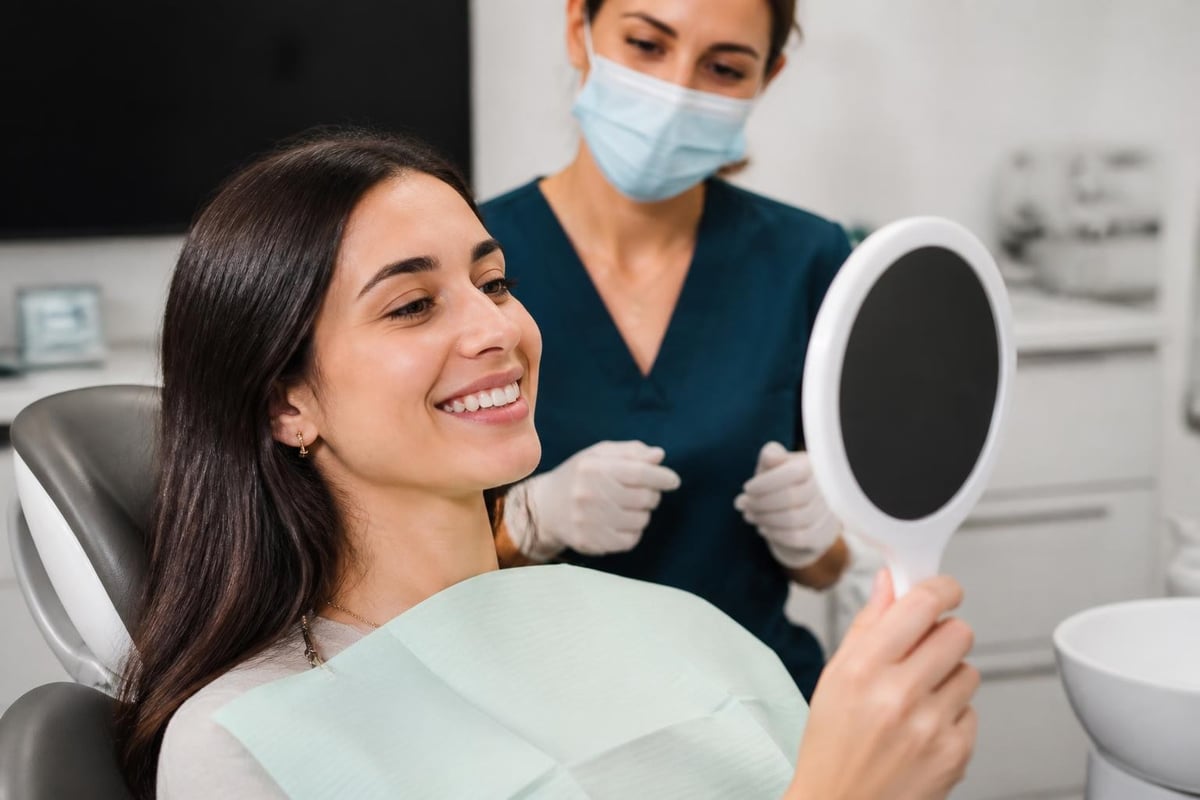
Determining whether cosmetic bonding is appropriate for your specific situation requires evaluation of several factors. While the procedure offers broad applicability, certain conditions make some patients better candidates than others.
Who Benefits Most from Cosmetic Bonding
Ideal candidates for cosmetic bonding typically present with minor to moderate cosmetic concerns affecting otherwise healthy teeth. Individuals with small chips or cracks, minor gaps between teeth, slight tooth discoloration, mildly uneven tooth shapes, or exposed roots from gum recession generally achieve excellent results with bonding.
Patients seeking affordable cosmetic improvements without extensive dental work particularly benefit from this approach. Young adults who have recently chipped a tooth, professionals wanting to enhance their smile for career advancement, or anyone desiring quick improvements before special events find cosmetic bonding perfectly suited to their needs.
Characteristics of ideal bonding candidates:
- Generally good oral health with minor aesthetic concerns
- Adequate tooth enamel for bonding material adhesion
- Realistic expectations about results and longevity
- Commitment to proper maintenance and care
- No severe grinding or clenching habits
- Non-smokers or willingness to quit smoking
Good oral hygiene practices and overall dental health improve bonding success rates. Patients with untreated cavities, active gum disease, or severe tooth decay should address these issues before pursuing cosmetic bonding. Similarly, those with insufficient tooth structure may require alternative treatments that provide additional support.
When Alternative Treatments May Be Better
While cosmetic bonding serves many patients well, certain situations call for different approaches. Severe tooth damage requiring significant structural restoration typically necessitates crowns, which offer superior strength and protection. Extensive discoloration covering multiple teeth might respond better to comprehensive full mouth reconstructions or smile makeovers that address underlying color issues.
Patients with severe grinding or clenching habits may find that bonding material wears too quickly to represent a practical solution. In these cases, porcelain veneers or crowns provide more durable alternatives, though at higher cost. Addressing the grinding habit itself through night guards or other interventions often proves necessary regardless of the cosmetic treatment chosen.
Large gaps between teeth or significant alignment issues may require orthodontic treatment to achieve optimal results. While bonding can mask minor spacing problems, substantial gaps or crooked teeth typically benefit more from orthodontic solutions that address the underlying positioning issues.
Research on dental biomaterials advancement continues to expand treatment options and improve existing materials. These developments may eventually expand the range of conditions suitable for cosmetic bonding as materials become stronger and more stain-resistant.
Comparing Cosmetic Bonding to Popular Alternatives
Understanding how cosmetic bonding compares to other cosmetic dentistry options helps patients make informed decisions aligned with their priorities, budget, and aesthetic goals. Each treatment offers unique advantages suited to different circumstances.
Cosmetic Bonding Versus Porcelain Veneers
Porcelain veneers represent one of the most popular alternatives to cosmetic bonding, particularly for comprehensive smile transformations. While both treatments address similar aesthetic concerns, they differ significantly in approach, cost, and durability. Veneers require removing a thin layer of enamel to accommodate the porcelain shells, making the procedure irreversible. This preparation, combined with laboratory fabrication time, means veneers typically require two to three office visits.
The higher cost of veneers reflects their superior longevity and stain resistance. Porcelain closely mimics natural tooth enamel's translucency and light-reflecting properties, often producing more natural-looking results, especially for extensive transformations. However, for minor corrections or budget-conscious patients, cosmetic bonding frequently provides satisfactory results at a fraction of the cost.
Crowns and Their Specific Applications
Dental crowns serve different purposes than cosmetic bonding, primarily focusing on structural restoration rather than purely cosmetic enhancement. Crowns cap the entire visible portion of a tooth, requiring significant reshaping of the natural tooth structure. This extensive preparation provides superior strength and protection for severely damaged or weakened teeth.
While crowns excel at restoring functionality to compromised teeth, their invasiveness and cost make them unnecessary for minor cosmetic corrections. Patients with cracked, broken, or heavily filled teeth benefit from crowns' protective covering, but those with superficial chips or discoloration typically find cosmetic bonding more appropriate and economical.
Teeth Whitening as a Complementary Treatment
Some patients confuse cosmetic bonding with teeth whitening, though these treatments address different concerns. Whitening removes stains and lightens natural tooth color but cannot repair chips, close gaps, or change tooth shape. Conversely, cosmetic bonding reshapes and repairs teeth but doesn't lighten existing tooth color.
Many patients benefit from combining treatments, first whitening natural teeth to their desired shade, then applying bonding matched to that lighter color. This sequence ensures color consistency between bonded areas and natural tooth structure. Attempting to whiten after bonding creates problematic color discrepancies, as the bonding material doesn't respond to whitening agents.
Patients at Dental Plus Clinic locations throughout Texas, including Leander, Seguin, Beeville, and Converse, receive personalized treatment recommendations based on comprehensive assessments of their dental health and aesthetic goals.
Potential Risks and How to Minimize Them
While cosmetic bonding is generally safe with minimal complications, understanding potential risks enables patients to make informed decisions and recognize issues requiring professional attention. Most risks are minor and easily managed with proper care and regular dental supervision.
Common Complications and Their Management
The most frequent complication associated with cosmetic bonding involves chipping or breaking of the bonding material. This typically occurs when patients bite hard foods, use teeth as tools, or experience trauma to the mouth. Small chips can often be repaired quickly during a dental visit, while larger breaks may require complete bonding replacement.
Staining and discoloration develop over time, particularly in patients who consume staining beverages or use tobacco products. While not a health risk, discoloration affects aesthetic results and may necessitate bonding replacement to maintain appearance. Professional polishing during routine dental cleanings can minimize surface staining and extend bonding longevity.
Potential risks associated with cosmetic bonding:
- Chipping or breaking of bonding material
- Staining and discoloration over time
- Separation or detachment from tooth surface
- Allergic reactions to materials (rare)
- Tooth sensitivity following procedure
- Color mismatch as natural teeth change shade
Separation or detachment of bonding material from the tooth surface occasionally occurs, usually resulting from improper bonding technique or inadequate tooth preparation. This complication requires professional attention to remove any remaining material and potentially rebond the tooth. Choosing an experienced dentist significantly reduces the risk of bonding failure.
Minimizing Risk Through Proper Precautions
Patients can substantially reduce complication risks through conscious behavioral modifications and diligent oral care. Avoiding hard, crunchy foods that stress bonded teeth, refraining from biting fingernails or chewing on pens, and using proper tools rather than teeth for opening packages all protect bonding integrity.
Regular dental checkups enable early detection of developing problems before they escalate. Dentists can identify small chips, areas of discoloration, or early signs of detachment during routine examinations, addressing issues promptly with minimal intervention. These preventive visits prove particularly valuable for patients with bonding on multiple teeth or in high-stress areas.
Wearing a custom night guard protects bonded teeth for patients who grind or clench during sleep. This protective appliance distributes forces evenly across teeth, preventing excessive stress on bonding material. Understanding dental night guard insurance coverage helps patients access this protective device affordably.
The importance of following post-procedure instructions cannot be overstated. Dentists provide specific guidance regarding foods to avoid immediately after bonding, proper oral hygiene techniques, and signs requiring immediate attention. Adhering to these recommendations optimizes healing and bonding longevity.
Making Your Decision About Cosmetic Bonding
Deciding whether to proceed with cosmetic bonding involves weighing multiple factors specific to your situation. A systematic approach to this decision ensures you choose the treatment best aligned with your needs, expectations, and resources.
Questions to Ask During Your Consultation
A thorough consultation with your dentist provides the information necessary for an informed decision. Preparing questions in advance ensures you address all concerns and fully understand what to expect. Asking about the dentist's experience with cosmetic bonding, viewing before-and-after photos of previous cases, and discussing realistic outcomes for your specific situation establishes clear expectations.
Understanding the complete cost breakdown, including any additional procedures that might be necessary, prevents financial surprises. Inquire about payment options, potential insurance coverage if bonding serves restorative purposes, and estimated longevity based on your specific circumstances and habits.
Essential consultation questions:
- How many cosmetic bonding procedures have you performed?
- Can you show me examples of similar cases you've completed?
- What results can I realistically expect for my specific concerns?
- How long should the bonding last given my habits and oral health?
- What alternatives exist, and why do you recommend bonding?
- What happens if the bonding chips or breaks?
- How will you match the color to my natural teeth?
- What special care will the bonded teeth require?
Discussing maintenance requirements and long-term care ensures you're prepared for the commitment involved. Understanding what habits to modify, which foods to avoid, and how to protect bonded teeth helps you assess whether you're ready to implement necessary lifestyle adjustments.
Evaluating Your Priorities and Goals
Different patients prioritize different treatment aspects. Some value affordability above all else, making cosmetic bonding's lower cost its primary appeal. Others prioritize longevity and may prefer investing in more durable veneers despite higher upfront costs. Still others value convenience and appreciate bonding's single-visit completion.
Honest self-assessment of your priorities guides treatment selection. If you need improvements for an upcoming event and have limited time, bonding's immediate results prove invaluable. If you're committed to a long-term investment in your smile and can afford higher costs, veneers or crowns might better serve your goals.
Your lifestyle and habits also influence treatment suitability. Athletes or individuals with physically demanding occupations may require more durable solutions. Similarly, those unwilling to modify coffee consumption or smoking habits should consider how these factors affect bonding longevity.
Taking the Next Step Forward
Once you've gathered information, evaluated alternatives, and assessed your priorities, the path forward becomes clearer. Scheduling a consultation with an experienced cosmetic dentist initiates the process and provides personalized recommendations based on comprehensive examination.
Understanding that cosmetic bonding represents just one option in a broader spectrum of treatments empowers you to make choices aligned with your unique situation. Some patients proceed with bonding as an intermediate step, planning to eventually invest in veneers or other permanent solutions. Others find bonding provides exactly the results they seek at a cost they can afford.
The accessibility of quality cosmetic dentistry continues expanding, with practices offering flexible payment options and comprehensive treatment plans. Exploring resources about cosmetic dentistry services provides additional context for understanding available options and making informed decisions about your smile transformation.
Real Patient Experiences and Expected Outcomes
Understanding what actual patients experience during and after cosmetic bonding helps set realistic expectations and reduces anxiety about the procedure. While individual results vary, common patterns emerge from thousands of successfully completed bonding procedures.
What to Expect During Treatment
Most patients report minimal discomfort during cosmetic bonding procedures. Since the process typically doesn't involve drilling deep into tooth structure, anesthesia is often unnecessary unless bonding repairs a cavity or damage near the nerve. The conditioning liquid used to prepare the tooth surface may cause brief sensitivity, but this passes quickly.
The procedure itself feels relatively non-invasive compared to other dental treatments. Patients describe sensations of pressure as the dentist shapes and molds the composite resin, but not pain. The curing light used to harden the material feels warm but not uncomfortable. Overall treatment time varies from 30 to 60 minutes per tooth, with multiple teeth often bonded in a single appointment.
Following the procedure, some patients experience minor sensitivity to temperature for a few days. This typically resolves without intervention as the tooth adjusts to the bonding material. The bonded area may feel slightly different to your tongue initially, but most patients adapt quickly as the restoration integrates naturally with their bite.
Typical Results and Satisfaction Levels
Patient satisfaction with cosmetic bonding generally runs high, particularly when expectations align with realistic outcomes. Individuals seeking minor corrections to otherwise healthy teeth typically express the most satisfaction, as bonding excels in these applications. The immediate transformation and ability to smile confidently immediately after treatment frequently exceed patient expectations.
The natural appearance achieved with properly executed cosmetic bonding surprises many patients who feared their repairs would be obvious. Skilled dentists match color precisely and shape bonding to blend seamlessly with surrounding teeth, creating results that look and feel natural. Most people cannot distinguish bonded areas from natural tooth structure when work is completed expertly.
Long-term satisfaction correlates strongly with proper maintenance and realistic expectations about longevity. Patients who understand bonding's three-to-ten-year lifespan and accept eventual touch-ups or replacement as normal report continued satisfaction. Those expecting permanent results may feel disappointed when bonding eventually requires attention.
Addressing Common Concerns
Many prospective patients worry about whether bonding will look artificial or obvious. This concern proves largely unfounded when treatment is performed by experienced cosmetic dentists using high-quality materials. Modern composite resins offer excellent color stability and translucency, mimicking natural tooth characteristics convincingly.
Questions about pain and discomfort frequently arise during consultations. The reality that most bonding procedures require no anesthesia and cause minimal discomfort reassures anxious patients. Even individuals with dental anxiety typically tolerate cosmetic bonding well due to its non-invasive nature.
Concerns about durability and whether bonding will withstand normal use represent valid considerations. While bonding isn't as strong as veneers or crowns, it proves quite durable for its intended applications when patients follow care guidelines. Understanding that avoiding extremely hard foods and protecting teeth from trauma significantly extends bonding life addresses these concerns.
Academic research on evaluating dental bonding studies through meta-analysis provides evidence-based perspectives on treatment outcomes and success rates. This scientific foundation supports cosmetic bonding's effectiveness for appropriate applications.
Cosmetic bonding offers an accessible, effective solution for transforming your smile by addressing chips, gaps, discoloration, and minor shape irregularities in just one appointment. The procedure's affordability, minimal invasiveness, and immediate results make it an excellent choice for many patients seeking aesthetic improvements without extensive dental work. Whether you're addressing a single chipped tooth or enhancing your entire smile, understanding what cosmetic bonding can achieve helps you make confident decisions about your oral health. At Dental Plus Clinic, our experienced team specializes in creating natural-looking cosmetic bonding results tailored to your unique needs and aesthetic goals. Contact us today to schedule a consultation and discover how we can help you achieve the confident, beautiful smile you deserve.