
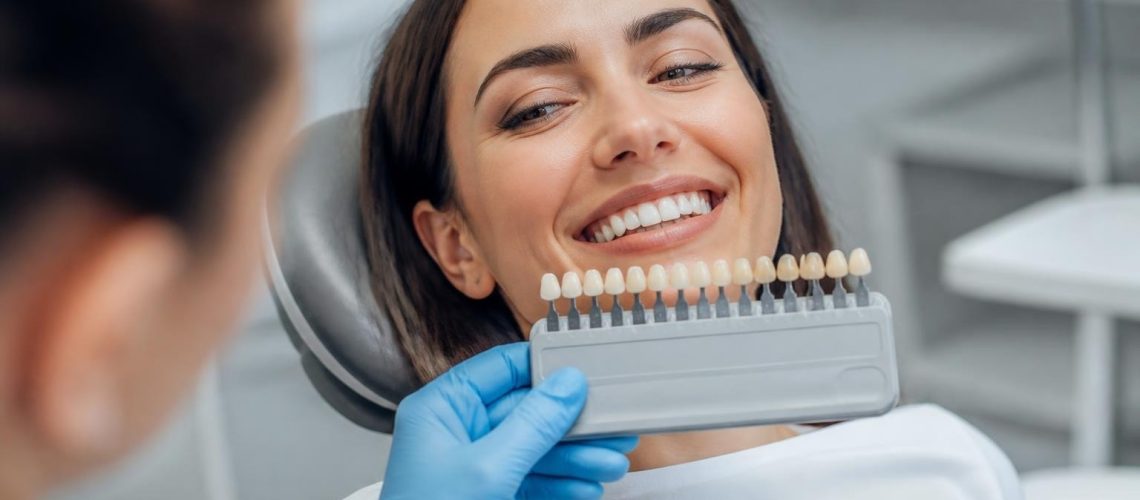
The term "cosmetology dentist" often generates curiosity among patients seeking to enhance their smile and overall appearance. While the correct professional designation is cosmetic dentist, many people search for cosmetology dentist when looking for dental professionals who specialize in aesthetic improvements to teeth and gums. Understanding what these specialists do, the procedures they offer, and how to choose the right provider can help you make informed decisions about your oral health and appearance. Modern cosmetic dentistry combines artistry with advanced dental science to create beautiful, functional smiles that boost confidence and improve quality of life.
Understanding the Role of a Cosmetology Dentist
A cosmetology dentist focuses primarily on improving the aesthetic appearance of teeth, gums, and overall smile while maintaining or restoring proper function. These dental professionals have completed traditional dental education and often pursue additional training in cosmetic procedures and techniques.
The distinction between general dentistry and cosmetic dentistry lies in the emphasis on aesthetic outcomes. While general dentists focus on oral health, disease prevention, and treating dental problems, cosmetology dentists specialize in elective procedures designed to enhance appearance. However, many modern dental practices, including comprehensive providers like Dental Plus Clinic, offer both general and cosmetic services under one roof.
Training and Expertise Requirements
Becoming a skilled cosmetology dentist requires extensive education beyond basic dental school. Practitioners typically pursue continuing education courses, hands-on training programs, and certifications from recognized organizations. The American Academy of Cosmetic Dentistry provides resources and credentialing programs that help dentists refine their cosmetic skills.
Key areas of specialized training include:
- Smile design principles and facial aesthetics
- Advanced restorative techniques for porcelain veneers and crowns
- Teeth whitening systems and color matching
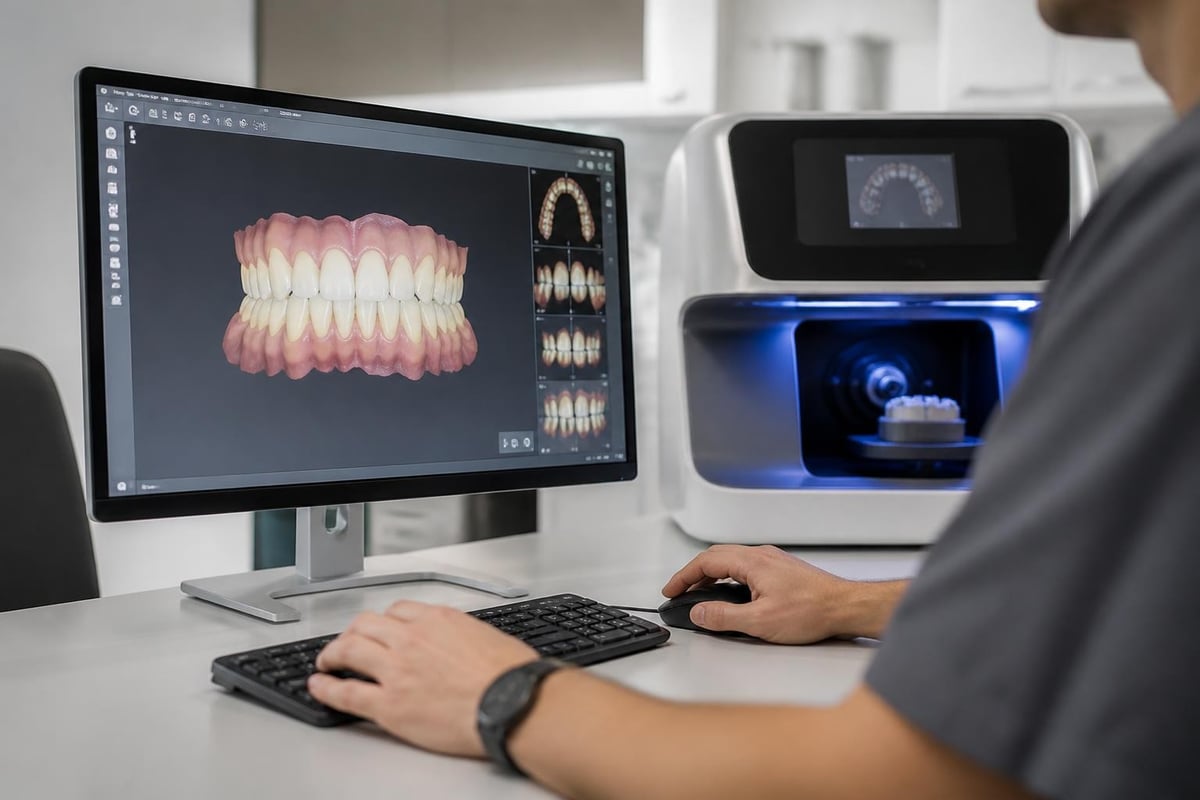
- Digital smile design software and treatment planning
- Minimally invasive preparation methods that preserve tooth structure
The commitment to ongoing education ensures that cosmetology dentists stay current with evolving techniques, materials, and technologies that deliver superior aesthetic results.
Common Procedures Performed by Cosmetology Dentists
Cosmetic dentistry encompasses a wide range of procedures designed to address various aesthetic concerns. Understanding these options helps patients identify which treatments align with their goals and expectations.
Teeth Whitening and Bleaching
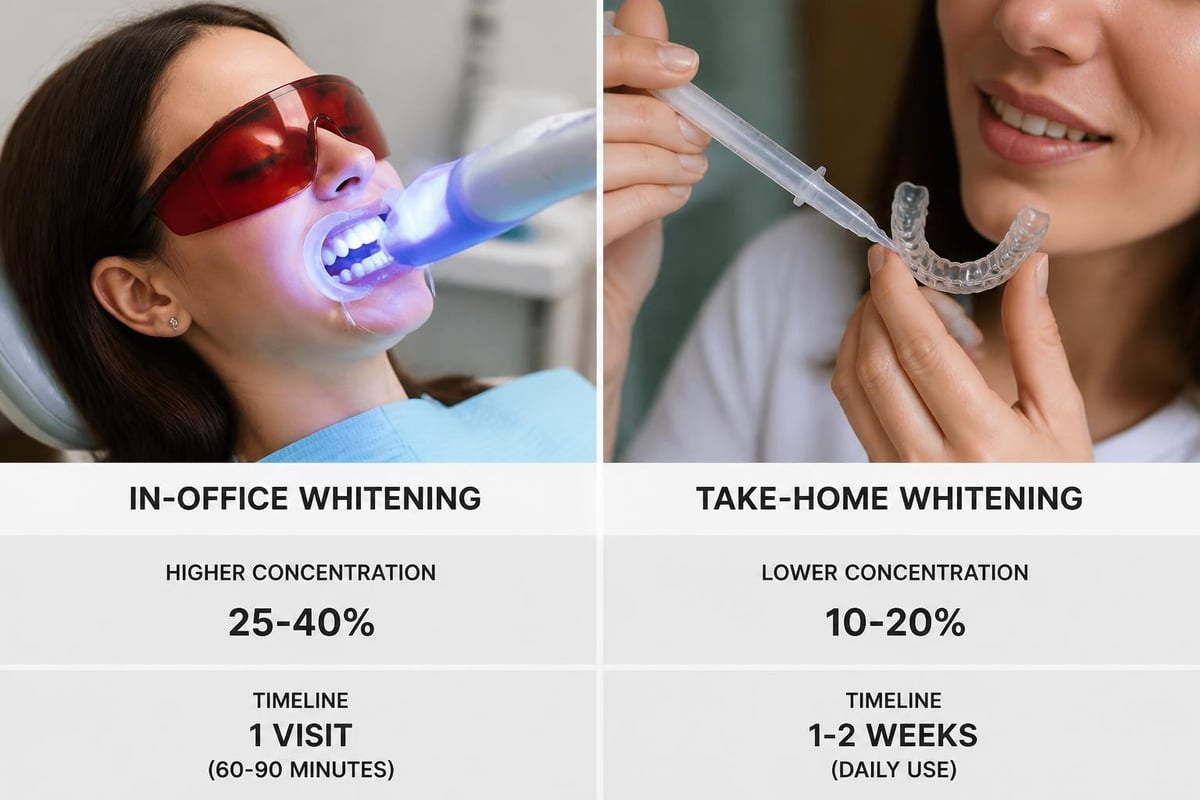
Professional teeth whitening remains one of the most requested cosmetic dental procedures. Unlike over-the-counter products, professional whitening systems administered by a cosmetology dentist deliver predictable, dramatic results while protecting tooth enamel and soft tissues.
In-office whitening typically uses higher concentration bleaching agents activated by specialized lights or lasers. These treatments can lighten teeth by several shades in a single appointment. Take-home professional kits provide custom-fitted trays and professional-grade whitening gel for gradual lightening over several weeks.
Porcelain Veneers and Dental Bonding
Veneers represent one of the most transformative procedures a cosmetology dentist can perform. These thin shells of porcelain or composite resin bond to the front surfaces of teeth, correcting multiple aesthetic issues simultaneously.
| Procedure Type | Durability | Preparation Required | Treatment Time | Best For |
|---|---|---|---|---|
| Porcelain Veneers | 10-15 years | Minimal tooth reduction | 2-3 visits | Comprehensive smile makeovers |
| Composite Veneers | 5-7 years | Minimal to none | 1 visit | Budget-friendly improvements |
| Dental Bonding | 3-5 years | None | 1 visit | Minor chips and gaps |
| Lumineers | 10-15 years | None (no-prep) | 2 visits | Conservative approach |
Veneers can address discoloration, chips, cracks, gaps, minor misalignment, and irregularly shaped teeth. The Journal of Cosmetic Dentistry regularly publishes research on veneer longevity and patient satisfaction rates.
Dental Implants for Aesthetic Restoration
While dental implants serve a functional purpose, they also deliver exceptional cosmetic benefits. A skilled cosmetology dentist ensures that implants not only replace missing teeth but also blend seamlessly with natural teeth in color, shape, and positioning. Modern implant materials and techniques create results that are virtually indistinguishable from natural teeth.
For patients in Texas exploring implant options, understanding dental implant financing options can make this transformative treatment more accessible. Advanced procedures like All-on-4 and All-on-6 provide full-arch restoration for patients with multiple missing teeth.
Orthodontic Solutions and Clear Aligners
Modern orthodontics has evolved beyond traditional metal braces to include aesthetic alternatives that straighten teeth discreetly. Clear aligners have revolutionized orthodontic treatment by offering a virtually invisible solution for correcting misalignment, gaps, and crowding.
A cosmetology dentist trained in clear aligner therapy can address mild to moderate orthodontic issues while maintaining aesthetics throughout treatment. The benefits of clear aligners extend beyond appearance to include improved comfort, easier oral hygiene, and shorter treatment times in many cases.
The Consultation Process with a Cosmetology Dentist
The journey toward your ideal smile begins with a comprehensive consultation. This initial meeting establishes expectations, evaluates your dental health, and creates a customized treatment plan aligned with your goals and budget.
Initial Assessment and Smile Analysis
During the first appointment, your cosmetology dentist will conduct a thorough examination of your teeth, gums, and overall oral health. Digital photography, x-rays, and sometimes 3D imaging capture the current state of your smile from multiple angles.
Advanced practices utilize digital smile design software that allows you to preview potential results before committing to treatment. This technology superimposes proposed changes onto photographs of your face, providing a realistic visualization of your new smile.
The assessment phase also includes:
- Detailed medical and dental history review to identify any contraindications
- Discussion of your aesthetic goals and specific concerns
- Evaluation of facial proportions and how they relate to your smile
- Assessment of tooth color, shape, size, and alignment issues
- Gum health evaluation and potential need for periodontal treatment
Treatment Planning and Cost Considerations
After completing the assessment, your cosmetology dentist will present a comprehensive treatment plan. This plan outlines recommended procedures, sequencing, timeline, and associated costs. Transparency in pricing helps patients make informed decisions without unexpected financial surprises.
Many cosmetic procedures are elective and may not be covered by dental insurance. However, some treatments that restore function alongside aesthetics may qualify for partial coverage. Understanding how dental insurance works for various procedures helps patients plan their investment wisely.
Payment options often include:
- Flexible financing plans with monthly payment options
- In-house membership programs offering discounted rates
- Third-party healthcare financing through providers like CareCredit
- Combination treatment packages that bundle multiple procedures
Choosing the Right Cosmetology Dentist for Your Needs
Selecting a qualified, experienced cosmetology dentist significantly impacts your treatment outcome and overall satisfaction. Several factors should guide your decision-making process beyond convenience and cost alone.
Credentials and Experience Evaluation
Begin by verifying the dentist's educational background, state licensure, and any additional certifications in cosmetic dentistry. Membership in professional organizations like the American Academy of Cosmetic Dentistry indicates commitment to continuing education and adherence to high standards.
Review before-and-after portfolios showcasing the dentist's work. Pay attention to cases similar to your aesthetic concerns. Consistent, high-quality results across multiple patients demonstrate technical skill and artistic vision. When choosing a cosmetic dentist, these visual demonstrations provide valuable insight into their capabilities.
Technology and Facility Standards
Modern cosmetic dentistry relies heavily on advanced technology to deliver precise, predictable results. During your research and initial visit, assess the practice's investment in current equipment and techniques.
Look for facilities that offer:
- Digital imaging and x-rays for accurate diagnosis and reduced radiation exposure
- Intraoral cameras that allow you to see what the dentist sees
- CAD/CAM technology for same-day restorations
- 3D printing capabilities for surgical guides and temporary restorations
- Laser dentistry for minimally invasive soft tissue procedures
The practice environment should also reflect commitment to patient safety through proper sterilization protocols and infection control measures. Understanding sterilization in dentistry helps you evaluate whether a practice maintains appropriate standards.
Patient Reviews and Testimonials
Real patient experiences provide valuable perspectives on what to expect from a cosmetology dentist. Online reviews, video testimonials, and word-of-mouth referrals reveal information about:
- Communication style and patient education approach
- Office atmosphere and staff professionalism
- Pain management and patient comfort measures
- Treatment outcome quality and longevity
- Billing transparency and insurance handling
While occasional negative reviews are normal, patterns of complaints about specific issues warrant careful consideration. Conversely, consistently positive feedback about patient care, results, and overall experience indicates a practice that prioritizes patient satisfaction.
Popular Smile Makeover Combinations
Many patients seeking services from a cosmetology dentist desire comprehensive transformations rather than single-procedure improvements. Smile makeovers combine multiple treatments to address several aesthetic concerns simultaneously.
The Complete Smile Transformation
A full smile makeover typically involves several coordinated procedures performed over weeks or months. The cosmetology dentist carefully sequences treatments to achieve optimal results while minimizing the number of appointments required.
Common smile makeover combinations include:
- Professional teeth whitening as the foundation treatment
- Porcelain veneers on the upper front teeth for uniformity
- Dental bonding to refine lower teeth or fill minor gaps
- Gum contouring to correct a gummy smile or uneven gum line
- Crown lengthening to expose more tooth structure if needed
The British Academy of Cosmetic Dentistry provides extensive information on comprehensive smile makeover approaches and what patients should expect throughout the transformation process.
Addressing Specific Aesthetic Concerns
Different aesthetic concerns require tailored treatment approaches. A skilled cosmetology dentist identifies the underlying causes of appearance issues and selects procedures that deliver lasting improvements.
| Aesthetic Concern | Primary Causes | Recommended Treatments | Expected Timeline |
|---|---|---|---|
| Discolored Teeth | Staining, aging, medications | Professional whitening, veneers | 1-4 weeks |
| Gapped Teeth | Genetics, tooth size discrepancy | Veneers, bonding, orthodontics | 2-12 months |
| Chipped Teeth | Trauma, grinding, decay | Bonding, veneers, crowns | 1-3 visits |
| Gummy Smile | Excessive gum tissue, short teeth | Gum contouring, crown lengthening | 1-2 visits |
| Crooked Teeth | Genetics, childhood habits | Clear aligners, veneers | 6-18 months |
Understanding what a cosmetic dentist can do for various aesthetic concerns helps you set realistic expectations and choose appropriate treatments.
The Science Behind Cosmetic Dental Materials
The success and longevity of cosmetic dental work depend significantly on the materials used. Modern cosmetology dentists have access to advanced materials that deliver superior aesthetics while maintaining strength and durability.
Porcelain and Ceramic Options
Dental porcelain has evolved dramatically over recent decades. Today's porcelain materials mimic natural tooth enamel's translucency, light-reflecting properties, and color variations. Different porcelain formulations serve specific purposes based on strength requirements and aesthetic demands.
Feldspathic porcelain offers exceptional aesthetics with lifelike translucency, making it ideal for veneers on front teeth. However, its relative fragility limits use in high-stress areas. Lithium disilicate and zirconia provide increased strength for crowns and bridges while maintaining good aesthetics.
The material selection process considers:
- Location in the mouth and biting forces involved
- Aesthetic requirements for translucency and color matching
- Opposing tooth material to prevent excessive wear
- Patient habits like grinding or clenching
- Longevity expectations and replacement timeline
Composite Resins and Bonding Agents
Composite resins have advanced significantly in strength, polish retention, and color stability. Modern nano-filled composites resist staining and wear while providing natural-looking results for bonding procedures and composite veneers.
The layering technique used by skilled cosmetology dentists involves applying multiple shades of composite resin to replicate the depth and color variation found in natural teeth. This artistry separates exceptional results from merely adequate ones.
Health Benefits Beyond Aesthetics
While cosmetic dentistry primarily focuses on appearance, many procedures deliver functional and health benefits that extend beyond aesthetics. A qualified cosmetology dentist considers these broader implications when planning treatments.
Improved Oral Function and Bite Alignment
Correcting misaligned teeth through orthodontics or restorations improves chewing efficiency and reduces stress on jaw joints. Properly aligned teeth distribute biting forces evenly, reducing the risk of premature wear, fractures, and temporomandibular joint disorders.
Replacing missing teeth with dental implants or bridges prevents remaining teeth from shifting into empty spaces, which can lead to bite problems and increased cavity risk. Research published in PubMed explores cosmetic dentistry and its role in comprehensive facial aesthetic improvement that includes functional considerations.
Prevention of Future Dental Problems
Some cosmetic procedures actually prevent future dental issues. Crown lengthening to correct a gummy smile may also expose decay near the gum line that would otherwise progress undetected. Straightening crowded teeth through clear aligners makes thorough cleaning easier, reducing cavity and gum disease risk.
Porcelain restorations seal and protect compromised teeth from further damage. When performed correctly by an experienced cosmetology dentist, these treatments can extend the lifespan of natural teeth while improving appearance.
Psychological and Social Advantages
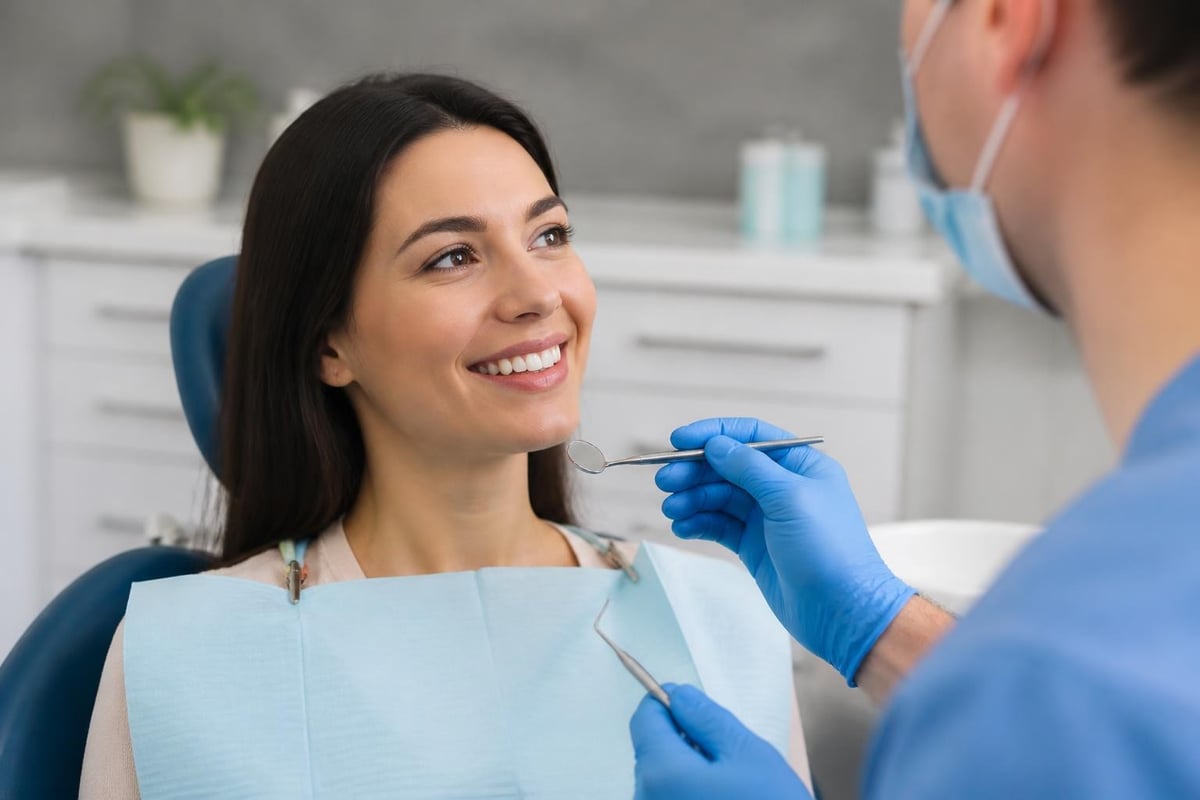
The psychological benefits of cosmetic dental treatment deserve recognition alongside physical improvements. Research consistently demonstrates that people who feel confident about their smiles experience enhanced self-esteem, increased social engagement, and improved professional opportunities.
Studies have shown that an attractive smile influences perceptions of:
- Intelligence and competence
- Trustworthiness and reliability
- Friendliness and approachability
- Success and professionalism
- Overall attractiveness
These perceptions can impact job interviews, romantic relationships, and social interactions. For many patients, the investment in cosmetic dentistry yields returns that extend far beyond the dental chair.
Maintaining Your Cosmetic Dental Work
Achieving a beautiful smile through cosmetic dentistry represents a significant investment of time and resources. Proper maintenance ensures that your results remain vibrant and functional for years to come.
Daily Oral Hygiene Best Practices
The foundation of maintaining cosmetic dental work lies in consistent, thorough oral hygiene. While cosmetic restorations themselves don't decay, the natural tooth structure beneath remains vulnerable to cavities and gum disease.
Essential daily practices include:
- Brushing twice daily with a soft-bristled toothbrush and non-abrasive toothpaste
- Flossing once daily to remove plaque between teeth and restorations
- Using antimicrobial mouthwash to reduce bacteria and freshen breath
- Avoiding excessive force when brushing to prevent gum recession and restoration damage
- Rinsing after consuming staining beverages like coffee, tea, or red wine
Patients often wonder whether to brush or floss first for optimal effectiveness. Your cosmetology dentist can provide personalized recommendations based on your specific restorations and oral health needs.
Professional Maintenance and Follow-Up Care
Regular professional cleanings and examinations help preserve cosmetic dental work while monitoring overall oral health. Most cosmetology dentists recommend professional cleanings every six months, though some patients may benefit from more frequent visits.
During maintenance appointments, your dental hygienist will:
- Carefully clean around and beneath restorations
- Polish cosmetic work to maintain shine and luster
- Check for signs of wear, damage, or loosening
- Screen for new decay or gum disease
- Provide guidance on home care improvements
Professional maintenance also includes periodic adjustments or refinishing of composite bonding to address minor chips or discoloration. Porcelain restorations may occasionally require re-cementation if the bond weakens over time.
Lifestyle Modifications for Longevity
Certain habits and behaviors can compromise cosmetic dental work prematurely. A conscientious cosmetology dentist will counsel patients on lifestyle modifications that protect their investment.
Habits to avoid or modify include:
- Using teeth as tools to open packages or bottles
- Chewing ice, hard candy, or other extremely hard foods that can fracture restorations
- Nail biting or pen chewing that places abnormal stress on front teeth
- Smoking or tobacco use that stains teeth and compromises gum health
- Grinding or clenching teeth without protective measures
For patients who grind their teeth at night, a custom nightguard protects both natural teeth and cosmetic restorations from excessive wear. Understanding dental night guard insurance coverage can make this protective device more affordable.
Cost Considerations and Payment Options
Understanding the financial aspects of cosmetic dentistry helps patients plan their smile transformation realistically. Costs vary significantly based on procedure complexity, materials used, geographic location, and practitioner expertise.
Typical Price Ranges for Common Procedures
While exact costs depend on individual circumstances, general price ranges provide a starting point for financial planning. These estimates reflect typical costs in 2026 for quality cosmetic dental work.
- Professional teeth whitening: $300-$800 for in-office treatment
- Dental bonding: $200-$600 per tooth
- Composite veneers: $400-$1,500 per tooth
- Porcelain veneers: $1,000-$2,500 per tooth
- Dental crowns: $1,000-$3,000 per crown
- Dental implants: $3,000-$6,000 per implant with crown
- Clear aligner treatment: $3,000-$8,000 for full treatment
Premium materials, advanced technologies, and highly experienced cosmetology dentists typically command higher fees. However, superior results and longevity often justify the additional investment.
Insurance Coverage and Alternative Financing
Most dental insurance plans categorize cosmetic procedures as elective, providing limited or no coverage. However, procedures that restore function alongside aesthetics may qualify for partial reimbursement. For example, crowns placed to repair broken teeth often receive coverage even when using aesthetic materials.
For procedures not covered by insurance, many practices offer financing solutions. In-house payment plans allow patients to spread costs over several months without interest charges. Third-party healthcare financing companies provide longer-term loans with varying interest rates based on creditworthiness.
When dental insurance is denied, understanding your options and potential appeals process can sometimes reverse unfavorable decisions. Additionally, exploring ways to reduce dental care costs through preventive measures and strategic treatment timing provides financial relief.
Regional Considerations for Texas Residents
Patients seeking cosmetic dental services in Texas benefit from access to numerous qualified providers across the state. Understanding regional factors helps residents make informed decisions about where to receive treatment.
Accessibility Across Multiple Locations
For comprehensive cosmetic and general dental services, practices with multiple locations offer convenience and consistency. Texas residents can access quality care at various Dental Plus Clinic locations throughout the state, including established offices in growing communities.
The availability of services across different cities means patients can:
- Choose locations convenient to work or home
- Access emergency care when traveling within the service area
- Coordinate care among family members at different locations
- Receive consistent treatment protocols regardless of office visited
Specific locations like Seguin, New Braunfels, Leander, Beeville, and Converse serve their communities with comprehensive dental services tailored to local patient needs.
Emerging Trends in Cosmetic Dentistry
The field of cosmetic dentistry continues evolving with technological advances and changing patient preferences. Staying informed about emerging trends helps patients understand available options when consulting with a cosmetology dentist.
Digital Workflow Integration
Digital dentistry has transformed how cosmetology dentists plan and execute treatments. Digital impressions replace messy traditional molds, providing greater accuracy and patient comfort. CAD/CAM technology allows dentists to design and mill restorations in-house, often delivering final results in a single appointment.
Digital smile design software creates virtual treatment simulations that patients can approve before any irreversible procedures begin. This technology enhances communication between patient and dentist while ensuring alignment of expectations with achievable outcomes.
Minimally Invasive Techniques
Modern cosmetic dentistry increasingly emphasizes conservative approaches that preserve maximum natural tooth structure. No-prep or minimal-prep veneers require little to no tooth reduction, making the process more reversible and less invasive than traditional methods.
Advances in adhesive dentistry enable bonding to enamel and dentin with unprecedented strength, allowing for thinner restorations that maintain durability. This conservative philosophy aligns with the broader healthcare trend toward minimally invasive interventions whenever possible.
Biocompatible and Sustainable Materials
Growing awareness of environmental impact and biocompatibility drives development of new dental materials. Metal-free restorations eliminate concerns about mercury in amalgam fillings or potential allergic reactions to metal alloys. Ceramic and composite materials provide excellent aesthetics while being biologically inert.
Some forward-thinking practices also consider sustainability in material selection, choosing products from manufacturers with environmentally responsible practices. This holistic approach resonates with patients who value both personal health and environmental stewardship.
Special Considerations for Different Age Groups
Cosmetic dentistry serves patients across all life stages, though considerations and popular procedures vary by age group. A skilled cosmetology dentist tailors treatment recommendations to align with age-appropriate goals and dental health status.
Cosmetic Dentistry for Young Adults
Young adults often seek cosmetic dental treatment to correct issues that affect confidence during formative career and relationship years. Common concerns include tooth discoloration, minor misalignment, gaps, and damage from sports or accidents.
Clear aligner therapy proves particularly popular among young professionals who want to straighten teeth discreetly without the appearance concerns associated with traditional braces. Teeth whitening and bonding address staining and minor imperfections quickly and affordably.
For young adults missing teeth due to congenital absence or trauma, dental implants provide a permanent solution that preserves jawbone health and prevents adjacent teeth from shifting. Understanding whether dental implants are noticeable helps patients feel confident about this restorative option.
Middle-Aged Patient Considerations
Middle-aged patients frequently pursue cosmetic dentistry to refresh their appearance and address accumulated wear from decades of use. Teeth naturally darken with age, enamel wears thin, and old dental work may require replacement.
Comprehensive smile makeovers that combine multiple procedures deliver dramatic rejuvenation. Porcelain veneers can simultaneously address discoloration, minor chips, slight misalignment, and worn edges. Combined with gum recontouring when needed, these treatments can subtract years from one's appearance.
Research exploring cosmetic dentistry and youthful appearance demonstrates the significant role dental aesthetics play in overall facial appearance and perceived age.
Senior Cosmetic Dental Options
Older adults increasingly seek cosmetic dental services to maintain active, engaged lifestyles. Modern seniors reject the notion that missing or damaged teeth are inevitable consequences of aging. Advanced restorative options allow seniors to enjoy full function and attractive smiles well into their later years.
Full-arch restoration with implant-supported dentures provides stability and confidence that traditional dentures cannot match. These solutions eliminate embarrassing slippage, dietary restrictions, and ongoing adhesive use while delivering natural-looking results.
Seniors considering extensive cosmetic work should work closely with their cosmetology dentist to ensure that underlying health conditions and medications don't contraindicate certain procedures. Most treatments proceed safely with appropriate medical clearances and modifications.
Addressing Common Concerns and Misconceptions
Patients considering cosmetic dental treatment often harbor concerns or misconceptions that delay their decision-making. Addressing these issues transparently helps individuals move forward confidently with appropriate treatments.
Pain and Discomfort During Procedures
Modern pain management techniques make most cosmetic dental procedures comfortable or entirely painless. Local anesthetics effectively numb treatment areas, while sedation dentistry options provide additional relaxation for anxious patients.
Many cosmetic procedures involve minimal or no discomfort. Teeth whitening may cause temporary sensitivity but rarely produces pain. Bonding procedures often require no anesthetic since they don't involve significant tooth preparation. Even more involved treatments like veneer placement proceed comfortably with appropriate anesthesia.
Understanding how to help with tooth pain also empowers patients to manage any minor post-procedure sensitivity effectively.
Durability and Longevity Questions
Patients sometimes worry that cosmetic dental work won't last or will require frequent replacement. While cosmetic restorations don't last forever, quality work performed by a skilled cosmetology dentist and properly maintained can serve patients for many years.
Porcelain veneers typically last 10-15 years or longer with proper care. Dental implants can last a lifetime with good oral hygiene and regular professional maintenance. Even composite bonding, which has a shorter lifespan, can be easily refreshed or replaced when needed.
The American Cosmetic Association discusses cosmetic dentistry procedures and their expected outcomes, including realistic longevity expectations for various treatments.
Natural Appearance Concerns
Some patients fear that cosmetic dental work will look artificial or overly perfect. This concern stems from outdated techniques that produced uniformly white, oversized teeth lacking natural character.
Contemporary cosmetic dentistry embraces subtle enhancements that complement individual facial features and age appropriately. Skilled cosmetology dentists create results that look naturally beautiful rather than obviously artificial. They consider factors like:
- Facial proportions and symmetry
- Skin tone and coloring
- Lip shape and fullness
- Age-appropriate characteristics
- Personal preferences and lifestyle
Communication during the treatment planning phase ensures alignment between patient expectations and final results. Requesting to see before-and-after portfolios of actual patients helps gauge whether a dentist's aesthetic sensibility matches your preferences.
Ethical Considerations in Cosmetic Dentistry
The elective nature of cosmetic dentistry raises important ethical considerations that responsible practitioners navigate carefully. Patients benefit from understanding these issues when selecting a cosmetology dentist and making treatment decisions.
Informed Consent and Realistic Expectations
Ethical cosmetic dentistry requires thorough informed consent that ensures patients understand procedures, risks, benefits, alternatives, and expected outcomes. A joint statement by UK specialist dental societies published in the British Dental Journal discusses risks and benefits associated with cosmetic dentistry and the importance of proper patient education.
Responsible practitioners set realistic expectations rather than making exaggerated promises. They acknowledge limitations of various procedures and decline to perform treatments unlikely to achieve patient goals. This honesty may cost short-term revenue but builds long-term trust and satisfaction.
Balancing Aesthetics with Oral Health
Ethical dilemmas arise when patients request cosmetic procedures that may compromise long-term oral health. For example, aggressive tooth reduction for veneers or crowns removes healthy tooth structure that can never be replaced.
Conscientious cosmetology dentists prioritize conservative approaches that preserve natural tooth structure whenever possible. They educate patients about the irreversible nature of certain procedures and ensure that aesthetic improvements don't come at the expense of long-term dental health.
Understanding what a cosmetology dentist offers empowers you to make informed decisions about enhancing your smile while maintaining optimal oral health. The combination of advanced techniques, quality materials, and artistic vision delivers results that boost confidence and improve quality of life. If you're ready to explore how cosmetic dentistry can transform your smile, Dental Plus Clinic provides comprehensive services tailored to your unique needs across multiple convenient Texas locations. Contact our experienced team today to schedule your personalized consultation and take the first step toward the smile you've always wanted.