
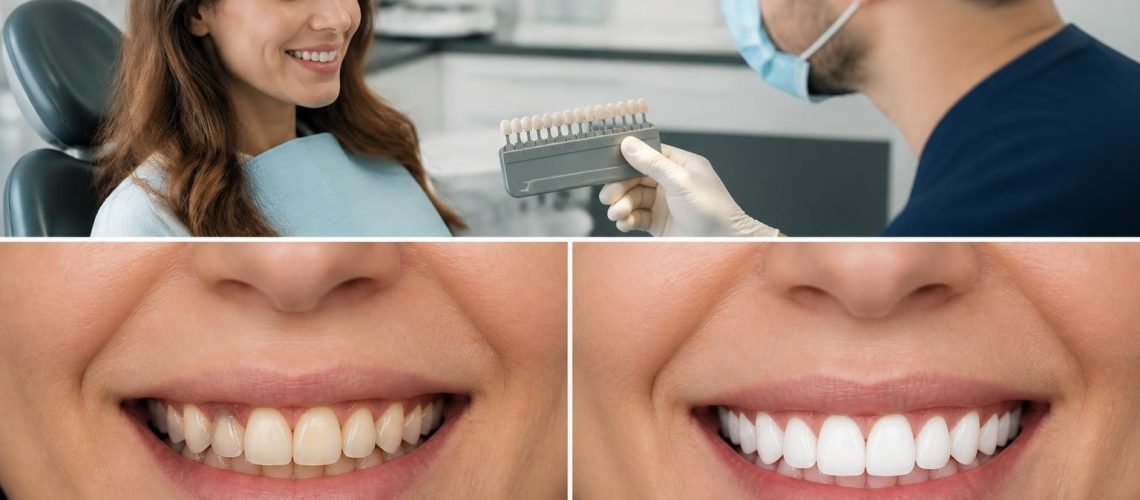
The desire for a perfect smile has driven countless individuals to explore modern dental solutions that deliver both aesthetic beauty and functional improvement. Among the most popular cosmetic dental treatments available today, cosmetic teeth veneers have emerged as a transformative option for patients seeking to enhance their smile's appearance. These thin shells of medical-grade materials bond to the front surface of teeth, correcting imperfections while maintaining a natural appearance. Understanding the complexities, benefits, and considerations of veneers empowers patients to make informed decisions about their oral health and aesthetic goals.
Understanding What Cosmetic Teeth Veneers Are
Cosmetic teeth veneers represent a sophisticated dental solution designed to address various aesthetic concerns affecting tooth appearance. These custom-made shells, typically measuring between 0.5 to 0.7 millimeters in thickness, adhere permanently to the front surface of teeth to create a uniform, attractive smile.
The primary purpose of veneers extends beyond simple cosmetic enhancement. They serve multiple functions including:
- Concealing permanent tooth discoloration that whitening cannot address
- Repairing chipped or worn tooth enamel
- Correcting minor alignment issues without orthodontic treatment
- Closing gaps between teeth
- Reshaping irregular or uneven teeth
The Science Behind Veneer Materials
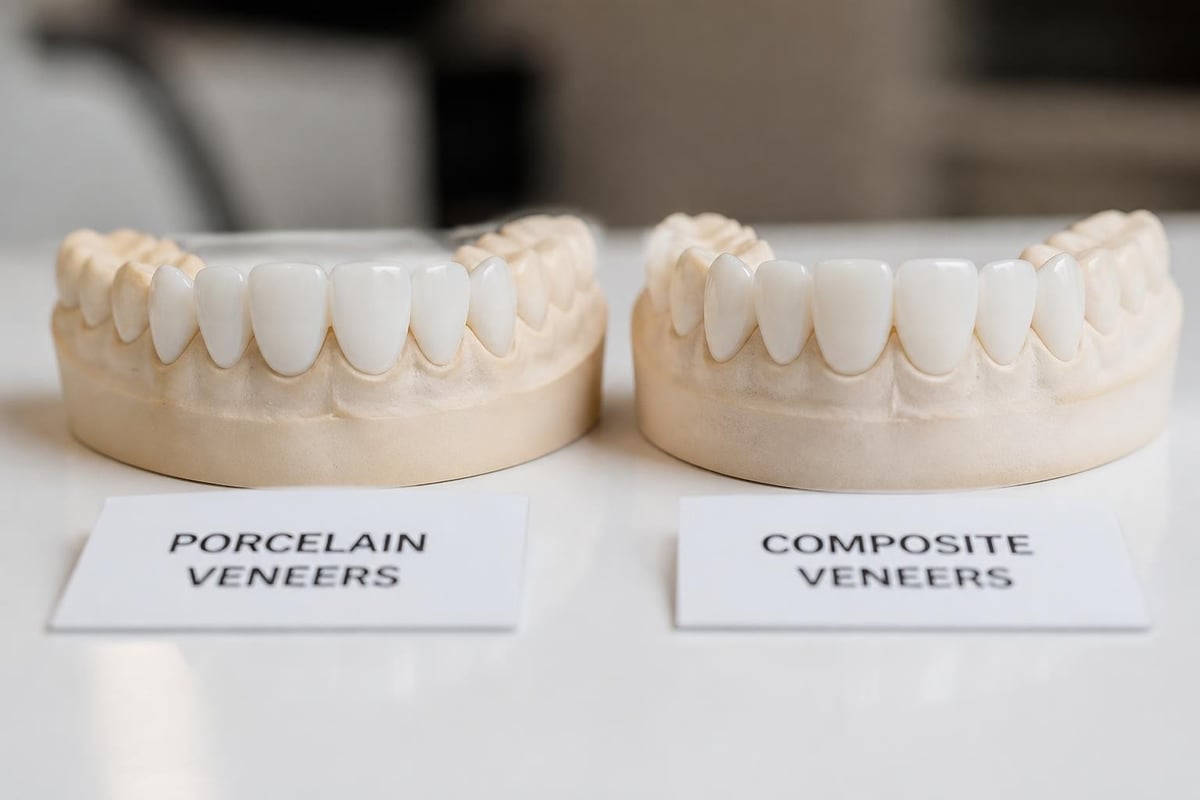
Modern dentistry offers two primary materials for cosmetic teeth veneers: porcelain and composite resin. Each material presents distinct advantages depending on patient needs, budget considerations, and desired outcomes.
Porcelain veneers stand as the premium option, engineered to mimic natural tooth enamel's light-reflecting properties. The material resists staining exceptionally well and maintains its luster for 10 to 15 years with proper care. Manufacturing these veneers requires specialized dental laboratories, contributing to their higher cost but ensuring superior quality.
Composite resin veneers offer an affordable alternative that can be applied directly to teeth in a single visit. While they may not match porcelain's longevity or stain resistance, composite veneers provide excellent results for patients seeking cost-effective solutions. The cosmetic dental treatment options available at experienced clinics ensure patients receive appropriate guidance on material selection.
The Complete Veneer Procedure Timeline
Receiving cosmetic teeth veneers involves several carefully orchestrated steps that ensure optimal results and patient satisfaction. The entire process typically spans two to three appointments, though timeline variations occur based on individual circumstances.
Initial Consultation and Assessment
The journey begins with a comprehensive examination where dental professionals evaluate oral health status, discuss aesthetic goals, and determine veneer candidacy. This crucial phase involves:
- Digital imaging and smile analysis to preview potential results
- Tooth health evaluation to identify underlying issues requiring treatment
- Color matching and shade selection for natural-looking results
- Treatment planning including timeline and cost breakdown
Patients must have healthy gums and sufficient tooth enamel to support veneers. Those with severe decay, gum disease, or significant enamel loss may need preliminary treatments before veneer placement.
Tooth Preparation Phase
During the second appointment, dentists prepare teeth by removing a thin layer of enamel, approximately equal to the veneer thickness. This irreversible step ensures veneers sit flush with surrounding teeth and appear natural. According to guidance from Cleveland Clinic, professional tooth preparation differs dramatically from dangerous DIY attempts that can cause permanent damage.
The preparation process follows these steps:
- Application of local anesthesia for patient comfort
- Precise enamel removal using specialized dental instruments
- Creation of tooth impressions or digital scans
- Placement of temporary veneers to protect prepared teeth
- Sending impressions to dental laboratories for custom veneer fabrication
| Procedure Phase | Duration | Key Activities |
|---|---|---|
| Consultation | 60-90 minutes | Examination, imaging, planning |
| Tooth Preparation | 1-2 hours | Enamel removal, impressions, temporaries |
| Final Placement | 1-2 hours | Bonding, adjustments, polishing |
Final Veneer Placement
The concluding appointment transforms prepared teeth with permanent veneers. Dentists verify proper fit, make necessary adjustments, and ensure patient satisfaction before permanent bonding. The placement process involves:
- Cleaning and etching tooth surfaces to enhance bonding
- Applying special cement to veneers
- Positioning veneers precisely on teeth
- Using ultraviolet light to harden bonding cement
- Removing excess cement and polishing
Patients leave with immediate smile transformation, though minor sensitivity may persist for several days as teeth adjust to veneers.
Types of Cosmetic Teeth Veneers Available in 2026
The veneer industry has evolved significantly, offering patients multiple options tailored to specific needs and preferences. Understanding these variations helps patients select the most appropriate treatment.
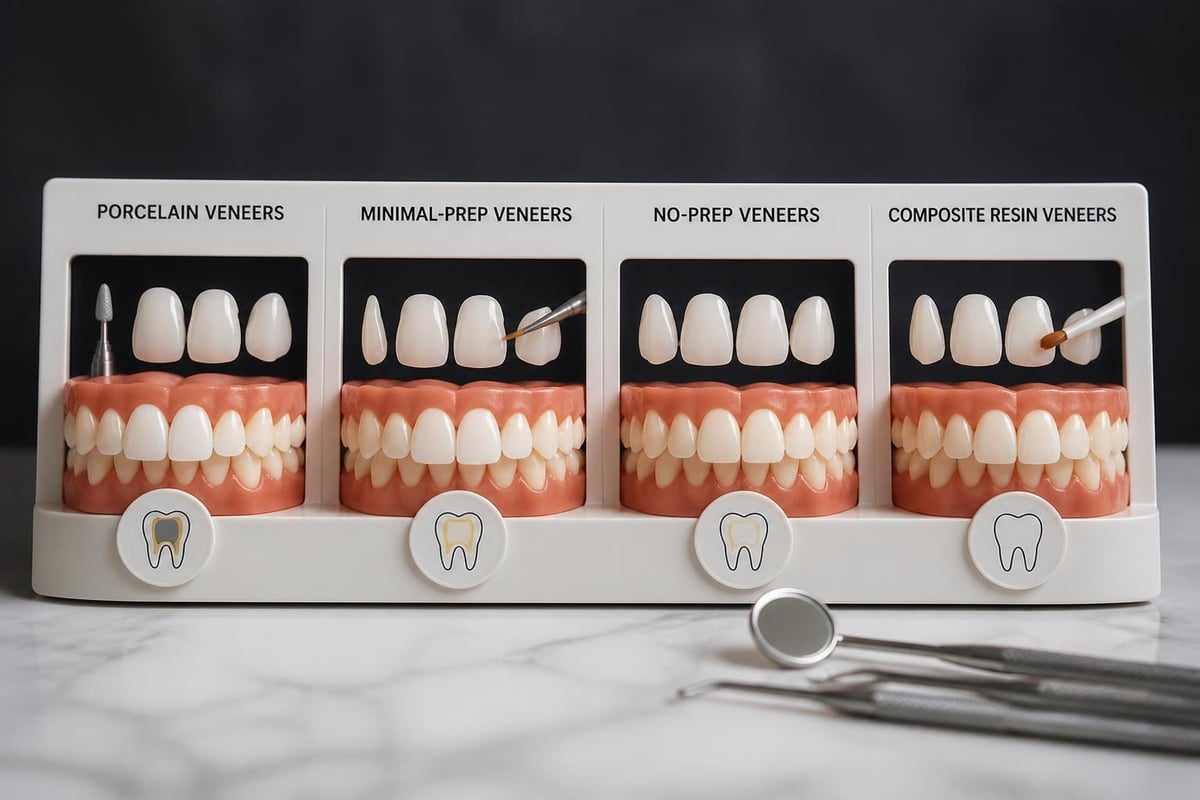
Traditional Porcelain Veneers
These remain the gold standard for cosmetic teeth veneers, celebrated for their durability and lifelike appearance. High-quality porcelain reflects light similarly to natural enamel, creating seamless integration with existing teeth. The material's non-porous surface resists coffee, wine, and tobacco stains that typically discolor natural teeth.
Minimal-Prep and No-Prep Veneers
Recent innovations have introduced veneer options requiring minimal or no enamel removal. Brands like Lumineers fall into this category, appealing to patients hesitant about permanent tooth alteration. While these ultra-thin veneers offer conservative treatment, they may appear bulkier than traditional veneers and suit only specific cases.
Composite Veneers
Direct composite veneers represent the most budget-friendly option, applied chairside without laboratory involvement. Dentists sculpt tooth-colored resin directly onto teeth, shaping and polishing to desired specifications. Though less expensive and faster to complete, composite veneers typically last 5 to 7 years compared to porcelain's extended lifespan.
Benefits That Make Cosmetic Teeth Veneers Worthwhile
The popularity of cosmetic teeth veneers stems from numerous advantages that extend beyond surface-level aesthetics. Patients choosing veneers invest in both appearance enhancement and functional improvements.
Immediate and Dramatic Results
Unlike orthodontic treatments requiring months or years, veneers deliver instant smile transformation. A single set of veneers addresses multiple concerns simultaneously, correcting color, shape, size, and alignment in just weeks from initial consultation to final placement.
Natural Appearance and Customization
Modern cosmetic teeth veneers achieve remarkably natural results through precise color matching and custom shaping. Dental professionals consider factors including:
- Facial structure and proportions
- Skin tone and coloring
- Existing tooth characteristics
- Patient preferences and lifestyle
The cosmetic dentistry specialists at leading clinics ensure veneers complement individual features rather than creating an artificial, overly perfect appearance.
Long-Term Durability
Quality veneers represent a lasting investment in smile aesthetics. Porcelain veneers routinely exceed 10-year lifespans with proper maintenance, and many patients enjoy 15 to 20 years before replacement becomes necessary. This longevity makes veneers cost-effective compared to repeated whitening treatments or other temporary solutions.
Stain Resistance and Easy Maintenance
Unlike natural tooth enamel that absorbs staining compounds, porcelain veneers resist discoloration from common culprits like coffee, red wine, and berries. Daily maintenance involves standard brushing and flossing, eliminating the need for special care routines. Delta Dental’s guide on veneers emphasizes this low-maintenance aspect as a significant patient benefit.
Boosted Confidence and Quality of Life
The psychological impact of an improved smile extends far beyond aesthetics. Patients report increased confidence in professional settings, enhanced social interactions, and greater willingness to smile freely. These emotional benefits often prove as valuable as the physical transformation itself.
Cost Considerations and Financial Planning
Understanding the financial investment required for cosmetic teeth veneers helps patients budget appropriately and explore available options. Costs vary significantly based on multiple factors.
Price Ranges by Veneer Type
The veneer material selection dramatically influences total treatment cost. Current market rates in Texas reflect the following approximate ranges per tooth:
- Porcelain veneers: $1,000 to $2,500 per tooth
- Composite veneers: $250 to $1,500 per tooth
- No-prep veneers: $800 to $2,000 per tooth
Most patients receive veneers on 6 to 10 teeth for complete smile transformation, bringing total costs between $6,000 and $25,000 depending on material and tooth count.
Factors Affecting Veneer Pricing
Several variables influence final treatment costs beyond material selection:
- Geographic location and local market rates
- Dentist experience and specialization level
- Dental laboratory quality and location
- Complexity of individual cases
- Preliminary treatments required
Patients at Dental Plus Clinic locations across Texas receive transparent pricing information during initial consultations, ensuring no unexpected costs arise.
| Cost Factor | Impact on Price | Considerations |
|---|---|---|
| Material Type | High | Porcelain costs 2-4x more than composite |
| Number of Teeth | Very High | Most patients need 6-10 veneers |
| Geographic Location | Moderate | Urban areas typically charge more |
| Dentist Expertise | Moderate | Specialists may charge premium rates |
| Lab Quality | Moderate | Premium labs ensure better results |
Insurance Coverage and Payment Options
Cosmetic teeth veneers typically fall outside standard dental insurance coverage since insurers classify them as elective cosmetic procedures. However, exceptions exist when veneers address functional issues like severe tooth damage or structural problems affecting oral health.
Patients should explore multiple financing avenues:
- Dental insurance partial coverage for medically necessary cases
- Health savings accounts (HSAs) or flexible spending accounts (FSAs)
- Payment plans offered directly by dental practices
- Healthcare credit cards with promotional financing
- Personal loans from banks or credit unions
Many clinics, including facilities in New Braunfels and Leander, offer flexible payment arrangements making veneers accessible to more patients.
Candidacy Requirements and Limitations
Not everyone qualifies as an ideal candidate for cosmetic teeth veneers. Understanding eligibility criteria prevents disappointment and ensures optimal treatment outcomes.
Ideal Candidate Characteristics
The best veneer candidates share several common traits:
- Healthy gums free from periodontal disease
- Sufficient tooth enamel to support bonding
- Good oral hygiene habits and commitment to maintenance
- Realistic expectations about treatment outcomes
- Stable bite alignment without severe malocclusion
Patients experiencing active tooth decay, severe gum disease, or insufficient enamel require alternative treatments or preliminary procedures before veneer placement becomes viable.
Situations Where Veneers May Not Work
Certain conditions make cosmetic teeth veneers inappropriate or risky. These include:
- Severe teeth grinding (bruxism) that could crack veneers
- Significant tooth misalignment requiring orthodontic correction
- Insufficient healthy tooth structure remaining
- Active oral infections or untreated decay
- Unrealistic expectations about achievable results
Dentists thoroughly evaluate these factors during initial consultations, sometimes recommending alternatives like crowns, bonding, or orthodontic treatment.
Age Considerations
While no strict age limits apply to veneers, dentists typically avoid placing them on adolescents whose teeth and jaws continue developing. Most professionals recommend waiting until at least age 18, preferably into the early twenties, ensuring permanent teeth have fully matured.
Older adults make excellent candidates provided they maintain good oral health and sufficient bone density. The Healthline article on dental veneers provides additional perspective on candidacy across different age groups.
Potential Risks and Considerations
Despite their numerous benefits, cosmetic teeth veneers involve certain risks and limitations that patients must understand before proceeding with treatment.
Tooth Sensitivity Issues
Many patients experience temporary increased sensitivity to hot and cold temperatures following veneer placement. This occurs because enamel removal exposes inner tooth layers containing nerve endings. Sensitivity typically subsides within several weeks but may persist longer in some individuals.
Irreversible Nature of Treatment
The enamel removal required for traditional veneers creates permanent tooth alteration. Once removed, enamel never regenerates, meaning teeth will always require coverage through veneers or alternative restorations. This permanence demands careful consideration before committing to treatment.
Risk of Veneer Damage
While durable, veneers can chip, crack, or dislodge under certain circumstances:
- Biting extremely hard foods or objects
- Using teeth as tools to open packages
- Facial trauma from accidents or sports injuries
- Teeth grinding during sleep without protective guards
Damaged veneers require professional repair or replacement, potentially incurring additional costs.
Color Matching Challenges
Veneers maintain their original shade permanently, while natural teeth may darken or lighten over time. This can create color mismatches requiring veneer replacement to maintain uniform appearance. Patients should discuss long-term color considerations during planning phases.
The Veneer Regret Phenomenon
Recent reports, including coverage by Marie Claire on veneer regret, highlight increasing numbers of patients experiencing dissatisfaction after receiving veneers. Common regret factors include:
- Overly white, artificial-looking results
- Permanent alteration of healthy teeth
- Unexpected maintenance requirements
- Higher costs than initially anticipated
- Sensitivity that never fully resolves
Thorough research, realistic expectations, and selection of experienced dental professionals minimize regret risks significantly.

Maintenance and Long-Term Care Requirements
Maximizing veneer lifespan requires consistent care and attention to proper maintenance practices. While veneers resist staining and decay better than natural teeth, they still demand regular attention.
Daily Hygiene Practices
Maintaining cosmetic teeth veneers involves straightforward routines similar to natural tooth care:
- Brush twice daily using non-abrasive toothpaste
- Floss once daily to remove plaque between teeth
- Use alcohol-free mouthwash to protect bonding cement
- Avoid excessive force when brushing veneer surfaces
Patients should choose soft-bristled toothbrushes and gentle brushing techniques to prevent veneer scratching or premature wear.
Foods and Habits to Avoid
Certain substances and behaviors threaten veneer integrity and longevity. Patients should minimize or eliminate:
- Extremely hard foods like ice, hard candy, and nutshells
- Staining beverages particularly for composite veneers
- Tobacco products that discolor both veneers and natural teeth
- Nail biting and pen chewing that apply excessive force
- Using teeth as tools to open packages or bottles
Professional Dental Visits
Regular checkups remain essential for veneer maintenance. Dentists monitor veneer condition, check bonding integrity, and address emerging issues before they escalate. Most professionals recommend visits every six months for:
- Professional cleaning to remove accumulated plaque
- Veneer inspection for chips, cracks, or loosening
- Bite adjustment if alignment shifts
- Oral health evaluation ensuring supporting teeth and gums remain healthy
Protective Measures for Active Lifestyles
Patients engaging in contact sports or experiencing nighttime teeth grinding need additional protection. Custom-fitted mouthguards prevent veneer damage during athletic activities, while night guards protect against bruxism-related fractures.
Comparing Veneers to Alternative Treatments
Understanding how cosmetic teeth veneers compare to other dental solutions helps patients select the most appropriate treatment for their specific needs and circumstances.
Veneers Versus Teeth Whitening
Professional whitening treatments address tooth discoloration but cannot correct shape, size, or alignment issues. Whitening costs significantly less than veneers but requires periodic touch-ups to maintain results. Patients seeking comprehensive smile transformation typically find veneers more effective despite higher costs.
| Treatment Aspect | Veneers | Whitening |
|---|---|---|
| Cost per tooth | $250-$2,500 | $300-$1,000 (full mouth) |
| Longevity | 5-20 years | 1-3 years |
| Issues addressed | Multiple concerns | Color only |
| Maintenance | Low | Moderate (repeat treatments) |
| Invasiveness | Moderate (enamel removal) | Minimal |
Veneers Versus Dental Crowns
Crowns encase entire teeth, providing superior protection for severely damaged or weakened teeth. Veneers cover only front surfaces, requiring less tooth reduction but offering less structural support. Crowns suit teeth with extensive decay or large fillings, while veneers excel for primarily cosmetic enhancement.
Veneers Versus Bonding
Dental bonding applies composite resin directly to teeth, similar to composite veneers but requiring no tooth preparation. Bonding costs less and completes in single visits but lasts only 3 to 10 years and stains more readily than porcelain veneers. Patients seeking minor corrections may find bonding sufficient, while those desiring dramatic, lasting transformation typically choose veneers.
Veneers Versus Orthodontics
Orthodontic treatments like braces or clear aligners physically move teeth into proper positions, addressing underlying alignment issues. Veneers create the appearance of straight teeth without actually moving them. Some patients combine both approaches, using orthodontics first to establish proper alignment, then enhancing results with veneers.
For patients exploring less invasive alignment options, clear aligners offer specific benefits worth considering before committing to veneers.
The Importance of Choosing Qualified Providers
Selecting the right dental professional significantly impacts veneer treatment success, longevity, and patient satisfaction. The rise of unlicensed practitioners offering cut-rate veneers on social media platforms has created serious patient safety concerns.
Credentials and Training Matter
Board-certified cosmetic dentists undergo extensive training beyond standard dental school, developing specialized skills in aesthetic procedures. Patients should verify:
- Valid state dental licenses
- Continuing education in cosmetic dentistry
- Membership in professional organizations like the American Academy of Cosmetic Dentistry
- Before-and-after portfolios demonstrating experience
- Patient testimonials and reviews
The Associated Press has reported on dangers of unlicensed veneer providers, emphasizing risks including permanent tooth damage, infections, and irreversible complications from improper treatment.
Technology and Technique Advantages
Advanced dental practices employ cutting-edge technology enhancing precision, comfort, and results:
- Digital smile design software previewing outcomes
- Intraoral scanners eliminating uncomfortable impression materials
- CAD/CAM systems enabling same-day veneer fabrication
- Dental microscopes ensuring accurate veneer placement
Red Flags to Watch For
Patients should exercise caution when encountering:
- Extremely low prices suggesting substandard materials or inexperienced providers
- Aggressive sales tactics pressuring immediate decisions
- Lack of consultation or cursory examinations
- Promises of impossibly perfect results without realistic expectations discussion
- No physical office location or unwillingness to provide credentials
Recovery and Adjustment Period
Understanding what to expect during the initial days and weeks following veneer placement helps patients navigate the adjustment period successfully.
Immediate Post-Procedure Experience
Most patients experience minimal discomfort after cosmetic teeth veneers placement. Common immediate effects include:
- Slight sensitivity when consuming hot or cold foods
- Awareness of veneers' presence due to unfamiliar feel
- Minor gum tenderness around treated teeth
- Temporary speech adjustment as tongue adapts
These sensations typically resolve within one to two weeks as patients acclimate to their new veneers.
First Week Guidelines
During the initial recovery period, dentists recommend:
- Eating soft foods to avoid excessive pressure on new veneers
- Avoiding extremely hot or cold beverages if sensitivity persists
- Maintaining gentle but thorough oral hygiene
- Scheduling follow-up appointments to address any concerns
Patients should contact their dental provider immediately if experiencing severe pain, veneer loosening, or other unexpected symptoms.
Long-Term Adjustment Considerations
Beyond initial physical adaptation, patients undergo psychological adjustment to their transformed appearance. Some individuals feel self-conscious about dramatic smile changes, requiring time to embrace their new look confidently. This adjustment represents a normal part of the veneer experience.
Special Considerations for Texas Residents
Patients seeking cosmetic teeth veneers in Texas benefit from numerous qualified providers and varied pricing options across different regions. Understanding local market characteristics helps patients make informed decisions.
Regional Cost Variations
Texas's diverse metropolitan and rural areas create significant price differences. Urban centers like Austin and San Antonio typically charge premium rates compared to smaller communities. However, quality care exists across all regions, with experienced providers in cities like Beeville and Converse offering competitive pricing without sacrificing expertise.
Accessibility and Convenience
Texas residents enjoy access to numerous dental practices offering comprehensive cosmetic services. Patients should consider:
- Proximity to home or work for convenient appointments
- Office hours accommodating personal schedules
- Emergency availability for unexpected veneer issues
- Multiple locations offering consistent care
Climate Considerations
Texas's hot climate may slightly affect post-procedure comfort, as cold beverages consumed to combat heat could trigger temporary sensitivity. However, this represents a minor consideration that resolves as sensitivity diminishes.
Making the Final Decision
Choosing to proceed with cosmetic teeth veneers represents a significant personal and financial commitment requiring careful deliberation. Patients should approach this decision systematically, gathering comprehensive information and weighing all relevant factors.
Questions to Ask During Consultation
Productive consultations involve detailed discussions covering:
- How many veneer procedures has the dentist performed?
- What specific concerns can veneers address in my case?
- Which veneer type suits my needs and budget best?
- What realistic outcomes can I expect?
- What happens if I'm unsatisfied with results?
- What warranty or guarantee covers the work?
- How will you match veneers to my natural teeth?
Creating Realistic Expectations
While cosmetic teeth veneers deliver remarkable improvements, patients must maintain realistic expectations about achievable results. Factors limiting outcomes include:
- Existing tooth structure and condition
- Facial features and proportions
- Budget constraints affecting material selection
- Individual healing responses
Honest discussions with dental professionals prevent disappointment and ensure satisfaction with final results.
Getting Second Opinions
Given veneers' permanent nature and significant cost, seeking multiple professional opinions provides valuable perspective. Different dentists may suggest varying approaches, helping patients identify the most appropriate treatment plan.
Preparing for Treatment
Once committed to proceeding, patients should:
- Complete all preliminary treatments addressing decay or gum disease
- Arrange time off work if necessary for recovery
- Plan dietary adjustments for the initial healing period
- Review financial arrangements ensuring payment plans are established
- Prepare questions for the treatment appointments
Cosmetic teeth veneers offer transformative potential for individuals seeking comprehensive smile enhancement, delivering lasting aesthetic improvements when performed by qualified professionals. Understanding the complete process, from initial consultation through long-term maintenance, empowers patients to make confident decisions about their oral health investments. Whether you're exploring veneers for the first time or ready to schedule your consultation, Dental Plus Clinic provides expert cosmetic dentistry services across five convenient Texas locations, combining advanced technology with personalized care to help you achieve the confident, beautiful smile you deserve.