
A bright, confident smile can transform how you present yourself to the world, but professional teeth whitening has traditionally required multiple dental visits and significant investment. Opalescence Go teeth whitening has emerged as a popular solution that bridges the gap between professional dental treatments and over-the-counter products, offering a convenient at-home option that delivers noticeable results. This comprehensive guide explores everything you need to know about this whitening system, from how it works to what you can expect from the treatment process.
What Makes Opalescence Go Teeth Whitening Different
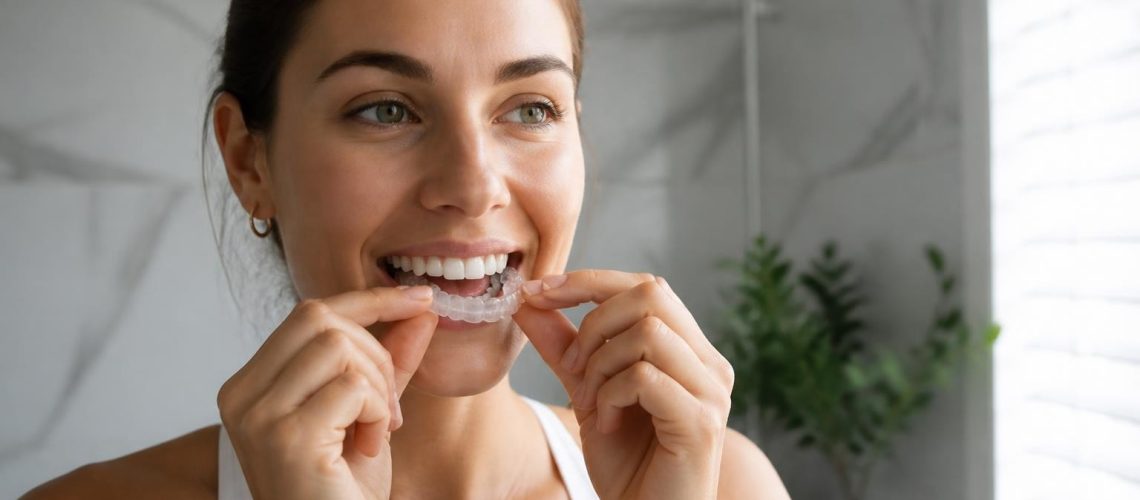
Opalescence Go teeth whitening stands apart from traditional whitening strips and generic drugstore products through its professional-grade formulation and innovative delivery system. The product features prefilled, disposable trays that adapt to your unique tooth structure, eliminating the need for custom impressions or messy gel applications.
The system utilizes a patented UltraFit tray material that molds to your teeth within seconds of insertion. This adaptive technology ensures even coverage across all tooth surfaces, addressing a common problem with flat whitening strips that often miss curves and contours.
Professional-Grade Ingredients in a Convenient Format
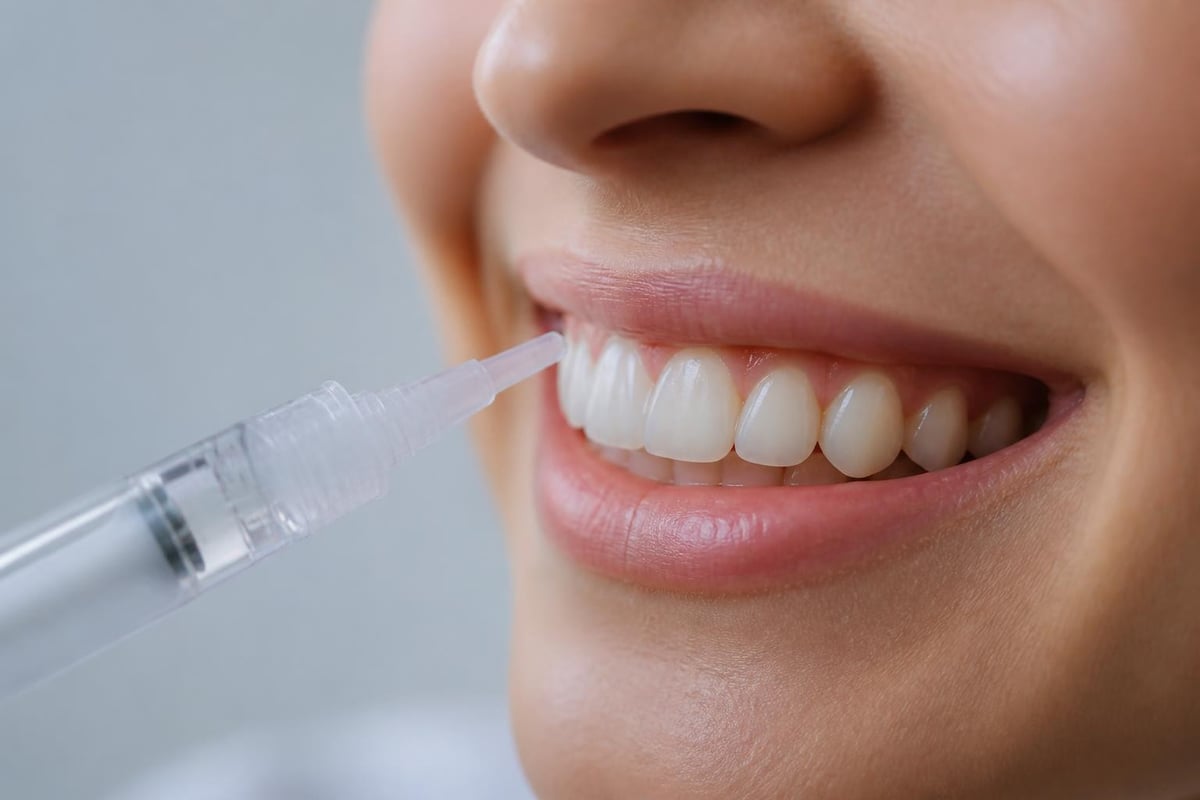
The active whitening agent in opalescence go teeth whitening is hydrogen peroxide, available in two concentrations: 10% and 15%. Unlike many over-the-counter products that rely on lower concentrations or alternative bleaching agents, these professional-strength formulations deliver more dramatic results in less time.
Key ingredients include:
- Hydrogen peroxide (active whitening agent)
- Potassium nitrate for sensitivity reduction
- Fluoride for enamel strengthening
- Water content to prevent dehydration
- Flavoring agents for improved taste
The gel formula maintains moisture throughout the treatment process, which helps protect tooth enamel and reduce the likelihood of sensitivity. This approach contrasts sharply with some competing products that can leave teeth feeling dry and uncomfortable.
Understanding the Two Concentration Options
Selecting the appropriate strength for your opalescence go teeth whitening treatment depends on several factors, including your current tooth shade, sensitivity level, and desired timeline for results. Both concentrations are effective, but they work at different speeds and may produce varying levels of sensitivity.
| Feature | 10% Hydrogen Peroxide | 15% Hydrogen Peroxide |
|---|---|---|
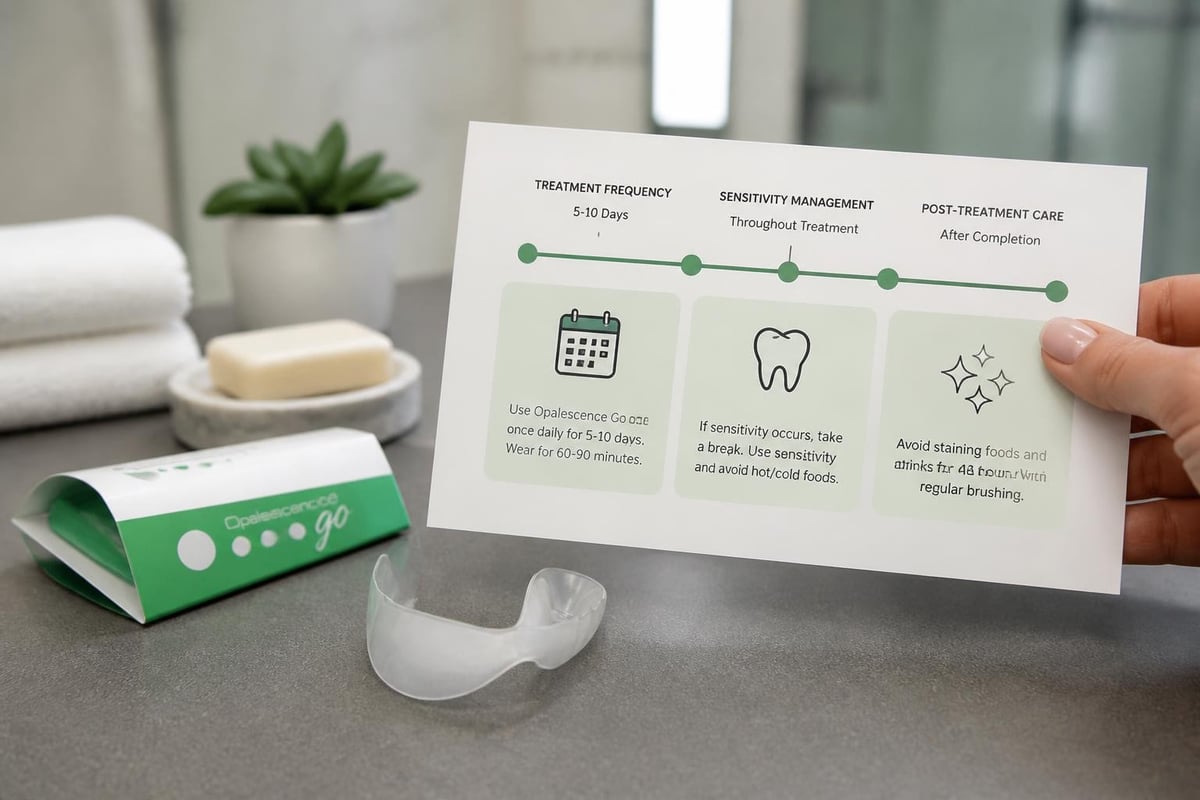
| Wear Time | 60-90 minutes | 15-20 minutes |
| Treatment Duration | 5-10 days | 5-10 days |
| Sensitivity Risk | Lower | Moderate |
| Results Speed | Gradual | Faster |
| Best For | Sensitive teeth | Quick results |
The 10% formula offers a gentler approach, making it ideal for individuals with a history of tooth sensitivity or those new to whitening treatments. Customer reviews for Opalescence Go 10% frequently mention the reduced discomfort compared to stronger formulations.
Choosing Based on Your Lifestyle
The 15% concentration appeals to busy individuals who prefer shorter treatment sessions. According to detailed analysis of Opalescence Go 15%, many users appreciate the ability to complete their whitening session during a lunch break or while completing household tasks.
Your schedule and tolerance for sensitivity should guide your selection. Those with demanding work schedules may find the 15-minute application time of the stronger formula more manageable, while others may prefer the flexibility of wearing the 10% trays while watching television or reading.
How to Use Opalescence Go Teeth Whitening Effectively
Proper application technique maximizes results and minimizes potential side effects. The straightforward process makes opalescence go teeth whitening accessible even for first-time users, though attention to detail ensures optimal outcomes.
Step-by-step application process:
- Brush and floss thoroughly before application
- Remove tray from packaging without touching the gel
- Place tray over teeth and press gently to adapt
- Remove the outer tray layer while inner tray remains
- Wear for recommended duration based on concentration
- Remove and discard used tray
- Rinse mouth thoroughly with water
- Avoid eating or drinking for 30 minutes post-treatment
The initial application may feel unusual as the tray material warms and conforms to your teeth. This adaptation process typically takes 30-60 seconds and ensures proper contact between the whitening gel and tooth surfaces.
Maximizing Your Results
Consistency determines success with any at-home whitening system. Using opalescence go teeth whitening daily as directed produces better outcomes than sporadic application. Many users notice visible improvements within three to five days, with full results appearing after completing the recommended 10-day treatment cycle.
Avoiding staining foods and beverages during treatment enhances effectiveness. Coffee, red wine, tea, and dark-colored sauces can counteract the whitening process, particularly in the hours immediately following each session.
Safety Considerations and Potential Side Effects
Professional-grade whitening products require careful attention to safety guidelines. While opalescence go teeth whitening uses ingredients approved by dental professionals, understanding potential side effects helps users make informed decisions and recognize when to seek professional guidance.
The most common side effect is temporary tooth sensitivity, experienced by approximately 40-60% of users. This sensitivity typically manifests as sharp, brief discomfort when consuming hot or cold foods and beverages. Research on Opalescence Go safety indicates these symptoms usually resolve within 24-48 hours after treatment completion.
Managing Sensitivity During Treatment
Several strategies reduce sensitivity while using opalescence go teeth whitening:
- Start with the 10% concentration if you have sensitive teeth
- Reduce wear time initially, gradually increasing as tolerance develops
- Use desensitizing toothpaste for two weeks before beginning treatment
- Space treatments 48 hours apart rather than daily application
- Apply fluoride gel after whitening sessions
Gum irritation may occur if excess gel contacts soft tissue. The UltraFit trays minimize this risk through their precise fit, but users should wipe away any gel that extends beyond the tray edges before insertion.
Comparing Costs and Value
Understanding the financial investment required for opalescence go teeth whitening helps patients evaluate whether this option aligns with their budget and expectations. The cost varies based on concentration, package size, and retailer, but generally falls between professional in-office treatments and basic drugstore strips.
A typical 10-pack of opalescence go teeth whitening trays ranges from $80 to $120, averaging approximately $10 per treatment. This pricing positions the product in the mid-range category for whitening solutions.
Cost Comparison Across Whitening Options
| Whitening Method | Average Cost | Treatment Duration | Results Longevity |
|---|---|---|---|
| In-office professional | $500-$800 | 1-2 hours | 1-3 years |
| Opalescence Go | $80-$120 | 10 days | 3-6 months |
| Whitening strips | $30-$60 | 14-28 days | 2-4 months |
| Whitening toothpaste | $8-$15 | Ongoing | Minimal whitening |
The value proposition becomes clear when considering results versus investment. While professional treatments deliver faster, longer-lasting results, they require significantly more financial commitment. Conversely, budget options often require extended use and produce less dramatic improvements.
For patients seeking professional guidance on cosmetic dental treatments, consultation with experienced dentists can help determine whether at-home whitening or in-office procedures better suit individual needs and goals.
Real User Experiences and Results
Patient testimonials and verified reviews provide valuable insight into the practical effectiveness of opalescence go teeth whitening. Analyzing patterns across hundreds of user experiences reveals consistent themes regarding results, comfort, and overall satisfaction.
Customer feedback for Opalescence Go 15% shows approximately 78% of users report visible whitening within the first week of treatment. Most reviewers describe improvements of two to four shades on standard dental color scales.
Positive reviews frequently mention:
- Noticeable results after three to five applications
- Convenience of prefilled, disposable trays
- Pleasant mint flavor that doesn't feel overwhelming
- Less sensitivity compared to whitening strips
- Professional-quality results without dental office visits
Common Challenges Reported by Users
Not all experiences are uniformly positive. Some users report challenges that potential buyers should consider before purchasing opalescence go teeth whitening.
Frequently mentioned concerns include:
- Tray fit issues for unusually shaped teeth or dental work
- Sensitivity that requires treatment breaks
- Higher cost compared to basic whitening strips
- Messy removal process with gel residue
- Limited effectiveness on certain stain types
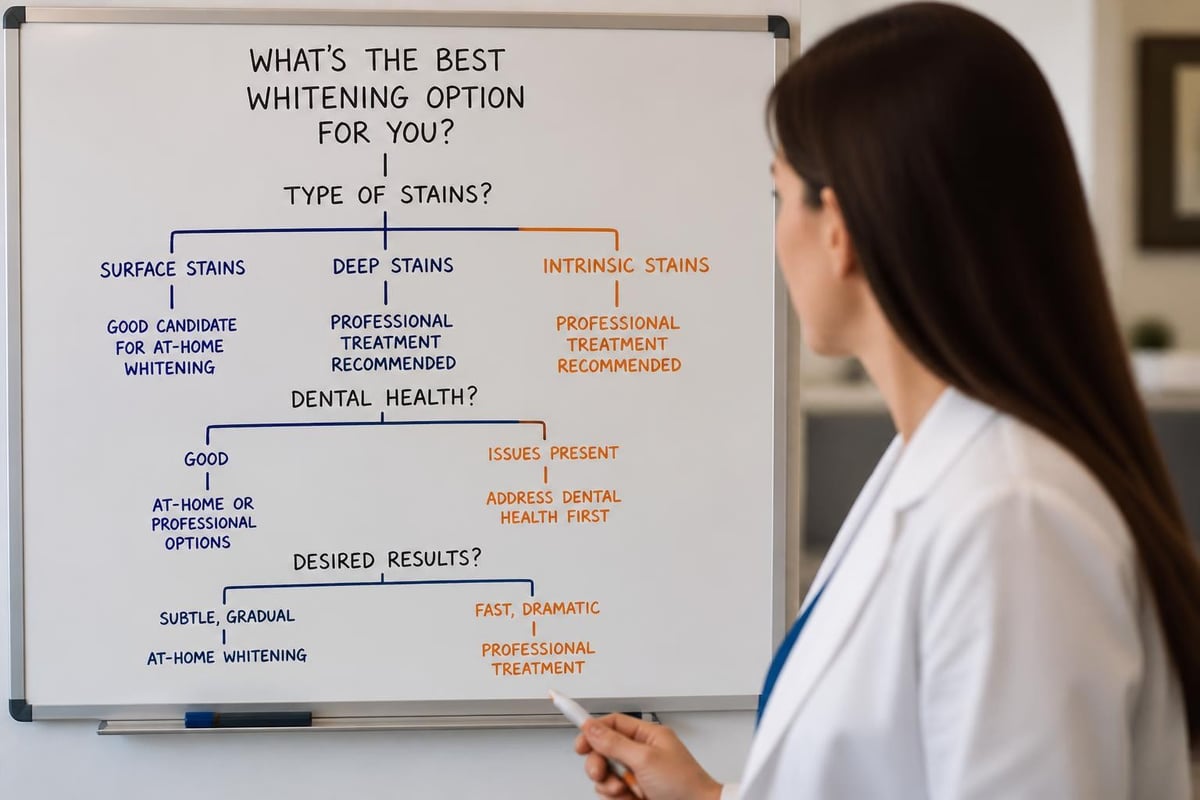
Intrinsic stains caused by medication, fluorosis, or trauma respond less predictably to hydrogen peroxide whitening than extrinsic stains from food, beverages, and tobacco. Users with significant intrinsic discoloration may need to explore alternative cosmetic dental solutions for optimal results.
Who Should Consider Opalescence Go
Ideal candidates for opalescence go teeth whitening have realistic expectations and understand both the capabilities and limitations of at-home whitening systems. This product works best for specific patient profiles while remaining unsuitable for others.
Best candidates include:
- Adults with healthy teeth and gums
- Individuals with extrinsic staining from diet or lifestyle
- Patients seeking professional-grade results at home
- Those with mild to moderate tooth discoloration
- People who have previously tolerated whitening products
The convenience factor appeals particularly to busy professionals and parents who struggle to schedule multiple dental appointments but still want effective whitening results.
When to Choose Professional Treatment Instead
Certain situations warrant professional intervention rather than at-home whitening. Patients with extensive dental work, severe discoloration, or underlying oral health issues benefit from dentist-supervised treatments.
Professional evaluation becomes essential when experiencing persistent tooth pain, gum disease, or recent dental procedures. Many patients don't realize that teeth whitening can cause dental problems if used inappropriately or when underlying issues exist.
Maintaining Results After Treatment
The longevity of whitening results depends heavily on post-treatment care and lifestyle choices. Opalescence go teeth whitening effects typically last three to six months with proper maintenance, though individual experiences vary based on habits and oral hygiene practices.
Maintenance strategies include:
- Brushing twice daily with fluoride toothpaste
- Flossing daily to remove staining particles
- Using a whitening toothpaste once or twice weekly
- Rinsing after consuming staining foods or beverages
- Scheduling regular dental cleanings every six months
- Limiting intake of coffee, tea, red wine, and dark berries
Touch-up treatments extend results without requiring a full 10-day cycle. Many users find that applying opalescence go teeth whitening for two to three consecutive days every two to three months maintains their desired shade.
Lifestyle Factors That Affect Whitening Longevity
Tobacco use significantly reduces how long whitening results last, with smokers typically experiencing rapid re-staining within weeks of treatment completion. The tar and nicotine in cigarettes create stubborn brown and yellow stains that quickly override whitening effects.
Dietary habits play an equally important role. Frequent consumption of chromogenic foods and beverages accelerates discoloration, while a diet focused on fibrous fruits, vegetables, and dairy products helps maintain brightness naturally.
Regular professional dental care supports long-term whitening success. Patients who maintain consistent appointments at facilities across Texas, including Dental Plus Clinic locations in New Braunfels and Beeville, benefit from professional cleanings that remove surface stains before they become embedded.
Addressing Common Questions and Concerns
Prospective users often have specific questions about opalescence go teeth whitening that extend beyond basic usage instructions. Understanding these nuances helps set appropriate expectations and avoid common mistakes.
Does It Work on Dental Restorations?
Hydrogen peroxide whitening only affects natural tooth enamel. Crowns, veneers, fillings, and bonding materials do not respond to whitening treatments, which can create shade mismatches if extensive dental work is present. Understanding dental crown pros and cons helps patients recognize when restorations may need replacement after whitening natural teeth.
Patients with visible restorations on front teeth should consult their dentist before beginning any whitening regimen to discuss potential aesthetic concerns and solutions.
How Does It Compare to In-Office Treatments?
Professional teeth whitening at dental offices uses higher peroxide concentrations (25-40%) with protective measures for gums and soft tissue. These treatments deliver faster, more dramatic results in a single session but cost significantly more than opalescence go teeth whitening.
For those exploring professional options, discussing the most permanent teeth whitening procedures with qualified dentists provides clarity on long-term solutions versus temporary improvements.
The at-home system offers a middle ground: better results than basic strips, less dramatic than professional treatments, with costs and convenience balanced between the two extremes.
Integration with Professional Dental Care
While opalescence go teeth whitening functions as a standalone home treatment, integration with professional dental care optimizes both safety and results. Dentists can provide personalized guidance based on individual oral health status and aesthetic goals.
Pre-treatment dental examinations identify potential issues that might contraindicate whitening, such as untreated cavities, gum disease, or enamel erosion. These conditions should be addressed before beginning any whitening regimen to prevent complications and discomfort.
Professional cleanings before starting opalescence go teeth whitening remove surface tartar and plaque, allowing the whitening gel to contact tooth enamel more effectively. This preparation step can improve results by one to two shades compared to whitening on uncleaned teeth.
Combining Home and Office Treatments
Some dental practices recommend a hybrid approach where patients begin with professional in-office whitening for immediate results, then maintain those results using opalescence go teeth whitening for periodic touch-ups. This strategy maximizes both impact and longevity while managing costs effectively.
Dentists at comprehensive care facilities, such as those at Dental Plus Clinic locations throughout Texas, can create customized whitening plans that combine professional treatments with appropriate home maintenance protocols tailored to individual needs and budgets.
Special Considerations for Different Age Groups
Age-related factors influence both the suitability and effectiveness of opalescence go teeth whitening. While the product is designed for adult use, different life stages present unique considerations.
Young adults (18-30) typically experience:
- Faster whitening results due to less accumulated staining
- Lower sensitivity rates
- Longer-lasting results with proper maintenance
- Higher responsiveness to hydrogen peroxide
Middle-aged users (30-55) often have more complex dental histories, including restorations, root canals, and possibly recession that exposes sensitive root surfaces. These factors may require modified treatment protocols or professional supervision.
Senior Considerations
Older adults may find opalescence go teeth whitening less effective due to natural enamel thinning, which allows more dentin (naturally yellower) to show through. Additionally, medications commonly taken by seniors can cause intrinsic staining resistant to peroxide-based whitening.
Individuals managing multiple health conditions should verify that their medications don't create contraindications for whitening treatments. Consulting with both physicians and dentists ensures safe, appropriate use.
Environmental and Practical Considerations
The disposable nature of opalescence go teeth whitening trays raises environmental considerations for eco-conscious consumers. Each treatment generates plastic waste from the tray and packaging materials, accumulating to approximately 10 trays per complete treatment cycle.
Users seeking to minimize environmental impact might consider:
- Recycling packaging materials where accepted
- Exploring custom tray systems for long-term use
- Balancing convenience against sustainability priorities
- Investigating eco-friendly whitening alternatives
From a practical standpoint, the product's portability makes it suitable for travel, business trips, or maintaining whitening routines while away from home. The individually sealed trays remain stable at room temperature and don't require refrigeration.
Storage and Shelf Life
Proper storage extends the shelf life and maintains the effectiveness of opalescence go teeth whitening. Unopened trays should be stored in a cool, dry place away from direct sunlight, with optimal storage temperatures between 36-46°F (refrigeration) for maximum longevity.
The product typically maintains full potency for 18-24 months when refrigerated, though room temperature storage reduces this to approximately 12-15 months. Checking expiration dates before use ensures optimal whitening performance.
Understanding Treatment Limitations
Realistic expectations prevent disappointment and help users maximize satisfaction with opalescence go teeth whitening. While the product delivers noticeable improvements for most users, it cannot achieve results beyond the natural limitations of tooth structure and stain types.
Factors that limit whitening effectiveness include:
- Genetic tooth color and translucency
- Enamel thickness and density
- Type and depth of existing stains
- Presence of tetracycline staining
- Age-related dentin darkening
- Previous dental trauma
Gray or brown discoloration typically responds less predictably than yellow staining. Patients with these stain types may see improvements but rarely achieve the bright white results shown in marketing materials.
Some individuals have naturally darker or more translucent enamel that appears grayish even after whitening. These structural characteristics cannot be changed through peroxide-based treatments and may require alternative cosmetic solutions like veneers or bonding.
For comprehensive assessments of what cosmetic dentistry can accomplish, professional consultations provide personalized insights based on individual tooth structure and aesthetic goals.
Troubleshooting Common Issues
Users occasionally encounter challenges when using opalescence go teeth whitening. Understanding common problems and their solutions prevents frustration and treatment abandonment.
| Issue | Possible Cause | Solution |
|---|---|---|
| Excessive sensitivity | High concentration, prolonged wear | Switch to 10%, reduce wear time |
| Uneven whitening | Improper tray placement | Ensure full tooth coverage, check fit |
| Gum irritation | Gel overflow, poor fit | Wipe excess gel, try different size |
| No visible results | Intrinsic stains, short treatment | Continue full cycle, seek professional advice |
| Gel leakage | Excessive saliva, poor seal | Swallow before insertion, press tray firmly |
When sensitivity becomes severe or persists beyond 48 hours after treatment, discontinuing use and consulting a dental professional becomes important. Persistent discomfort may indicate underlying issues like cracks, cavities, or enamel erosion requiring professional attention.
Patients experiencing dental emergencies or severe pain can access care at facilities providing emergency dental services for prompt evaluation and treatment.
The Science Behind Hydrogen Peroxide Whitening
Understanding the chemical mechanism of opalescence go teeth whitening provides insight into why the product works and what limitations exist. Hydrogen peroxide functions as an oxidizing agent that breaks down chromophore molecules responsible for tooth discoloration.
When hydrogen peroxide contacts tooth enamel, it penetrates the porous surface and breaks down into water and oxygen radicals. These highly reactive oxygen molecules fragment large, colored molecules into smaller, colorless compounds through oxidation reactions.
The process occurs primarily in the enamel layer but can extend into the dentin beneath when using higher concentrations or extended wear times. This deeper penetration explains why professional-strength formulations like those in opalescence go teeth whitening produce more dramatic results than surface-only treatments.
Factors Affecting Chemical Action
Temperature, pH, and contact time all influence whitening effectiveness. The gel maintains optimal pH levels (around 6.5) to balance whitening power with enamel safety, preventing the demineralization that occurs with highly acidic formulations.
Saliva dilutes the gel over time, reducing hydrogen peroxide concentration and effectiveness. This dilution explains why shorter, more concentrated treatments with the 15% formula can match results from longer sessions with 10% gel.
Integration with Overall Oral Health Strategy
Teeth whitening represents just one component of comprehensive oral health and aesthetic care. Opalescence go teeth whitening works best when incorporated into a broader strategy that includes preventive care, proper hygiene, and professional monitoring.
Regular dental check-ups every six months allow dentists to assess not only whitening results but overall oral health. These visits provide opportunities to address emerging issues before they become serious problems requiring complex or emergency dental care.
Preventive strategies that support both health and aesthetics include:
- Professional cleanings to remove calculus and surface stains
- Fluoride treatments for enamel strengthening
- Sealants to protect vulnerable tooth surfaces
- Dietary counseling to minimize staining and decay
- Customized home care recommendations
Patients invested in their oral health often find that facilities offering comprehensive services, such as those at Dental Plus Clinic’s Seguin location, provide the integrated care needed to maintain both health and aesthetics long-term.
Making an Informed Decision
Choosing opalescence go teeth whitening requires evaluating personal priorities, budget constraints, and realistic expectations against the product's capabilities and limitations. This assessment process helps ensure satisfaction with both the experience and results.
Consider creating a decision matrix that weighs factors important to your specific situation:
Priority factors to evaluate:
- Budget available for whitening treatments
- Sensitivity history and tolerance levels
- Desired shade improvement (realistic goals)
- Time available for daily treatments
- Importance of convenience versus cost
- Willingness to manage potential side effects
Those prioritizing speed and dramatic results may prefer professional in-office treatments despite higher costs. Conversely, budget-conscious individuals seeking gradual improvement while maintaining flexibility often find opalescence go teeth whitening offers the best balance.
Reading comprehensive reviews and user experiences provides realistic perspectives beyond marketing claims, helping set appropriate expectations before purchase.
Long-Term Whitening Strategy
Sustainable whitening results require thinking beyond the initial 10-day treatment cycle. Developing a long-term maintenance strategy prevents disappointment when initial results fade and ensures continued satisfaction with your smile's appearance.
Components of an effective long-term plan include:
- Initial intensive treatment with full 10-day cycle
- Monthly maintenance assessment of shade and sensitivity
- Touch-up treatments every 8-12 weeks as needed
- Professional cleanings twice yearly
- Daily oral hygiene with whitening-supportive products
- Dietary modifications to minimize staining
Some users find that alternating between opalescence go teeth whitening and professional treatments every 12-18 months provides optimal results with manageable costs. This approach combines the dramatic improvements of in-office procedures with the convenience and economy of home maintenance.
Tracking results through photos taken in consistent lighting helps objectively assess whether touch-up treatments are needed or if current maintenance strategies are sufficient. Many smartphone apps designed for monitoring smile improvements can assist with this documentation process.
For personalized guidance on developing whitening strategies that align with individual goals and budgets, consulting with experienced cosmetic dentistry professionals at locations like Dental Plus Clinic in Leander or Converse ensures evidence-based recommendations tailored to specific needs.
Opalescence go teeth whitening provides a practical middle ground between professional dental treatments and basic drugstore products, delivering professional-grade results through a convenient at-home system. Understanding proper usage, realistic expectations, and integration with comprehensive oral health care maximizes both safety and satisfaction. Whether you're exploring whitening options for the first time or seeking to maintain previous results, professional guidance ensures you choose the approach best suited to your unique dental profile and aesthetic goals. Dental Plus Clinic offers comprehensive cosmetic dentistry consultations across five Texas locations, helping patients achieve their brightest, healthiest smiles through personalized treatment plans that combine professional expertise with convenient at-home care options.