
Restoring damaged or discolored teeth has become increasingly sophisticated with modern cosmetic dentistry techniques. Porcelain caps on teeth represent one of the most effective solutions for patients seeking both functional restoration and aesthetic improvement. These dental restorations have evolved significantly over the past decades, offering patients natural-looking results that can last for many years with proper care. Whether you're dealing with a cracked tooth, severe discoloration, or structural damage, understanding how porcelain caps work and what makes them an excellent choice can help you make informed decisions about your dental health.
Understanding Porcelain Caps on Teeth
Porcelain caps on teeth, commonly referred to as porcelain crowns, are custom-made tooth-shaped coverings that completely encase the visible portion of a damaged or compromised tooth. Unlike partial restorations such as veneers or inlays, these caps cover the entire tooth structure above the gum line, providing comprehensive protection and restoration.
The term "cap" and "crown" are used interchangeably in dentistry, though crown has become the more commonly used professional terminology. At Dental Plus Clinic, we help patients understand that these restorations serve multiple purposes: protecting weak teeth from further damage, restoring broken or severely worn teeth, covering dental implants, and improving the appearance of misshapen or severely discolored teeth.
Why Porcelain Material Stands Out
Porcelain offers unique advantages over other dental restoration materials. The ceramic composition closely mimics the translucency and light-reflecting properties of natural tooth enamel, making porcelain caps virtually indistinguishable from surrounding teeth. This aesthetic quality makes them particularly popular for front teeth restorations where appearance matters most.
Key advantages of porcelain include:
- Exceptional color-matching capabilities to blend with existing teeth
- Biocompatible material that rarely causes allergic reactions
- Stain-resistant surface that maintains its appearance over time
- Strength and durability comparable to natural tooth structure
- Smooth surface texture that feels natural in the mouth
Modern porcelain formulations have significantly improved in strength, addressing earlier concerns about brittleness. Today's ceramic materials can withstand normal biting forces when properly placed and maintained, making them suitable for both front and back teeth in many cases.
Types of Porcelain Dental Caps
Not all porcelain caps on teeth are created equal. Different types serve different purposes based on the tooth location, aesthetic requirements, and structural needs. Understanding these variations helps patients and dentists select the most appropriate option for each unique situation.
| Type | Composition | Best For | Strength Rating |
|---|---|---|---|
| All-Porcelain | 100% ceramic material | Front teeth, high aesthetics | Moderate to High |
| Porcelain-Fused-to-Metal (PFM) | Porcelain exterior, metal interior | Back teeth, durability needs | Very High |
| Zirconia | Advanced ceramic compound | All teeth, strength priority | Highest |
| E-Max | Lithium disilicate ceramic | Front teeth, premium aesthetics | High |
All-Porcelain Crowns
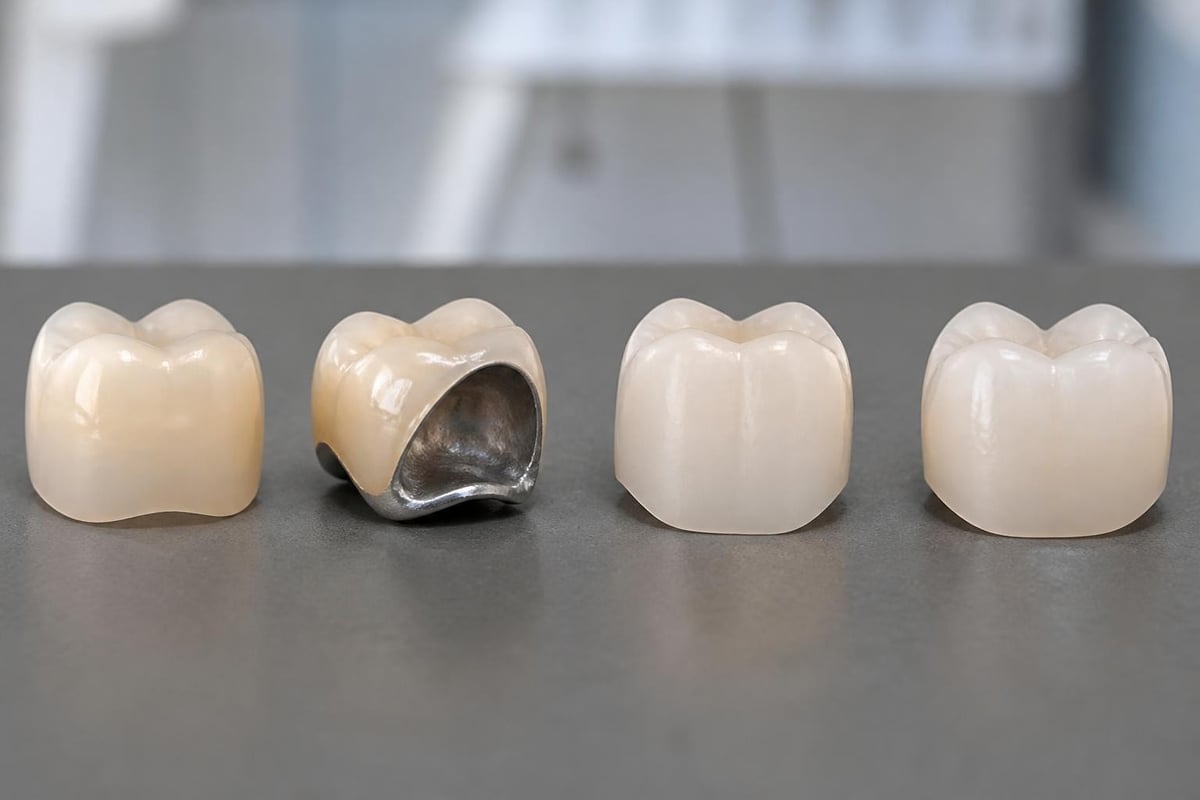
Full porcelain ceramic crowns contain no metal substructure, making them the most natural-looking option available. According to information from the Champaign Dental Group, these restorations excel in aesthetic zones where appearance is paramount. They allow light to pass through similarly to natural teeth, creating a lifelike translucency that metal-based crowns cannot replicate.
Porcelain-Fused-to-Metal Crowns
These hybrid restorations combine the aesthetic benefits of porcelain with the structural strength of a metal base. While they may show a dark line at the gum margin over time, they remain popular for back teeth where durability outweighs perfect aesthetics. Many patients at our Seguin location choose this option for molars that endure significant chewing pressure.
Advanced Ceramic Options
Zirconia and E-Max crowns represent the latest generation of porcelain technology. These materials offer exceptional strength without sacrificing aesthetics, making them versatile choices for various applications. The selection between these options depends on individual patient needs, bite characteristics, and specific tooth requirements.
The Process of Getting Porcelain Caps
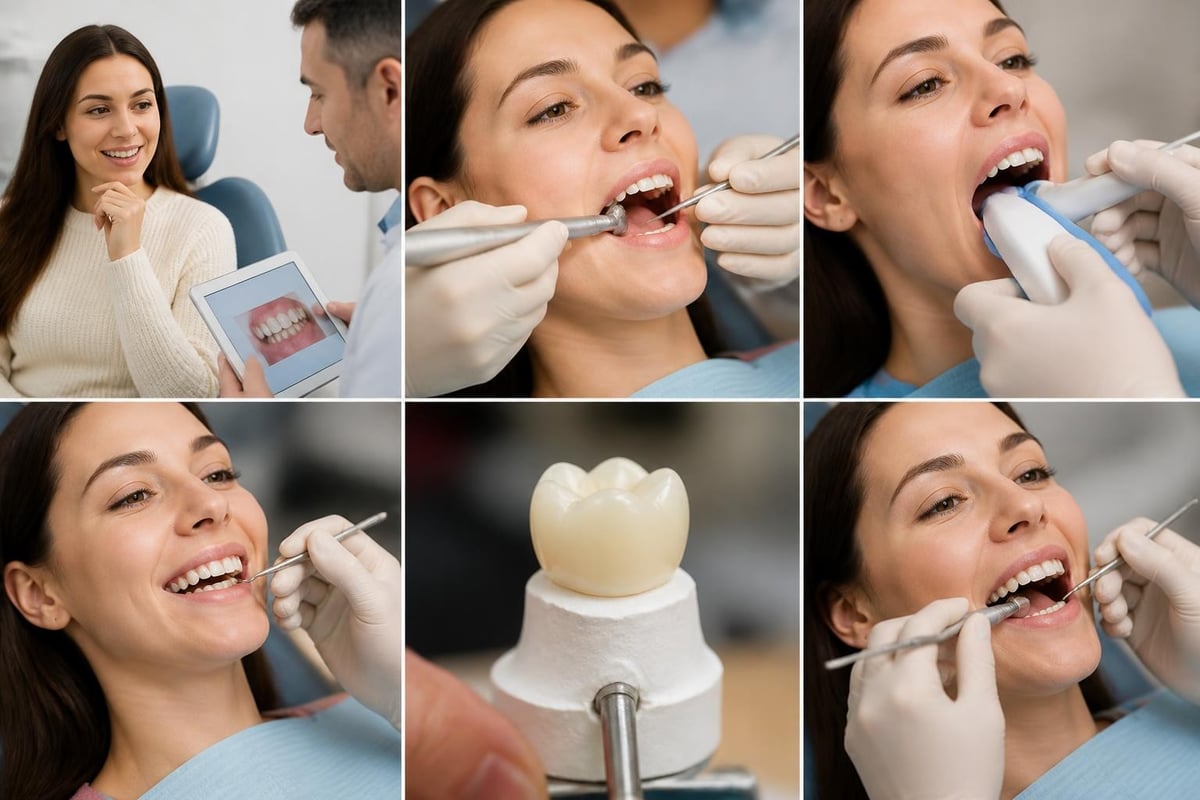
Receiving porcelain caps on teeth typically requires two to three dental appointments, though same-day options are becoming increasingly available through advanced technology. Understanding each step helps patients prepare mentally and practically for the procedure.
Initial Consultation and Preparation
The journey begins with a comprehensive examination where your dentist evaluates the damaged tooth, takes detailed images, and discusses your goals. During this visit, you'll learn whether porcelain caps are the best solution or if alternative treatments might better serve your needs. This consultation often includes discussing cosmetic dental treatment options and expected outcomes.
The preparation appointment involves:
- Administering local anesthesia for comfort
- Removing decay or damaged tooth structure
- Reshaping the tooth to accommodate the cap
- Taking precise impressions or digital scans
- Placing a temporary crown for protection
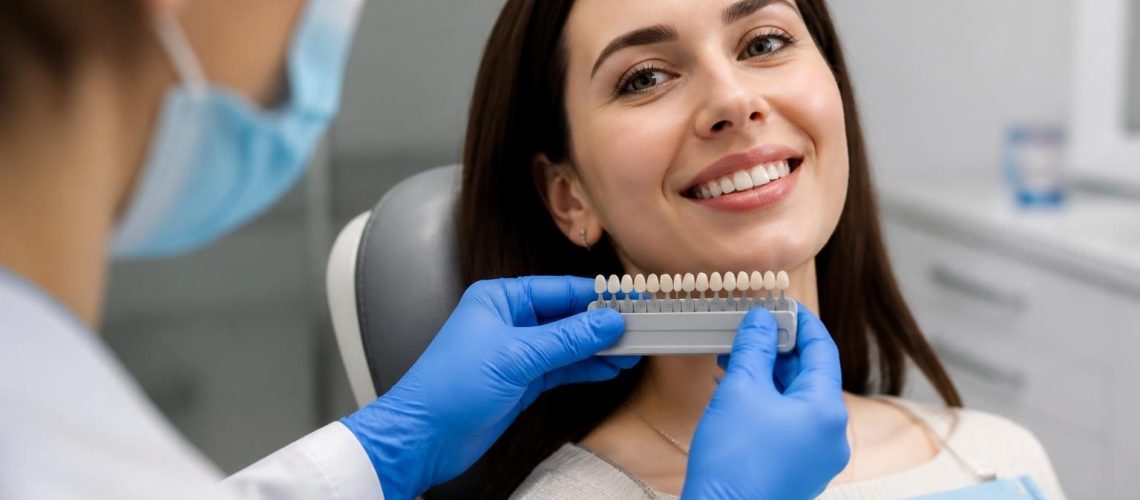
- Selecting the appropriate shade to match adjacent teeth
The amount of tooth structure removed varies depending on the crown type and the tooth's condition. Generally, dentists aim to preserve as much healthy tooth as possible while creating adequate space for the restoration.
Fabrication Period
Traditional crown fabrication takes place in a dental laboratory where skilled technicians craft each restoration by hand. This process typically requires one to two weeks, during which you'll wear a temporary crown. The laboratory technician uses your impressions to build a custom cap that matches your bite, fits precisely on the prepared tooth, and matches the color specifications provided by your dentist.
Modern alternatives like CEREC dental crowns use computer-aided design and milling technology to create crowns in a single visit, eliminating the need for temporary restorations and multiple appointments.
Final Placement
Once your permanent crown arrives from the laboratory, you'll return for the placement appointment. Your dentist will remove the temporary restoration, clean the prepared tooth thoroughly, and check the fit and appearance of your new crown. After ensuring proper bite alignment and patient approval, the crown is permanently cemented in place.
Minor adjustments to the bite may be necessary during this appointment. Your dentist will verify that your upper and lower teeth come together correctly and that the crown doesn't interfere with your natural bite pattern.
Benefits and Advantages
Porcelain caps on teeth offer numerous benefits that extend beyond simple tooth restoration. These advantages make them a preferred choice for patients seeking both functional improvement and aesthetic enhancement.
Aesthetic Excellence
The primary advantage of porcelain caps lies in their remarkable ability to replicate natural tooth appearance. The material's translucency, color-matching potential, and surface texture create restorations that blend seamlessly with surrounding teeth. Patients often report that even they cannot distinguish their crowned teeth from natural ones after successful treatment.
This aesthetic quality proves particularly valuable for visible teeth. Whether you're restoring a front tooth damaged in an accident or covering discolored teeth that haven't responded to whitening treatments, porcelain provides results that boost confidence and improve smile appearance.
Functional Restoration
Beyond appearance, these caps restore complete tooth function. They protect weakened teeth from further damage, allow normal chewing and biting, and can last fifteen to twenty years with proper care. For patients dealing with large fillings that have compromised tooth structure, crowns provide the reinforcement needed to prevent fractures.
Functional benefits include:
- Protection for teeth weakened by root canal treatment
- Restoration of proper bite alignment
- Support for dental bridges
- Covering and protection for dental implants
- Strengthening of cracked or fractured teeth
Long-Term Durability
When properly maintained, porcelain caps on teeth demonstrate impressive longevity. Research and clinical experience show that these restorations can function effectively for decades, making them a worthwhile investment in oral health. The durability depends on factors including the type of porcelain used, the location of the crowned tooth, oral hygiene practices, and habits such as teeth grinding.
Cost Considerations and Investment Value
Understanding the financial aspect of porcelain caps on teeth helps patients plan for this investment in their oral health. Costs vary significantly based on multiple factors, making it essential to obtain personalized estimates during your consultation.
Price Range Factors
The cost of porcelain crowns typically ranges from $800 to $3,000 per tooth, depending on various considerations. Geographic location plays a role, with dental care in metropolitan areas often commanding higher prices than in smaller communities. Our locations across Texas strive to offer competitive pricing while maintaining the highest quality standards.
Factors affecting cost:
- Type of porcelain material selected
- Complexity of the case and tooth location
- Laboratory fees and dentist expertise
- Whether additional procedures are needed
- Geographic location and local market rates
- Technology used (traditional vs. same-day crowns)
According to Aspen Dental’s overview, the investment in quality porcelain crowns often proves worthwhile when considering their longevity and the prevention of more extensive dental problems.
Insurance Coverage
Many dental insurance plans provide partial coverage for porcelain caps on teeth when deemed medically necessary rather than purely cosmetic. Coverage typically ranges from 40% to 60% of the procedure cost after deductibles. If you've experienced dental insurance denied claims, understanding your policy's crown coverage and pre-authorization requirements can help avoid surprises.
Crowns placed for cosmetic purposes without underlying structural problems may not receive insurance coverage. However, crowns used to restore function, protect weakened teeth, or complete root canal treatment usually qualify as covered procedures.
Payment Options and Value
Many dental practices, including those at Dental Plus Clinic locations, offer flexible payment plans to make quality dental care accessible. When evaluating cost, consider the long-term value: a crown that lasts twenty years costs significantly less annually than repeated repairs or replacements of inferior restorations.
For patients managing dental care costs, discussing all available options during consultation ensures you understand both immediate expenses and long-term value.
Maintenance and Care Requirements
Proper maintenance ensures porcelain caps on teeth deliver their maximum lifespan and continue functioning optimally. While crowns don't require specialized care beyond standard oral hygiene, certain practices enhance their longevity.
Daily Hygiene Practices
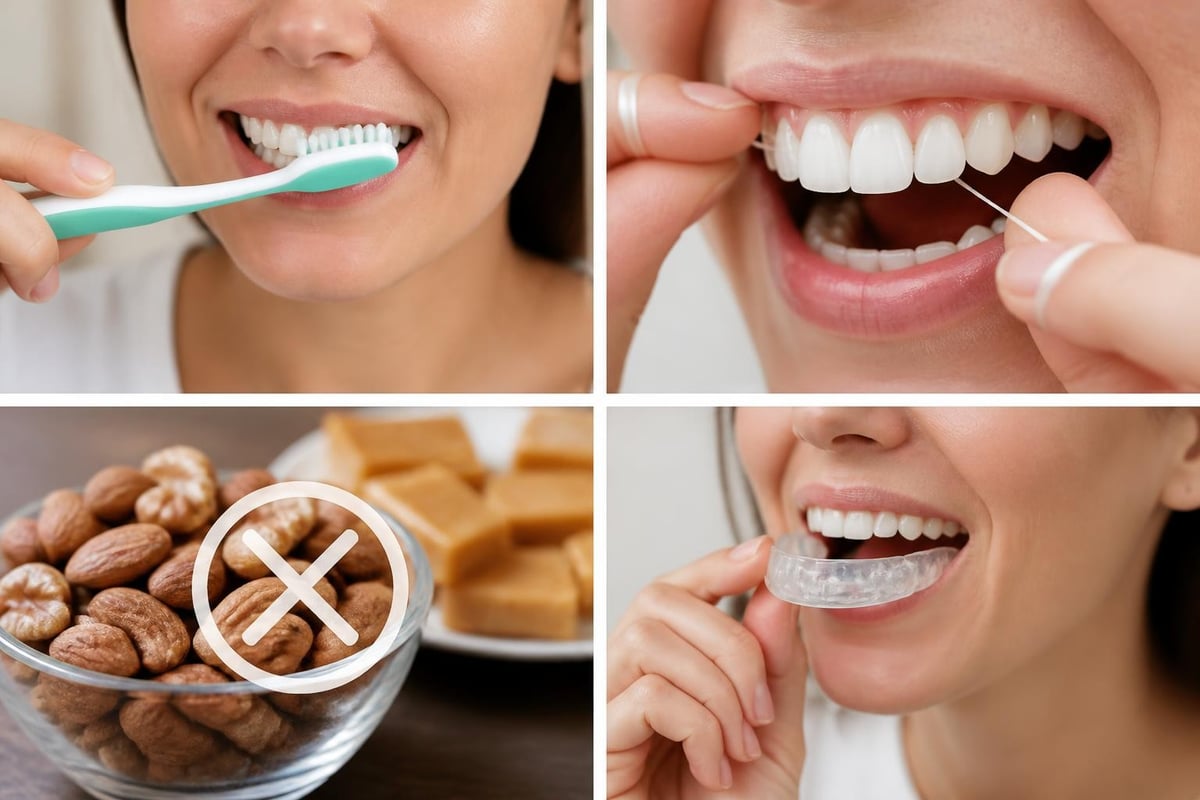
Crowned teeth require the same conscientious care as natural teeth. Brushing twice daily with fluoride toothpaste and flossing once daily prevents decay in the natural tooth structure beneath the crown. The margin where the crown meets the tooth remains vulnerable to cavity formation, making thorough cleaning at the gum line particularly important.
Essential daily care includes:
- Brushing gently but thoroughly around crowned teeth
- Flossing carefully to clean the crown margins
- Using antimicrobial mouthwash to reduce bacterial buildup
- Avoiding abrasive toothpastes that might scratch porcelain
- Paying special attention to the gum line where crown meets tooth
Many patients wonder about the sequence of oral hygiene steps. As discussed in our article about brushing or flossing first, either order works effectively as long as both practices are performed thoroughly.
Habits to Avoid
Certain behaviors can compromise porcelain caps and should be avoided to maximize restoration lifespan. While modern porcelain formulations demonstrate significant strength, they can still chip or fracture under excessive force or improper use.
| Habit to Avoid | Potential Consequence | Alternative Solution |
|---|---|---|
| Chewing ice | Crown fracture or chip | Use crushed ice only for cooling |
| Opening packages with teeth | Crown dislodgement or damage | Keep scissors readily available |
| Biting fingernails | Uneven pressure causing chips | Address anxiety through other methods |
| Grinding teeth (bruxism) | Accelerated wear or fracture | Wear a nightguard as prescribed |
| Eating very hard foods | Crown or tooth damage | Cut hard foods into smaller pieces |
Patients who grind or clench their teeth may need a custom nightguard to protect both porcelain crowns and natural teeth from excessive wear. This protective appliance distributes forces evenly and prevents damage during sleep.
Professional Maintenance
Regular dental checkups remain essential for monitoring crown condition and surrounding tissues. During these visits, your dentist examines the crown for signs of wear, checks the seal at the margins, and ensures the restoration continues fitting properly. Professional cleanings remove buildup that home care might miss, particularly around crown margins where bacteria accumulate.
Comparing Porcelain Caps to Alternative Restorations
Understanding how porcelain caps on teeth compare to other dental restorations helps patients make informed decisions about their treatment options. Each restoration type serves specific purposes and offers distinct advantages.
Porcelain Caps vs. Veneers
While both improve tooth appearance, these restorations differ significantly in coverage and application. Veneers are thin shells bonded to the front surface of teeth, primarily addressing cosmetic concerns. Crowns completely encase the tooth, providing both aesthetic improvement and structural support.
Veneers work well for teeth with minor imperfections, good structural integrity, and primarily aesthetic concerns. Crowns become necessary when teeth have significant damage, large fillings, or structural compromise. The choice between these options depends on the extent of damage and treatment goals, topics covered in our discussion of what cosmetic dentists can do.
Porcelain Caps vs. Dental Implants
These solutions address different problems and aren't always comparable alternatives. Dental implants replace missing teeth entirely, including the root structure, while crowns restore existing damaged teeth. However, implants use crowns as their visible portion, so the two technologies often work together.
When a tooth is severely damaged beyond restoration, extraction and implant placement might be recommended instead of attempting to save the natural tooth with a crown. This decision depends on factors like remaining tooth structure, bone health, and long-term prognosis. Understanding the differences between dental implants and other restorations helps clarify which approach best suits individual circumstances.
Full Coverage vs. Partial Restorations
Porcelain caps provide full coverage, while alternatives like inlays, onlays, and partial crowns cover only damaged portions of teeth. Full coverage becomes necessary when damage extends around the entire tooth or when significant structural support is needed. Partial restorations preserve more natural tooth structure but only work for limited damage scenarios.
The dental professional's assessment determines which approach maximizes both immediate restoration success and long-term tooth survival. Conservative treatment that preserves tooth structure is always preferable when clinically appropriate.
Common Concerns and Misconceptions
Patients considering porcelain caps on teeth often have questions and concerns based on outdated information or misconceptions. Addressing these issues helps set realistic expectations and reduces treatment anxiety.
Pain and Discomfort
Many patients worry about pain during the crown preparation and placement process. Modern anesthesia techniques make the procedure comfortable, with most patients reporting no pain during treatment. Some sensitivity may occur after anesthesia wears off, particularly around the gum line, but this typically resolves within a few days.
Temporary crowns occasionally cause minor discomfort or sensitivity to temperature changes. This temporary situation resolves once the permanent crown is placed. If you experience significant pain after crown placement, contact your dentist immediately as this might indicate bite adjustment needs or other issues requiring attention.
Appearance Concerns
Some patients fear their crowned teeth will look obviously artificial. Modern porcelain technology and skilled dental laboratory work produce restorations that are virtually indistinguishable from natural teeth. The key lies in proper shade selection, attention to translucency and surface texture, and precise fabrication by experienced technicians.
During the treatment planning phase, patients work with their dentist to select the appropriate shade and discuss aesthetic goals. Multiple shade options and customization possibilities ensure results that meet or exceed expectations.
Longevity Questions
Questions about how long porcelain caps last are common. While individual results vary, most porcelain crowns function effectively for fifteen to twenty-five years with proper care. Factors affecting longevity include oral hygiene practices, dietary habits, teeth grinding, the location of the crowned tooth, and the quality of the initial placement.
Regular dental checkups allow early detection of any problems, potentially extending crown lifespan through timely intervention. Unlike natural teeth that can develop cavities anywhere on their surface, crowned teeth primarily develop problems at the crown margin where the restoration meets natural tooth structure.
Advanced Technology in Crown Design and Creation
Recent technological advances have revolutionized how porcelain caps on teeth are designed, fabricated, and placed. These innovations improve accuracy, reduce treatment time, and enhance final results.
Digital Scanning and Design
Traditional impressions using putty-like materials are being replaced by digital intraoral scanners that create precise 3D models of teeth. These scans eliminate the discomfort of conventional impressions and provide incredibly accurate data for crown fabrication. Digital workflows also facilitate better communication between dentists and laboratory technicians, ensuring the final restoration meets exact specifications.
Research published in arXiv on voxel-based crown design demonstrates how advanced digital frameworks create highly personalized dental crowns using sophisticated 3D modeling techniques. This technology represents the cutting edge of restorative dentistry.
Computer-Aided Manufacturing
CAD/CAM (Computer-Aided Design/Computer-Aided Manufacturing) technology allows dentists to design and mill porcelain crowns in their offices. Same-day crown services using this technology mean patients can receive permanent restorations in a single appointment, eliminating temporary crowns and multiple visits.
While traditional laboratory-fabricated crowns remain the gold standard for complex cases, chairside CAD/CAM produces excellent results for straightforward restorations. The choice between methods depends on case complexity, aesthetic requirements, and patient preferences.
Artificial Intelligence Applications
Emerging AI technologies are transforming crown design processes. The CrownGen study showcases how generative frameworks using point diffusion models can create patient-customized crown designs, potentially streamlining the design process and improving consistency in crown fabrication.
These technologies don't replace human expertise but rather augment the dentist's and technician's abilities, combining clinical judgment with computational precision for optimal results.
Special Considerations for Different Patient Groups
Different patient populations may have unique needs or considerations when receiving porcelain caps on teeth. Tailoring treatment approaches ensures optimal outcomes across diverse groups.
Children and Adolescents
Porcelain crowns are occasionally used for pediatric patients, though typically only for permanent teeth. Primary (baby) teeth usually receive stainless steel crowns or other temporary restorations since they'll eventually be lost naturally. When permanent teeth sustain damage during childhood or adolescence, porcelain crowns can restore function and appearance while lasting through adulthood.
Parents seeking dental care for children can learn more about helping children avoid tooth decay and other preventive measures that reduce the need for extensive restorations.
Patients with Bruxism
Individuals who grind or clench their teeth require special consideration when receiving porcelain caps. While modern porcelain formulations demonstrate excellent strength, the repetitive forces from bruxism can cause accelerated wear or fractures. These patients benefit from nightguards that protect both crowned teeth and natural dentition.
Discussing grinding habits during consultation allows your dentist to recommend appropriate crown materials and protective measures. Zirconia crowns often prove more suitable for bruxism patients due to their exceptional strength.
Seniors and Long-Term Crown Maintenance
Older patients may have crowns that have served well for many years but now require replacement. As gums recede with age, crown margins that were once hidden may become visible, creating aesthetic concerns. Additionally, the tooth structure beneath old crowns may develop decay if margins have deteriorated.
Regular monitoring ensures aging crowns continue functioning properly. When replacement becomes necessary, modern materials and techniques often produce superior results compared to crowns placed decades ago.
When Porcelain Caps Become Necessary
Understanding the specific situations that warrant porcelain caps on teeth helps patients recognize when this treatment might benefit them. Several distinct scenarios make crowns the recommended solution.
After Root Canal Treatment
Teeth receiving root canal therapy become more brittle because the procedure removes the tooth's nerve and blood supply. Crowning these teeth protects them from fracture under normal chewing forces. Without crown protection, root canal treated teeth, particularly molars, face significantly higher fracture risk.
The timing of crown placement after root canal treatment varies based on individual circumstances, though most dentists recommend prompt restoration to prevent damage to the treated tooth.
Large Fillings and Structural Compromise
When cavities become extensive or multiple fillings weaken a tooth's structure, crowns provide the reinforcement necessary to prevent tooth fracture. A general rule suggests that when a filling encompasses more than half the tooth's width, crown placement should be considered.
Understanding cavity development and seeking prompt treatment prevents small cavities from becoming so large that crowns become necessary. Early intervention preserves more natural tooth structure.
Fractured or Cracked Teeth
Teeth can crack from trauma, biting hard objects, or gradual wear over time. Crowns hold cracked teeth together, prevent crack propagation, and restore function. Without treatment, cracks can extend below the gum line, potentially resulting in tooth loss.
Patients experiencing unexplained tooth pain should seek evaluation promptly, as cracks sometimes cause discomfort that's difficult to localize. Our guide on understanding toothache can help identify symptoms requiring professional attention.
Severe Discoloration
When teeth develop intrinsic staining that doesn't respond to whitening treatments, porcelain crowns provide a solution for achieving desired tooth color. Certain medications, trauma, or developmental conditions can cause discoloration that penetrates deep into tooth structure, making surface treatments ineffective.
Before recommending crowns for cosmetic purposes, dentists typically explore more conservative options. However, when other approaches cannot achieve desired results, crowns offer comprehensive color correction along with other aesthetic improvements.
Selecting the Right Dental Provider
Choosing an experienced dental professional for porcelain cap placement significantly influences treatment outcomes. The dentist's skill, the laboratory's quality, and the overall treatment approach all contribute to long-term success.
Qualifications and Experience
Look for dentists with extensive experience in restorative and cosmetic dentistry. Advanced training in crown and bridge work, membership in professional organizations, and continuing education in the latest techniques indicate commitment to excellence. Don't hesitate to ask about a dentist's experience with porcelain crowns during your consultation.
Reading our article about choosing a cosmetic dentist provides additional guidance on evaluating dental providers for aesthetic procedures.
Technology and Materials
Modern dental practices invest in current technology that improves accuracy and patient comfort. Digital scanners, advanced imaging systems, and relationships with quality dental laboratories all contribute to superior outcomes. Ask about the materials used, laboratory partnerships, and whether same-day crown options are available if that interests you.
The Dental Plus Clinic utilizes modern technology and quality materials across all our Texas locations, ensuring consistent excellence in restorative care.
Communication and Patient Care
Effective communication between patient and dentist ensures treatment meets expectations. Your dental provider should thoroughly explain the procedure, answer questions, discuss alternatives, and involve you in treatment decisions. A patient-centered approach that prioritizes your comfort, understanding, and long-term satisfaction indicates quality care.
Emergency situations sometimes arise with dental work. Knowing your dentist provides responsive care and understanding emergency dental care costs helps you prepare for unexpected situations.
Future Developments in Porcelain Crown Technology
The field of restorative dentistry continues evolving rapidly, with ongoing research and development promising even better solutions for patients needing porcelain caps on teeth.
Material Science Advances
Researchers continuously develop new ceramic formulations that combine improved strength with enhanced aesthetics. Future materials may offer even greater durability while maintaining or improving the natural appearance that makes current porcelain crowns so popular.
Nano-ceramic materials and hybrid compositions represent areas of active research that may transform crown technology in coming years. These advances aim to create restorations that last longer, look better, and require less tooth preparation.
Personalized Manufacturing
As artificial intelligence and machine learning advance, crown design and fabrication will become increasingly personalized and precise. Digital technologies can analyze bite patterns, aesthetic parameters, and individual tooth characteristics to create optimized restorations tailored to each patient's unique needs.
The integration of intraoral scanning, 3D printing, and AI-driven design promises to streamline the crown fabrication process while improving accuracy and consistency.
Minimally Invasive Approaches
Ongoing research focuses on developing techniques and materials that preserve maximum natural tooth structure. Ultra-thin crowns, improved bonding agents, and advanced preparation methods may allow future restorations to conserve even more healthy tooth tissue than current best practices.
This trend toward conservative dentistry benefits patients by maintaining tooth vitality and strength while still providing necessary restoration and protection.
Porcelain caps on teeth offer an excellent solution for restoring damaged, discolored, or compromised teeth while maintaining natural aesthetics and function. Understanding the types available, the placement process, maintenance requirements, and expected outcomes helps patients make informed decisions about their dental care.
Whether you need a crown to protect a weakened tooth, restore function after damage, or improve your smile's appearance, professional guidance ensures optimal results. At Dental Plus Clinic, our experienced team provides comprehensive crown services using modern technology and quality materials across our five Texas locations. Schedule a consultation today to learn how porcelain crowns can restore your smile and protect your dental health for years to come.