
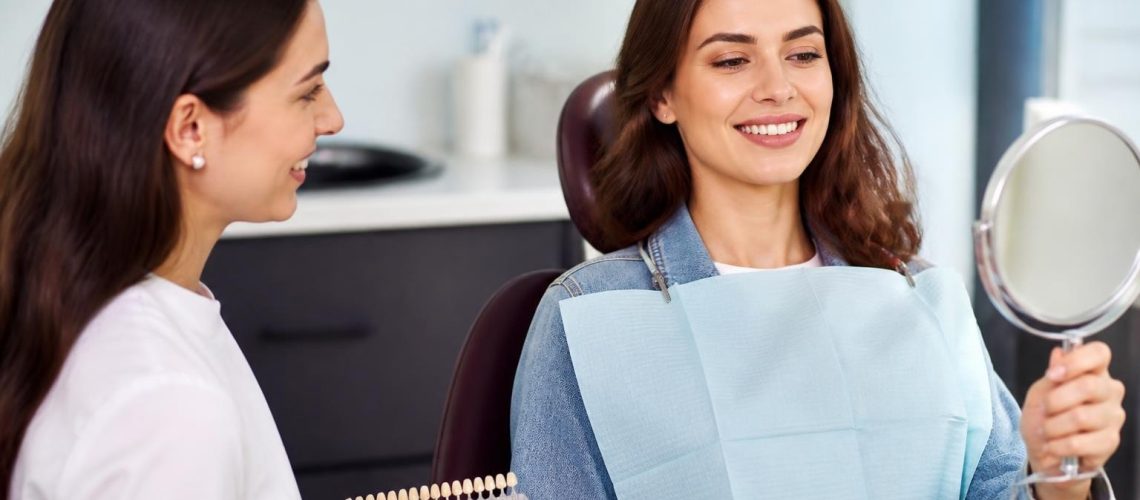
A bright, radiant smile can significantly impact your personal and professional life, boosting confidence and creating positive first impressions. Cosmetic dentistry teeth whitening has emerged as one of the most sought-after aesthetic dental procedures in 2026, offering patients safe and effective solutions to achieve the brilliant smile they desire. With advancements in dental technology and a growing emphasis on oral aesthetics, professional teeth whitening treatments have become more accessible, affordable, and results-driven than ever before. Understanding the various whitening options, their benefits, potential risks, and what to expect can help you make informed decisions about enhancing your smile.
Understanding Professional Teeth Whitening Options
Professional cosmetic dentistry teeth whitening encompasses several treatment approaches, each designed to address specific patient needs and preferences. Unlike over-the-counter products, professional treatments offer superior results under expert supervision.
In-office whitening treatments represent the gold standard for immediate, dramatic results. These procedures utilize high-concentration bleaching agents, typically hydrogen peroxide or carbamide peroxide, activated by specialized LED lights or lasers. The controlled environment allows dental professionals to protect your gums and soft tissues while maximizing the whitening effect on tooth enamel.
Benefits of Professional In-Office Whitening
Professional treatments at facilities like Dental Plus Clinic deliver several distinct advantages over at-home alternatives:
- Immediate Results: Most patients achieve noticeably whiter teeth in a single appointment, with improvements of several shades
- Professional Supervision: Dentists monitor the entire process, ensuring safety and addressing sensitivity concerns
- Customized Treatment: Professionals assess your specific needs and adjust treatment intensity accordingly
- Protective Measures: Gums and soft tissues receive proper protection throughout the procedure
- Long-Lasting Effects: Professional-grade materials and proper application techniques extend results
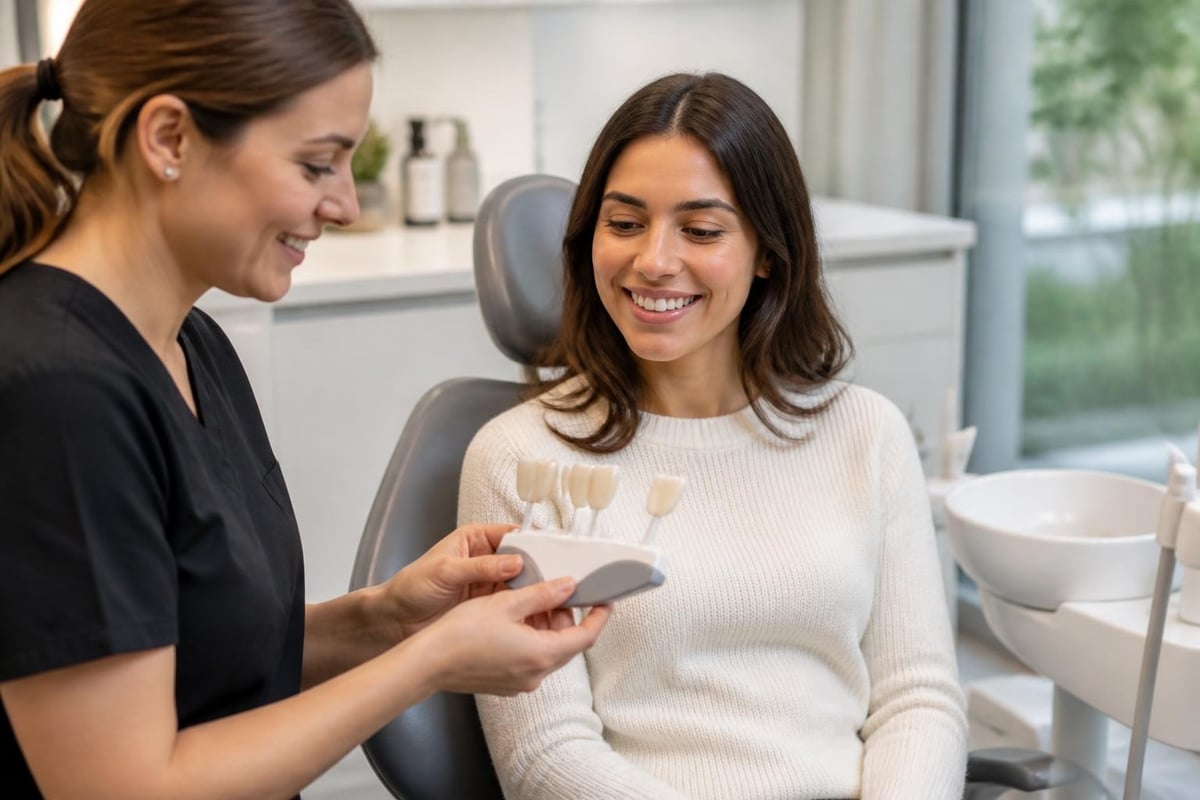
Take-home professional whitening kits bridge the gap between in-office treatments and over-the-counter products. Your dentist creates custom-fitted trays based on impressions of your teeth, ensuring even distribution of whitening gel and minimizing contact with gums. These kits contain professional-strength bleaching agents at concentrations higher than retail products but lower than in-office treatments.
| Treatment Type | Duration | Shade Improvement | Cost Range | Best For |
|---|---|---|---|---|
| In-Office Whitening | 60-90 minutes | 6-10 shades | $500-$1,200 | Quick results, special events |
| Take-Home Professional Kits | 2-4 weeks | 4-8 shades | $300-$600 | Gradual whitening, convenience |
| Over-the-Counter Products | 4-12 weeks | 2-4 shades | $20-$100 | Budget-conscious, mild staining |
The Science Behind Cosmetic Dentistry Teeth Whitening
Understanding how teeth whitening works helps patients set realistic expectations and appreciate the importance of professional guidance. Tooth enamel, though the hardest substance in the human body, contains microscopic pores that trap stain-causing molecules from foods, beverages, tobacco, and aging.
Whitening agents penetrate these pores using peroxide-based compounds. When hydrogen peroxide or carbamide peroxide breaks down, it releases oxygen molecules that interact with discolored molecules embedded in tooth enamel. This chemical reaction breaks apart the bonds holding stain molecules together, effectively dispersing them and making teeth appear whiter.
Factors Affecting Whitening Results
Several variables influence the effectiveness of cosmetic dentistry teeth whitening treatments:
Stain Type and Origin: Extrinsic stains on the tooth surface respond better to whitening than intrinsic stains embedded deep within the tooth structure. Coffee, tea, red wine, and tobacco create extrinsic stains, while certain medications, trauma, or excessive fluoride exposure during tooth development cause intrinsic discoloration.
Tooth Composition: Natural tooth color varies among individuals. Some people have naturally brighter enamel, while others have yellower or grayer tones. Yellow-toned teeth typically respond better to whitening treatments than gray-toned teeth.
Age Considerations: Younger patients often achieve more dramatic results because their enamel is less porous and their teeth haven't accumulated decades of staining. However, professional treatments can still significantly improve tooth color at any age.
Existing Dental Work: Whitening treatments only affect natural tooth enamel. Crowns, veneers, fillings, and bonding materials will not change color, potentially creating shade mismatches after whitening. Discussing these considerations with your cosmetic dental treatment provider ensures coordinated treatment planning.
According to The American Dental Association’s expert insights on teeth whitening, professional consultation remains crucial for achieving safe, effective results while minimizing potential complications.
Preparing for Your Teeth Whitening Treatment
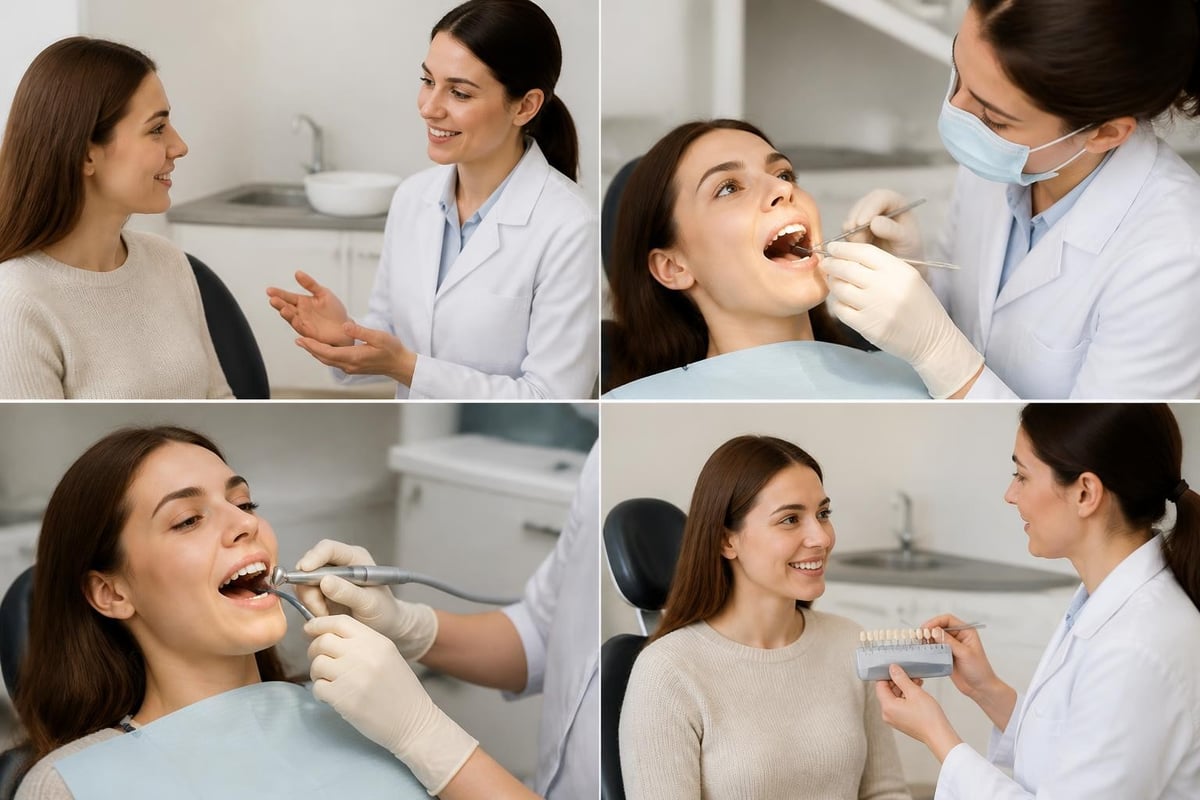
Proper preparation maximizes the effectiveness of cosmetic dentistry teeth whitening procedures and minimizes potential side effects. Your dentist will conduct a comprehensive oral health evaluation before recommending whitening treatments.
Pre-treatment assessments identify conditions that might affect whitening success or require attention before proceeding. Active cavities, gum disease, enamel erosion, or exposed root surfaces need treatment first. Whitening agents can penetrate cavities and reach the tooth's inner structures, causing sensitivity and discomfort.
Pre-Whitening Dental Care Steps
Following these preparation guidelines ensures optimal results:
- Schedule a Professional Cleaning: Removing plaque, tartar, and surface stains before whitening allows the bleaching agent to work more effectively on clean tooth surfaces.
- Address Dental Health Issues: Complete any necessary restorative work, such as filling cavities or treating gum inflammation, as recommended by your dentist.
- Discuss Sensitivity Concerns: If you experience tooth sensitivity, inform your dentist so they can recommend desensitizing treatments or adjust the whitening protocol.
- Review Medications and Supplements: Certain medications can affect tooth color or treatment effectiveness, so provide your dentist with a complete medication list.
- Set Realistic Expectations: Understand what whitening can and cannot achieve based on your specific dental condition and natural tooth color.
Professional evaluation also helps determine whether cosmetic dentistry teeth whitening suits your aesthetic goals or if alternative treatments like veneers or bonding might better address your concerns. Patients can explore what a cosmetic dentist can do to understand the full range of smile enhancement options available.
Safety Considerations and Potential Side Effects
While cosmetic dentistry teeth whitening is generally safe when performed under professional supervision, understanding potential side effects helps patients make informed decisions and manage expectations. The most common concern among whitening patients involves temporary tooth sensitivity.
Tooth sensitivity during and after whitening occurs when peroxide compounds penetrate enamel and irritate the tooth's nerve. This sensitivity typically manifests as sharp, brief pain when consuming hot, cold, sweet, or acidic foods and beverages. For most patients, sensitivity subsides within 24 to 48 hours after treatment completion.
Managing Whitening-Related Sensitivity
Professional dentists employ several strategies to minimize discomfort:
- Using lower-concentration bleaching agents for longer periods rather than high concentrations for short durations
- Applying desensitizing agents containing potassium nitrate or fluoride before and after whitening
- Recommending sensitivity-reducing toothpaste for several weeks before treatment
- Adjusting treatment intervals to allow teeth to recover between applications
- Providing custom trays that prevent gel contact with gums
Gum irritation represents another potential side effect when whitening gel contacts soft tissues. Professional treatments use protective barriers and precisely fitted trays to minimize this risk. If irritation occurs, it typically resolves quickly once treatment concludes.
Cleveland Clinic’s guidance on safe teeth whitening methods emphasizes the importance of professional oversight in preventing complications and achieving optimal results. Understanding whether teeth whitening causes dental problems helps patients weigh the benefits against potential temporary discomfort.
Comparing At-Home and Professional Whitening Methods
The marketplace offers numerous teeth whitening options, from professional treatments to drugstore products. Understanding the distinctions helps patients choose the most appropriate solution for their needs and budget.
Over-the-counter whitening strips, trays, and toothpastes provide convenient, affordable options for mild staining. These products contain lower concentrations of bleaching agents, typically between three and ten percent hydrogen peroxide. While safer for unsupervised use, they deliver more modest results over longer periods.
Limitations of Over-the-Counter Products
Retail whitening products face several inherent constraints:
Generic Fit: One-size-fits-all trays or strips may not conform properly to your teeth, causing uneven whitening and increased risk of gum irritation from gel leakage.
Lower Concentrations: Reduced bleaching agent strength means slower, less dramatic results. Multiple applications over weeks or months are typically required.
Lack of Customization: Store-bought products cannot address individual factors like existing dental work, tooth sensitivity, or specific staining patterns.
No Professional Monitoring: Without expert supervision, users might overuse products, causing enamel damage or severe sensitivity.
Research highlighted by The American Dental Association on whitening product effectiveness indicates that while some over-the-counter products show measurable results, professional treatments consistently outperform retail alternatives.
Professional cosmetic dentistry teeth whitening addresses these limitations through customized treatment plans, higher-quality materials, and expert application techniques. Dentists can also combine whitening with other aesthetic procedures for comprehensive smile makeovers.
Cost Considerations and Investment Value
Understanding the financial aspects of cosmetic dentistry teeth whitening helps patients budget appropriately and recognize the value proposition of professional treatments versus repeated purchases of less effective retail products.
In-office whitening treatments typically range from $500 to $1,200, depending on geographic location, dentist expertise, and specific techniques used. This investment delivers immediate, significant results that can last one to three years with proper maintenance.
Factors Influencing Treatment Costs
Several elements affect the final price of professional whitening:
- Treatment Type: Laser-activated whitening typically costs more than LED-light systems or standard bleaching procedures
- Geographic Location: Dental services in metropolitan areas often command higher prices than rural locations
- Practice Reputation: Experienced cosmetic dentists with advanced training may charge premium rates
- Number of Sessions: Some patients require multiple appointments to achieve desired results
- Add-On Services: Treatments combined with dental cleanings or other cosmetic procedures may offer package pricing
Take-home professional kits cost between $300 and $600, offering a middle ground between convenience and effectiveness. While requiring more time to achieve results, these kits provide professional-quality whitening at a lower price point than in-office treatments.
Many dental practices, including locations in Leander, Seguin, and New Braunfels, offer flexible payment plans to make cosmetic dentistry teeth whitening more accessible. Exploring how to reduce dental care costs provides additional strategies for managing treatment expenses.
| Cost Factor | Budget Option | Mid-Range Option | Premium Option |
|---|---|---|---|
| Initial Treatment | $20-$100 OTC | $300-$600 Take-Home | $500-$1,200 In-Office |
| Results Duration | 2-6 months | 6-12 months | 1-3 years |
| Maintenance Annual Cost | $100-$200 | $150-$300 | $200-$400 |
| Professional Supervision | None | Initial only | Full supervision |
Maintaining Your Whitening Results Long-Term
Achieving brilliant teeth through cosmetic dentistry teeth whitening represents just the beginning of your journey toward a lasting bright smile. Proper maintenance extends results and protects your investment in professional treatment.
Post-whitening care begins immediately after treatment. During the first 48 hours, teeth are particularly susceptible to staining because enamel pores remain enlarged from the whitening process. This period requires extra vigilance regarding food and beverage choices.
Foods and Beverages to Avoid After Whitening
The "white diet" during the initial post-treatment period helps preserve results:
Staining Beverages: Coffee, tea, red wine, cola, and dark fruit juices should be avoided or consumed through a straw to minimize enamel contact.
Pigmented Foods: Berries, tomato sauce, soy sauce, balsamic vinegar, and curry can deposit color molecules into enlarged enamel pores.
Acidic Items: Citrus fruits, sports drinks, and acidic foods temporarily soften enamel, making it more receptive to staining.
Tobacco Products: Smoking or chewing tobacco causes rapid yellowing and undermines whitening results.
Beyond the initial critical period, maintaining results requires ongoing attention to oral hygiene and lifestyle choices. Brushing twice daily with whitening toothpaste, flossing regularly, and scheduling professional cleanings every six months help preserve tooth brightness.

Touch-up treatments extend the longevity of your whitening results. Depending on individual factors, patients may benefit from periodic take-home whitening sessions every six to twelve months. Your dentist can recommend an appropriate maintenance schedule based on your lifestyle, dietary habits, and natural tooth characteristics.
Alternative Cosmetic Dentistry Solutions
While cosmetic dentistry teeth whitening effectively addresses tooth discoloration, certain dental concerns require alternative or complementary treatments. Understanding the full spectrum of cosmetic options ensures you select the most appropriate solution for your specific situation.
Dental veneers offer permanent solutions for severely stained, chipped, or misshapen teeth. These thin porcelain or composite shells bond to the front surface of teeth, creating a flawless appearance that resists staining. While more expensive than whitening, veneers address multiple aesthetic concerns simultaneously.
When Veneers Might Be Preferable
Certain conditions make veneers more suitable than whitening alone:
- Intrinsic Staining: Deep discoloration from medications like tetracycline or fluorosis that doesn't respond to bleaching
- Structural Issues: Teeth with chips, cracks, or significant size/shape irregularities
- Permanent Results: Patients seeking long-lasting aesthetic improvements without ongoing maintenance
- Comprehensive Enhancement: Simultaneous correction of color, shape, size, and alignment issues
Dental bonding provides another alternative for minor imperfections. This procedure applies tooth-colored composite resin to repair chips, close gaps, or improve tooth shape. While less durable than veneers, bonding costs significantly less and can be completed in a single appointment. Understanding the difference between dental implants and veneers helps patients navigate various cosmetic options.
For patients with crooked or gapped teeth, orthodontic treatments like clear aligners create straighter smiles that enhance the impact of whitening. Many patients combine clear aligners with cosmetic dentistry teeth whitening for comprehensive smile transformations.
The Growing Popularity of Teeth Whitening in 2026
The demand for cosmetic dentistry teeth whitening continues to surge, reflecting broader cultural trends toward aesthetic enhancement and self-care. The American Dental Association reports increasing popularity of cosmetic teeth whitening, with more patients seeking professional treatments than ever before.
Several factors drive this growth trend. Social media platforms emphasize visual presentation, motivating individuals to invest in their appearance. Video conferencing has become standard in professional settings, making facial aesthetics more prominent in career advancement considerations.
Demographic Trends in Whitening Treatments
Professional whitening appeals to diverse patient populations:
Millennials and Gen Z: Younger adults prioritize aesthetic dentistry as part of overall wellness routines, often scheduling whitening before major life events like weddings, graduations, or job interviews.
Working Professionals: Career-focused individuals recognize that a confident smile positively impacts professional relationships and advancement opportunities.
Mature Adults: Older patients increasingly seek cosmetic treatments to maintain youthful appearances and counteract age-related tooth discoloration.
Special Occasion Preparers: Patients frequently schedule whitening before weddings, reunions, photo sessions, or important presentations.
Technological advances have made professional whitening more comfortable, efficient, and effective. Modern LED activation systems reduce treatment time while delivering superior results compared to earlier methods. Many practices now offer same-day treatments that fit seamlessly into busy schedules.
The accessibility of professional cosmetic dentistry teeth whitening has expanded through multiple Texas locations, including facilities in Converse and Beeville, making quality dental care more convenient for diverse communities.
Addressing Common Teeth Whitening Concerns
Patients considering cosmetic dentistry teeth whitening often have questions and concerns about the process, results, and potential complications. Addressing these common inquiries helps individuals approach treatment with confidence and realistic expectations.
How long do whitening results last? Professional in-office treatments typically maintain effectiveness for one to three years, while take-home professional kits last six months to two years. Individual results vary based on oral hygiene practices, dietary habits, tobacco use, and natural tooth characteristics. Patients who diligently maintain results through proper care and periodic touch-ups enjoy longer-lasting brightness.
Will whitening damage my tooth enamel? When performed correctly under professional supervision, cosmetic dentistry teeth whitening does not permanently damage enamel. The temporary porosity created during treatment reverses naturally within days. However, excessive or improper use of whitening products can lead to enamel erosion, making professional guidance essential.
Whitening and Dental Sensitivity
What if I have sensitive teeth? Dentists employ various strategies to accommodate sensitivity-prone patients, including lower-concentration bleaching agents, desensitizing treatments before and after whitening, and modified application schedules. Patients experiencing significant sensitivity should discuss options with their dentist before beginning treatment.
Can I whiten if I have dental restorations? Whitening treatments only affect natural tooth enamel, not crowns, veneers, fillings, or bridges. Patients with visible restorations in their smile zone should discuss potential shade mismatches with their dentist. In some cases, replacing restorations after whitening ensures color consistency across all visible teeth.
Are there permanent whitening options? While no whitening treatment offers truly permanent results, professional procedures provide the longest-lasting effects. For permanent color correction, veneers or crowns represent the only options, though these involve altering tooth structure. Understanding the most permanent teeth whitening procedures helps patients make informed decisions aligned with their goals.
How white can my teeth become? Natural tooth color limits whitening potential. Most patients achieve improvements of several shades, typically reaching a natural-looking white that complements their skin tone and facial features. Unrealistic "Hollywood white" expectations may require porcelain veneers rather than whitening alone.
Selecting the Right Cosmetic Dentistry Provider
Choosing a qualified, experienced cosmetic dentistry teeth whitening provider significantly impacts your treatment experience, results, and safety. Not all dental practices offer equivalent expertise in aesthetic procedures, making careful provider selection essential.
Look for dentists with specific training and credentials in cosmetic dentistry. While all dentists receive basic education in dental aesthetics, those pursuing advanced training through organizations like the American Academy of Cosmetic Dentistry demonstrate commitment to excellence in this specialty.
Evaluating Provider Qualifications
Consider these factors when selecting a whitening provider:
Experience and Specialization: Ask how many whitening procedures the dentist performs annually and what percentage of their practice focuses on cosmetic treatments.
Technology and Techniques: Modern practices invest in advanced whitening systems that deliver superior results with enhanced comfort.
Before-and-After Portfolio: Reviewing actual patient results helps assess the provider's skill level and aesthetic sensibility.
Patient Reviews: Online testimonials and ratings provide insights into patient satisfaction, staff professionalism, and treatment outcomes.
Consultation Process: Quality providers conduct thorough initial consultations, explaining options, setting realistic expectations, and addressing concerns.
Comprehensive Care: Practices offering multiple cosmetic services demonstrate broader expertise and can recommend integrated treatment approaches when appropriate. Learning what to look for when choosing a cosmetic dentist ensures you select a qualified provider who prioritizes your aesthetic goals and oral health.
Communication style matters as well. Your cosmetic dentist should listen attentively to your concerns, answer questions thoroughly, and involve you in treatment planning decisions. This collaborative approach ensures results that align with your vision and expectations.
Integration with Overall Oral Health
Cosmetic dentistry teeth whitening achieves optimal results when integrated into a comprehensive oral health strategy. A beautiful smile depends on more than tooth color alone; healthy gums, proper alignment, and structural integrity all contribute to overall aesthetic appeal.
Regular preventive care forms the foundation for successful cosmetic treatments. Professional cleanings remove buildup that interferes with whitening effectiveness and helps detect potential issues before they compromise aesthetic outcomes. Routine examinations allow dentists to monitor oral health and recommend timely interventions.
Holistic Approach to Smile Enhancement
Coordinating cosmetic and preventive care delivers multiple benefits:
- Early Problem Detection: Regular checkups identify cavities, gum disease, or other conditions requiring treatment before whitening
- Optimized Treatment Timing: Strategic scheduling ensures dental work and whitening complement rather than conflict with each other
- Long-Term Results: Healthy teeth and gums maintain whitening results more effectively than compromised oral structures
- Comprehensive Aesthetics: Addressing all smile elements simultaneously creates harmonious, natural-looking results
- Prevention of Complications: Professional monitoring minimizes risks and addresses concerns promptly
Understanding how poor oral health affects overall body health emphasizes the importance of maintaining excellent dental hygiene alongside cosmetic treatments. Patients who neglect preventive care often experience shortened whitening results and increased dental complications.
Children and adolescents benefit from early emphasis on oral health habits that preserve natural tooth brightness and reduce future whitening needs. Teaching proper brushing technique, encouraging healthy dietary choices, and providing preventive treatments like fluoride applications and sealants protect developing teeth. Resources on helping children avoid tooth decay guide parents in establishing lifelong healthy habits.
Emergency Considerations and Problem Resolution
While cosmetic dentistry teeth whitening rarely causes serious complications, understanding how to address unexpected issues ensures patient safety and comfort. Knowing when to contact your dentist versus managing minor concerns at home provides peace of mind throughout the whitening process.
Severe, persistent tooth sensitivity beyond normal post-treatment expectations warrants professional evaluation. While mild sensitivity resolves naturally, intense pain that interferes with eating, drinking, or sleep may indicate underlying dental problems requiring attention.
When to Contact Your Dentist
Seek professional guidance if you experience:
- Extreme Sensitivity: Sharp, severe pain that doesn't respond to over-the-counter pain relievers or desensitizing toothpaste
- Gum Irritation: Persistent redness, swelling, or bleeding lasting more than a few days after treatment
- Uneven Results: Significant color variations or blotchy appearance suggesting improper application or underlying dental issues
- Increased Discoloration: Paradoxical darkening of teeth, which may indicate internal problems requiring evaluation
- Allergic Reactions: Unusual swelling, rash, or breathing difficulties, though extremely rare with standard whitening agents
For less urgent concerns, simple home remedies often provide relief. Rinsing with warm salt water soothes irritated gums, while avoiding extreme temperatures protects sensitive teeth during the recovery period. Over-the-counter sensitivity toothpastes containing potassium nitrate help block pain signals from reaching tooth nerves.
Patients experiencing dental emergencies unrelated to whitening can access emergency dental care through established practices offering urgent appointment availability.
Future Trends in Teeth Whitening Technology
The field of cosmetic dentistry teeth whitening continues evolving as researchers develop innovative materials, techniques, and technologies. Staying informed about emerging trends helps patients anticipate future options and understand current treatment limitations.
Nanotechnology applications promise more effective whitening with reduced sensitivity. Researchers are developing nano-sized peroxide particles that penetrate enamel more efficiently while causing less nerve irritation. These advanced formulations may deliver superior results in shorter treatment times with enhanced comfort.
Emerging Whitening Innovations
Several promising developments are advancing toward clinical availability:
LED Technology Refinements: Next-generation light activation systems optimize wavelengths and intensity for maximum bleaching agent effectiveness with minimal heat generation.
Natural Whitening Agents: Plant-based compounds and enzymatic formulas offer alternatives to traditional peroxide systems, potentially reducing sensitivity while maintaining effectiveness.
Smart Whitening Systems: Digital monitoring technologies track treatment progress and automatically adjust application parameters for optimal, personalized results.
Extended-Release Formulations: Slow-release whitening systems maintain therapeutic concentrations longer, potentially reducing treatment frequency while improving outcomes.
Remineralization Integration: Products combining whitening agents with enamel-strengthening minerals address sensitivity while enhancing tooth structure.
As technology advances, professional oversight remains crucial for safe, effective treatments. While at-home options may improve, the expertise, customization, and monitoring provided by dental professionals continue offering significant advantages over self-directed approaches.
The integration of cosmetic dentistry teeth whitening into comprehensive smile makeovers will likely expand, with dentists increasingly coordinating whitening with orthodontics, veneers, and other aesthetic procedures for transformative results.
Professional cosmetic dentistry teeth whitening offers safe, effective solutions for achieving the brilliant smile you deserve, with options ranging from convenient take-home kits to dramatic in-office treatments. By understanding the science, costs, and maintenance requirements, you can make informed decisions that align with your aesthetic goals and budget. Whether you're in Beeville, Seguin, New Braunfels, Leander, or Converse, Dental Plus Clinic provides comprehensive cosmetic dentistry services tailored to your unique needs, combining advanced technology with personalized care to help you achieve and maintain a confident, radiant smile for years to come.