
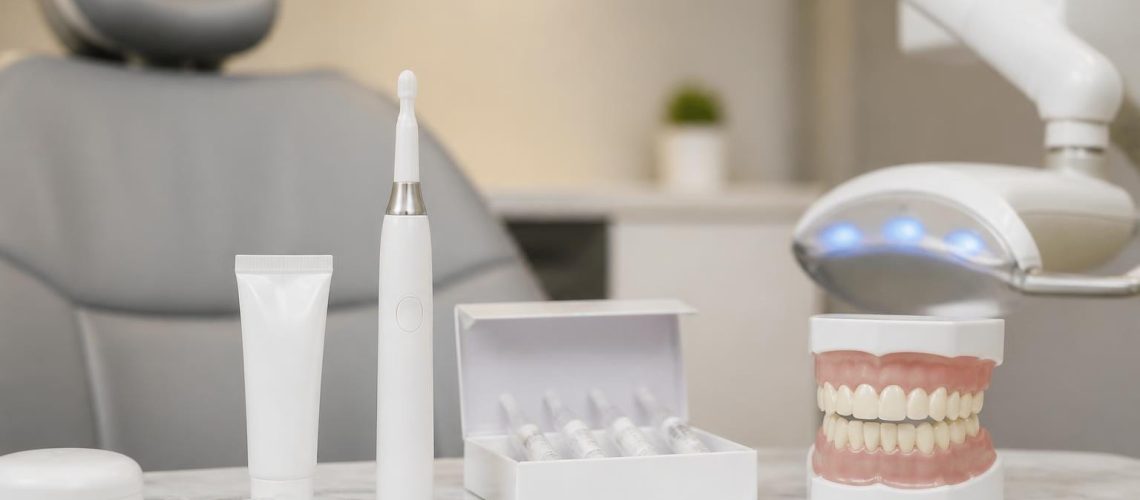
A bright, white smile has become one of the most sought-after cosmetic enhancements in modern dentistry. Whether you're preparing for a special event, boosting your professional image, or simply want to reverse years of staining from coffee and wine, understanding the cost of dental teeth whitening is essential for making an informed decision. Professional teeth whitening prices vary significantly based on treatment method, location, and the expertise of your dental provider. In Texas, patients have access to various whitening options ranging from affordable over-the-counter products to advanced in-office procedures that deliver dramatic results. This comprehensive guide explores every aspect of teeth whitening costs, helping you determine which option provides the best value for your budget and aesthetic goals.
Understanding Professional Teeth Whitening Options
Professional teeth whitening differs substantially from store-bought products in both effectiveness and safety. Dental professionals use higher concentrations of whitening agents, typically hydrogen peroxide or carbamide peroxide, which penetrate tooth enamel more effectively than over-the-counter alternatives.
In-Office Whitening Treatments
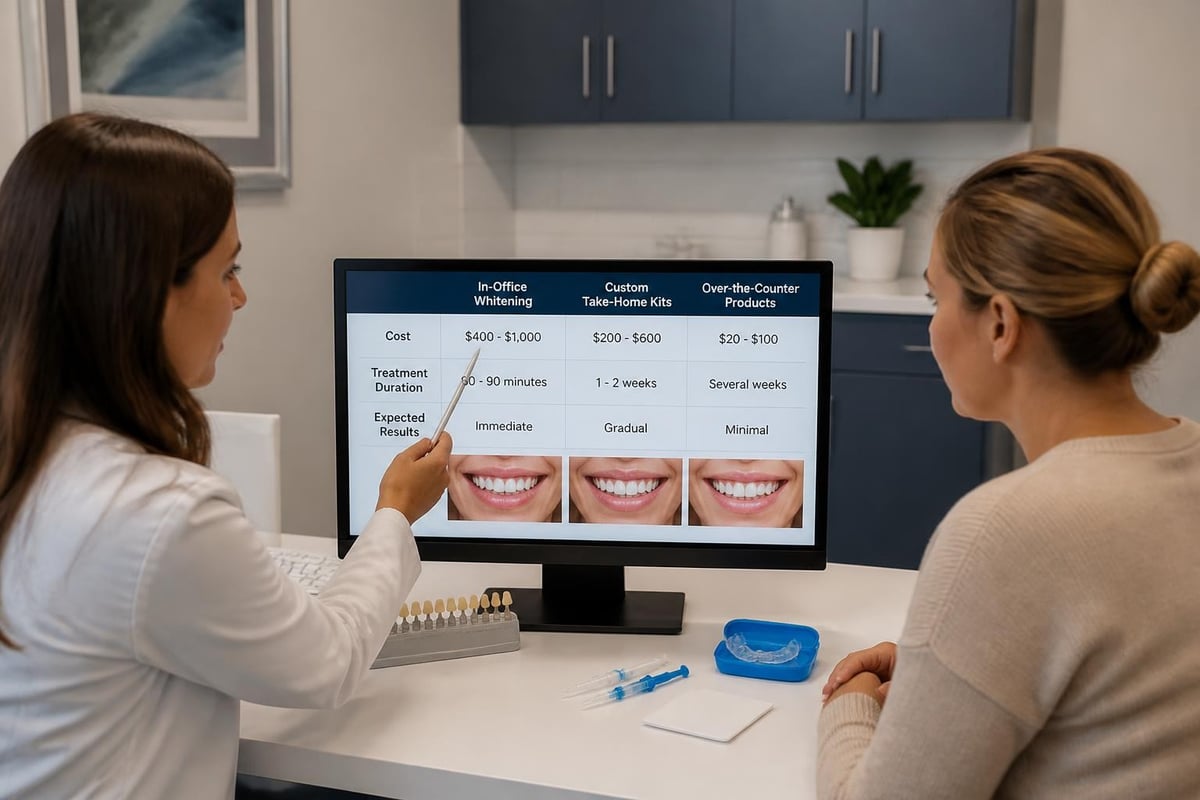
In-office whitening represents the premium tier of teeth whitening services. These treatments utilize professional-grade bleaching agents, often activated by specialized LED lights or lasers to accelerate the whitening process. The cost of dental teeth whitening performed in a professional setting typically ranges from $500 to $1,200 per session.
The procedure usually takes 60 to 90 minutes and can lighten teeth by several shades in a single visit. Dental professionals at Dental Plus Clinic apply protective barriers to your gums and soft tissues before administering the whitening gel, ensuring both safety and optimal results.
Benefits of in-office treatments include:
- Immediate results visible after just one session
- Professional supervision throughout the procedure
- Customized concentration levels tailored to your tooth sensitivity
- Protective measures to prevent gum irritation
- Longest-lasting results compared to other methods
Custom Take-Home Whitening Kits
Professional take-home kits offer a middle ground between convenience and effectiveness. Your dentist creates custom-fitted trays based on impressions of your teeth, then provides professional-grade whitening gel for home application. These kits typically cost between $300 and $600.
Treatment duration spans two to four weeks, with daily applications of 30 minutes to several hours, depending on the gel concentration. According to Gentle Dental’s comprehensive resource, custom take-home trays deliver professional results at a lower price point than in-office treatments.
Breaking Down the Cost of Dental Teeth Whitening
Understanding what drives teeth whitening costs helps you evaluate different treatment options and make budget-conscious decisions without compromising quality.
Geographic Location Factors
The cost of dental teeth whitening varies significantly based on where you live. Urban areas with higher operating costs typically charge premium prices, while suburban and rural locations offer more competitive rates.
In Texas cities like Leander, New Braunfels, and Beeville, patients often find more affordable pricing compared to major metropolitan areas. Regional cost differences can range from 15% to 40% for identical procedures.
| Texas Region | Average In-Office Cost | Average Take-Home Kit Cost | Cost Variation Factor |
|---|---|---|---|
| Major Cities | $800 – $1,200 | $450 – $600 | Higher overhead |
| Suburban Areas | $600 – $900 | $350 – $500 | Moderate overhead |
| Rural Communities | $500 – $750 | $300 – $450 | Lower overhead |
Treatment Complexity and Duration
The severity of tooth discoloration directly impacts treatment cost. Surface stains from coffee, tea, or tobacco respond quickly to standard whitening protocols. However, deeper intrinsic stains caused by medications, trauma, or excessive fluoride require more intensive treatment.
Patients with significant discoloration may need multiple in-office sessions or extended take-home treatment plans. Additional appointments increase the overall investment, potentially doubling the base cost for complex cases.
Technology and Equipment Used
Advanced whitening systems incorporating laser activation or LED technology command higher fees than traditional methods. These premium technologies often deliver faster results and reduced sensitivity, justifying the increased expense for many patients.
The type of whitening agent also affects pricing. Newer formulations with desensitizing compounds or enamel-strengthening minerals cost more but provide enhanced comfort and protection during treatment.
Over-the-Counter Whitening Alternatives
Budget-conscious consumers often explore retail whitening products before committing to professional treatments. While these options cost significantly less, understanding their limitations helps set realistic expectations.
Whitening Strips and Gels
Drugstore whitening strips typically range from $20 to $60 per box, offering 10 to 30 days of treatment. These adhesive strips contain lower concentrations of hydrogen peroxide than professional products, usually between 6% and 14%.
Results vary considerably based on consistency of use and initial tooth color. Most users achieve one to three shades of whitening over several weeks. Dental HQ’s analysis of cost-effectiveness suggests strips provide moderate value for minimal staining but fall short for significant discoloration.
Whitening Toothpastes and Rinses
Whitening toothpastes cost $5 to $15 per tube and work primarily through mild abrasives that remove surface stains. Unlike bleaching products, they don't change the natural color of teeth but can maintain results from professional treatments.
Whitening mouthwashes follow similar pricing and mechanisms. When used consistently over three months, these products may lighten teeth by approximately one shade.
LED Whitening Kits
Retail LED whitening kits, priced between $50 and $150, attempt to replicate professional light-activated systems. These kits include whitening gel and a battery-powered LED light device.
While more effective than strips alone, they use lower gel concentrations and less powerful lights than dental office equipment. Results typically appear after five to ten applications but rarely match professional treatment outcomes.
Insurance Coverage and Payment Options
Most dental insurance plans classify teeth whitening as a cosmetic procedure, meaning they don't provide coverage for the cost of dental teeth whitening. However, understanding your policy details and available payment alternatives can make treatment more accessible.
Dental Insurance Considerations
Standard dental insurance policies focus on preventive care, basic procedures, and major restorative work. Cosmetic dentistry, including teeth whitening, typically falls outside covered services unless the discoloration results from trauma or medication prescribed for medical conditions.
If your dental insurance has denied coverage for whitening, some policies may cover preliminary procedures like cleaning or cavity treatment that improve whitening results. Always verify your specific benefits before scheduling cosmetic treatments.
Flexible Spending Accounts (FSA) and Health Savings Accounts (HSA)
FSAs and HSAs offer tax-advantaged ways to pay for eligible dental expenses. The IRS generally doesn't include cosmetic procedures in qualified expenses, but exceptions exist when whitening addresses medical or dental health issues rather than purely aesthetic concerns.
Consult your FSA or HSA administrator to confirm eligibility. Some providers approve whitening when recommended by a dentist to improve oral health outcomes.
Payment Plans and Financing
Many dental practices offer payment plans that spread the cost of dental teeth whitening over several months. These arrangements typically require a down payment followed by monthly installments, sometimes with zero interest if paid within a promotional period.
Third-party healthcare financing companies like CareCredit provide additional options for patients. These programs often feature:
- Extended payment terms ranging from six to 24 months
- Promotional interest rates for qualified applicants
- Immediate approval processes
- Flexible monthly payment amounts
Patients at practices across Seguin and Converse can explore financing options that make professional whitening accessible regardless of budget constraints.
Factors That Influence Treatment Longevity
The duration of whitening results significantly impacts the overall value proposition. Understanding what affects longevity helps maximize your investment.
Lifestyle and Dietary Habits
Your daily habits play the largest role in maintaining whitened teeth. Consuming staining beverages like coffee, red wine, and dark sodas accelerates color regression. Tobacco use causes even faster re-staining.
Patients who limit staining foods and beverages can maintain results for 18 to 36 months after in-office whitening. Those with high-stain diets may need touch-ups every six to 12 months.
Oral Hygiene Practices
Regular brushing, flossing, and professional cleanings preserve whitening results. Professional cleanings every six months remove surface stains before they penetrate enamel, extending the time between whitening treatments.
Using whitening toothpaste as maintenance between professional treatments helps sustain brightness without additional major expenses.
Initial Tooth Color and Condition
Teeth with yellowish tones respond better to whitening than grayish hues. The American Dental Association notes that natural tooth color variations mean some patients achieve more dramatic results than others, even with identical treatments.
Teeth with extensive restorations, veneers, or crowns present unique challenges since dental materials don't respond to bleaching agents. Patients considering cosmetic dental treatment should discuss comprehensive smile makeover options that address both natural teeth and existing dental work.
Comparing Teeth Whitening to Other Cosmetic Procedures
When evaluating the cost of dental teeth whitening, comparing it to alternative cosmetic dental treatments provides valuable context about relative value and expected outcomes.
Veneers Versus Whitening
Porcelain veneers cost $800 to $2,500 per tooth, making them substantially more expensive than whitening. However, veneers address multiple cosmetic concerns simultaneously, including discoloration, chips, gaps, and misalignment.
For patients with dental concerns beyond color, veneers may provide better long-term value. Whitening remains the most cost-effective solution for patients with healthy teeth seeking only color improvement.
Dental Bonding Options
Dental bonding costs $300 to $600 per tooth and can whiten individual teeth while repairing minor imperfections. This procedure works well for single discolored teeth but becomes expensive when treating multiple teeth.
For comprehensive smile brightening, professional whitening delivers superior value compared to bonding multiple teeth.
Long-Term Cost Analysis
| Treatment Type | Initial Cost | Expected Duration | Annual Cost | Best For |
|---|---|---|---|---|
| In-Office Whitening | $500 – $1,200 | 1-3 years | $167 – $1,200 | Quick, dramatic results |
| Take-Home Kits | $300 – $600 | 1-2 years | $150 – $600 | Gradual, controlled whitening |
| OTC Products | $20 – $150 | 3-6 months | $40 – $600 | Maintenance, minor stains |
| Veneers | $800 – $2,500/tooth | 10-15 years | $53 – $250/tooth | Multiple cosmetic issues |
Maximizing Value from Your Whitening Investment
Strategic planning and informed choices help you achieve optimal results while managing costs effectively.
Timing Your Treatment
Scheduling whitening treatments during promotional periods can reduce costs by 10% to 30%. Many dental practices offer special pricing during slower months or as part of smile makeover packages.
Combining whitening with routine preventive care appointments may qualify you for package discounts. Ask about bundled services that include professional cleaning plus whitening at reduced rates.
Maintaining Results Between Treatments
Proper maintenance extends the time between whitening sessions, reducing long-term costs. Understanding what cosmetic dentists can do helps you develop comprehensive oral care strategies that preserve your investment.
Simple maintenance strategies include:
- Rinse immediately after consuming staining foods or beverages
- Use a straw when drinking coffee, tea, or wine
- Brush within 30 minutes of eating pigmented foods
- Schedule regular cleanings every six months
- Apply touch-up gel as recommended by your dentist
Choosing the Right Provider
Selecting an experienced dental provider ensures safe, effective treatment and reduces the risk of complications that require additional expense. Research providers thoroughly, reading patient reviews and verifying credentials.
Questions to ask potential providers include:
- What whitening systems do you use, and why?
- How many whitening procedures do you perform monthly?
- What results can I realistically expect given my tooth condition?
- What's included in the quoted price?
- What's your policy on touch-ups or unsatisfactory results?
Dental Plus Clinic’s experienced team provides transparent pricing, detailed treatment plans, and ongoing support to ensure patients achieve their desired results.
Special Considerations for Sensitive Teeth
Tooth sensitivity represents a common concern when evaluating teeth whitening options. Understanding how different treatments affect sensitive teeth helps you choose appropriate methods.
Sensitivity and Whitening Agents
Higher concentrations of bleaching agents increase both effectiveness and potential sensitivity. Professional treatments offer customization options that balance results with comfort.
Dentists can:
- Reduce peroxide concentration for sensitive patients
- Apply desensitizing agents before whitening
- Recommend shorter treatment sessions
- Prescribe fluoride treatments post-whitening
- Suggest gentler take-home alternatives
Pre-Treatment Assessment
Comprehensive dental examinations identify underlying issues that contribute to sensitivity, such as enamel erosion, gum recession, or exposed dentin. Addressing these problems before whitening improves comfort and results.
According to research on teeth whitening and dental problems, properly supervised professional whitening rarely causes permanent sensitivity when protocols account for individual patient needs.
Managing Post-Treatment Sensitivity
Temporary sensitivity following whitening typically resolves within 24 to 48 hours. Management strategies include:
- Using desensitizing toothpaste for one week before and after treatment
- Avoiding extreme temperatures in food and beverages immediately after whitening
- Taking over-the-counter pain relievers as needed
- Applying prescribed fluoride gel to strengthen enamel
Cost Considerations for Different Age Groups
The cost of dental teeth whitening and its appropriateness varies across different age demographics, requiring tailored approaches for optimal results.
Young Adults and First-Time Whitening
Patients in their twenties and thirties often pursue whitening for professional advancement or social occasions. This demographic typically has healthier enamel, allowing for aggressive treatment protocols that deliver dramatic results.
Budget-conscious young adults frequently start with professional take-home kits, upgrading to in-office treatments for special events. This stepped approach spreads costs over time while building toward optimal brightness.
Middle-Aged Patients
Patients aged 40 to 60 may have existing dental work, including crowns, fillings, or veneers that don't respond to whitening. Comprehensive treatment planning ensures natural teeth match existing restorations or coordinates replacement of old dental work for uniform color.
This age group often invests in in-office treatments for faster results and professional guidance on maintaining oral health alongside aesthetic improvements.
Senior Considerations
Older adults may experience thinner enamel, increased sensitivity, or dental conditions that complicate whitening. Conservative approaches using lower concentrations and extended treatment periods provide safer options.
Seniors should prioritize comprehensive dental evaluations before whitening to address any underlying oral health issues that might affect treatment safety or effectiveness.
Regional Pricing in Texas Communities
Understanding local market conditions helps Texas residents identify fair pricing and quality providers in their communities.
Urban Versus Rural Cost Variations
Metropolitan areas like Austin command premium pricing due to higher overhead costs, while smaller communities offer more competitive rates. However, quality care exists across the price spectrum when you research providers thoroughly.
Patients in locations throughout Texas benefit from competitive pricing and personalized care that prioritizes patient outcomes over profit margins.
Seasonal Pricing Patterns
Dental practices often adjust pricing based on seasonal demand. Wedding season (spring and early summer) sees increased whitening requests, sometimes with higher prices. Conversely, late fall and winter may offer promotional pricing to maintain steady patient flow.
Planning treatments during slower periods can reduce costs by 15% to 25% while maintaining identical quality and results.
Understanding Treatment Limitations
Realistic expectations about what teeth whitening can and cannot achieve prevent disappointment and unnecessary expenses.
Types of Stains Addressed
Professional whitening excels at removing extrinsic stains from food, beverages, and tobacco. These surface-level discolorations respond quickly to bleaching agents.
Intrinsic stains from medications like tetracycline, excessive fluoride exposure, or trauma prove more challenging. While professional treatments improve these conditions, they may require multiple sessions or alternative cosmetic approaches for optimal results.
Dental Work Limitations
Existing dental restorations including crowns, bridges, fillings, and veneers maintain their original color regardless of whitening treatments. Cosmetic dentistry solutions for patients with extensive dental work may include replacing old restorations after whitening natural teeth.
This coordination ensures uniform color across all visible teeth, though it increases overall investment beyond basic whitening costs.
Permanent Versus Temporary Results
No teeth whitening method provides permanent results. Natural aging, dietary choices, and oral hygiene practices all influence color maintenance. Understanding the most permanent whitening procedures helps set appropriate expectations about maintenance requirements and long-term costs.
Professional in-office treatments typically last longest, but all methods require eventual touch-ups to maintain desired brightness levels.
Evaluating Return on Investment
Assessing the value of teeth whitening extends beyond simple cost comparison to include psychological benefits, professional advantages, and quality of life improvements.
Professional and Social Benefits
Studies demonstrate that people with bright, white smiles receive more positive responses in professional and social settings. These advantages can translate into career advancement, improved networking opportunities, and enhanced self-confidence.
Quantifying these benefits proves challenging, but many patients report the investment in their smile yields returns far exceeding the monetary cost of dental teeth whitening.
Psychological Impact
Confidence in your smile affects how you interact with others, from speaking up in meetings to smiling freely in photographs. The psychological value of feeling comfortable with your appearance provides intangible benefits that enhance overall life satisfaction.
Cost Per Use Analysis
Viewing whitening costs through a cost-per-use lens provides perspective. An $800 in-office treatment lasting two years costs approximately $1.10 per day. This minimal daily investment often seems reasonable when compared to other regular expenses like premium coffee or streaming services.
Common Mistakes to Avoid
Understanding frequent errors in teeth whitening decisions helps you avoid wasted money and disappointing results.
Choosing Based Solely on Price
The cheapest option rarely delivers the best value. Inexperienced providers using outdated technology or low-quality products may produce poor results requiring corrective treatment, ultimately costing more than professional care from the start.
Neglecting Preliminary Dental Care
Attempting to whiten teeth with untreated cavities, gum disease, or other oral health issues can cause pain, worsen existing problems, and produce uneven results. Comprehensive dental care should always precede cosmetic treatments.
Overuse of Whitening Products
Excessive whitening damages enamel and increases sensitivity. Following professional recommendations about treatment frequency preserves tooth structure while maintaining desired brightness.
Ignoring Maintenance Requirements
Failing to maintain results through proper oral hygiene and dietary awareness shortens the time between treatments, increasing long-term costs. Consistent maintenance extends results and reduces overall investment.
Alternative and Complementary Approaches
Combining professional whitening with other strategies maximizes results and value.
Dental Cleaning Before Whitening
Professional teeth cleaning removes plaque and tartar, allowing whitening agents to contact tooth surfaces more effectively. This preliminary step, typically costing $75 to $200, enhances whitening results and should precede treatment.
Microabrasion for Specific Stains
Dental microabrasion uses mild acid and abrasives to remove superficial enamel stains. This technique costs $150 to $300 per tooth and works well for localized discoloration that doesn't respond to traditional whitening.
Combining Treatments for Comprehensive Results
Patients seeking dramatic smile transformations often combine whitening with other cosmetic procedures. Package pricing for multiple treatments may reduce per-procedure costs by 10% to 20% compared to individual service pricing.
Discussing comprehensive treatment plans with your dental provider identifies opportunities for bundled services that achieve superior results while managing costs efficiently.
Understanding the cost of dental teeth whitening empowers you to make informed decisions that balance budget considerations with desired outcomes. Whether you choose in-office treatments for immediate results or take-home kits for gradual improvement, professional guidance ensures safe, effective whitening that enhances your smile and confidence. Dental Plus Clinic offers personalized whitening solutions tailored to your unique needs and budget, with convenient locations throughout Texas providing accessible, high-quality cosmetic dentistry. Schedule a consultation today to discover which whitening option delivers the best value for your smile goals and financial situation.