
Understanding the dentist cost in Texas is essential for planning your oral health budget and making informed decisions about dental care. Whether you're considering a routine cleaning, addressing a dental emergency, or exploring cosmetic enhancements, knowing what to expect financially helps you prioritize treatments and explore payment options. Texas dental prices vary significantly based on location, provider experience, treatment complexity, and whether you have insurance coverage. This comprehensive guide breaks down typical costs for common dental procedures across the Lone Star State, factors that influence pricing, and strategies to make quality dental care more affordable in 2026.
Understanding Texas Dental Pricing Structures
Dental fees in Texas reflect a combination of regional economic factors, operational costs, and practice overhead. The per capita dental spending in Texas runs slightly higher than the national average, with Texans investing approximately 4-7% more annually on dental care compared to residents in many other states.
Urban areas like Austin, Houston, Dallas, and San Antonio typically command higher fees due to elevated commercial rent, staffing costs, and higher patient demand. Smaller communities such as Beeville, Seguin, New Braunfels, Leander, and Converse often offer more competitive pricing while maintaining quality care standards.
Geographic Cost Variations
Major Metropolitan Areas:
- Austin: 10-20% above state average
- Houston: 8-15% above state average
- Dallas-Fort Worth: 12-18% above state average
- San Antonio: 5-12% above state average
Mid-Size Cities and Towns:
- Competitive pricing typically 5-15% below metropolitan rates
- Lower overhead translates to patient savings
- Strong community relationships often benefit long-term patients
The dentist cost in Texas fluctuates based on these geographic considerations, making it worthwhile to compare providers across different regions while factoring in travel convenience and continuity of care.
Preventive Dental Care Costs
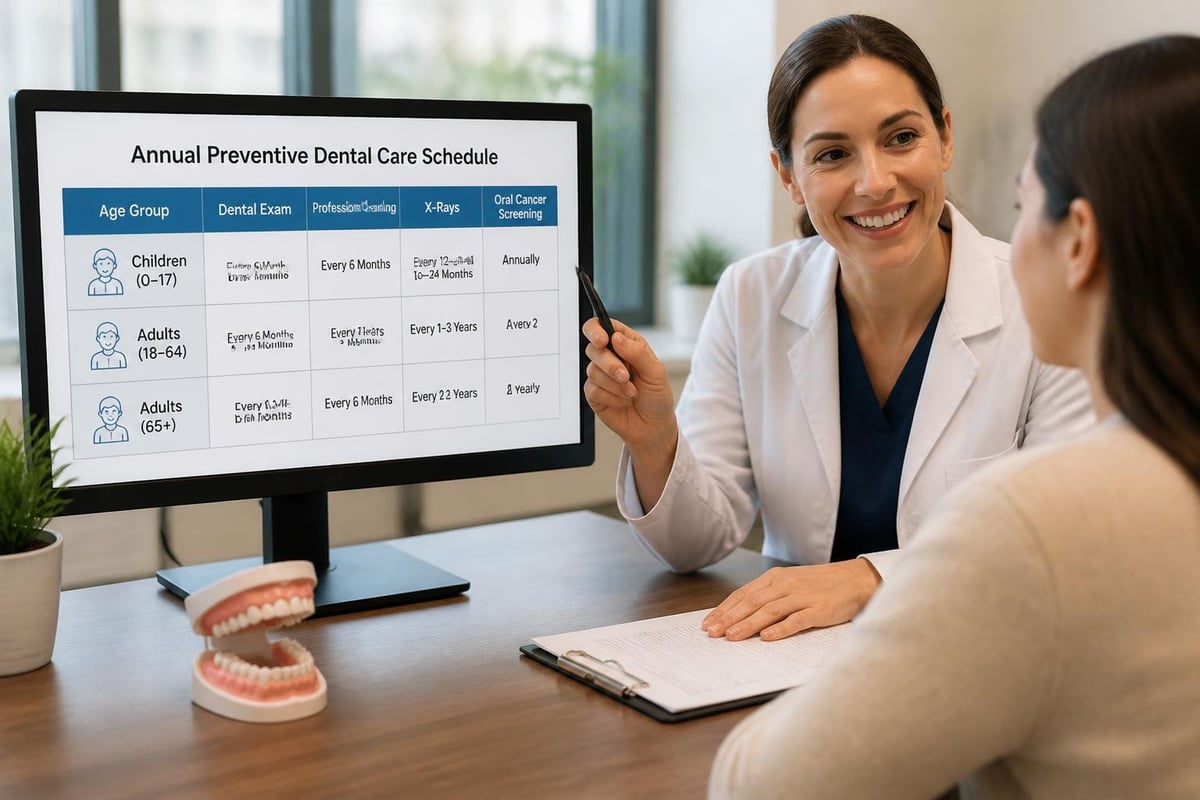
Preventive services form the foundation of long-term oral health and typically represent the most affordable dental investments. Regular preventive care helps avoid costly restorative procedures down the line.
Routine Examinations and Cleanings
A standard dental exam and cleaning appointment includes comprehensive evaluation, professional prophylaxis, and typically digital X-rays during initial visits or annual check-ups.
| Service | Without Insurance | With Insurance |
|---|---|---|
| Adult Cleaning (Prophylaxis) | $95-$185 | $0-$50 copay |
| Periodontal Maintenance Cleaning | $135-$250 | $40-$100 copay |
| Comprehensive Exam | $75-$150 | $0-$40 copay |
| Bitewing X-rays (set of 4) | $65-$120 | $10-$35 copay |
| Full Mouth X-rays (FMX) | $125-$225 | $25-$75 copay |
Most dental insurance plans cover two routine cleanings and one exam annually at 100%, making preventive care highly accessible for insured patients.
Additional Preventive Services
Beyond basic cleanings, several preventive treatments protect against cavities and oral disease:
- Fluoride treatments: $30-$60 per application, often covered for children
- Dental sealants: $40-$70 per tooth, preventing decay in molars
- Oral cancer screenings: $35-$80, increasingly important for early detection
- Periodontal exams: $45-$95, assessing gum health and bone support
Children and adolescents benefit significantly from fluoride treatments and sealants, which many insurance plans cover until age 18. Adults at high risk for cavities may also receive coverage for preventive fluoride applications.
Restorative Dentistry Pricing
When tooth decay, damage, or disease occurs, restorative treatments become necessary to preserve function and prevent further complications. The dentist cost in Texas for restorative work varies considerably based on materials, tooth location, and treatment complexity.
Dental Fillings
Composite fillings remain the most common restorative procedure, addressing cavities before they progress to more serious conditions.
Cost by Material Type:
- Amalgam (silver) fillings: $120-$250 per tooth
- Composite (tooth-colored) fillings: $150-$350 per tooth
- Glass ionomer fillings: $175-$300 per tooth
Insurance typically covers 70-80% of filling costs after deductible, though some plans limit coverage to amalgam costs even when composite materials are used. Patients choosing composite for cosmetic reasons may pay the difference.
Crowns and Bridges
Dental crowns restore severely damaged teeth, while bridges replace missing teeth by anchoring to adjacent natural teeth.
| Restoration Type | Average Cost Range | Insurance Coverage |
|---|---|---|
| Porcelain-fused-to-metal crown | $900-$1,400 | 50% after deductible |
| All-ceramic/porcelain crown | $1,000-$1,800 | 50% after deductible |
| Gold crown | $1,100-$1,900 | 50% after deductible |
| 3-unit bridge | $2,500-$4,500 | 50% after deductible |
| Maryland bridge | $1,500-$2,800 | 50% after deductible |
Premium materials like all-ceramic crowns offer superior aesthetics but command higher fees. The ceramic and porcelain crown options at Dental Plus Clinic provide excellent durability and natural appearance.
Root Canal Therapy
Root canals save infected or severely decayed teeth, eliminating bacteria from the tooth's interior chamber and sealing it against future infection.
Price by Tooth Type:
- Anterior (front) teeth: $700-$1,100
- Premolars (bicuspids): $850-$1,300
- Molars: $1,000-$1,700
Complex anatomy, additional canals, or retreatment cases increase costs. Insurance plans generally cover 50-80% of root canal fees, recognizing their importance in preserving natural teeth.
Cosmetic Dentistry Investment
Cosmetic treatments enhance smile aesthetics and boost confidence, though insurance rarely covers these elective procedures. Understanding pricing helps patients budget for desired improvements.
Teeth Whitening Options
Professional teeth whitening delivers dramatically better results than over-the-counter products, with options for every budget.
- In-office power whitening: $400-$800 for immediate results
- Custom take-home trays: $250-$500 for gradual whitening
- Combination packages: $550-$950 for optimal outcomes
Results typically last 1-3 years depending on diet, oral hygiene, and lifestyle habits.
Porcelain Veneers
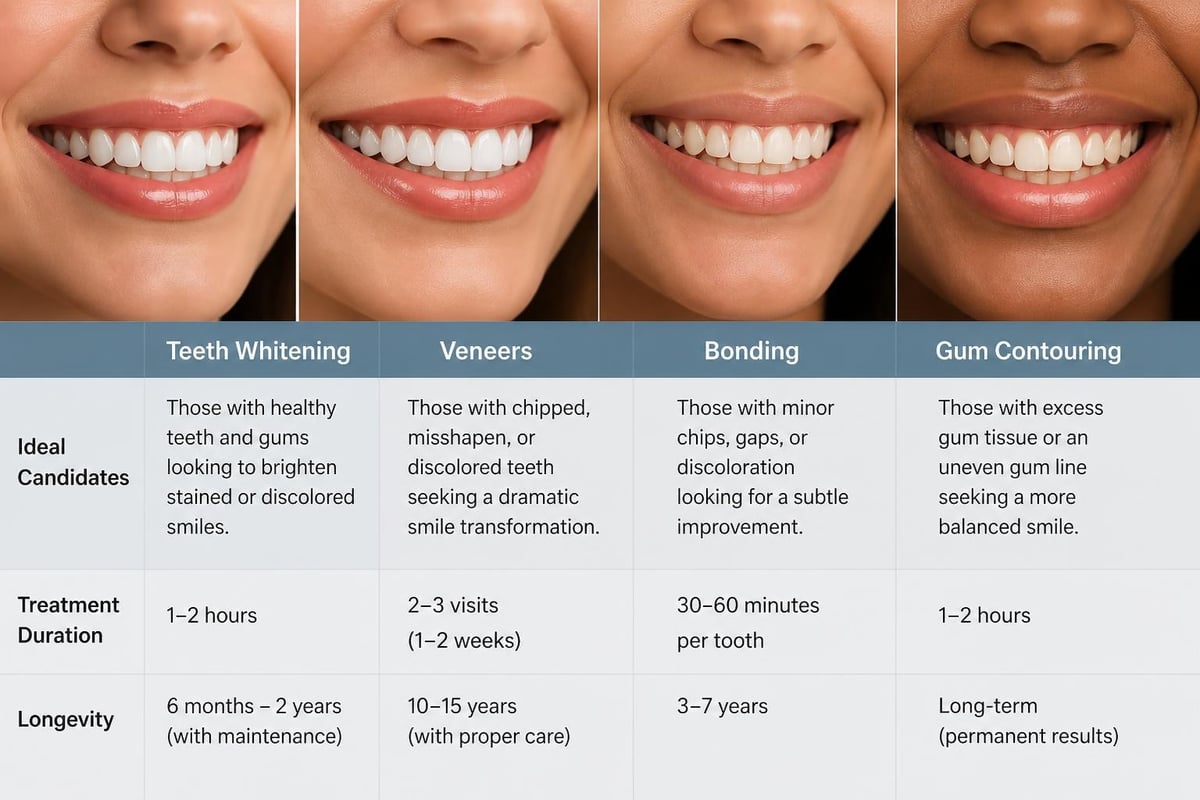
Porcelain veneers transform smiles by concealing chips, gaps, stains, and minor misalignment with custom-crafted shells bonded to tooth surfaces.
Veneer Pricing:
- Traditional porcelain veneers: $900-$2,000 per tooth
- Minimal-prep veneers: $1,000-$2,200 per tooth
- Composite veneers: $400-$900 per tooth (less durable)
Most patients invest in 6-10 veneers to create symmetrical, harmonious smile aesthetics. The dentist cost in Texas for complete smile makeovers ranges from $6,000 to $20,000 depending on the number of teeth treated and material selection.
Additional Cosmetic Services
Other popular cosmetic enhancements include:
- Dental bonding: $200-$600 per tooth, repairing minor imperfections
- Gum contouring: $300-$800 per area, reshaping uneven gum lines
- Inlays and onlays: $650-$1,500 per tooth, conservative alternatives to crowns
- Smile makeovers: $5,000-$50,000+, comprehensive transformations
Cosmetic dental treatments require skilled artistry and premium materials, justifying higher investment compared to basic restorative work.
Dental Implant Costs in Texas
Dental implants represent the gold standard for tooth replacement, offering permanent solutions that preserve jawbone health and restore full chewing function. According to 2025 cost estimates for Texas dental treatments, implant expenses vary based on case complexity and additional procedures required.
Single Tooth Implant Investment
A complete single tooth implant includes the titanium post, abutment connector, and final crown restoration.
Component Breakdown:
- Surgical implant placement: $1,500-$2,800
- Abutment: $400-$700
- Implant crown: $1,000-$1,800
- Total single tooth replacement: $2,900-$5,300
Additional procedures like bone grafting ($400-$1,200) or sinus lifts ($1,500-$3,000) increase total investment when insufficient bone density exists.
Multiple Tooth Replacement Solutions
For patients missing several teeth, implant-supported bridges and dentures offer stability without treating each tooth individually.
| Solution | Number of Implants | Cost Range |
|---|---|---|
| Implant-supported bridge (3-4 teeth) | 2 implants | $5,500-$11,000 |
| All-on-4 implant denture (full arch) | 4 implants | $18,000-$32,000 |
| All-on-6 implant denture (full arch) | 6 implants | $22,000-$38,000 |
| Individual implants (full arch) | 6-8 implants | $35,000-$60,000+ |
Understanding the differences between All-on-4 vs All-on-6 dental implants helps patients select the optimal solution for their bone structure and budget. While dental implants represent a significant upfront investment, their decades-long lifespan and superior function often make them more cost-effective than alternatives requiring periodic replacement.
Implant Alternatives and Comparisons
Patients exploring tooth replacement should compare all options:
- Removable partial dentures: $800-$2,500, least expensive but less stable
- Fixed bridges: $2,500-$5,500 for 3-unit bridge, requires altering adjacent teeth
- Implant-retained dentures: $10,000-$25,000, removable but implant-stabilized
- Full dentures: $1,200-$4,500 per arch, traditional removable option
Comparing dental implants vs veneers for missing teeth clarifies that these serve different purposes, with implants replacing entire missing teeth while veneers only enhance existing tooth appearance.
Emergency Dental Care Expenses
Dental emergencies strike without warning, requiring prompt treatment to relieve pain and prevent complications. Emergency dental care costs depend on diagnosis and required interventions.
Common Emergency Situations
Typical Emergency Fees:
- Emergency exam: $75-$200
- Emergency pain relief: $100-$300
- Simple tooth extraction: $150-$400
- Surgical extraction: $225-$650
- Temporary crown placement: $200-$500
- Root canal initiation: $300-$800
After-hours, weekend, or holiday emergency appointments may incur additional fees of $100-$250 for practice accessibility.
Trauma and Injury Treatment
Accidents causing dental trauma require immediate attention and potentially extensive restoration:
- Knocked-out tooth reimplantation: $200-$600 (plus splinting $300-$700)
- Fractured tooth bonding/crown: $500-$2,000
- Soft tissue repair: $150-$600
- Jaw injury evaluation: $200-$500
Time-sensitive treatments like tooth reimplantation demand care within 30-60 minutes for optimal success rates, making local provider access crucial.
Insurance Coverage and Benefits
Dental insurance significantly reduces out-of-pocket costs but varies widely in coverage levels, annual maximums, and network restrictions. Understanding policy details helps maximize benefits and minimize surprises.
Standard Insurance Plan Structure
Most dental plans follow a tiered coverage model:
- Preventive care (Class I): 100% coverage, including exams, cleanings, X-rays
- Basic restorative (Class II): 70-80% coverage, including fillings, simple extractions
- Major restorative (Class III): 50% coverage, including crowns, bridges, dentures
- Orthodontics (Class IV): 50% coverage up to lifetime maximum (if included)
Annual maximums typically range from $1,000 to $2,500, limiting total insurance payments per calendar year. Unused benefits don't roll over, making end-of-year treatment planning strategic.
Network Participation Impact
The distinction between in-network vs out-of-network dentists substantially affects patient costs:
In-Network Advantages:
- Pre-negotiated fee schedules reduce procedure costs
- Simplified claims processing
- Lower out-of-pocket expenses
- No balance billing for covered services
Out-of-Network Considerations:
- Higher reimbursement rates may apply
- Balance billing permitted (patient pays difference)
- More paperwork and potential claim delays
- Potentially higher annual deductibles
Dental Plus Clinic accepts most major insurance plans across our Texas locations, helping patients maximize benefits while receiving quality care.
Step-by-step dental insurance claim workflow from treatment planning and pre-authorization through treatment completion, claim submission, insurance processing, and patient payment of remaining balance
Medicaid and State Programs
Texas Medicaid dental coverage varies by eligibility category. The ADA’s Texas Medicaid fee schedules show reimbursement rates for covered procedures, though adult coverage remains limited compared to children's benefits.
Children's Medicaid Coverage:
- Comprehensive preventive, restorative, and emergency services
- Orthodontics for medically necessary cases
- No deductibles or copayments
Adult Medicaid Coverage:
- Emergency extractions only in most counties
- Limited preventive services in select managed care networks
- No coverage for crowns, bridges, or cosmetic work
Payment Plans and Financing Options
For patients without insurance or facing expenses exceeding coverage limits, structured payment arrangements make comprehensive dental care accessible.
In-House Payment Plans
Many Texas dental practices offer zero-interest payment plans for qualified patients:
- Short-term plans: 3-6 months, no interest if paid in full
- Extended plans: 12-24 months, minimal interest rates
- Down payment requirements: Typically 10-25% of total treatment cost
Dental Plus Clinic provides flexible savings plans and financing options designed to fit family budgets while ensuring timely treatment.
Third-Party Financing
Healthcare credit companies specialize in dental financing with varying terms:
CareCredit:
- 6-24 month 0% APR promotional periods
- Extended terms with fixed interest rates
- Instant approval for qualified applicants
LendingClub Patient Solutions:
- Loan amounts from $1,000-$100,000
- Fixed rates and predictable payments
- No prepayment penalties
Proceed Finance:
- Flexible approval criteria
- Competitive rates for excellent credit
- Quick online applications
These options make major treatments like dental implants, full mouth reconstructions, and orthodontics manageable through monthly payments rather than delayed care.
Orthodontic Treatment Costs
Straightening teeth improves both aesthetics and oral health, with modern options ranging from traditional metal braces to invisible aligners.
Traditional Braces Pricing
Metal Braces:
- Children and teens: $3,500-$6,500
- Adults: $4,500-$7,500
- Treatment duration: 18-36 months
Ceramic (Clear) Braces:
- All ages: $4,000-$8,500
- Less visible than metal
- Similar treatment timeframes
Clear Aligner Systems
Invisible aligners like Invisalign offer discreet orthodontic correction:
- Comprehensive treatment: $4,000-$8,000
- Express/limited treatment: $2,000-$4,000
- Refinements: $500-$1,500
Insurance orthodontic benefits typically cover 50% up to a lifetime maximum of $1,500-$3,000, regardless of patient age if coverage includes orthodontics.
Pediatric Dentistry Considerations
Children's dental needs differ from adults, requiring specialized approaches and pricing structures. Pediatric dentistry in Texas emphasizes prevention, early intervention, and creating positive dental experiences.
Common Pediatric Services
- First dental visit (age 1-3): $75-$150
- Children's cleanings: $75-$140
- Fluoride varnish application: $25-$50
- Dental sealants (per tooth): $35-$60
- Space maintainers: $200-$500
Pediatric Restorative Work:
- Stainless steel crowns: $250-$450 per tooth
- Tooth-colored fillings: $125-$275 per tooth
- Pulpotomy (baby tooth root canal): $200-$400
- Extractions: $100-$350 per tooth
Most children's insurance plans provide excellent coverage for preventive and restorative care, making regular dental visits financially accessible for families.
Comparing Costs Across Texas Cities
Regional pricing variations merit consideration when selecting a dental provider, though travel costs and continuity of care factor into true expense calculations.
Metropolitan vs Regional Pricing
Regional dental fee data for the South-Central United States reveals procedure cost ranges at various percentiles:
| Procedure | 25th Percentile | 50th Percentile | 75th Percentile |
|---|---|---|---|
| Periodic oral exam | $45 | $65 | $85 |
| Adult prophylaxis | $80 | $110 | $145 |
| Composite filling (1 surface) | $145 | $185 | $235 |
| Root canal (molar) | $850 | $1,150 | $1,475 |
| Porcelain crown | $1,050 | $1,300 | $1,650 |
The dentist cost in Texas typically falls within these ranges, with metropolitan practices trending toward 75th percentile pricing while smaller community practices often charge near the 25th-50th percentile range.
Strategic Location Selection
Patients in central Texas have convenient access to quality care at competitive prices. Dental Plus Clinic's five locations-Beeville, Seguin, New Braunfels, Leander, and Converse-offer accessible, affordable care without the premium pricing of major metropolitan dental offices.
Maximizing Dental Care Value
Smart dental consumers balance cost considerations with quality, accessibility, and long-term outcomes to maximize healthcare value.
Preventive Care Priority
Investing in regular preventive appointments delivers the highest return:
- Early cavity detection: Small fillings cost $150-$350 vs. $900-$1,800 for crowns
- Gum disease prevention: Cleanings cost $95-$185 vs. $1,500-$5,000 for periodontal treatment
- Oral cancer screening: Early detection dramatically improves treatment success
- Patient education: Learning proper home care prevents future problems
Annual preventive costs of $200-$400 prevent thousands in restorative expenses.
Treatment Timing Strategies
Strategic treatment scheduling maximizes insurance benefits and minimizes discomfort:
Year-End Planning:
- Complete major work before annual maximums reset
- Meet deductibles to maximize coverage percentages
- Address urgent needs before losing current year benefits
Multi-Phase Treatment:
- Split extensive work across benefit years
- Space procedures for healing and financial management
- Prioritize urgent cases while planning comprehensive care
Quality vs. Price Considerations
Selecting providers based solely on lowest fees risks compromising outcomes:
Quality Indicators:
- Modern technology and techniques
- Continuing education and advanced training
- Patient reviews and testimonials
- Clear communication and treatment planning
- Comfortable, hygienic facilities
Dental Plus Clinic balances competitive pricing with advanced technology, experienced providers, and patient-centered care across all Texas locations.
Dental Discount Plans Alternative
For patients without traditional insurance, dental discount plans offer an alternative savings approach.
How Discount Plans Work
Members pay annual fees ($80-$300) for access to discounted rates at participating dentists:
- Preventive care: 10-30% savings
- Restorative procedures: 15-40% savings
- Major work: 20-50% savings
- Cosmetic treatments: Variable discounts
Unlike insurance, discount plans have no deductibles, annual maximums, or claim paperwork. Savings apply immediately at participating practices.
Comparing Insurance vs. Discount Plans
| Feature | Traditional Insurance | Dental Discount Plan |
|---|---|---|
| Monthly/annual cost | $30-$80/month | $80-$300/year |
| Annual maximum | $1,000-$2,500 | Unlimited |
| Waiting periods | Common for major work | None |
| Provider network | Varies by plan | Limited networks |
| Claim processing | Required | Not applicable |
Discount plans benefit patients needing extensive work exceeding insurance maximums or those without employer-sponsored coverage.
Special Considerations for Major Treatments
Complex dental procedures require careful financial planning and realistic timeline expectations.
Full Mouth Reconstruction
Complete smile makeovers and reconstructions address multiple dental issues simultaneously:
Typical Components:
- Multiple crowns, veneers, or implants
- Orthodontic correction
- Gum recontouring
- Bite adjustment
Investment Range: $15,000-$80,000+ depending on case complexity
Treatment spans 6-18 months with multiple appointments. Financing and phased payment plans make comprehensive reconstruction achievable.
Implant-Supported Full Arch Restoration
Replacing all teeth in one or both arches represents a significant investment with life-changing results:
- Upper arch All-on-4: $18,000-$32,000
- Lower arch All-on-4: $18,000-$32,000
- Both arches: $36,000-$64,000
Understanding dental implant investments without insurance helps patients evaluate financing options and treatment timing.
Quality Variations in Materials
Comparing cheap vs premium dental implants reveals important distinctions:
Premium Implant Systems:
- Established success rates (95%+ over 10 years)
- Extensive research backing
- Worldwide component availability
- Comprehensive warranties
Budget Implant Options:
- Lower initial costs
- Less long-term data
- Potential compatibility issues
- Limited warranty coverage
Investing in quality implant systems from reputable manufacturers ensures predictable outcomes and easier future maintenance.
Understanding Treatment Estimates
Receiving accurate cost estimates before beginning treatment prevents billing surprises and enables informed decision-making.
Components of Treatment Plans
Comprehensive estimates should include:
- Diagnostic fees: Exams, X-rays, models, scans
- Treatment procedures: Each planned service itemized
- Materials and laboratory costs: Crowns, appliances, prosthetics
- Follow-up appointments: Post-operative checks, adjustments
- Potential complications: Contingency procedures if needed
Request detailed breakdowns showing procedure codes (CDT codes), descriptions, individual fees, and insurance coverage estimates.
Insurance Pre-Authorization
For major treatments, obtaining insurance pre-authorization provides accurate benefit information:
Pre-Authorization Benefits:
- Confirms coverage percentage for planned procedures
- Reveals remaining annual maximum
- Identifies waiting periods or exclusions
- Prevents claim denial surprises
Allow 2-4 weeks for insurance companies to process pre-authorization requests before scheduling treatment.
Second Opinions Value
Complex or expensive treatment recommendations warrant second opinions:
- Most dentists support informed decision-making
- Different treatment approaches may exist
- Cost comparisons ensure fair pricing
- Confirms necessity of recommended work
Seeking a second opinion doesn't reflect poorly on your current dentist and demonstrates smart healthcare consumerism.
Managing Unexpected Dental Expenses
Despite preventive efforts, unexpected dental issues occasionally arise, requiring financial flexibility and quick decision-making.
Emergency Expense Management
When dental emergencies strike:
Immediate Actions:
- Contact your dental office for same-day appointments
- Ask about emergency payment arrangements
- Check insurance coverage for emergency procedures
- Consider healthcare credit options for immediate approval
Cost-Effective Emergency Care:
- Address pain and infection first, then plan definitive treatment
- Temporary solutions may buy time for financial preparation
- Preventive antibiotics cost less than emergency procedures
What to Do When Insurance Denies Claims
Understanding dental insurance claim denials helps patients navigate appeals:
Common Denial Reasons:
- Services deemed not medically necessary
- Missing documentation or X-rays
- Treatment performed outside network
- Annual maximum exceeded
- Waiting periods not satisfied
Appeal Process:
- Request written denial explanation
- Gather supporting documentation from dentist
- Submit formal appeal with clinical justification
- Escalate to state insurance department if needed
Dental offices typically assist with appeals, providing necessary clinical rationale and documentation.
Long-Term Cost Management Strategies
Adopting proactive approaches to oral health minimizes lifetime dental expenses while maintaining optimal function and aesthetics.
Home Care Investment
Quality home care products prevent costly dental problems:
- Electric toothbrush: $25-$200, superior plaque removal
- Water flosser: $40-$100, effective interdental cleaning
- Fluoride toothpaste: $4-$8, cavity prevention
- Antimicrobial mouthwash: $6-$12, reduces bacteria
Spending $100-$300 annually on home care prevents thousands in restorative treatment.
Regular Preventive Visits
Maintaining six-month cleaning schedules delivers multiple benefits:
- Early problem detection when treatment is simpler and cheaper
- Professional plaque removal preventing gum disease
- Patient education on improving home care techniques
- Monitoring for oral cancer and systemic health indicators
Missing routine appointments allows small issues to progress into major problems requiring extensive, expensive interventions.
Lifestyle Factor Impact
Daily habits significantly influence dental health and associated costs:
Positive Habits:
- Brushing twice daily for two minutes
- Daily flossing or water flossing
- Limiting sugary foods and beverages
- Drinking fluoridated water
- Using nightguards if you grind teeth
Habits to Avoid:
- Tobacco use (increases gum disease and cancer risk)
- Excessive alcohol consumption
- Using teeth as tools
- Chewing ice or hard objects
- Neglecting recommended treatments
Investing in preventive habits and addressing problems early represents the most cost-effective long-term dental strategy.
Understanding the dentist cost in Texas empowers you to make informed decisions about oral health investments, maximize insurance benefits, and explore payment options that fit your budget. Whether you need routine preventive care, restorative treatments, cosmetic enhancements, or emergency services, transparent pricing and flexible payment arrangements make quality dental care accessible. Dental Plus Clinic serves patients across Texas with comprehensive dental services at competitive prices, accepting most insurance plans and offering convenient financing options. Schedule an appointment at one of our five convenient locations to discuss your dental needs and create a personalized treatment plan that prioritizes both your oral health and financial comfort.