
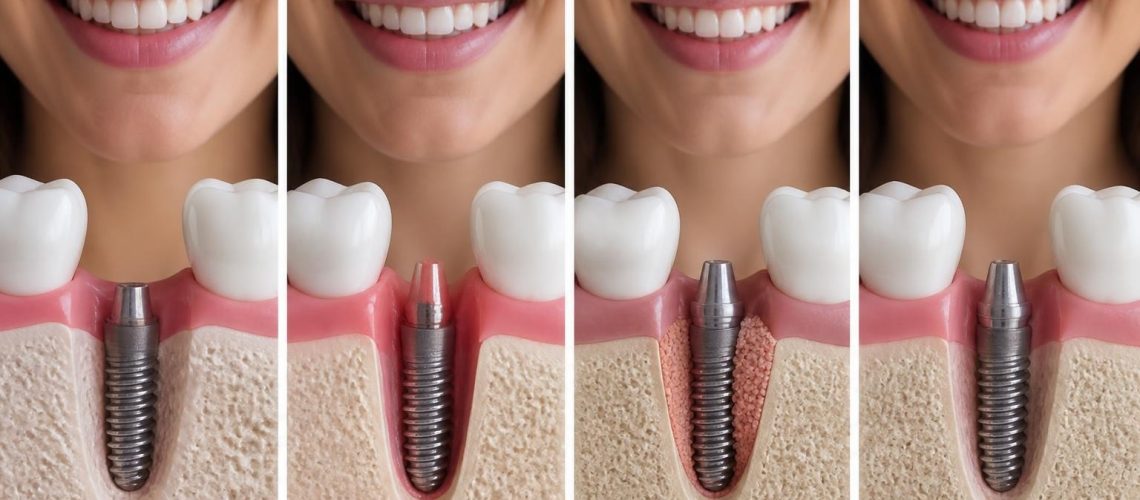
Losing a tooth can feel overwhelming, but modern dentistry offers a reliable path forward. One of the most common questions patients ask after tooth extraction is whether they can receive a dental implant to replace the missing tooth. The short answer is yes, but the timing, technique, and success of implants after extraction depend on multiple factors including bone quality, infection status, and your overall oral health. Understanding the options available and what to expect during each phase of treatment empowers you to make informed decisions about your smile restoration journey.
Understanding the Extraction to Implant Timeline
When a tooth is removed, the surrounding bone and soft tissue begin a natural healing process. The timeline for placing implants after extraction varies significantly based on clinical circumstances and treatment goals.
The Four Classification Types
The International Team for Implantology (ITI) has established evidence-based timing classifications for implant placement in post-extraction sites:
- Type 1 (Immediate placement): Implant placed during the same appointment as extraction
- Type 2 (Early placement with soft tissue healing): Implant placed 4-8 weeks after extraction
- Type 3 (Early placement with partial bone healing): Implant placed 12-16 weeks after extraction
- Type 4 (Delayed placement): Implant placed 6+ months after extraction, allowing complete bone remodeling
Each timing protocol offers distinct advantages and considerations. Your dentist evaluates specific factors to determine which approach maximizes success for your individual situation.
Immediate Implant Placement Benefits
Immediate placement presents several compelling advantages for suitable candidates. This approach reduces the total treatment time, eliminates the need for a second surgical procedure, and can help preserve the alveolar ridge dimensions that naturally diminish after extraction.
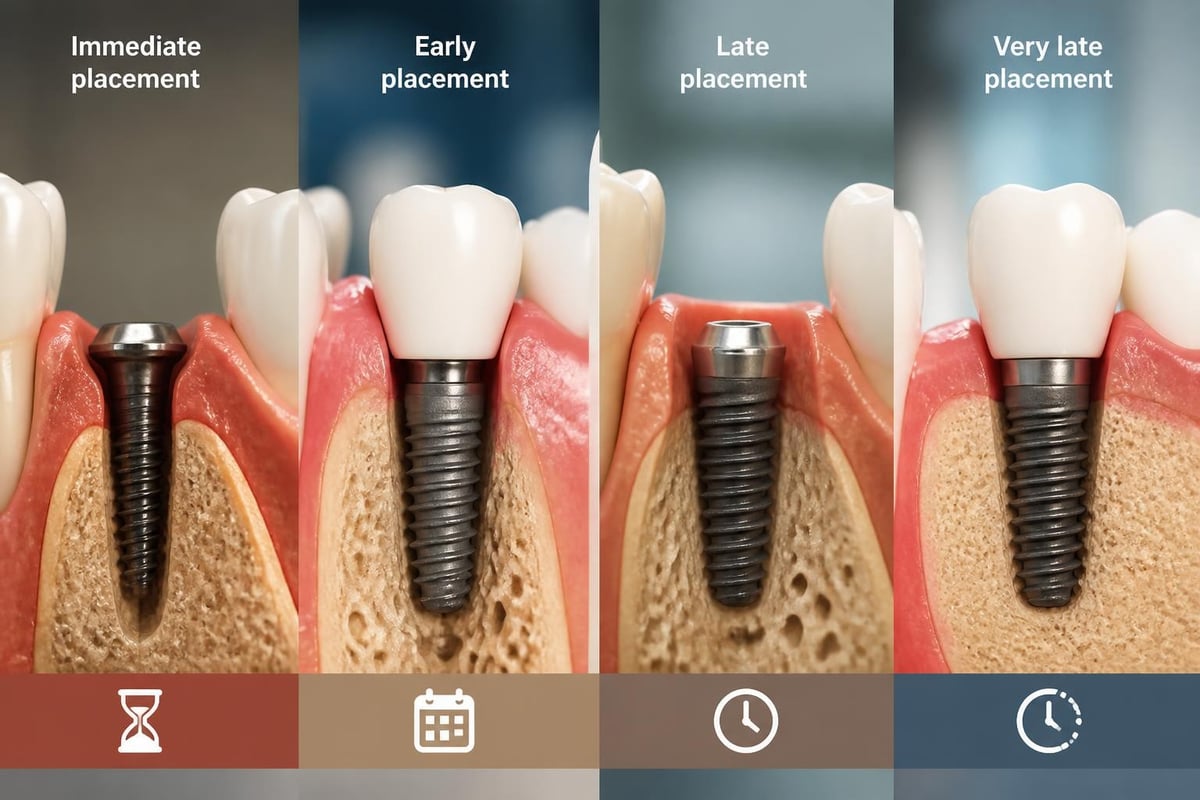
Patients appreciate the convenience of leaving the dental office with an implant already in place. However, this protocol requires specific conditions: adequate bone volume surrounding the extraction socket, absence of active infection, and sufficient primary stability of the implant fixture. Not every extraction site qualifies for immediate placement.
Studies indicate that immediate implant placement can achieve comparable survival rates to delayed placement, though careful patient selection and surgical technique remain critical. The gap between the implant and socket walls must often be managed with bone grafting material to optimize outcomes.
Factors Influencing Timing Decisions
Multiple clinical variables determine the optimal timing for implants after extraction. Your dental team conducts a comprehensive evaluation before recommending a specific protocol.
Bone Quality and Quantity
The foundation for any successful dental implant is adequate bone volume and density. When a tooth is extracted, the surrounding alveolar bone begins resorbing immediately-a process that accelerates during the first three months.
| Bone Assessment Factor | Impact on Timing |
|---|---|
| Dense cortical bone | Supports immediate placement |
| Thin buccal plate (<2mm) | May require delayed approach with grafting |
| Adequate height and width | Enables earlier placement protocols |
| Significant bone loss | Necessitates regenerative procedures first |
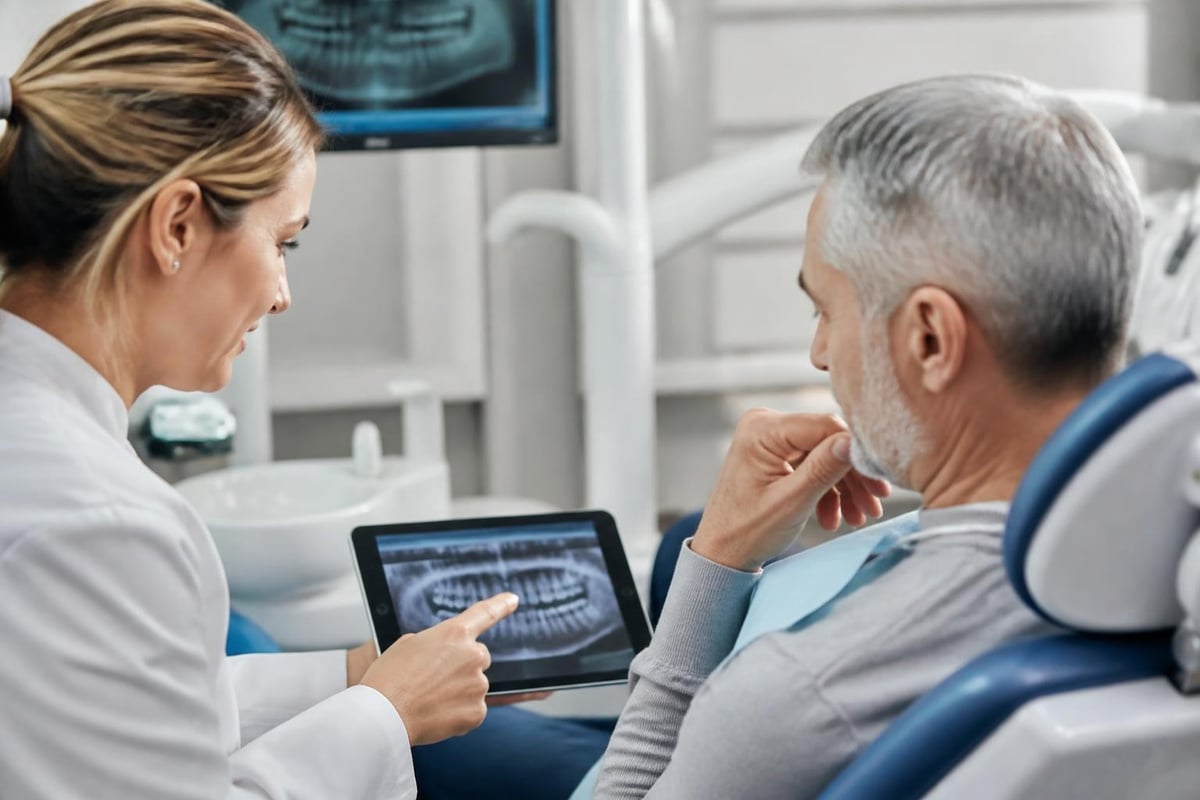
Cone beam computed tomography (CBCT) imaging provides three-dimensional visualization of bone architecture, allowing precise measurement and treatment planning. This technology has revolutionized how clinicians assess candidacy for various implant timing protocols.
Infection and Inflammation Status
Active infection at the extraction site significantly influences timing decisions. Placing implants after extraction in the presence of acute periapical pathology or periodontal disease increases the risk of implant failure and complications.
When infection exists, most practitioners recommend allowing complete resolution before implant placement. This typically extends the timeline to Type 3 or Type 4 protocols, ensuring the site is clean and healthy. The healing period also allows antibiotics to clear any residual bacteria.
Chronic infections may have already caused substantial bone destruction. In these cases, bone regeneration procedures become necessary before considering implant placement, regardless of the desired timeline.
Soft Tissue Considerations
Adequate keratinized gingival tissue around the implant contributes to long-term health and esthetic outcomes. Immediate placement can preserve existing soft tissue architecture, but only when proper technique and provisional restoration protocols are followed.
The thickness and quality of gingival tissue affect both functional success and appearance, particularly in the esthetic zone of the anterior maxilla. Thin tissue biotypes are more prone to recession and may benefit from delayed placement combined with soft tissue grafting procedures.
Socket Preservation and Bone Grafting
Even when immediate implant placement is not chosen, proactive measures can optimize future implant success. Socket preservation techniques have become standard practice in modern implant dentistry.
What Is Alveolar Ridge Preservation?
After tooth extraction, the socket can be filled with bone grafting material and covered with a protective membrane. This approach, known as alveolar ridge preservation (ARP), significantly reduces the dimensional changes that occur during healing.
Research from Cochrane reviews demonstrates that ridge preservation techniques limit horizontal and vertical bone loss compared to natural socket healing. While some resorption still occurs, the magnitude is substantially reduced.
- Maintains bone volume for future implant placement
- Reduces need for extensive bone grafting later
- Preserves ridge contours for esthetics
- Shortens overall treatment timeline
The choice of grafting material varies, including autogenous bone, allografts, xenografts, and synthetic options. Each material offers different resorption rates, handling characteristics, and biological properties.
Evidence for Socket Preservation Effectiveness
Recent systematic reviews have confirmed the clinical value of socket preservation. A comprehensive analysis published in Scientific Reports specifically examined outcomes in the posterior region, showing significant benefits for preserving ridge dimensions.
While socket preservation does not completely prevent bone remodeling, it provides a more favorable foundation for implants after extraction. Patients who undergo this procedure typically experience fewer complications and achieve better long-term esthetic results.
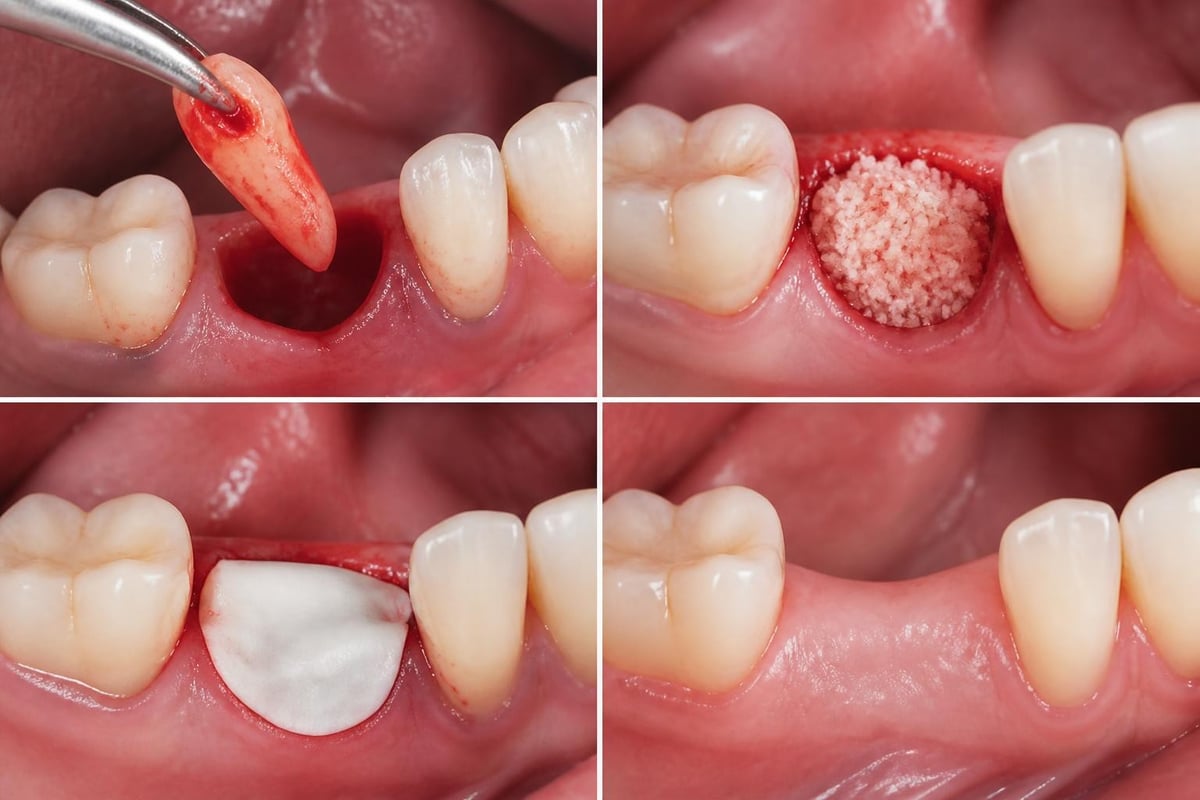
The additional cost of socket preservation is often offset by reduced need for more extensive bone augmentation procedures later. When patients know they will eventually want an implant, this proactive approach represents a sound investment in their oral health.
Healing Phases and What to Expect
Understanding the biological processes following extraction helps patients appreciate why different timing protocols exist and what happens at each stage.
Initial Soft Tissue Healing
During the first two weeks after extraction, a blood clot forms and is gradually replaced by granulation tissue. The soft tissue margins begin contracting and epithelialization occurs across the socket opening.
By four weeks, the socket is typically covered with immature connective tissue and new epithelium. This phase corresponds to the Type 2 timing window for early implant placement with soft tissue healing.
Bone Remodeling Process
Woven bone begins forming within the socket around 4-6 weeks post-extraction. This immature bone gradually remodels into mature lamellar bone over the subsequent months.
The process includes:
- Blood clot formation and organization (days 1-7)
- Granulation tissue replacement (weeks 1-4)
- Woven bone deposition (weeks 4-12)
- Lamellar bone remodeling (months 3-6)
- Continued remodeling and density increase (months 6+)
At 12-16 weeks, substantial bone fill has occurred but remodeling continues. This represents the Type 3 timing window-early placement with partial bone healing. Complete bone maturation typically requires six months or longer, which defines the Type 4 delayed placement protocol.
Managing Patient Expectations
Patients naturally want their missing tooth replaced as quickly as possible. However, rushing the process can compromise long-term success. Open communication about realistic timelines and the rationale behind timing decisions builds trust and compliance.
Temporary prosthetic options help maintain appearance and function during the healing period. These may include removable partial dentures, bonded temporary bridges, or provisional implant crowns depending on the location and clinical situation.
Success Rates Across Different Timing Protocols
Research comparing implants after extraction outcomes across various timing protocols provides valuable insights for treatment planning. Overall, modern dental implants demonstrate excellent long-term success regardless of timing when appropriate protocols are followed.
Immediate Versus Delayed Placement Outcomes
Meta-analyses examining survival rates show that immediate placement achieves comparable results to delayed approaches when strict selection criteria are applied. Systematic reviews report five-year survival rates exceeding 95% for both immediate and delayed protocols in ideal cases.
However, immediate placement carries a higher risk of certain complications, particularly in the esthetic zone. Mucosal recession and failure to achieve ideal soft tissue contours occur more frequently with immediate protocols, especially when provisional restoration is not properly managed.
| Timing Protocol | 5-Year Survival Rate | Primary Advantage | Main Risk Factor |
|---|---|---|---|
| Immediate (Type 1) | 95-98% | Reduced treatment time | Soft tissue recession |
| Early with soft tissue healing (Type 2) | 96-98% | Balanced timing | Limited bone regeneration |
| Early with partial bone healing (Type 3) | 97-99% | Predictable bone foundation | Extended waiting period |
| Delayed (Type 4) | 97-99% | Complete healing, maximum predictability | Significant bone resorption |
Understanding that all protocols can achieve excellent outcomes helps shift the focus from "which is best" to "which is most appropriate for this specific clinical situation." Personalized treatment planning based on individual factors yields optimal results.
Anterior Esthetic Zone Considerations
Implants after extraction in the visible front teeth present unique challenges. The esthetic demands are significantly higher, and any tissue recession or bone loss becomes immediately apparent when smiling.
Studies specifically examining the anterior maxillary region demonstrate that while immediate placement can produce excellent esthetics, it requires meticulous technique, favorable anatomy, and often provisional restoration to support soft tissues during healing. The risk-benefit analysis differs from posterior sites where esthetics are less critical.
Factors favoring delayed placement in the esthetic zone include thin tissue biotype, labial bone defects, and high smile line. Conversely, favorable anatomy with thick tissue and intact buccal plate may support immediate placement with predictable esthetic outcomes.
Medical Considerations and Risk Assessment
Beyond local anatomical factors, systemic health conditions and medications influence implant timing and success. A thorough medical history review is essential before proceeding with any implant treatment.
Medication-Related Osteonecrosis Risk
Patients taking bisphosphonates or other antiresorptive medications require special consideration. The American Association of Oral and Maxillofacial Surgeons provides clinical recommendations for managing these cases, including risk stratification and potential drug holidays.
While the absolute risk of medication-related osteonecrosis of the jaw (MRONJ) is low, the consequences can be severe. Coordinating with the prescribing physician and potentially modifying implant protocols helps minimize this risk while still providing tooth replacement.
Systemic Health Conditions
Certain medical conditions affect healing capacity and implant integration:
- Uncontrolled diabetes: Impairs wound healing and increases infection risk
- Smoking: Significantly reduces implant success rates through compromised blood flow
- Immune suppression: Affects tissue regeneration and infection resistance
- Radiation therapy: Damages bone vascularity and healing potential
These conditions do not necessarily preclude implants after extraction, but they may influence timing decisions and necessitate additional precautions. Optimizing medical management before implant surgery improves outcomes.
Patients with well-controlled systemic conditions can achieve successful implant outcomes. The key is identifying risk factors early, implementing appropriate modifications to the treatment plan, and maintaining close monitoring throughout the healing process.
Advanced Technologies Enhancing Outcomes
Modern dental technology has significantly improved the precision and predictability of implants after extraction. Digital planning tools and innovative surgical techniques continue advancing the field.
Digital Planning and Guided Surgery
Three-dimensional imaging combined with computer-aided design software allows virtual implant placement before surgery begins. Surgeons can assess bone volume, plan optimal positioning, and identify anatomical structures to avoid.
Surgical guides fabricated from these digital plans transfer the virtual plan to the actual surgery with submillimeter accuracy. This technology is particularly valuable for immediate placement protocols where precise positioning is critical for success.
The benefits of guided implant surgery include:
- Enhanced accuracy in implant position and angulation
- Reduced surgical time and trauma
- Improved safety through identification of vital structures
- More predictable esthetic outcomes
- Better utilization of available bone
Patients interested in the latest dental implant technology can discuss how these advances might benefit their specific case during the consultation process.
Biomaterials and Surface Modifications
Implant surface treatments and coating technologies have evolved dramatically. Modern surfaces promote faster and stronger bone integration, potentially allowing earlier loading in appropriate cases.
Hydrophilic surfaces, nanostructured topographies, and bioactive coatings enhance cellular attachment and bone formation. These advances contribute to the high success rates achieved with contemporary implant systems across all timing protocols.
Financial Considerations and Treatment Planning
The cost of implants after extraction varies based on timing protocol, need for bone grafting, choice of temporary restoration, and other factors. Understanding the financial investment helps patients make informed decisions.
Cost Comparison Across Protocols
Immediate placement may reduce overall costs by eliminating a second surgical procedure. However, these cases often require provisional restoration and may need bone grafting around the implant, which adds expense.
Delayed placement allows staged costs but may require more extensive bone grafting if significant resorption has occurred. Socket preservation at the time of extraction adds initial cost but potentially reduces later grafting needs.
For patients concerned about affordability, exploring dental implants without insurance coverage or investigating available savings programs can make treatment more accessible. Many practices offer financing options that distribute the investment over manageable monthly payments.
Insurance Coverage Factors
Dental insurance coverage for implants varies significantly between plans. Some policies exclude implants entirely, while others provide partial coverage under major services with annual maximum limitations.
Understanding your insurance benefits before beginning treatment prevents unexpected financial surprises. The extraction itself is typically covered as a basic or major service, but implant placement and restoration often fall under different benefit categories.
Patients should request a detailed treatment plan with cost estimates and verify coverage with their insurance carrier. Many dental offices assist with predetermination submissions to clarify expected benefits before proceeding.
Multiple Implants and Full-Arch Rehabilitation
When multiple teeth require extraction, comprehensive treatment planning becomes even more important. Full-arch rehabilitation with implant-supported prostheses represents a life-changing solution for patients with extensive tooth loss.
All-on-4 and All-on-6 Protocols
Immediate loading protocols allow patients to receive a full arch of fixed teeth supported by four or six implants on the same day as tooth extraction. These approaches represent an evolution in implant dentistry that dramatically reduces treatment time.
The All-on-4 versus All-on-6 decision depends on bone quality, jaw anatomy, and occlusal forces. Both protocols can provide excellent long-term function and esthetics when properly executed.
Key advantages of immediate full-arch rehabilitation include:
- Teeth in one day following extractions
- Elimination of traditional denture adjustments
- Restoration of chewing function immediately
- Psychological benefits of not being without teeth
- Predictable long-term outcomes with proper maintenance
These protocols require careful case selection and surgical expertise. Not every patient qualifies for same-day teeth, but when appropriate, the results can be transformative.
Staged Versus Simultaneous Approach
For extensive rehabilitation, deciding whether to extract and place implants all at once or stage the treatment over multiple appointments depends on individual circumstances. Factors include the number of remaining teeth, infection status, bone quality, and patient preferences.
Staged approaches allow complete healing between procedures but extend the total treatment timeline. Simultaneous extraction and implant placement consolidates surgery into fewer appointments but requires favorable conditions across all sites.
Your dental team develops a customized treatment sequence that balances efficiency, predictability, and your personal goals. The comprehensive evaluation process identifies the optimal strategy for your situation.
Post-Operative Care and Maintenance
Success with implants after extraction extends beyond the surgical procedure. Proper healing, oral hygiene, and long-term maintenance significantly influence outcomes.
Immediate Post-Operative Period
The first two weeks following implant placement are critical for initial healing. Patients receive specific instructions regarding:
- Pain management with prescribed or over-the-counter medications
- Ice application to minimize swelling during the first 48 hours
- Dietary modifications to protect the surgical site
- Oral hygiene protocols that clean without disturbing healing tissues
- Activity restrictions to prevent complications
Following post-operative instructions carefully reduces complication risk and promotes optimal healing. Most patients experience manageable discomfort that resolves within several days.
Integration Phase Care
During the osseointegration period-typically three to six months-the implant must remain undisturbed to allow bone bonding. Provisional restorations, when used, should not load the implant excessively.
Maintaining excellent oral hygiene around healing sites prevents infection while allowing tissue maturation. Regular follow-up appointments monitor progress and address any concerns promptly.
Long-Term Maintenance Requirements
Once fully restored, dental implants require consistent care to ensure longevity. Professional cleanings at recommended intervals remove deposits that home care cannot address. Specialized instruments prevent scratching the implant surface while effectively cleaning around the restoration.
Home care includes:
- Brushing twice daily with appropriate technique
- Daily flossing or interdental cleaning around implant crowns
- Using antimicrobial mouth rinse if recommended
- Avoiding habits that stress implants (ice chewing, using teeth as tools)
Patients who invest in dental implants as a long-term solution protect that investment through diligent maintenance. With proper care, implants can last decades or even a lifetime.
Making the Decision: Working With Your Dental Team
Choosing the right timing and approach for implants after extraction requires collaborative decision-making between you and experienced dental professionals. The consultation process establishes treatment goals and develops a customized plan.
The Comprehensive Evaluation
A thorough examination includes clinical assessment, radiographic imaging, and discussion of your medical history, esthetic expectations, functional needs, and budgetary considerations. This information guides treatment recommendations.
During the consultation, ask questions about:
- Why a specific timing protocol is recommended for your situation
- What alternatives exist and their respective advantages
- Expected timeline from extraction through final restoration
- Anticipated costs and payment options
- Success rates and potential complications
Understanding the rationale behind recommendations empowers you to participate actively in treatment planning. A dentist who takes time to educate and address concerns demonstrates commitment to patient-centered care.
Second Opinions and Specialist Referrals
Complex cases may benefit from evaluation by specialists such as periodontists or oral surgeons who focus specifically on implant dentistry. General dentists often collaborate with specialists to provide comprehensive care.
Seeking a second opinion is appropriate when facing significant treatment or financial commitment. Reputable dental professionals support informed decision-making and welcome patients who want to fully understand their options before proceeding.
For patients across Texas seeking experienced implant care, finding implant specialists accepting major PPO plans can maximize both clinical outcomes and insurance benefits.
Realistic Timeline Expectations
One of the most important aspects of treatment planning is establishing realistic expectations about the timeline from extraction to final restoration. Depending on the protocol selected, this can range from immediate loading to 12+ months for complex cases requiring extensive bone grafting.
Understanding that quality outcomes sometimes require patience helps prevent frustration. Your dental team should provide a clear timeline with milestones so you know what to expect at each phase of treatment.
Successfully navigating the journey from tooth extraction to dental implant restoration requires careful planning, appropriate timing, and expert execution. Understanding the various protocols, biological healing phases, and factors influencing treatment decisions empowers you to make informed choices about your oral health. Whether you're a candidate for immediate placement or require a staged approach with bone grafting, modern implant dentistry offers predictable solutions for tooth replacement. The experienced team at Dental Plus Clinic provides comprehensive evaluation and personalized treatment planning across our five Texas locations, combining advanced technology with patient-focused care to help you achieve optimal implant outcomes. Schedule a consultation today to discuss your specific needs and discover how dental implants can restore your smile, function, and confidence.