
Dental implants represent one of the most successful tooth replacement options available today, with success rates exceeding 95% over ten years according to recent meta-analysis research. However, like any medical procedure, dental implants can sometimes fail. Understanding the warning signs of a failed dental implant enables patients to seek prompt treatment, potentially salvaging the implant or planning for replacement before complications worsen. Whether you are considering implants or already have them, recognizing these symptoms empowers you to protect your investment and maintain optimal oral health.
Understanding Dental Implant Failure
A failed dental implant occurs when the titanium post does not properly integrate with the jawbone or when complications develop after initial successful integration. This failure can happen at different stages of the implant process, each presenting unique challenges and requiring distinct treatment approaches.
Early Versus Late Implant Failure
Implant failures fall into two primary categories based on timing. Early failures occur within the first three to four months following placement, typically during the osseointegration phase when bone should be growing around and fusing with the implant surface. These failures often stem from surgical complications, poor bone quality, infection, or inadequate initial stability.
Late failures develop months or even years after successful integration. These complications usually result from biomechanical overload, peri-implant diseases, or systemic health changes that compromise bone support around the implant.
| Failure Type | Timeline | Primary Causes | Detection Method |
|---|---|---|---|
| Early Failure | 0-4 months | Poor osseointegration, infection, surgical trauma | Mobility testing, radiographs |
| Late Failure | 4+ months to years | Peri-implantitis, biomechanical overload, bone loss | Clinical examination, probing, imaging |
The distinction matters because treatment protocols differ significantly. Early failures often require complete removal and a healing period before attempting reimplantation, while late failures may sometimes be managed through surgical intervention to address infection and restore supporting bone.
Physical Signs of Failed Dental Implant
Recognizing physical symptoms early can make the difference between saving an implant and requiring removal. Patients should monitor their implants regularly and report any concerning changes to their dental provider immediately.
Pain and Discomfort
While mild discomfort during the initial healing period is normal, persistent or worsening pain signals potential problems. A failed dental implant often produces chronic pain that may be dull and constant or sharp when biting or chewing. This pain differs from normal healing discomfort, which gradually subsides over the first few weeks.
Pain originating from a failing implant typically intensifies over time rather than improving. Patients may experience:
- Throbbing sensations around the implant site
- Increased sensitivity to pressure
- Radiating pain to adjacent teeth or jaw areas
- Discomfort that worsens when eating or speaking
Swelling and Inflammation
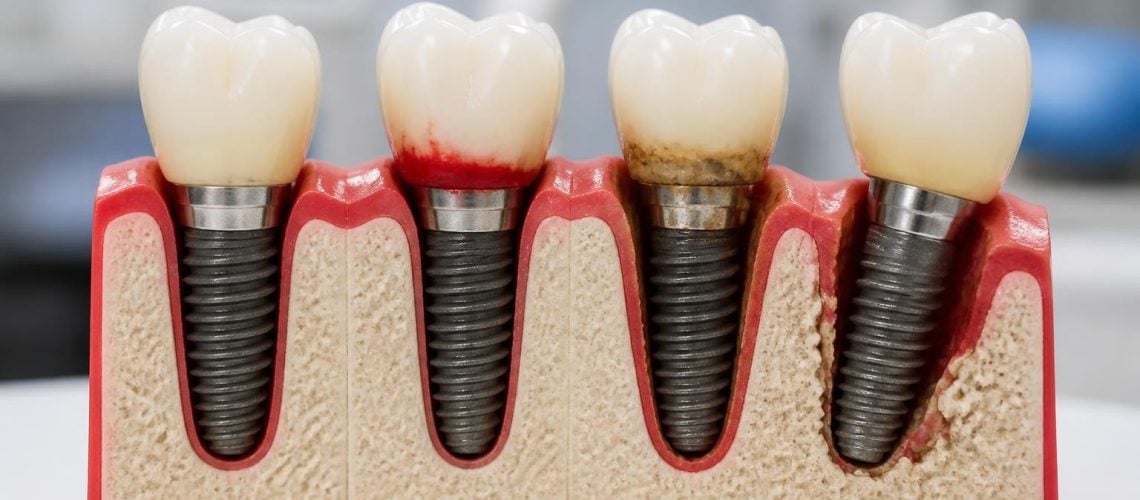
Inflammation around an implant site beyond the initial healing period indicates active infection or tissue rejection. Peri-implantitis, a bacterial infection affecting tissues around implants, represents one of the leading causes of late implant failure. According to consensus guidelines on peri-implant diseases, early detection and intervention are crucial for preserving implant function.
Visible signs include persistent redness, swollen gums that appear puffy or enlarged, and tissue that bleeds easily during brushing or flossing. Healthy tissue around integrated implants should appear pink and firm, not red or inflamed.
Implant Mobility
A properly integrated dental implant should feel as stable as a natural tooth root. Any detectable movement when touched or during function indicates failure of osseointegration or loss of supporting bone. Even slight mobility represents a serious concern requiring immediate professional evaluation.
Testing for mobility should only be performed by dental professionals using calibrated instruments. Patients who notice looseness when eating, speaking, or touching the implant crown should schedule an emergency appointment.
Clinical Indicators Detected by Professionals
Some signs of implant failure are not visible to patients but become apparent during professional examinations. Regular check-ups at facilities like those available at Dental Plus Clinic locations across Texas enable early detection through specialized testing.
Radiographic Evidence
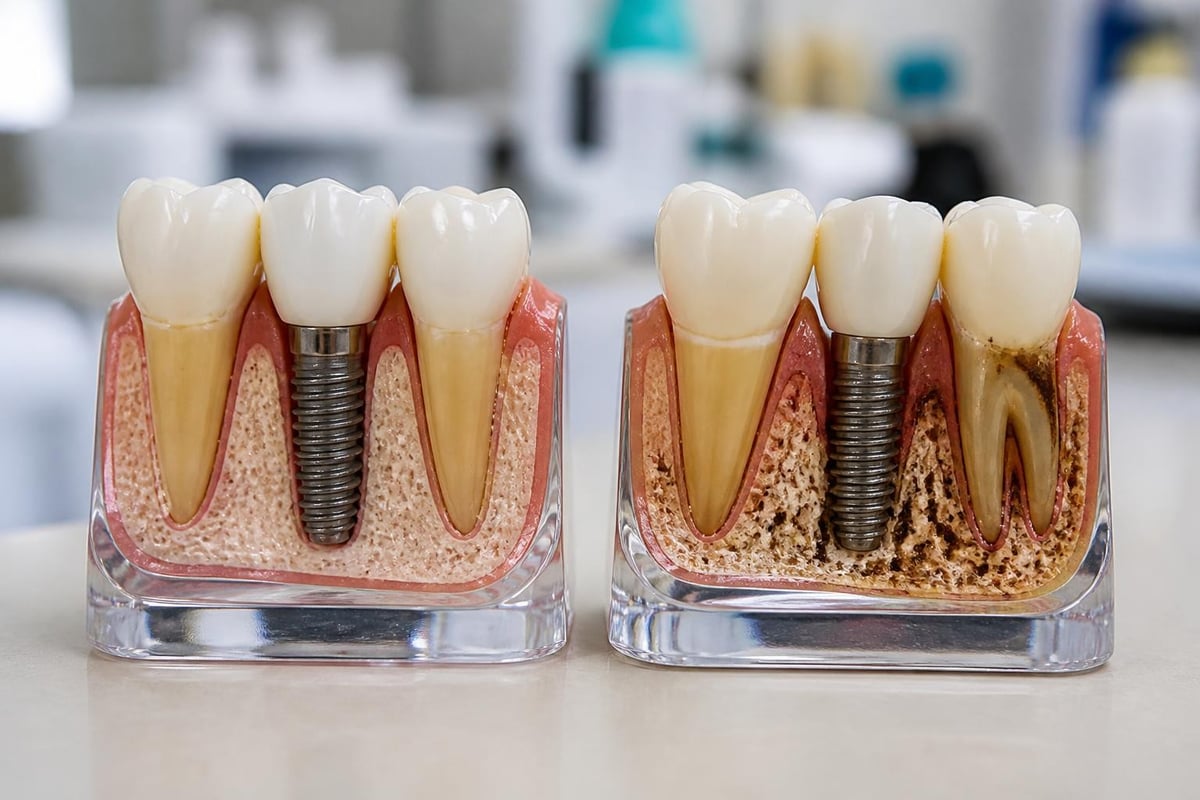
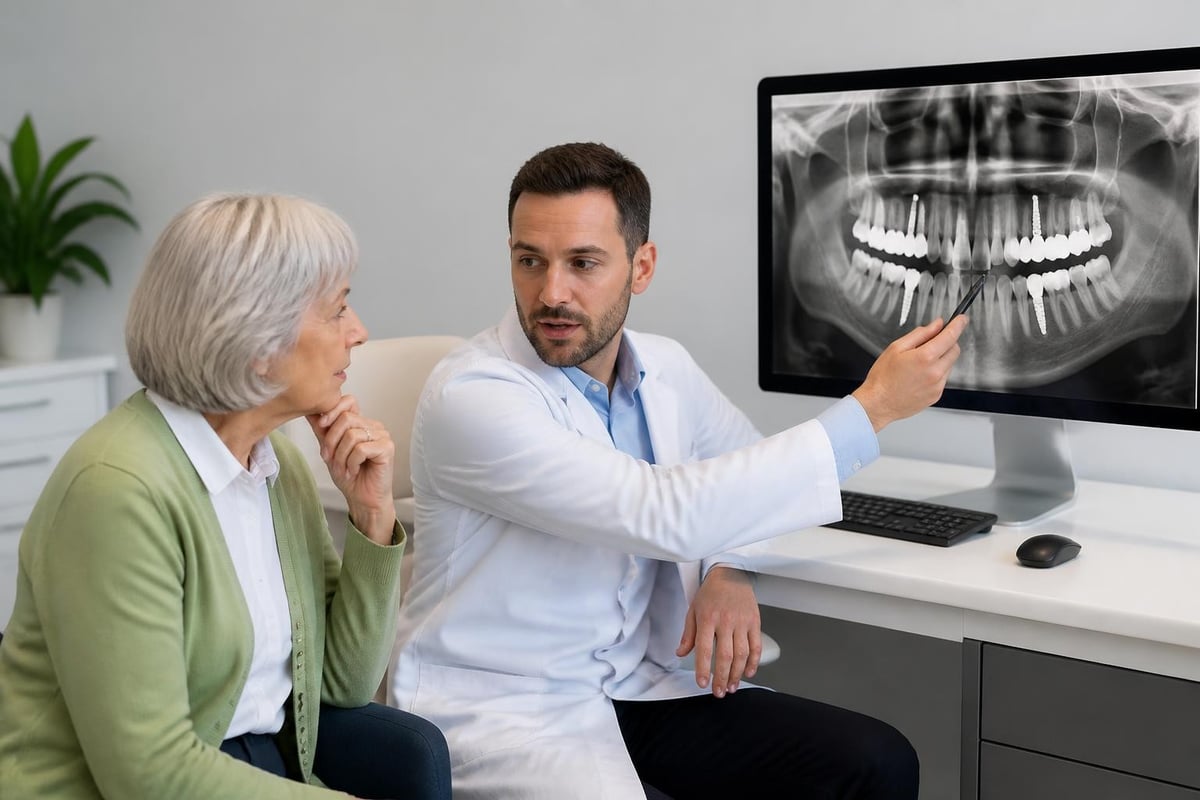
X-rays and 3D imaging reveal bone loss, gaps between implant and bone, and other structural problems invisible to the naked eye. Progressive bone loss around an implant appears as dark areas on radiographs, indicating deteriorating support that will eventually lead to implant failure if left untreated.
Probing Depths and Bleeding
Dental professionals measure pocket depths around implants using specialized probes. Increasing depth measurements over time suggest progressing peri-implantitis. Bleeding upon probing indicates active inflammation and infected tissues, even when visible signs are minimal.
Healthy implant sites typically show probing depths of 3mm or less without bleeding. Depths exceeding 5mm accompanied by bleeding strongly suggest disease requiring intervention.
Suppuration and Discharge
Pus discharge from around an implant site definitively indicates infection. This purulent exudate may appear spontaneously or when gentle pressure is applied to the surrounding tissues. Any discharge, whether visible to the patient or discovered during professional examination, requires immediate treatment to prevent further bone destruction and potential systemic infection spread.
Risk Factors Contributing to Implant Failure
Understanding what increases failure risk helps patients and providers implement preventive strategies. While some factors cannot be modified, many are controllable through patient behavior and clinical decision-making.
Patient-Related Factors
Certain health conditions and habits significantly impact implant success rates. Uncontrolled diabetes impairs healing and increases infection susceptibility, while smoking restricts blood flow to healing tissues and dramatically elevates failure rates. Research from the American Association of Oral and Maxillofacial Surgeons emphasizes the importance of evaluating systemic conditions before implant placement.
Additional patient factors include:
- Inadequate oral hygiene practices
- Bruxism (teeth grinding or clenching)
- Previous radiation therapy to head or neck regions
- Bisphosphonate medication use
- Compromised immune system function
- Insufficient bone quantity or quality
Surgical and Technical Factors
Implant failure can result from complications during the surgical procedure itself. Excessive heat generation during drilling can cause bone necrosis, preventing proper integration. Inadequate primary stability, incorrect implant positioning, or contamination during placement all increase failure likelihood.
The experience and skill of the surgical team matter significantly. Proper treatment planning, including bone density assessment and anatomical evaluation, sets the foundation for long-term success.
Prosthetic and Biomechanical Factors
Even successfully integrated implants can fail due to excessive forces or poorly designed restorations. Occlusal overload occurs when the implant crown receives disproportionate biting forces, eventually causing bone loss and loosening. This commonly happens when:
- Multiple implants are connected improperly
- Cantilever restorations extend too far
- Crown contours create unfavorable force distribution
- Opposing teeth apply concentrated pressure
Proper restoration design distributes forces evenly across the implant and supporting bone, minimizing stress concentrations that lead to biomechanical failure.
Peri-Implantitis: The Primary Culprit
Peri-implantitis represents the most common cause of late dental implant failure, affecting an estimated 10-20% of implants over 10 years. This inflammatory condition resembles periodontitis affecting natural teeth but progresses more rapidly due to implants' unique anatomical characteristics.
Development and Progression
The disease begins with peri-mucositis, reversible inflammation of soft tissues around the implant without bone loss. Without intervention, bacterial biofilms mature and inflammation extends into supporting bone, causing progressive destruction. Unlike natural teeth, implants lack periodontal ligaments that provide biological defense mechanisms, making them more vulnerable to rapid bone loss once infection establishes.
Treatment Approaches
Managing peri-implantitis requires aggressive intervention combining mechanical debridement, antimicrobial therapy, and sometimes surgical bone regeneration. Early-stage disease may respond to:
- Professional mechanical cleaning using specialized instruments
- Antiseptic rinses and locally delivered antibiotics
- Enhanced home care protocols
- Modification of risk factors
Advanced cases necessitate surgical access to clean implant surfaces thoroughly, remove infected granulation tissue, and potentially perform bone grafting to restore lost support. Despite treatment, some implants with severe peri-implantitis cannot be saved and require removal to prevent continued bone loss.
Diagnosis and Assessment Methods
Accurate diagnosis of a failed dental implant involves multiple assessment techniques that together provide a comprehensive picture of implant health. No single test definitively confirms failure; instead, clinicians evaluate combined evidence from various sources.
Clinical Examination Protocol
Professional evaluation begins with visual inspection of tissues around the implant, noting color, contour, and any signs of inflammation or discharge. The dentist then performs:
- Percussion testing – tapping the implant to assess sound quality, which changes when integration is compromised
- Mobility assessment – applying controlled force to detect any movement
- Probing evaluation – measuring pocket depths at multiple points around the implant
- Bleeding index – recording whether probing elicits bleeding
- Suppuration check – observing for pus discharge
Advanced Imaging Techniques
Beyond standard radiographs, cone beam computed tomography (CBCT) provides three-dimensional visualization of bone around implants. This imaging reveals:
- Precise bone loss patterns and extent
- Presence of radiolucent (dark) areas suggesting failed integration
- Relationship of implant to anatomical structures
- Bone density in areas being considered for revision surgery
CBCT proves especially valuable when planning treatment for failed implants, whether that involves explantation, revision surgery, or bone grafting procedures.
Microbiological Testing
In some cases, bacterial sampling from implant pockets helps identify specific pathogens driving infection. While not routinely performed, microbiological testing can guide antibiotic selection for stubborn infections that resist conventional treatment protocols.
Treatment Options When Implants Fail
Not all failed implants require immediate removal. Treatment selection depends on failure timing, severity, patient factors, and the specific cause of failure. A comprehensive scoping review of retrieval techniques outlines various approaches to managing failing implants.
Conservative Management
When caught early, some failing implants respond to non-surgical intervention. Conservative approaches include:
- Intensive professional cleaning sessions
- Antimicrobial therapy using local or systemic antibiotics
- Laser-assisted decontamination of implant surfaces
- Adjustment of prosthetic restorations to reduce biomechanical stress
- Enhanced patient home care with specialized tools
Success rates for conservative treatment vary significantly based on disease severity and patient compliance. Regular monitoring ensures timely progression to surgical intervention if conservative measures prove insufficient.
Surgical Intervention
When non-surgical methods fail or disease has progressed extensively, surgical treatment becomes necessary. Procedures include:
Resective surgery removes diseased tissue and reshapes bone to create more maintainable contours, though this reduces bone support. Regenerative surgery attempts to restore lost bone through grafting materials and barrier membranes, potentially recovering some lost support and improving long-term prognosis.
Both approaches require meticulous decontamination of exposed implant surfaces, a technically challenging aspect that significantly influences outcomes.
Implant Removal and Replacement
Severely failed implants that cannot be salvaged require explantation. Removal techniques vary based on implant design and integration status:
- Reverse torque for implants with minimal remaining integration
- Trephine burs that cut a core of bone around well-integrated implants
- Piezoelectric devices using ultrasonic vibrations
- Electrochemical methods that corrode the implant-bone interface
After removal, the site typically needs several months of healing before considering replacement. Bone grafting often becomes necessary to restore adequate volume and density for a new implant. Understanding dental implants as a long-term investment includes recognizing that revision procedures, while sometimes necessary, can ultimately achieve successful outcomes.
Prevention Strategies for Long-Term Success
Preventing implant failure begins before surgery and continues throughout the implant's lifetime. Both patients and providers share responsibility for implementing protective measures.
Pre-Surgical Optimization
Comprehensive pre-treatment evaluation and risk modification dramatically improve success rates. Patients should:
- Achieve optimal glycemic control if diabetic
- Complete smoking cessation programs before surgery
- Optimize oral hygiene and resolve existing periodontal disease
- Discuss all medications with the surgical team
- Address teeth grinding through nightguard fabrication
Providers must conduct thorough diagnostics including bone quality assessment, anatomical evaluation, and systemic health screening to ensure appropriate patient selection and treatment planning.
Meticulous Surgical Technique
Surgical precision minimizes trauma and creates ideal conditions for osseointegration. Critical technical factors include:
- Maintaining atraumatic surgical protocols with minimal tissue handling
- Using abundant irrigation to prevent thermal bone damage
- Achieving adequate primary stability without excessive insertion torque
- Positioning implants in prosthetically driven locations
- Maintaining sterile conditions throughout the procedure
The latest advances in dental implant technology enable more precise placement and better integration outcomes when combined with proper surgical technique.
Post-Operative Care and Maintenance
The immediate post-surgical period proves critical for integration success. Patients must:
- Follow prescribed medication regimens exactly
- Adhere to dietary restrictions during initial healing
- Maintain exceptional oral hygiene while avoiding trauma to the surgical site
- Attend all follow-up appointments for professional monitoring
- Report any concerning symptoms immediately
Long-term maintenance requires commitment to professional cleanings every three to six months, daily home care using appropriate tools and techniques, and ongoing monitoring for any signs of peri-implant disease.
The Role of Professional Monitoring
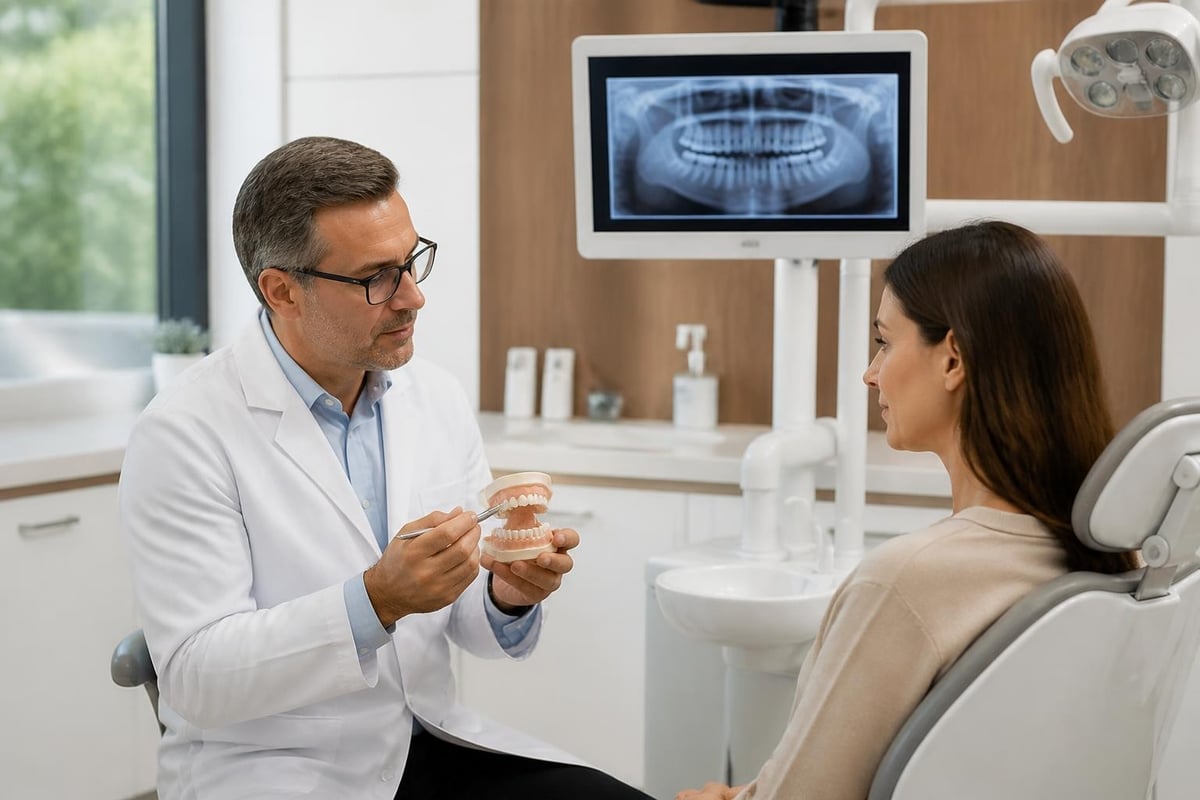
Even perfectly placed and maintained implants require ongoing professional surveillance. Regular check-ups enable early detection of problems before they progress to failure.
Recommended Examination Frequency
Most dental professionals recommend implant-specific examinations at least annually, though patients with risk factors may need more frequent monitoring. These appointments should include:
- Visual tissue assessment
- Probing depth measurements at multiple sites
- Radiographic imaging to detect bone changes
- Occlusal evaluation to identify excessive forces
- Professional cleaning to remove biofilm
Facilities offering comprehensive implant care, such as those found when searching for dental implants near me in Texas, typically provide structured maintenance programs designed specifically for implant patients.
Patient Self-Monitoring
Between professional visits, patients should remain alert for warning signs requiring immediate attention. Daily visual inspection in good lighting helps identify color changes, swelling, or other tissue alterations. Awareness of sensations around implants enables detection of emerging pain or mobility before complications advance.
Keeping a simple log of any changes, including when they started and any triggering factors, helps providers diagnose problems more efficiently when concerns arise.
Financial Considerations and Coverage
A failed dental implant creates not only health concerns but also financial implications. Understanding coverage options and cost structures helps patients make informed decisions about treatment and replacement.
Insurance Coverage for Failed Implants
Most dental insurance plans provide limited coverage for initial implant placement, and coverage for failed implant treatment varies significantly between policies. Some plans cover removal of failing implants under surgical benefits, while others classify it as uncovered maintenance of a prior elective procedure.
Patients considering implants should review their specific policy terms and explore whether dental insurance covers implants before proceeding. For those without coverage, facilities may offer options for dental implants without insurance through payment plans or financing arrangements.
Warranty and Guarantee Policies
Many dental practices offer warranty coverage for implant-related treatment, though terms and conditions vary substantially. Some providers guarantee the surgical placement for a specified period, while prosthetic components may carry separate manufacturer warranties.
Understanding exactly what warranties cover proves essential. Most exclude failures resulting from patient non-compliance, trauma, or changes in health status. Reading warranty terms carefully and maintaining documentation of all care provided protects patients if problems develop.
| Cost Component | Typical Range | Insurance Coverage |
|---|---|---|
| Implant removal | $500-$1,500 | Variable, often limited |
| Bone grafting | $300-$3,000 | Rarely covered |
| Replacement implant | $1,500-$3,000 | Typically not covered |
| New crown | $1,000-$3,000 | Partial coverage possible |
Making Informed Decisions About Replacement
When an implant fails, patients face decisions about whether to attempt replacement or pursue alternative tooth replacement options. Several factors influence this choice.
Candidacy for Reimplantation
Not all patients who experience implant failure can successfully receive replacement implants. Adequate bone volume must exist or be recreatable through grafting procedures. Additionally, any factors that contributed to initial failure must be addressed or modified.
Patients with uncontrolled systemic diseases, continued smoking habits, or persistent inability to maintain oral hygiene may achieve better outcomes with alternative restoration methods. Honest discussion with the treatment provider about realistic expectations helps prevent repeated disappointment.
Alternative Restoration Options
When reimplantation seems inadvisable or patients prefer different approaches, several alternatives exist:
- Fixed dental bridges that utilize adjacent teeth for support
- Removable partial dentures offering economical tooth replacement
- Resin-bonded bridges for select situations with healthy adjacent teeth
- No replacement if the missing tooth's location permits function without restoration
Comparing dental implants versus veneers for missing teeth and other options helps patients understand the full spectrum of possibilities. For those replacing multiple teeth, understanding differences like All-on-4 versus All-on-6 dental implants informs decision-making about full-arch restoration approaches.
Living With Implant Concerns
Discovering signs of potential implant failure naturally creates anxiety and stress. Managing these emotional responses while taking appropriate action helps patients navigate the situation effectively.
When to Seek Emergency Care
Most implant problems develop gradually, but certain situations require urgent attention:
- Severe, uncontrolled pain not responding to over-the-counter medications
- Significant swelling that interferes with breathing or swallowing
- Fever accompanying implant site symptoms, suggesting systemic infection spread
- Sudden complete mobility of a previously stable implant
- Trauma to the implant area from injury or accident
Emergency departments typically cannot provide definitive treatment for dental implant complications but can manage severe infections and pain while arranging specialist referral.
Building a Support Team
Managing failed dental implants often requires coordination between multiple specialists. The restoring dentist, periodontist or oral surgeon, and sometimes prosthodontist each contribute unique expertise. Establishing clear communication channels between team members and ensuring all providers have complete records optimizes outcomes.
Patients benefit from designating one primary coordinator, typically the general dentist or the specialist performing implant surgery, to synthesize information and guide decision-making.
The Psychological Impact of Implant Failure
Beyond physical and financial consequences, dental implant failure affects emotional wellbeing and self-confidence. Acknowledging and addressing these psychological dimensions supports comprehensive healing.
Managing Expectations and Disappointment
Patients invest significant time, money, and hope in dental implant treatment. When implants fail despite everyone's best efforts, feelings of disappointment, frustration, or even anger are completely normal. Recognizing that failure rates, while low, are not zero helps contextualize the experience.
Many patients report feeling betrayed by their bodies or guilty about possible contributions to failure. Professional counseling or support groups connecting people with similar experiences can provide valuable perspective and coping strategies.
Rebuilding Confidence
Failed implants often create self-consciousness about appearance and function during the gap between removal and replacement. Temporary restoration options minimize aesthetic impact while definitive treatment planning proceeds. Open communication with employers, family, and social contacts about temporary appearance changes often reveals more understanding and support than patients anticipate.
Focusing on the path forward rather than dwelling on the failure helps maintain emotional resilience. Most patients who experience initial implant failure achieve successful outcomes with replacement when proper protocols are followed.
Recent Advances in Managing Failed Implants
Dental research continuously improves understanding and treatment of implant complications. Several emerging technologies and techniques show promise for better outcomes.
Surface Decontamination Methods
Traditional mechanical cleaning of exposed implant surfaces often proves inadequate for complete bacterial removal from the complex topography designed to promote bone integration. Newer approaches include:
- Photodynamic therapy using light-activated chemicals to destroy bacteria
- Plasma treatments that clean and modify surface properties
- Laser systems designed specifically for implant decontamination
- Air abrasive systems using biocompatible particles
While research continues evaluating long-term effectiveness, these technologies offer additional options when conventional methods fail to resolve infections.
Biomaterial Innovations
New bone grafting materials and regenerative products enhance the ability to restore bone lost to peri-implantitis. Recombinant growth factors, advanced synthetic bone substitutes, and biological scaffolds improve predictability of regenerative procedures, potentially salvaging implants that previously would have required removal.
Diagnostic Technologies
Emerging diagnostic tools enable earlier detection of implant problems before significant bone loss occurs. These include optical coherence tomography for non-invasive tissue assessment, biomarker testing to identify disease activity, and artificial intelligence analysis of radiographic images to detect subtle changes humans might miss.
Questions to Ask Your Dental Provider
When facing potential implant failure, asking informed questions helps patients understand their situation and participate actively in treatment decisions. Consider discussing:
- What specific evidence suggests my implant is failing?
- What caused this failure, and can those factors be modified?
- What are all my treatment options, including doing nothing?
- What are realistic success rates for each treatment option in my specific situation?
- What is the expected timeline from diagnosis through final restoration?
- What will each treatment phase cost, and what financing options exist?
- How can I minimize risk of future implant failures?
- Do you recommend consulting additional specialists?
Providers should answer these questions thoroughly and provide written treatment plans detailing recommended procedures, alternatives, costs, and expected outcomes. Patients who feel unclear about any aspect should request additional explanation before proceeding. Finding implant specialists accepting major PPO plans may provide access to experienced providers with comprehensive support resources.
The Path Forward After Implant Failure
Experiencing dental implant failure, while disappointing, need not represent the end of successful tooth replacement. Modern dentistry offers numerous pathways to restoring both function and aesthetics, even after setbacks. The key lies in thorough diagnosis, honest assessment of contributing factors, appropriate treatment selection, and commitment to preventive protocols going forward.
Patients who maintain realistic expectations, actively participate in their care, and work with experienced providers typically achieve satisfactory long-term outcomes. Whether through successful replacement implants or alternative restoration methods, reclaiming oral health and confidence after implant failure remains an achievable goal for the vast majority of patients.
Understanding what constitutes a failed dental implant, recognizing warning signs early, and knowing when to seek professional evaluation empowers patients to protect their oral health investments. While prevention remains preferable to treatment, modern dental techniques make managing complications increasingly predictable when problems do arise.
Recognizing the signs of a failed dental implant early and seeking professional care promptly provides the best opportunity for successful intervention and long-term oral health preservation. Whether you are experiencing implant concerns or considering implant treatment and want to understand potential complications, the experienced team at Dental Plus Clinic stands ready to provide comprehensive evaluation, honest assessment, and personalized treatment planning. With locations throughout Texas in Beeville, Seguin, New Braunfels, Leander, and Converse, we combine advanced technology with patient-focused care to deliver optimal implant outcomes and address complications when they arise, supporting your journey to lasting dental wellness.