
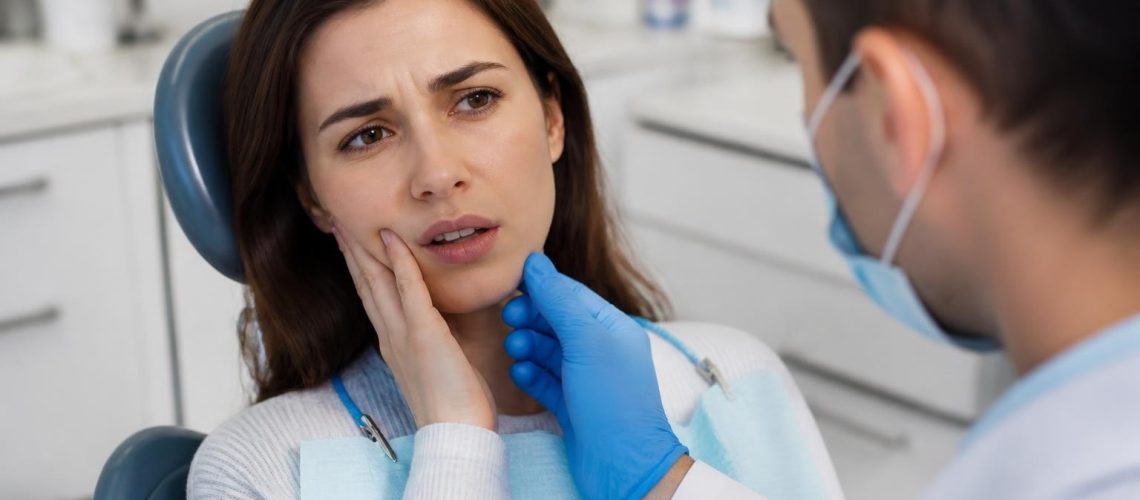
A broken tooth can happen when you least expect it-biting down on hard candy, suffering an impact during sports, or even discovering a crack during a routine meal. This common dental emergency affects millions of Americans each year and requires immediate attention to prevent complications, preserve the tooth structure, and avoid unnecessary pain. Understanding what to do in those critical first moments and knowing your treatment options can make the difference between saving your tooth and facing more extensive dental work down the road.
Understanding Different Types of Tooth Fractures
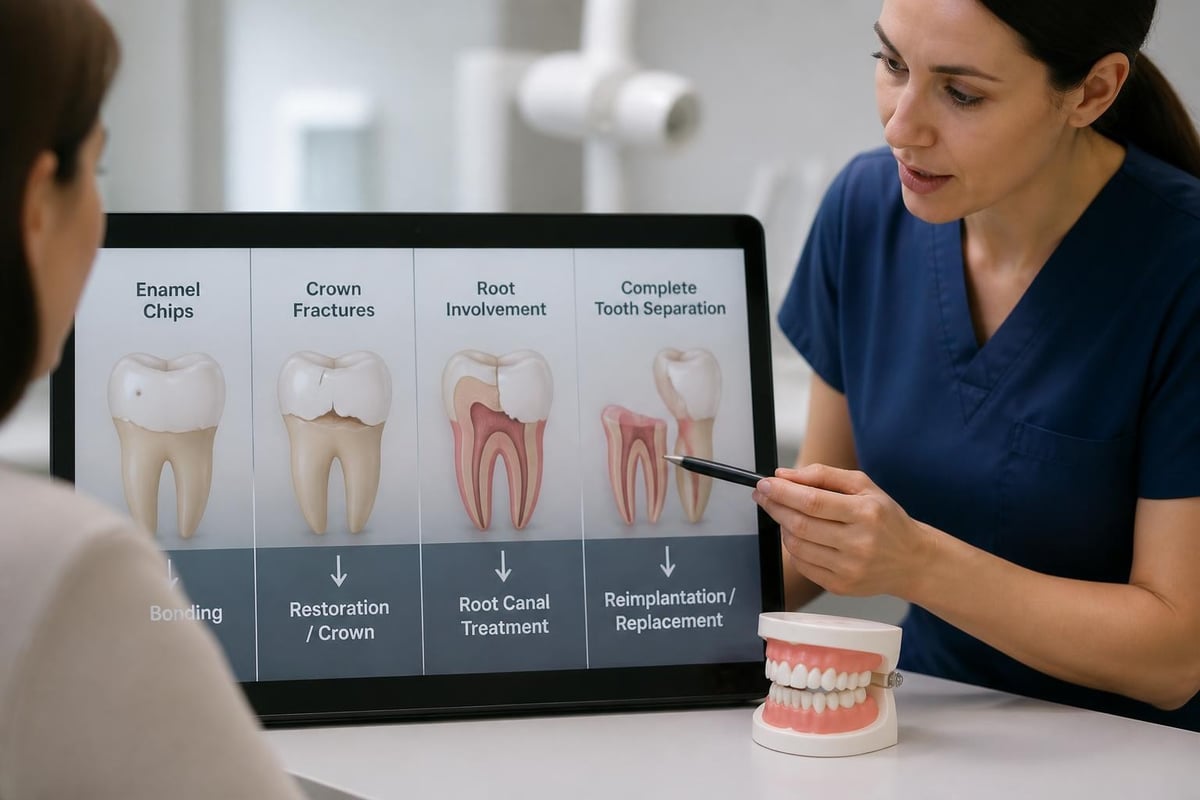
Not all tooth damage presents the same way or requires identical treatment approaches. Dental professionals classify fractures based on their location, depth, and severity to determine the most appropriate intervention strategy.
Minor Chips and Enamel Cracks
The outermost layer of your tooth, called enamel, can chip or crack without affecting deeper structures. These superficial fractures often occur on front teeth and may appear as small irregularities along the biting edge. While they might not cause immediate pain, they create rough edges that can irritate your tongue and cheeks.
Common causes include:
- Biting hard foods like ice or hard candy
- Using teeth as tools to open packages
- Minor facial trauma or falls
- Temperature shock from consuming extremely hot and cold foods consecutively
Even minor chips warrant professional evaluation because exposed enamel can become more vulnerable to decay and further damage over time.
Cracked Tooth Syndrome
A vertical crack that extends from the chewing surface toward the root represents one of the most challenging diagnostic scenarios in dentistry. These cracks may not always be visible on X-rays and often cause intermittent pain when chewing or sensitivity to temperature changes.
Research on treatment outcomes for cracked teeth demonstrates that early intervention significantly improves long-term prognosis. The pain typically occurs when you bite down and release pressure, creating movement in the separated tooth segments.
| Crack Type | Pain Pattern | Visibility | Treatment Urgency |
|---|---|---|---|
| Craze lines | None | Surface only | Low |
| Fractured cusp | Moderate, intermittent | Often visible | Medium |
| Cracked tooth | Sharp on release | May be hidden | High |
| Split tooth | Constant | Visible separation | Immediate |
| Vertical root fracture | Deep, persistent | X-ray may show | Immediate |
Severe Fractures and Tooth Loss
When a broken tooth extends below the gum line or involves the root structure, the situation becomes more complex. These severe fractures often result from significant trauma, untreated decay weakening the tooth structure, or catastrophic failure of previous dental work.
Immediate Steps When You Experience a Broken Tooth
The actions you take in the first hour after tooth damage can significantly impact treatment success and your comfort level while waiting for professional care.
First Aid Measures
Rinse your mouth gently with warm water to remove debris and blood. Avoid aggressive swishing that might dislodge tooth fragments or irritate damaged tissues. If you can locate the broken piece, rinse it carefully and store it in milk, saline solution, or your own saliva-never in tap water, which can damage living cells.
Apply a cold compress to the outside of your face near the affected area to minimize swelling and numb the pain. Twenty minutes on, twenty minutes off provides optimal results without risking tissue damage from prolonged cold exposure.
Control bleeding by placing clean gauze over the injury site and applying gentle pressure. Most oral bleeding stops within 10-15 minutes. If bleeding persists beyond 30 minutes or seems excessive, seek emergency medical attention immediately.
Pain Management Before Your Dental Appointment
Over-the-counter pain relievers can help manage discomfort, but choosing the right medication matters. Ibuprofen reduces both pain and inflammation, making it particularly effective for dental injuries. Acetaminophen provides pain relief without anti-inflammatory effects.
Avoid aspirin directly on the affected area, despite old home remedy advice. Aspirin can burn gum tissue and doesn't provide targeted relief. The American Dental Association guidance on managing dental pain emphasizes that antibiotics are rarely necessary for simple fractures without infection signs.
Temporary dental cement, available at most pharmacies, can cover sharp edges and protect exposed tooth structure. Follow package directions carefully and remember this is strictly a short-term solution until you receive professional treatment.
When to Seek Emergency Care
Some situations require immediate professional intervention rather than waiting for a regular appointment. Understanding dental emergencies and appropriate response measures helps you make informed decisions about timing.
Seek same-day emergency dental care if you experience:
- Severe pain that over-the-counter medications cannot control
- Significant bleeding that doesn't stop with pressure
- Swelling in your face, neck, or jaw
- Difficulty breathing or swallowing
- Visible pulp (pink or red tissue inside the tooth)
- Complete tooth loss or major fragment separation
At Dental Plus Clinic, our emergency dental services across Texas locations provide immediate care for traumatic injuries and urgent dental needs.
Professional Treatment Options for a Broken Tooth
Modern dentistry offers multiple approaches to restore function and appearance after tooth fractures. Your dentist will recommend treatment based on fracture severity, location, and your overall oral health.
Conservative Restoration Techniques
For minor chips and cracks that haven't compromised tooth integrity, conservative approaches preserve maximum natural tooth structure while restoring appearance and function.
Dental bonding uses tooth-colored composite resin to rebuild missing enamel and smooth rough edges. This single-visit procedure requires minimal tooth preparation and provides immediate cosmetic improvement. The dentist roughens the damaged area, applies bonding agent, shapes the composite material, and hardens it with a special light. Results typically last 5-10 years with proper care.
When the original tooth fragment is available and in good condition, reattachment offers the most conservative option. Evidence on fractured-tooth fragment reattachment techniques shows excellent outcomes when fragments are properly stored and reattached within appropriate timeframes. This approach maintains your natural tooth color and translucency better than any artificial material.
Crown and Coverage Solutions
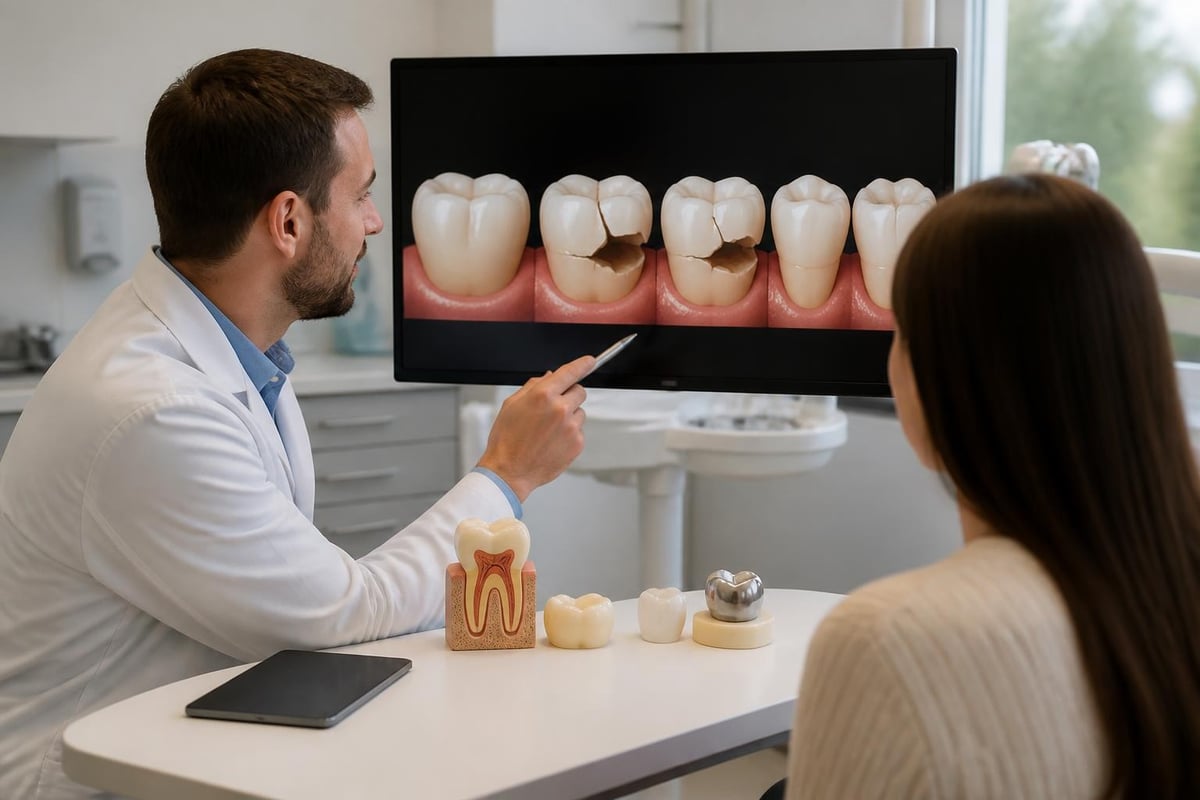
Dental crowns become necessary when fractures compromise more than one-third of the tooth structure or extend below the gum line. These custom-fabricated caps cover the entire visible portion of the tooth, distributing biting forces evenly and preventing further damage.
The crown process typically requires two appointments. During the first visit, your dentist prepares the tooth by removing damaged structure and shaping it to receive the crown. Impressions capture precise measurements, and a temporary crown protects the tooth while the permanent restoration is fabricated. The second appointment involves removing the temporary, checking the fit and appearance of the permanent crown, and cementing it securely in place.
| Crown Material | Durability | Aesthetics | Best Location | Average Cost Range |
|---|---|---|---|---|
| Porcelain-fused-to-metal | High | Good | Back teeth | $800-$1,500 |
| All-ceramic | Moderate-High | Excellent | Front teeth | $1,000-$2,000 |
| Gold alloy | Very High | Poor | Back molars | $1,000-$2,500 |
| Zirconia | Very High | Very Good | Any location | $1,200-$2,500 |
Understanding what dental crowns offer in terms of benefits and limitations helps you make informed decisions about your treatment plan.
Root Canal Therapy and Advanced Interventions
When a fracture exposes or damages the pulp chamber containing nerves and blood vessels, root canal treatment becomes necessary to eliminate infection and preserve the tooth. Contrary to popular belief, modern root canal procedures cause minimal discomfort and can be completed in one or two appointments.
The root canal process involves:
- Administering local anesthesia to ensure complete comfort
- Isolating the tooth with a rubber dam
- Creating an access opening to reach the pulp chamber
- Removing infected or damaged pulp tissue
- Cleaning and shaping the root canals
- Filling the canals with biocompatible material
- Sealing the access opening
- Placing a crown to protect the treated tooth
Success rates for root canal therapy exceed 95% when performed properly and followed by appropriate restoration. If you're experiencing significant tooth pain that might indicate pulp involvement, prompt evaluation prevents complications and improves outcomes.
Extraction and Replacement Considerations
Some fractures extend so far below the gum line or involve such extensive root damage that saving the tooth becomes impossible or impractical. In these cases, extraction followed by tooth replacement provides the best long-term outcome.
Modern replacement options include:
- Dental implants: Titanium posts surgically placed in the jawbone serve as artificial tooth roots, supporting permanent crowns that look and function like natural teeth. Comparing different implant approaches for missing teeth reveals the versatility of this solution.
- Fixed bridges: These prosthetics use adjacent teeth as anchors to support an artificial tooth in the gap, offering a non-surgical alternative when implants aren't suitable.
- Removable partial dentures: The most economical replacement option, though less stable and comfortable than fixed solutions.
Investment in long-term dental implant solutions often provides superior value over time compared to alternatives requiring frequent maintenance or replacement.
Prevention Strategies to Avoid Future Tooth Fractures
Protecting your teeth from damage requires a multifaceted approach addressing dietary habits, protective equipment, and underlying oral health conditions.
Protective Equipment for Sports and Activities
Athletic activities account for a significant percentage of dental injuries among both children and adults. The professional guidance on mouthguards and prevention measures endorsed by major dental organizations emphasizes custom-fitted protection for contact sports and high-risk activities.
Three types of mouthguards offer varying levels of protection:
- Stock mouthguards: Pre-formed and ready to wear, these provide minimal protection and poor fit, making breathing and speaking difficult.
- Boil-and-bite mouthguards: Available at sporting goods stores, these soften in hot water and mold to your teeth, offering moderate protection and better fit than stock versions.
- Custom-fitted mouthguards: Fabricated by your dentist from precise impressions, these provide superior protection, comfort, and durability.
Athletes involved in basketball, soccer, hockey, football, lacrosse, martial arts, and wrestling should wear mouthguards during all practices and competitions. Even non-contact sports like skateboarding, mountain biking, and gymnastics benefit from this protection.
Dietary Modifications and Habit Changes
What you eat and how you eat it significantly impacts your risk of tooth fractures. Hard and sticky foods create excessive force on tooth structures, while acidic beverages weaken enamel over time.
Foods and habits to avoid or modify:
- Ice chewing (use crushed ice in beverages instead)
- Hard candies (let them dissolve rather than biting down)
- Popcorn kernels (eat carefully and discard unpopped kernels)
- Sticky caramels and taffy (choose softer alternatives)
- Using teeth as tools to open packages or bottles
- Biting fingernails or pen caps
Temperature extremes can also stress tooth enamel. Avoid consuming very hot coffee immediately followed by ice water, which causes rapid expansion and contraction of tooth structure.
Addressing Underlying Risk Factors
Certain conditions and habits increase fracture susceptibility even with normal biting forces. Identifying and addressing these factors reduces your long-term risk.
Bruxism (teeth grinding and clenching) generates enormous pressure that can crack teeth over time. Many people grind unconsciously during sleep, making the problem difficult to recognize without professional evaluation. A custom nightguard distributes forces evenly and protects tooth surfaces from excessive wear.
Large old fillings weaken tooth structure by removing significant amounts of enamel and dentin. As these restorations age, the remaining tooth becomes brittle and prone to fracture. Proactive crown placement before problems develop often prevents emergency situations.
Tooth decay undermines structural integrity from within, creating weak spots that fail under normal pressure. Understanding how cavities develop and progress helps you recognize warning signs before they lead to fractures.
Regular dental examinations identify developing problems early. Professional monitoring allows your dentist to recommend preventive measures before minor issues become major emergencies.
Special Considerations for Children and Adolescents
Young patients present unique challenges and considerations when dealing with tooth fractures. Primary (baby) teeth and developing permanent teeth require different approaches than fully mature adult teeth.
Primary Tooth Fractures
When a child's baby tooth breaks, parents often wonder whether treatment is necessary since the tooth will eventually fall out naturally. However, primary teeth serve critical functions beyond chewing-they maintain space for permanent teeth, support proper speech development, and contribute to facial structure development.
Treatment decisions for broken primary teeth consider:
- Child's age and how soon the tooth will naturally shed
- Extent of damage and infection risk
- Impact on permanent tooth development
- Child's comfort and ability to cooperate with treatment
The American Academy of Pediatric Dentistry guidance on traumatic dental injuries provides age-specific recommendations for managing fractures in children.
Minor chips in primary teeth often require only smoothing of rough edges. More extensive fractures might need pulp therapy (similar to root canals in adult teeth) or extraction if the tooth cannot be saved. Your pediatric dentist will explain options and recommend the least invasive approach that protects your child's developing oral structures.
Permanent Tooth Injuries in Young Patients
Fractures to newly erupted permanent teeth in children and adolescents demand immediate attention. These teeth have large pulp chambers and immature root development, making them more vulnerable to complications but also more responsive to certain treatments.
Young permanent teeth with fractures may qualify for:
- Apexification: A procedure that stimulates continued root development in immature teeth with damaged pulps
- Pulp capping: Direct protection of exposed pulp tissue when fractures occur shortly after injury
- Partial pulpotomy: Removal of only the damaged portion of pulp while preserving vital tissue deeper in the root
Time is especially critical for young patients. Research from the International Association of Dental Traumatology guidelines shows that treatment within 24 hours significantly improves outcomes for fractured permanent teeth in children.
Helping children avoid common causes of tooth decay strengthens teeth and reduces fracture risk from weakened enamel.
Insurance Coverage and Financial Planning for Broken Tooth Treatment
Understanding your dental insurance benefits and exploring payment options alleviates financial stress during already challenging situations.
What Dental Insurance Typically Covers
Most dental insurance plans classify treatments into categories with different coverage levels. Understanding these classifications helps you estimate out-of-pocket costs.
| Service Category | Coverage Percentage | Examples Related to Broken Teeth |
|---|---|---|
| Preventive | 80-100% | X-rays, examinations to diagnose fractures |
| Basic restorative | 70-80% | Fillings, simple extractions, basic bonding |
| Major restorative | 50% | Crowns, root canals, complex extractions |
| Orthodontic | 50% (if covered) | Rarely applies to fracture cases |
Emergency dental visits usually fall under basic services, though policies vary. Review your specific plan documents or contact your insurance provider to understand coverage for unexpected tooth damage.
Many insurance plans impose annual maximum benefits, typically ranging from $1,000 to $2,000. Complex fractures requiring multiple procedures might exceed these limits, leaving you responsible for additional costs. Planning treatment across calendar years can maximize benefits when timing isn't urgent.
Navigating situations where dental insurance denies coverage requires understanding appeal processes and alternative payment arrangements.
Alternative Payment and Savings Options
When insurance coverage falls short or you lack dental insurance entirely, multiple options make necessary treatment accessible.
Dental Plus Clinic offers:
- Flexible payment plans that spread costs over several months without interest
- In-house savings programs for patients without insurance
- Transparent pricing before treatment begins
- Assistance maximizing insurance benefits through in-network providers
Third-party healthcare financing companies like CareCredit provide credit specifically for medical and dental expenses, often with promotional interest-free periods. These options allow you to receive necessary treatment immediately while managing payments over time.
Health Savings Accounts (HSAs) and Flexible Spending Accounts (FSAs) let you set aside pre-tax dollars for medical expenses, including dental work. These accounts effectively discount treatment costs by the amount you save in taxes.
Some situations qualify for discounts. Dental schools offer reduced-cost care provided by supervised students, though treatment takes longer than in private practices. Community health centers provide sliding-fee scales based on income for qualifying patients.
Long-Term Outlook and Follow-Up Care
Successfully treating a broken tooth extends beyond the initial restoration. Proper maintenance and regular monitoring ensure your repaired tooth remains functional and healthy for years.
Expected Longevity of Different Treatments
Understanding realistic timelines for various restorations helps you plan for future maintenance and potential replacements.
Dental bonding typically lasts 5-10 years before requiring touch-up or replacement. Factors affecting longevity include:
- Location of the restoration (front teeth experience less force than molars)
- Your oral habits (grinding, ice chewing, nail biting accelerate wear)
- Maintenance of excellent oral hygiene
- Regular professional polishing and evaluation
Crowns generally last 10-15 years, with some lasting 20+ years when well-maintained. Ceramic materials have improved dramatically, now offering durability comparable to traditional metal crowns while providing superior aesthetics.
Root canal-treated teeth with proper crown protection show success rates exceeding 90% at 10 years. The crown protects the more brittle treated tooth from fracturing under normal chewing forces.
Maintenance and Monitoring Recommendations
Your restored tooth requires the same diligent care as natural teeth, plus some additional precautions.
Daily care should include:
- Brushing twice daily with fluoride toothpaste
- Flossing around crowned teeth (the restoration-tooth junction is vulnerable to decay)
- Using an antimicrobial mouthwash to reduce bacteria
- Avoiding excessive force on the restored tooth
Professional follow-up visits allow your dentist to monitor the restoration and surrounding tissues. X-rays taken at regular intervals detect problems developing beneath crowns or around bonded areas before they cause symptoms.
Many dentists recommend examining crowned teeth annually with detailed X-rays every 2-3 years, depending on your overall cavity risk and the age of the restoration.
Signs of Complications Requiring Attention
Even successfully treated teeth can develop problems years later. Recognizing warning signs early prevents minor issues from becoming major failures.
Contact your dentist promptly if you notice:
- Sensitivity to hot, cold, or sweet that persists beyond a few seconds
- Pain when biting or chewing
- Swelling or tenderness in the gum near the restored tooth
- Visible gap developing between the crown and your natural tooth
- Looseness or movement of a crown or bonded restoration
- Changed bite that feels "off" when teeth come together
Understanding how quickly tooth infections can spread emphasizes the importance of addressing symptoms promptly rather than waiting for problems to resolve on their own.
Impact of Systemic Health on Tooth Integrity
Your overall health significantly influences tooth strength and healing capacity after fractures. Several medical conditions and medications affect oral tissues in ways that increase fracture risk or complicate treatment.
Medical Conditions Affecting Tooth Structure
Osteoporosis decreases bone density throughout the body, including the jaw. This systemic condition can affect the supporting bone around tooth roots, though tooth structure itself remains unchanged. Patients with osteoporosis may experience different healing patterns after dental procedures and should inform their dentist about this condition.
Gastroesophageal reflux disease (GERD) exposes teeth to stomach acid, gradually eroding enamel and weakening tooth structure. This acid exposure occurs primarily on the tongue-side surfaces of teeth, creating patterns distinct from dietary acid damage. Managing reflux through medical treatment protects teeth from progressive damage.
Diabetes affects healing capacity and infection resistance throughout the body. Patients with poorly controlled blood sugar levels face higher risks of complications after dental procedures and may require modified treatment approaches. Excellent blood sugar management before and after treatment improves outcomes.
Medications That Influence Dental Health
Numerous medications create oral side effects that indirectly increase tooth fracture risk or complicate treatment.
Dry mouth (xerostomia) results from over 400 common medications, including antihistamines, antidepressants, blood pressure medications, and pain relievers. Saliva provides essential protection against decay and helps maintain tooth structure. When dry mouth reduces saliva production, tooth decay accelerates and weakened teeth become more prone to fracture.
Bisphosphonates used to treat osteoporosis require special consideration before invasive dental procedures. While these medications strengthen bone throughout the body, they can complicate healing after tooth extractions. Patients taking bisphosphonates should inform their dentist before any dental surgery.
Immunosuppressant medications taken after organ transplants or for autoimmune conditions affect healing capacity and infection resistance. Dentists may modify treatment protocols or coordinate with your physician to optimize timing of dental procedures.
Understanding how poor oral health affects overall body health reveals the interconnected nature of dental and systemic wellness.
Addressing a broken tooth promptly with appropriate professional care prevents complications, preserves function, and restores your confident smile. Whether you're dealing with a minor chip or a more serious fracture, understanding your options empowers you to make informed decisions about your dental health. Dental Plus Clinic provides comprehensive emergency and restorative dental services across five convenient Texas locations, offering same-day appointments for urgent situations, flexible payment options, and personalized treatment plans tailored to your specific needs. Schedule your consultation today to restore your smile with confidence and comfort.