

Understanding the financial aspects of dental procedures helps families make informed decisions about their oral health. When a tooth cannot be saved through other treatments, extraction becomes necessary to prevent further complications and maintain overall dental wellness. The tooth extraction cost varies significantly based on multiple factors, from the type of procedure required to your insurance coverage and geographic location. This comprehensive guide breaks down everything Texas families need to know about extraction expenses, payment options, and how to plan for this essential dental service.
What Determines Tooth Extraction Cost
The complexity of your specific case drives the overall price more than any other factor. Simple extractions of fully erupted teeth typically cost less than surgical procedures requiring incisions or bone removal.
Your dentist evaluates several clinical factors before determining the final tooth extraction cost:
- Tooth location and accessibility in your mouth
- Root structure complexity and number of roots
- Bone density surrounding the tooth
- Presence of infection or inflammation
- Impaction level for wisdom teeth
- Need for bone grafting or tissue preservation
A straightforward extraction of a loose front tooth differs dramatically from removing an impacted wisdom tooth embedded in jawbone. The American Dental Association’s guide to extractions explains how these procedures are coded and billed based on complexity.
Simple Extraction Pricing
Dentists perform simple extractions when the tooth is visible above the gumline and can be removed with standard instruments. This procedure typically takes 20 to 40 minutes and requires only local anesthesia.
Expected costs for simple extractions in 2026 range from:
- Front teeth (incisors and canines): $150 to $300 per tooth
- Premolars: $180 to $350 per tooth
- Molars: $200 to $400 per tooth
These baseline figures assume a routine procedure without complications. Your location within Texas also influences pricing, with metropolitan areas like Austin near our Leander practice sometimes commanding higher fees than smaller communities.

Surgical Extraction Expenses
Surgical extractions become necessary when teeth are broken below the gumline, severely decayed, or impacted beneath bone and tissue. These procedures require incisions, bone removal, or tooth sectioning.
| Surgical Extraction Type | Typical Cost Range | Additional Factors |
|---|---|---|
| Broken tooth below gumline | $250 – $550 | Visibility, fragment count |
| Partially impacted molar | $300 – $650 | Bone coverage extent |
| Fully impacted wisdom tooth | $350 – $800 | Horizontal position, nerve proximity |
| Complex surgical cases | $450 – $1,000+ | Multiple roots, dense bone |
The clinical overview from oral surgeons details how impaction severity directly correlates with surgical complexity and cost. When patients visit our Converse location, our team provides detailed assessments and transparent pricing before any procedure.
Insurance Coverage and Tooth Extraction Cost
Dental insurance significantly reduces out-of-pocket expenses for medically necessary extractions. Most plans classify extractions as basic or major procedures depending on complexity.
Standard coverage patterns include:
- Simple extractions: 70% to 80% coverage after deductible
- Surgical extractions: 50% to 70% coverage after deductible
- Annual maximum limits: $1,000 to $2,000 per year
- Waiting periods: 6 to 12 months for major procedures (new policies)
Your specific plan details matter tremendously. Some policies cover emergency extractions at higher percentages than elective procedures. Before scheduling, contact your insurance provider to verify exact benefits and confirm the tooth extraction cost you'll actually pay.
PPO Plans and Network Advantages
Preferred Provider Organization (PPO) plans offer contracted rates with in-network dentists. These negotiated fees typically reduce the tooth extraction cost by 20% to 40% compared to out-of-network charges.
When you choose an in-network provider, you benefit from:
- Pre-negotiated fee schedules that limit what dentists can charge
- Streamlined claims processing and direct billing
- Lower coinsurance percentages for covered procedures
- Predictable out-of-pocket maximums
Dental Plus Clinic accepts major PPO plans across all five Texas locations. Our insurance specialists verify coverage and provide accurate cost estimates before treatment begins.
Medicaid and Public Program Coverage
Adult dental benefits under Medicaid vary significantly by state policy. The Kaiser Family Foundation’s Medicaid survey documents how coverage differences impact access to care and personal spending on extractions.
Texas Medicaid covers emergency dental services for adults, including medically necessary extractions. Children enrolled in CHIP or Medicaid receive more comprehensive dental benefits, including preventive care and restorative treatments. Families should verify current eligibility and covered services through their local Health and Human Services office.
Regional Cost Variations Across Texas
Geographic location influences dental pricing due to overhead costs, local competition, and regional economic conditions. Metropolitan areas generally have higher fees than rural communities.
Average tooth extraction cost differences across major Texas markets:
| Region | Simple Extraction | Surgical Extraction |
|---|---|---|
| Austin/Central Texas | $200 – $350 | $400 – $750 |
| San Antonio area | $175 – $325 | $350 – $700 |
| Houston metro | $225 – $375 | $425 – $800 |
| Rural communities | $150 – $275 | $300 – $600 |
Our Seguin and Beeville practices serve communities where affordability remains a priority. We maintain competitive pricing while delivering the same high-quality care available at our New Braunfels, Leander, and Converse locations. Patients appreciate consistent, transparent pricing regardless of which Dental Plus Clinic they visit.
Urban vs. Rural Practice Economics
Dentists in urban centers face higher operational costs for real estate, staffing, and equipment. These expenses translate into somewhat elevated procedure fees. However, urban markets also feature more insurance participation and financing options.
Rural practices often have lower overhead but may lack specialized equipment or advanced sedation options. Patients requiring complex surgical extractions sometimes travel to larger communities for specialty care. At Dental Plus Clinic, we invest in modern technology at every location, ensuring advanced treatment capabilities whether you're in Seguin or Leander.

Additional Expenses Beyond the Extraction
The quoted tooth extraction cost often represents only the removal procedure itself. Several related services add to your total dental bill.
Common additional charges include:
- Diagnostic imaging: X-rays ($25-$200) or cone-beam CT scans ($250-$600)
- Consultation fees: Initial examination and treatment planning ($50-$150)
- Anesthesia upgrades: Nitrous oxide ($50-$100) or IV sedation ($400-$800)
- Prescriptions: Antibiotics ($10-$50) and pain medications ($15-$60)
- Follow-up visits: Post-operative checks ($50-$100)
Budget for these supplementary costs when planning for extraction treatment. Our team provides itemized estimates that include all expected charges, eliminating surprise bills.
Sedation and Anesthesia Options
Local anesthesia comes standard with every extraction, numbing the immediate treatment area. Many patients prefer additional sedation for anxiety relief or complex procedures.
The patient safety considerations surrounding office-based sedation affect both safety protocols and costs. Different sedation levels carry varying price points:
- Nitrous oxide (laughing gas): $50 to $150 per appointment
- Oral conscious sedation: $150 to $400 per appointment
- IV moderate sedation: $400 to $800 per hour
- General anesthesia: $600 to $1,500+ (hospital or surgery center)
Patients with dental anxiety or complex surgical needs often find sedation worthwhile despite the added expense. We help families weigh the benefits against the increased tooth extraction cost.
Bone Grafting and Site Preservation
When planning future tooth replacement with dental implants, preserving the extraction socket becomes crucial. Bone grafting immediately after extraction maintains jaw structure and prevents bone loss.
Socket preservation adds $250 to $600 to your extraction bill but offers long-term benefits:
- Maintains bone volume for future implant placement
- Reduces overall implant treatment cost and complexity
- Shortens the total treatment timeline
- Improves final aesthetic results
Patients considering dental implants should discuss bone grafting during extraction planning. This proactive approach saves money and produces better outcomes than addressing bone loss later.
Wisdom Teeth Removal Costs
Third molars, commonly called wisdom teeth, represent the most frequently extracted teeth. Most young adults lack sufficient space for these teeth to erupt properly, leading to impaction and the need for removal.
The tooth extraction cost for wisdom teeth varies based on how many teeth require removal and their impaction level. Dentists often recommend removing all four wisdom teeth in a single appointment to consolidate recovery time and reduce overall expenses.
Typical wisdom tooth removal costs in 2026:
| Scenario | Cost Range |
|---|---|
| Single erupted wisdom tooth | $150 – $300 |
| Single impacted wisdom tooth | $250 – $600 |
| All four erupted wisdom teeth | $600 – $1,200 |
| All four impacted wisdom teeth | $1,000 – $3,200 |
The clinical controversy around third molar removal centers on whether to extract asymptomatic impacted teeth prophylactically. While some clinical guidelines like NICE recommendations argue against routine removal of disease-free wisdom teeth, many oral health professionals advocate for earlier extraction to prevent future complications.
Age and Extraction Complexity
Younger patients typically experience easier wisdom tooth removal because roots haven't fully formed and bone is less dense. The ideal extraction window falls between ages 17 and 25.
Age-related factors affecting wisdom tooth extraction:
- Root development increases anchoring and surgical difficulty
- Bone density rises with age, complicating removal
- Healing capacity decreases after age 30
- Complication risks increase in older patients
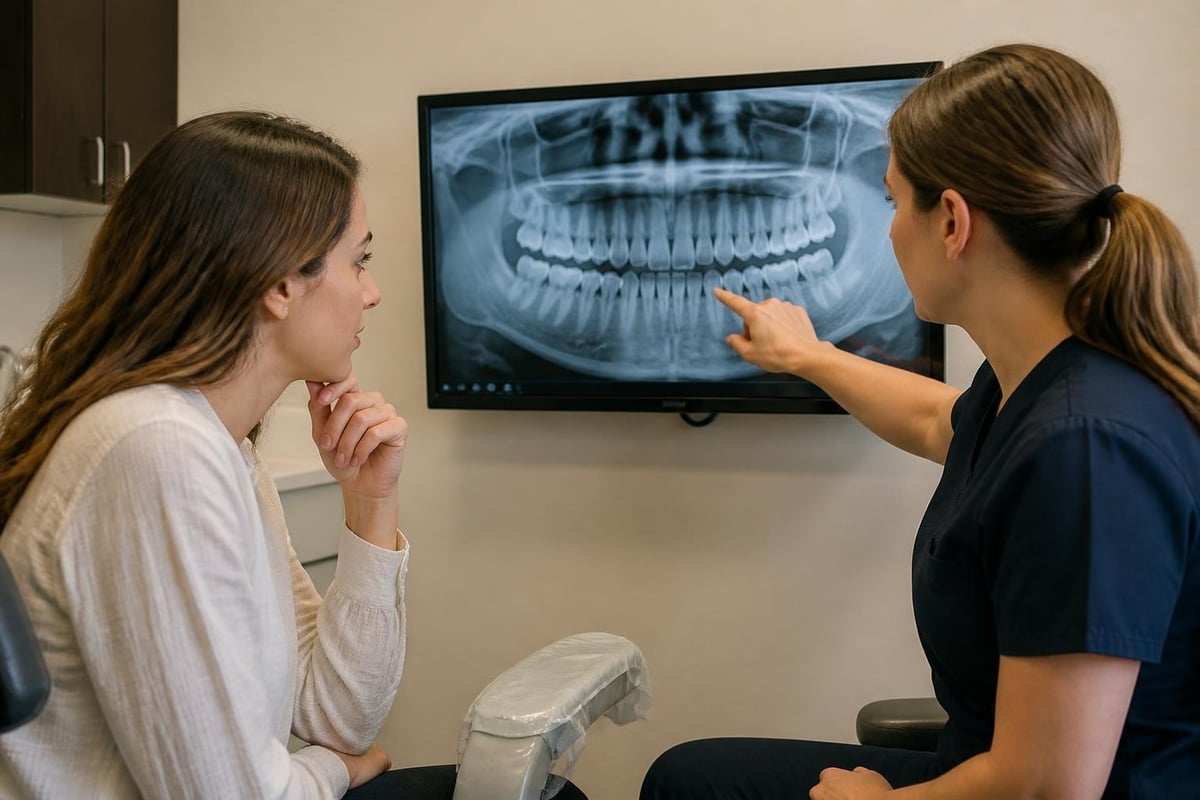
Parents bringing teenagers to our New Braunfels practice often ask about optimal timing for wisdom tooth removal. We provide individualized recommendations based on development patterns visible on panoramic X-rays and clinical symptoms.
Payment Options and Financial Planning
Managing the tooth extraction cost becomes easier with proper planning and understanding of available payment methods. Most dental practices offer multiple payment options to accommodate different financial situations.
Standard payment methods accepted at dental offices:
- Traditional insurance assignment and billing
- Health Savings Accounts (HSA) and Flexible Spending Accounts (FSA)
- CareCredit and dental-specific financing programs
- Major credit cards with rewards or promotional APR
- Cash or check with possible courtesy discounts
The IRS medical expense guidelines explain how dental procedures, including extractions, qualify as deductible medical expenses when itemizing. If your total medical and dental expenses exceed 7.5% of adjusted gross income, you can claim the overage as a deduction.
Third-Party Financing Programs
Dental financing companies like CareCredit offer promotional periods with deferred interest or low monthly payments. These programs help families manage larger tooth extraction costs without depleting savings.
Key considerations when using dental financing:
- Understand the promotional period length and terms
- Calculate required monthly payment to avoid deferred interest
- Compare total cost including interest versus other payment methods
- Confirm the dental practice participates in your chosen program
- Review your credit score impact and approval likelihood
Dental Plus Clinic works with multiple financing partners to maximize approval rates and payment flexibility. Our financial coordinators help patients select the best option for their specific situation and budget.
Dental Discount Plans
Dental savings plans function like membership programs rather than insurance. Members pay an annual fee and receive reduced rates on dental services from participating providers.
These plans can reduce tooth extraction cost by 20% to 50% at participating offices. They work well for patients without traditional dental insurance or those who have exceeded their annual maximum benefits. Unlike insurance, discount plans have no waiting periods, deductibles, or claim forms.
Emergency Extractions and Urgent Care Costs
Dental emergencies requiring immediate extraction often carry premium fees for after-hours or same-day service. Severe pain, facial swelling, or trauma necessitate urgent care regardless of cost considerations.
Emergency tooth extraction cost factors include:
- After-hours or weekend appointment premiums ($100-$300 surcharge)
- Same-day scheduling convenience fees
- Limited time for insurance verification and pre-authorization
- Immediate need for antibiotics or pain management
- Possible hospital emergency room charges if infection is severe
Understanding when to seek emergency care versus scheduling routine extraction saves money while ensuring appropriate treatment timing. Severe swelling, fever, or difficulty breathing always warrant immediate attention. Moderate pain without systemic symptoms can often wait for a scheduled appointment at standard rates.
Prevention vs. Emergency Treatment Economics
Delaying necessary extractions to avoid costs often backfires financially. An infected tooth requiring emergency extraction costs significantly more than a planned procedure addressing the same tooth earlier.
Financial consequences of delaying needed extractions:
- Infection requiring antibiotics and emergency visits ($200-$500 additional)
- Damage to adjacent teeth necessitating multiple extractions
- Bone loss complicating future tooth replacement options
- Work or school time lost to unmanaged dental pain
- Risk of systemic infection requiring hospitalization
Regular dental check-ups identify problems before they become emergencies. Our preventive care approach at Dental Plus Clinic emphasizes early intervention, which consistently costs less than emergency treatment. Families who maintain routine visits experience fewer unexpected dental expenses.
Comparing Tooth Extraction Cost to Alternatives
Before extracting a tooth, dentists evaluate whether other treatments might save it. Root canal therapy, crowns, or other restorative procedures sometimes offer viable alternatives.
| Treatment Option | Cost Range | Success Rate | Longevity |
|---|---|---|---|
| Tooth extraction | $150 – $800 | 99%+ | Permanent removal |
| Root canal + crown | $1,500 – $3,500 | 85-95% | 10-15+ years |
| Large filling | $200 – $500 | 70-85% | 5-10 years |
| Extraction + implant | $3,000 – $6,000 | 95%+ | 20+ years |
The tooth extraction cost appears much lower than restorative alternatives initially. However, the long-term expense of replacing the missing tooth often exceeds the investment in saving the original tooth. Patients should consider total lifetime costs when making treatment decisions.
When Extraction Becomes the Best Option
Despite the appeal of saving natural teeth, some situations clearly indicate extraction as the optimal choice. Severely damaged teeth, advanced periodontal disease, or orthodontic requirements sometimes make extraction the most practical solution.
Clear indicators that extraction is the right choice:
- Vertical root fracture extending below the gumline
- Advanced bone loss affecting tooth stability
- Severe decay extending far beneath the gumline
- Impacted wisdom teeth causing recurring infections
- Orthodontic crowding requiring tooth removal for alignment
Our dentists at Dental Plus Clinic provide honest assessments of whether teeth can be saved successfully. We explain both short-term and long-term financial implications of each treatment option, empowering patients to make informed decisions about their oral health.
Tax Deductions and Medical Expense Planning
The tooth extraction cost qualifies as a deductible medical expense under IRS rules when you itemize deductions. Dental procedures fall under the same category as other healthcare expenses.
To claim dental expenses on your tax return:
- Track all dental payments throughout the year
- Calculate total qualifying medical and dental expenses
- Subtract 7.5% of your adjusted gross income
- Deduct the remaining amount if you itemize
- Maintain receipts and documentation for potential audits
Families with high medical expenses in a single year might benefit from timing elective dental work to maximize deductions. Consult with a tax professional about your specific situation and whether bundling procedures in one tax year makes financial sense.
Health Savings Account Benefits
Health Savings Accounts (HSAs) paired with high-deductible health plans offer triple tax advantages for dental expenses. Contributions reduce taxable income, growth is tax-free, and withdrawals for qualified medical expenses avoid taxation.
HSA advantages for managing tooth extraction cost:
- Pre-tax contributions lower your overall tax burden
- Funds roll over year to year without expiration
- Investment options allow account growth
- Tax-free withdrawals for dental procedures
- Family coverage allows higher contribution limits ($8,550 in 2026)
Planning ahead by funding an HSA throughout the year creates a dedicated pool for dental expenses. This approach transforms the tooth extraction cost from an unexpected burden into a planned expenditure covered by tax-advantaged savings.
Pediatric Tooth Extraction Considerations
Children require tooth extractions for various reasons, from severe decay to orthodontic preparation. Primary (baby) teeth sometimes need removal to prevent infection or allow proper eruption of permanent teeth.
The tooth extraction cost for children generally falls at the lower end of pricing ranges due to simpler root structures. However, behavioral management and sedation needs sometimes add expenses.
Common reasons children need tooth extractions:
- Severe decay affecting primary teeth beyond repair
- Over-retained baby teeth blocking permanent tooth eruption
- Orthodontic crowding requiring selective removal
- Trauma or injury damaging teeth irreparably
- Supernumerary (extra) teeth causing alignment problems
Parents appreciate our gentle, patient-centered approach to pediatric dentistry. We create positive experiences that reduce anxiety and build healthy attitudes toward dental care. This foundation helps children maintain excellent oral health throughout life, ultimately reducing overall dental expenses.
Sedation for Pediatric Extractions
Young children or those with special needs often require sedation beyond local anesthesia. The additional tooth extraction cost for sedation services must be weighed against the benefits of anxiety-free treatment and optimal results.
Pediatric sedation options and considerations:
- Nitrous oxide works well for mild anxiety in cooperative children
- Oral conscious sedation helps anxious or young patients remain calm
- IV sedation or general anesthesia suits complex cases or multiple extractions
- Age, weight, and medical history determine appropriate sedation level
- Specialized training and monitoring equipment ensure safety
Our team includes professionals trained in pediatric sedation protocols, ensuring both safety and comfort. We discuss sedation options thoroughly with parents, explaining costs and clinical benefits to help families make informed choices.
Questions to Ask Before Your Extraction
Preparing for a tooth extraction involves more than understanding costs. Asking the right questions ensures you receive appropriate care and avoid unexpected expenses.
Essential questions for your dentist:
- What specific type of extraction does my case require?
- What will the total tooth extraction cost include?
- Which additional services or products will I need?
- How will my insurance coverage apply to this procedure?
- What payment plans or financing options do you offer?
- What happens if I delay this extraction?
- Should I plan for tooth replacement afterward?
- What sedation options are available and recommended?
Understanding the complete picture before treatment helps you budget appropriately and make confident decisions about your oral health care. Transparency about costs and treatment options defines our approach at every Dental Plus Clinic location.
Second Opinion Considerations
For expensive or complex extractions, seeking a second opinion often provides valuable perspective. The modest cost of an additional consultation can save hundreds or thousands if the original diagnosis was incorrect or treatment alternatives exist.
Most dentists welcome patients who seek second opinions and view it as a sign of informed healthcare engagement. If you feel uncertain about a recommended extraction or the quoted tooth extraction cost seems unusually high, consulting another provider brings peace of mind.
Our philosophy emphasizes patient education and informed consent. We encourage patients to ask questions, understand their options, and feel confident in their treatment decisions. This patient-first approach builds trust and long-term relationships with the families we serve.
Frequently Asked Questions
How much does a tooth extraction typically cost without insurance?
Without insurance, simple tooth extractions range from $150 to $400, while surgical extractions cost $250 to $1,000 depending on complexity. Wisdom teeth removal typically runs $250 to $600 per tooth for impacted molars. Geographic location, dentist experience, and specific case factors influence final pricing.
Does dental insurance cover tooth extractions?
Most dental insurance plans cover medically necessary extractions as basic procedures at 70% to 80% after your deductible. Surgical extractions may fall under major services with 50% to 70% coverage. Check your specific policy for exact benefits, annual maximums, and any waiting periods that might apply.
What factors increase the cost of tooth extraction?
Surgical complexity, impaction level, sedation needs, bone grafting requirements, and emergency timing all increase costs. Root anatomy, bone density, infection presence, and the need for specialized equipment or referral to an oral surgeon also raise the total tooth extraction cost.
Are wisdom teeth extractions more expensive than regular teeth?
Wisdom teeth extractions often cost more because they frequently require surgical techniques due to impaction. Removing all four wisdom teeth typically costs $1,000 to $3,200, while extracting four regular teeth would generally cost less unless surgical complications exist.
Can I use a payment plan for tooth extraction?
Most dental practices offer payment plans through third-party financing companies like CareCredit. These programs provide monthly payment options, often with promotional no-interest periods. In-house payment arrangements may also be available depending on the practice and total treatment cost.
When is tooth extraction an emergency?
Severe swelling, uncontrolled pain, high fever, difficulty breathing or swallowing, or trauma causing tooth damage constitute dental emergencies. These situations require immediate evaluation and possible extraction to prevent serious complications. Contact your dentist or visit an emergency facility right away.
How can I reduce my tooth extraction costs?
Maximize insurance benefits, use HSA or FSA funds, ask about cash payment discounts, consider dental schools for reduced-fee care, explore dental savings plans, or inquire about practice payment plans. Reducing dental care costs requires research and proactive planning.
What's included in a tooth extraction cost estimate?
Estimates typically include the extraction procedure, local anesthesia, and basic post-operative instructions. Additional charges may apply for X-rays, sedation, antibiotics, pain medication, bone grafting, follow-up visits, or emergency appointment fees. Always request itemized estimates that detail all anticipated charges.
Should I extract or save a damaged tooth?
This decision depends on damage extent, remaining tooth structure, long-term prognosis, and cost-benefit analysis. While extraction costs less initially, tooth replacement adds significant expense. Consult with your dentist about success rates and total lifetime costs for both options before deciding.
How does location affect tooth extraction pricing?
Urban areas typically charge 20% to 40% more than rural communities due to higher overhead costs. Regional economic conditions, local competition, and insurance participation rates also influence pricing. Texas extraction costs generally fall below coastal states but vary between metropolitan and rural areas.
Planning Your Tooth Extraction Treatment
Understanding the tooth extraction cost represents just one aspect of comprehensive treatment planning. Success requires selecting an experienced provider, following post-operative instructions carefully, and addressing tooth replacement needs promptly.
The national oral health report documents how access to affordable dental care affects population health outcomes. Financial barriers prevent millions of Americans from receiving necessary dental treatment annually.
Steps to successfully plan your extraction treatment:
- Schedule a comprehensive examination and obtain accurate diagnosis
- Request detailed cost estimates including all anticipated charges
- Verify insurance coverage and understand your out-of-pocket responsibility
- Explore payment options including financing if needed
- Ask about sedation preferences and requirements
- Plan for time off work or school for procedure and recovery
- Discuss tooth replacement options and timeline
- Schedule the procedure at an optimal time for your schedule
Families across Texas trust Dental Plus Clinic for honest communication about treatment needs and costs. We believe informed patients make better decisions and achieve superior outcomes. Our commitment to transparency extends to every aspect of care, from initial consultation through final recovery.
Post-Extraction Care and Hidden Costs
Proper post-operative care prevents complications that drive up total treatment costs. Following instructions for ice application, medication use, activity restrictions, and dietary modifications promotes smooth healing.
Potential complications that increase overall costs:
- Dry socket requiring additional treatment visits ($150-$300)
- Infection necessitating antibiotics or incision drainage ($200-$500)
- Excessive bleeding requiring emergency intervention
- Delayed healing extending recovery timeline
- Damage to adjacent teeth or dental work
Most complications are preventable through careful adherence to post-operative guidelines. We provide detailed written and verbal instructions to every extraction patient. Our team remains available for questions or concerns during your recovery period.
The Future of Tooth Extraction Pricing
Healthcare cost trends suggest moderate increases in dental service pricing over coming years. However, technological advances may eventually reduce procedure complexity and associated costs.
Emerging factors affecting future tooth extraction cost:
- Advanced imaging reducing surgical complications
- Minimally invasive techniques shortening procedure times
- Improved anesthesia and sedation options
- Regenerative therapies preserving bone and tissue
- Teledentistry enabling better treatment planning
Insurance coverage expansions and policy changes also influence patient out-of-pocket costs. Some states are considering dental coverage requirements similar to medical insurance mandates. These developments could significantly improve access to necessary dental care.
Staying informed about treatment options, costs, and coverage changes empowers patients to make proactive decisions about their oral health. Regular dental visits prevent problems before they require extraction, representing the most cost-effective approach to dental care.
Understanding tooth extraction cost helps Texas families budget for necessary dental care while making informed treatment decisions. From simple extractions to complex surgical procedures, pricing varies based on numerous clinical and practical factors. With proper planning, insurance utilization, and access to flexible payment options, quality dental care remains within reach for most families. Dental Plus Clinic provides transparent pricing, comprehensive treatment options, and patient-focused care at five convenient Texas locations, ensuring you receive the professional dental services you need at prices you can afford.