
Millions of Americans face a critical health decision every year: seeking dental care without the safety net of insurance coverage. Understanding what happens if you dont have dental insurance is essential for making informed choices about oral health, budgeting for treatment costs, and protecting both physical well-being and financial stability. While medical insurance often takes priority in household budgets, the absence of dental coverage can create a cascade of health complications and unexpected expenses that affect families across Texas and nationwide.
The Immediate Financial Impact of Being Uninsured
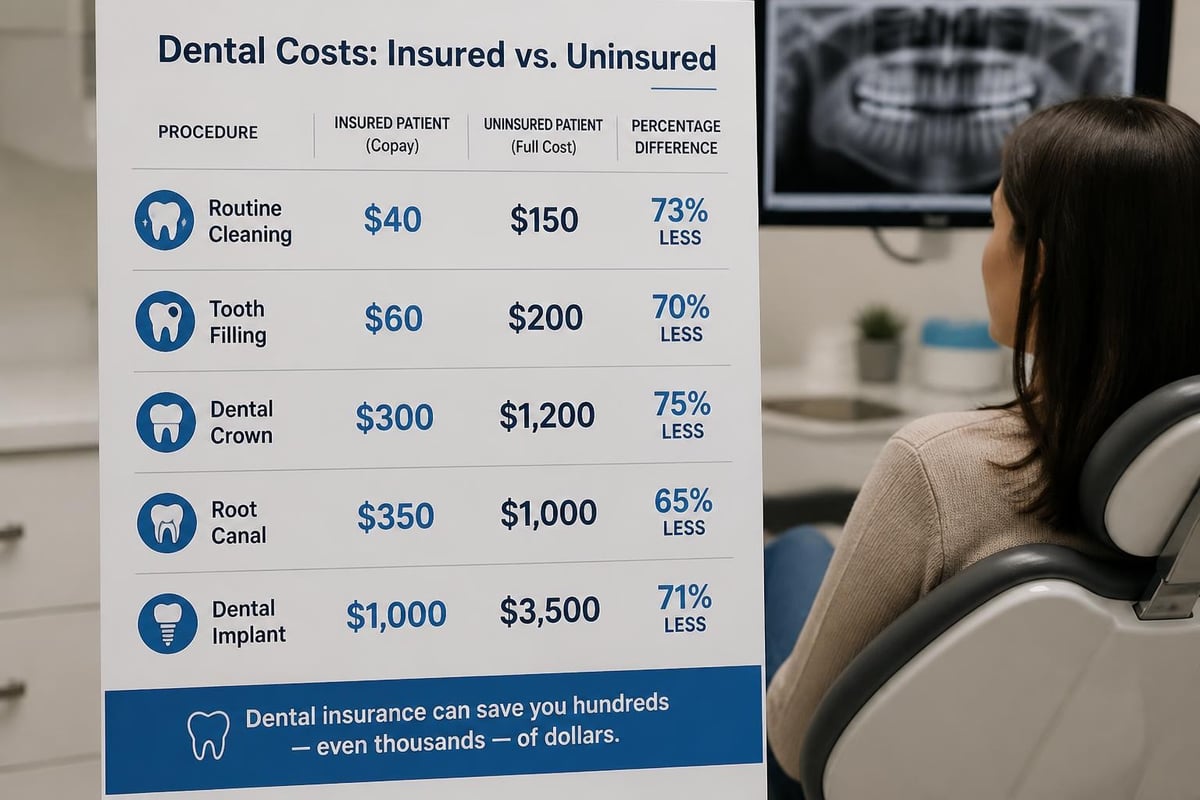
When you lack dental coverage, the most noticeable consequence appears in your wallet. Dental procedures that insured patients pay minimal copays for can cost hundreds or thousands of dollars out-of-pocket. A routine cleaning and examination at Dental Plus Clinic typically costs between $75 and $200 without insurance, while more complex procedures escalate rapidly.
Understanding Out-of-Pocket Dental Costs
The ADA Health Policy Institute provides comprehensive data on typical dental fees across the United States. Without insurance negotiating rates on your behalf, you pay the full retail price for every service.
Common dental procedures and their typical costs:
- Basic cleaning and exam: $75-$200
- X-rays (full mouth): $100-$250
- Simple filling: $150-$300 per tooth
- Root canal therapy: $700-$1,500
- Dental crown: $800-$1,700
- Tooth extraction: $150-$650
- Dental implant: $1,500-$6,000
These prices represent average ranges, and actual costs vary based on geographic location, provider expertise, and treatment complexity. Texas dental practices, including those in Beeville, Seguin, New Braunfels, Leander, and Converse, generally fall within these ranges but may offer competitive pricing and payment options.
What happens if you dont have dental insurance extends beyond single procedures. Many dental treatments require multiple visits or follow-up care, multiplying costs rapidly. A patient needing a crown after a root canal might face combined expenses exceeding $2,500, creating significant financial strain for families operating on tight budgets.
Health Consequences of Delayed Dental Care
Financial barriers often lead uninsured individuals to postpone or skip necessary dental treatments. This delay triggers a domino effect of worsening oral health conditions that ultimately become more painful, complex, and expensive to address.
The Progression of Untreated Dental Problems
Dental diseases rarely resolve on their own. A small cavity that could be filled for $200 can progress to require a $1,200 root canal if left untreated. Further neglect might necessitate tooth extraction and replacement, potentially costing $3,000 or more for an implant.
Research shows that people without dental coverage are significantly more likely to experience:
- Advanced tooth decay affecting multiple teeth
- Severe gum disease leading to bone loss
- Tooth loss requiring replacement solutions
- Chronic pain affecting daily activities
- Infections spreading to other body systems
The KFF analysis of uninsured populations demonstrates that financial barriers create the single largest obstacle to preventive care access. For dental services specifically, uninsured adults are three times more likely to report unmet dental needs compared to those with coverage.
Systemic Health Risks from Poor Oral Health
Dental health connects intimately with overall physical wellness. Untreated oral infections can contribute to serious medical conditions including heart disease, diabetes complications, respiratory infections, and pregnancy complications. When individuals avoid dental care due to cost concerns, they risk far more than just their teeth.
Parents facing what happens if you dont have dental insurance often struggle with decisions about their children's care. Pediatric dental problems can affect nutrition, speech development, self-esteem, and academic performance. The investment in preventive pediatric dentistry pays dividends in long-term health outcomes.
Emergency Room Visits and Their Hidden Costs
Unable to afford regular dental appointments, many uninsured individuals turn to hospital emergency departments when dental pain becomes unbearable. This approach creates multiple problems: emergency rooms cannot provide definitive dental treatment, visits cost significantly more than dental office care, and the underlying problem remains unresolved.
The ER Dental Visit Dilemma
According to AHRQ statistical data on emergency department utilization, dental conditions accounted for over 2 million emergency department visits in 2020, with average costs exceeding $700 per visit. Emergency physicians can prescribe pain medication and antibiotics but typically cannot perform extractions, root canals, or other definitive treatments.
| Aspect | Emergency Department | Dental Office |
|---|---|---|
| Average Visit Cost | $700-$1,500 | $75-$300 |
| Pain Relief | Temporary (medication) | Definitive (treatment) |
| Problem Resolution | No | Yes |
| Follow-up Required | Yes (urgent) | As scheduled |
| Wait Time | 2-6 hours | 15-30 minutes |
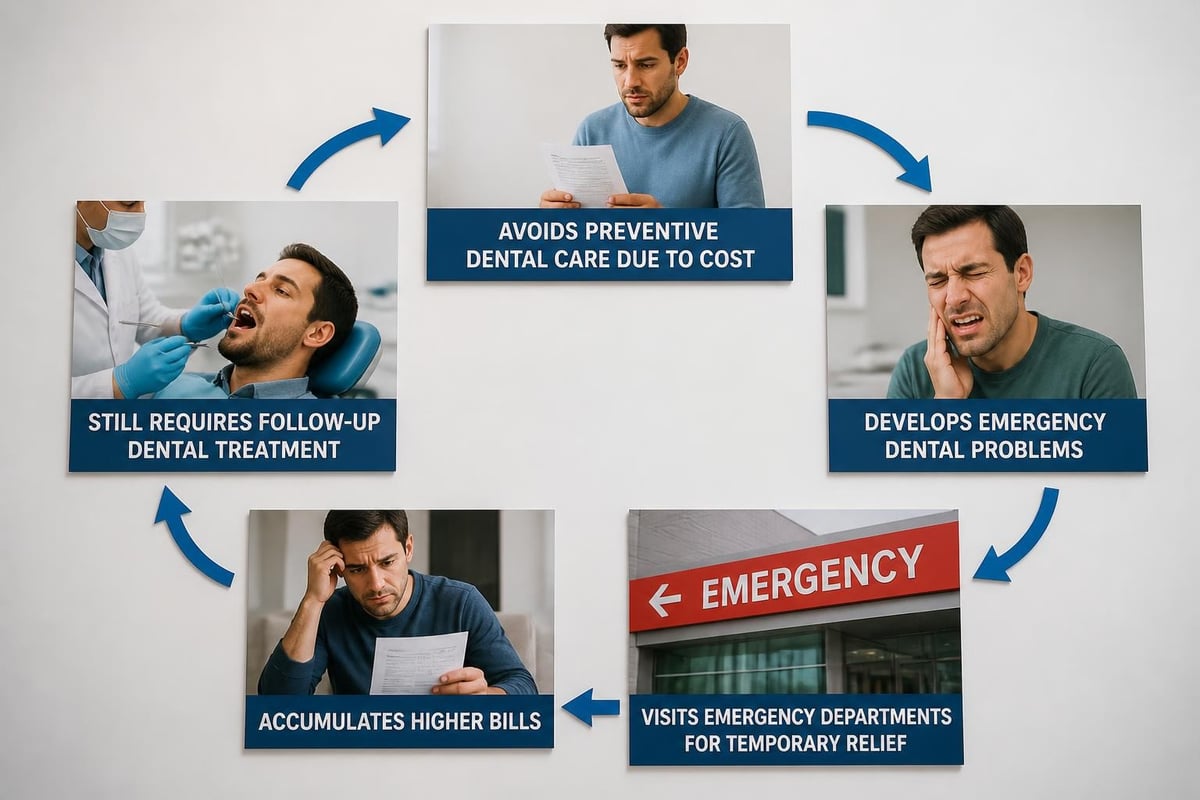
The cycle becomes expensive and frustrating: visit the ER for pain relief, receive temporary medication, still need dental treatment, and now face both ER bills and dental costs. Recent CDC data on emergency department visits for tooth disorders confirms this pattern continues to strain both healthcare systems and patient finances.
Understanding what happens if you dont have dental insurance includes recognizing that emergency dental situations rarely happen conveniently. Weekend abscesses, holiday fractures, and late-night pain events force individuals to seek the most expensive care options at the worst possible times.
Alternative Payment Options and Strategies
Despite the challenges, many practical solutions exist for managing dental costs without traditional insurance. Patients who proactively explore these options often find affordable pathways to necessary care.
Dental Discount Plans and Membership Programs
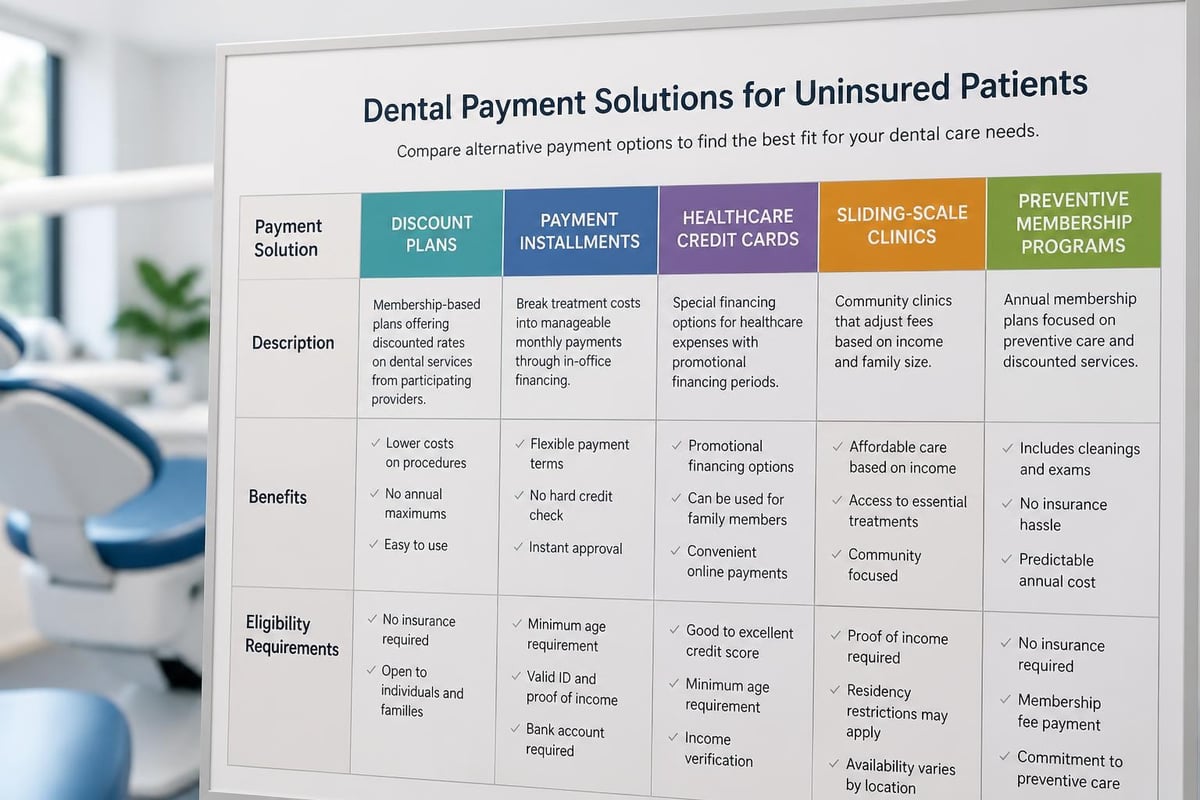
Dental discount plans function differently than insurance. Members pay an annual fee (typically $100-$200) and receive reduced rates on services, often 20-60% off standard prices. These plans provide immediate benefits without waiting periods, coverage limits, or claim denials.
Many dental practices, including locations throughout Texas, offer in-house membership programs. Dental Plus Clinic’s savings program provides an example of how clinics design affordable access to preventive and restorative care for uninsured patients.
Benefits of dental discount programs:
- No deductibles or annual maximums
- Immediate eligibility for all services
- Predictable, discounted pricing
- No claim paperwork or denials
- Coverage for cosmetic procedures often excluded from insurance
Payment Plans and Healthcare Financing
Most dental practices recognize financial constraints and offer flexible payment arrangements. Speaking candidly with your dentist about budget limitations often opens doors to installment plans, extended payment schedules, or third-party healthcare financing options.
Healthcare credit cards like CareCredit provide promotional financing periods, sometimes offering 6-24 months interest-free if balances are paid in full within the promotional window. While these tools require careful management to avoid high interest rates, they can make significant treatments accessible when facing what happens if you dont have dental insurance.
Tax Deductions and Healthcare Savings Accounts
IRS Publication 502 explains that dental expenses exceeding 7.5% of adjusted gross income can be deducted as medical expenses when itemizing tax returns. While this doesn't reduce immediate costs, it provides some financial relief at tax time for families with significant dental expenses.
Health Savings Accounts (HSAs) and Flexible Spending Accounts (FSAs) allow pre-tax dollars to cover dental costs, effectively discounting services by your marginal tax rate. Families with access to these accounts should maximize contributions to offset out-of-pocket dental expenses.
Preventive Care: Your Best Financial Investment
The most effective strategy for managing what happens if you dont have dental insurance involves prioritizing preventive care. Regular cleanings, examinations, and early intervention prevent the expensive emergency treatments that devastate budgets.
The Economics of Prevention
Consider this comparison: two six-month preventive visits annually cost approximately $300-$400 total. A single dental emergency requiring extraction and implant replacement costs $3,000-$6,000. Investing in prevention delivers extraordinary returns while protecting oral health.
Annual preventive care investment breakdown:
- Two professional cleanings: $150-$200 each
- Annual comprehensive exam: included with cleanings
- Periodic X-rays: $50-$100 (as needed)
- Fluoride treatment: $30-$50 (if beneficial)
- Total annual investment: $350-$500
Compare this to treating advanced decay, gum disease, or tooth loss. The mathematics strongly favor consistent preventive appointments. Practices like Dental Plus Clinic structure preventive care services to maximize value for self-paying patients.
Daily Home Care Practices
Professional care represents only part of effective dental disease prevention. Daily habits dramatically influence oral health outcomes and long-term costs.
Essential home care practices:
- Brush twice daily with fluoride toothpaste
- Floss daily to remove interproximal plaque
- Use antimicrobial mouthwash when recommended
- Limit sugary foods and beverages
- Drink fluoridated water
- Replace toothbrushes every 3-4 months
- Avoid tobacco products
These simple practices cost pennies daily but prevent thousands in future dental expenses. When considering what happens if you dont have dental insurance, home care becomes your primary defense against expensive dental problems.
Finding Affordable Dental Care Providers
Not all dental practices charge identical fees, and strategic provider selection can significantly reduce out-of-pocket costs while maintaining quality care.
Evaluating Provider Options
Dental schools offer supervised care by dental students at substantially reduced rates, typically 30-50% below private practice fees. While appointments take longer and require more visits, the quality meets rigorous standards under faculty supervision.
Community health centers and federally qualified health centers (FQHCs) provide sliding-scale fees based on income, making care accessible to low-income families. These centers serve uninsured populations specifically, though availability varies by location.
| Provider Type | Cost Level | Quality | Availability |
|---|---|---|---|
| Dental Schools | Very Low | High (supervised) | Limited locations |
| Community Health Centers | Low-Moderate (sliding scale) | Good | Urban areas mainly |
| Private Practice | Moderate-High | Excellent | Widely available |
| Corporate Chains | Moderate | Variable | Growing presence |
Private practices with patient-focused missions often provide the best combination of quality, convenience, and affordability. Researching local dental providers and comparing fee schedules helps identify practices aligned with your budget and values.
Communicating About Costs
Transparency serves both patients and providers. Before treatment begins, request detailed cost estimates including all related fees. Ask about:
- Total procedure costs (not just doctor fees)
- Lab fees for crowns, bridges, or dentures
- Anesthesia or sedation charges
- Post-treatment medications
- Follow-up visit requirements
Dentists appreciate patients who communicate openly about financial constraints. Many will modify treatment plans, suggest phased approaches, or recommend prioritization strategies to address urgent needs while deferring less critical treatments.
Understanding Marketplace and Government Options
While dental coverage differs from medical insurance, options exist through both government programs and private marketplaces.
ACA Marketplace Dental Plans
The Affordable Care Act marketplace offers standalone dental plans separate from medical coverage. Healthcare.gov explains dental coverage options available through the marketplace, including plans for children and adults.
These plans typically fall into two categories:
High coverage/High premium plans offer more comprehensive benefits with lower out-of-pocket costs per service but require higher monthly premiums. These work well for individuals anticipating significant dental needs.
Low coverage/Low premium plans provide basic preventive care coverage with higher costs for major services. They suit people seeking catastrophic protection while paying out-of-pocket for routine care.
Before enrolling, calculate your expected dental expenses and compare total annual costs (premiums plus out-of-pocket) against self-paying with discount plans. Sometimes the math favors remaining uninsured and negotiating direct payment arrangements.
Medicaid and CHIP Dental Benefits
Medicaid provides dental coverage for eligible children through the Early and Periodic Screening, Diagnostic and Treatment (EPSDT) benefit. Adult coverage varies by state, with Texas offering limited emergency dental services for adult Medicaid recipients.
The Children's Health Insurance Program (CHIP) includes comprehensive dental benefits for eligible children in families earning too much for Medicaid but struggling to afford private coverage. These programs ensure children access necessary preventive and restorative care regardless of family financial circumstances.
Special Considerations for Major Dental Work
When facing what happens if you dont have dental insurance regarding expensive procedures like implants, orthodontics, or full-mouth reconstruction, strategic planning becomes essential.
Prioritizing and Phasing Treatment
Complex dental rehabilitation rarely requires completing everything simultaneously. Working with your dentist to prioritize urgent needs while phasing elective improvements allows you to manage costs over time.
For example, someone needing multiple dental implants might address the most visible or functionally critical tooth first, then proceed with additional implants as finances allow. This approach maintains oral health while respecting budget realities.
Exploring All Replacement Options
When tooth replacement becomes necessary, multiple options exist at different price points:
- Dental implants ($1,500-$6,000 per tooth) offer superior longevity and function
- Fixed bridges ($1,500-$5,000) provide permanent solutions using adjacent teeth
- Partial dentures ($300-$1,500) deliver removable, economical replacement
- Complete dentures ($600-$3,000) restore full arches affordably
Each option presents trade-offs between cost, longevity, function, and aesthetics. Understanding implant costs and comparing alternatives helps you make informed decisions aligned with both clinical needs and financial capabilities.
Cosmetic vs. Necessary Treatment
Distinguishing between medically necessary and elective cosmetic procedures helps prioritize spending when resources are limited. While cosmetic dental treatments enhance appearance and confidence, addressing decay, infection, or structural damage takes precedence.
However, this doesn't mean postponing all aesthetic improvements. Many cosmetic procedures also provide functional benefits. Teeth whitening, for instance, costs far less than restorative work and offers significant psychological benefits that may justify the investment.
Building Long-Term Dental Health Strategies
Successfully navigating what happens if you dont have dental insurance requires adopting a long-term perspective on oral health investment.
Creating a Dental Care Budget
Just as families budget for housing, transportation, and food, allocating resources for dental care ensures consistent access to necessary services. Even setting aside $30-$50 monthly creates a dedicated fund for preventive visits and minor treatments.
Sample annual dental budget for an uninsured family of four:
| Service | Frequency | Cost Each | Annual Total |
|---|---|---|---|
| Adult cleanings (2 people) | 2x yearly | $150 | $600 |
| Child cleanings (2 people) | 2x yearly | $100 | $400 |
| X-rays | As needed | $100 | $200 |
| Minor treatments | Estimated | Variable | $300 |
| Emergency fund | Buffer | N/A | $500 |
| Total Annual Budget | $2,000 |
This example demonstrates that comprehensive preventive care for a family costs less than many monthly car payments. Prioritizing dental health within household budgets prevents the far greater expenses of emergency treatment and lost productivity from dental pain.
Maintaining Provider Relationships
Establishing ongoing relationships with dental providers creates multiple advantages. Dentists who know your dental history can better anticipate problems, offer personalized preventive recommendations, and often provide preferential scheduling and pricing for loyal patients.
Regular patients at practices like Dental Plus Clinic’s five Texas locations benefit from consistent care teams who understand individual needs, preferences, and circumstances. This continuity improves outcomes while potentially reducing costs through early problem detection.
Addressing Common Fears and Misconceptions
Many people avoiding dental care without insurance cite concerns beyond just finances. Understanding and addressing these barriers helps individuals access necessary treatment.
Overcoming Dental Anxiety
Dental fear affects up to 36% of Americans, with many citing cost concerns as compounding their anxiety. Modern dental practices offer sedation options, pain management techniques, and patient-centered approaches that make treatment comfortable.
Discussing anxiety openly with your dentist allows them to modify approaches, offer breaks during procedures, and ensure comfortable experiences. The temporary discomfort of treatment far outweighs the chronic pain of untreated dental disease.
Debunking Cost Myths
Several misconceptions prevent people from seeking affordable dental care:
Myth: "I can't afford any dental care without insurance."
Reality: Preventive care costs less than you might expect, and many practices offer payment plans making treatment accessible.
Myth: "Emergency rooms can fix dental problems."
Reality: ERs provide only temporary relief, leaving underlying problems untreated while charging premium rates.
Myth: "Dental problems will resolve on their own."
Reality: Dental diseases progress without treatment, becoming more painful and expensive over time.
Myth: "I should wait until problems become unbearable."
Reality: Early intervention costs a fraction of emergency treatment and prevents unnecessary suffering.
Frequently Asked Questions
Can I negotiate dental fees if I don't have insurance?
Yes, many dentists offer discounts for cash payment or self-pay patients. Always ask about available discounts before treatment begins. Some practices provide 5-20% reductions for payment in full at time of service.
How do I find low-cost dental care in my area?
Contact local dental schools, community health centers, and federally qualified health centers for reduced-fee services. Many private practices also offer sliding-scale fees or in-house discount programs for uninsured patients.
Are dental discount plans worth the cost?
For individuals needing regular dental care, discount plans typically provide value exceeding their annual fees. Calculate your expected service costs with plan discounts versus regular fees to determine if membership makes financial sense for your situation.
What dental procedures can I delay safely?
Only your dentist can assess which treatments require immediate attention versus those that can be phased. Generally, pain, infection, or structural damage require prompt treatment, while some cosmetic improvements can be scheduled at your convenience.
How can I prevent expensive dental problems?
Consistent home care (brushing, flossing, limiting sugar) combined with regular professional cleanings and examinations prevents most expensive dental problems. This preventive approach costs far less than treating advanced disease.
What should I do if I have a dental emergency without insurance?
Contact a dentist immediately rather than visiting an emergency room. Many dental practices, including Dental Plus Clinic, offer same-day emergency appointments and work with patients on payment arrangements for urgent treatment.
Do dental offices offer payment plans for expensive procedures?
Most dental practices provide payment plans either directly or through third-party healthcare financing companies. Discuss your budget constraints with the office manager before beginning treatment to explore available options.
Can I use my health savings account for dental expenses?
Yes, HSAs and FSAs cover most dental expenses including preventive care, restorative treatments, and orthodontics. These accounts allow pre-tax payment, effectively discounting services by your tax rate.
Is it better to get dental insurance or pay out-of-pocket?
The answer depends on your expected dental needs and available plan options. Compare total annual costs (premiums plus out-of-pocket expenses) under insurance versus self-paying with discounts. For those needing extensive work, insurance often provides value; for those needing only preventive care, self-pay may cost less.
What happens to my teeth if I skip regular dental visits?
Skipping regular dental care allows small problems to progress into major issues. Undetected cavities worsen, requiring expensive root canals or extractions instead of simple fillings. Gum disease advances, potentially causing bone loss and tooth loss. Regular preventive visits protect both oral health and financial well-being.
Making Informed Decisions About Your Oral Health
Understanding what happens if you dont have dental insurance empowers you to make strategic decisions balancing oral health needs with financial realities. While lacking coverage creates challenges, numerous pathways exist to affordable, quality dental care.
The key principles remain consistent: prioritize preventive care, maintain excellent home hygiene, communicate openly with dental providers about budget constraints, and address problems early before they escalate. These strategies minimize long-term costs while protecting oral health and overall well-being.
Families throughout Texas face these same decisions daily. Whether living in Beeville, Seguin, New Braunfels, Leander, Converse, or elsewhere, accessible dental care exists for those who seek it proactively. The worst approach involves avoiding care until emergencies force expensive, painful interventions.
By viewing dental care as an essential health investment rather than optional expense, families can maintain healthy smiles without insurance coverage. The combination of preventive focus, strategic provider selection, and practical payment arrangements makes comprehensive oral health achievable regardless of insurance status.
Navigating dental care without insurance presents real challenges, but understanding your options transforms those obstacles into manageable decisions. Whether you need routine preventive care, emergency treatment, or major restorative work, affordable solutions exist when you know where to look and how to ask. Dental Plus Clinic specializes in working with uninsured patients across our five Texas locations, offering transparent pricing, flexible payment plans, and comprehensive care designed to fit your budget while protecting your oral health. Contact us today to discuss how we can help you achieve a healthy, confident smile regardless of your insurance status.