

Losing a dental filling can happen unexpectedly, turning an ordinary day into a dental emergency. Whether you're eating lunch, biting into something hard, or simply noticing a strange sensation in your mouth, discovering that a filling has fallen out requires prompt attention. Understanding what to do if dental filling falls out can help you manage discomfort, protect the exposed tooth, and prevent further damage until you can see your dentist. This comprehensive guide provides step-by-step instructions, expert recommendations, and practical solutions to navigate this common dental emergency with confidence.
Immediate Steps When a Filling Falls Out
The moment you realize a filling has come loose or fallen out completely, taking swift action becomes essential. Your first priority should be locating the filling if possible, as some dentists can assess whether it's reusable or needs complete replacement.
Rinse your mouth gently with warm water to clean the area and remove any debris. Avoid vigorous swishing, which might irritate the exposed tooth structure. After rinsing, examine the tooth carefully using a mirror and good lighting to assess the situation.
Preserve the Filling
If you find the lost filling, store it in a small, clean container. While many fillings cannot be reused, bringing it to your dental appointment helps your dentist understand what type of restoration was in place and determine the best replacement option. This simple step provides valuable diagnostic information.

Contact Your Dentist Immediately
Reaching out to your dental provider should happen as soon as possible after discovering the missing filling. The American Dental Association provides guidance on handling dental emergencies and recommends contacting your dentist promptly for assessment and treatment planning.
At Dental Plus Clinic, we understand that dental emergencies don't follow convenient schedules. Our five Texas locations in Beeville, Seguin, New Braunfels, Leander, and Converse are equipped to handle urgent situations like lost fillings. Schedule an emergency appointment within 24-48 hours to minimize complications and discomfort.
Understanding Why Fillings Fall Out
Dental fillings serve as protective barriers that restore tooth structure damaged by decay or trauma. When these restorations fail, several factors may be responsible. Understanding the underlying causes helps prevent future occurrences and informs treatment decisions.
Common Causes of Filling Loss
| Cause | Description | Prevention Strategy |
|---|---|---|
| Decay Around Filling | New cavity forms beneath or around existing filling | Regular check-ups, proper oral hygiene |
| Wear and Tear | Gradual deterioration from chewing forces | Replace aging fillings proactively |
| Tooth Grinding | Bruxism creates excessive pressure | Night guard, stress management |
| Poor Bonding | Original filling inadequately adhered | Choose experienced dental professionals |
| Temperature Changes | Expansion/contraction weakens seal | Avoid extreme temperature foods |
| Trauma | Direct impact or biting hard objects | Wear protective gear, mindful eating |
According to the ADA’s patient information about filling materials, different filling types have varying lifespans and failure patterns. Amalgam fillings typically last 10-15 years, while composite resins may need replacement after 5-10 years depending on location and care.
Signs Your Filling May Be Failing
Before a filling falls out completely, your tooth often provides warning signals. Recognizing these symptoms allows for intervention before emergency situations develop.
- Increased sensitivity to hot, cold, or sweet foods
- Sharp edges or rough spots when running your tongue over the tooth
- Pain when biting or chewing on the affected side
- Visible gaps or dark lines around the filling margins
- Food trapping in areas that previously felt smooth
Being attentive to these indicators and addressing them during routine dental visits can prevent the inconvenience and discomfort of knowing what to do if dental filling falls out unexpectedly.
Managing Pain and Discomfort at Home
The exposed tooth structure after losing a filling can be extremely sensitive, causing significant discomfort. While home remedies cannot replace professional dental care, they provide temporary relief until your appointment.
Over-the-Counter Pain Management
Ibuprofen (200-400mg every 4-6 hours) effectively reduces both pain and inflammation associated with exposed dental nerves. Acetaminophen offers an alternative for those who cannot take NSAIDs. Always follow package directions and consult with healthcare providers if you have medical conditions or take other medications.
Topical numbing gels containing benzocaine can provide localized relief when applied directly to the affected area. Use these products sparingly and according to label instructions.
Temperature-Sensitive Care
Avoiding extreme temperatures becomes crucial when tooth structure is exposed. Cold or hot foods and beverages can trigger intense pain signals from unprotected nerves. Stick to room-temperature options until your filling is replaced.
If you're experiencing tooth pain that affects daily activities, these management strategies provide short-term comfort while you await professional treatment.

Temporary Filling Solutions
When professional dental care isn't immediately accessible, temporary filling materials available at pharmacies can protect the exposed tooth cavity. These over-the-counter products serve as short-term solutions only.
Using Temporary Dental Cement
Dentemp, Temparin, and similar products provide provisional coverage for cavities left by missing fillings. These materials come in easy-to-use kits with detailed instructions.
Application steps:
- Clean and dry the cavity thoroughly using cotton or gauze
- Roll the material into a small ball slightly larger than the cavity
- Press firmly into the space, ensuring it fills completely
- Bite gently to shape the material to your natural bite
- Remove excess carefully with a toothpick or clean instrument
- Avoid eating for at least one hour while it sets
Research published on temporary restoration materials demonstrates that provisional fillings provide adequate short-term protection but should never replace permanent professional restoration.
Alternative Protection Methods
If commercial temporary filling products aren't available, sugar-free gum can serve as an emergency barrier to keep food out of the cavity. This approach is far from ideal but works in a pinch until you can obtain proper materials or reach a dentist.
Dental wax, typically used for orthodontic appliances, can also cover sharp edges temporarily. However, it doesn't fill cavities effectively and should only be used to prevent tongue or cheek irritation.
Proper Oral Hygiene with a Missing Filling
Maintaining cleanliness around the affected tooth prevents bacterial buildup and reduces infection risk. However, your usual oral care routine requires modifications to avoid further damage.
Modified Brushing Technique
Continue brushing twice daily, but exercise extra caution around the exposed tooth. Use a soft-bristled toothbrush and gentle circular motions. Avoid aggressive scrubbing that might dislodge temporary filling material or irritate sensitive areas.
Consider using toothpaste formulated for sensitive teeth, which contains ingredients that help block pain signals from exposed dentin tubules.
Flossing Considerations
Floss carefully around the affected tooth to remove food particles and plaque. Insert the floss gently and avoid snapping it against the compromised tooth structure. If the cavity is large, flossing may be uncomfortable or impractical until permanent restoration occurs.
Rinsing with an antiseptic mouthwash helps reduce bacterial populations and freshen breath. Different mouthwashes serve distinct purposes, so choose one that provides antimicrobial protection without excessive alcohol content that might irritate exposed tissues.
Dietary Modifications Until Your Appointment
What you eat directly impacts your comfort level and the integrity of any temporary filling you've applied. Strategic food choices minimize pain and protect the vulnerable tooth.
Foods to Avoid
| Category | Examples | Reason to Avoid |
|---|---|---|
| Hard Foods | Nuts, hard candy, ice, popcorn kernels | Can damage tooth structure or dislodge temporary filling |
| Sticky Foods | Caramel, taffy, gummy candies | Pull out temporary materials and trap bacteria |
| Temperature Extremes | Ice cream, hot soup, frozen drinks | Trigger pain in exposed nerves |
| Acidic Items | Citrus fruits, soda, vinegar-based foods | Erode weakened tooth structure |
| Sugary Snacks | Candy, cookies, sweetened beverages | Feed bacteria in exposed cavity |
Recommended Food Choices
Opt for soft, nutritious foods that require minimal chewing and won't irritate the sensitive area:
- Scrambled eggs or omelets
- Yogurt and smoothies
- Mashed potatoes or sweet potatoes
- Soft-cooked vegetables like steamed carrots
- Oatmeal and cream of wheat
- Soup (lukewarm temperature)
- Soft fish or tender chicken
Chew on the opposite side of your mouth whenever possible to reduce stress on the compromised tooth. This simple adjustment significantly decreases discomfort during meals.
When to Seek Emergency Dental Care
While most situations involving a lost filling can wait 24-48 hours for a regular appointment, certain symptoms require immediate professional attention. Recognizing these red flags ensures you receive timely treatment for potentially serious complications.
Signs of Dental Emergency
Contact an emergency dentist immediately if you experience:
- Severe, throbbing pain unrelieved by over-the-counter medication
- Facial swelling around the jaw, cheeks, or neck
- Fever accompanying tooth pain (temperature above 100.4°F)
- Difficulty swallowing or breathing related to dental swelling
- Pus or discharge from the tooth or surrounding gums
- Foul taste persisting even after rinsing
- Broken or cracked tooth in addition to the lost filling
These symptoms may indicate an infection or abscess requiring urgent intervention. The NHS guidance on dental emergencies emphasizes that infections can spread rapidly and shouldn't be ignored.
Understanding Infection Risk
When a filling falls out, bacteria gain direct access to the tooth's inner layers. If decay was responsible for the filling failure, infection may already be present. Understanding how quickly tooth infections spread helps you appreciate the importance of prompt treatment.
Early intervention prevents complications such as root canal needs, tooth loss, or systemic infection. What begins as a simple lost filling can escalate into a serious health concern without appropriate care.

Professional Treatment Options
Once you arrive at your dentist's office, several restoration options may be considered based on the extent of damage, tooth location, and your individual circumstances.
Replacement Fillings
For teeth with minor to moderate damage, a new filling typically solves the problem. Your dentist will:
- Remove any remaining filling material and decay
- Clean and disinfect the prepared cavity
- Apply bonding agent if using composite materials
- Place the new filling in layers, shaping it to match your bite
- Polish and adjust for comfort and proper occlusion
Modern filling materials include composite resins (tooth-colored), amalgam (silver), glass ionomer, and gold. Each has distinct advantages regarding durability, aesthetics, and cost.
Crown Restoration
When significant tooth structure is compromised, a filling alone may not provide adequate strength. Dental crowns encircle the entire visible portion of the tooth, offering superior protection and longevity.
The crown process involves:
- Reshaping the tooth to accommodate the crown
- Taking impressions for custom fabrication
- Placing a temporary crown while the permanent one is made
- Cementing the final restoration
Understanding the pros and cons of dental crowns helps you make informed decisions about your treatment plan.
Root Canal Therapy
If bacteria have reached the tooth's pulp chamber (containing nerves and blood vessels), root canal treatment becomes necessary before permanent restoration. Signs that root canal therapy may be needed include:
- Spontaneous pain occurring without stimulus
- Prolonged sensitivity lasting several minutes after temperature changes
- Nighttime pain that disrupts sleep
- Pain radiating to the ear, jaw, or temple
Following root canal treatment, the tooth typically receives a crown for structural support and protection.
Extraction and Replacement
In cases where the tooth is too damaged to save or restoration costs exceed replacement value, extraction followed by tooth replacement may be recommended. Modern options include:
- Dental bridges spanning the gap with artificial teeth attached to adjacent teeth
- Dental implants providing permanent, independent tooth replacements
- Partial dentures for multiple missing teeth
Many patients in Texas find that dental implants represent a long-term investment in oral health and quality of life.
Cost Considerations and Insurance Coverage
Understanding the financial aspects of filling replacement helps you plan appropriately and explore available options for managing expenses.
Typical Filling Replacement Costs
Costs vary significantly based on material choice, tooth location, and geographic area:
| Filling Type | Average Cost Range | Expected Lifespan |
|---|---|---|
| Amalgam (silver) | $100 – $250 | 10-15 years |
| Composite (tooth-colored) | $150 – $400 | 5-10 years |
| Gold | $500 – $1,500 | 15-30 years |
| Ceramic/Porcelain | $400 – $1,200 | 10-15 years |
Additional costs may include X-rays ($25-200), examinations ($50-150), and sedation if needed ($100-500).
Insurance Coverage
Most dental insurance plans classify filling replacements as basic or major restorative procedures, typically covering 50-80% of costs after your deductible. However, policies often have waiting periods for major work and annual maximum benefits (usually $1,000-2,000).
Review your specific plan details or contact your insurance provider to understand:
- Coverage percentages for different filling types
- Annual maximum benefits and remaining balance
- Deductibles already met this year
- Pre-authorization requirements for certain procedures
Understanding the difference between in-network and out-of-network dentists can significantly impact your out-of-pocket costs.
Payment Options and Financing
Dental Plus Clinic works with patients to make necessary treatment accessible and affordable. Options include:
- Payment plans spreading costs over several months
- Dental savings plans offering discounts on services
- Third-party financing through healthcare credit companies
- Flexible spending accounts (FSA) or health savings accounts (HSA)
Exploring ways to reduce dental care costs ensures you receive needed treatment without financial stress.
Preventing Future Filling Failures
After experiencing the inconvenience of knowing what to do if dental filling falls out, most patients want to avoid repeat occurrences. Implementing preventive strategies extends the life of your dental restorations and protects your oral health.
Regular Dental Check-ups
Biannual examinations and cleanings allow your dentist to monitor existing fillings for signs of wear, leakage, or failure. Early detection enables proactive replacement before fillings fall out unexpectedly.
During routine visits, dentists use:
- Visual examination to spot cracks, chips, or gaps
- Dental instruments to test filling margins and integrity
- X-rays to identify decay beneath restorations
- Intraoral cameras to document and explain findings
Patients often wonder about general dentistry services and treatments available during regular appointments. These visits form the foundation of preventive care.
Optimal Home Care
Consistent oral hygiene removes bacterial plaque that causes decay around filling margins:
- Brush twice daily for two minutes using fluoride toothpaste
- Floss once daily to clean between teeth where brushes can't reach
- Use antimicrobial mouthwash to reduce bacterial populations
- Limit sugary and acidic foods that accelerate decay
The timing question of whether to brush or floss first matters less than ensuring both practices occur regularly.
Protective Measures
For patients who grind teeth at night (bruxism), custom night guards distribute forces evenly and prevent excessive wear on fillings. Similarly, athletes should wear properly fitted sports mouthguards during contact activities.
Avoiding behaviors that stress dental work extends filling longevity:
- Don't chew ice, hard candy, or non-food items
- Avoid using teeth as tools to open packages
- Cut hard foods into smaller pieces
- Address teeth grinding through stress management or dental appliances
Dietary Habits for Dental Health
What you eat affects not only cavity development but also filling integrity. Reducing cavity risk involves smart nutritional choices:
- Drink plenty of water throughout the day
- Choose fresh fruits and vegetables over processed snacks
- Limit sugary beverages, including sports drinks and juice
- Eat calcium-rich foods to strengthen tooth structure
- Consider xylitol-containing products that inhibit bacterial growth
Patients concerned about specific dietary impacts often ask questions like "does Coke ruin teeth?" Understanding how food and drink choices affect oral health empowers better decisions.
Special Considerations for Different Age Groups
The approach to handling lost fillings varies somewhat depending on the patient's age, with unique considerations for children, adults, and seniors.
Children and Adolescents
When a child's filling falls out, parents should remain calm while taking prompt action. Children may be frightened by the sensation or appearance of the cavity, so reassurance is important.
Baby teeth fillings still require replacement even though permanent teeth will eventually emerge. Premature loss of primary teeth can affect spacing for adult teeth and jaw development.
Teaching children how to avoid tooth decay reduces the likelihood of needing fillings initially. For adolescents with existing restorations, orthodontic treatment may complicate filling placement, requiring coordination between specialists.
Adults in Prime Working Years
Adults balancing career and family responsibilities need efficient solutions when fillings fail. Dental emergencies during business hours may require:
- Same-day appointments to minimize work disruption
- Quick pain management strategies for important meetings
- Temporary solutions if travel prevents immediate treatment
- Clear communication about timeline and costs
Understanding what to do if dental filling falls out helps working adults triage the situation appropriately and make informed decisions about urgent versus scheduled care.
Senior Patients
Older adults often have multiple fillings placed decades earlier that may fail simultaneously or in quick succession. Additional considerations include:
- Medication interactions with pain relievers or anesthetics
- Medical conditions affecting treatment options (diabetes, heart disease)
- Dry mouth from medications accelerating decay around fillings
- Fixed incomes requiring careful financial planning for treatment
- Mobility challenges accessing dental offices
Tooth replacement options for seniors become relevant when multiple teeth require extensive restoration or extraction.
Frequently Asked Questions
How long can I wait if my dental filling falls out?
While you should contact your dentist within 24 hours, you can typically wait 2-3 days for an appointment if you're not experiencing severe pain or symptoms of infection. Use temporary filling material and avoid chewing on that side. However, waiting longer than one week increases the risk of complications, additional decay, and tooth fracture.
Can I eat normally after a filling falls out?
You should modify your diet significantly until the filling is replaced. Avoid hard, sticky, hot, cold, and sugary foods. Stick to soft, room-temperature options and chew on the opposite side of your mouth. Normal eating can resume once your dentist has placed a permanent restoration.
Will my tooth definitely need a crown if the filling falls out?
Not necessarily. Many lost fillings can be replaced with new fillings if the remaining tooth structure is sound and the cavity isn't too large. Your dentist will assess the damage and recommend the most appropriate restoration. Generally, if more than 50% of the tooth structure is compromised, a crown provides better long-term protection.
Is it safe to use temporary filling material from the drugstore?
Yes, over-the-counter temporary filling products are safe when used according to package directions. However, they're only meant as short-term solutions (maximum 2-4 weeks) until professional treatment. According to studies on provisional dental materials, these products provide adequate temporary protection but lack the durability and seal of professional restorations.
Why do fillings fall out more than once from the same tooth?
Recurrent filling loss typically indicates underlying issues such as continued decay, inadequate tooth structure to support the restoration, bite problems creating excessive force, or poor bonding of the original filling. If you experience repeated failures, your dentist may recommend a crown or alternative treatment approach rather than another filling.
Can a filling fall out without causing pain?
Yes, it's possible to lose a filling without immediate discomfort, especially if the decay hasn't reached the tooth's nerve. However, pain often develops later as the exposed tooth becomes sensitive or bacteria invade deeper structures. Don't delay treatment just because you're not experiencing pain.
What happens if I swallow my filling?
Swallowing a dental filling is generally harmless. Most fillings pass through the digestive system without issue. Even amalgam fillings, which contain small amounts of mercury, pose minimal risk when swallowed intact because the mercury is bound in a stable compound. Contact your dentist to schedule replacement rather than seeking emergency medical care.
Does dental insurance always cover filling replacements?
Coverage depends on your specific policy and the reason for replacement. Most plans cover fillings lost due to normal wear after a certain period (usually 2-5 years from initial placement). However, if the filling fails prematurely due to new decay or your actions, coverage may be limited. Some plans also have restrictions on how often they'll pay for the same tooth to be filled.
Can stress cause fillings to fall out?
Stress doesn't directly cause filling loss, but stress-related behaviors certainly can. Many people grind or clench their teeth when stressed (bruxism), creating excessive force that can crack fillings or cause them to dislodge. Managing stress and wearing a night guard if recommended by your dentist helps protect dental work.
Are certain types of fillings more likely to fall out?
Different filling materials have varying longevity and failure patterns. Amalgam fillings tend to last longer but can corrode or fracture over time. Composite fillings may chip or wear down faster, especially in back teeth subjected to heavy chewing forces. Gold fillings are extremely durable but expensive. Your dentist can recommend the best material based on the tooth's location and your individual factors.
Understanding the Long-Term Importance of Prompt Treatment
Delaying professional care after losing a filling creates cascading consequences that extend beyond immediate discomfort. Recognizing these potential complications emphasizes why knowing what to do if dental filling falls out and acting quickly matters so much.
Progression of Tooth Damage
Exposed cavities allow bacteria unrestricted access to tooth structure. What began as a small filling can rapidly expand into:
- Deeper decay requiring more extensive restoration
- Pulp involvement necessitating root canal therapy
- Tooth fracture from weakened structure
- Complete tooth loss in severe cases
The difference between a simple filling replacement and complex treatment often comes down to how quickly you seek care. For those wondering whether small cavities can heal themselves, the answer is that exposed cavities from lost fillings require professional intervention.
Impact on Adjacent Teeth
An untreated cavity doesn't remain isolated. Bacteria proliferate and can:
- Spread to neighboring teeth
- Cause gum inflammation and periodontal disease
- Create bite imbalances affecting jaw function
- Lead to multiple simultaneous dental problems
Protecting your investment in oral health means addressing problems promptly before they multiply.
Systemic Health Connections
Dental infections can affect overall health in surprising ways. Research continues to demonstrate links between oral health and:
- Cardiovascular disease
- Diabetes management
- Respiratory infections
- Pregnancy complications
- Cognitive function in older adults
Understanding how poor oral health affects the rest of the body provides broader context for why prompt dental care matters.
Access to Quality Emergency Dental Care in Texas
When facing a dental emergency like a lost filling, having access to experienced, compassionate dental professionals makes all the difference. Dental Plus Clinic's five Texas locations ensure that expert care is never far away.
Comprehensive Emergency Services
Our clinics provide same-day or next-day appointments for dental emergencies, including:
- Thorough examination and digital X-rays to assess damage
- Pain management and infection control
- Temporary or permanent filling placement
- Crown preparation when indicated
- Treatment planning for complex cases
Modern diagnostic technology at each location enables accurate assessment and efficient treatment. We understand that dental emergencies cause stress, so our team prioritizes your comfort while delivering effective solutions.
Convenient Locations Across Texas
With dental offices in Leander, Converse, New Braunfels, Seguin, and Beeville, Dental Plus Clinic serves families throughout central and south Texas. Multiple locations mean you can access quality care near your home or workplace.
Each clinic maintains:
- Extended hours to accommodate busy schedules
- Emergency appointment availability
- Friendly, knowledgeable staff
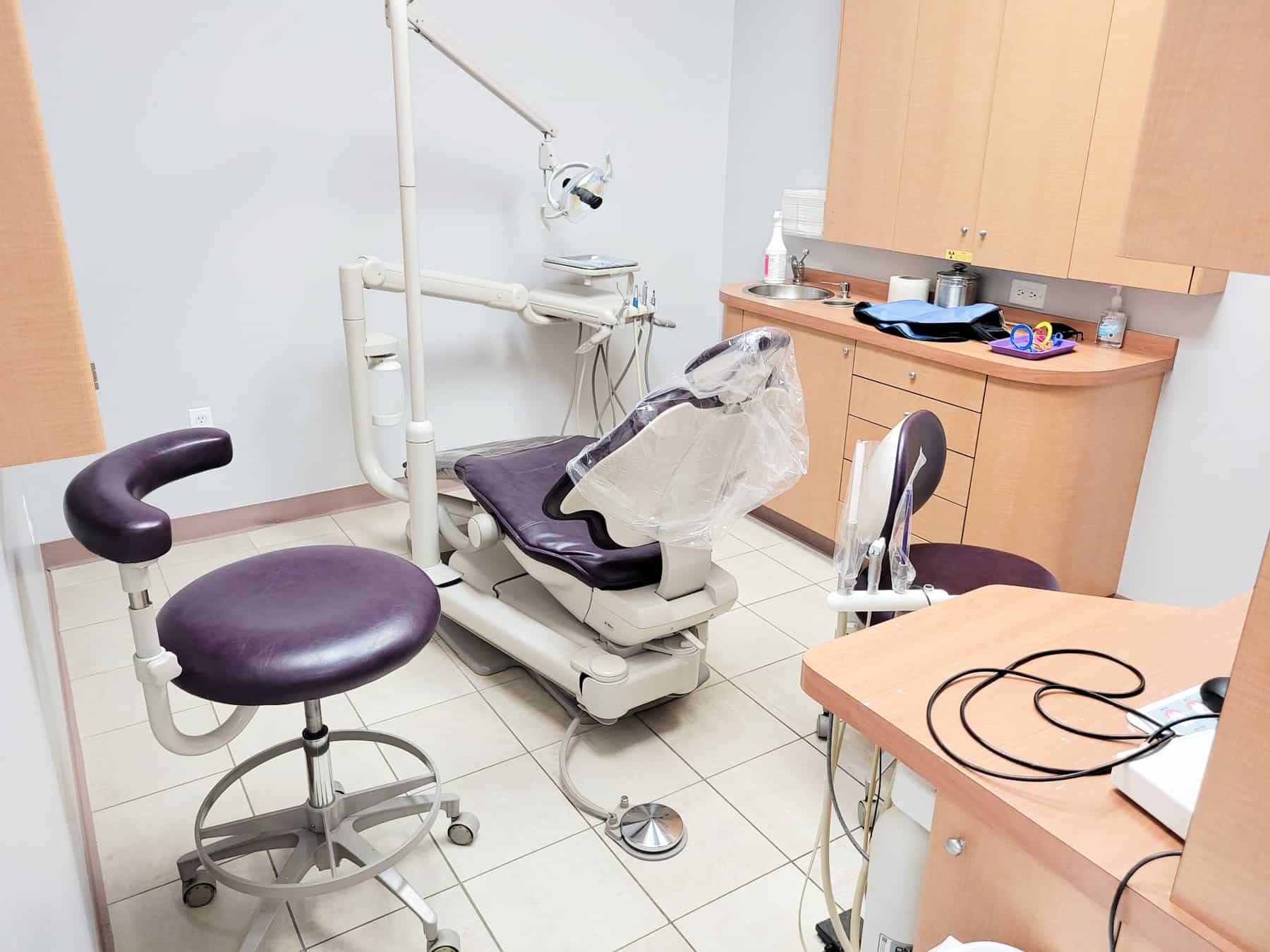
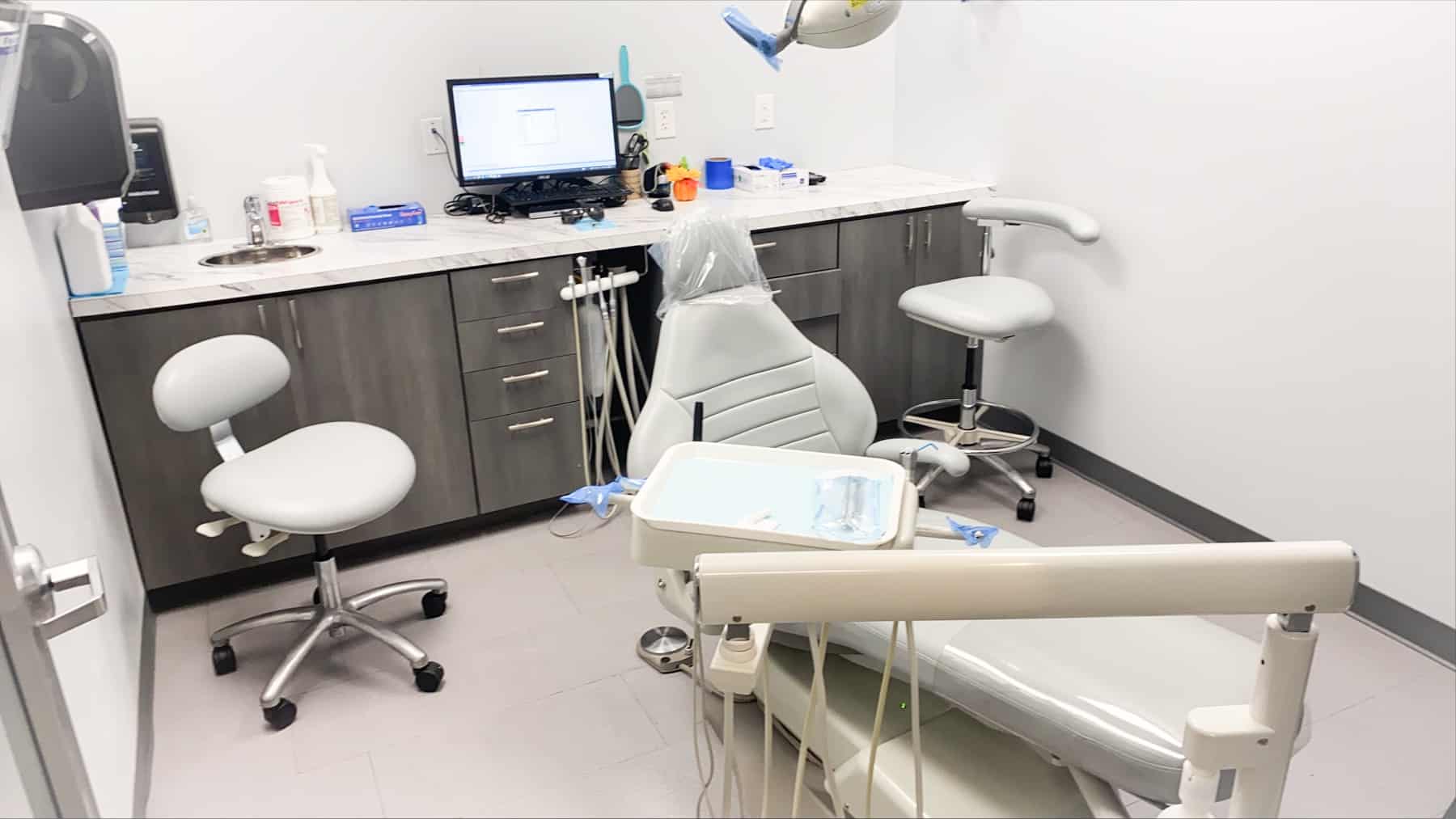
- Clean, modern treatment rooms
- Advanced dental technology
Patient-Focused Care Philosophy
At Dental Plus Clinic, we believe dental care should be accessible, comfortable, and tailored to individual needs. Our approach includes:
- Clear communication about diagnosis and treatment options
- Transparent pricing with written estimates before treatment
- Flexible payment options to fit various budgets
- Gentle techniques to minimize discomfort
- Patient education empowering informed decisions
Whether you're experiencing a dental emergency or seeking routine preventive care, our team treats every patient with respect and professionalism. We build long-term relationships based on trust and consistently excellent results.
Knowing what to do if dental filling falls out empowers you to respond effectively, manage discomfort, and prevent complications until professional treatment restores your tooth. Acting promptly, protecting the exposed cavity, and scheduling a dental appointment within 24-48 hours ensures the best outcomes and prevents minor issues from becoming major problems. The experienced dental professionals at Dental Plus Clinic are ready to provide compassionate emergency care across our five Texas locations, offering same-day appointments, advanced treatment options, and personalized solutions that prioritize your comfort and long-term oral health. Don't let a lost filling compromise your smile-contact us today to schedule your emergency appointment and experience the difference that patient-focused, expert dental care makes.