

A dislodged dental crown can happen when you least expect it-during a meal, while flossing, or even when sleeping. This common dental emergency affects thousands of Americans each year and requires prompt attention to prevent further damage to your tooth. Understanding what to do if dental crown falls out can save your tooth, reduce discomfort, and potentially lower your overall treatment costs. Whether you're dealing with a temporary or permanent crown, taking the right steps immediately after it falls out makes a significant difference in the outcome.
Understanding Why Dental Crowns Become Dislodged
Dental crowns are designed to last between 10 and 15 years with proper care, yet various factors can cause them to loosen or fall out prematurely. The cement holding your crown in place can deteriorate over time, especially when exposed to acidic foods, sugary beverages, or fluctuating temperatures. According to research on restoration materials and their longevity, the bonding agents used in dental crowns face constant stress from chewing forces and oral bacteria.
Common Causes of Crown Failure
Decay underneath the crown represents one of the most frequent reasons for crown dislodgement. When bacteria penetrate the margins where the crown meets your natural tooth, decay can develop unnoticed until the crown loses its foundation.
Trauma or excessive force from grinding teeth (bruxism), chewing ice, or biting hard foods can compromise even well-fitted crowns. Many patients discover their crown has loosened after eating sticky candies, caramels, or tough meats.
Improper fit or aging cement becomes more common as crowns age. The materials used in dentistry have improved significantly, but older crowns placed before 2015 may use cement formulations that degrade faster than modern alternatives.
Additional risk factors include:
- Root canal complications where the tooth structure becomes brittle
- Gum recession exposing crown margins
- Changes in bite alignment from missing teeth or jaw issues
- Manufacturing defects in crown fabrication
- Inadequate tooth preparation during initial placement
The American Dental Association’s guidance on indirect restorations highlights that material selection and proper cementation technique significantly impact crown longevity.
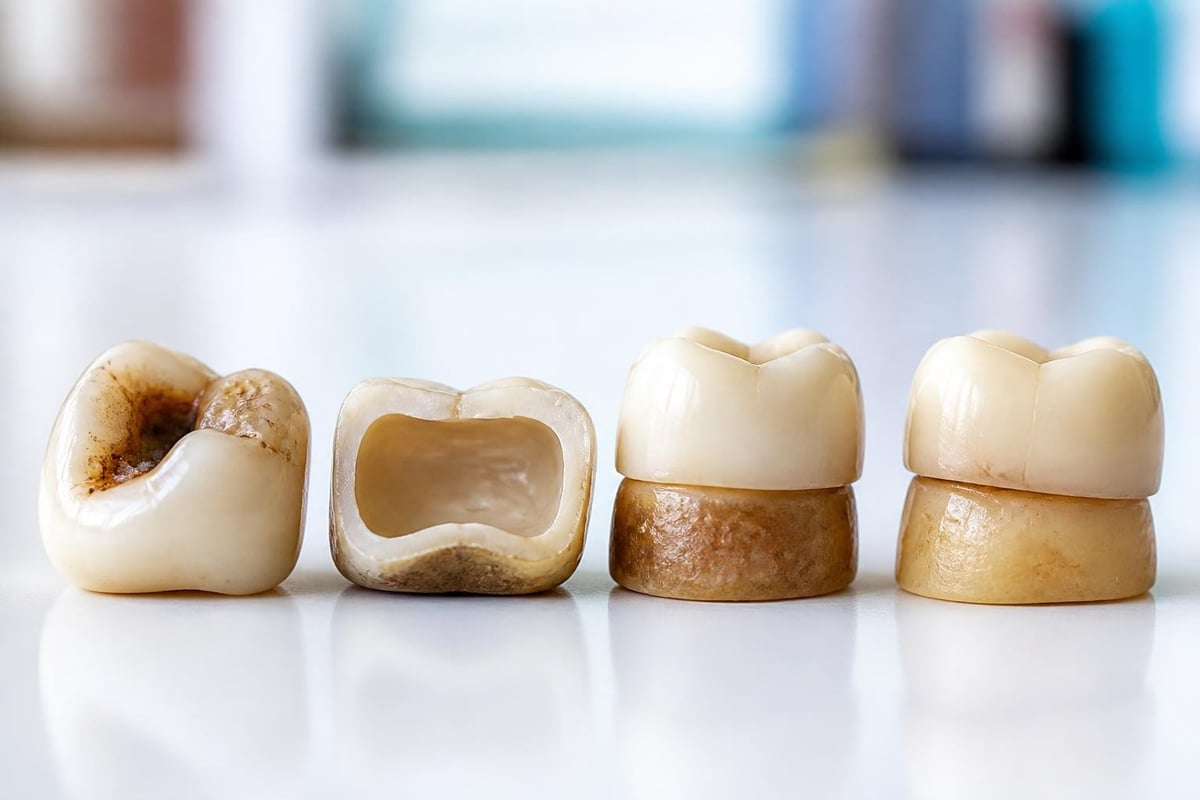
Immediate Steps: What to Do If Dental Crown Falls Out
The moment you realize your crown has fallen out, staying calm and acting quickly protects your exposed tooth from damage and sensitivity. Your underlying tooth structure is now vulnerable to temperature changes, pressure, and bacterial invasion.
First Five Minutes: Critical Actions
Remove the crown from your mouth immediately if it's still inside. Swallowing or aspirating a crown, while rare, can happen if you're eating or sleeping when it dislodges. Check your mouth carefully and retrieve the crown.
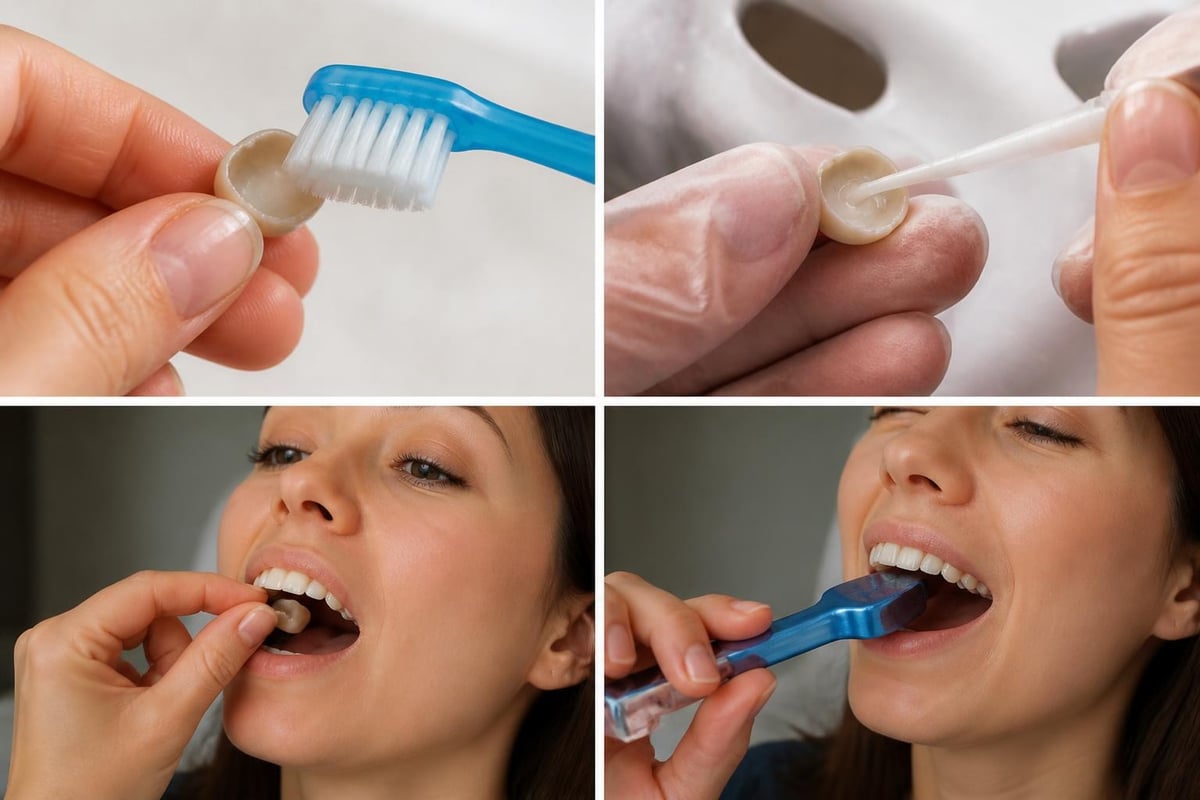
Rinse the crown gently with lukewarm water. Avoid using hot water, which can warp certain materials, or harsh chemicals that might damage the bonding surface. Handle the crown by its outer surface, not the interior where cement residue remains.
Examine your tooth and crown for visible damage. Look for cracks, chips, or pieces missing from either the crown or your natural tooth. Note any sharp edges that might cut your tongue or cheek.
Protecting Your Exposed Tooth
Your tooth without its crown is extremely sensitive and prone to further damage. Avoid chewing on that side of your mouth completely. Even soft foods can cause discomfort or fracture the exposed tooth structure.
Manage sensitivity with over-the-counter pain relievers like ibuprofen or acetaminophen according to package directions. Avoid aspirin directly on the gum tissue, as it can cause burns.
Rinse with warm salt water (one teaspoon of salt in eight ounces of water) to keep the area clean. This simple solution reduces bacteria and soothes irritated tissues without requiring special products.
| Immediate Action | Why It Matters | Time Frame |
|---|---|---|
| Retrieve crown safely | Prevents swallowing/aspiration | First 30 seconds |
| Rinse crown gently | Preserves bonding surface | Within 2 minutes |
| Avoid chewing on affected side | Prevents tooth fracture | Ongoing until repair |
| Take pain reliever | Manages discomfort | As needed per dosage |
| Schedule dental appointment | Ensures timely professional care | Within 24-48 hours |
Temporary Solutions Before Your Dental Appointment
While professional dental care remains essential, temporary measures can protect your tooth and provide comfort until you reach your dentist. These solutions work for short periods-typically 24 to 72 hours maximum.
Using Temporary Dental Cement
Temporary dental cement, available at most pharmacies, allows you to re-seat your crown temporarily. Clean both the crown and tooth thoroughly before application. Remove any old cement from inside the crown using a toothpick or cotton swab, being careful not to damage the crown's interior.
Apply a small amount of temporary cement inside the crown-less than you think you need. Excess cement can alter your bite and cause jaw discomfort. Place the crown carefully over your tooth and bite down gently to seat it properly.
Test your bite before the cement sets. Your bite should feel natural and comfortable. If the crown feels too high, remove it immediately, clean out some cement, and try again. An improper bite can cause headaches, jaw pain, and damage to opposing teeth.
Alternative Temporary Options
When temporary cement isn't available, dental wax or sugar-free gum can serve as emergency solutions for a few hours. These options won't bond the crown but can hold it in place and reduce sensitivity.
Denture adhesive represents another short-term option, though it's less secure than temporary cement. Use minimal amounts and never sleep with a crown held only by adhesive-the risk of swallowing it increases significantly.
What NOT to Do
- Never use super glue or household adhesives on dental work. These products are toxic, prevent proper re-cementation by your dentist, and can cause severe chemical burns in your mouth
- Avoid re-cementing if the crown is damaged or doesn't fit properly anymore
- Don't delay professional care beyond 72 hours, even if the temporary solution feels comfortable
- Skip temporary solutions if you have pain, swelling, or visible tooth damage-these symptoms require immediate professional evaluation
For families with children experiencing crown issues, the American Academy of Pediatric Dentistry’s restorative guidelines emphasize special considerations for primary teeth that differ from adult crown management.
When to Seek Emergency Dental Care
Not all situations involving what to do if dental crown falls out allow for scheduled appointments. Certain symptoms indicate urgent problems requiring same-day or after-hours dental attention.
Emergency Warning Signs
Severe pain that doesn't respond to over-the-counter medication suggests possible infection, exposed nerve, or tooth fracture. Pain that worsens when lying down or keeps you awake requires immediate evaluation.
Swelling of the face, jaw, or gums indicates potential infection spreading beyond the tooth. The American Association of Oral and Maxillofacial Surgeons’ injury guidance categorizes facial swelling as a condition requiring urgent professional assessment, especially when accompanied by fever or difficulty swallowing.
Bleeding that won't stop after 15 minutes of gentle pressure needs professional attention. While minor bleeding is common after crown loss, persistent bleeding may indicate gum tissue damage or other complications.
Signs Requiring Urgent Care Within 24 Hours
- Sharp tooth edges cutting your tongue, cheek, or lips
- Visible tooth fracture or pieces of tooth missing
- Temperature sensitivity so severe you can't eat or drink
- Pus or foul taste around the affected tooth
- Difficulty chewing or speaking due to bite changes
Texas Emergency Dental Resources
For patients across Texas, knowing where to find emergency care matters. Dental Plus Clinic provides emergency dental services across all five locations in Beeville, Seguin, New Braunfels, Leander, and Converse, with protocols for handling urgent crown issues and other dental emergencies.
After-hours situations may require hospital emergency departments if dental offices are closed, though most emergency rooms can only provide pain management and antibiotics-not crown re-cementation. Establishing care with a dental practice that offers emergency services ensures you have direct access to appropriate treatment when needed.
Professional Crown Replacement: What to Expect
Understanding the professional treatment process helps reduce anxiety about your dental appointment and allows you to prepare appropriate questions for your dentist.
Initial Evaluation and Assessment
Your dentist will examine both the crown and underlying tooth to determine if the original crown can be re-cemented or if replacement is necessary. Digital X-rays reveal hidden decay, fractures, or bone loss that might have contributed to crown failure.
Tooth condition assessment determines the treatment path. A healthy tooth with intact structure can typically receive the same crown back. Teeth with decay, fractures, or insufficient remaining structure require additional procedures before crown replacement.
Treatment Options Based on Tooth Condition
| Tooth Condition | Treatment Approach | Timeline | Typical Cost Range* |
|---|---|---|---|
| Healthy tooth, intact crown | Clean and re-cement existing crown | Same day | $75-$200 |
| Minor decay present | Remove decay, fill, then re-cement crown | 1-2 visits | $200-$500 |
| Significant decay or damage | New crown fabrication required | 2-3 weeks | $800-$2,500 |
| Root canal needed | Root canal therapy, then new crown | 3-4 weeks | $1,500-$3,500 |
| Tooth non-restorable | Extraction and implant/bridge planning | 3-6 months | $3,000-$6,000 |
*Costs vary based on materials, location, and insurance coverage. Check your dental insurance plan coverage in Texas for specific benefits.
The Re-Cementation Process
When your existing crown can be reused, the process is straightforward. Your dentist removes all old cement from both the crown interior and tooth surface using specialized instruments and cleaning solutions. This step is critical-residual cement prevents proper bonding and can cause the crown to fall out again.
Tooth preparation may include minor reshaping if the tooth structure has changed since original placement. Your dentist ensures the crown fits precisely before applying permanent cement.
Modern dental cements used in 2026 offer superior bonding strength compared to materials from even five years ago. Your dentist selects cement based on crown material (ceramic, porcelain, metal, or zirconia) and your specific oral conditions.
Setting time varies by cement type. Some require light curing and set immediately, while others need 24 hours to reach full strength. Follow your dentist's instructions about eating and drinking during this critical period.
Creating a New Crown: When Replacement Is Necessary
Sometimes re-cementing isn't possible, and fabricating a new crown becomes necessary. Modern technology has transformed this process, making it faster and more precise than ever before.
Digital Impressions and Design
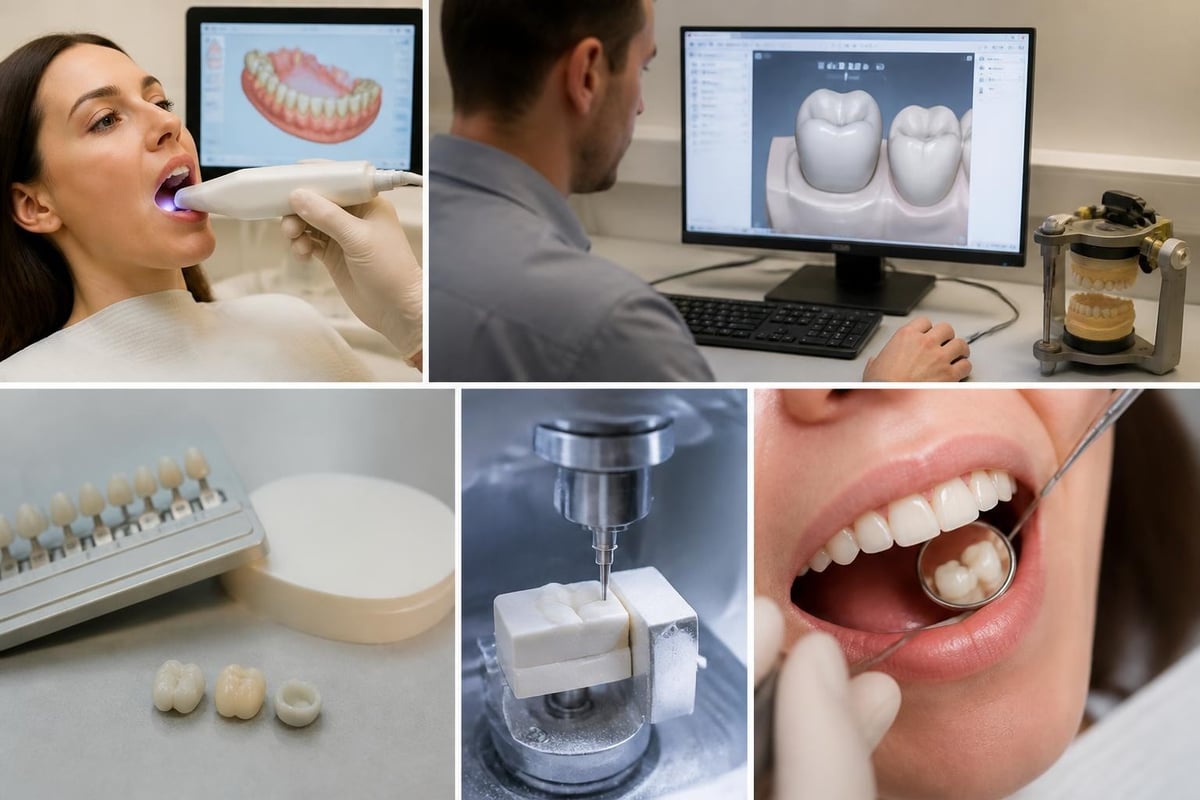
Traditional putty impressions have largely been replaced by digital scanning technology at progressive practices. These intraoral scanners capture three-dimensional images of your teeth, providing exceptional accuracy for crown fabrication.
Computer-aided design (CAD) software allows dentists to design your crown precisely, adjusting margins, contours, and bite relationships digitally before manufacturing begins. This technology reduces errors and improves long-term outcomes.
Crown Material Selection
Porcelain and ceramic crowns remain popular for front teeth due to their natural appearance and translucency that mimics tooth enamel. These materials work well for patients without heavy bite forces or grinding habits.
Zirconia crowns offer exceptional strength and aesthetics, making them suitable for both front and back teeth. Zirconia has become the material of choice for many dentists and patients in 2026 due to its durability and biocompatibility.
Metal crowns (gold or other alloys) provide the longest lifespan, often exceeding 20 years, but their appearance makes them less desirable for visible teeth. They work excellently for back molars where strength matters more than aesthetics.
Porcelain-fused-to-metal (PFM) crowns combine strength and aesthetics but have declined in popularity as all-ceramic and zirconia options have improved. The metal substructure can sometimes show through as a dark line at the gum margin.
For patients interested in comprehensive smile improvements, cosmetic dental treatments at Dental Plus Clinic include advanced crown options that blend seamlessly with your natural teeth.
Same-Day Crown Technology
CEREC and similar systems allow some dental offices to mill crowns in-house within hours. This technology eliminates temporary crowns and reduces treatment time to a single appointment for many cases.
Same-day limitations include material choices (typically ceramic or zirconia only) and complexity. Highly customized cases or specific aesthetic requirements may still benefit from laboratory-fabricated crowns, which offer more material options and specialized techniques.
Preventing Future Crown Problems
Understanding what to do if dental crown falls out is valuable, but preventing crown loss in the first place saves time, money, and discomfort. Strategic care habits significantly extend crown longevity.
Daily Oral Hygiene for Crown Longevity
Brush carefully around crown margins where the crown meets your natural tooth. This junction is vulnerable to decay and gum disease. Use a soft-bristled brush and fluoride toothpaste, angling the brush at 45 degrees toward the gum line.
Floss daily without skipping crowned teeth. Many patients avoid flossing around crowns, fearing they'll dislodge them, but proper flossing actually prevents the decay that causes crown failure. Slide floss gently under the contact point and pull it out to the side rather than snapping it upward.
Water flossers provide excellent cleaning around crowns, especially for patients with dexterity issues or orthodontic appliances. The pulsating water removes food particles and bacteria from margins that brushing alone might miss.
Dietary Habits That Protect Crowns
Foods and beverages directly impact crown durability. Avoid extremely hard foods like ice, hard candies, popcorn kernels, and bone. These can crack ceramic crowns or loosen cement bonds through excessive force.
Sticky foods such as caramels, taffy, and gummy candies create pulling forces that can dislodge even well-bonded crowns. If you do eat sticky foods, chew slowly and away from crowned teeth when possible.
Temperature extremes cause expansion and contraction in both natural teeth and crown materials. Repeatedly exposing crowns to very hot coffee followed immediately by ice water creates stress at the cement interface. Allow hot beverages to cool slightly and avoid ice-chewing habits.
Protective Appliances for High-Risk Situations
Night guards are essential for patients who grind or clench teeth during sleep (bruxism). This unconscious habit generates forces up to six times normal chewing pressure, wearing down teeth and loosening crowns. Custom-fitted guards from your dentist provide superior protection compared to store-bought options.
Sports mouthguards protect crowns during athletic activities. Whether you're playing contact sports or recreational activities with injury risk, investing in proper mouth protection prevents traumatic crown damage. The guidance on dental injury prevention and first aid emphasizes mouthguard use as the single most effective prevention strategy for athletic dental injuries.
Regular Professional Monitoring
Dental examinations every six months allow early detection of crown problems. Your dentist checks for loose margins, cement washout, adjacent decay, and bite changes that might stress your crown.
Professional cleanings remove plaque and tartar that home care misses, particularly around crown margins where buildup accelerates gum recession and decay.
X-rays at appropriate intervals (typically every 1-2 years for crowned teeth) reveal hidden decay or bone loss that develops before symptoms appear. Early intervention prevents crown failure and more extensive treatment needs.
Understanding Crown Coverage and Costs
Financial concerns often arise when dealing with what to do if dental crown falls out, especially regarding replacement costs and insurance coverage.
Insurance Coverage for Crown Issues
Most dental insurance plans cover crown replacement when it's medically necessary due to decay, fracture, or failed previous restoration. However, policies typically include waiting periods (often 6-12 months from policy start) and may only cover replacement if the original crown is at least five years old.
Re-cementation of existing crowns usually falls under basic or major services with 50-80% coverage, depending on your specific plan. This procedure costs significantly less than new crown fabrication.
Out-of-pocket maximums and annual benefit limits affect what you pay. Understanding in-network versus out-of-network dentist costs helps maximize your insurance benefits while minimizing expenses.
The federal guidance on dental coverage explains how dental benefits work within health insurance marketplaces and what to expect from various plan types.
Payment Options and Financial Planning
Dental Plus Clinic offers savings plans for patients without insurance, providing discounted rates on preventive and restorative services including crown work.
Payment plans through healthcare financing companies allow spreading costs over months or years with various interest options. Many practices offer in-house payment arrangements as well.
Preventive care saves money in the long term. Regular examinations and cleanings cost less than emergency treatments and crown replacements. Investing in prevention through consistent dental visits and home care reduces lifetime dental expenses.
Special Considerations for Different Crown Types
Not all crowns require identical care or have the same failure patterns. Understanding your specific crown type helps you respond appropriately if problems develop.
Temporary Crowns
Temporary crowns placed while awaiting permanent restoration are more fragile and use weaker cement intentionally designed for easy removal. If a temporary crown falls out, re-cementing it yourself with temporary cement is acceptable for short periods.
Extra caution with eating is essential. Avoid anything sticky or hard, and chew on the opposite side. Losing a temporary crown exposes a prepared tooth that's been significantly reduced in size, making it extremely sensitive and vulnerable.
Prompt replacement matters because temporary crowns protect your tooth and maintain spacing for the permanent crown. Contact your dentist the same day if your temporary crown dislodges.
Crowns on Implants
Implant crowns attach differently than crowns on natural teeth. Some are cemented like traditional crowns, while others are screw-retained, connecting directly to the implant abutment with a tiny screw accessed through a hole in the crown's chewing surface.
Screw-retained crown loosening often involves just the screw rather than crown failure. This is usually a simple tightening procedure at your dental office. For patients considering long-term tooth replacement, understanding why dental implants are a long-term investment provides valuable context about implant crown maintenance.
Cemented implant crowns that fall off require the same careful handling as crowns on natural teeth. The implant abutment (post) remains stable in your jaw, but exposed threads or metal components can irritate your tongue and collect food debris.
Crowns on Teeth with Root Canals
Teeth that have undergone root canal treatment often receive crowns because they're more brittle than vital teeth. These crowns may fail differently because the underlying tooth structure can fracture more easily.
Pain absence doesn't mean lack of problems. Root canal-treated teeth don't have nerve sensation, so you might not feel problems developing until the crown loosens or falls out. This makes regular dental examinations especially important.
Structural reinforcement with posts or core buildups sometimes supports root canal-treated teeth before crown placement. If your crown falls out and you see a post extending from your tooth, handle the area carefully and avoid chewing until professional evaluation.
Frequently Asked Questions
How long can I wait to see a dentist after my crown falls out?
You should schedule a dental appointment within 24-48 hours. While temporary solutions can protect your tooth for a few days, the exposed tooth is vulnerable to decay, fracture, and sensitivity. Waiting longer than 72 hours increases the risk of complications that could prevent re-cementing your original crown.
Can I eat normally with a lost crown?
No, avoid chewing on the affected side completely until you receive professional treatment. Even soft foods can damage the exposed tooth structure or cause pain. Stick to soft foods consumed on the opposite side of your mouth, and avoid extreme temperatures that might cause sensitivity.
Will my tooth hurt after the crown falls out?
Many patients experience sensitivity to temperature, pressure, or sweet foods after crown loss. The severity depends on how much natural tooth structure remains and whether the tooth has had root canal treatment. Over-the-counter pain relievers can manage mild discomfort, but severe pain requires immediate dental evaluation.
Is it safe to use super glue on my dental crown?
Never use super glue or any household adhesive on dental work. These products are toxic when ingested, prevent proper professional re-cementation, and can cause chemical burns in your mouth. Use only dental-specific temporary cement available at pharmacies, or wait for professional care.
How much does it cost to re-cement a crown?
Re-cementing an existing crown typically costs between $75 and $200, depending on your location and dental practice. This is significantly less expensive than fabricating a new crown ($800-$2,500). Many dental insurance plans cover re-cementation as a basic procedure with 70-80% coverage.
What should I do if I swallowed my crown?
If you swallow your crown, it will likely pass through your digestive system without problems within a few days. Monitor for abdominal pain, and contact your physician if you experience discomfort. You'll need to inform your dentist, as they'll need to fabricate a replacement crown. If you experience difficulty breathing or suspect you inhaled the crown into your lungs, seek immediate emergency medical care.
Can a crown that fell out be reused?
Often yes, if the crown is undamaged and the underlying tooth remains healthy. Your dentist will examine both the crown and tooth to determine if re-cementation is appropriate. Crowns with cracks, chips, or poor fit require replacement even if they appear intact.
How can I prevent my crown from falling out again?
Maintain excellent oral hygiene, avoid hard and sticky foods, address teeth grinding with a night guard, and attend regular dental checkups. Most crowns that fall out do so because of decay at the margins or cement degradation, both of which proper care can prevent.
Do I need a crown on a baby tooth?
Children sometimes receive crowns on primary (baby) teeth, especially after extensive decay or pulp therapy. The pediatric dentistry services at Dental Plus Clinic include specialized crown options for children. If a child's crown falls out, contact your pediatric dentist promptly, as primary teeth require different management than permanent teeth.
What happens if I don't replace a lost crown?
Leaving a tooth without its crown exposes it to decay, fracture, and shifting of adjacent teeth. The tooth may become so damaged that extraction becomes necessary instead of simple crown replacement. Replacing a lost crown promptly prevents more extensive and expensive treatment needs.
Advanced Prevention Strategies
Beyond basic oral hygiene and dietary modifications, advanced strategies help patients maintain crown integrity for decades.
pH Balance and Oral Environment
Saliva pH affects how quickly dental cement degrades. Acidic conditions from frequent consumption of sodas, citrus fruits, or acid reflux disease accelerate cement breakdown. Using pH-neutralizing rinses or chewing xylitol gum after meals helps maintain protective pH levels.
Dry mouth (xerostomia) from medications or medical conditions reduces saliva's protective effects, increasing cavity risk around crown margins. Patients experiencing dry mouth should discuss saliva substitutes and prescription fluoride products with their dentist.
Systemic Health Considerations
Diabetes management directly impacts dental health and crown longevity. Uncontrolled blood sugar levels increase infection risk and slow healing, affecting the tissues supporting crowned teeth. Maintaining good glycemic control protects your dental investments.
Osteoporosis medications (bisphosphonates) require special consideration before certain dental procedures. While routine crown work is typically safe, discuss any bone-affecting medications with your dentist during treatment planning.
Pregnancy can affect gum health, potentially causing swelling that changes how your crown fits. Pregnant patients experiencing crown discomfort should notify their dentist, as hormonal changes may require temporary adjustments.
Technology-Enhanced Monitoring
Digital photography at each dental visit creates a visual record of crown margins, allowing your dentist to detect subtle changes that indicate developing problems. This proactive approach catches issues before crowns fail.
Laser decay detection identifies cavities at crown margins earlier than visual examination or X-rays alone. Early intervention with minor fillings prevents crown removal and replacement.
Finding Quality Dental Care When Crowns Fail
Knowing what to do if dental crown falls out includes understanding where to seek professional care that meets your needs and budget.
Evaluating Dental Practices
Technology and techniques vary significantly between dental offices. Practices using digital impressions, same-day crown capabilities, and modern cementation protocols often achieve better long-term outcomes than those using older methods.
Emergency availability matters when crown problems occur outside business hours. Practices offering after-hours care or clear emergency protocols provide peace of mind.
Treatment philosophy regarding crown preservation versus replacement affects your care. Some dentists aggressively recommend new crowns, while others prioritize saving and re-cementing existing restorations when appropriate.
Questions to Ask Your Dentist
When evaluating care for crown issues, ask:
- What caused my crown to fail, and how can we prevent recurrence?
- Can my existing crown be reused, or do I need replacement?
- What materials do you recommend for my specific situation?
- What's the expected lifespan of the proposed treatment?
- Do you offer payment plans or accept my insurance?
Geographic Accessibility in Texas
For Texas residents, accessing quality dental care across multiple locations provides flexibility. Dental Plus Clinic maintains five convenient locations-in Leander, Converse, and throughout the region-ensuring patients can receive care close to home or work.
Establishing care at a multi-location practice means your dental records and treatment history are accessible regardless of which office you visit, simplifying emergency care and routine maintenance.
Long-Term Outlook and Crown Replacement Planning
Understanding the lifecycle of dental crowns helps set realistic expectations and plan for future dental care needs.
Expected Crown Lifespan
Modern crowns placed in 2026 with current materials and techniques typically last 15-25 years with proper care. Factors affecting longevity include:
- Material choice: Zirconia and gold crowns generally outlast porcelain and PFM crowns
- Location in mouth: Front teeth crowns experience less force than molars
- Oral hygiene: Consistent care dramatically extends crown life
- Parafunctional habits: Grinding, clenching, and nail-biting shorten crown lifespan
- Original tooth structure: More remaining natural tooth provides better support
Planning for Eventual Replacement
Financial planning for crown replacement in 10-20 years helps avoid unexpected expenses. Setting aside small amounts annually in a health savings account (HSA) or flexible spending account (FSA) ensures funds are available when needed.
Regular monitoring allows early detection of crown aging. Your dentist can predict when replacement might become necessary based on wear patterns, margin integrity, and surrounding tissue health.
Alternative treatments may become appropriate as crowns age. Teeth requiring second or third crown replacements might benefit from dental implants instead, offering a more permanent solution that doesn't require replacing every 10-20 years.
Advances in Dental Materials
The field of restorative dentistry continues advancing. Materials available in 2026 surpass earlier options in strength, aesthetics, and biocompatibility. Future replacements will likely use even better materials, potentially extending crown lifespans beyond current expectations.
Bioactive materials that release fluoride and remineralize tooth structure are becoming more common, potentially preventing the decay at margins that often causes crown failure.
Nanotechnology applications in dental ceramics create stronger, more natural-looking restorations that may last significantly longer than current materials.
Knowing what to do if dental crown falls out empowers you to protect your tooth and minimize complications until professional care is available. Quick action, appropriate temporary measures, and prompt professional treatment ensure the best outcomes while controlling costs.
Whether you need emergency crown re-cementation, replacement, or preventive care to protect your existing dental work, Dental Plus Clinic provides comprehensive restorative dentistry across five Texas locations. Our experienced team uses modern technology and personalized treatment plans to restore your smile and maintain your long-term oral health. Contact us today to schedule an appointment or discuss emergency dental services available at our Beeville, Seguin, New Braunfels, Leander, and Converse locations.