
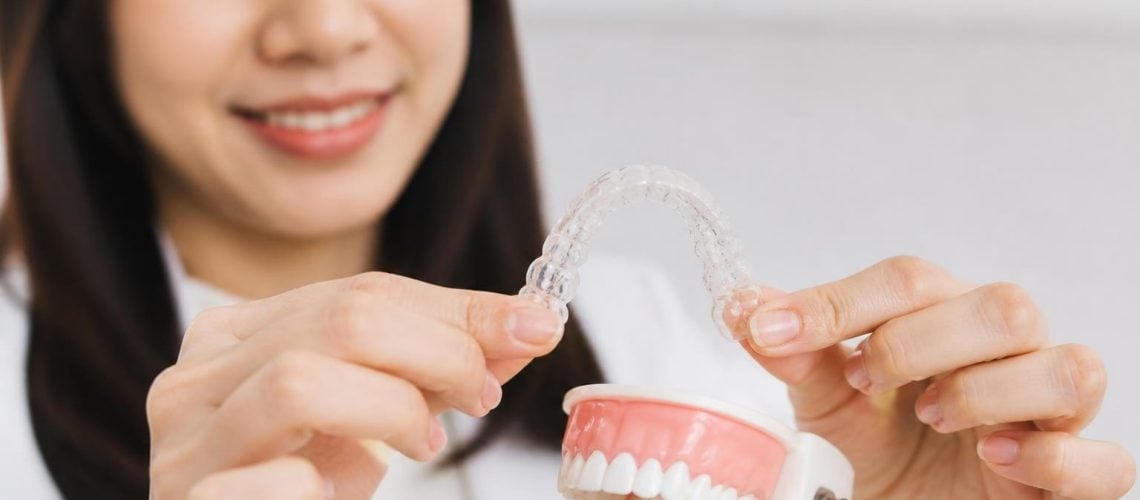
Overbites affect millions of Americans, causing not only aesthetic concerns but also potential long-term dental health issues. If you've been wondering can clear aligners fix an overbite, you're not alone. Many patients seeking orthodontic treatment in 2026 prefer the discreet, removable option of clear aligners over traditional metal braces. The good news is that clear aligners can effectively correct many types of overbites, though the severity of your condition and underlying skeletal structure play crucial roles in determining treatment success. Understanding how clear aligners work, what types of overbites they can address, and what limitations exist will help you make an informed decision about your orthodontic care.
Understanding Overbites and Their Impact
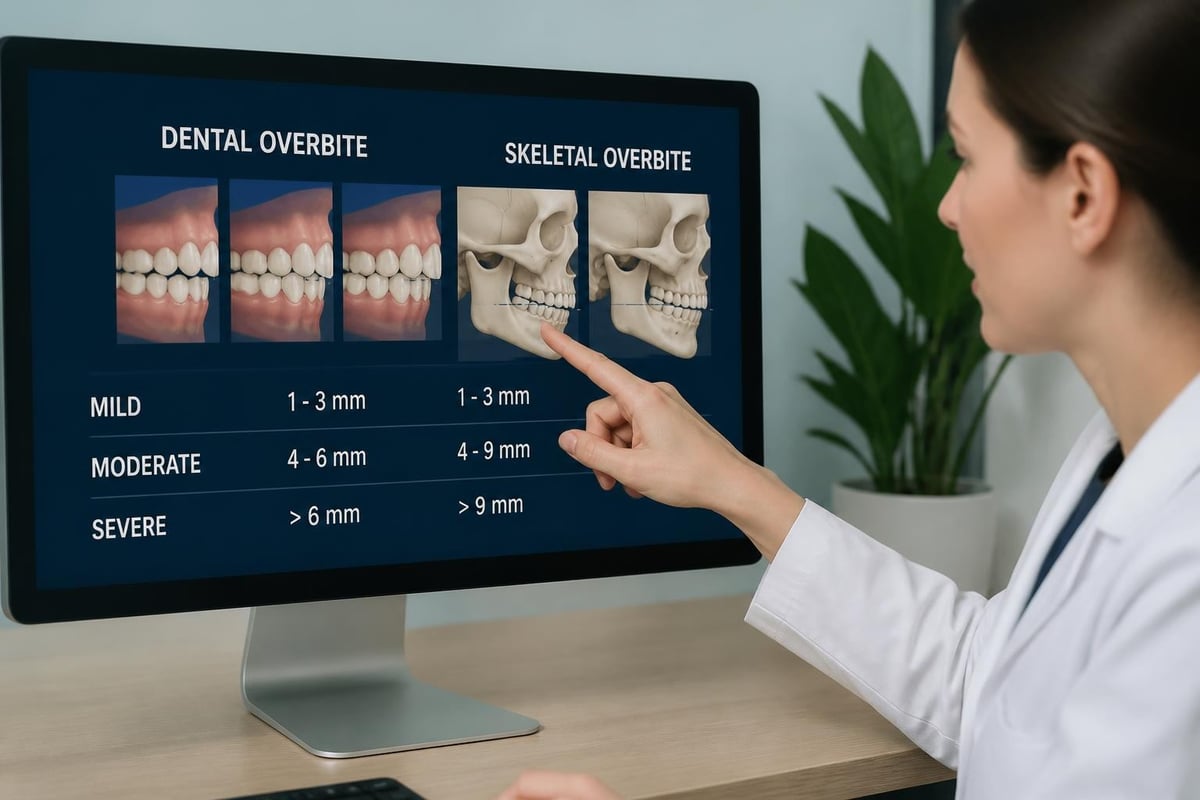
An overbite occurs when your upper front teeth overlap your lower front teeth vertically beyond the normal range. While a slight overbite of 2-3 millimeters is considered normal and healthy, excessive vertical overlap can lead to significant problems.
Types of Overbites
Orthodontists classify overbites into two main categories, each requiring different treatment approaches:
Dental Overbites develop when teeth positioning causes the overlap. These cases typically result from:
- Prolonged thumb-sucking during childhood
- Extended pacifier use beyond age three
- Tongue thrusting habits
- Teeth crowding or misalignment
Skeletal Overbites involve jaw bone discrepancies where the upper jaw protrudes too far forward or the lower jaw sits too far back. These conditions are often genetic and may require more comprehensive treatment.
The distinction matters significantly when determining whether can clear aligners fix an overbite in your specific case. Dental overbites generally respond well to aligner therapy, while skeletal overbites may need additional interventions.
Health Consequences of Untreated Overbites
Beyond cosmetic concerns, untreated overbites can cause:
- Accelerated tooth wear on front teeth
- Jaw pain and TMJ disorders from improper bite alignment
- Speech difficulties affecting pronunciation
- Increased cavity risk due to cleaning challenges
- Gum tissue damage from teeth impacting the palate
These complications underscore the importance of seeking professional evaluation and treatment, particularly for children whose jaw development is still ongoing.
How Clear Aligners Address Overbite Correction
Clear aligner technology has advanced dramatically since its introduction in the late 1990s. Modern systems use sophisticated computer modeling and biomechanical principles to move teeth with remarkable precision.
The Biomechanics of Aligner Treatment
Clear aligners correct overbites through several mechanical approaches:
Intrusion of Upper Incisors: The aligners apply controlled pressure to push upper front teeth upward into the bone, reducing the vertical overlap. This technique works particularly well for mild to moderate dental overbites.
Extrusion of Lower Molars: By bringing lower back teeth slightly outward, aligners can rotate the lower jaw upward, reducing overbite depth. This approach requires careful monitoring to avoid affecting your bite balance.
Torque Control: Advanced aligner systems incorporate precise angle adjustments to the roots of front teeth, optimizing their position for proper bite alignment.
Research comparing clear aligner therapy with conventional braces demonstrates that modern aligner systems achieve comparable outcomes for many overbite cases, with patients reporting higher satisfaction due to comfort and aesthetics.
Treatment Attachments and Accessories
To enhance effectiveness, clear aligner treatment for overbites often includes:
| Component | Purpose | Application |
|---|---|---|
| Bite ramps | Create space between upper and lower teeth | Built into aligners near front teeth |
| Elastics (rubber bands) | Apply directional force to reposition jaws | Worn between upper and lower aligners |
| Precision cuts | Allow specific tooth movements | Strategically placed openings in aligners |
| Attachments | Small tooth-colored bumps bonded to teeth | Provide leverage points for complex movements |
These additions significantly expand what clear aligners can accomplish. According to clinical studies on deep bite correction, the combination of bite ramps and elastics enables successful treatment of moderate overbites that would have required braces in the past.
Determining If Clear Aligners Can Fix Your Overbite
The question can clear aligners fix an overbite depends heavily on individual factors that require professional evaluation. Not every overbite responds equally well to aligner therapy.
Ideal Candidates for Clear Aligner Overbite Correction
You're likely a good candidate if you have:
- Mild to moderate dental overbite (4-6mm vertical overlap)
- Primarily tooth-related misalignment rather than skeletal issues
- Healthy gums and sufficient bone support for tooth movement
- Good oral hygiene habits and commitment to wearing aligners 20-22 hours daily
- Complete or nearly complete jaw growth (typically age 14 and older)
Patients meeting these criteria typically achieve excellent results within 12-24 months of treatment. The American Association of Orthodontists guidance on clear aligners emphasizes that proper case selection is critical for successful outcomes.
When Clear Aligners May Have Limitations
Certain conditions make aligner treatment more challenging or less predictable:
Severe Overbites: When vertical overlap exceeds 8-10mm, achieving complete correction with aligners alone becomes difficult. These cases may require:
- Combination treatment with braces
- Surgical intervention for skeletal discrepancies
- Extended treatment timelines with realistic expectation adjustment
Skeletal Jaw Discrepancies: If your overbite stems primarily from jaw bone positioning rather than tooth alignment, aligners can improve but may not fully resolve the condition. Systematic reviews on clear aligner effectiveness confirm that complex skeletal cases often benefit from traditional orthodontic approaches.
Compliance Challenges: Clear aligners require disciplined wear schedules. If you cannot commit to 20-22 hours daily or have a history of poor treatment adherence, fixed braces might produce more reliable results.
The Diagnostic Process
Determining whether can clear aligners fix an overbite in your case requires comprehensive evaluation:
-
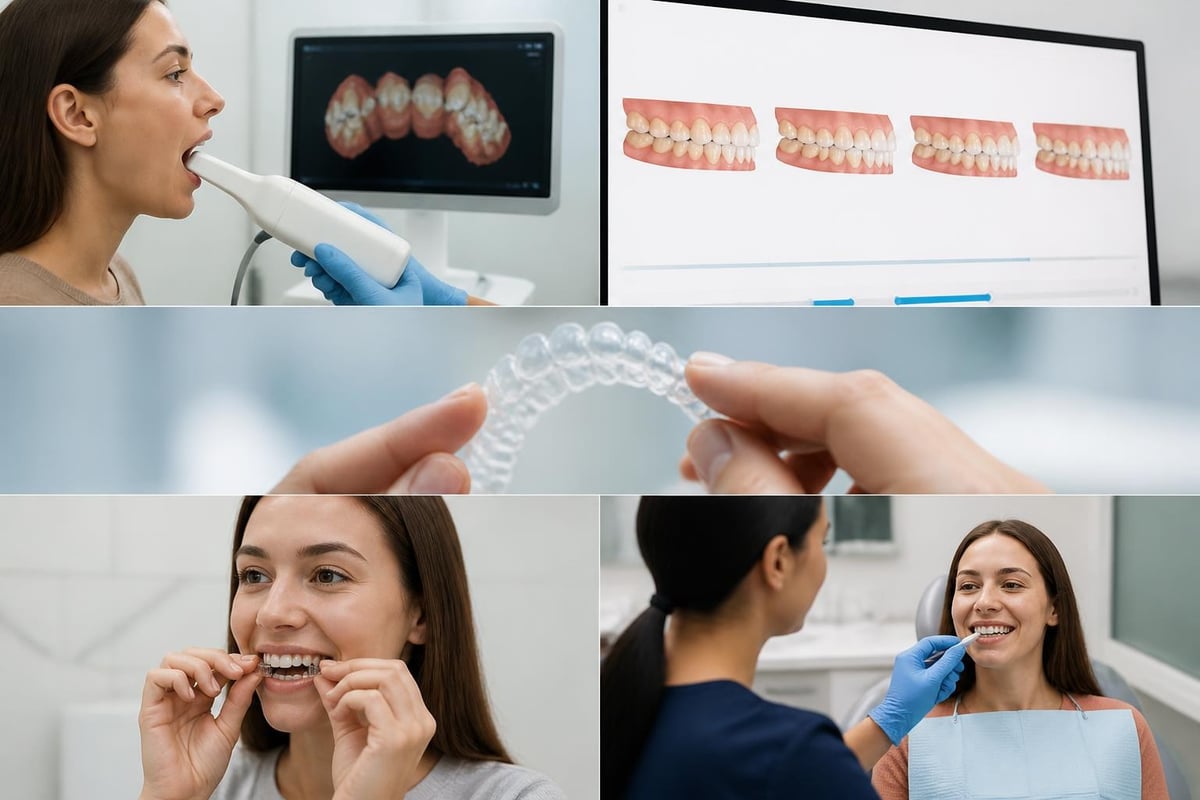
Clinical Examination: Your orthodontist assesses bite relationship, tooth positioning, and jaw alignment through visual inspection and measurements.
-
Digital Imaging: X-rays and 3D scans reveal bone structure, tooth roots, and jaw relationships that affect treatment planning.
-
Treatment Simulation: Advanced software creates a virtual treatment plan showing predicted tooth movements and final results.
-
Discussion of Options: Your provider explains realistic outcomes, treatment duration, and alternatives tailored to your specific condition.
At Dental Plus Clinic, our orthodontic team uses state-of-the-art diagnostic technology to evaluate each patient's unique anatomy and create personalized treatment plans that optimize results.
Clear Aligners vs. Traditional Braces for Overbite Treatment
Both treatment modalities can successfully correct overbites, but each offers distinct advantages depending on your priorities and clinical situation.
Comparing Treatment Effectiveness
| Factor | Clear Aligners | Traditional Braces |
|---|---|---|
| Mild-moderate overbites | Highly effective | Highly effective |
| Severe/skeletal overbites | Limited effectiveness | More predictable |
| Treatment duration | 12-24 months typical | 18-36 months typical |
| Comfort | Generally more comfortable | Initial discomfort common |
| Aesthetics | Nearly invisible | Visible metal or ceramic |
| Removability | Yes (for eating/cleaning) | No |
| Cost range | $3,000-$8,000 | $3,000-$7,000 |
Lifestyle Considerations
Clear Aligners Excel When:
- Professional appearance matters for your career
- You play contact sports or wind instruments
- You prefer maintaining normal eating habits
- Oral hygiene is a priority
Traditional Braces Work Better When:
- Compliance with removable appliances concerns you
- Your case requires maximum force application
- You want to avoid the responsibility of tracking aligners
- Complex tooth movements are necessary
The NHS guidance on orthodontic treatment notes that both approaches successfully address bite problems when properly prescribed and managed by qualified professionals.
The Clear Aligner Treatment Journey for Overbites
Understanding the treatment process helps set realistic expectations and ensures you're prepared for the commitment required.
Initial Consultation and Planning
Your journey begins with a comprehensive evaluation at a qualified dental practice. During this appointment, your provider will:
Assess Your Overbite: Measurements determine the severity and classification of your condition. Digital photographs document your starting point for comparison.
Create Digital Impressions: Modern scanning technology captures precise 3D models of your teeth without messy impression materials.
Develop Treatment Plans: Advanced software simulates tooth movements, allowing you to preview your expected results before starting.
Review Timeline and Costs: Your provider explains the projected treatment duration, required checkups, and total investment. Many practices, including Dental Plus Clinic locations throughout Texas, offer flexible payment plans to make treatment accessible.
Active Treatment Phase
Once you approve the plan and your custom aligners are manufactured:
-
Initial Fitting: You receive your first sets of aligners with instructions on proper wear, cleaning, and advancement schedule.
-
Attachment Placement: Small tooth-colored buttons may be bonded to specific teeth to enhance movement control.
-
Wear Schedule: Most patients change aligners every 1-2 weeks, wearing them 20-22 hours daily for optimal results.
-
Progress Checkups: Regular appointments every 6-8 weeks allow your orthodontist to monitor progress and make adjustments.
-
Mid-Course Corrections: Digital rescanning may occur if teeth aren't tracking as predicted, with refinement aligners addressing discrepancies.
Retention and Stability
After achieving your corrected bite, retention is crucial to prevent relapse:
- Fixed Retainers: Thin wires bonded behind front teeth provide permanent support
- Removable Retainers: Worn nightly to maintain tooth positions
- Long-term Monitoring: Periodic checkups ensure stability and catch any shifting early
Many patients underestimate retention importance, but it's essential for protecting your investment and maintaining results lifelong.
Cost Considerations and Insurance Coverage
Financial planning for overbite correction helps avoid surprises and identifies available savings opportunities.
Factors Affecting Treatment Cost
Clear aligner overbite correction pricing varies based on:
- Overbite Severity: Complex cases requiring longer treatment and more aligners cost more
- Geographic Location: Urban practices typically charge higher rates than rural clinics
- Provider Experience: Specialists may command premium fees for expertise
- Brand Selection: Premium aligner brands cost more than economy alternatives
- Treatment Duration: Extended cases require more aligners and monitoring visits
In Texas, clear aligner treatment for overbites typically ranges from $3,500 to $7,500, with most cases falling in the $4,500-$6,000 range.
Insurance and Payment Options
Many dental insurance plans provide orthodontic benefits that apply to clear aligner treatment:
Coverage Typically Includes:
- 50% of treatment cost up to lifetime maximum
- Lifetime maximums commonly range from $1,000-$3,000
- Age restrictions may apply (some plans cover only children)
Understanding the best dental insurance plans in Texas helps you maximize available benefits. Some plans distinguish between children's and adult orthodontics, affecting eligibility.
Alternative Financing Includes:
- In-house payment plans with monthly installments
- Healthcare credit cards offering promotional interest periods
- Health Savings Account (HSA) or Flexible Spending Account (FSA) funds
- Third-party financing companies specializing in medical expenses
Dental Plus Clinic works with patients to identify the most affordable path forward, ensuring financial considerations don't prevent necessary treatment.
Common Concerns and Misconceptions
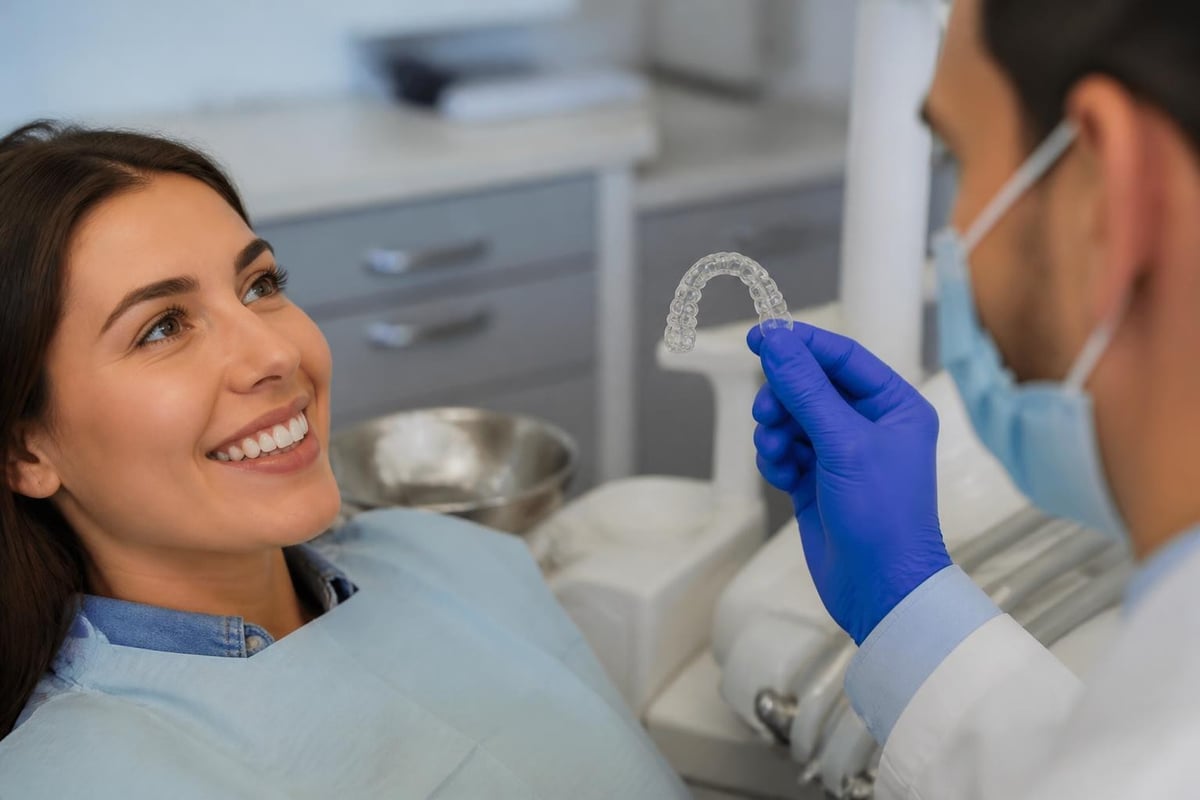
Patients considering clear aligners for overbite correction often have questions that deserve evidence-based answers.
"Will Treatment Be Painful?"
Clear aligners cause significantly less discomfort than traditional braces. You'll experience:
- Mild pressure for 1-2 days after switching to new aligners
- Possible tongue or cheek irritation during adjustment
- Temporary speech changes that resolve within days
Most patients describe the sensation as "tight" rather than painful, easily managed with over-the-counter pain relievers if needed.
"How Will Aligners Affect My Daily Life?"
Eating: Remove aligners during meals, allowing you to enjoy all foods without restrictions. This represents a major advantage over braces, which prohibit sticky, hard, or crunchy items.
Speaking: Initial mild lisping typically resolves within 3-5 days as your tongue adapts to the aligners' presence.
Oral Hygiene: Brush and floss normally after removing aligners. This simplicity helps maintain better gum health than fixed braces, which complicate cleaning.
Social Situations: Most people won't notice you're wearing aligners unless you mention it. The clear material remains virtually invisible during normal conversation.
"What Happens If I Lose or Break Aligners?"
Contact your orthodontist immediately if aligners are lost or damaged:
- You may move to the next set if you've worn the current set sufficient time
- Replacement aligners can be ordered, though fees may apply
- Wearing the previous set temporarily prevents regression while awaiting replacements
Having a backup plan and following your provider's emergency protocol minimizes treatment disruption.
"Can I Still Play Sports or Instruments?"
Athletes: Remove aligners during contact sports and wear a protective mouthguard. For non-contact activities, aligners typically remain in place without issue.
Musicians: Wind instrument players may need brief adjustment periods. Some find aligners less intrusive than braces for embouchure maintenance.
Direct-to-Consumer Aligners vs. Professional Treatment
The rise of mail-order aligner companies prompts important questions about treatment quality and safety when addressing whether can clear aligners fix an overbite through remote services.
Critical Differences in Care Models
| Aspect | Professional Treatment | Direct-to-Consumer |
|---|---|---|
| Initial examination | In-person comprehensive evaluation | DIY impression or basic scan |
| Treatment planning | Orthodontist designs custom plan | Automated algorithm creates plan |
| Monitoring | Regular in-person checkups | Remote photo review |
| Complexity handled | Mild to severe cases | Mild cases only |
| Emergency support | Immediate access to provider | Email/chat support delays |
| Accountability | Licensed professional oversight | Limited clinical supervision |
Safety and Effectiveness Concerns
The American Dental Association’s position on direct-to-consumer dentistry strongly opposes unsupervised aligner treatment due to significant risks:
Hidden Problems Go Undetected: Remote assessments miss gum disease, cavities, bone loss, and other conditions that affect orthodontic treatment safety.
Inappropriate Case Selection: Automated systems may approve patients whose overbites require in-person professional management, leading to poor outcomes or worsening conditions.
Lack of Adjustment Capability: When complications arise or teeth don't move as predicted, remote providers have limited ability to intervene effectively.
Long-term Stability Questions: Without proper retention planning and follow-up, relapse rates may be higher with unsupervised treatment.
While cost savings appear attractive, the potential for complications, treatment failure, or dental damage makes professional oversight the prudent choice for overbite correction.
When to Seek Professional Evaluation
Recognizing signs that warrant orthodontic consultation ensures timely intervention before problems worsen.
Indicators You Should Schedule an Assessment
For Children and Teens:
- Upper teeth protrude significantly beyond lower teeth
- Difficulty biting or chewing certain foods
- Jaw pain or clicking sounds during mouth movements
- Speech difficulties affecting specific sounds
- Unusual tooth wear patterns noticed during dental cleanings
For Adults:
- Progressive changes in bite alignment over time
- Increasing jaw discomfort or headaches
- Self-consciousness about smile appearance
- Front teeth damage from improper contact
- Interest in comprehensive smile improvement
Early evaluation doesn't always mean immediate treatment, but it establishes baseline information and allows for optimal timing decisions.
What to Expect During Your Consultation
A thorough orthodontic evaluation at facilities like Dental Plus Clinic in Converse includes:
-
Medical and Dental History Review: Understanding past treatments, current medications, and health conditions that might affect orthodontics
-
Comprehensive Oral Examination: Assessing teeth, gums, jaw joints, and bite relationships
-
Diagnostic Records: X-rays, photographs, and digital scans documenting your current condition
-
Treatment Discussion: Reviewing whether can clear aligners fix an overbite in your case, along with alternative approaches if needed
-
Financial Counseling: Explaining costs, insurance benefits, and payment arrangements
This consultation provides the information needed to make an informed decision about pursuing treatment.
Maximizing Your Clear Aligner Treatment Success
Patient compliance and proper care significantly impact outcomes when using clear aligners for overbite correction.
Essential Best Practices
Wear Time Commitment: Success requires 20-22 hours of daily wear. Remove aligners only for eating, drinking anything besides water, and oral hygiene. Inconsistent wear extends treatment time and compromises results.
Proper Cleaning Routine:
- Rinse aligners with lukewarm water after removal
- Brush aligners gently with soft toothbrush and clear soap
- Avoid hot water, which can warp plastic
- Soak aligners in cleaning solution or denture cleaner weekly
Oral Hygiene Vigilance:
- Brush and floss after every meal before reinserting aligners
- Use fluoride toothpaste to prevent cavities during treatment
- Consider additional fluoride rinses if cavity-prone
- Maintain regular dental cleaning appointments
Tracking Progress:
- Take monthly photos to document changes
- Note any concerns or discomfort for discussion at checkups
- Keep all old aligners in case you need to regress temporarily
- Maintain open communication with your orthodontic team
Troubleshooting Common Issues
Aligners Feel Too Tight: This normal sensation indicates they're working. It typically subsides within 48 hours. Use orthodontic wax on any sharp edges causing irritation.
Aligners Feel Loose: Contact your provider if aligners become loose before the scheduled advancement time, as this may indicate improper fit or unexpected tooth movement.
Teeth Not Tracking: If teeth aren't moving into aligners as expected, your orthodontist may need to modify the treatment plan with refinement aligners.
Excessive Saliva Production: Initial overproduction typically normalizes within one week as your mouth adapts to the appliance.
Frequently Asked Questions
How long does it take for clear aligners to fix an overbite?
Treatment duration varies based on overbite severity and individual response to tooth movement. Mild dental overbites may resolve in 6-12 months, while moderate cases typically require 12-18 months. Severe overbites or those with skeletal components may need 18-24 months or longer. Your orthodontist provides a personalized timeline after evaluation.
Can clear aligners fix an overbite in adults as effectively as in teenagers?
Yes, clear aligners can successfully correct overbites in adults. While tooth movement occurs slightly slower in adults due to denser bone, outcomes are comparable when cases are appropriately selected. Adults often demonstrate better compliance with wear schedules, which can offset biological differences. The British Orthodontic Society guidance on clear aligners confirms that age itself doesn't prevent successful treatment when realistic expectations are set.
Will my overbite return after clear aligner treatment?
Retention is critical for maintaining results. Without proper retainer wear, teeth naturally tend to shift back toward original positions. Following your orthodontist's retention protocol-typically full-time retainer wear for 3-6 months, then nightly wear indefinitely-prevents relapse. Many patients use the same clear retainer style as their treatment aligners for nighttime maintenance.
Do I need to wear rubber bands with clear aligners for overbite correction?
Many overbite cases benefit from elastic wear in conjunction with aligners. Elastics apply directional forces that guide jaw relationships and enhance bite correction. Your orthodontist will specify if elastics are necessary for your treatment plan, along with detailed wearing instructions. Compliance with elastic protocols significantly impacts treatment success and timeline.
Can I switch from braces to clear aligners mid-treatment?
Transitioning between treatment modalities is possible in some cases. Your orthodontist would need to assess current progress, remaining corrections needed, and whether aligners can effectively complete your treatment goals. New digital scans and treatment planning would be required. Some patients successfully complete braces treatment with aligner refinement, while others find braces more efficient for their remaining needs.
Are there any age restrictions for clear aligner overbite treatment?
Clear aligners work best for patients who have completed most jaw growth, typically age 14 and older. Younger patients with active growth may benefit from two-phase treatment-early intervention with other appliances, followed by clear aligners during adolescence. Adults of any age can pursue aligner treatment provided they have healthy gums and adequate bone support. Your orthodontist evaluates individual suitability regardless of age.
How much do clear aligners cost for overbite correction compared to braces?
Clear aligner and traditional braces costs are similar, typically ranging from $3,000-$8,000 depending on case complexity and geographic location. Some providers charge premiums for aligner treatment due to laboratory costs and technology. Many dental insurance plans cover both modalities equally under orthodontic benefits. Dental Plus Clinic offers transparent pricing and flexible payment options to make either treatment accessible.
What happens if I don't fix my overbite?
Untreated overbites progressively damage teeth through excessive wear, increase TMJ disorder risk, and may worsen over time. Severe overbites can cause gum recession where upper teeth contact lower gum tissue, create difficulties with proper chewing, and contribute to jaw pain or headaches. While not all overbites require immediate treatment, professional evaluation helps determine if intervention would benefit your long-term oral health.
Real Patient Experiences and Outcomes
Understanding actual treatment results helps set realistic expectations about what clear aligners can accomplish for overbite correction.
Case Study: Moderate Dental Overbite
Patient Profile: 28-year-old professional with 6mm overbite and moderate crowding
Treatment Approach:
- 48 aligner sets over 18 months
- Bite ramps in first 12 sets to create clearance
- Elastics for final 6 months
- Monthly monitoring appointments
Results: Overbite reduced to 2mm normal range, significant aesthetic improvement, no jaw pain. Patient reported high satisfaction with discrete treatment and minimal lifestyle disruption.
Key Success Factors: Excellent compliance with 22-hour daily wear, consistent elastic use, maintained all scheduled appointments.
Case Study: Adult Skeletal Component
Patient Profile: 42-year-old with 8mm overbite and mild skeletal jaw discrepancy
Treatment Approach:
- Initial phase with 36 aligner sets
- Mid-treatment reassessment revealed limited skeletal correction
- Refinement with 18 additional aligners
- Permanent retention with fixed and removable retainers
Results: Overbite improved to 4mm (partial correction), improved tooth alignment, enhanced smile aesthetics. Patient accepted that complete skeletal correction would require surgery, chose conservative improvement instead.
Key Success Factors: Realistic expectations established during consultation, understanding of skeletal limitations, satisfaction with achievable improvements.
These examples illustrate the importance of individualized treatment planning and honest communication about probable outcomes. Viewing clear aligners before and after results from actual patients provides additional insight into treatment possibilities.
Combining Clear Aligners With Other Dental Treatments
Comprehensive smile enhancement often involves coordinating multiple dental procedures for optimal aesthetic and functional results.
Complementary Procedures
Teeth Whitening: Many patients pursue professional whitening after completing aligner treatment to enhance their newly straightened smile. Timing matters-whitening should occur after treatment since tooth-colored attachments won't lighten and new restorations should match your whitened shade.
Cosmetic Bonding or Veneers: Minor tooth shape irregularities, chips, or size discrepancies can be addressed with conservative cosmetic treatments after orthodontics establishes proper alignment and bite relationships.
Gum Recontouring: Patients with excessive gum display may combine aligner treatment with laser gum reshaping for balanced smile proportions.
Sequential Treatment Planning
Strategic treatment sequencing maximizes results and efficiency:
- Phase 1: Complete clear aligner therapy to establish proper tooth positions and bite alignment
- Phase 2: Address restorative needs like crowns or bridges in newly corrected positions
- Phase 3: Perform final cosmetic enhancements with whitening, bonding, or veneers
- Phase 4: Implement long-term retention and maintenance protocols
Coordination between your general dentist and orthodontist ensures comprehensive planning that addresses all your oral health and aesthetic goals efficiently.
The Role of Technology in Modern Aligner Treatment
Advanced digital tools have revolutionized orthodontic diagnosis and treatment planning, directly impacting success rates for overbite correction.
Digital Treatment Simulation
Three-dimensional modeling software creates virtual treatment plans showing:
- Predicted tooth movements at each treatment stage
- Expected timeline for achieving correction milestones
- Final projected results before manufacturing aligners
- Alternative treatment scenarios for comparison
This technology allows patients to visualize outcomes and make informed decisions. Adjustments to the plan can be made digitally before beginning physical treatment, optimizing efficiency.
Artificial Intelligence Applications
Machine learning algorithms now assist orthodontists by:
- Analyzing thousands of previous cases to predict treatment success probability
- Identifying potential complications before they occur
- Optimizing aligner staging for efficient tooth movement
- Recommending attachment placement for maximum effectiveness
These AI tools supplement clinical expertise, enhancing treatment planning precision while maintaining the critical role of professional judgment.
Remote Monitoring Capabilities
Some practices offer virtual check-in systems where patients submit progress photos through smartphone apps. Software analyzes tooth positions, alerts providers to tracking issues, and reduces the need for frequent in-office appointments while maintaining quality oversight.
This technology differs fundamentally from direct-to-consumer models because licensed professionals review all data and maintain treatment control, combining convenience with professional accountability.
Clear aligners represent an effective, discrete solution for many patients wondering can clear aligners fix an overbite, particularly those with mild to moderate dental overbites. Success depends on proper case selection, professional oversight, and patient compliance with treatment protocols. Whether you're in Beeville, Seguin, New Braunfels, Leander, or Converse, Dental Plus Clinic offers comprehensive orthodontic evaluations to determine if clear aligners are right for your overbite correction needs. Our experienced team uses advanced diagnostic technology to create personalized treatment plans that deliver beautiful, healthy smiles. Schedule your consultation today to explore your options and take the first step toward the confident smile you deserve.