
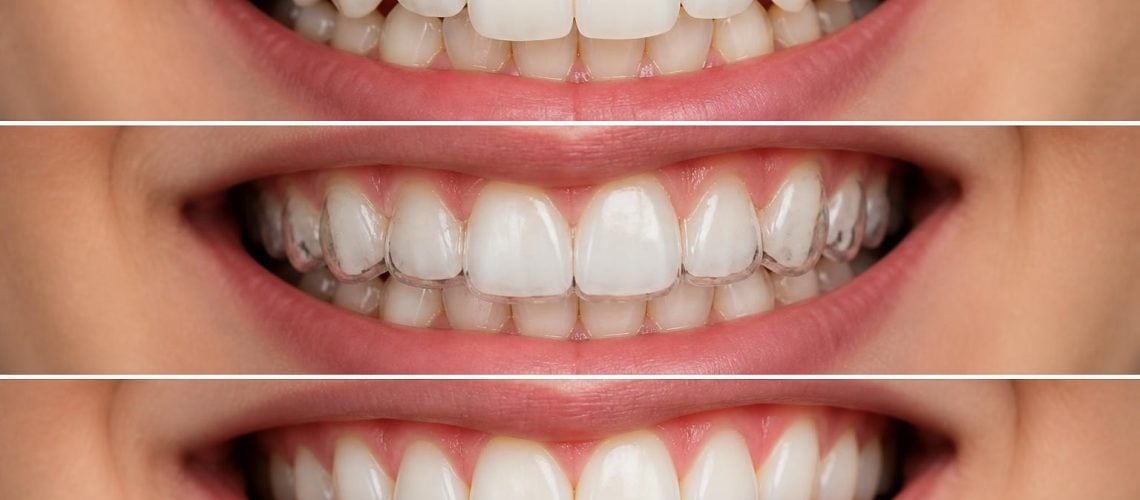
Crowded teeth affect millions of Americans, creating concerns about both appearance and oral health. If you're exploring orthodontic options, you've likely wondered: can clear aligners fix crowded teeth? This comprehensive guide examines how clear aligner therapy addresses dental crowding, when it's most effective, and what patients across Texas should consider before choosing this popular treatment option. With advances in orthodontic technology through 2026, clear aligners have become increasingly capable of managing complex cases that once required traditional braces.
Understanding Dental Crowding and Its Impact
Dental crowding occurs when there isn't enough space in the jaw for all teeth to fit properly. This misalignment creates overlapping, twisted, or displaced teeth that can range from mild to severe.
Common causes of crowded teeth include:
- Genetic factors (inherited jaw size or tooth size)
- Early loss of primary teeth
- Late loss of baby teeth
- Extra teeth (supernumerary teeth)
- Improper dental development
- Thumb sucking or prolonged pacifier use
Beyond cosmetic concerns, crowded teeth create genuine health risks. Overlapping surfaces are difficult to clean effectively, leading to increased plaque accumulation, higher cavity risk, and elevated chances of gum disease. Many patients also experience difficulty chewing, jaw pain, and speech impediments.
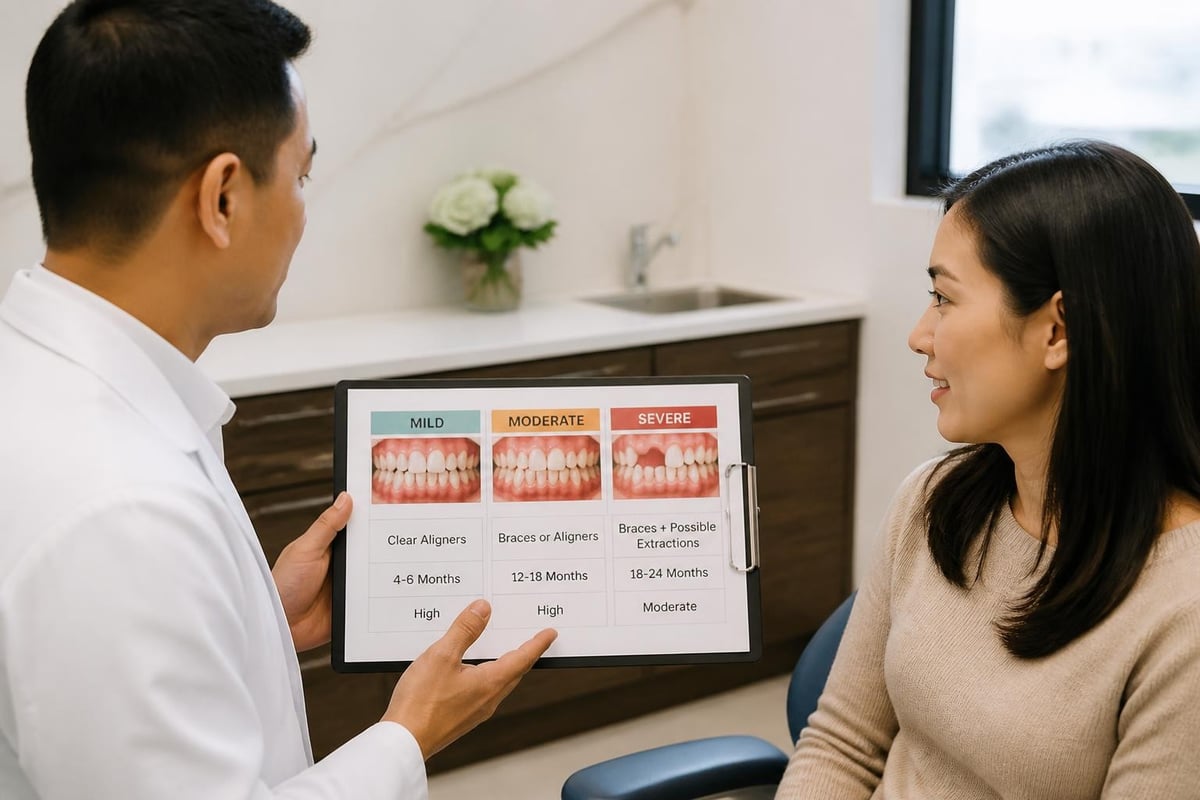
The severity of crowding determines treatment options. Orthodontists classify crowding as mild (1-3mm of spacing needed), moderate (4-6mm), or severe (7mm or more). This classification significantly impacts whether can clear aligners fix crowded teeth in your specific case.
How Crowding Affects Your Oral Health
Crowded teeth create tight spaces where toothbrush bristles and floss cannot reach effectively. Bacteria accumulate in these hidden areas, producing acids that erode enamel and irritate gum tissue.
Research shows patients with moderate to severe crowding face 2.5 times higher risk of periodontal disease compared to those with properly aligned teeth. The American Dental Association emphasizes professional assessment because unsupervised orthodontic treatment can worsen existing conditions rather than resolve them.
Misaligned teeth also create uneven pressure distribution during chewing. This irregular stress pattern can lead to premature wear, cracked teeth, and temporomandibular joint (TMJ) disorders over time.
How Clear Aligners Work for Crowded Teeth
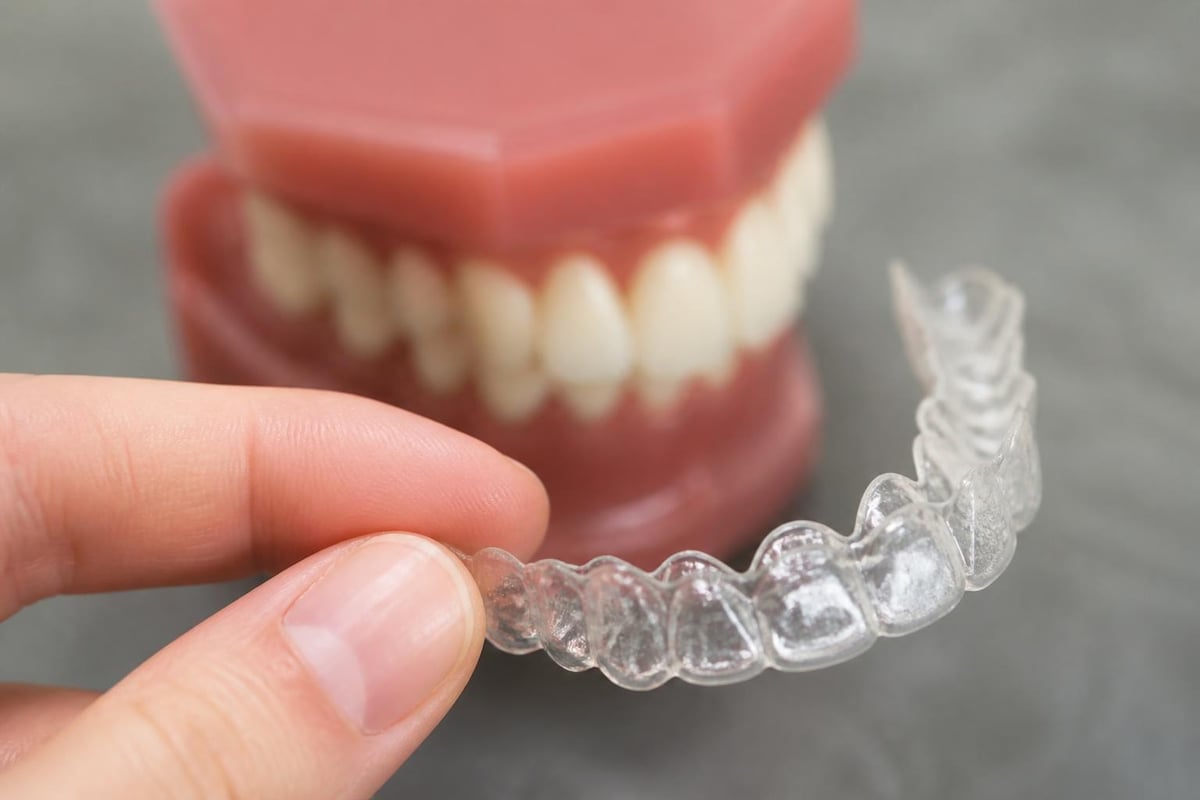
Clear aligners use controlled force to gradually shift teeth into better positions. Each custom-made aligner applies precise pressure to specific teeth, moving them incrementally over time. Understanding the biomechanics and clinical indications of clear aligner therapy helps patients appreciate both the capabilities and limitations of this treatment approach.
The treatment process begins with digital scanning or impressions that create a 3D model of your teeth. Orthodontists use specialized software to plan the entire movement sequence, designing each aligner to move teeth approximately 0.25mm per stage.
The Science Behind Tooth Movement
When aligners apply gentle, sustained pressure to teeth, the periodontal ligament surrounding tooth roots experiences compression on one side and tension on the other. This triggers biological responses: bone resorption where pressure is applied and bone formation where tension occurs.
For crowded teeth specifically, aligners must create space through several mechanisms:
- Interproximal reduction (IPR): Removing tiny amounts of enamel between teeth
- Arch expansion: Widening the dental arch to accommodate all teeth
- Proclination: Tilting front teeth slightly forward
- Sequential distalization: Moving back teeth backward to create room
Modern clear aligner systems incorporate attachments (small tooth-colored bumps bonded to teeth) that enhance control and enable more complex movements. These attachments serve as handles, allowing aligners to rotate, extrude, or tip teeth more predictably.
| Movement Type | Predictability with Clear Aligners | Notes |
|---|---|---|
| Tipping | Very High (95%+) | Simple tilting movements |
| Rotation (premolars/molars) | High (85-90%) | Easier with attachments |
| Rotation (canines) | Moderate (70-80%) | More challenging due to root shape |
| Extrusion | Moderate (60-70%) | Pulling teeth outward is difficult |
| Bodily movement | Moderate to High (75-85%) | Moving entire tooth requires precision |
The question "can clear aligners fix crowded teeth" depends significantly on which movements are required. Cases needing primarily tipping and rotation respond better than those requiring significant extrusion or root movement.
Effectiveness of Clear Aligners for Different Crowding Levels
Can clear aligners fix crowded teeth in all cases? The answer depends on crowding severity and individual factors. A recent systematic review evaluating clear aligner treatment effectiveness provides evidence-based insights into success rates across different malocclusion types.
Mild Crowding (1-3mm)
Clear aligners excel at correcting mild crowding. Treatment typically requires 12-20 aligner sets and spans 6-10 months. Success rates exceed 90% for these cases when patients maintain excellent compliance.
At Dental Plus Clinic, mild crowding cases often achieve remarkable results without extractions or significant arch expansion. The treatment primarily uses IPR to create the necessary 1-3mm of space, combined with slight arch widening.
Benefits for mild cases:
- Shorter treatment duration
- Minimal discomfort
- Lower cost
- Highly predictable outcomes
- Rarely requires attachments
Moderate Crowding (4-6mm)
Moderate crowding represents the sweet spot where can clear aligners fix crowded teeth effectively with proper planning. Treatment duration extends to 12-18 months, using 25-40 aligner sets.
These cases typically combine IPR (2-3mm of space), arch expansion (1-2mm), and strategic proclination. Attachments become essential for achieving the precision needed. Success rates range from 75-85% depending on tooth anatomy and patient compliance.
Orthodontists may recommend additional interventions such as:
- Elastics to correct bite relationships
- Mid-course corrections (refinement aligners)
- Temporary anchorage devices in complex scenarios
Many Texas families appreciate that moderate crowding can be addressed with clear aligners while maintaining the discretion and convenience that traditional braces don't offer.
Severe Crowding (7mm+)
Severe crowding presents the greatest challenge for clear aligner therapy. While the question "can clear aligners fix crowded teeth" that are severely crowded can sometimes be answered yes, many orthodontists recommend traditional braces or even extractions for these cases.
Evidence on clear aligner predictability shows success rates drop to 60-70% for severe crowding without extractions. The treatment duration often extends beyond 24 months and requires multiple refinement stages.
When severe crowding is treatable with aligners:
- Patient has good bone support
- Crowding affects primarily front teeth
- Patient accepts potential for extraction
- Adequate arch expansion is possible
- Patient commits to extended treatment time
Some severe cases simply aren't candidates for clear aligners. The American Association of Orthodontists explains treatment planning considerations that help determine appropriate candidacy for aligner therapy versus other orthodontic approaches.
Factors That Influence Clear Aligner Success
Beyond crowding severity, several factors determine whether can clear aligners fix crowded teeth in your specific situation. Understanding these variables helps set realistic expectations and ensures optimal outcomes.
Age and Bone Density
Adults and teenagers respond differently to orthodontic treatment. Younger patients with active bone remodeling typically experience faster tooth movement and more predictable results. Adult bone is denser, requiring longer retention of force for movement to occur.
However, clear aligners work successfully for patients of all ages. At our locations across Texas, we've treated patients from teenagers to those in their 60s with excellent outcomes.
Compliance and Wear Time
Clear aligners must be worn 20-22 hours daily to achieve predicted results. Even minor reductions in wear time significantly extend treatment duration and reduce effectiveness.
Compliance challenges include:
- Removing aligners for meals and forgetting to replace them
- Special occasions where patients want perfect appearance
- Cleaning routines that become inconsistent
- Discomfort leading to premature removal
Patients who struggle with self-discipline may achieve better results with fixed braces that don't require conscious compliance decisions dozens of times daily.
Biological Response Variability
Individual biology affects how quickly and predictably teeth move. Some patients experience rapid bone remodeling while others require extended time at each stage. Genetic factors, systemic health conditions, medications (particularly bisphosphonates), and age all influence biological response.
This variability explains why two patients with identical crowding patterns may experience different timelines and outcomes. Your orthodontist monitors progress through periodic check-ins, adjusting the treatment plan as needed based on actual versus predicted movement.
| Factor | Impact on Treatment | Management Strategy |
|---|---|---|
| Poor compliance | Extended duration, reduced effectiveness | Education, reminder apps, accountability check-ins |
| Dense bone (older adults) | Slower movement | Extended wear time per aligner, patience |
| Medications | Delayed or impaired movement | Medical consultation, alternative approaches |
| Gum disease | Contraindication until resolved | Periodontal treatment first, then orthodontics |
| Inadequate attachments | Reduced control | Strategic attachment placement, monitoring |
Treatment Timeline and What to Expect
Understanding the clear aligner journey helps patients commit fully to the process. While timelines vary, knowing general patterns answers common questions about whether can clear aligners fix crowded teeth within your desired timeframe.
Initial Consultation and Planning
Your first appointment involves comprehensive examination including X-rays, photographs, and digital scans. The orthodontist assesses crowding severity, bite relationships, jaw alignment, and overall oral health.
This diagnostic phase identifies whether you're a candidate for clear aligners or whether alternative treatments would serve you better. Honest professional guidance prevents wasted time and money on inappropriate treatment approaches.
Planning software generates a virtual treatment simulation showing predicted tooth positions at each stage. You'll see the anticipated final result before committing, providing confidence in the treatment plan. Many patients viewing their clear aligners before and after projections feel excited about the transformation ahead.
Active Treatment Phase
Once aligners are manufactured, you'll receive several sets at once (typically 3-4). You'll change to a new aligner every 1-2 weeks as directed, with check-in appointments every 6-8 weeks to monitor progress.
Typical treatment milestones:
- Weeks 1-4: Adjustment period, learning insertion/removal, managing initial discomfort
- Months 2-6: Noticeable changes begin, spacing appears, confidence builds
- Months 7-12: Significant improvement visible, bite refinement begins
- Months 12-18+: Final positioning, detail work, bite optimization
Most crowding cases require refinements where additional aligners correct small discrepancies between predicted and actual movement. This is normal and expected, not a treatment failure.
Retention Phase
After active treatment, retention is critical. Teeth naturally want to return to their original positions, particularly in crowding cases where space was created. Retainers (usually clear, similar to aligners) must be worn nightly indefinitely to maintain results.
Skipping retention is the primary reason treated crowding returns. Your orthodontist will provide specific retention protocols, but lifetime nighttime wear represents the gold standard for permanent results.
Comparing Clear Aligners to Traditional Braces for Crowding
When considering whether can clear aligners fix crowded teeth as effectively as braces, understanding the trade-offs helps you make informed decisions aligned with your lifestyle and treatment goals.
Advantages of Clear Aligners
Aesthetic appeal: Nearly invisible appearance makes aligners popular among adults and image-conscious teenagers. Professional photos, important events, and daily interactions occur without the self-consciousness metal braces can create.
Removability: The ability to remove aligners for eating eliminates dietary restrictions. No food gets stuck in brackets, and you can clean teeth normally rather than navigating around wires and brackets.
Comfort: Smooth plastic is gentler on soft tissues than metal brackets and wires. While each new aligner creates pressure and soreness initially, the discomfort typically resolves faster than adjustment periods with traditional braces.
Convenience: Fewer emergency visits for broken brackets or poking wires means less time away from work or school. Digital planning also means fewer overall appointments in some cases.
When Traditional Braces Remain Superior
Despite clear aligner advances, traditional braces maintain advantages for certain crowding cases. Fixed appliances provide continuous force that doesn't depend on patient compliance. This makes them more predictable for complex movements and severe crowding.
Braces offer better control for:
- Significant vertical movements (extrusion/intrusion)
- Severe rotations, especially of canines
- Cases requiring extraction and space closure
- Growing patients needing jaw relationship modification
Clinical guidance on orthodontic treatment options emphasizes that professional assessment should drive treatment selection rather than patient preference alone.
| Consideration | Clear Aligners | Traditional Braces |
|---|---|---|
| Aesthetic impact | Minimal (nearly invisible) | Significant (visible metal/ceramic) |
| Treatment time (mild crowding) | 6-10 months | 12-18 months |
| Treatment time (severe crowding) | 18-30 months (if suitable) | 18-24 months |
| Dietary restrictions | None (removable) | Yes (sticky, hard foods) |
| Oral hygiene | Easier (remove to clean) | More challenging (work around hardware) |
| Compliance requirement | Critical (20-22 hrs/day) | Not applicable (fixed) |
| Cost | $3,500-$8,000 | $3,000-$7,000 |
| Effectiveness (severe cases) | Moderate | High |

Cost Considerations and Insurance Coverage
Financial planning is essential when considering orthodontic treatment. Can clear aligners fix crowded teeth within your budget? Understanding costs and coverage helps families make informed decisions.
Average Treatment Costs in Texas
Clear aligner costs vary based on treatment complexity and provider. In Texas, expect these ranges for 2026:
- Mild crowding: $3,500-$5,000
- Moderate crowding: $5,000-$6,500
- Severe crowding: $6,500-$8,000+
These fees typically include all aligners (including refinements), attachments, retainers, and monitoring appointments. However, verify what's included before committing.
Direct-to-consumer aligner companies advertise lower prices ($1,800-$2,500), but proceed cautiously. Without professional oversight, improper treatment can worsen crowding or create bite problems requiring expensive correction. The cost savings rarely justify the risks.
Insurance and Financing Options
Many dental insurance plans include orthodontic benefits covering 50% of treatment up to a lifetime maximum (typically $1,500-$3,000). Understanding how dental insurance plans work in Texas helps maximize your benefits.
Check whether your plan covers clear aligners at the same level as traditional braces. Some older policies exclude "cosmetic" options or limit coverage to patients under 19.
Financing strategies include:
- Dental savings plans that reduce treatment costs 15-30%
- Health savings accounts (HSA) or flexible spending accounts (FSA) using pre-tax dollars
- In-house payment plans through your dental provider
- Third-party healthcare financing (CareCredit, LendingClub)
- Employer-sponsored orthodontic benefits
Dental Plus Clinic offers flexible savings options to make treatment accessible for Texas families. We work with patients to structure payment plans that fit their budgets while ensuring quality care.
Common Concerns and Objections Addressed
Patients frequently express reservations about clear aligner treatment. Addressing these concerns directly helps you approach the decision with confidence.
"Will Treatment Hurt?"
Discomfort differs from pain. Each new aligner creates pressure as it begins moving teeth, typically described as soreness or tightness rather than sharp pain. This sensation peaks 24-48 hours after switching aligners, then gradually diminishes.
Over-the-counter pain relievers effectively manage any discomfort. Most patients find subsequent aligner changes progressively easier as they adjust to the sensation pattern.
The discomfort confirms treatment is working. Pressure indicates teeth are responding to the controlled forces designed to resolve your crowding. Patients report aligner discomfort as significantly less bothersome than the adjustment pain following traditional braces tightening.
"How Will Aligners Affect My Speech?"
Initial speech changes are common but temporary. Many patients experience a slight lisp during the first few days as their tongue adapts to the aligner presence. Reading aloud and normal conversation help your mouth adjust quickly.
Most patients report speech returning to normal within 3-7 days. The thin aligner design minimizes interference compared to bulkier appliances. Professional contexts like presentations or client meetings proceed normally after the brief adjustment period.
"What If I Lose or Damage an Aligner?"
Replacement aligners can be manufactured if needed, though this extends treatment time slightly. Most orthodontists recommend keeping your previous aligner set as backup.
If you lose your current aligner, revert to the previous set and contact your orthodontist immediately. Depending on where you are in the wear cycle, they may advance you to the next aligner or order replacements.
Damaged aligners (cracked, severely stained, or warped) should be replaced rather than worn. Damaged aligners can't apply proper force patterns and may cause unintended movements.
Prevention strategies:
- Always store aligners in their protective case when removed
- Rinse aligners after removal to prevent staining
- Clean aligners daily with approved solutions, not hot water
- Remove aligners before consuming anything except water
- Keep aligners away from pets (who love chewing them)
"Can I Still Play Sports or Instruments?"
Yes, with minor adjustments. For contact sports, remove aligners and wear a proper mouthguard designed for active play. Aligners aren't built to withstand impact forces and won't protect your teeth like a sports mouthguard.
For non-contact activities, most patients wear aligners comfortably. The thin profile doesn't interfere with breathing or performance.
Musicians playing wind instruments typically adapt within 1-2 weeks. Embouchure (mouth positioning) adjusts as you practice with aligners in place. Some musicians remove aligners for performances initially, gradually building up to playing with them as comfort increases.
Special Considerations for Different Age Groups
Can clear aligners fix crowded teeth effectively varies somewhat by patient age. Different life stages present unique advantages and challenges worth considering.
Teenagers and Clear Aligners
Teenagers are ideal candidates for clear aligners if they demonstrate sufficient responsibility. The removability that adults appreciate requires self-discipline from younger patients who may be tempted to remove aligners frequently.
Teen-specific aligner systems include compliance indicators (small blue dots that fade with proper wear) helping parents monitor use. Some systems also accommodate erupting teeth, making them suitable even before all permanent teeth have emerged.
Social benefits are significant. Teenagers already navigating social pressures appreciate avoiding "metal mouth" stigma. School photos, proms, and dating occur without the self-consciousness traditional braces can create.
Our pediatric dentistry services include orthodontic consultations to determine optimal timing for treatment. Early intervention sometimes prevents severe crowding from developing.
Adults Seeking Orthodontic Correction
Adults represent the fastest-growing orthodontic patient segment. Many never received treatment as children or experienced relapse after earlier orthodontics. Others simply didn't prioritize straight teeth until professional or personal motivations increased.
Adult crowding cases respond well to clear aligners despite denser bone. Treatment takes slightly longer than for teenagers, but outcomes are equally successful with proper planning.
Professional considerations make discretion valuable. Video conferences, client meetings, and workplace interactions proceed without drawing attention to ongoing treatment. Many colleagues and clients never notice properly fitted aligners.
Adults also demonstrate superior compliance compared to teenagers. The maturity to recognize long-term benefits and self-fund treatment creates motivation to wear aligners consistently.
Seniors and Orthodontic Health
Age alone doesn't disqualify patients from clear aligner treatment. Seniors in their 60s, 70s, and beyond successfully correct crowding and improve oral health through orthodontics.
Underlying health becomes the determining factor rather than age itself. Adequate bone density, healthy gums, and absence of uncontrolled systemic conditions are essential. Understanding orthodontic treatment requirements helps seniors assess candidacy.
Correcting crowding improves oral hygiene effectiveness, reducing risks of decay and gum disease as patients age. The health benefits often outweigh cosmetic motivations for senior patients pursuing treatment.
Maintaining Results After Treatment
Successfully answering "can clear aligners fix crowded teeth" extends beyond active treatment. Maintaining those results requires commitment to retention protocols and ongoing oral health practices.
Retainer Protocols
Immediately after completing active treatment, you'll wear retainers full-time (20-22 hours daily) for 3-6 months. This stabilization period allows bone to solidify around teeth in their new positions.
After stabilization, most patients transition to nighttime-only wear. This schedule continues indefinitely. Teeth maintain memory of their original positions throughout life, so retention never truly "ends."
Retainer types include:
- Clear retainers: Similar to aligners, nearly invisible, comfortable
- Hawley retainers: Wire and acrylic, adjustable, very durable
- Fixed retainers: Bonded wire on back of teeth, permanent, requires no compliance
Many patients prefer clear retainers for aesthetic reasons, though they require replacement every 1-2 years due to wear. Fixed retainers offer permanent security but complicate flossing.
Long-term Oral Health Practices
Straightening crowded teeth provides opportunity for better oral health, but only if you maintain excellent hygiene practices. Newly aligned teeth still require diligent care.
Schedule regular cleanings and exams at least twice yearly. Professional monitoring catches small issues before they become problems. Regular dental exams and cleanings remain essential throughout life.
Daily care must include:
- Brushing twice daily for two minutes with fluoride toothpaste
- Flossing daily to remove plaque between teeth
- Using antimicrobial mouthwash to reduce bacteria
- Limiting sugary and acidic foods that promote decay
- Drinking water throughout the day to maintain saliva flow
Your newly aligned smile represents a significant investment of time and money. Protecting that investment through consistent oral care ensures lifelong benefits.
Frequently Asked Questions
How long does clear aligner treatment take for crowded teeth?
Treatment duration depends on crowding severity. Mild cases typically require 6-10 months, moderate crowding takes 12-18 months, and severe crowding may extend to 24+ months. Your orthodontist provides a personalized timeline after initial assessment. Compliance significantly impacts duration; patients who wear aligners 22 hours daily progress faster than those with inconsistent wear patterns.
Are clear aligners painful?
Clear aligners create pressure and soreness rather than sharp pain. Each new aligner produces the most discomfort during the first 24-48 hours as it begins shifting teeth. This sensation is manageable with over-the-counter pain relievers and diminishes as your mouth adjusts. Most patients describe the feeling as temporary tightness, significantly less bothersome than traditional braces adjustments.
Can I eat normally with clear aligners?
Yes, because aligners are removable. Remove them before eating or drinking anything except water, then clean your teeth before reinserting aligners. This eliminates all dietary restrictions associated with traditional braces. However, you must resist snacking frequently throughout the day, as constant aligner removal and cleaning becomes impractical and reduces wear time.
Will my insurance cover clear aligners for crowded teeth?
Many dental insurance plans include orthodontic benefits covering 50% of treatment up to a lifetime maximum (commonly $1,500-$3,000). Coverage varies by plan, with some treating clear aligners identically to traditional braces while others impose restrictions. Review your specific policy or contact your provider to verify benefits. Age restrictions sometimes apply, with some plans limiting orthodontic coverage to patients under 18 or 19.
How often do I need to visit the dentist during treatment?
Most clear aligner patients schedule check-in appointments every 6-8 weeks. These brief visits allow your orthodontist to monitor progress, verify teeth are tracking according to plan, and provide your next sets of aligners. The appointment frequency is less than traditional braces (which require monthly adjustments), making clear aligners more convenient for busy schedules.
What happens if I don't wear my retainer after treatment?
Skipping retainer wear allows teeth to shift back toward their original crowded positions. This relapse can occur surprisingly quickly, sometimes within weeks or months of stopping retention. The longer you wore aligners to correct crowding, the more disappointing relapse becomes. Committing to nighttime retainer wear indefinitely protects your investment and maintains your results for life.
Can clear aligners fix crowded teeth if I have gum disease?
Active gum disease must be treated and resolved before beginning orthodontic treatment. Moving teeth while gums are inflamed and infected risks accelerated bone loss and tooth damage. Your dentist will perform necessary periodontal therapy, establish disease control, and then clear you for orthodontic treatment. Healthy gums are essential for successful tooth movement.
Are direct-to-consumer aligners safe for fixing crowded teeth?
Professional organizations including the American Dental Association strongly caution against direct-to-consumer orthodontics. The ADA’s policy opposing unsupervised dental treatment emphasizes risks including worsening malocclusion, bone loss, tooth loss, and jaw problems. Treatment without in-person examination, X-rays, and professional monitoring can cause irreversible damage. The cost savings rarely justify these serious risks.
Can adults in their 40s, 50s, or beyond still get clear aligners?
Absolutely. Age alone doesn't disqualify patients from clear aligner treatment. Adults of all ages successfully correct crowded teeth with aligners. The determining factors are bone health, gum condition, and overall oral health rather than age. Many adults pursue orthodontic treatment later in life for professional reasons, health benefits, or personal confidence. Treatment may take slightly longer than for younger patients due to denser bone, but outcomes are equally successful.
How do I choose between clear aligners and traditional braces?
The decision depends on crowding severity, your lifestyle preferences, and compliance confidence. Mild to moderate crowding often responds excellently to clear aligners, offering aesthetic and convenience advantages. Severe crowding or complex bite issues may be better addressed with traditional braces that provide more precise control. Schedule consultations with orthodontic specialists who can assess your specific situation and recommend the most effective approach. Honest professional guidance prevents pursuing inappropriate treatment that wastes time and money.
Clear aligners can effectively fix crowded teeth for many patients when properly planned and professionally supervised. Treatment success depends on crowding severity, individual biology, and consistent compliance with wearing protocols. Whether you're managing mild spacing issues or considering correction for long-standing dental crowding, Dental Plus Clinic provides comprehensive orthodontic consultations and personalized clear aligner treatment across our Texas locations in Beeville, Seguin, New Braunfels, Leander, and Converse. Our experienced team combines advanced technology with patient-focused care to help you achieve the healthy, confident smile you deserve.