

Parents across Texas often notice their children sucking their thumbs and wonder whether this common childhood habit poses risks to their developing smiles. While thumb sucking is a natural self-soothing behavior for infants and toddlers, many families want to understand whether this habit will lead to orthodontic problems as their child grows. The question “does thumb sucking damage children teeth” deserves a comprehensive answer that considers the intensity of the habit, the duration, and the specific age when permanent teeth begin to emerge. At Dental Plus Clinic, our pediatric dental experts work with families throughout Beeville, Seguin, New Braunfels, Leander, and Converse to address these concerns and provide evidence-based guidance for protecting your child’s oral health.
Understanding Thumb Sucking as a Developmental Behavior
Thumb sucking represents one of the most common self-soothing mechanisms in early childhood. Many infants begin this behavior in the womb, and it continues as a normal reflex during the first few years of life.
Why Children Suck Their Thumbs
Children engage in thumb sucking for several important developmental reasons:
- Comfort and security during stressful situations or unfamiliar environments
- Self-soothing when tired, anxious, or transitioning to sleep
- Natural reflex that provides a sense of control and contentment
- Exploration as part of normal sensory development in infancy
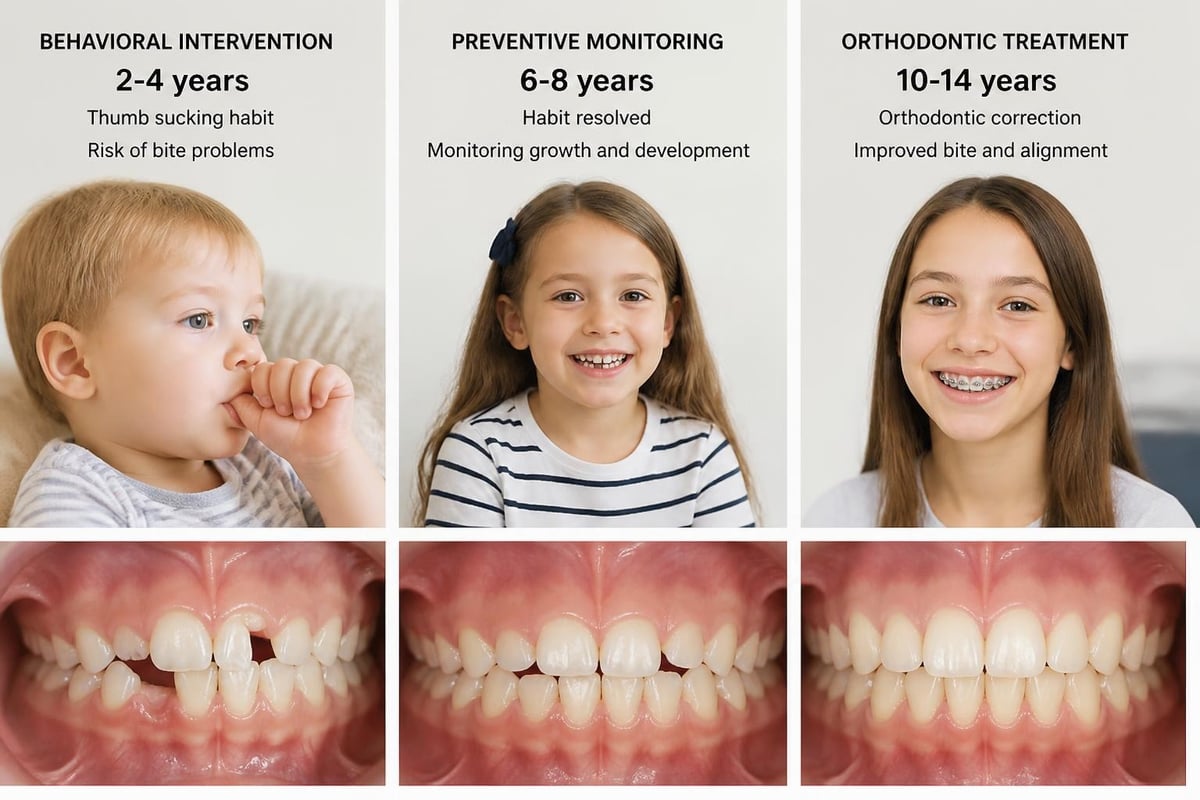
Most children naturally discontinue thumb sucking between ages two and four as they develop other coping mechanisms and social awareness. The majority of pediatric dentists agree that thumb sucking before age three rarely causes permanent dental problems because primary teeth are still developing and the jaw is highly malleable.
The Critical Age Window
The timing of when a child stops thumb sucking plays the most significant role in determining whether permanent damage occurs. Research published by the American Academy of Pediatric Dentistry indicates that habits continuing beyond age four to six carry increased risk for dental complications as permanent teeth begin to erupt.
Between ages four and six, the dental arches are developing their permanent shape, and consistent pressure from thumb sucking can redirect tooth eruption patterns and alter jaw growth. Understanding this timeline helps parents know when observation transitions into active intervention.

Does Thumb Sucking Damage Children Teeth: The Clinical Evidence
The short answer is that thumb sucking can damage children’s teeth, but the extent depends on several key factors. Not all thumb sucking produces the same effects, and understanding the nuances helps parents make informed decisions.
Intensity, Frequency, and Duration
Three primary factors determine whether does thumb sucking damage children teeth in ways that require orthodontic correction:
Intensity refers to how vigorously the child sucks. Passive thumb resting in the mouth causes minimal pressure, while active, forceful sucking creates significant force against developing teeth and palate structures. Children who suck with enough force to create a popping sound when removing the thumb exert considerable pressure on oral structures.
Frequency measures how often the habit occurs throughout the day. Occasional thumb sucking during naptime differs dramatically from constant sucking throughout waking hours. Children who suck their thumbs only when falling asleep typically cause less dental disruption than those who maintain the habit during active play and daily activities.
Duration encompasses both how many hours per day the child sucks and how many years the habit continues. A clinical overview of nonnutritive sucking demonstrates that prolonged habits extending past age five significantly increase the likelihood of malocclusion requiring treatment.
Specific Dental Changes from Thumb Sucking
When parents ask does thumb sucking damage children teeth, they need to understand the specific orthodontic problems that can develop:
| Dental Issue | Description | Severity |
|---|---|---|
| Anterior Open Bite | Front teeth don’t touch when back teeth are closed | Moderate to Severe |
| Increased Overjet | Top front teeth protrude forward (“buck teeth”) | Moderate |
| Posterior Crossbite | Upper back teeth sit inside lower teeth | Moderate |
| Narrow Upper Arch | Roof of mouth becomes high and narrow | Mild to Moderate |
| Speech Issues | Difficulty with certain sounds (s, z, th) | Variable |
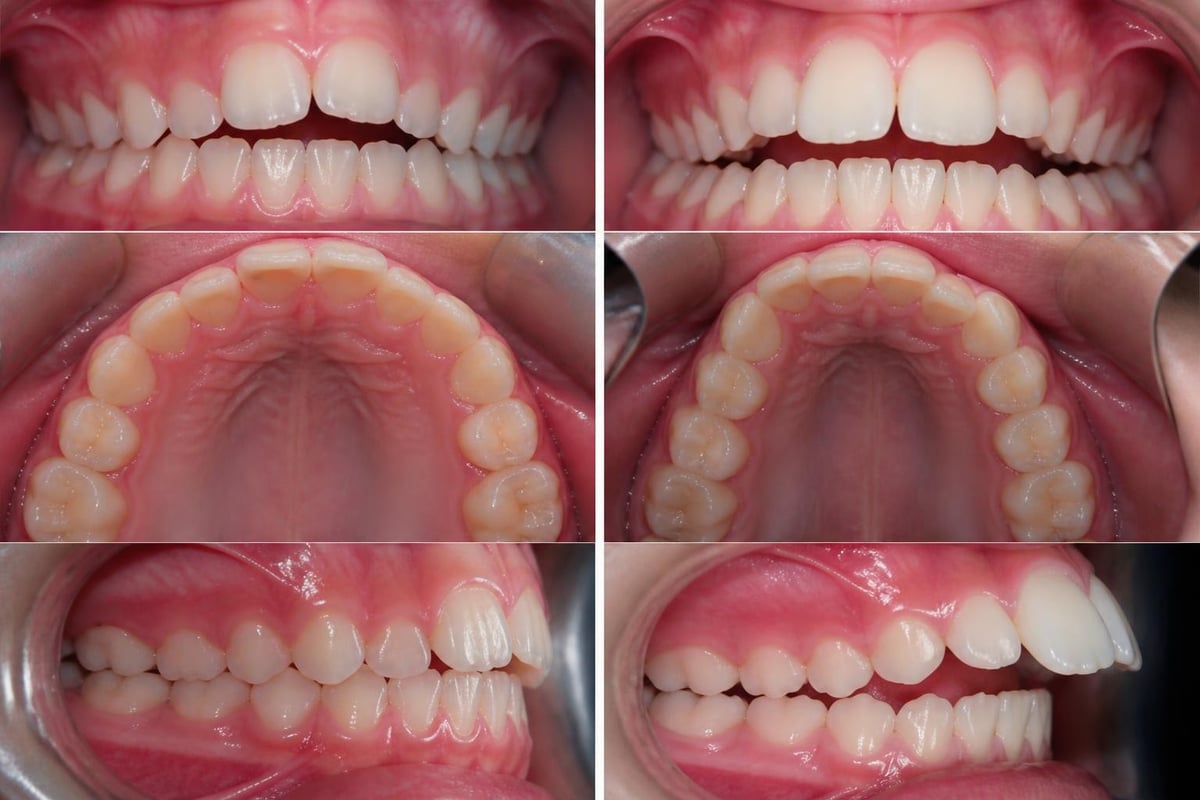
The anterior open bite represents the most common complication, occurring when the thumb creates a gap between upper and lower front teeth. This space prevents proper bite alignment and can interfere with biting and chewing functions. According to a systematic review on malocclusions, children who continue thumb sucking past age four show significantly higher rates of anterior open bite and increased overjet compared to peers who stopped earlier.
Reversibility of Dental Changes
One encouraging aspect is that many dental changes reverse naturally if the habit stops early enough. Children who discontinue thumb sucking before permanent incisors fully erupt often experience spontaneous correction as normal growth patterns resume.
The primary teeth have remarkable adaptability, and the surrounding bone and soft tissues can remodel when abnormal forces are removed. However, once permanent teeth have erupted into abnormal positions and jaw growth has been significantly altered, orthodontic intervention becomes more likely.
Parents should schedule a consultation at our pediatric dentistry services if thumb sucking continues beyond age four to assess whether early intervention is warranted.
Recognizing When Thumb Sucking Becomes Problematic
Not every child who sucks their thumb will require dental treatment, but certain warning signs indicate that the habit is affecting oral development and may require professional guidance.
Observable Signs in Your Child’s Mouth
Parents can watch for these physical indicators:
- Visible gap between upper and lower front teeth when the child bites down
- Protruding upper teeth that angle forward more than surrounding teeth
- Calluses or skin changes on the thumb from constant moisture and pressure
- Roof of mouth changes including a narrow or high palatal vault
- Difficulty biting through foods like sandwiches or pizza
Regular dental check-ups allow pediatric dentists to measure these changes objectively and track progression over time. The trained eye can detect subtle shifts in tooth position and jaw development that parents might miss during daily observation.
Social and Functional Concerns
Beyond dental structure, prolonged thumb sucking can create additional challenges:
Speech development may be affected as the tongue adapts to the presence of the thumb, potentially causing lisps or difficulty articulating certain consonants. Speech therapists often work alongside dentists when thumb sucking interferes with clear communication.
Social embarrassment becomes more common as children enter school settings where peers may tease them about the habit. This social pressure sometimes motivates older children to stop, but it can also create anxiety that reinforces the soothing behavior.
Skin infections can develop on the thumb from constant exposure to saliva, creating painful cracks and potential bacterial or fungal infections that require medical treatment.
Evidence-Based Strategies to Stop Thumb Sucking
When families determine that intervention is necessary, multiple approaches exist with varying levels of effectiveness. The NHS guidance on thumb sucking emphasizes that successful strategies respect the child’s developmental stage and avoid punishment-based methods.
Positive Reinforcement Approaches
Behavioral strategies work best when they focus on rewarding desired behavior rather than punishing the habit:
- Sticker charts and reward systems where children earn privileges for thumb-free periods
- Positive verbal praise when you notice the child keeping their thumb out of their mouth
- Identifying triggers such as tiredness or anxiety and addressing underlying needs
- Age-appropriate explanations about how stopping helps their smile grow properly
- Celebrating milestones with special recognition for thumb-free days or weeks
Research compiled in a systematic review of interventions shows that positive behavioral approaches produce the best long-term success rates with minimal emotional distress for the child.
Reminder-Based Methods
Sometimes children want to stop but need physical reminders during unconscious moments:
- Bandages or adhesive strips on the thumb create texture changes that wake the child
- Bitter-tasting nail polish (FDA-approved for children) makes thumb sucking unpleasant
- Long-sleeved pajamas or specialized thumb guards prevent nighttime sucking
- Gloves or mittens during sleep transition periods
These methods work best when the child participates in selecting the approach and understands the goal. Forcing these solutions without the child’s cooperation typically leads to resistance and power struggles.
Professional Dental Appliances
When behavioral methods prove insufficient and significant dental changes are occurring, pediatric dentists can provide specialized appliances:
Palatal cribs or bars are custom-fitted devices that attach to upper molars and create a physical barrier preventing the thumb from resting against the palate. These appliances are typically used for children over age five when permanent teeth are emerging and habit cessation becomes urgent.
Removable appliances offer similar function but allow parents to control when the device is worn, often starting with nighttime use only and progressing to full-time wear.
At Dental Plus Clinic locations throughout Texas, our pediatric specialists carefully evaluate whether appliance therapy is appropriate based on the child’s age, dental development stage, and emotional readiness for intervention.
The Role of Professional Dental Monitoring
Regular dental visits play a crucial role in managing thumb sucking concerns and determining whether does thumb sucking damage children teeth to a degree requiring intervention.
What Pediatric Dentists Assess
During routine examinations, pediatric dentists evaluate multiple factors:
- Overjet measurement to quantify how far forward upper teeth protrude
- Overbite depth showing vertical overlap of front teeth
- Bite alignment checking whether teeth meet properly throughout the arch
- Palatal width measuring whether the upper jaw is developing normally
- Tooth eruption patterns ensuring permanent teeth are emerging correctly
- Soft tissue health examining the thumb for skin damage or infection
Documentation of these measurements over time reveals whether problems are worsening, stabilizing, or improving as growth continues. This objective data helps families make informed decisions about when to pursue active intervention.
Timing Recommendations for Intervention
Professional guidelines from the American Academy of Pediatric Dentistry suggest the following timeline:
| Age Range | Recommended Action | Rationale |
|---|---|---|
| 0-2 years | Observation only | Normal developmental behavior |
| 2-4 years | Gentle discouragement | Ideal window to stop before damage occurs |
| 4-5 years | Active behavioral intervention | Permanent teeth preparing to erupt |
| 5-6 years | Consider appliance therapy | Significant risk of permanent changes |
| 6+ years | Comprehensive evaluation | May require orthodontic correction |
These recommendations balance the natural course of childhood development with the realities of permanent tooth eruption and jaw growth patterns.
Creating a Customized Plan
Every child presents unique circumstances that influence the appropriate strategy. Factors including family dynamics, the child’s temperament, existing dental development, and the intensity of the habit all shape the recommended approach.
Our team works with families to develop realistic, achievable goals that respect the child’s emotional needs while protecting their dental health. For families seeking expert guidance, our pediatric dentistry specialists provide comprehensive evaluations and support throughout the process.
Long-Term Orthodontic Implications
Understanding whether does thumb sucking damage children teeth requires considering the potential long-term consequences if the habit continues unchecked through the permanent dentition phase.
Orthodontic Treatment Needs
Children who develop significant malocclusions from prolonged thumb sucking often require orthodontic correction during adolescence. The specific treatments depend on the nature and severity of dental changes:
Traditional braces can reposition teeth that have erupted into abnormal angles or positions, closing gaps created by thumb pressure and aligning the bite properly. Treatment typically lasts 18 to 24 months for moderate cases.
Clear aligner therapy offers an aesthetic alternative for teenagers who qualify based on the complexity of their malocclusion. Our clear aligners provide effective correction for many thumb-sucking-related orthodontic issues, and you can review clear aligner before and after results to understand potential outcomes.
Palatal expansion devices specifically address the narrow upper arch common in thumb suckers, gradually widening the palate to create proper tooth alignment and improve nasal breathing.
For patients wondering can clear aligners fix an overbite, the answer depends on the severity and whether skeletal jaw discrepancies exist alongside dental misalignment.
Financial Considerations
Orthodontic treatment represents a significant investment, with comprehensive cases ranging from several thousand dollars to over eight thousand depending on complexity and duration.
Many families explore dental insurance plans in Texas that include orthodontic benefits, though coverage limits and age restrictions apply. Understanding these financial aspects helps parents weigh the importance of early thumb sucking intervention against potential future orthodontic costs.
Prevention through habit cessation remains far more cost-effective than correction through orthodontic treatment, providing additional motivation for addressing thumb sucking before permanent dental changes occur.
Addressing Common Parental Concerns and Questions
Families frequently express specific worries when learning that does thumb sucking damage children teeth under certain circumstances.
“My child only sucks at night. Is this still a problem?”
Nighttime-only thumb sucking presents less risk than constant daytime habits, but duration matters significantly. A child who sucks intensely for eight hours every night still applies substantial pressure to developing teeth and jaw structures.
The key difference is that children who limit sucking to sleep periods often find it easier to stop completely once they decide to break the habit, as the behavior is restricted to unconscious moments rather than being integrated throughout daily activities.
“Will my child’s teeth straighten on their own if we stop the habit?”
Spontaneous correction frequently occurs in younger children, particularly those under age five when primary teeth still dominate the dental arch. The younger the child when habit cessation occurs, the greater the likelihood of natural realignment.
However, once permanent incisors have fully erupted into malpositioned locations, self-correction becomes less probable. The bone surrounding permanent teeth is denser and less responsive to growth redirection than the bone around primary teeth.
“Is thumb sucking worse than pacifier use?”
Both habits can affect dental development, but they present different advantages and challenges. Pacifiers can be removed and discarded when parents decide to stop the habit, while thumbs remain permanently accessible.
However, some research suggests that pacifier use may create slightly different pressure patterns than thumb sucking. The MouthHealthy resource from the American Dental Association provides detailed comparisons of these nonnutritive sucking habits.
The intensity and duration of either habit matter more than the specific object being sucked, so families should focus on cessation timing rather than debating which habit is preferable.
“My dentist recommended waiting. Should I get a second opinion?”
Different dental professionals may offer varying recommendations based on their assessment of risk factors and the child’s specific situation. Some dentists prefer watchful waiting while others advocate earlier intervention.
Seeking a second opinion is always appropriate when parents feel uncertain about recommendations, particularly for decisions involving dental appliances or extensive behavioral programs. Our dental team welcomes families seeking comprehensive evaluations and encourages informed decision-making.
The Connection Between Overall Health and Thumb Sucking
Beyond dental structure, prolonged thumb sucking can affect other aspects of child health and development.
Speech and Language Development
The physical presence of the thumb in the mouth affects tongue positioning and can create compensatory speech patterns. Children may develop frontal lisps where the tongue pushes forward during “s” and “z” sounds, or they may struggle with other consonants requiring precise tongue-to-palate contact.
Speech therapy often proves most effective when combined with thumb sucking cessation, as correcting articulation patterns while the habit continues simply teaches the child to compensate around an ongoing obstacle.
Infection and Hygiene Issues
Constant moisture on the thumb creates an environment favorable for bacterial and fungal growth. Children may develop paronychia (infection around the nail), fungal infections, or persistent cracks in the skin that are painful and slow to heal.
These secondary health issues sometimes provide the motivation children need to stop the habit, as the physical discomfort outweighs the emotional comfort the behavior provides.
Psychological and Emotional Factors
Thumb sucking serves as a coping mechanism, so families should consider whether underlying anxiety, stress, or emotional needs drive the behavior. Children experiencing major life changes such as new siblings, school transitions, or family stress may intensify thumb sucking as their primary self-regulation tool.
Addressing these root causes through age-appropriate emotional support, consistent routines, and alternative coping strategies often proves more effective than focusing solely on stopping the physical habit.
Preventive Strategies for Younger Children
Parents of infants and toddlers can implement early strategies that may prevent thumb sucking from becoming an entrenched habit requiring later intervention.
Early Alternatives and Redirections
- Offer comfort objects like soft blankets or stuffed animals during stressful moments
- Provide alternative oral stimulation through age-appropriate teething toys
- Increase physical comfort through additional holding, rocking, or gentle touch
- Establish consistent sleep routines that provide security without relying on thumb sucking
- Distract during typical sucking times with engaging activities that occupy hands
Limiting Pacifier Dependency
For families using pacifiers, gradually reducing dependency before age two helps prevent the transition from pacifier to thumb when the object is removed. Strategic pacifier weaning eliminates one nonnutritive sucking habit before it can be replaced with another.
Positive Sleep Associations
Creating strong sleep associations that don’t involve thumb sucking helps children develop independent settling skills. White noise machines, consistent bedtime routines, and age-appropriate comfort items can all provide security without oral habits.
Frequently Asked Questions
At what age does thumb sucking become a concern?
Thumb sucking typically becomes concerning around age four when permanent teeth begin preparing to erupt. Before this age, the behavior is developmentally normal and rarely causes permanent damage. However, if the habit continues beyond age five or six, the risk of orthodontic problems increases significantly.
Can thumb sucking cause permanent damage to baby teeth?
While thumb sucking can shift primary teeth, these changes often reverse once the habit stops because baby teeth are more mobile. The greater concern is the effect on jaw development and the eruption pattern of permanent teeth, which can create lasting orthodontic issues requiring professional correction.
How quickly do teeth straighten after stopping thumb sucking?
For younger children (under age five), noticeable improvement often occurs within three to six months of habit cessation as normal growth patterns resume. Older children with permanent teeth may not experience spontaneous correction and could require orthodontic intervention regardless of when the habit stops.
What is the most effective method to stop thumb sucking?
The most effective approach combines positive reinforcement with the child’s genuine desire to stop. Reward systems, gentle reminders, and addressing underlying emotional needs typically work better than punishment or bitter-tasting deterrents. For persistent habits, dental appliances may be necessary, but behavioral methods should be attempted first.
Should I be concerned if my five-year-old only sucks during sleep?
Yes, nighttime thumb sucking still applies pressure to developing teeth for extended periods. While it may be easier to address than all-day sucking, intervention is still recommended at age five to prevent permanent dental changes as adult teeth erupt.
Does thumb sucking affect more than just front teeth?
Prolonged thumb sucking affects multiple aspects of dental development including the width of the upper jaw, the position of back teeth (potentially causing posterior crossbite), and the overall bite relationship. The effects extend beyond the obvious front tooth changes visible to parents.
Will my dental insurance cover orthodontic treatment needed from thumb sucking?
Coverage varies significantly by plan. Many dental insurance policies include orthodontic benefits with lifetime maximums, but some exclude coverage for habits-related malocclusion. Review your specific policy or explore dental insurance options to understand your coverage.
Can a four-year-old understand why they need to stop thumb sucking?
Yes, most four-year-olds can comprehend age-appropriate explanations about how their teeth grow and why the thumb interferes with this process. Using simple language and positive framing helps children understand the goal without creating anxiety about their current behavior.
Special Considerations for Texas Families
Families throughout Texas face unique considerations when addressing thumb sucking and pediatric dental care.
Access to Pediatric Dental Specialists
Texas families benefit from strong access to pediatric dental care in major metropolitan areas, though rural communities may face longer travel distances for specialized services. Dental Plus Clinic’s five locations across Beeville, Seguin, New Braunfels, Leander, and Converse provide comprehensive pediatric dental care throughout central and south Texas, making expert evaluation accessible to more families.
Climate and Seasonal Factors
Texas heat can intensify skin problems on the thumb from constant moisture, as sweat and saliva combine during outdoor activities. Families may notice increased skin breakdown during summer months, providing natural timing for habit intervention when physical discomfort peaks.
Insurance Landscape in Texas
Texas offers diverse dental insurance options through employer plans, marketplace coverage, and Medicaid/CHIP programs for qualifying families. Understanding dental insurance coverage helps families plan for both preventive care and potential orthodontic needs.
The state’s emphasis on preventive pediatric dental care through public health programs means most Texas children have access to regular dental examinations where thumb sucking concerns can be identified and addressed early.
Creating a Supportive Home Environment
Success in stopping thumb sucking requires family commitment and environmental modifications that support the child’s efforts.
Communication Strategies Within the Family
- Avoid shame or punishment which typically reinforces the behavior as a stress response
- Celebrate progress rather than focusing on setbacks or failures
- Involve the child in selecting strategies and setting achievable goals
- Maintain consistency across all caregivers including grandparents and daycare providers
- Provide alternative comfort through increased physical affection and reassurance
Stress Reduction Techniques
Teaching children age-appropriate stress management skills provides alternatives to thumb sucking:
- Deep breathing exercises using simple techniques like “smell the flower, blow out the candle”
- Progressive muscle relaxation adapted for young children
- Physical activity to release tension and anxiety
- Creative expression through art, music, or imaginative play
- Consistent routines that provide predictability and security
Monitoring Without Obsessing
While parents need to track progress, constantly reminding children about thumb sucking can create power struggles and increase stress-related sucking. Finding the balance between supportive monitoring and allowing the child space to practice new behaviors requires patience and flexibility.
The Science Behind Dental Development and Pressure
Understanding the biological mechanisms helps parents appreciate why does thumb sucking damage children teeth under certain circumstances.
How Constant Pressure Shapes Growing Bones
The developing maxilla (upper jaw) and mandible (lower jaw) respond to applied forces throughout childhood. Bone is living tissue that constantly remodels based on the pressures it experiences, a principle known as Wolff’s Law in orthopedics.
When a thumb applies consistent inward and downward pressure against the palate and front teeth, the bone gradually adapts to accommodate this force. The upper arch narrows, the palate rises, and front teeth tip outward or fail to erupt properly as the path of least resistance follows the thumb’s influence rather than normal growth patterns.
The Critical Period of Permanent Tooth Eruption
Between ages six and eight, the permanent front teeth erupt and establish their positions. This represents a critical window where abnormal forces have maximum impact on final tooth position. Once these teeth fully erupt and the surrounding bone matures, correction requires orthodontic intervention rather than simple habit cessation.
Understanding this biological timeline explains why dental professionals emphasize stopping thumb sucking before this eruption window.
Individual Variation in Susceptibility
Not every child who sucks their thumb develops significant dental problems, and genetic factors influence susceptibility. Children with naturally strong jaw structures, favorable growth patterns, or less intensive sucking habits may escape major consequences.
However, parents cannot predict which children will be resilient and which will develop severe malocclusions, making prevention through habit cessation the most prudent approach for all children approaching age four.
Moving Forward with Confidence
Addressing thumb sucking concerns requires balancing multiple factors including the child’s age, the intensity of the habit, existing dental changes, and the family’s readiness to implement intervention strategies.
Parents should feel empowered to seek professional guidance when questions arise, knowing that early evaluation provides the best opportunity for preventing significant dental problems. The question of does thumb sucking damage children teeth has been answered through decades of clinical research and experience, and modern pediatric dentistry offers multiple solutions tailored to each child’s unique needs.
Remember that most children successfully stop thumb sucking with appropriate support, and even when dental changes occur, effective orthodontic treatments can restore proper alignment and function. The key is timely recognition, professional monitoring, and evidence-based intervention when necessary.
Thumb sucking is a common childhood habit that requires careful monitoring and, in some cases, professional intervention to protect your child’s developing smile. While the behavior is normal in younger children, understanding when it transitions from harmless comfort to potential dental damage helps families make proactive decisions. If you have concerns about your child’s thumb sucking habit or want to schedule a comprehensive pediatric dental evaluation, Dental Plus Clinic offers expert care across five convenient Texas locations with specialists dedicated to your child’s long-term oral health and confident smile.