
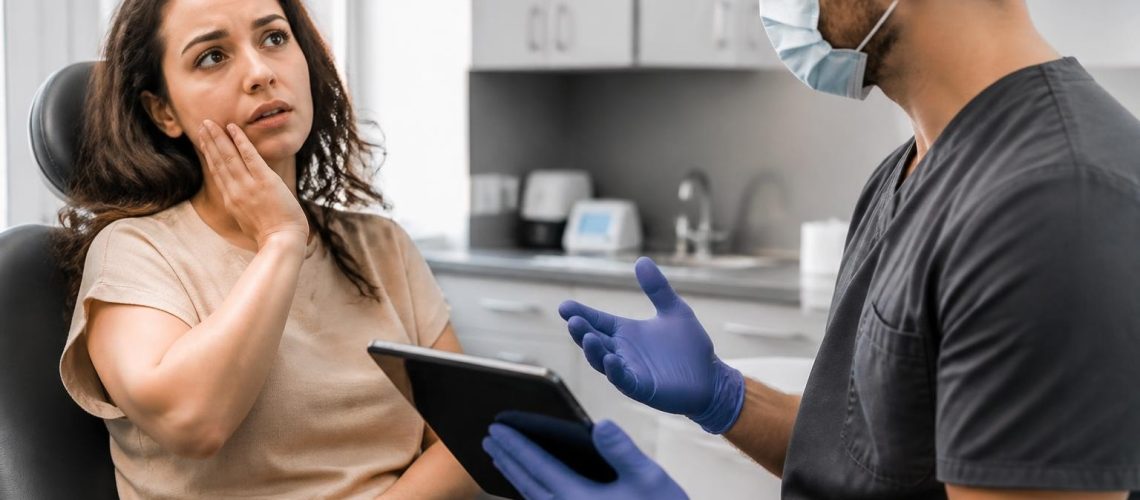
Dental emergencies never happen at convenient times. Whether it's a sudden toothache that wakes you at 2 a.m., a knocked-out tooth during a weekend soccer game, or a broken crown on a holiday, knowing where to turn for immediate care can mean the difference between saving and losing a tooth. For Beeville residents, having access to a reliable emergency dentist in Beeville is essential for protecting oral health when unexpected dental trauma or severe pain strikes. Understanding what qualifies as a dental emergency, how to respond in the critical first moments, and where to find trustworthy emergency dental services will empower you to act quickly and confidently when every minute counts.
What Qualifies as a Dental Emergency
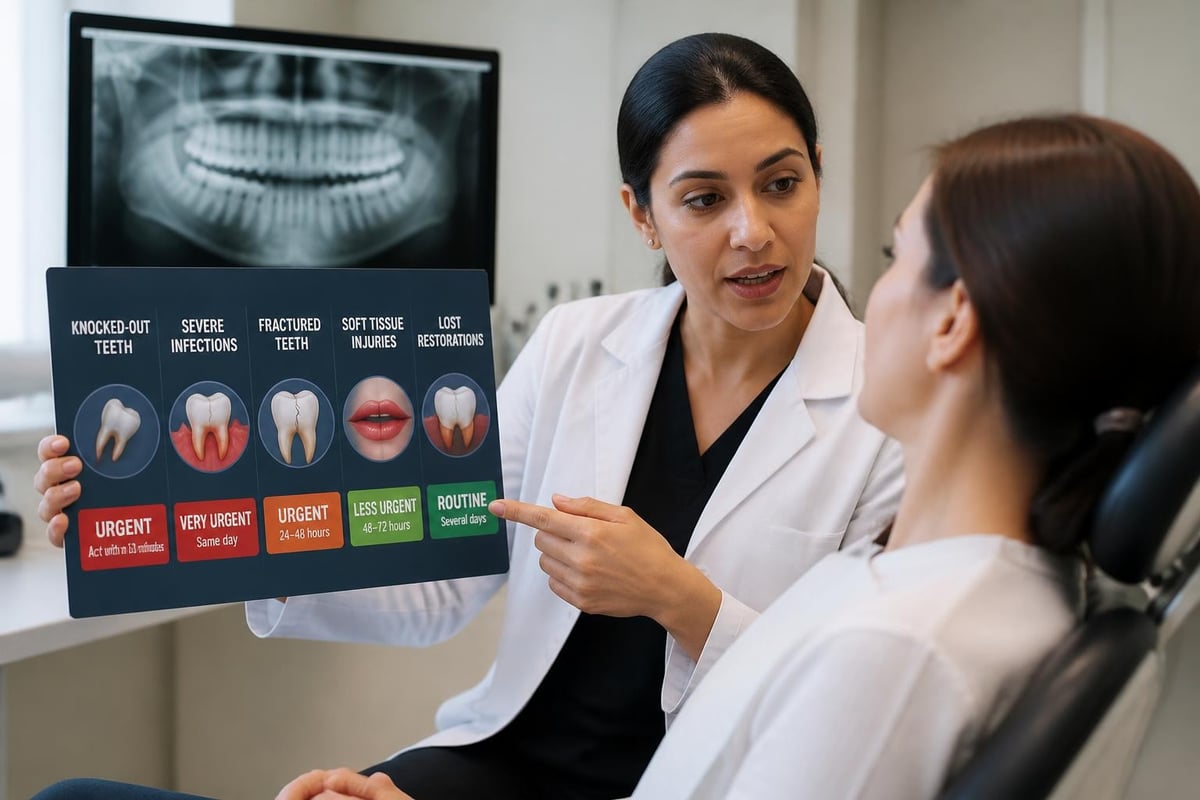
Not every dental issue requires immediate after-hours attention. A dental emergency typically involves severe pain, bleeding that won't stop, trauma to the teeth or jaw, or situations where delaying treatment could result in permanent damage or tooth loss.
Situations That Require Immediate Emergency Dental Care
Knocked-out (avulsed) tooth represents one of the most time-sensitive dental emergencies. When a permanent tooth is completely knocked out, you have approximately 30 to 60 minutes to maximize the chances of successful reimplantation. The International Association of Dental Traumatology provides evidence-based guidelines for managing these critical situations. Handle the tooth only by the crown (the white part you normally see), gently rinse it without scrubbing, and if possible, place it back in the socket immediately. If that's not possible, store it in milk, saliva, or a tooth preservation solution until you reach an emergency dentist in Beeville.
Severe, uncontrollable toothache that doesn't respond to over-the-counter pain medication often signals an abscess or advanced infection. These situations warrant emergency attention because infections can spread rapidly to surrounding tissues and even become life-threatening if left untreated.
- Broken or fractured tooth with sharp edges cutting the mouth
- Significant bleeding from gums or soft tissue that persists beyond 10 minutes
- Swelling in the face, jaw, or neck (particularly if accompanied by difficulty breathing or swallowing)
- Partially dislodged tooth that feels loose or has shifted position
- Lost filling or crown causing severe sensitivity or pain
- Broken jaw or suspected jaw fracture
Non-Emergency Dental Issues That Can Wait
Understanding what doesn't constitute an emergency helps you make informed decisions and reserve urgent care resources for truly critical situations. A minor toothache that responds to over-the-counter pain relievers, a small chip on a tooth with no pain, or food stuck between teeth typically can wait for a regular appointment.
| Emergency (See Immediately) | Urgent (See Within 24 Hours) | Can Wait (Schedule Regular Appointment) |
|---|---|---|
| Knocked-out permanent tooth | Cracked tooth with pain | Small chip without pain |
| Uncontrolled bleeding | Lost crown or filling | Dull toothache responding to OTC meds |
| Facial swelling affecting breathing | Severe sensitivity | Slightly loose dental work |
| Abscess with fever | Broken orthodontic wire | Food trapped between teeth |
If you're unsure whether your situation requires emergency care, calling an emergency dentist in Beeville can provide professional guidance on whether to come in immediately or schedule a next-day appointment.
Immediate Steps to Take During a Dental Emergency
The actions you take in the first minutes after a dental emergency can significantly impact the outcome. Staying calm and following proper first-aid protocols increases the likelihood of saving damaged teeth and minimizing complications.
For a Knocked-Out Tooth
Time is absolutely critical when dealing with tooth avulsion. According to evidence-based dental trauma management protocols, every minute the tooth remains outside the socket decreases the chance of successful reimplantation.
- Locate the tooth immediately and pick it up by the crown only, avoiding any contact with the root surface
- Rinse gently if the tooth is dirty, using milk or saline solution if available (tap water is acceptable if nothing else is available)
- Attempt reimplantation by gently placing the tooth back in the socket if the patient is conscious and cooperative
- Store properly if reimplantation isn't possible: milk is the best storage medium, followed by the patient's own saliva (have them hold it in their cheek), or a commercial tooth preservation product
- Seek care within 30 minutes for the best prognosis
Do not scrub the tooth, do not let it dry out, and avoid touching the root. These actions can damage the delicate periodontal ligament cells that are essential for reattachment.
For Severe Toothache or Abscess
Dental pain can range from minor discomfort to debilitating agony. When pain becomes severe or is accompanied by swelling, fever, or a foul taste in your mouth, you may be dealing with an abscess that requires immediate attention from an emergency dentist in Beeville.
Immediate pain management steps:
- Rinse your mouth with warm salt water (one teaspoon of salt in eight ounces of water)
- Use dental floss to carefully remove any trapped food particles
- Take over-the-counter pain relievers as directed on the package
- Apply a cold compress to the outside of your cheek for 15-minute intervals
- Keep your head elevated, even when sleeping, to reduce pressure and throbbing
Never apply aspirin or any painkiller directly to the gums or tooth, as this can cause chemical burns to soft tissue. The American Dental Association’s guidance on acute dental pain management emphasizes appropriate use of analgesics and the importance of addressing the underlying cause through professional treatment.
For Broken or Chipped Teeth
A fractured tooth requires different approaches depending on the severity of the break. Minor chips may wait for a regular appointment, but fractures that expose the inner pulp or cause significant pain need emergency attention.
- Save any tooth fragments you can find
- Rinse your mouth with warm water
- Apply gauze to any bleeding areas for 10 minutes or until bleeding stops
- Use a cold compress on the face to reduce swelling
- Cover sharp edges with dental wax or sugarless gum if available to protect your tongue and cheeks
- Avoid chewing on the affected side
If you're experiencing tooth sensitivity or pain following the fracture, this indicates nerve exposure and requires prompt professional care.
Why Quick Response Matters in Dental Emergencies
The window for optimal treatment outcomes in dental emergencies is often surprisingly narrow. Understanding the biological and practical reasons for seeking immediate care motivates appropriate action when emergencies occur.
The Biology of Tooth Survival
When a tooth is knocked out, the periodontal ligament cells that attach the tooth to the bone remain viable for only a limited time. These cells begin dying within 15 minutes if the tooth becomes dry, and survival rates drop significantly after one hour outside the socket. An emergency dentist in Beeville who can assess and replant the tooth within this critical window offers the best chance of long-term tooth survival.
Similarly, dental infections don't remain localized indefinitely. Bacteria can spread from an abscessed tooth to surrounding bone, soft tissues, and even into the bloodstream. In rare but serious cases, untreated dental infections have led to life-threatening conditions including Ludwig's angina (a rapidly spreading infection of the floor of the mouth) and brain abscesses. First-aid resources from MedlinePlus emphasize the importance of recognizing signs of spreading infection and seeking immediate medical attention.
Preserving Function and Aesthetics
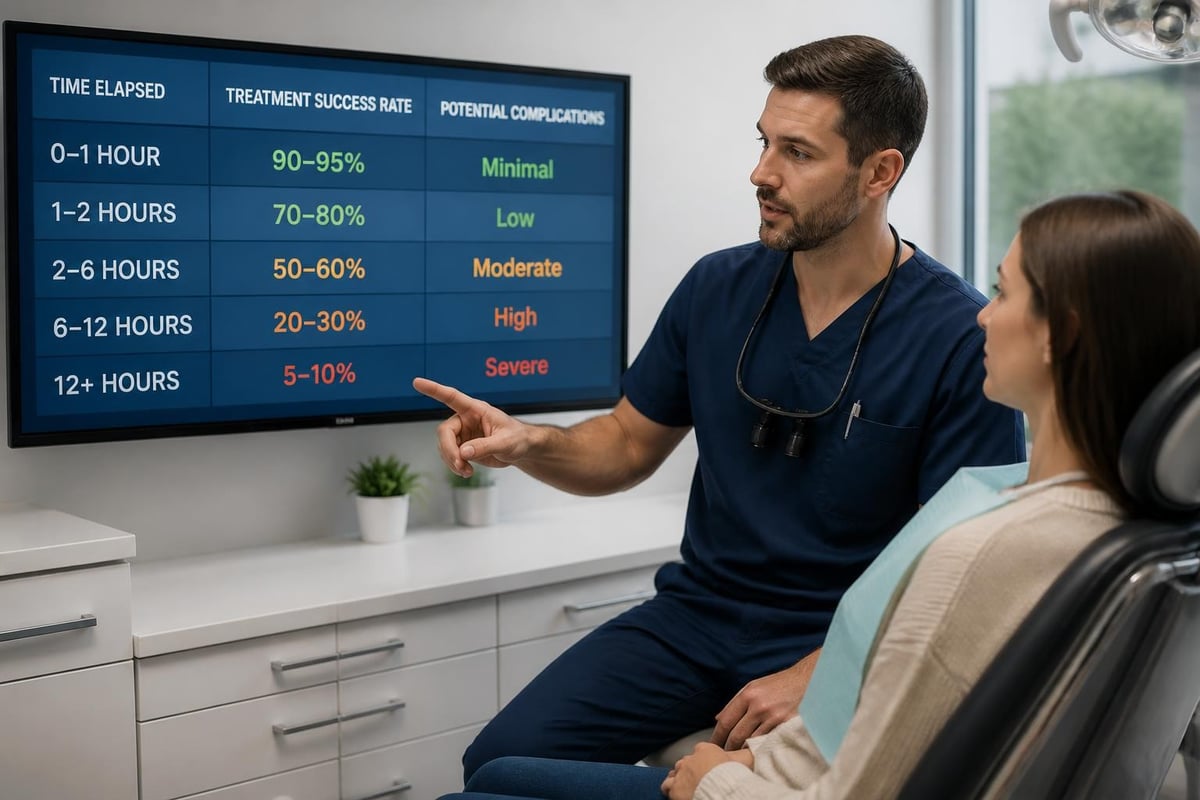
Beyond immediate health concerns, timely emergency dental care preserves the function and appearance of your smile. A promptly treated fractured tooth may require only a simple bonding procedure, while delayed care might necessitate a crown, root canal, or even extraction and replacement. The financial and functional implications of delayed treatment can be substantial.
Consequences of delayed emergency dental care:
- Increased risk of permanent tooth loss
- More extensive and expensive treatment requirements
- Development of chronic pain or infection
- Damage to adjacent teeth
- Bite misalignment if teeth shift into gaps
- Impact on speech and eating ability
- Aesthetic concerns affecting confidence and social interactions
For families with children, quick response is especially important. Pediatric dental emergencies involving primary (baby) teeth can affect the development of permanent teeth if not properly managed. Understanding how to protect your child’s oral health includes knowing how to respond to dental trauma.
Finding Emergency Dental Care in Beeville
When a dental emergency strikes, knowing where to go eliminates valuable time spent searching for care. Beeville residents have several options for accessing emergency dental services, each with different availability and capabilities.
Dental Plus Clinic Emergency Services
Dental Plus Clinic provides comprehensive emergency dental care for patients throughout Beeville and surrounding communities. Our approach to emergency dentistry prioritizes rapid pain relief, preservation of natural teeth whenever possible, and clear communication about treatment options and costs.
What sets our emergency care apart:
- Same-day appointments for urgent situations
- Advanced diagnostic technology including digital X-rays for immediate assessment
- Comprehensive pain management protocols
- Treatment of all age groups, from children to seniors
- Transparent pricing and multiple payment options
- Coordination with your regular dental care plan for follow-up treatment
Our team understands that dental emergencies create stress and anxiety. We've designed our emergency protocols to minimize wait times, maximize comfort, and deliver effective solutions that address both immediate symptoms and underlying causes.
After-Hours Emergency Protocols
Dental emergencies don't respect business hours. The American Dental Association provides guidance on how dental practices should handle after-hours emergencies, including providing patients with access to on-call dentists or referral protocols.
If you experience a dental emergency outside regular business hours, contact Dental Plus Clinic's emergency line. Our answering service will connect you with on-call dental professionals who can provide guidance and, when necessary, arrange for immediate care.
For situations involving significant trauma, uncontrolled bleeding, or symptoms suggesting a spreading infection (difficulty breathing or swallowing, rapidly increasing swelling), proceed directly to the nearest hospital emergency room. While hospital emergency departments may not be able to perform definitive dental procedures, they can stabilize serious conditions, manage severe pain, and prescribe antibiotics for infections.
Navigating Insurance and Payment for Emergency Care
Financial concerns shouldn't prevent you from seeking necessary emergency dental treatment. Most dental insurance plans provide some coverage for emergency services, though the specifics vary by plan. Emergency treatments typically covered include extractions, treatment of infections, and repair of damaged teeth.
Understanding whether dental insurance covers specific procedures helps you anticipate costs and make informed decisions. Dental Plus Clinic works with most major insurance providers and will help verify your coverage before beginning treatment whenever possible.
For patients without insurance or those facing coverage limitations, we offer:
- Flexible payment plans for emergency and follow-up care
- Transparent pricing estimates before treatment begins
- Assistance with financing options for necessary procedures
- Strategies to reduce dental care costs without compromising quality
Common Emergency Dental Procedures and Treatments
Understanding what to expect during emergency dental treatment reduces anxiety and helps you make informed decisions about your care. An emergency dentist in Beeville has various treatment options depending on the nature and severity of your dental emergency.
Emergency Root Canal Therapy
When dental pulp (the soft tissue inside your tooth containing nerves and blood vessels) becomes infected or inflamed due to deep decay, cracks, or trauma, the resulting pain can be excruciating. Emergency root canal therapy removes the infected tissue, eliminates pain, and saves the tooth from extraction.
The emergency root canal process:
- Local anesthesia ensures complete numbness and comfort
- The dentist creates a small access opening in the tooth
- Infected or damaged pulp tissue is carefully removed
- The interior of the tooth is cleaned, disinfected, and shaped
- The space is filled with a biocompatible material called gutta-percha
- A temporary or permanent filling seals the access opening
- A crown is typically placed in a follow-up appointment to protect the treated tooth
Modern root canal therapy is no more uncomfortable than receiving a standard filling. The procedure eliminates the source of severe pain, and most patients report immediate relief following treatment.
Emergency Tooth Extraction
While preserving natural teeth is always the primary goal, some situations necessitate emergency extraction. Teeth too damaged to repair, severe infections that don't respond to other treatments, or impacted wisdom teeth causing acute symptoms may require immediate removal.
Emergency extractions are performed under local anesthesia, with sedation options available for anxious patients. Following extraction, your emergency dentist will discuss replacement options, including dental implants, bridges, or partial dentures. Learning about the latest dental implant technology can help you understand modern tooth replacement solutions.
Temporary and Permanent Crown Placement
Lost or broken crowns expose sensitive tooth structure and can cause significant discomfort. An emergency dentist in Beeville can often fabricate and place a temporary crown during your emergency visit, protecting the tooth until a permanent restoration can be created.
| Treatment Type | Timeframe | Purpose | Follow-up Required |
|---|---|---|---|
| Emergency examination | 15-30 minutes | Diagnose problem, create treatment plan | Yes |
| Pain management/antibiotics | Immediate | Control symptoms, prevent spread of infection | Yes |
| Temporary crown/filling | 30-60 minutes | Protect damaged tooth, restore function | Yes, for permanent restoration |
| Emergency root canal | 60-90 minutes | Save infected tooth, eliminate pain | Yes, for crown placement |
| Emergency extraction | 30-60 minutes | Remove unsalvageable tooth | Possibly, for replacement options |
Repair of Soft Tissue Injuries
Cuts, tears, or punctures to the gums, tongue, cheeks, or lips may accompany dental trauma or occur independently. These injuries can bleed profusely and may require sutures to heal properly. Emergency dental care includes assessment and treatment of oral soft tissue injuries, ensuring proper healing and minimizing scarring.
Preventing Common Dental Emergencies
While not all dental emergencies can be avoided, many result from preventable causes. Proactive measures significantly reduce your risk of experiencing urgent dental problems.
Protective Equipment for Sports and Recreation
Athletic activities account for a substantial percentage of dental injuries, particularly among children and young adults. Wearing properly fitted mouthguards during contact sports, skateboarding, cycling, and other high-risk activities provides crucial protection for teeth, lips, and jaw.
Types of mouthguards:
- Stock mouthguards: Pre-formed, ready-to-wear, least expensive but also least protective and comfortable
- Boil-and-bite mouthguards: Softened in hot water and molded to teeth, better fit than stock guards, moderate cost
- Custom-fitted mouthguards: Created from impressions of your teeth by a dentist, most comfortable and protective, highest cost
Custom-fitted mouthguards from your emergency dentist in Beeville offer superior protection and comfort compared to over-the-counter options. The investment in a quality mouthguard is minimal compared to the cost of treating dental trauma.
Regular Preventive Dental Care
Many dental emergencies stem from untreated decay or gum disease that progressively worsens until a crisis occurs. Consistent preventive care identifies and addresses problems while they're still minor and manageable.
Recommended preventive care schedule:
- Dental examinations and cleanings every six months for most patients
- More frequent visits (every 3-4 months) for patients with gum disease or high cavity risk
- Immediate attention to symptoms like sensitivity, pain, or bleeding gums
- Professional fluoride treatments for cavity prevention
- Dental sealants for children and at-risk adults
Understanding what general dentists provide during preventive visits helps you appreciate how routine care prevents emergencies. Regular check-ups catch small cavities before they become painful abscesses and identify structural weaknesses before teeth fracture.
Dietary and Lifestyle Habits

Certain habits increase your vulnerability to dental emergencies. Hard or sticky foods can break teeth or dislodge dental work. Using teeth as tools to open packages or crack nuts invites fractures. Chewing on ice, pencils, or other hard objects creates unnecessary stress on tooth enamel.
Habits that protect against dental emergencies:
- Avoid chewing ice, hard candies, or popcorn kernels
- Never use teeth to open bottles, tear packages, or hold objects
- Wear a nightguard if you grind or clench your teeth during sleep
- Maintain good oral hygiene to prevent decay-related emergencies
- Address dental problems promptly rather than delaying treatment
- Stay hydrated, as dry mouth increases cavity risk
Understanding how oral health affects overall body health motivates comprehensive preventive care that reduces emergency risk while supporting general wellness.
Special Considerations for Pediatric Dental Emergencies
Children experience dental emergencies at higher rates than adults due to their active lifestyles and developing coordination. Parents and caregivers need specific knowledge about managing pediatric dental trauma effectively.
Primary vs. Permanent Teeth
The approach to dental emergencies differs for primary (baby) teeth versus permanent teeth. While knocked-out primary teeth are typically not reimplanted (to avoid damaging developing permanent teeth underneath), they still require professional evaluation. An emergency dentist in Beeville will assess whether the trauma affected permanent tooth development and determine appropriate follow-up care.
Key differences in pediatric emergency treatment:
- Primary teeth that are knocked out completely are not typically replanted
- Fractured primary teeth may be smoothed or extracted depending on severity
- Permanent teeth that erupt early (around age 6-7) should be treated like adult teeth if knocked out
- Children may require different pain management approaches
- Anxiety management and behavior guidance are crucial components of pediatric emergency care
Preventing Childhood Dental Emergencies
Supervision during play, appropriate safety equipment, and childproofing homes reduce injury risk. Teaching children never to run with objects in their mouths, supervising them during sports activities, and ensuring car seats and bicycle helmets fit properly all contribute to dental injury prevention.
Regular pediatric dental visits help identify risk factors like tooth grinding or malocclusion that might increase vulnerability to dental trauma. Pediatric dentistry approaches help children develop positive relationships with dental care that serve them throughout life.
Questions to Ask Your Emergency Dentist
Being an informed patient helps you make better decisions about emergency dental care. Don't hesitate to ask questions, even in urgent situations. Reputable emergency dental providers welcome questions and provide clear, honest answers.
Before Treatment Begins
- What is the diagnosis, and what caused this problem?
- What are all available treatment options for my situation?
- What are the consequences of delaying treatment?
- What is the expected outcome of the recommended treatment?
- How long will the procedure take?
- What type of anesthesia or sedation will be used?
- What will the treatment cost, and what does my insurance cover?
About Post-Treatment Care
- What symptoms are normal after this procedure, and what should concern me?
- How should I manage pain or discomfort at home?
- Are there dietary restrictions following treatment?
- When should I schedule follow-up appointments?
- What are signs of complications that require immediate contact?
- How long is the recovery period before normal activities can resume?
Understanding what to expect after specific procedures and knowing when symptoms warrant concern prevents unnecessary anxiety while ensuring you recognize true complications.
Access to Emergency Dental Care in Rural Communities
Beeville, like many smaller Texas communities, faces unique challenges regarding healthcare access. HRSA data on health center services demonstrates that rural areas often have fewer dental providers per capita than urban centers, making emergency dental access particularly important.
Overcoming Geographic and Resource Barriers
Residents of rural areas surrounding Beeville may need to travel significant distances for emergency dental care. Establishing a relationship with a primary dental provider before emergencies occur ensures you know exactly where to go when urgent situations arise.
Dental Plus Clinic serves not only Beeville but also maintains locations throughout Texas, including facilities in Seguin, New Braunfels, Leander, and Converse. This network provides multiple access points for emergency care, reducing travel time and ensuring consistent quality of treatment across locations.
Strategies for rural residents:
- Identify your nearest emergency dentist in Beeville before problems occur
- Keep emergency contact information readily accessible
- Maintain current dental insurance or investigate payment options in advance
- Don't delay seeking care due to distance; dental emergencies worsen rapidly
- Ask about teledentistry options for initial assessment when immediate travel is difficult
Community Resources and Safety Nets
For patients facing financial barriers to emergency dental care, community resources may provide assistance. Dental Plus Clinic can help connect patients with relevant programs and works to ensure financial limitations don't prevent necessary emergency treatment.
Frequently Asked Questions
How much does emergency dental care typically cost in Beeville?
Emergency dental costs vary widely depending on the nature and severity of the problem. Simple emergency exams may range from $50-150, while more extensive treatments like emergency root canals or extractions can cost $500-2,000 or more. Dental Plus Clinic provides transparent cost estimates before beginning treatment and works with patients to create affordable payment solutions. Most dental insurance plans cover at least a portion of emergency care costs.
Can I go to a hospital emergency room for a dental emergency?
Hospital emergency rooms can address life-threatening aspects of dental emergencies, such as uncontrolled bleeding, severe infections, or jaw fractures. However, they typically cannot perform definitive dental procedures like root canals, extractions, or reimplantation of knocked-out teeth. For optimal outcomes, contact an emergency dentist in Beeville first. Visit a hospital ER only if you cannot reach dental care and have severe symptoms like difficulty breathing, uncontrolled bleeding, or rapidly spreading swelling.
What should I do if my tooth is partially knocked out but still attached?
Do not try to remove a partially dislodged tooth. Gently try to reposition it to its normal alignment using very light finger pressure, but don't force it. Bite down gently on gauze or a moistened tea bag to hold it in place, and seek emergency dental care immediately. The tooth may be splinted to adjacent teeth to allow reattachment of the periodontal ligament. The faster you receive professional care, the better the chance of saving the tooth.
How quickly does a tooth infection spread, and when does it become dangerous?
Tooth infections can spread at varying rates depending on individual immune system response and the virulence of bacteria involved. Some infections progress slowly over weeks, while others advance within days. Warning signs of spreading infection include fever, difficulty swallowing or breathing, swelling that extends beyond the immediate tooth area, and general illness. These symptoms indicate a potentially dangerous situation requiring immediate emergency care. Never ignore dental pain or swelling, assuming it will resolve on its own.
Will my regular dentist see me for emergencies, or do I need a specialist?
Many general dentists, including Dental Plus Clinic, provide emergency dental services for their patients and new patients experiencing urgent problems. You don't necessarily need a specialist for most dental emergencies. However, complex situations may require referral to an endodontist (root canal specialist), oral surgeon, or other specialist. An emergency dentist in Beeville will assess your situation and coordinate specialist referrals when necessary.
Can I prevent dental emergencies completely?
While you can't prevent all dental emergencies, you can significantly reduce your risk through protective measures, regular preventive care, and avoiding risky behaviors. Wearing mouthguards during sports, not using teeth as tools, maintaining good oral hygiene, and addressing dental problems promptly before they become emergencies all contribute to prevention. Regular dental check-ups identify weakened teeth, old fillings, or other vulnerabilities that could lead to future emergencies if left untreated.
What if I'm currently experiencing dental pain but can't afford emergency treatment?
Don't let financial concerns prevent you from seeking emergency dental evaluation. Untreated dental emergencies worsen over time, ultimately requiring more extensive and expensive treatment. Dental Plus Clinic offers payment plans, works with multiple insurance providers, and can help explore financing options for necessary care. Community resources and dental assistance programs may also be available. Contact us to discuss your situation; we're committed to finding solutions that make essential emergency care accessible.
Should I take antibiotics left over from a previous dental infection?
Never self-medicate with leftover antibiotics. Incomplete antibiotic courses contribute to antibiotic resistance, and different infections may require different medications. Using the wrong antibiotic, incorrect dosage, or insufficient treatment duration can worsen your condition and create complications. Only take antibiotics prescribed specifically for your current situation by a licensed dental professional who has examined you and diagnosed the problem.
How can I tell if my child's tooth injury involves a baby tooth or permanent tooth?
Children begin losing primary teeth around age 6, with the process continuing until approximately age 12-13. Front teeth (incisors) typically transition first, followed by canines and molars. If you're uncertain whether an injured tooth is primary or permanent, treat it as permanent until evaluated by a dental professional. Age provides some guidance: injuries to front teeth in children under age 6 typically involve primary teeth, while those in children over age 7 more likely affect permanent teeth. When in doubt, seek emergency evaluation.
What qualifies as "after hours" for dental emergencies?
After-hours typically refers to times when dental offices are closed: evenings after 5-6 PM, weekends, and holidays. However, true dental emergencies requiring immediate attention don't respect business hours. If you experience severe symptoms like uncontrolled bleeding, knocked-out permanent tooth, severe swelling, or unbearable pain, contact emergency dental services regardless of the time. Dental Plus Clinic provides guidance for reaching on-call emergency dentists outside regular business hours.
Knowing how to respond to dental emergencies and where to find reliable care protects your oral health and can mean the difference between saving and losing a tooth. Whether you're dealing with sudden pain, dental trauma, or infection, acting quickly and seeking professional care from an experienced emergency dentist in Beeville ensures the best possible outcomes. Dental Plus Clinic is committed to providing compassionate, effective emergency dental care when you need it most, backed by modern technology and a patient-focused approach. If you're experiencing a dental emergency or want to establish care to ensure access when urgent needs arise, contact Dental Plus Clinic today to schedule an appointment or speak with our emergency dental team.