
Dental emergencies never occur at convenient times. Whether you're enjoying a weekend barbecue in Landa Park or watching your child play sports at Klein Road Park, a sudden toothache, broken tooth, or knocked-out tooth can transform your day into a painful crisis. Finding an emergency dentist in New Braunfels who can provide immediate, professional care becomes your top priority when dental pain or trauma strikes. Understanding what constitutes a true dental emergency, how to respond in those critical first minutes, and where to turn for urgent care can make the difference between saving or losing a tooth, preventing serious infection, or managing unbearable pain until professional help arrives.
New Braunfels residents need access to reliable emergency dental services that understand the unique needs of Texas families. From young children experiencing their first dental injury to adults dealing with sudden abscess pain, knowing your options and having a plan ensures you're never left wondering where to turn when dental disaster strikes.
Recognizing True Dental Emergencies
Not every dental issue requires immediate emergency attention, but certain conditions demand urgent care to prevent permanent damage or life-threatening complications. A knocked-out permanent tooth represents one of the most time-sensitive dental emergencies. According to the International Association of Dental Traumatology guidelines, teeth replanted within 30 minutes have the highest survival rate, making immediate action critical.
Severe toothaches accompanied by fever, facial swelling, or difficulty swallowing signal potential infection that requires urgent evaluation. Dental abscesses don't simply cause discomfort-they can progress to serious systemic infections. Research published in the peer-reviewed analysis of odontogenic infections demonstrates how untreated dental infections can lead to sepsis and require hospitalization.
Life-Threatening Dental Conditions
Certain dental emergencies cross the threshold from urgent to life-threatening:
- Uncontrolled bleeding following tooth extraction or trauma that doesn't stop after 15 minutes of pressure
- Facial swelling that affects breathing, swallowing, or closes the eye
- Jaw fractures or dislocations causing misalignment and severe pain
- Deep space infections spreading to the neck or floor of the mouth
Ludwig's angina, a rapidly spreading cellulitis of the floor of the mouth, exemplifies how dental infections can become medical emergencies. This potentially fatal condition often originates from lower molar infections and requires immediate airway management and surgical intervention. If you experience difficulty breathing, tongue displacement, or drooling along with dental pain, call 911 immediately rather than seeking routine emergency dental care.

Non-Emergency Dental Issues
Understanding what doesn't constitute an emergency helps you make informed decisions:
- Minor chips without pain or sharp edges can wait for a regular appointment
- Loose crowns that aren't causing pain may be temporarily secured with dental cement
- Mild sensitivity without constant pain often indicates issues treatable during normal hours
- Lost fillings without severe discomfort can be managed temporarily
When you're uncertain whether your situation requires immediate care from an emergency dentist in New Braunfels, calling ahead to describe symptoms allows dental professionals to guide your decision. Many situations that feel alarming may be manageable with at-home care until the next business day.
Common Dental Emergencies and First Response
Knowing how to respond in the critical minutes following a dental emergency can significantly impact outcomes. Different emergencies require specific first-aid approaches that stabilize the situation before professional treatment.
Knocked-Out Teeth
Immediate action determines success. Pick up the tooth by the crown only-never touch the root. If dirty, rinse gently with milk or saline, not tap water. The best option is replanting the tooth immediately into the socket and holding it in place while rushing to an emergency dentist. If that's not possible, store the tooth in cold milk, saline, or between your cheek and gums during transport.
Time is the enemy in tooth avulsion cases. Every minute outside the socket decreases the likelihood of successful reattachment. The American Dental Association’s emergency treatment guidelines emphasize that professional care within one hour provides the best prognosis for tooth survival.
Severe Toothache Management
Before reaching your emergency dentist in New Braunfels, these steps provide temporary relief:
- Rinse with warm salt water to cleanse the area and reduce inflammation
- Gently floss to remove any trapped food particles causing pressure
- Apply a cold compress to the outside of your cheek for 20-minute intervals
- Take over-the-counter pain medication following package directions (never apply aspirin directly to gums)
- Avoid extreme temperatures when eating or drinking
Never ignore persistent tooth pain. What begins as manageable discomfort can rapidly escalate into abscess formation requiring root canal therapy or extraction.
Broken or Fractured Teeth
| Fracture Type | Urgency Level | First Aid |
|---|---|---|
| Minor chip | Low | Save pieces, schedule appointment within days |
| Cracked tooth | Moderate | Avoid chewing on that side, see dentist within 24 hours |
| Large break | High | Rinse mouth, save fragments, apply gauze to bleeding, seek immediate care |
| Root fracture | High | Minimize movement, cold compress, emergency visit required |
Dental fractures vary dramatically in severity. A small enamel chip may only affect aesthetics, while a vertical root fracture might necessitate extraction. When a tooth breaks, rinse your mouth with warm water and save any fragments. If bleeding occurs, apply gauze with gentle pressure for 10 minutes. A cold compress reduces swelling and discomfort.
Dental Abscess Warning Signs
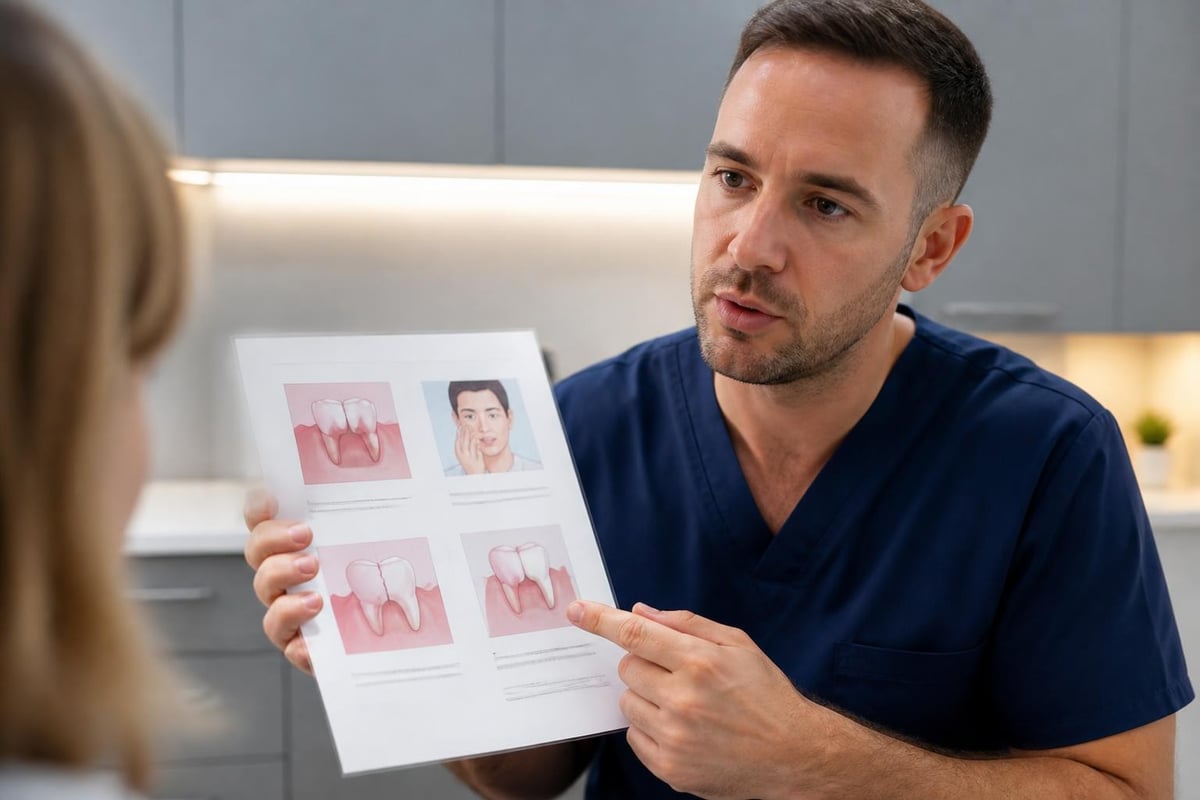
Abscesses require urgent attention to prevent serious complications:
- Persistent, throbbing pain that may radiate to jaw, neck, or ear
- Visible swelling in gums, face, or lymph nodes
- Pus discharge with foul taste
- Fever and general malaise
- Difficulty swallowing or breathing
These infections don't resolve without professional intervention. The Texas Department of State Health Services oral health standards outline protocols for managing odontogenic infections, emphasizing timely antibiotic therapy and definitive source control through drainage or extraction.
Finding Emergency Dental Care in New Braunfels
New Braunfels residents have several options when dental emergencies strike, but knowing where to go saves precious time when you're in pain or crisis.
Emergency Dental Clinics vs. Hospital Emergency Rooms
Emergency dental clinics specialize in oral health crises and maintain equipment, materials, and expertise specific to dental trauma and pain. These facilities can perform extractions, temporary restorations, drain abscesses, and provide definitive treatment that hospital ERs typically cannot.
Hospital emergency rooms should be reserved for life-threatening situations involving:
- Uncontrolled bleeding
- Breathing difficulties
- Jaw fractures
- Severe facial trauma
- Signs of systemic infection (high fever, altered consciousness)
While ERs can manage pain and infection with medication, they rarely have dental specialists on staff. Most dental emergencies receive only stabilizing care before referral to a dentist. The Comal County Public Health Department can provide guidance on appropriate care settings for residents unsure where to seek help.
After-Hours and Weekend Coverage
Dental emergencies don't respect business hours. An emergency dentist in New Braunfels worth their credentials maintains protocols for urgent situations occurring evenings, weekends, and holidays. Key questions to ask when establishing care with a dental practice include:
- What after-hours emergency contact system exists?
- Are emergency appointments available on weekends?
- What is the typical response time for urgent calls?
- Are there additional fees for emergency services?
Many modern dental practices, including those offering comprehensive emergency dental care, provide dedicated emergency contact numbers that route to on-call dentists who can assess urgency and arrange immediate appointments when necessary.
Questions to Ask Before Your Emergency Visit
When contacting an emergency dentist in New Braunfels, provide clear information to ensure proper preparation:
- Describe your symptoms precisely (pain level, swelling location, duration)
- Mention any trauma that precipitated the emergency
- List current medications and known allergies
- Inform about medical conditions affecting treatment (diabetes, heart disease, bleeding disorders)
- Ask about estimated costs and payment options
This information allows the dental team to prepare appropriate materials, schedule adequate time, and assess whether your situation requires immediate attention or can wait until the next available appointment slot.
What to Expect During Emergency Dental Treatment
Understanding the emergency dental visit process reduces anxiety and helps you prepare appropriately for urgent care.
Initial Assessment and Triage
Upon arrival, the emergency dentist performs a focused examination to determine:
- Pain source and severity using palpation and patient-reported scales
- Infection presence through visual examination, temperature, and swelling assessment
- Tooth vitality via percussion, cold testing, or electrical pulp testing
- Extent of damage potentially requiring X-rays for fractures or abscesses
This rapid assessment prioritizes treatment needs. A patient with a knocked-out tooth receives immediate replantation attempts, while someone with moderate pain may wait briefly if another patient presents with a dental abscess affecting breathing.
Common Emergency Procedures
| Procedure | Purpose | Typical Duration |
|---|---|---|
| Tooth replantation | Save knocked-out tooth | 30-60 minutes |
| Emergency extraction | Remove severely damaged or infected tooth | 20-45 minutes |
| Abscess drainage | Release pus, reduce pressure and pain | 15-30 minutes |
| Temporary restoration | Protect exposed nerve, restore function | 20-40 minutes |
| Root canal therapy | Save infected tooth, eliminate pain | 60-90 minutes |
Emergency dental treatment focuses on pain relief, infection control, and stabilization. Definitive care may occur during the emergency visit or be scheduled for follow-up appointments once the acute crisis resolves.
Pain Management Options
Modern emergency dentistry offers multiple approaches to managing acute dental pain:
- Local anesthesia numbs the specific tooth and surrounding tissue for procedures
- Nerve blocks provide broader numbing for multiple teeth or jaw quadrants
- Oral sedation reduces anxiety and pain perception during treatment
- Prescription pain medication manages discomfort during recovery
- Antibiotics address underlying infection when present
The emergency dentist selects pain management strategies based on procedure complexity, patient anxiety levels, and medical history. Many patients express concern about pain during emergency procedures, but contemporary techniques and medications make most treatments surprisingly comfortable.
Insurance Coverage and Emergency Dental Costs
Financial concerns shouldn't prevent you from seeking necessary emergency dental care, but understanding costs and coverage helps you make informed decisions.
Typical Emergency Dental Fees in New Braunfels
Emergency dental costs vary based on treatment complexity and timing. New Braunfels patients can expect approximate ranges of:
- Emergency examination: $75-$200
- Dental X-rays: $25-$200 depending on images needed
- Simple extraction: $150-$300
- Surgical extraction: $250-$500
- Root canal therapy: $500-$1,500 depending on tooth location
- Temporary crown or filling: $150-$400
After-hours and weekend appointments often carry additional fees reflecting the convenience of immediate access. However, these surcharges are typically modest compared to the cost of delaying treatment until complications develop.
Dental Insurance and Emergency Coverage
Most dental insurance plans cover emergency treatment, though coverage levels depend on your specific policy structure. Understanding your benefits before emergencies occur prevents surprises:
Preventive coverage (100% coverage) rarely applies to emergency treatment
Basic procedures (70-80% coverage) typically include extractions and fillings
Major procedures (50% coverage) encompass root canals and crowns
The same insurance considerations affecting routine care, such as dental insurance coverage for crowns, apply to emergency situations. Many patients discover their insurance denied claims due to waiting periods, missing tooth exclusions, or annual maximum exhaustion.
Payment Options for Uninsured or Underinsured Patients
Lack of insurance shouldn't deter you from seeking emergency care when experiencing severe pain or dental trauma. Flexible payment options include:
- In-house payment plans allowing you to spread costs over several months
- Healthcare credit cards like CareCredit offering promotional financing
- Discount dental plans providing reduced fees for cash-paying patients
- Medicaid for qualifying Texas families and children
Practices offering dental implant financing options in Texas often extend similar arrangements to emergency care, recognizing that urgent treatment can't always wait for financial preparation. Many New Braunfels dental clinics also participate in promotional programs providing discounted emergency services for new patients.
Preventing Common Dental Emergencies
While some emergencies are unavoidable accidents, many dental crises result from preventable conditions that develop over time without proper care.
Regular Preventive Care
The foundation of emergency prevention begins with consistent maintenance:
- Biannual dental examinations detect problems before they become emergencies
- Professional cleanings remove plaque and tartar preventing decay and gum disease
- Early intervention for cavities, cracks, or gum issues stops progression
- X-ray monitoring identifies hidden problems not visible during visual examination
Statistics demonstrate that patients receiving regular dental exams and cleanings experience 40-60% fewer emergency dental visits compared to those seeking care only when problems arise. The cost of preventive care represents a fraction of emergency treatment expenses.
Sports and Activity Protection
New Braunfels families are active-from youth soccer at Unicorn Stadium to adult softball leagues. Athletic activities account for a significant percentage of dental injuries:
- Custom mouthguards reduce injury risk by 60% compared to no protection
- Boil-and-bite guards offer moderate protection at lower cost
- Face shields provide additional protection for high-contact sports
- Proper technique in sports reduces collision and fall risks
Children and teenagers engaged in sports should never play without appropriate mouthguard protection. The cost of a custom-fitted guard is negligible compared to the expense and trauma of replacing a knocked-out permanent tooth with dental implants years later.
Dietary and Lifestyle Factors
Daily habits significantly impact emergency risk:
Foods to avoid or consume carefully:
- Hard candies and ice that crack teeth
- Popcorn kernels that fracture existing fillings
- Sticky foods that dislodge crowns
- Acidic beverages that weaken enamel
Habits that increase emergency risk:
- Using teeth as tools (opening packages, bottles)
- Nail biting that weakens tooth edges
- Teeth grinding (bruxism) causing fractures
- Smoking that impairs healing and increases infection risk
Addressing underlying issues like bruxism with nightguards prevents fractures that often present as emergencies. Similarly, treating gum disease early prevents abscess formation requiring urgent drainage and antibiotics.
Special Considerations for Pediatric Dental Emergencies
Children experience unique dental emergencies requiring age-appropriate responses and specialized care approaches.
Primary vs. Permanent Tooth Injuries
The response to tooth avulsion differs dramatically based on tooth type:
Primary (baby) teeth should not be replanted if knocked out. Attempting to replant baby teeth risks damaging developing permanent teeth beneath the gums. Instead, control bleeding, comfort the child, and schedule a dental examination to ensure no fragment remains embedded and assess whether space maintenance is needed.
Permanent teeth require immediate replantation attempts following the protocols discussed earlier. Determining whether an injured tooth is primary or permanent isn't always obvious to parents. When in doubt, preserve the tooth in milk and let the emergency dentist in New Braunfels make the assessment.
Calming Anxious Children During Emergencies
Dental emergencies are frightening for children and parents alike. Effective strategies include:
- Remaining calm yourself since children mirror adult anxiety
- Providing age-appropriate explanations about what happened and what will happen next
- Offering comfort items like favorite toys or blankets
- Praising brave behavior rather than dismissing fear
- Asking the dental team about child-friendly sedation options if needed
Pediatric-focused practices offering pediatric dentistry in Texas maintain child-friendly environments and staff trained in behavioral management techniques that reduce anxiety and ensure cooperation during emergency treatment.
When to Seek Emergency Care for Children
Parents often struggle determining whether childhood dental complaints warrant immediate attention. Seek urgent care when children experience:
- Permanent tooth knocked out or significantly displaced
- Heavy bleeding not stopping after 10 minutes of pressure
- Severe swelling of face or gums
- High fever accompanying tooth pain
- Inability to eat or drink due to pain
- Tooth pain preventing sleep despite pain medication
Minor bumps causing baby teeth to become slightly loose often resolve without intervention as the supporting bone heals. However, examination within 24-48 hours ensures no hidden damage exists.
Dental Emergency Preparedness for New Braunfels Families
Proactive preparation reduces stress and improves outcomes when emergencies strike your household.
Creating a Dental Emergency Kit
Assemble supplies before you need them:
Essential items:
- Dentist's emergency contact information and after-hours number
- Sterile gauze pads for bleeding control
- Small container with lid for storing knocked-out teeth
- Over-the-counter pain medication (ibuprofen and acetaminophen)
- Cold pack or ice pack for swelling
- Temporary dental cement (available at pharmacies)
- Dental floss
- Saline solution
Optional but helpful additions:
- Clove oil for temporary pain relief (apply to cotton swab, not directly to gum)
- Oral anesthetic gel
- Small flashlight for examination
- List of medications and allergies for all family members
Store this kit in a known location and review contents annually, replacing expired medications and updating contact information as needed.
Establishing Care Before Emergencies Occur
Don't wait for a crisis to find an emergency dentist in New Braunfels. Establishing a relationship with a dental provider before problems arise offers multiple advantages:
- Existing records allow faster emergency treatment without lengthy intake processes
- Known medical history prevents dangerous drug interactions
- Established trust reduces anxiety during stressful emergency visits
- Faster appointment access as existing patients often receive priority scheduling
- Continuity of care ensuring emergency treatment aligns with long-term dental health goals
New patients calling during emergencies may wait longer for appointments or face limitations on which dentists accept them. Building relationships with comprehensive care providers ensures access when you need it most.
Family Emergency Communication Plan
Ensure every family member knows:
- Who to contact if dental injury occurs (parents' cell numbers, emergency dentist contact)
- What steps to take for common emergencies (review knocked-out tooth protocols with teens)
- Where to go for after-hours emergencies (clinic address, hospital location)
- How to find emergency supplies (kit location)
Teenagers and young adults living independently need this information programmed into phones and written down in case technology fails during crisis moments.
Frequently Asked Questions About Emergency Dental Care
What qualifies as a dental emergency requiring immediate attention?
Situations requiring urgent care within hours include knocked-out permanent teeth, severe pain not controlled by over-the-counter medication, uncontrolled bleeding, abscesses with facial swelling, and dental trauma causing tooth fractures or jaw injuries. Life-threatening symptoms like difficulty breathing or swallowing require immediate hospital emergency room care rather than dental office visits.
How quickly should I see an emergency dentist for a knocked-out tooth?
Permanent teeth have the best chance of successful replantation when professional treatment occurs within 30-60 minutes of avulsion. The tooth should be kept moist in milk, saline, or saliva during transport. Never scrub the tooth or touch the root surface, as this damages cells necessary for reattachment.
Will my dental insurance cover emergency treatment?
Most dental insurance plans cover emergency examinations and treatment, though coverage levels depend on procedure type and your specific policy. Emergency exams may fall under diagnostic benefits, while treatments like extractions, root canals, or restorations follow the same coverage percentages as when performed during routine care. Checking your benefits before emergencies occur helps you understand potential out-of-pocket costs.
Can I go to an urgent care or emergency room for dental pain?
Urgent care facilities and hospital emergency rooms can provide pain medication and antibiotics for dental infections, but they rarely have dentists on staff or equipment to perform definitive dental treatment. Reserve ER visits for life-threatening complications like facial swelling affecting breathing, uncontrolled bleeding, or suspected jaw fractures. For typical dental emergencies, an emergency dentist in New Braunfels provides more appropriate, cost-effective care.
What should I do if I have a dental emergency while traveling?
When dental emergencies occur away from home, call your regular dentist first. Many practices maintain networks of colleagues nationwide who accept emergency patients from other practices. Alternatively, search for emergency dental clinics in your current location and call ahead explaining your situation. If traveling internationally, check whether your dental insurance provides out-of-network or international coverage for emergencies.
How much does emergency dental treatment typically cost?
Emergency dental costs in New Braunfels range from $75-$200 for examinations plus the cost of specific treatments performed. Simple extractions may cost $150-$300, while root canal therapy ranges from $500-$1,500 depending on tooth complexity. After-hours appointments sometimes include modest surcharges. Many dental practices offer payment plans or financing options for patients unable to pay the full amount immediately.
Should I take antibiotics left over from a previous dental infection?
Never self-medicate with antibiotics from previous prescriptions. Antibiotic selection depends on the specific bacteria involved, your current health status, and potential drug interactions. Taking inappropriate antibiotics can mask serious infections without actually treating them, create antibiotic resistance, or cause adverse reactions. Only take antibiotics prescribed specifically for your current condition by a dentist who has examined you.
What's the difference between a chipped tooth and a dental emergency?
Small chips affecting only tooth enamel without exposing inner tooth layers rarely constitute emergencies if they're not causing pain or creating sharp edges that cut soft tissues. However, larger breaks exposing dentin or pulp, causing significant pain, or resulting from facial trauma should receive prompt evaluation. When uncertain, calling an emergency dentist to describe the situation allows professional assessment of urgency.
Can an abscessed tooth heal on its own without treatment?
Dental abscesses never resolve without professional intervention. While an abscess may spontaneously rupture and drain, providing temporary relief, the infection source remains active and continues spreading. Untreated abscesses can progress to serious, even life-threatening infections affecting deep neck spaces, brain tissue, or causing sepsis. Abscesses require either root canal therapy to save the tooth or extraction to eliminate the infection source, plus antibiotics when infection has spread beyond the immediate area.
Is it safe to pull out my own loose tooth?
Adults should never attempt self-extraction of loose permanent teeth. Looseness indicates either advanced gum disease, tooth fracture, or trauma, all requiring professional evaluation and treatment. Attempting self-extraction risks leaving root fragments that can cause infection, uncontrolled bleeding, or damage to surrounding teeth. For children, baby teeth that are very loose and causing discomfort can often be gently removed at home, but permanent teeth always require professional care.
Long-Term Considerations After Emergency Dental Treatment
Emergency treatment stabilizes urgent situations, but many dental emergencies require follow-up care to restore full function and prevent future problems.
Follow-Up Appointments and Restorative Care
Emergency visits often provide temporary solutions requiring definitive restoration:
- Temporary fillings need replacement with permanent restorations within weeks
- Emergency extractions may require bone grafting for future implant placement
- Root canal therapy necessitates crown placement to protect weakened tooth structure
- Replanted teeth need monitoring for years to detect root resorption or other complications
Skipping follow-up appointments increases the risk of recurrent emergencies. A temporary filling that falls out leaves the tooth vulnerable to new decay and infection. Understanding the recommended latest dental implant technology helps patients make informed decisions about replacing teeth lost to emergency extractions.
Monitoring for Complications
Certain post-emergency complications require prompt attention:
After extractions:
- Dry socket (increasing pain 3-4 days post-extraction)
- Excessive swelling or bleeding
- Fever or signs of infection
After root canal therapy:
- Persistent pain beyond initial healing period
- Return of swelling or drainage
- Temporary filling loss
After tooth replantation:
- Darkening of replanted tooth
- Increased looseness
- Pain with chewing
Contact your emergency dentist in New Braunfels if any concerning symptoms develop during recovery.
Preventing Recurrence
Many dental emergencies result from underlying conditions requiring ongoing management:
| Emergency Type | Prevention Strategy |
|---|---|
| Fractured tooth | Address bruxism with nightguard; avoid hard foods |
| Abscess | Treat decay early; maintain regular cleanings |
| Knocked-out tooth | Wear sports mouthguard during activities |
| Lost filling/crown | Replace old dental work before failure; avoid sticky foods |
Investing in preventive measures proves less expensive and traumatic than managing repeated emergencies. Custom nightguards preventing bruxism-related fractures cost a fraction of the crowns or extractions needed to address broken teeth.
Dental emergencies are stressful, painful experiences that demand immediate professional attention to prevent permanent damage and resolve acute symptoms. Knowing how to recognize true emergencies, respond appropriately in critical first moments, and access qualified care quickly protects your oral health and overall wellbeing. Whether you're dealing with a knocked-out tooth, severe infection, or traumatic injury, prompt action and expert treatment make all the difference in outcomes. Dental Plus Clinic provides comprehensive emergency dental services at our New Braunfels location, offering same-day appointments, advanced treatment technology, and compassionate care when you need it most-schedule your emergency appointment today to experience patient-focused dentistry that prioritizes your comfort and health.