

Missing teeth affect more than just your smile. They impact your ability to eat comfortably, speak clearly, and feel confident in social situations. For Leander residents seeking a permanent solution to tooth loss, dental implants have become the gold standard treatment option. This comprehensive guide explores everything you need to know about dental implants in Leander, from the treatment process and costs to choosing the right provider for your specific needs in 2026.
Understanding Dental Implants and Why They Matter
Dental implants represent a revolutionary advancement in restorative dentistry. Unlike traditional bridges or dentures, implants provide a permanent foundation that mimics your natural tooth structure from root to crown.
What Are Dental Implants?
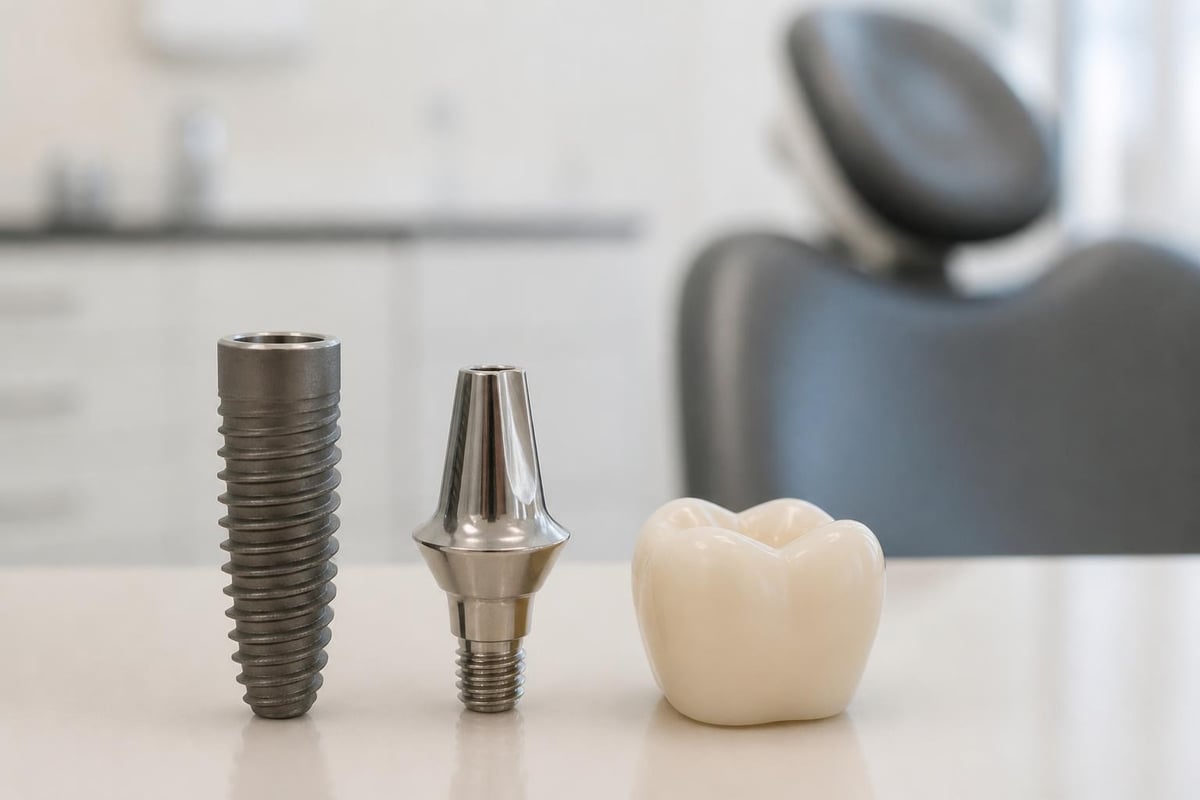
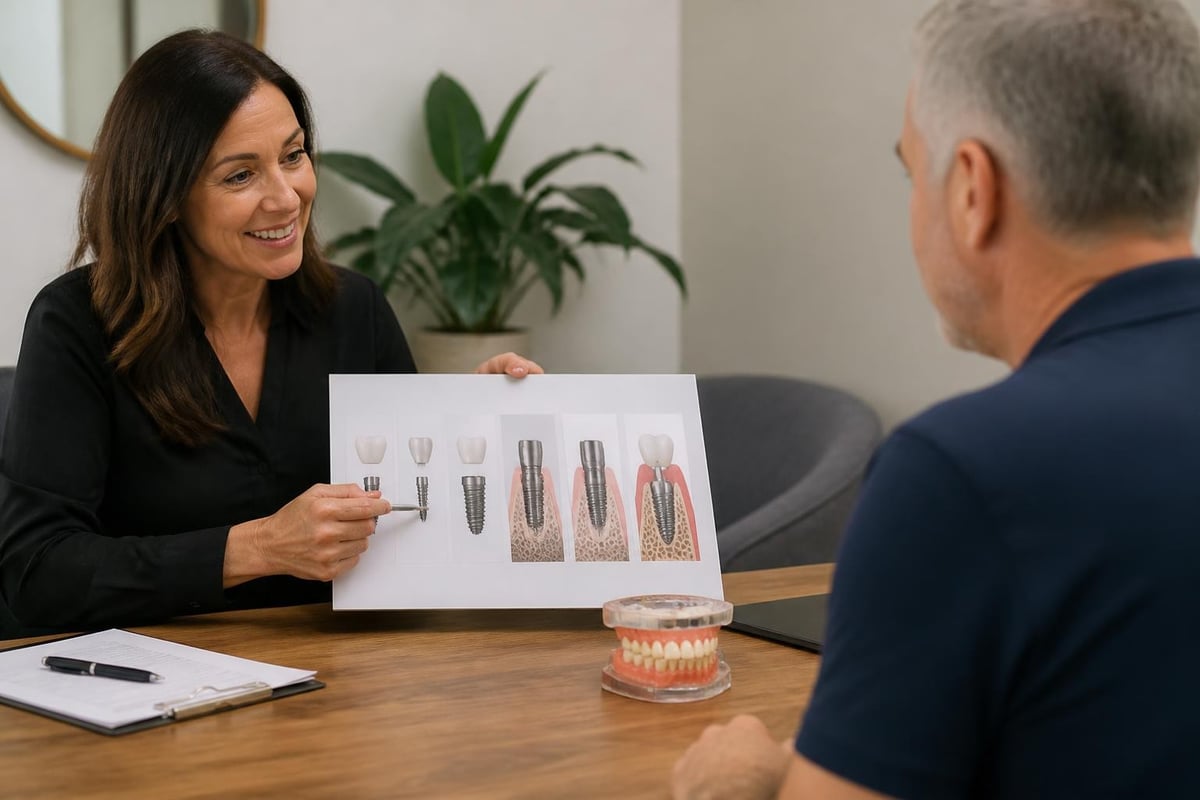
A dental implant consists of three primary components working together to replace a missing tooth. The titanium post serves as an artificial root, surgically placed into your jawbone. An abutment connects the post to the visible portion of the restoration. Finally, a custom-crafted crown matches your natural teeth in both appearance and function.
The three-part system includes:
- Titanium implant post – Integrates with jawbone through osseointegration
- Abutment connector – Links the implant to the restoration
- Custom crown or prosthetic – Provides the visible, functional tooth replacement
This design creates a stable, long-lasting solution that can endure decades with proper care. According to research from the National Institute of Dental and Craniofacial Research, modern implant technology has achieved success rates exceeding 95% over ten-year periods.
Why Leander Residents Choose Implants Over Alternatives
The decision between dental implants and other tooth replacement options often comes down to longevity and quality of life. Traditional dentures can slip, click, or require messy adhesives. Bridges necessitate grinding down healthy adjacent teeth to serve as anchors.
Dental implants in Leander offer distinct advantages that make them worth the investment for many patients. They preserve jawbone density by stimulating bone growth, preventing the facial collapse that often accompanies long-term tooth loss. You'll maintain full chewing power, enjoying all your favorite Texas barbecue without restriction.
The Dental Implant Procedure: What to Expect
Understanding the treatment timeline helps you plan accordingly and set realistic expectations. The process requires multiple appointments over several months, though the results justify the commitment.
Initial Consultation and Treatment Planning
Your journey begins with a comprehensive evaluation at a qualified dental practice. The dentist examines your oral health, reviews your medical history, and determines whether you're a suitable candidate for implants.
Advanced imaging plays a crucial role in modern implant planning. Cone-beam computed tomography (CBCT) provides three-dimensional views of your jaw, allowing precise implant placement. Research published in PubMed Central demonstrates that CBCT-guided planning significantly improves surgical accuracy and reduces complications.
During your consultation, expect:
- Complete oral examination and health assessment
- Digital X-rays or CBCT scans for detailed imaging
- Discussion of treatment options and timeline
- Transparent cost breakdown and financing options
- Customized treatment plan addressing your specific needs
Surgical Placement Phase
The actual implant surgery typically requires one to two hours per implant, performed under local anesthesia or sedation based on your comfort preferences. The dentist creates a small incision in the gum tissue, prepares the jawbone site, and carefully positions the titanium post.
Most patients report minimal discomfort during the procedure itself. Post-operative soreness resembles the sensation following a tooth extraction and responds well to over-the-counter pain medication. You'll receive detailed aftercare instructions to promote healing and prevent infection.
| Treatment Phase | Duration | What Happens |
|---|---|---|
| Initial Consultation | 1-2 hours | Examination, imaging, treatment planning |
| Implant Surgery | 1-2 hours per implant | Titanium post placement in jawbone |
| Osseointegration | 3-6 months | Bone fusion with implant |
| Abutment Placement | 30-60 minutes | Connector attachment to implant |
| Crown Fabrication | 2-3 weeks | Custom restoration creation |
| Final Restoration | 1 hour | Crown placement and adjustments |
Osseointegration and Healing Period
Osseointegration represents the critical phase where your jawbone fuses with the titanium implant. This biological process typically requires three to six months, though timing varies based on individual healing capacity and bone quality.
During this period, you'll wear a temporary restoration to maintain aesthetics and function. Regular check-ups ensure proper healing and address any concerns promptly. Some patients worry about the waiting period, but this integration creates the stable foundation that gives implants their exceptional longevity.
Abutment and Crown Placement
Once osseointegration completes, you return for abutment placement. This minor procedure exposes the implant top and attaches the connector piece. After a brief healing period, your dentist takes impressions for the final crown.
Modern digital dentistry has streamlined crown fabrication. Computer-aided design and manufacturing (CAD/CAM) systems create precise, natural-looking restorations in less time than traditional methods. Your final crown will match surrounding teeth in color, shape, and translucency.
Cost Considerations for Dental Implants in Leander
Financial planning ranks among the top concerns for patients considering implants. While the initial investment exceeds traditional options, understanding the long-term value helps you make an informed decision.
Breaking Down Implant Costs
The total cost for a single dental implant in Leander typically ranges from $3,000 to $6,000 in 2026. This price encompasses all treatment phases, though specific fees vary based on your unique clinical situation.
Cost factors include:
- Surgical placement – Implant post insertion and initial healing
- Abutment and crown – Connector and final restoration
- Imaging and diagnostics – CBCT scans and treatment planning
- Bone grafting – If needed to support implant placement
- Sedation options – Additional comfort measures during surgery
Complex cases requiring bone grafting, sinus lifts, or multiple implants naturally cost more than straightforward single-tooth replacements. Some patients need preparatory procedures like extractions or periodontal treatment before implant placement can proceed.
For those comparing options, our detailed article on cheap versus premium dental implants explains what drives price variations and why quality materials matter for long-term success.
Insurance Coverage and Payment Options
Dental insurance coverage for implants remains limited in 2026, though policies increasingly recognize their medical necessity. Many plans categorize implants as cosmetic or elective, offering partial coverage at best.
Medicare provides minimal dental coverage, as explained on the official Medicare website, typically excluding implants except in specific medical situations. However, medical insurance may cover implants when tooth loss resulted from accidents, cancer treatment, or congenital conditions.
Don't let insurance limitations discourage you from exploring implants. Many dental practices offer financing plans that make treatment accessible through manageable monthly payments. You might also consider:
- Health savings accounts (HSAs) for pre-tax payment
- Flexible spending accounts (FSAs) through employers
- Third-party healthcare financing companies
- In-house payment plans with favorable terms
Visit our page on dental insurance coverage to understand your benefits better and navigate coverage questions effectively.
Choosing the Right Implant Provider in Leander
Your choice of dental provider significantly influences treatment outcomes. Leander offers several options, but not all practices provide the same level of expertise, technology, or patient care.
Essential Qualifications and Experience
Successful implant placement requires specialized training beyond general dentistry education. Look for providers with advanced credentials in implant dentistry, oral surgery, or periodontics.
Key qualifications to verify:
- Active Texas dental license through the State Board of Dental Examiners
- Continuing education in implant dentistry and surgical techniques
- Membership in professional organizations focused on implant excellence
- Years of experience specifically with implant procedures
- Portfolio of successfully completed cases
Experience matters tremendously with implant dentistry. A provider who places dozens of implants annually develops the clinical judgment to handle complications and optimize outcomes. Don't hesitate to ask about success rates, complication management, and how the practice addresses rare issues.
Technology and Treatment Approach
Modern implant dentistry relies heavily on advanced technology for precision and predictability. The best providers invest in equipment that enhances safety and results.
Digital imaging capabilities, particularly CBCT scanners, enable three-dimensional treatment planning. This technology reveals bone density, nerve locations, and anatomical variations that influence implant positioning. Studies on guided implant surgery confirm that computer-guided placement improves accuracy compared to conventional freehand techniques.
| Technology | Benefit | Impact on Treatment |
|---|---|---|
| CBCT Imaging | 3D visualization of jaw anatomy | Precise implant positioning, reduced complications |
| Digital Impressions | Accurate crown design without messy molds | Better-fitting restorations, improved comfort |
| CAD/CAM Systems | Same-day crown fabrication in some cases | Reduced treatment time, fewer appointments |
| Surgical Guides | Template-directed implant placement | Enhanced accuracy, predictable outcomes |
| Platelet-Rich Fibrin | Accelerated healing using patient's own blood | Faster recovery, improved osseointegration |
Patient-Centered Care and Support
Technical expertise alone doesn't guarantee a positive experience. The best dental practices prioritize patient comfort, clear communication, and comprehensive support throughout treatment.
Consider these patient care factors when evaluating providers:
- Transparent communication – Clear explanations of procedures, risks, and expectations
- Sedation options – Choices for anxiety management and comfort during surgery
- Emergency accessibility – Protocols for handling urgent post-operative concerns
- Hygiene standards – Strict sterilization protocols protecting patient safety
- Post-treatment support – Long-term maintenance guidance and monitoring
Reading patient reviews provides insight into real experiences with specific providers. Look for consistent patterns regarding communication quality, pain management, and overall satisfaction rather than isolated comments.
Candidacy Requirements and Preparatory Steps
Not everyone qualifies as an ideal implant candidate immediately. Understanding prerequisites helps you prepare appropriately and address potential obstacles.
Medical and Oral Health Requirements
Successful implant integration depends on adequate bone density and overall health. Your jawbone must provide sufficient volume and quality to support the titanium post securely.
Conditions affecting candidacy include:
- Active periodontal disease requiring treatment before implants
- Insufficient bone density necessitating grafting procedures
- Uncontrolled diabetes impacting healing capacity
- Heavy tobacco use increasing failure risk
- Certain medications affecting bone metabolism
Age rarely disqualifies patients, as implants work well for adults from their twenties through their nineties. Growing children must wait until jaw development completes, typically by late teens.
Bone Grafting and Preparatory Procedures
Tooth loss initiates bone resorption, a gradual deterioration process where the jawbone shrinks without tooth root stimulation. Patients missing teeth for extended periods often require bone grafting to create adequate implant support.
Bone grafting adds bone material (synthetic, donor-derived, or harvested from your own body) to deficient areas. The graft integrates over several months, creating the foundation for subsequent implant placement. While this extends treatment timelines, it dramatically improves long-term success rates.
Sinus lift procedures address bone loss in the upper jaw's posterior region. The maxillary sinuses naturally expand into areas where molars once resided. Lifting the sinus membrane and placing bone graft beneath creates space for implant integration without penetrating the sinus cavity.
Lifestyle Modifications for Success
Certain habits undermine implant success and require modification before treatment. Smoking represents the most significant controllable risk factor, reducing blood flow and impairing healing.
Research consistently demonstrates higher failure rates among smokers compared to non-smokers. Many providers require smoking cessation at least two weeks before surgery and throughout the healing period. Some practices refuse implant treatment for active smokers altogether due to elevated complication risks.
Heavy alcohol consumption similarly impairs healing and osseointegration. Moderate or eliminate alcohol intake during the critical integration phase to optimize outcomes.
Long-Term Success and Maintenance
Dental implants can last a lifetime with proper care, but they require ongoing maintenance and attention. Understanding long-term responsibilities helps you protect your investment.
Daily Care and Oral Hygiene
Implants resist tooth decay since they lack natural enamel, but the surrounding gum tissue remains vulnerable to inflammation and infection. Peri-implant diseases threaten implant stability and longevity.
Essential maintenance practices include:
- Brushing twice daily with soft-bristled toothbrushes
- Daily flossing or using interdental brushes around implants
- Regular use of antimicrobial mouth rinse
- Avoiding excessive force when chewing hard foods
- Professional cleanings every six months or as recommended
Peri-implant mucositis represents reversible gum inflammation around implants, similar to gingivitis around natural teeth. Without intervention, it progresses to peri-implantitis, a more serious condition causing bone loss and potential implant failure. A comprehensive review in PubMed Central details diagnosis and evidence-based management strategies for these complications.
Professional Monitoring and Intervention
Regular dental check-ups enable early detection of potential problems before they threaten implant integrity. Your dentist examines the implant site, measures gum pocket depths, and assesses bone levels through periodic X-rays.
Professional cleanings remove bacterial deposits that home care alone cannot eliminate. Specialized instruments designed for implant maintenance clean effectively without scratching titanium surfaces.
Notify your dentist immediately if you experience:
- Persistent discomfort or pain around the implant
- Gum swelling, redness, or bleeding
- Loosening of the crown or implant itself
- Changes in bite alignment
- Unusual sensitivity to temperature
Early intervention prevents minor issues from escalating into implant failure requiring removal and replacement.

Special Considerations for Multiple Implants
Patients missing several teeth or requiring full-arch restoration face different treatment considerations than single-tooth replacement cases.
All-on-4 and Full-Mouth Restoration Options
The All-on-4 technique supports a full arch of teeth using just four strategically positioned implants. This approach reduces treatment complexity and cost compared to placing individual implants for each missing tooth.
By angling the posterior implants, dentists maximize bone contact and avoid anatomical structures like sinuses or nerves. Patients often receive temporary teeth the same day as implant placement, eliminating the social discomfort of going without teeth during healing.
For comprehensive information about this treatment approach, explore our detailed guide on All-on-4 dental implants, which covers candidacy, procedures, and expected outcomes. We also offer an extensive resource on full mouth dental implants for patients considering complete oral rehabilitation.
Implant-Supported Dentures and Bridges
Traditional dentures rest on gum tissue, relying on suction and adhesives for retention. Implant-supported dentures snap onto or screw into implants, providing superior stability and comfort.
This hybrid approach requires fewer implants than individual tooth replacement while delivering dramatically better function than conventional dentures. You'll enjoy improved chewing ability, clearer speech, and confidence that your teeth won't slip during important moments.
Advantages of implant-supported prosthetics:
- Enhanced stability eliminating slippage and clicking
- Preserved bone structure preventing facial changes
- Improved chewing efficiency and dietary freedom
- Easier cleaning compared to traditional dentures
- Natural appearance and feel
Multiple implant procedures involve longer appointment times and higher initial costs than single implants. However, the per-tooth cost decreases significantly when replacing multiple teeth simultaneously.
Addressing Common Concerns and Misconceptions
Many patients hesitate to pursue dental implants in Leander due to misunderstandings about the treatment. Separating fact from fiction helps you make confident decisions.
Pain and Recovery Expectations
The prospect of oral surgery understandably causes anxiety. Most patients are surprised by how manageable discomfort proves to be with modern techniques and medications.
During the procedure itself, local anesthesia eliminates sensation completely. Sedation options provide additional relaxation for anxious patients. Post-operative pain typically peaks within 48 hours and responds well to prescribed or over-the-counter pain relievers.
Realistic recovery timeline:
- Days 1-3: Moderate soreness, swelling, possible bruising
- Days 4-7: Significant improvement, reduced discomfort
- Weeks 2-4: Minimal symptoms, return to normal activities
- Months 2-6: Osseointegration occurs without patient awareness
Complications requiring extended recovery or significant pain occur in less than five percent of cases. Following post-operative instructions carefully minimizes risks and promotes healing.
Appearance and Functionality Concerns
Will people notice your dental implant? Modern restorative techniques create incredibly natural-looking results that blend seamlessly with surrounding teeth. Your dentist carefully matches crown color, shape, and translucency to adjacent teeth.
Our article on whether dental implants are noticeable explores the aesthetic aspects in detail, addressing common visibility concerns. The short answer: properly placed and restored implants are virtually undetectable.
Functionality matches or exceeds natural teeth in most cases. You'll bite into apples, chew steak, and speak clearly without the limitations denture wearers often experience. The implant's integration with jawbone creates stability that removable appliances cannot replicate.
Age and Health Restrictions
"Am I too old for dental implants?" This question frequently arises among senior patients who assume age disqualifies them from treatment. Chronological age alone rarely prevents implant placement.
Overall health matters more than age. Dentists evaluate your ability to heal, bone quality, and management of chronic conditions rather than focusing on birth year. Many septuagenarians and octogenarians successfully receive implants and enjoy their benefits for decades.
Conversely, younger patients must wait until facial growth completes before implant placement. Placing implants in growing jaws can lead to positioning problems as facial bones continue developing.
For personalized evaluation of your candidacy, review our guide on who makes a good candidate for dental implants, which addresses health factors, bone requirements, and lifestyle considerations.
Navigating Financial Obstacles
Cost represents the primary barrier preventing many qualified candidates from pursuing implants. Understanding available options and creative solutions can make treatment accessible.
When Insurance Denies Coverage
Insurance denials frustrate patients who recognize implants' medical necessity. Insurers often cite policy exclusions or classify implants as cosmetic regardless of functional need.
If your initial claim receives denial, don't accept that decision as final. Appeal processes allow you to challenge coverage determinations with supporting documentation. Your dentist can provide clinical justification explaining why implants represent the appropriate treatment for your specific situation.
Our resource on handling denied dental insurance claims walks you through appeal procedures and strategies for maximizing coverage approval chances.
Alternative Funding Strategies
Beyond traditional insurance, several funding mechanisms make implants financially feasible for budget-conscious patients.
| Funding Option | Advantages | Considerations |
|---|---|---|
| Health Savings Accounts | Pre-tax dollars reduce effective cost | Must have eligible health plan |
| Flexible Spending Accounts | Tax-free medical expense payment | Annual contribution limits apply |
| Healthcare Credit Cards | Promotional interest-free periods | High rates after promotional period |
| Personal Loans | Fixed payments, predictable budgeting | Interest rates vary by creditworthiness |
| Practice Payment Plans | No credit check, flexible terms | Availability varies by provider |
Some patients strategically time treatment to maximize FSA benefits across calendar years, using one year's contribution for surgery and the following year's for final restoration costs.
Understanding True Value Beyond Initial Cost
Comparing implant costs to alternatives requires considering lifespan and replacement expenses. Dental bridges typically last ten to fifteen years before requiring replacement. Dentures need relining every few years and complete replacement within a decade.
A single implant potentially lasts a lifetime with proper care, eliminating recurring replacement costs. When you calculate total expenses over twenty or thirty years, implants often prove more economical despite higher upfront investment.
Beyond finances, consider quality of life factors that resist quantification. The confidence to smile freely, eat foods you love, and speak without self-consciousness carries immeasurable value. Many patients report that implants positively transformed their personal and professional lives in ways that justify any expense.
Preparing for Your Implant Consultation
Maximizing the value of your initial consultation requires preparation and knowing which questions to ask. This appointment establishes the foundation for your entire treatment journey.
Questions to Ask Your Dentist
Come prepared with a list addressing your specific concerns and priorities. Taking notes ensures you remember important details when making decisions later.
Essential questions include:
- How many dental implants have you personally placed?
- What is your success rate, and how do you define success?
- Which specific implant system do you use, and why?
- What complications have you encountered, and how were they resolved?
- Do you perform the surgery and restoration, or refer to specialists?
- What happens if the implant fails to integrate?
- How long should I expect the complete treatment to take?
- What financing options does your practice offer?
Dentists who welcome detailed questions and answer thoroughly without defensiveness demonstrate the transparency and competence you want in a treatment provider.
Documents and Information to Bring
Arriving with relevant documentation streamlines the consultation process and helps your dentist develop an accurate treatment plan.
Bring complete medical and dental history records, including:
- Current medication lists with dosages
- Recent dental X-rays from other providers
- Documentation of relevant medical conditions
- Insurance policy information and identification cards
- List of questions and concerns you want addressed
If you've experienced dental anxiety or previous traumatic dental experiences, sharing this information allows your dentist to accommodate your comfort needs appropriately.
Setting Realistic Expectations
Successful implant treatment requires partnership between patient and provider. Understanding your responsibilities and the realistic timeline prevents disappointment and ensures satisfaction.
Implants demand patience through the multi-month treatment process. You'll need to attend all scheduled appointments, follow post-operative care instructions precisely, and maintain excellent oral hygiene long-term. Shortcuts or skipped steps jeopardize outcomes.
Discuss aesthetic expectations openly during consultation. Bringing photos of smiles you admire helps communicate your vision. However, understand that your unique facial features, existing teeth, and bone structure influence achievable results. Experienced dentists can preview expected outcomes using digital imaging software.
Frequently Asked Questions About Dental Implants in Leander
How long do dental implants actually last?
Dental implants can last a lifetime with proper care and maintenance. The titanium post typically integrates permanently with the jawbone, while the crown may require replacement after fifteen to twenty years due to normal wear. Success rates exceed 95% at ten years according to research, with many implants functioning perfectly for thirty years or longer.
Are dental implants painful to get?
Most patients experience minimal discomfort during implant placement thanks to local anesthesia and sedation options. Post-operative soreness resembles the sensation after tooth extraction and responds well to over-the-counter pain medication. Pain typically peaks within forty-eight hours and resolves substantially within one week.
Can I get dental implants if I have gum disease?
Active periodontal disease must be treated and controlled before implant placement. The bacteria causing gum disease also threaten implant integration and long-term stability. Your dentist will develop a treatment plan addressing gum disease first, then proceed with implants once your oral health stabilizes.
How much do dental implants cost in Leander?
Single dental implant costs in Leander typically range from $3,000 to $6,000 in 2026, including surgery, abutment, and crown. Complex cases requiring bone grafting or multiple implants cost more. Many practices offer financing plans making treatment accessible through manageable monthly payments. For detailed pricing information, visit our dental implant cost resource page.
What is the success rate for dental implants?
Modern dental implants achieve success rates exceeding 95% over ten-year periods when placed by experienced providers and properly maintained. Factors influencing success include bone quality, patient health, smoking status, and oral hygiene compliance. Lower jaw implants typically show slightly higher success rates than upper jaw due to bone density differences.
How soon after tooth extraction can I get an implant?
Timing varies based on individual circumstances. Immediate implants can sometimes be placed during the same appointment as tooth extraction. More commonly, dentists wait three to six months for the extraction site to heal completely before implant placement. Your specific timeline depends on bone condition, infection presence, and overall healing capacity.
Do dental implants require special care or cleaning?
Implants require similar care to natural teeth, including twice-daily brushing, daily flossing, and regular professional cleanings. Specialized floss threaders or interdental brushes help clean around implant crowns effectively. Avoid extremely hard foods that could damage the restoration, and maintain regular dental check-ups for professional monitoring.
Will my insurance cover dental implants?
Coverage varies significantly by policy. Many dental insurance plans provide limited or no implant coverage, classifying them as cosmetic or elective. Some plans cover portions of the procedure, such as the crown but not the implant post. Medical insurance may cover implants resulting from accidents or disease. Contact your insurance provider for specific coverage details.
Can dental implants fail, and what causes failure?
While rare, implant failure occurs in approximately 5% of cases. Early failures result from inadequate osseointegration due to infection, insufficient bone quality, or mechanical issues during healing. Late failures stem from peri-implantitis (infection around the implant), excessive bite forces, or poor oral hygiene. Failed implants can often be replaced after addressing underlying causes.
How do I choose between dental implants and dentures?
The choice depends on your priorities, budget, and clinical situation. Implants offer superior stability, bone preservation, and chewing function but require higher initial investment and surgical procedures. Dentures cost less initially and avoid surgery but provide less stability and may accelerate bone loss. Many patients find implant-supported dentures offer an optimal middle ground.
Dental implants in Leander represent a transformative solution for patients seeking permanent tooth replacement with natural appearance and function. Understanding the treatment process, costs, and long-term care requirements empowers you to make confident decisions about your oral health future. Whether you're missing a single tooth or need full-mouth rehabilitation, modern implant dentistry offers customized solutions that can dramatically improve quality of life. Dental Plus Clinic provides comprehensive implant services with experienced professionals, advanced technology, and patient-focused care at our Leander location and throughout Texas. Schedule your consultation today to discover how dental implants can restore your smile and confidence for years to come.