
Finding the right pediatric dentist in Converse can feel overwhelming for parents who want to ensure their children receive the best possible dental care. The unique oral health needs of children require specialized training, a gentle approach, and a welcoming environment that makes dental visits something kids look forward to rather than fear. Whether you're scheduling your child's first dental appointment or seeking specialized treatment for existing dental concerns, understanding what sets pediatric dentistry apart from general family dentistry will help you make the most informed decision for your child's oral health journey.
Understanding Pediatric Dentistry and Why It Matters
Pediatric dentistry is a specialized branch of dental care focused exclusively on the oral health of infants, children, and adolescents, including those with special healthcare needs. Unlike general dentists, pediatric dentists complete an additional two to three years of rigorous training beyond dental school, focusing specifically on child development, behavior management, and the unique dental challenges children face.
The importance of specialized pediatric dental care cannot be overstated. Children are not simply small adults with smaller teeth. Their growing mouths require different diagnostic approaches, treatment techniques, and preventive strategies. Primary teeth (baby teeth) play crucial roles in speech development, proper nutrition, and guiding permanent teeth into correct positions. When these teeth develop cavities or face trauma, specialized interventions are necessary to preserve their function until natural exfoliation occurs.
The American Academy of Pediatric Dentistry recommends that children establish a dental home by their first birthday, creating a familiar, trusted relationship with a dental provider who knows their complete health history. This continuity of care allows early detection of potential problems and builds positive associations with dental visits that last a lifetime.
Key Differences Between Pediatric and General Dentistry
| Aspect | Pediatric Dentistry | General Dentistry |
|---|---|---|
| Training Focus | Child psychology, growth patterns, primary dentition | Adult oral health, restorative procedures |
| Treatment Approach | Behavior guidance, play-based communication | Standard clinical communication |
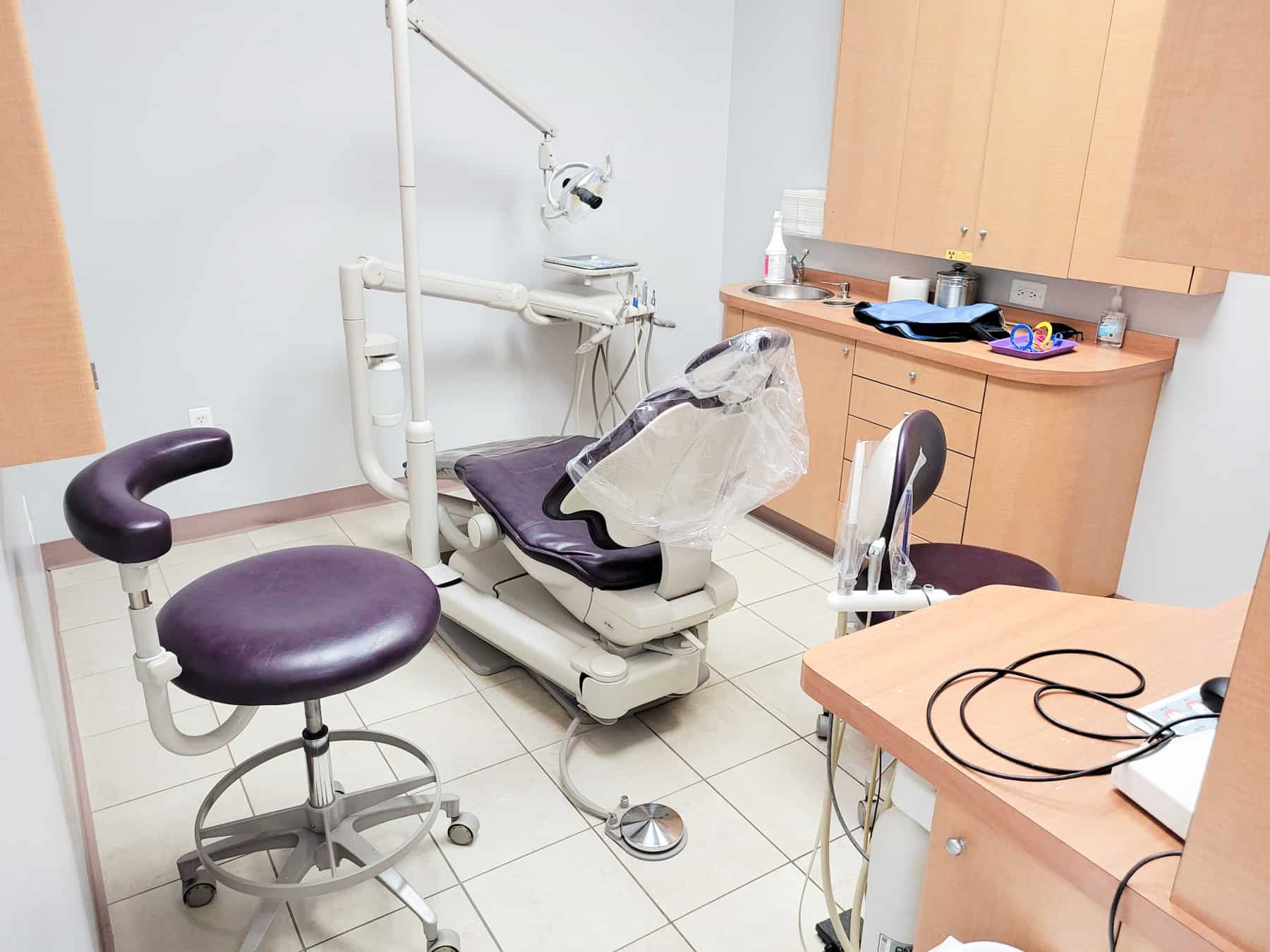
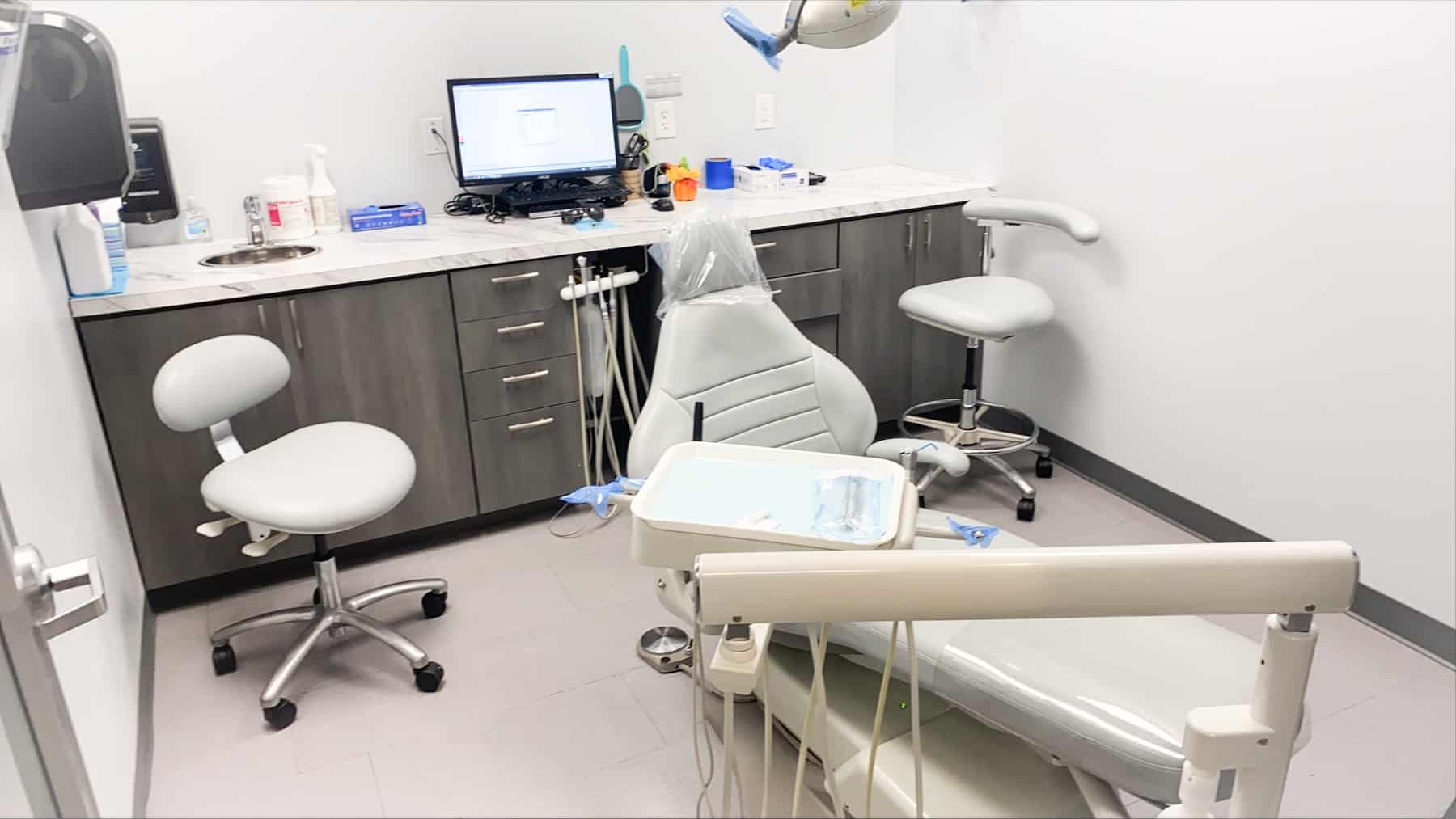
| Office Environment | Child-friendly, colorful, interactive spaces | Professional, adult-oriented setting |
| Common Procedures | Pulp therapy, space maintainers, habit counseling | Crowns, bridges, periodontal treatments |
| Patient Age Range | Infancy through adolescence | Primarily adults, some children |
Why Families in Converse Choose Specialized Pediatric Care
Converse families have unique considerations when selecting dental care for their children. Located in the northeastern part of Bexar County, Converse offers a growing community environment where families value both quality healthcare and convenient access to services. Parents in this area often juggle multiple responsibilities, making proximity to quality dental care an important factor.
Choosing a pediatric dentist in Converse offers several distinct advantages for busy Texas families. First, specialized pediatric practices understand the developmental milestones children experience between infancy and young adulthood. Second, these practices are equipped with child-sized instruments, digital X-ray technology that minimizes radiation exposure, and treatment rooms designed to reduce anxiety. Third, pediatric dental teams receive ongoing training in managing dental emergencies specific to children, from knocked-out teeth during sports to urgent treatment of abscesses.
Research shows that children who receive consistent pediatric dental care demonstrate significantly lower rates of tooth decay and dental anxiety compared to those who delay dental visits or receive sporadic care. Early intervention prevents minor issues from developing into complex problems requiring extensive treatment.
Common Dental Concerns Affecting Converse Children
- Early childhood caries (cavities in very young children), often related to prolonged bottle use or frequent snacking
- Dental trauma from active play, sports activities, and accidents
- Malocclusion (misaligned teeth or jaw growth issues) requiring early orthodontic evaluation
- Thumb sucking or pacifier habits that persist beyond recommended ages
- Tooth sensitivity and enamel development concerns
Parents can take proactive steps to help their child avoid tooth decay through consistent home care and regular professional cleanings.
What to Expect at Your Child's First Pediatric Dental Visit
The first dental appointment sets the foundation for a lifetime of positive dental experiences. For most children, this initial visit should occur around their first birthday or within six months of their first tooth erupting. This early timing allows the pediatric dentist in Converse to assess oral development, discuss proper home care techniques with parents, and identify any risk factors for future dental problems.
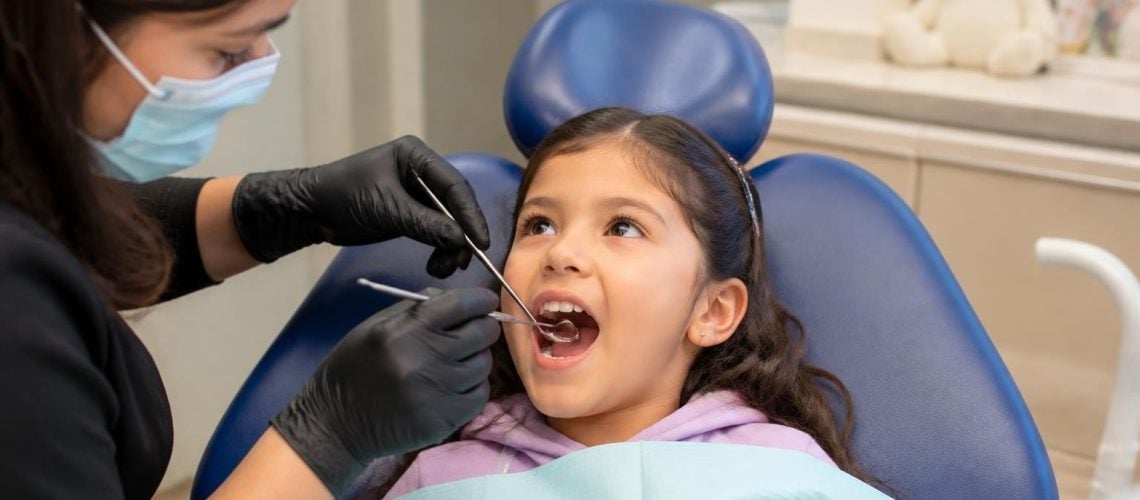
During this appointment, the focus remains on gentle examination and parent education rather than extensive treatment. The dentist will examine your child's existing teeth, gums, jaw, and bite. They'll check for signs of early decay, assess fluoride needs, and review feeding practices that impact oral health. Many practices use a "lap examination" technique for very young children, where the child sits on a parent's lap facing the parent while the dentist examines from behind, maintaining the parent-child connection throughout.
First Visit Checklist
- Pre-appointment preparation: Talk positively about the dentist, read children's books about dental visits, avoid using fear-based language
- Documentation: Bring insurance cards, complete medical history forms, list any medications or allergies
- Timing considerations: Schedule during your child's best time of day when they're well-rested and fed
- Questions to ask: Inquire about emergency protocols, fluoride recommendations, and age-appropriate home care techniques
- Follow-up planning: Establish a regular recall schedule based on your child's individual risk factors
The American Dental Association provides comprehensive guidance on brushing techniques and toothbrush selection appropriate for different ages, which your pediatric dentist will review during this visit.
Preventive Services That Protect Growing Smiles
Preventive care forms the cornerstone of pediatric dentistry. Regular cleanings, examinations, and protective treatments significantly reduce the likelihood of cavities, gum disease, and other oral health problems. A skilled pediatric dentist in Converse will create a customized preventive care plan based on your child's age, diet, fluoride exposure, and individual risk factors.
Professional cleanings remove plaque and tartar that normal brushing cannot eliminate. During these appointments, dental hygienists use specialized instruments designed for children's smaller mouths and developing teeth. They teach age-appropriate brushing and flossing techniques, making these sessions educational opportunities that empower children to take ownership of their oral health.
Essential Preventive Treatments
Fluoride Applications: Professional fluoride treatments strengthen tooth enamel and reverse early signs of decay. The concentration and delivery method varies based on the child's age and cavity risk level.
Dental Sealants: These thin protective coatings are applied to the chewing surfaces of molars, where most childhood cavities occur. Sealants prevent food particles and bacteria from settling into the deep grooves and pits of back teeth.
Oral Health Education: Teaching children proper technique matters more than simply telling them to brush. Pediatric dental teams demonstrate effective brushing patterns, appropriate flossing methods, and the importance of tongue cleaning.
Dietary Counseling: Understanding how different foods and beverages affect teeth helps families make informed choices. Pediatric dentists discuss the impact of sugary drinks, sticky snacks, and acidic foods on developing teeth.
Growth Monitoring: Regular visits allow early detection of bite problems, crowding issues, or jaw development concerns that may benefit from interceptive orthodontic treatment.
| Preventive Service | Recommended Frequency | Primary Benefit |
|---|---|---|
| Professional Cleaning | Every 6 months | Plaque and tartar removal |
| Fluoride Treatment | Every 6 months | Enamel strengthening |
| Dental Sealants | Once per permanent molar | Cavity prevention |
| Comprehensive Exam | Annually | Early problem detection |
| X-rays | As needed (typically yearly) | Hidden cavity identification |
Understanding why sterilization protocols matter helps parents appreciate the safety measures pediatric practices implement to protect their children.
Common Pediatric Dental Treatments and Procedures
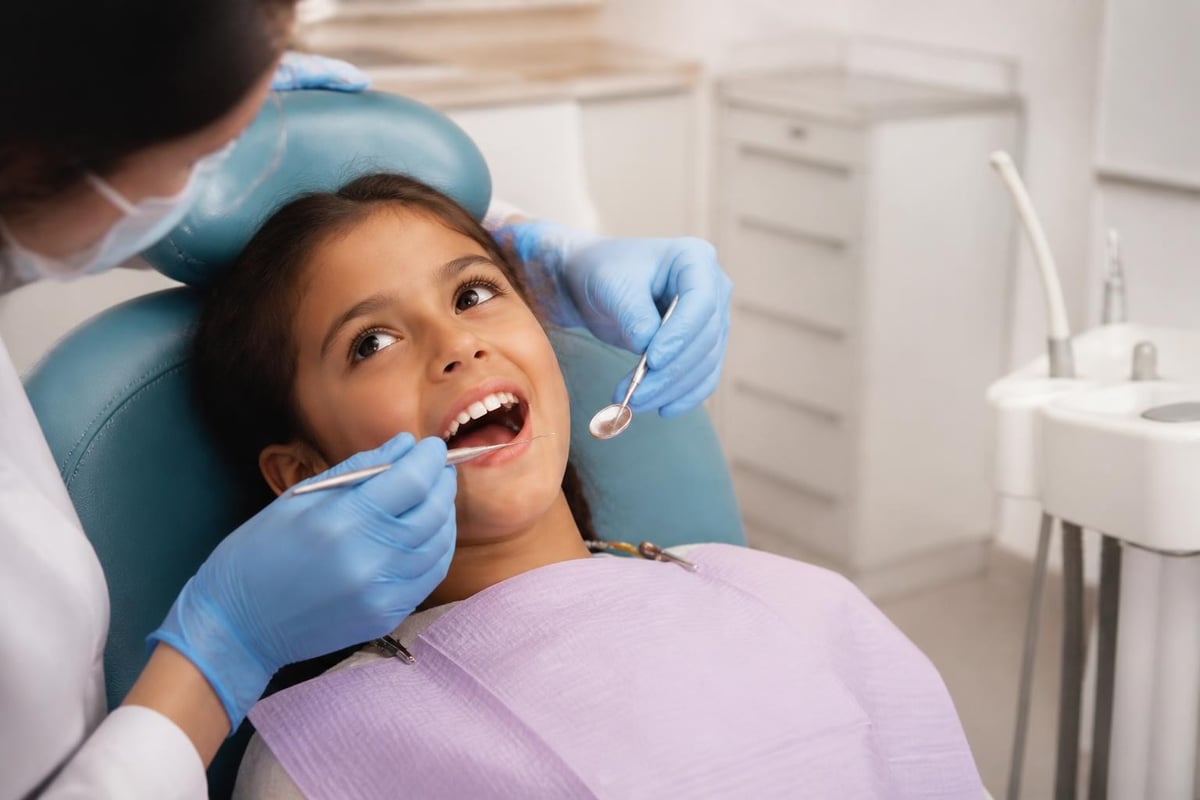
Despite excellent preventive care, some children require restorative treatments due to genetics, dietary factors, or accidents. Modern pediatric dentistry offers numerous treatment options designed specifically for primary and developing permanent teeth. When seeking a pediatric dentist in Converse, understanding these common procedures helps parents feel prepared and confident.
Cavity treatment in children differs significantly from adult restorations. Primary teeth have thinner enamel and larger pulp chambers, requiring modified techniques. The American Academy of Pediatric Dentistry provides evidence-based guidelines on treating deep cavities in baby teeth, emphasizing approaches that preserve tooth vitality whenever possible.
Restorative Procedures
Composite Fillings: Tooth-colored materials restore cavities while maintaining natural appearance. These fillings bond directly to tooth structure and require less tooth removal than traditional amalgam.
Stainless Steel Crowns: When decay is extensive or a tooth requires pulp therapy, full-coverage crowns protect the remaining tooth structure until natural exfoliation. These pre-formed crowns are durable and cost-effective.
Pulp Therapy (Baby Root Canal): When decay reaches the nerve of a primary tooth, specialized techniques can remove infected tissue while preserving the tooth's foundation. This prevents premature tooth loss and maintains proper spacing for permanent teeth.
Space Maintainers: If a primary tooth is lost prematurely due to decay or trauma, these custom appliances hold the space open, preventing adjacent teeth from drifting and causing future orthodontic problems.
Tooth Extractions: When a tooth cannot be saved or is preventing proper development, careful extraction followed by space management prevents complications.
Parents often wonder about toothache causes and solutions when their children experience dental discomfort between scheduled visits.
Managing Dental Anxiety and Building Positive Experiences
Dental anxiety affects approximately 20 percent of children, ranging from mild nervousness to severe phobia. A skilled pediatric dentist in Converse employs evidence-based behavior guidance techniques that help anxious children receive necessary care while building confidence for future appointments.
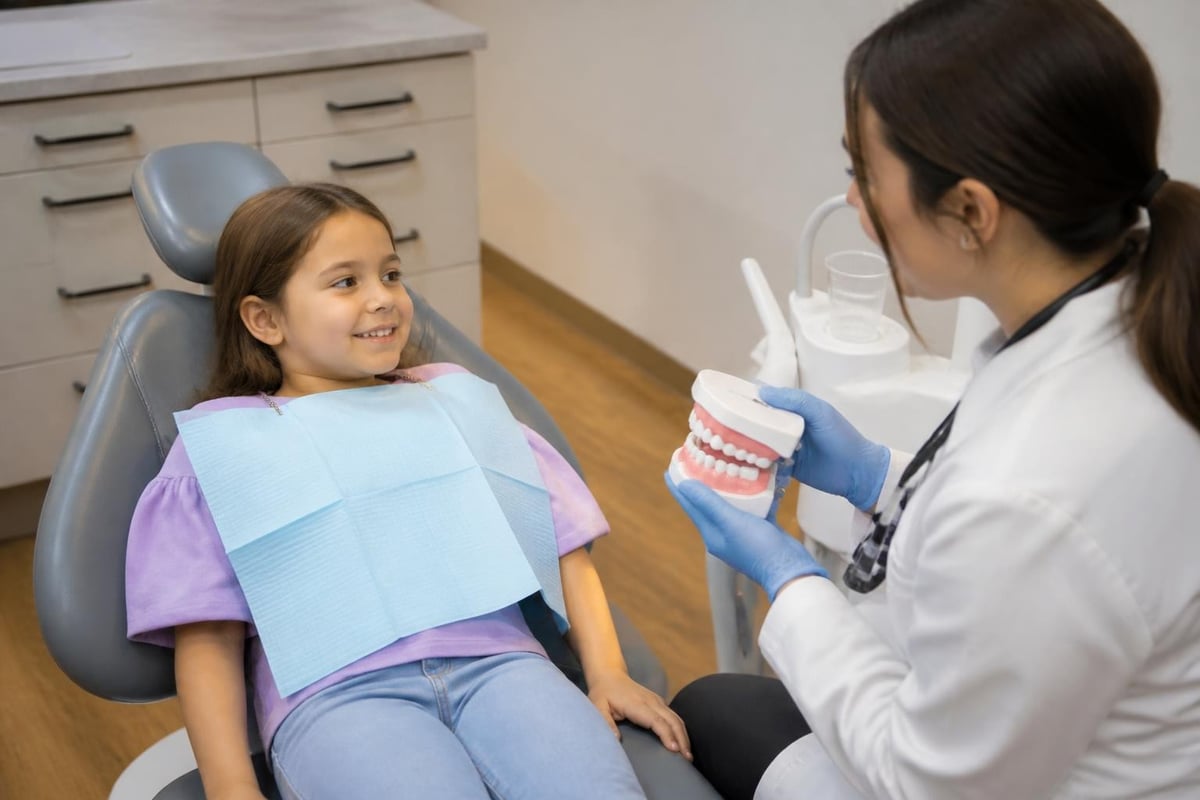
The tell-show-do technique remains one of the most effective approaches for introducing new procedures. The dentist first explains what will happen using age-appropriate, non-frightening language. Next, they demonstrate the procedure on a model or the parent's hand. Finally, they perform the procedure on the child, who now understands what to expect. This systematic desensitization reduces fear and increases cooperation.
Behavior Guidance Strategies
- Positive reinforcement: Praising specific cooperative behaviors encourages repetition during current and future visits
- Voice control: Using calm, firm tones to gain attention and guide behavior without frightening the child
- Distraction techniques: Engaging children with stories, music, or videos during procedures
- Nitrous oxide sedation: Safe, reversible anxiolysis that helps moderately anxious children relax while remaining responsive
- Protective stabilization: In rare cases where a child cannot cooperate and needs urgent treatment, gentle, temporary restraint ensures safety
Parents play a crucial role in managing dental anxiety. Avoiding negative language about dentistry, staying calm during appointments, and maintaining consistent dental visits all contribute to positive experiences. Research shows that children whose parents express dental fear are significantly more likely to develop anxiety themselves.
The Importance of Early Orthodontic Evaluation
Most parents don't realize that orthodontic evaluation should begin around age seven, well before all permanent teeth have erupted. Early assessment allows pediatric dentists and orthodontists to identify developing problems when they're easiest to address. A pediatric dentist in Converse can recognize warning signs that warrant specialist referral or provide interceptive treatment directly.
Interceptive orthodontics addresses problems during the mixed dentition stage (when both primary and permanent teeth are present). Simple interventions during this window can eliminate the need for more extensive treatment later or make future orthodontic treatment shorter and more effective.
Conditions Benefiting from Early Intervention
Severe crowding: When insufficient space exists for permanent teeth, early expansion can create room, potentially avoiding extractions later.
Crossbites: When upper teeth close inside lower teeth, early correction prevents jaw growth asymmetry and tooth wear.
Protruding front teeth: Teeth that stick out significantly increase trauma risk. Early treatment reduces this vulnerability during active childhood years.
Underbites: Lower jaws that grow excessively forward benefit from growth modification during developmental years when bone is still malleable.
Harmful oral habits: Persistent thumb sucking or tongue thrusting can be addressed with habit appliances before permanent damage occurs.
Understanding what causes crooked teeth helps parents recognize risk factors early and seek appropriate intervention.
Sports Safety and Dental Trauma Prevention
Active children face heightened risk of dental injuries during sports and play. The American Dental Association estimates that properly fitted mouthguards prevent approximately 200,000 oral injuries annually. A pediatric dentist in Converse can provide custom athletic mouthguards that offer superior protection compared to generic store-bought options.
Custom mouthguards fit precisely to your child's teeth, providing better retention, comfort, and protection. Children are more likely to wear comfortable mouthguards consistently, and proper fit ensures the device doesn't dislodge during impact. These appliances protect not only teeth but also lips, tongues, and jaw joints from injury.
Emergency Response for Dental Trauma
| Injury Type | Immediate Action | Follow-up Care |
|---|---|---|
| Knocked-out permanent tooth | Rinse gently, reinsert if possible, or store in milk | Emergency dental visit within 30 minutes |
| Knocked-out baby tooth | Do not reinsert; control bleeding with gauze | Call pediatric dentist same day |
| Chipped tooth | Save fragments, rinse mouth | Schedule appointment within 24 hours |
| Jaw injury | Apply cold compress, limit movement | Emergency evaluation to rule out fracture |
| Soft tissue laceration | Clean area, apply pressure | Seek care if bleeding persists after 10 minutes |
Parents should maintain their pediatric dentist's emergency contact information and understand that prompt response significantly improves outcomes for traumatic dental injuries.
Nutrition and Its Impact on Children's Oral Health
Diet plays a fundamental role in dental health, particularly during childhood when eating habits form and teeth are developing. A pediatric dentist in Converse will discuss dietary factors that promote strong teeth and those that increase cavity risk, helping families make informed nutritional choices.
Frequent sugar exposure creates an acidic oral environment that demineralizes tooth enamel. The frequency of sugar consumption matters more than the total amount consumed. Children who sip sugary drinks throughout the day or constantly snack on carbohydrates experience prolonged acid attacks on their teeth, dramatically increasing decay risk.
Foods That Promote Dental Health
- Cheese and dairy products: Calcium and phosphates strengthen enamel; cheese stimulates saliva production that neutralizes acid
- Crunchy vegetables: Raw carrots, celery, and apples naturally clean teeth while stimulating healthy gums
- Lean proteins: Phosphorus-rich foods like chicken, fish, and eggs support tooth remineralization
- Water: Especially fluoridated water, which rinses away food particles and delivers protective minerals
- Nuts and seeds: Provide minerals while requiring extensive chewing that promotes saliva flow
Families often don't realize that certain beverages significantly damage teeth, particularly when consumed frequently throughout the day. Similarly, dry mouth conditions can increase cavity risk in children taking certain medications.
Special Considerations for Children with Medical Conditions
Children with chronic medical conditions, developmental disabilities, or special healthcare needs require modified dental approaches. An experienced pediatric dentist in Converse understands how various medical conditions affect oral health and collaborates with physicians to provide comprehensive, coordinated care.
Certain medications cause dry mouth, gum overgrowth, or delayed tooth development. Children with asthma who use inhalers may experience increased cavity risk. Those with diabetes face heightened periodontal disease susceptibility. Understanding these connections allows preventive interventions that protect oral health while managing underlying medical conditions.
The American Academy of Pediatrics emphasizes oral health integration into overall pediatric care, recognizing that oral health and general health are inseparable.
Accommodations for Special Needs Patients
Extended appointment times: Allowing additional time reduces stress and accommodates slower processing or movement
Sensory-friendly environments: Dimmed lighting, noise-canceling headphones, and minimal sensory stimulation help children with autism spectrum disorder
Wheelchair accessibility: Physical access ensures all children receive appropriate care regardless of mobility limitations
Sedation options: When behavior guidance alone is insufficient, conscious sedation or general anesthesia enables safe treatment completion
Parent involvement: Encouraging parents to remain present and participate actively in care provides comfort and continuity
Understanding how oral health affects overall body health helps parents appreciate the importance of dental care for medically complex children.
Building Effective Home Care Routines
Professional dental care provides essential protection, but daily home care determines long-term oral health outcomes. A pediatric dentist in Converse teaches age-appropriate oral hygiene techniques that evolve as children grow from total dependence to independent self-care.
For infants, parents should wipe gums with a soft, damp cloth after feedings. Once teeth erupt, use a soft-bristled infant toothbrush with a rice-grain-sized smear of fluoride toothpaste twice daily. The American Dental Association updated recommendations in 2014 to include fluoride toothpaste from first tooth eruption, recognizing that benefits outweigh minimal ingestion risks.
Age-Specific Oral Hygiene Guidelines
Ages 0-3: Parents perform all oral care; use minimal fluoride toothpaste; establish twice-daily brushing routine
Ages 3-6: Increase fluoride toothpaste to pea-sized amount; parents continue brushing but may allow supervised participation; begin flossing when teeth touch
Ages 6-8: Transition to child performing brushing with parent supervision and assistance; parents handle flossing; introduce electric toothbrush if helpful
Ages 8-12: Children brush independently but parents monitor technique and consistency; teach proper flossing; emphasize importance of routine
Ages 12+: Adolescents maintain independent oral care with periodic parental reinforcement; address specific concerns like orthodontic appliances or wisdom teeth
Parents commonly ask whether they should brush or floss first when establishing family oral hygiene routines.
Choosing the Right Pediatric Dentist for Your Family
Selecting a pediatric dentist represents an important healthcare decision that affects your child's oral health for years. Families seeking a pediatric dentist in Converse should consider multiple factors beyond simple convenience, though proximity certainly matters for busy families managing multiple children's schedules.
Professional qualifications form the foundation of quality care. Verify that any prospective pediatric dentist completed an accredited pediatric dental residency program and maintains board certification. Membership in professional organizations like the American Academy of Pediatric Dentistry indicates commitment to continuing education and evidence-based practice.
Evaluation Criteria
- Educational background and credentials: Specialized training, board certification, ongoing professional development
- Office environment: Child-friendly design, cleanliness, age-appropriate entertainment, safety measures
- Communication style: Clear explanations, patience with questions, respect for parental concerns
- Technology and techniques: Digital radiography, laser dentistry, modern sedation options, minimally invasive approaches
- Emergency availability: After-hours protocols, trauma management capabilities, clear communication channels
- Insurance participation: Network status, payment plans, financial transparency
- Staff expertise: Experienced hygienists, friendly front desk, skilled assistants trained in pediatric care
Many parents wonder what treatments general dentists provide compared to pediatric specialists when deciding between family dentistry and pediatric-focused care.
Understanding Pediatric Dental Insurance and Costs
Dental care costs concern many families, particularly when children require extensive treatment. Understanding insurance coverage, payment options, and cost-saving strategies helps families access necessary care without financial hardship. Most pediatric dentists in Converse accept various insurance plans and offer flexible payment arrangements.
The Children's Health Insurance Program (CHIP) provides dental coverage for eligible Texas children whose families earn too much to qualify for Medicaid but cannot afford private insurance. This program significantly expands access to preventive and restorative dental care for middle-income families.
Typical Pediatric Dental Costs (Without Insurance)
| Service | Approximate Cost Range |
|---|---|
| Initial comprehensive exam | $75-150 |
| Routine cleaning (prophylaxis) | $80-120 |
| Fluoride treatment | $25-50 |
| Dental sealants (per tooth) | $35-60 |
| Composite filling | $150-300 |
| Stainless steel crown | $250-450 |
| Pulp therapy | $200-400 |
| Extraction (simple) | $100-250 |
Families can explore various strategies to reduce dental care costs while maintaining quality treatment. Preventive care remains the most cost-effective approach, as regular cleanings and early intervention prevent expensive restorative procedures.
Addressing Common Parental Concerns and Questions
Parents naturally have questions about their children's dental health. Understanding common concerns helps families make informed decisions and recognize when professional evaluation is necessary. A pediatric dentist in Converse should welcome questions and provide clear, evidence-based answers that empower parents.
When should my child start losing baby teeth? Most children begin losing primary teeth around age six, starting with lower front teeth. The process continues until approximately age twelve. Significant deviation from this timeline may warrant evaluation, though considerable normal variation exists.
Are cavities in baby teeth really important? Absolutely. Primary teeth maintain space for permanent teeth, support proper jaw development, enable clear speech, and allow adequate nutrition. Untreated decay can cause pain, infection, difficulty eating, and premature tooth loss leading to orthodontic problems.
How do I know if my child has a cavity? Early cavities may show no symptoms. Recognizing cavity signs helps parents seek timely treatment. White or brown spots on teeth, visible holes, sensitivity to sweet or cold foods, and pain indicate potential decay requiring professional evaluation.

Frequently Asked Questions
Q: Can pediatric dentistry help with thumb sucking?
A: Yes, pediatric dentists offer various interventions for persistent thumb sucking that continues beyond age four. These range from positive reinforcement strategies to habit appliances that make thumb sucking less satisfying.
Q: Why do some children get cavities more easily than others?
A: Multiple factors influence cavity susceptibility, including genetics, saliva composition, bacteria levels, diet, oral hygiene, and fluoride exposure. Understanding why some people are more cavity-prone helps customize preventive approaches.
Q: What should I do if my child complains of tooth pain?
A: Contact your pediatric dentist promptly. In the meantime, learn how to help with tooth pain through safe home measures like cold compresses and age-appropriate pain relievers.
Q: How quickly can a tooth infection spread in children?
A: Dental infections can progress rapidly in children due to their developing immune systems and the anatomy of primary teeth. Understanding infection spread timelines emphasizes the importance of prompt treatment.
Q: Can small cavities heal without treatment?
A: Very early demineralization (white spots) can sometimes remineralize with improved hygiene and fluoride application. However, cavitated lesions require professional treatment to prevent progression.
The Long-Term Value of Consistent Pediatric Dental Care
Establishing consistent dental care during childhood creates foundation for lifelong oral health. Children who receive regular preventive care from a pediatric dentist in Converse develop positive attitudes toward dentistry, maintain healthier teeth into adulthood, and experience fewer complex dental problems requiring extensive treatment.
Research demonstrates that every dollar spent on preventive dental care saves approximately eight to fifty dollars in restorative and emergency treatment costs. Beyond financial considerations, consistent care prevents pain, missed school days, difficulty eating, and the psychological impact of visible dental problems that affect self-esteem during crucial developmental years.
Lifelong Benefits of Early Dental Care
- Reduced lifetime cavity risk: Early preventive care and education establish habits that protect teeth for decades
- Lower orthodontic treatment complexity: Early intervention often simplifies or eliminates extensive orthodontic needs
- Positive dental attitudes: Children who experience gentle, positive dental care rarely develop dental phobia
- Better overall health: Oral health connects to systemic health; good dental care supports whole-body wellness
- Financial savings: Preventing problems costs far less than treating established disease
- Enhanced quality of life: Healthy teeth support nutrition, clear speech, positive self-image, and social confidence
Parents who prioritize pediatric dental care give their children advantages that extend far beyond childhood, setting the stage for confident smiles and optimal health throughout life.
Selecting the right pediatric dentist in Converse ensures your child receives specialized care tailored to their unique developmental needs while building positive associations with dental health that last a lifetime. From that crucial first birthday visit through adolescence, consistent professional care combined with effective home hygiene creates the foundation for healthy, confident smiles. Dental Plus Clinic offers comprehensive pediatric dental services at our Converse location, combining specialized expertise with a welcoming, child-friendly environment where your family's oral health becomes our priority. Schedule your child's appointment today to experience patient-focused care that makes dental visits something your children actually look forward to.