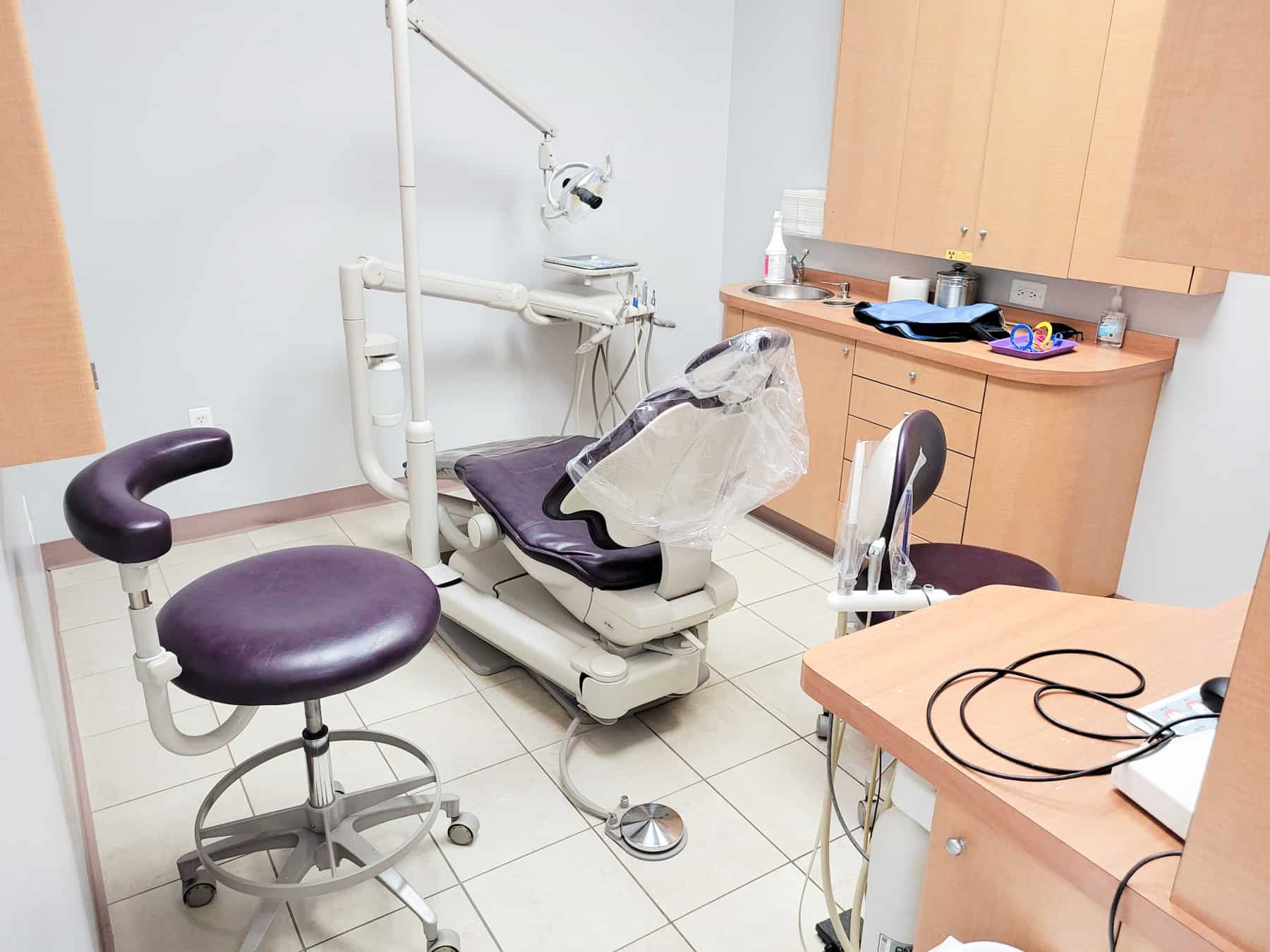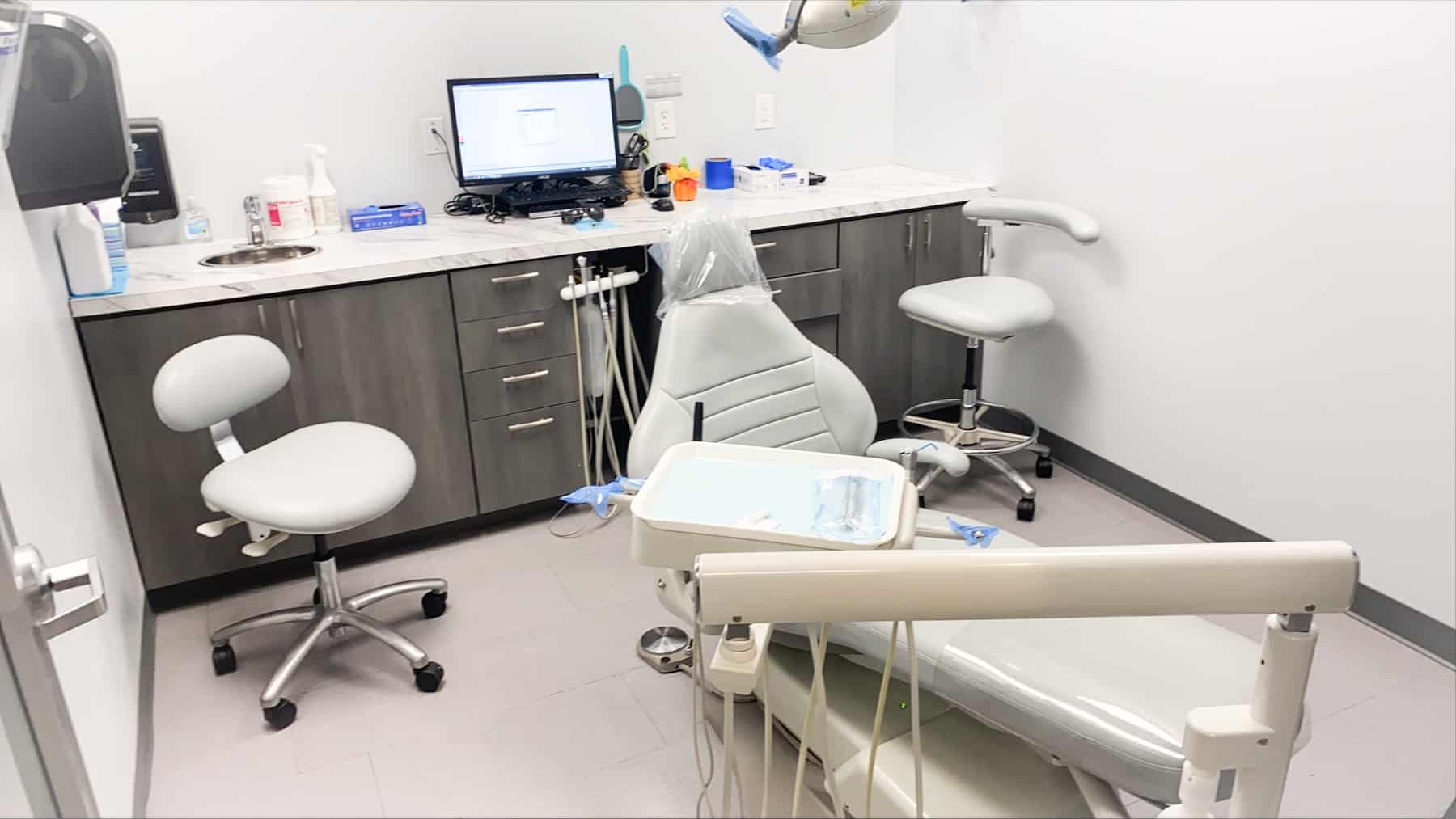


The best family dentist in Beeville is a licensed general dentist who treats every age under one roof, explains costs before treatment, accepts your insurance or offers a clear self-pay option, and makes your children and older relatives comfortable enough to keep coming back. Start with those four tests and the choice gets much easier. This guide walks through each one, along with the questions to ask, the red flags to watch for, and how to confirm a dentist's credentials before you book.
Choosing well matters because dental care is rarely a one-time event. A practice that handles a toddler's first visit, a teenager's sealants, a parent's crown and a grandparent's implant becomes a long-term health partner for your household. The right fit saves time, money and worry for years.
What Does a Family Dentist in Beeville Actually Do?
A family dentist is a general dentist trained to provide preventive, restorative and basic cosmetic care for patients of every age, from a child's first tooth to an adult's dentures. Rather than splitting your household among several specialists, one practice keeps all your records, X-rays and treatment history in one place.
Typical services at a full-service family practice include:
- Preventive care: cleanings, exams, digital X-rays, fluoride treatments and sealants
- Restorative care: fillings, crowns, bridges, root canals and extractions
- Cosmetic care: teeth whitening, bonding and veneers
- Replacement and alignment: dental implants, dentures and clear aligners
- Urgent care: treatment for toothaches, broken teeth and lost fillings
For a closer look at the range of treatments a general dentist handles, see this overview of what types of treatments general dentists provide.
The practical advantage is continuity. When the same team sees you every six months, they notice small changes early: a new area of gum recession, a cracked filling, a shift in your child's bite. Catching those changes early usually means simpler, less expensive treatment.
Why Families in Beeville Struggle to Find the Right Dentist
Most families run into the same handful of frustrations: scattered appointments, unclear pricing, long waits for urgent problems and anxiety about visits. Naming these pain points helps you screen for practices that solve them.
Common concerns include:
- Coordinating schedules. Separate dentists for parents and children mean multiple trips, multiple forms and multiple days off work.
- Surprise bills. A "routine" visit turns into an unexpected charge because costs were never discussed up front.
- Referral runaround. Some treatments get sent to outside specialists, adding weeks and extra copays.
- Dental anxiety. Children, and plenty of adults, delay care because of past uncomfortable experiences.
- Emergencies. A cracked tooth on a Friday afternoon is a poor time to discover you have no dentist.
Consider a realistic example. A Beeville mother has one child due for sealants, a teenager needing a cleaning and a husband with a chipped molar. With three different offices, that is three phone calls and three insurance verifications. With one family practice, it can be a single coordinated plan. That convenience alone is often what turns a "good enough" dentist into the right one.
How to Verify a Dentist's Credentials in Texas
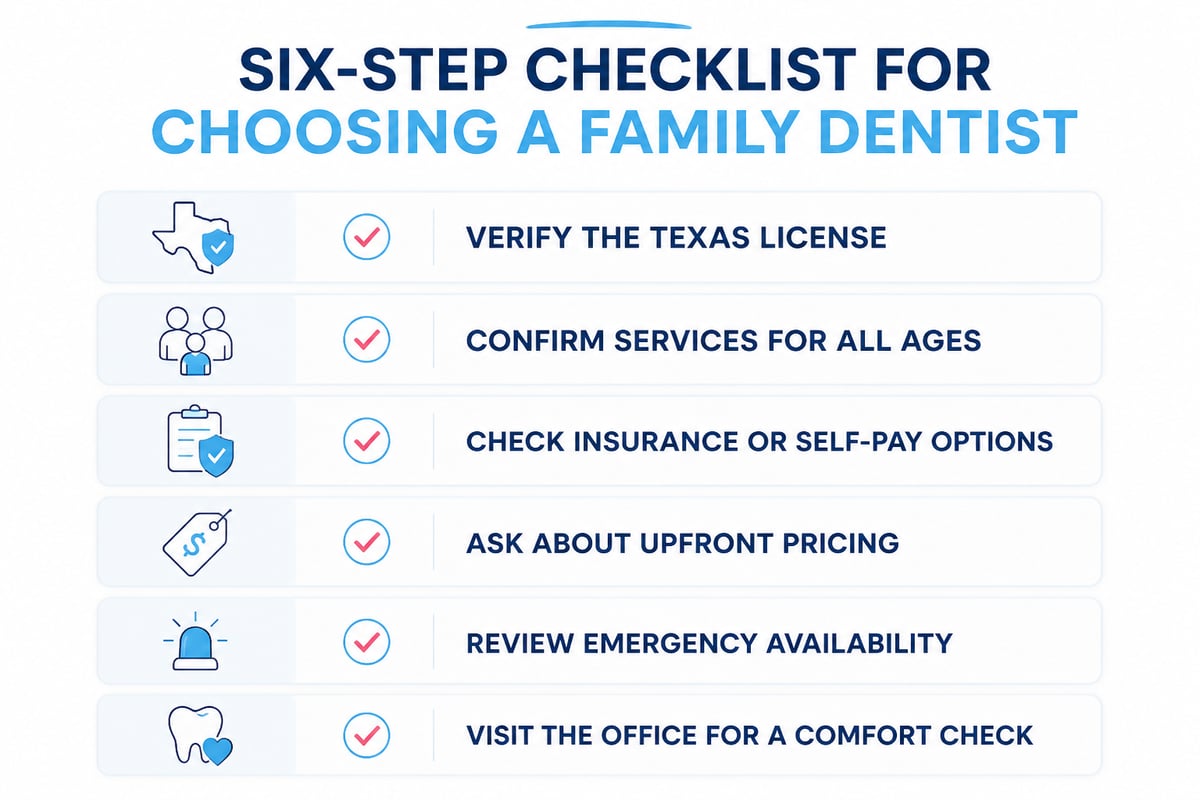
Confirm that any dentist you consider holds an active Texas license by using the state's public lookup, which takes only a few minutes. The Texas State Board of Dental Examiners public license search lets consumers check a licensee's current status and view public actions taken against them.
If you need a formal document rather than an online lookup, you can submit a verification of licensure request to the Board. For most families, the online search is all that is necessary.
Beyond the license, look for signs of ongoing education. Dentistry changes quickly, and continuing education is one way dentists keep their skills current. At Dental Plus Clinic, for example, Dr. Tejash Patel received the Kenneth D Rudd Award for earning more than 200 continuing education courses in one year. When you meet a prospective dentist, ask what training they have pursued recently and how it applies to the treatments your family is likely to need.
A short credential checklist:
- Active Texas license with no concerning public actions
- Recent continuing education in areas relevant to your family
- Clear explanation of who performs which procedures
- Willingness to answer questions without rushing you
What to Look for in a Family Dentist in Beeville
The strongest family dentist in Beeville combines broad services, modern equipment, transparent pricing and a calm, one-on-one approach to patient care. Use the criteria below as a scorecard when you compare offices.
Comprehensive Services Without Referrals
A practice that can handle most treatments in one place keeps your care simple. Dental Plus Clinic offers comprehensive treatment, so many common procedures can be handled without a referral. Ask any practice you consider which services are done on site and which are sent elsewhere.
Pay particular attention to restorations. A practice that makes restorations in house can often deliver them faster than one that must send them to an outside lab. Ask other practices how long their restorations typically take and who fabricates them.
Modern Technology
Current technology supports accuracy and comfort. Digital X-rays, for instance, are a standard way to find problems between teeth that cannot be seen in a visual exam. Dental Plus Clinic emphasizes modern technology in its care. When touring any office, ask what diagnostic and treatment technology they use and how it benefits patients in practical terms: fewer repeat visits, clearer explanations, more precise treatment.
Personal Attention
Good care starts with listening. One-on-one attention means the dentist takes time to understand your goals, concerns and history before recommending anything. Patient testimonials for Dental Plus Clinic describe a relaxed, comfortable experience, which is exactly what anxious patients and nervous kids need.
Cleanliness and Safety
Infection control is non-negotiable. A well-run office should be able to explain its sterilization process without hesitation. Learn why it matters in this explainer on sterilization in dentistry, then ask any office you visit to describe their own protocols.
Can One Dentist Really Care for Every Age?
Yes. A family dentist is trained to treat patients of all ages, and many families prefer it because routines, records and relationships stay consistent as children grow. The key is making sure the practice is genuinely comfortable with each stage of life.
| Life stage | What the dentist should provide |
|---|---|
| Toddlers and young children | Gentle first visits, fluoride, sealants, guidance on habits such as thumb sucking |
| Teens | Cleanings, cavity prevention, orthodontic evaluation, mouthguard advice |
| Adults | Exams, gum health monitoring, fillings, crowns, whitening, implants |
| Older adults | Denture care, implant options, dry mouth and gum disease management |
For children, the approach matters as much as the credentials. Parents who want to understand pediatric care in more depth can read about pediatric dentistry in Texas and how dental teams help with habits like thumb sucking. If your child needs care specific to young patients in the area, there is also information on pediatric dentist care in Beeville.
A useful test: ask the office how they handle a nervous five-year-old and how they handle a nervous 65-year-old. The best answers are specific and patient, not scripted.
How Do Dental Insurance and Costs Work for Families?
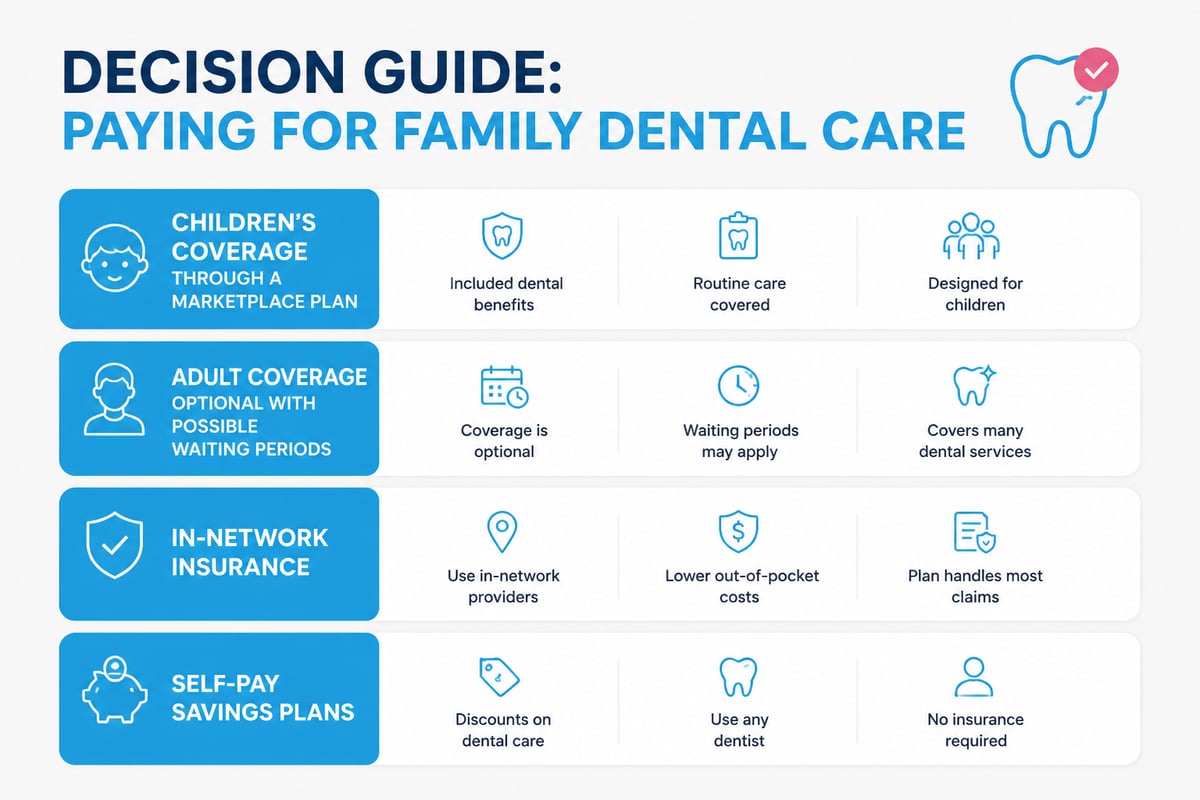
Dental coverage varies widely by plan, so the practical approach is to confirm your benefits before your first visit and ask the dentist for a written cost estimate. Understanding a few federal rules helps you avoid surprises.
According to HealthCare.gov, Marketplace plans may include dental benefits, or you can buy a separate dental plan, and separate adult plans can have waiting periods. The same source explains that dental coverage must be available for children age 18 and under through a Marketplace health plan or a separate dental plan, but families are not required to buy it. Adult dental coverage is not an essential health benefit, so health plans are not required to offer it.
In plain terms, a family may find that children have access to coverage while the adults do not, or that a new adult plan has a waiting period before certain treatments are covered. Knowing this in advance prevents unpleasant billing surprises.
Questions to Ask About Cost
- Do you accept my specific plan, and are you in network?
- What will I owe for this exam and cleaning before I arrive?
- Will you provide a written treatment estimate before any procedure?
- Is there a self-pay or membership option if I do not have insurance?
- Are there payment arrangements for larger treatments?
Dental Plus Clinic describes sharing pricing ahead of treatment, and patient testimonials mention clear, upfront treatment costs. For families weighing network status, this explanation of in-network versus out-of-network dentists is a helpful starting point. If you are searching for a dentist that accepts insurance in Beeville, confirm your plan details directly with the office. If you are uninsured, ask the Beeville office about its savings plan so you understand your options before you book.
What Happens at a First Visit?
A first visit typically includes a medical and dental history review, a full exam, digital X-rays when appropriate, a cleaning and a conversation about your goals and any concerns. It is also your chance to evaluate the practice.
Here is a reasonable sequence to expect:
- Welcome and paperwork. Insurance details, health history and any dental concerns.
- Exam and X-rays. The dentist checks teeth, gums, bite and soft tissue.
- Cleaning. Plaque and tartar removal, with guidance on home care.
- Treatment discussion. Findings explained in plain language, with options and costs.
- Plan and scheduling. Priorities set, and follow-up booked if needed.
Routine preventive care is the foundation of the family approach. Services such as dental cleanings and exams, including digital X-rays, fluoride and sealants, help prevent cavities and gum disease. For a family, building these visits into the calendar twice a year is one of the simplest ways to hold down long-term costs.
Watch how the team communicates. A strong first visit leaves you understanding what was found, what is urgent, what can wait and what each option costs. If you leave confused or pressured, that is useful information.
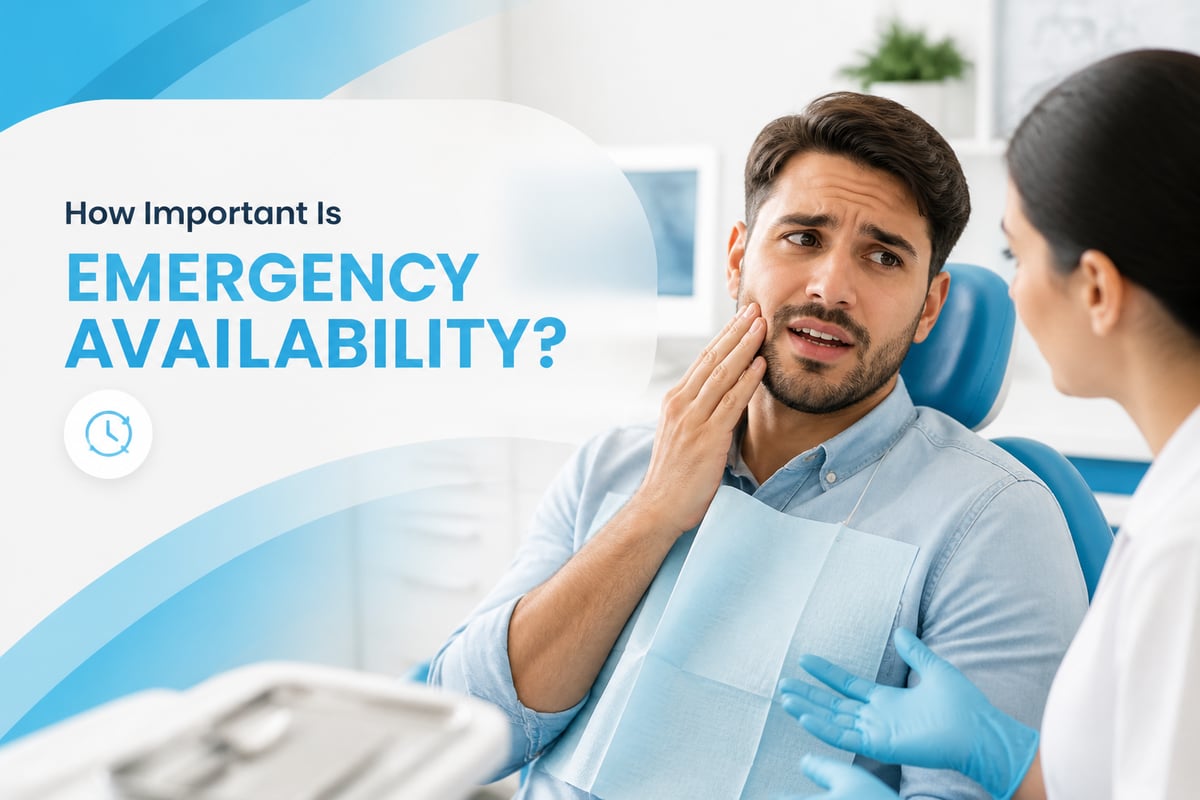
How Important Is Emergency Availability?
Emergency availability is important because dental problems rarely announce themselves in advance, and delays can turn a manageable issue into a more complex one. Ask any prospective dentist how they handle urgent situations before you need them.
Situations that call for prompt attention include:
- Severe or persistent toothache
- A knocked-out, loose or cracked tooth
- Facial swelling or a suspected abscess
- A lost crown or filling with sharp edges
- Bleeding that does not stop
Knowing where to go ahead of time reduces panic. If you want to understand your options, read about an emergency dentist in Beeville so you know how to act when something goes wrong. Save the office number in every adult's phone, and keep a card with the practice details in the car or kitchen drawer.
Common Objections and How to Overcome Them
Most hesitation about choosing a dentist comes from a short list of worries, and each has a practical answer.
"I am afraid of the dentist." Dental anxiety is common. Choose a practice known for a relaxed atmosphere, tell the team about your concerns at the start and ask about comfort options. Patient testimonials for Dental Plus Clinic describe a relaxed, comfortable experience.
"I cannot afford it." Ask for a written estimate, check whether your plan covers part of the cost and inquire about self-pay options. Planning preventive visits can help you avoid larger treatment later. You can explore more on affordable family dentistry.
"I do not have time." A single office for the whole family reduces trips. Book back-to-back appointments for parents and children to consolidate the visit.
"My current dentist is fine." If you are satisfied, there may be no reason to switch. If you have noticed rushed visits, unclear billing or difficulty getting appointments, this guide on when a person should switch dentists can help you decide.
"I do not know what I need." That is what a first exam is for. A good dentist explains findings clearly and lets you decide at your own pace.
Red Flags and Green Flags When Comparing Offices
Comparing offices side by side makes the decision clearer, and a few signals reliably separate strong practices from weaker ones.
Green flags
- The dentist explains findings in plain language and answers questions patiently
- Costs are discussed before treatment, in writing if you ask
- The office is clean, organized and on time
- Staff are warm with children and older patients alike
- Emergency and scheduling policies are easy to learn
Red flags
- Pressure to approve large treatment on the spot
- Vague answers about pricing or insurance
- No clear process for urgent problems
- Long delays for routine appointments
- Reluctance to share credentials or explain procedures
Treat your first appointment as a trial. You are not obligated to stay with a practice because you booked one visit. Trust your impressions of how you and your children are treated.
Whole-Health Habits That Support Your Dental Care
Oral health connects to overall health, so it helps to treat dental visits as one part of a broader routine. Good sleep, balanced nutrition, regular movement and routine medical screenings all influence your mouth, and the reverse is also true.
Some families pair dental checkups with other preventive habits. Resources focused on whole-person prevention, such as Helt Helse, a Norwegian clinic that takes a holistic approach to preventive health, illustrate how connected these areas are. If your physician recommends routine bloodwork, self-pay services like Justlabs offer online lab ordering at transparent prices, which can be useful for families tracking their overall health alongside their dental care. Always share relevant medical conditions and medications with your dentist, since they can affect treatment and healing.
At home, a few daily habits make a measurable difference:
- Brush for two minutes, twice a day, with fluoride toothpaste
- Clean between teeth daily
- Limit sugary drinks and frequent snacking, especially for children
- Replace toothbrushes every three to four months
- Keep regular exam and cleaning appointments
Convenience Across Texas Locations
If your family spans several communities, a practice with multiple offices can simplify scheduling. Dental Plus Clinic lists five locations across Texas: Beeville, Seguin, New Braunfels, Leander and Converse. That matters for families with relatives in different cities, for college students returning home and for households that move within the region.
Location also affects how consistently you attend. Choose an office you can reach easily from home or work, since appointments that are hard to reach are the first ones to be postponed. If a nearby option appeals to you, you can also look at family dentist near me information to compare what is available close to you.
Frequently Asked Questions
What is the difference between a family dentist and a pediatric dentist?
A family dentist treats patients of all ages, while a pediatric dentist focuses exclusively on children. Many families choose a family dentist for convenience and continuity, and some add a pediatric specialist for children with particular needs.
How often should my family see the dentist?
Most people benefit from an exam and cleaning about every six months, though your dentist may recommend a different schedule based on your gum health, cavity risk and medical history.
When should my child have a first dental visit?
Many dental organizations recommend a first visit by a child's first birthday or soon after the first tooth appears. Ask your family dentist what timing they suggest for your child.
Do I need a referral to see a dentist for implants or crowns?
Ask each office whether it provides comprehensive treatment so you know if a referral is needed. Ask too whether crowns, bridges and implants are made in house.
Will I know the cost before treatment?
Ask any practice to share pricing ahead of treatment so you know what to expect. Ask any practice for a written estimate before you agree to a procedure.
What should I do if I do not have dental insurance?
Ask about self-pay pricing, payment arrangements and any savings plan the office offers. Compare estimates between practices so you understand your options.
How do I check that a dentist is licensed in Texas?
Use the Texas State Board of Dental Examiners' public license search to check current status and any public actions against the dentist.
Your next step is simple: confirm a prospective dentist's license, gather your insurance details and call to ask about pricing, services for every age and emergency availability. If you want one team that treats your whole household with one-on-one attention and clear costs, Dental Plus Clinic's Beeville office is ready to help, and you can book an appointment to start your family's care. Begin with a routine visit through dental cleanings and exams, and you will leave with a clear picture of your family's oral health and a plan for the year ahead.