

When you're missing multiple teeth or facing full tooth loss, All-on-4 dental implants offer a transformative solution that restores both function and confidence. This innovative treatment replaces an entire arch of teeth with just four strategically placed implants, providing immediate results and long-term stability. Understanding the all-on-4 cost texas patients typically encounter requires examining multiple factors, from the complexity of your individual case to the specific location where you receive treatment. This comprehensive guide breaks down pricing structures, payment options, and regional considerations to help you make an informed decision about this life-changing dental investment.
Understanding All-on-4 Technology and Why It Costs What It Does
The All-on-4 concept revolutionized full-arch restoration by reducing the number of implants needed while maximizing bone contact and stability. Traditional full-arch implant solutions often required six to eight implants per arch, along with extensive bone grafting procedures that added months to treatment time and thousands of dollars to the final bill.
All-on-4 treatment places four titanium implants at precise angles, with the posterior implants tilted up to 45 degrees to avoid anatomical structures and engage the strongest available bone. This biomechanical design eliminates bone grafting in most cases and allows for immediate loading of a temporary prosthesis on the same day as surgery.
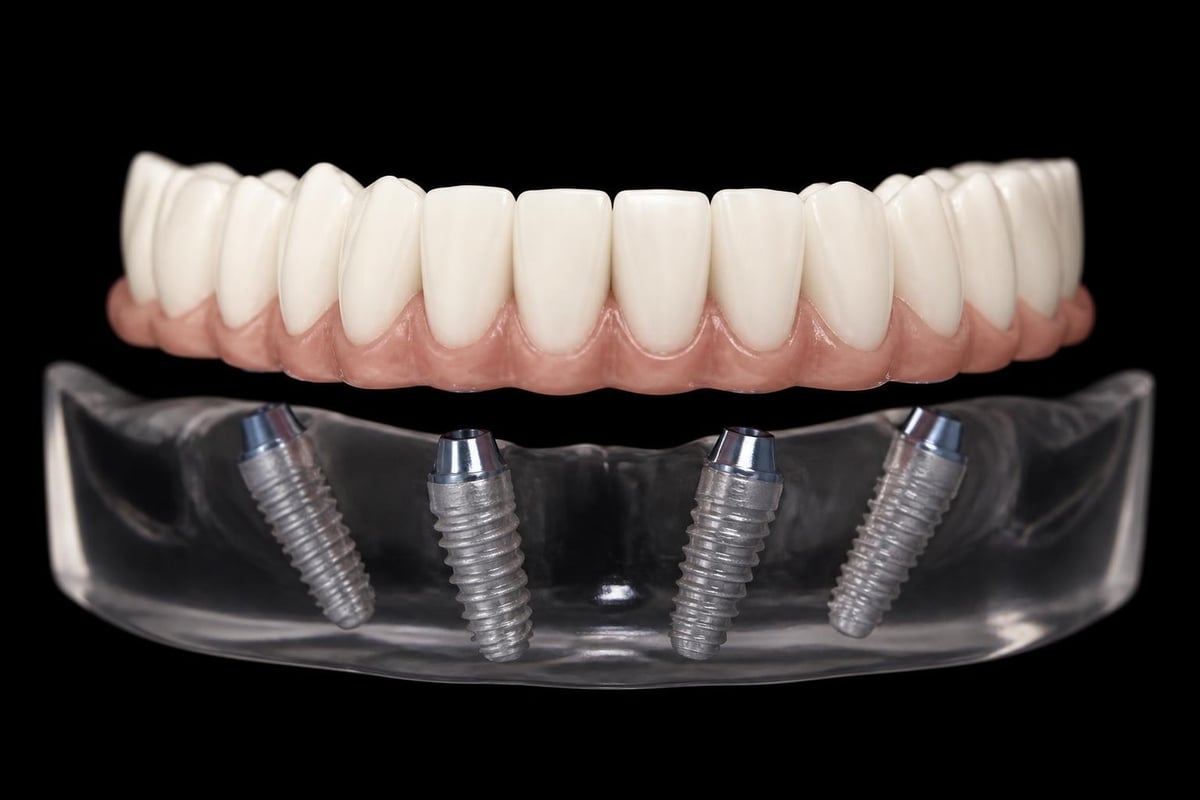
The all-on-4 cost texas providers charge reflects several high-value components:
- Surgical expertise and planning: Digital treatment planning with 3D imaging, surgical guide fabrication, and the specialized skill required for precise implant placement
- Premium materials: Medical-grade titanium implants, custom-milled prosthetics, and biocompatible components engineered for decades of function
- Immediate function: Same-day teeth that allow you to eat, speak, and smile confidently while your implants integrate with bone
- Comprehensive care: Pre-operative evaluation, sedation or anesthesia, surgery, temporary prosthesis, healing period management, and final restoration
According to peer-reviewed research comparing All-on-4 to conventional approaches, the streamlined protocol delivers comparable or superior outcomes while reducing overall treatment costs by 30-40% compared to traditional methods requiring extensive bone grafting.
The Clinical Foundation Supporting All-on-4 Outcomes
Evidence-based dentistry demands that expensive treatments deliver predictable, long-lasting results. Clinical studies on All-on-4 survival rates demonstrate implant success rates exceeding 95% at 10 years, with prosthetic survival rates above 98% when proper maintenance protocols are followed.
These outcomes justify the investment by providing decades of reliable function. When evaluating the all-on-4 cost texas dental practices quote, consider that this represents a one-time investment rather than the recurring costs associated with removable dentures, which require regular adjustments, relines, and eventual replacement every 5-7 years.
Texas-Specific Pricing: What All-on-4 Actually Costs in the Lone Star State
The all-on-4 cost texas residents encounter varies by geographic region, provider credentials, and the specific materials and techniques employed. Based on 2026 market data from dental practices across the state, here's what you can expect:
| Location Category | Single Arch Range | Both Arches Range | Average Per Arch |
|---|---|---|---|
| Major Metropolitan (Dallas, Houston, Austin, San Antonio) | $22,000 – $35,000 | $44,000 – $65,000 | $28,500 |
| Mid-Size Cities (Corpus Christi, El Paso, Arlington) | $20,000 – $32,000 | $40,000 – $60,000 | $26,000 |
| Smaller Cities & Towns (Seguin, New Braunfels, Beeville) | $18,000 – $28,000 | $36,000 – $52,000 | $23,000 |
These ranges account for full treatment from consultation through final prosthesis placement. The lower end typically represents acrylic-based prosthetics with standard implant systems, while the upper end includes premium materials like zirconia prosthetics, advanced imaging technology, and board-certified specialists.
Breaking Down the Price Components
Understanding what comprises the total all-on-4 cost texas patients pay helps you evaluate different quotes and identify which services are included versus optional:
Initial Consultation and Planning ($500 – $2,000)
- Comprehensive oral examination
- 3D cone beam CT imaging
- Digital treatment planning and simulation
- Surgical guide fabrication
- Patient education and case presentation
Surgical Phase ($12,000 – $20,000 per arch)
- Anesthesia or sedation services
- Tooth extractions if needed
- Placement of four dental implants
- Immediate temporary prosthesis
- Post-operative medications and care instructions
Final Restoration Phase ($6,000 – $13,000 per arch)
- Healing abutments and impression procedures
- Custom prosthetic design and fabrication
- Final prosthesis delivery and adjustment
- Occlusal refinement and bite optimization
Follow-Up Care (typically included)
- Post-surgical check-ups during healing
- Interim adjustments to temporary prosthesis
- Final delivery appointment
- 3-6 month follow-up evaluations
Practices like those at Dental Plus Clinic locations across Texas often bundle these components into comprehensive package pricing that simplifies budgeting and eliminates surprise fees.
Factors That Influence Your Individual All-on-4 Investment
No two All-on-4 cases are identical, and several patient-specific factors affect the final all-on-4 cost texas dental professionals quote for your situation. Understanding these variables helps you anticipate your actual out-of-pocket expense.
Clinical Complexity and Treatment Modifications
Bone Quality and Quantity: Patients with adequate bone density and volume represent straightforward cases. Those with significant bone loss may require supplemental grafting or the use of longer, specialized implants that increase costs by $2,000-$5,000 per arch.
Existing Teeth and Extractions: If you still have teeth that need removal, the number and complexity of extractions affect pricing. Simple extractions add minimal cost, while surgical removal of broken roots or infected teeth increases the surgical fee.
Medical Considerations: Patients with controlled diabetes, osteoporosis, or bleeding disorders may require additional pre-operative testing, medical clearance, or modified surgical protocols that extend treatment time and costs.
Material Selection and Prosthetic Options
The final prosthesis represents a significant portion of total cost, and material choices create a wide pricing spectrum:
| Prosthetic Material | Durability | Aesthetics | Cost Impact |
|---|---|---|---|
| Acrylic Teeth on Metal Bar | Good (5-7 years before replacement) | Acceptable | Baseline |
| Acrylic Teeth on Titanium-Reinforced Bar | Excellent (10+ years) | Good | +$3,000-$5,000 |
| Porcelain Fused to Metal | Excellent (12+ years) | Very Good | +$5,000-$8,000 |
| Monolithic Zirconia | Superior (15+ years) | Exceptional | +$8,000-$12,000 |
Higher-end materials cost more initially but may provide better value over time by requiring fewer repairs and replacements. Your provider should discuss these options during the planning phase, allowing you to balance aesthetic goals, functional requirements, and budget constraints.
Provider Credentials and Technology Investment
The all-on-4 cost texas providers charge often correlates with their training, experience, and facility capabilities:
- Specialist vs. General Dentist: Board-certified oral surgeons or prosthodontists typically charge 15-25% more than general dentists but bring specialized training that may reduce complication rates
- Technology Infrastructure: Practices using digital workflow (intraoral scanning, guided surgery, in-house milling) often charge premium fees but deliver more precise, efficient treatment
- Team Experience: High-volume implant practices develop systems that reduce chair time and improve outcomes, potentially justifying higher fees through better results
Insurance, Financing, and Making All-on-4 Affordable
One of the most common questions about the all-on-4 cost texas patients ask relates to insurance coverage and payment options. Understanding your benefits and available financing makes this investment accessible to more people.
Dental Insurance and All-on-4 Coverage
Most dental insurance plans classify All-on-4 as a major restorative procedure, which means coverage is possible but typically limited. Here's the reality of insurance and full-arch implant treatment:
Coverage Limitations:
- Annual maximum benefits ($1,500-$2,500 for most plans) barely scratch the surface of total costs
- Missing tooth clauses may exclude coverage for teeth lost before policy activation
- Waiting periods (6-12 months) for major procedures delay treatment or require out-of-pocket payment
What Insurance May Cover:
- Diagnostic imaging and consultation fees
- Tooth extractions as a separate procedure
- A percentage (50%) of implant placement, up to annual maximum
- Limited coverage for the prosthetic component
Importantly, Medicare does not cover dental implants or routine dental care, leaving Medicare beneficiaries dependent on supplemental dental insurance or private payment. Understanding why dental insurance may deny coverage helps you prepare appropriate appeals or alternative payment strategies.
Third-Party Financing and Payment Plans
Most Texas dental practices offering All-on-4 provide multiple financing options that make treatment accessible without depleting savings:
Healthcare Credit Cards (CareCredit, Lending Club):
- Credit lines from $1,000 to $25,000 or more
- Promotional 0% interest periods (6-24 months) for qualified applicants
- Longer-term payment plans with fixed interest rates (5-15% APR)
- Instant approval decisions during consultation
In-House Payment Plans:
- Down payment (typically 20-30%) with remaining balance divided over 12-36 months
- Interest-free or low-interest arrangements offered by some practices
- No credit check required in some cases
- Direct relationship with your dental provider
Bank Loans and Home Equity:
- Personal loans through traditional banks or credit unions
- Home equity lines of credit (HELOC) offering tax-deductible interest
- Lower interest rates for borrowers with strong credit
- Larger loan amounts for comprehensive treatment
Exploring dental implant financing options before your consultation ensures you're prepared to move forward when ready. Many patients find that monthly payments comparable to car payments ($400-$800) make All-on-4 remarkably affordable when spread over 3-5 years.
Dental Savings Plans and Discount Programs
Membership-based dental savings plans offer an alternative to traditional insurance, providing discounted fees for members who pay an annual subscription ($100-$300). While these plans rarely offer substantial discounts on implant procedures, they can reduce costs for extractions, imaging, and preventive care associated with All-on-4 treatment.
Check whether providers like Dental Plus Clinic offer savings programs that bundle services at reduced package rates for cash-paying patients or those without insurance benefits.
Comparing All-on-4 to Alternative Full-Arch Solutions
When evaluating the all-on-4 cost texas dental offices quote, comparing this investment to alternatives provides valuable context about long-term value and cost-effectiveness.
All-on-4 vs. Traditional Dentures
| Factor | Traditional Dentures | All-on-4 Implants |
|---|---|---|
| Initial Cost | $1,500 – $4,000 per arch | $18,000 – $35,000 per arch |
| Lifespan | 5-7 years before replacement | 20+ years with proper care |
| Maintenance | Annual relines ($300-$500), adhesives ($200/year) | Professional cleanings ($300-$500/year) |
| Bone Preservation | Accelerates bone loss | Maintains bone structure |
| Eating Ability | 25-30% of natural bite force | 80-90% of natural bite force |
| 20-Year Total Cost | $12,000 – $20,000 | $20,000 – $40,000 |
Dentures cost significantly less upfront but require ongoing investment in adjustments, replacements, and dental adhesives. The progressive bone loss under dentures creates facial collapse, requiring more extensive (and expensive) treatment if you eventually pursue implants after years of denture wear.
All-on-4 vs. All-on-6 and Other Implant Protocols
Some practices promote All-on-6 or other multi-implant approaches as superior to the standard four-implant design. The all-on-4 cost texas patients pay is typically $4,000-$8,000 less per arch than six-implant protocols, while clinical evidence shows comparable success rates for most patients.
All-on-6 makes sense for specific situations:
- Patients with excellent bone quality seeking maximum long-term security
- Those who generate extremely high bite forces (severe bruxism)
- Cases where one or more implants may be positioned in marginal bone quality
For the majority of patients, All-on-4 delivers optimal results at a more accessible price point, making it the standard of care for full-arch rehabilitation.
The Long-Term Value Proposition
When you calculate total cost of ownership over 20-30 years, All-on-4 represents superior value compared to removable prostheses. Beyond financial considerations, the long-term investment value of dental implants includes:
- Preserved facial structure: Bone stimulation prevents the aged, sunken appearance associated with tooth loss
- Unrestricted diet: Ability to eat nutritious foods like raw vegetables, nuts, and proteins without limitations
- Social confidence: No concerns about denture movement, clicking, or adhesive failure during conversation
- Oral health: Elimination of irritation, sores, and infections common with ill-fitting dentures
Regional Considerations: Finding Quality All-on-4 Care Across Texas
Texas's vast geography creates regional variation in both the all-on-4 cost texas residents pay and the accessibility of qualified providers. Understanding your local market helps you find excellent care at fair prices.
Metropolitan Advantages and Trade-Offs
Major cities like Dallas, Houston, Austin, and San Antonio offer the highest concentration of board-certified specialists and advanced dental technology. Competition among providers can work in your favor, but premium locations and high overhead often translate to higher fees.
Metropolitan Benefits:
- Multiple specialists for consultations and second opinions
- Access to cutting-edge technology and techniques
- Research institutions and university dental schools with faculty expertise
- Comprehensive support services (sedation specialists, laboratories, etc.)
Metropolitan Challenges:
- Higher baseline pricing ($25,000-$35,000 per arch average)
- Parking, traffic, and logistical complications for multiple appointments
- Less personalized attention in high-volume practices
Small-City and Rural Options
Communities like Seguin, New Braunfels, Beeville, Leander, and Converse throughout Texas offer full-service dental practices providing All-on-4 treatment at more affordable prices. The all-on-4 cost texas patients encounter in these markets often runs $5,000-$10,000 less per arch than metropolitan equivalents.
Small-City Advantages:
- Lower overhead costs reflected in patient fees
- More personalized, relationship-based care
- Convenient local access reducing travel burden
- Community reputation and accountability
Considerations:
- Fewer specialists; may see general dentists with implant training rather than oral surgeons
- Less competition for second opinions
- Potential need to travel to larger cities for complications or specialized services
Practices like Dental Plus Clinic, with locations in Beeville, Seguin, New Braunfels, Leander, and Converse, demonstrate that advanced implant care is accessible throughout Texas, not just in major metropolitan areas.
Medical Tourism and Out-of-State Options: Proceed with Caution
Some Texas residents consider traveling to Mexico or other states advertising significantly lower all-on-4 cost. While cost savings of 40-60% may seem attractive, this approach carries substantial risks that often negate initial savings.
Hidden Costs of Dental Tourism
Travel and Lodging Expenses: Multiple trips for consultation, surgery, healing checks, and final delivery add thousands in transportation and accommodation costs.
Warranty and Follow-Up Limitations: Problems requiring adjustment or repair after returning home leave you without local support, forcing additional travel or seeking local providers willing to work on another clinic's cases (often at premium fees).
Regulatory and Liability Differences: International dental facilities operate under different regulatory frameworks. If complications arise, you have limited legal recourse and may face significant costs correcting problems stateside.
Communication and Coordination Challenges: Language barriers, time zone differences, and distance complicate the detailed communication essential for optimal outcomes.
Value of Local, Long-Term Care Relationships
Choosing a Texas-based provider means establishing a relationship with professionals who remain accessible throughout your implant lifespan. Your dental team knows your case history, can address concerns promptly, and has professional accountability through state licensing boards and professional associations.
The American Dental Association’s guidance on implant practices emphasizes the importance of selecting qualified providers with appropriate credentials and ongoing patient care capabilities.
Maximizing Your All-on-4 Investment: What to Ask During Consultations
Armed with knowledge about the all-on-4 cost texas providers charge, you're prepared to evaluate proposals and select the right practice for your needs. Your consultation should answer these essential questions:
Credentials and Experience Questions
- How many All-on-4 cases has the treating dentist personally performed?
- What is the practice's implant success rate, and how is this tracked?
- Is the surgeon a general dentist with implant training, or a board-certified oral surgeon or periodontist?
- What continuing education has the team completed in the past year on implant dentistry?
Treatment Planning and Technology Questions
- What imaging technology is used (panoramic x-ray vs. 3D CBCT scan)?
- Is guided surgery employed for precise implant placement?
- Who fabricates the prosthetics (in-house lab, local lab, overseas facility)?
- What is the typical timeline from consultation to final restoration delivery?
Financial and Warranty Questions
- What exactly is included in the quoted fee (diagnostics, surgery, temporary teeth, final prosthesis, follow-up)?
- What warranty or guarantee covers implant failures or prosthetic complications?
- What financing options are available, and what are the specific terms?
- Are there additional fees if more appointments or adjustments are needed?
Creating a comparison spreadsheet with responses from 2-3 providers helps you make objective decisions rather than choosing solely based on the lowest price.
The Role of Professional Collaboration in All-on-4 Treatment
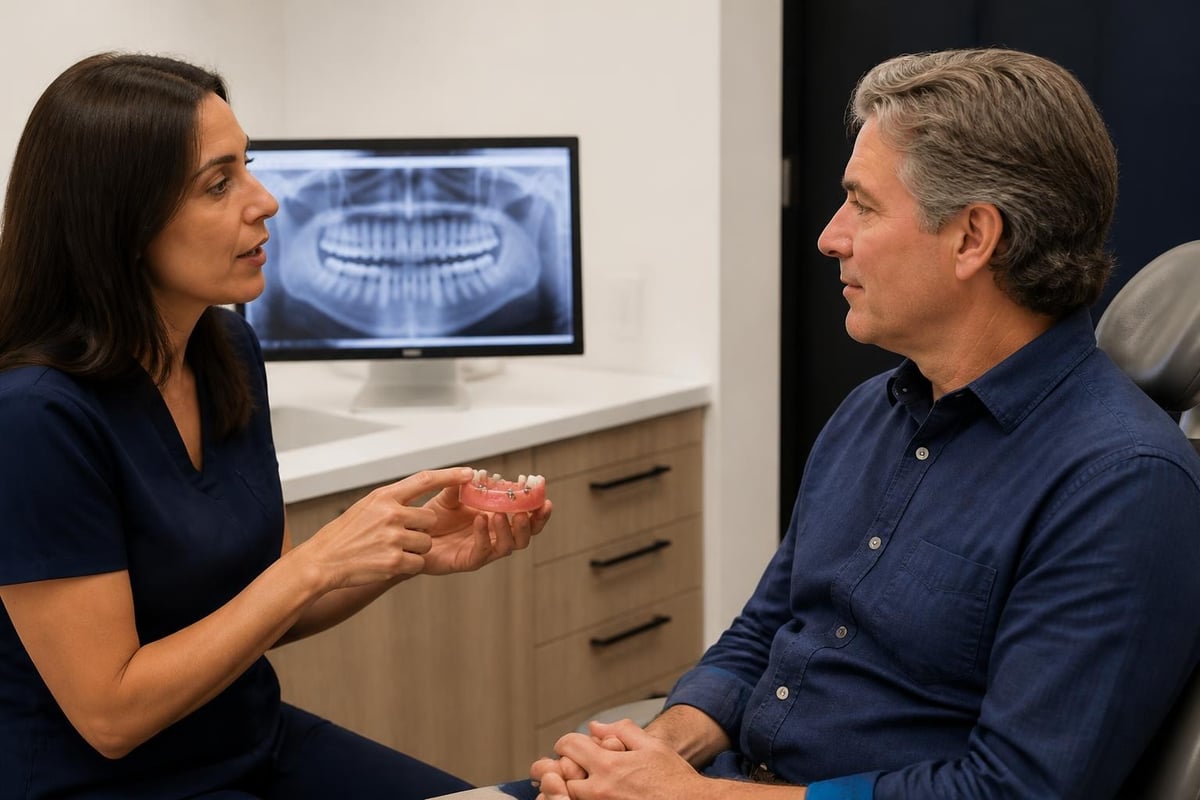
Successful All-on-4 outcomes depend on seamless coordination between surgical and restorative specialists, laboratory technicians, and support staff. Understanding who performs each phase of treatment helps you evaluate practice capabilities.
Clinical guidance from oral surgery professionals outlines the training and skills required for successful implant placement, emphasizing the importance of surgical expertise in achieving predictable results.
Surgical Expertise
The implant placement phase requires precision and clinical judgment. Board-certified oral and maxillofacial surgeons complete 4-6 years of hospital-based surgical residency beyond dental school. Periodontists complete 3 years of specialized training in implant placement and soft tissue management. General dentists may complete weekend courses or multi-year residency programs in implant dentistry.
Your surgeon's background significantly influences treatment outcomes, though experience and case volume matter more than credentials alone. A general dentist who has placed 500 implants with a tracked success rate above 95% may be preferable to a newly board-certified specialist with limited case experience.
Restorative and Laboratory Precision
The final prosthesis must fit passively on implants without creating stress that can lead to bone loss or implant failure. Prosthodontists specialize in complex restorative cases and typically manage the design, fabrication oversight, and delivery of All-on-4 prosthetics.
Digital workflows using intraoral scanning and CAD/CAM fabrication create more precise restorations than traditional impression techniques. Ask whether your provider uses digital technology throughout the restorative process.
Timing Your All-on-4 Investment: Financial and Personal Considerations
Beyond understanding the all-on-4 cost texas practices charge, strategic timing of treatment can optimize both clinical outcomes and financial management.
Insurance Benefit Timing
If your dental insurance provides any coverage for implants or the prosthetic component, timing treatment across two calendar years allows you to access annual maximum benefits twice. For example, completing diagnostics and surgery in December 2026 and delivering the final restoration in January 2027 potentially doubles available insurance dollars.
Understanding how to maximize insurance benefits and the difference between in-network and out-of-network providers helps you extract maximum value from coverage.
Tax Advantages and HSA/FSA Funds
Medical expenses exceeding 7.5% of adjusted gross income may be tax-deductible, including dental implant treatment. Consult your tax advisor about including the all-on-4 cost texas providers charge as a medical deduction.
Health Savings Accounts (HSA) and Flexible Spending Accounts (FSA) allow pre-tax dollars to pay for qualified medical expenses, including dental implants. If your employer offers these benefits, maximize contributions in the year you plan treatment to reduce after-tax costs by your marginal tax rate (typically 22-35% for most households).
Personal Health and Life Stage Factors
The best time for All-on-4 treatment is when you're healthy enough for surgery and emotionally ready for transformation. Delaying treatment allows continued bone loss, potentially requiring more complex procedures later. Most patients regret waiting rather than proceeding when first eligible.
Consider these life stage factors:
- Pre-Retirement: Address dental issues while still working and covered by employer dental benefits
- Recent Tooth Loss: Proceed before significant bone resorption requires grafting
- Major Life Events: Complete treatment before weddings, reunions, or career transitions where you want to present your best self
- Health Changes: Pursue treatment while healthy; conditions like diabetes or osteoporosis may complicate delayed treatment
Understanding What Makes All-on-4 Worth the Investment
While the all-on-4 cost texas residents pay represents a significant financial commitment, patient satisfaction data consistently shows overwhelming approval ratings. Research on clinical outcomes demonstrates not just implant survival but substantial improvements in quality of life measures including nutrition, social confidence, and psychological well-being.
Functional Restoration Beyond Aesthetics
All-on-4 restores near-normal chewing efficiency, allowing you to eat foods essential for proper nutrition that were impossible with dentures or failing teeth. The ability to bite into apples, eat salads, enjoy steaks, and consume nuts provides both physical health benefits and social normality.
Your prosthetic teeth are fixed in place, eliminating concerns about movement during eating or conversation. You brush and care for them much like natural teeth, without removal routines or soaking solutions.
Psychological and Social Impact
Patients report that All-on-4 treatment delivers transformative confidence benefits. Freedom from embarrassment about missing teeth, denture movement, or failed tooth appearance allows natural smiling, laughing, and conversation without self-consciousness.
The permanence and natural appearance of fixed implant prosthetics eliminate the "denture wearer" identity that many patients find psychologically burdensome. You can forget about your teeth rather than constantly managing and worrying about them.
Comparing Value Across Dental Investment Options
When weighing whether dental implants are worth the cost, consider the cost-per-year over the expected lifespan:
All-on-4 Example: $25,000 treatment lasting 25 years = $1,000 per year
Traditional Dentures Example: $3,000 initial cost, replacement every 6 years, annual maintenance costs = $1,500-$2,000 per year
The higher upfront all-on-4 cost texas patients pay delivers lower annual costs combined with dramatically superior function, comfort, and aesthetics.
Making Your Decision: Next Steps Toward All-on-4 Treatment
Understanding the all-on-4 cost texas providers charge empowers you to move forward with confidence. Your journey toward restored dental function begins with education, continues through consultation with qualified providers, and culminates in life-changing treatment results.
Scheduling Consultations Strategically
Contact 2-3 highly-rated practices offering All-on-4 treatment in your area. Schedule consultations within a condensed timeframe (2-3 weeks) so you can compare proposals while information is fresh. Come prepared with:
- Complete medical and dental history
- Current medications and supplements list
- Insurance information and verification of benefits
- Specific questions about cost, timeline, and payment options
- Photos or notes about desired aesthetic outcomes
Evaluating Proposals Objectively
Create a decision matrix weighing clinical factors (provider experience, technology, materials) against financial considerations (total cost, payment options, included services). The lowest price rarely represents the best value, while the highest price doesn't guarantee superior outcomes.
Look for providers who invest time in education, answer questions thoroughly, and demonstrate genuine concern for your comfort and long-term results. The relationship you establish during consultation often predicts the care experience throughout treatment.
Moving Forward with Confidence
Once you've selected a provider and confirmed financing arrangements, the treatment process typically unfolds over 4-6 months:
- Diagnostic phase (Week 1-2): Final imaging, impressions, and treatment planning
- Surgical phase (Week 3-4): Implant placement and immediate temporary prosthesis delivery
- Healing phase (Months 2-4): Osseointegration while wearing temporary teeth
- Final restoration (Months 5-6): Impressions, fabrication, and delivery of permanent prosthesis
Throughout this journey, clear communication with your dental team ensures optimal outcomes and efficient problem-solving if any issues arise.
The all-on-4 cost texas residents encounter reflects the comprehensive nature of this advanced treatment, combining surgical precision, premium materials, and expert restoration to deliver decades of reliable function and natural aesthetics. While the investment is significant, the value delivered through improved health, confidence, and quality of life makes All-on-4 one of the most cost-effective solutions for full-arch tooth replacement. Dental Plus Clinic provides personalized All-on-4 treatment across five convenient Texas locations, with transparent pricing, flexible financing options, and a commitment to helping you achieve the healthy, confident smile you deserve. Schedule your consultation today to discover how affordable full-arch restoration can be with the right partner in your dental health journey.