
Many patients considering tooth replacement options hesitate when evaluating dental implants, primarily due to concerns about discomfort. The question "are dental implants painful" ranks among the most common inquiries dental professionals encounter. Understanding the reality of pain levels during and after implant surgery helps patients make informed decisions about their oral health. Modern dentistry has evolved significantly, offering advanced pain management techniques that make dental implant procedures far more comfortable than most patients anticipate.
Understanding the Dental Implant Procedure
Dental implants involve a surgical process where titanium posts are placed into the jawbone to serve as artificial tooth roots. The procedure typically occurs in multiple stages, beginning with an initial consultation and surgical planning. During the actual placement, your dentist creates a small incision in the gum tissue, prepares the bone site, and inserts the implant post.
The complexity of the procedure varies based on individual circumstances. Simple implant placements may take 30-60 minutes per tooth, while more complex cases requiring bone grafting or multiple implants demand additional time. At Dental Plus Clinic, advanced imaging technology ensures precise placement, minimizing tissue trauma and reducing potential discomfort.
What Happens During Surgery
Most patients experience minimal sensation during the actual implant placement because of effective local anesthesia. The numbing medication blocks nerve signals in the treatment area, ensuring you remain comfortable throughout the procedure. Some patients opt for sedation dentistry, which provides additional relaxation and reduces awareness of the surgical process.
Key steps during implant surgery include:
- Administration of local anesthesia to numb the surgical site
- Incision of gum tissue to expose the jawbone
- Precise drilling to create space for the implant post
- Placement of the titanium implant into the bone
- Suturing of the gum tissue around the implant
The drilling process generates vibrations and pressure sensations that patients can feel, but these do not typically register as pain when proper anesthesia is administered. Your dental team monitors your comfort level throughout, adjusting anesthesia as needed.
Pain Levels During the Implant Procedure
Are dental implants painful while you're in the dental chair? The straightforward answer is that most patients report feeling little to no pain during the actual surgery. Modern anesthetic techniques effectively block pain signals, though you may experience pressure or pushing sensations as the dentist works.
The perception of discomfort varies among individuals based on pain threshold, anxiety levels, and the extent of the surgical procedure. Research on preemptive analgesia in implant surgery demonstrates that medications administered before the procedure significantly reduce pain during the initial recovery hours.
Comparing Implant Surgery to Other Dental Procedures
Many patients find dental implant surgery less uncomfortable than tooth extractions. The controlled nature of implant placement, combined with modern surgical techniques, results in predictable healing. Unlike extraction sites that leave open sockets, implant posts provide structural support that may reduce post-operative swelling.
| Procedure Type | During-Procedure Pain | Post-Procedure Discomfort | Recovery Duration |
|---|---|---|---|
| Dental Implant | Minimal (with anesthesia) | Moderate 1-3 days | 7-14 days |
| Tooth Extraction | Minimal (with anesthesia) | Moderate to High | 5-10 days |
| Root Canal | Minimal (with anesthesia) | Mild to Moderate | 3-7 days |
| Dental Crown Prep | Minimal (with anesthesia) | Mild | 1-3 days |
The biological process of peri-implant wound healing unfolds over 2-4 weeks, with the initial inflammatory phase causing the most noticeable discomfort.
Post-Operative Pain and Recovery Timeline
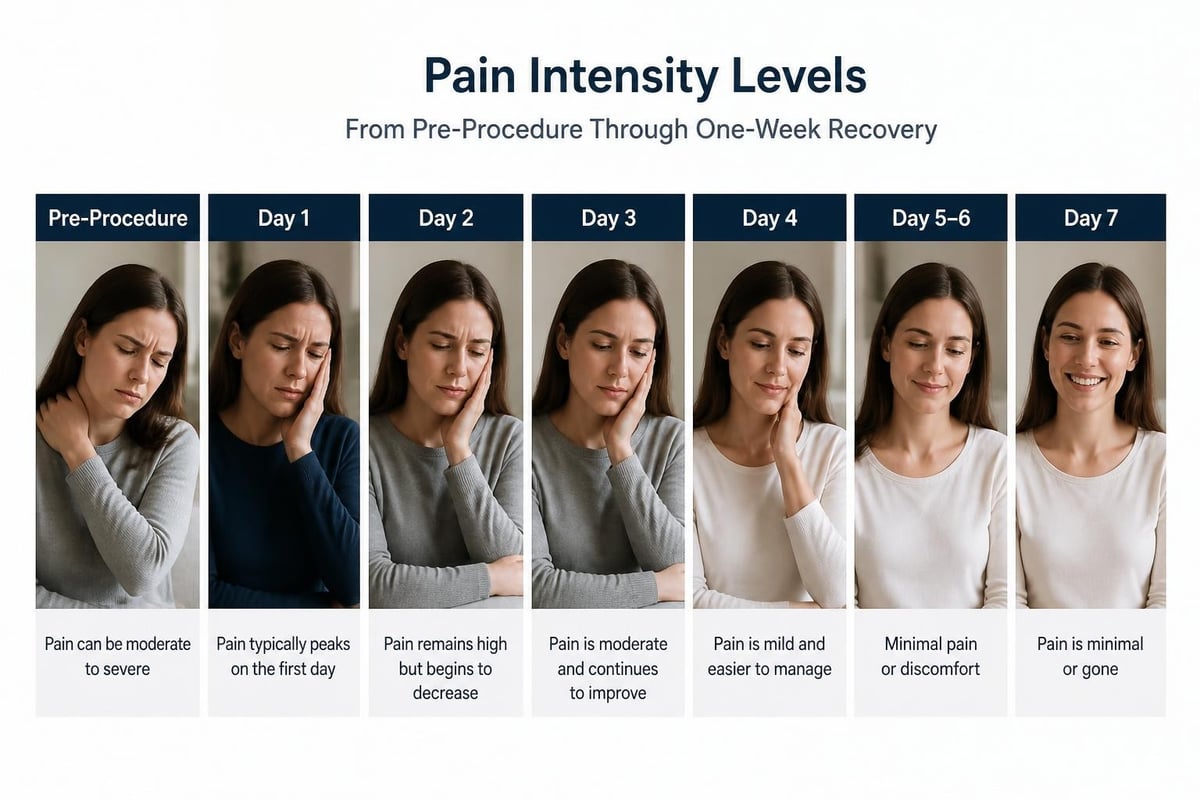
The hours and days following dental implant surgery represent when most patients experience discomfort. A comprehensive study using mobile-health reporting on dental implant pain found that pain typically peaks around Day 1 post-surgery, then declines to mild or negligible levels by Day 7 for most patients.
First 24-48 Hours
The initial two days after surgery constitute the most challenging recovery period. Patients commonly report:
- Throbbing or aching sensations at the implant site
- Swelling of gum tissue and facial areas
- Minor bleeding or oozing from the surgical site
- Tenderness when touching the area
- Difficulty chewing on the affected side
Pain intensity during this phase typically rates between 3-6 on a 10-point scale, with appropriate pain medication reducing discomfort to manageable levels. The swelling usually peaks 48-72 hours post-surgery before gradually subsiding.
Days 3-7
Most patients notice significant improvement during this period. The acute inflammatory response decreases, and tissues begin the repair process. Pain medications may still be necessary but often at reduced frequencies. By the end of the first week, many patients resume normal activities and dietary habits with minor modifications.
Week 2 and Beyond
By the second week, most discomfort has resolved. Patients may experience occasional sensitivity when brushing or slight tenderness if bumping the area, but these sensations continue diminishing. The implant site requires several months for complete osseointegration (bone fusion), though this biological process occurs without causing pain.
Understanding the dental implant procedure timeline helps set realistic expectations about each recovery phase.
Factors That Influence Pain Levels
Not all dental implant experiences are identical. Several variables affect how much discomfort an individual patient experiences. Research examining patient and surgical factors that predict postoperative discomfort identifies specific elements that influence pain perception.
Patient-Related Factors
Age and Overall Health: Younger patients with robust immune systems typically experience faster healing and reduced discomfort. Chronic health conditions affecting circulation or immune function may prolong recovery.
Anxiety and Pain Tolerance: Psychological factors significantly impact pain perception. Patients with dental anxiety often report higher pain levels, making pre-operative counseling and sedation options valuable.
Smoking and Alcohol Use: These habits impair healing mechanisms, potentially extending discomfort duration and increasing complication risks.
Existing Oral Health: Patients with gum disease or active infections may experience more post-operative pain as their tissues recover from both the infection and the surgical procedure.
Surgical Complexity Factors
The extent and complexity of your implant surgery directly correlate with recovery discomfort:
- Single implant placement: Minimal tissue disruption, shortest recovery
- Multiple implants: Proportionally increased discomfort based on number
- Bone grafting procedures: Additional healing requirements extend recovery and may increase pain levels
- Sinus lift procedures: Upper jaw implants requiring sinus elevation involve more extensive surgery
- Immediate placement after extraction: Combined procedures may cause additional temporary discomfort

Effective Pain Management Strategies
Modern dentistry offers numerous evidence-based approaches to minimize discomfort during dental implant recovery. The question "are dental implants painful" can be answered more positively when proper pain management protocols are implemented.
Medication-Based Pain Control
Your dental team prescribes medications tailored to your anticipated pain levels and medical history. Recent guidance on safe pain management after dental implant surgery emphasizes balanced approaches that minimize opioid use while ensuring patient comfort.
Common pain management medications include:
- Non-steroidal anti-inflammatory drugs (NSAIDs): Ibuprofen serves as the first-line treatment for most patients, reducing both pain and inflammation
- Acetaminophen: Often combined with NSAIDs for enhanced pain relief without increased side effects
- Prescription pain relievers: Reserved for complex cases or patients with higher pain sensitivity
- Corticosteroids: Sometimes prescribed to minimize swelling and associated discomfort
Taking pain medication before the local anesthesia wears off prevents pain from escalating. This preemptive approach proves more effective than waiting until discomfort becomes severe.
Non-Pharmacological Pain Reduction
Several drug-free techniques complement medication-based pain management:
- Cold compresses: Applied to the facial area for 15-20 minutes at intervals during the first 48 hours to reduce swelling
- Elevation: Keeping your head elevated, even while sleeping, minimizes blood flow to the surgical site
- Rest: Adequate sleep and avoiding strenuous activity support healing
- Soft diet: Reducing chewing demands on the surgical area prevents irritation
- Saltwater rinses: Gentle rinsing after 24 hours keeps the area clean without disturbing healing tissues
Advanced Pain-Reduction Technologies
Innovative treatments continue emerging to enhance patient comfort. A randomized trial evaluating diode laser photobiomodulation on implant surgery pain demonstrates that laser therapy significantly lowers pain during the acute 24-hour phase following surgery. Dental Plus Clinic incorporates such advanced technologies to optimize patient experiences across all five Texas locations.
Comparing All-on-4 and Multiple Implant Procedures
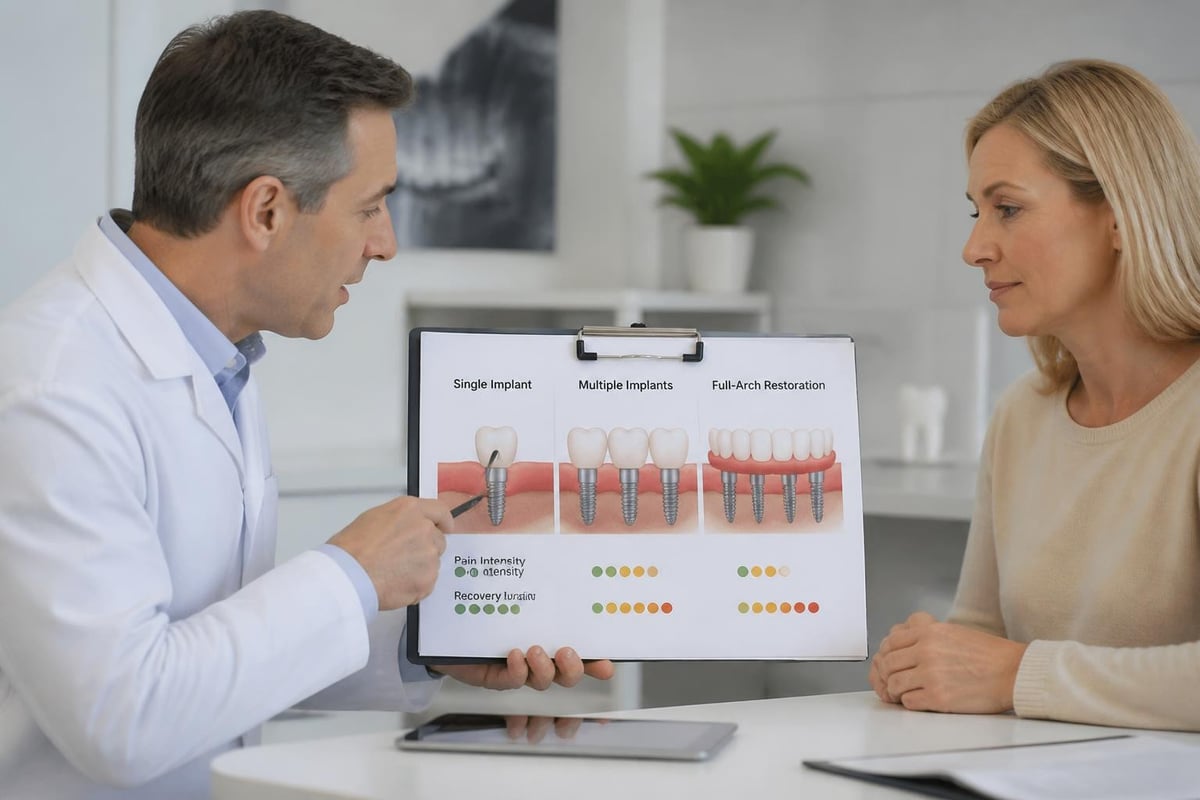
Patients requiring full-arch restoration often wonder whether procedures like All-on-4 implants cause more pain than single implants. While these treatments involve placing multiple implants, the pain experience doesn't simply multiply by the number of implants.
Pain Considerations for Full-Arch Implants
All-on-4 and similar full-arch solutions involve placing four to six implants to support an entire arch of replacement teeth. Despite the increased surgical extent, several factors moderate pain levels:
The procedure is completed in one surgical session rather than multiple appointments, meaning one recovery period instead of several. Anesthesia protocols for full-arch cases often include sedation options that enhance comfort both during and after surgery. The strategic placement of implants often avoids the most sensitive anatomical areas.
Comparing All-on-4 vs All-on-6 dental implants helps patients understand how different full-arch approaches affect their treatment experience.
Recovery Expectations
Most patients undergoing full-arch implant placement report pain levels comparable to or only moderately higher than single implant procedures. The key difference lies in the recovery timeline duration rather than intensity. Swelling may affect larger facial areas, and dietary restrictions may extend slightly longer.
| Implant Extent | Typical Pain Level (Days 1-3) | Recovery to Normal Activities | Complete Healing |
|---|---|---|---|
| Single Implant | 3-5/10 | 3-5 days | 2-3 weeks |
| 2-3 Implants | 4-6/10 | 5-7 days | 3-4 weeks |
| All-on-4/6 | 5-7/10 | 7-10 days | 4-6 weeks |
| Full Mouth | 6-8/10 | 10-14 days | 6-8 weeks |
Understanding full mouth dental implants provides comprehensive information about what extensive restoration involves.
What to Expect: A Day-by-Day Recovery Guide
Knowing what's normal during recovery helps patients distinguish between expected discomfort and complications requiring professional attention. This timeline reflects typical experiences for standard single or multiple implant placements.
Day of Surgery
Immediately after your procedure, numbness from local anesthesia persists for 2-4 hours. As sensation returns, you may experience mild throbbing or aching. Take prescribed pain medication before the anesthesia completely wears off. Apply ice packs as directed, rest with your head elevated, and stick to soft, cool foods.
Days 1-2
These days typically bring the highest discomfort levels. Expect moderate swelling, possible bruising, and tenderness around the implant site. Pain medication should keep discomfort manageable at 3-5 out of 10. Some patients notice minor bleeding when rinsing. Maintain ice application during waking hours and continue dietary restrictions.
Days 3-5
Noticeable improvement occurs during this phase. Swelling begins decreasing, and pain intensity reduces. Many patients transition from prescription medications to over-the-counter options. You can gradually introduce slightly firmer foods while avoiding chewing directly on the implant site.
Days 6-10
Most patients report minimal pain, rating discomfort at 1-2 out of 10 or less. Swelling has largely resolved, though subtle fullness may remain. Normal oral hygiene can resume with gentle care around the surgical area. Many people return to work and regular activities during this period.
Weeks 2-4
The implant site continues healing, though most discomfort has resolved. Occasional sensitivity when brushing or accidental bumping may occur. Follow-up appointments monitor healing progress and address any concerns.
When Pain Indicates a Problem
While some discomfort is normal and expected, certain pain patterns signal potential complications requiring immediate dental attention. Understanding warning signs helps you seek timely intervention.
Normal vs. Abnormal Pain
Normal healing pain characteristics:
- Gradually decreases over the first week
- Responds well to prescribed pain medications
- Remains localized to the surgical area
- Accompanied by reducing swelling
Concerning pain patterns:
- Increasing intensity after Day 3-4
- Severe, throbbing pain unrelieved by medication
- Pain accompanied by fever above 101°F
- Spreading pain affecting the jaw, ear, or neck
- Discharge of pus or foul odor from the surgical site
Potential Complications
Infection represents the most common complication causing abnormal pain. Signs include persistent or worsening pain, swelling that increases after the first few days, warmth and redness around the implant, and systemic symptoms like fever. Early intervention with antibiotics typically resolves infections without affecting implant success.
Nerve injury, though rare, can cause sharp, shooting pain, numbness, or tingling in the lips, chin, or tongue. Immediate evaluation is necessary if these symptoms appear.
Implant failure during early healing may cause increased pain, mobility of the implant, or opening of the surgical site. This occurs infrequently but requires professional assessment.
If you experience unusual symptoms, Dental Plus Clinic provides emergency dental care at all five Texas locations to address urgent concerns promptly.
Long-Term Comfort and Implant Success
Are dental implants painful in the long term? Once healing completes, dental implants should function without causing any discomfort. Patients often report that implants feel more natural and comfortable than previous dental appliances like bridges or dentures.
The Osseointegration Process
Over 3-6 months following placement, the titanium implant fuses with surrounding bone through osseointegration. This biological process occurs without causing pain, as bone remodeling happens at the cellular level. You remain unaware of this critical healing phase, continuing normal activities while integration progresses.
Restoration and Final Results
When the implant has fully integrated, your dentist attaches the permanent crown, bridge, or denture. This restoration appointment involves minimal to no discomfort. Some patients experience brief sensitivity as they adjust to the new prosthetic, but this typically resolves within days.
The long-term investment value of dental implants extends beyond aesthetics to include superior comfort compared to other tooth replacement options.
Maintaining Pain-Free Implants
Proper care ensures your implants remain comfortable for decades:
- Practice excellent oral hygiene: Brush twice daily and floss around implants to prevent peri-implantitis
- Attend regular dental check-ups: Professional monitoring identifies potential issues before they cause pain
- Avoid excessive force: Don't use implants to bite extremely hard objects
- Address teeth grinding: Use a nightguard if you clench or grind your teeth
- Maintain overall health: Conditions like diabetes can affect implant longevity when poorly controlled
Preparing for Your Dental Implant Procedure
Proper preparation significantly influences your comfort during and after surgery. Taking proactive steps before your appointment sets the stage for optimal recovery.
Pre-Procedure Steps to Minimize Discomfort
Medical considerations: Inform your dentist about all medications, supplements, and health conditions. Certain medications like blood thinners may require temporary adjustment. Discuss your anxiety levels honestly so appropriate sedation options can be arranged.
Practical preparations: Arrange transportation if receiving sedation. Stock your home with soft foods, ice packs, and prescribed medications. Clear your schedule for 2-3 days post-surgery to allow adequate rest. Prepare entertainment options for your recovery period when activities may be limited.
Understanding the investment: Knowing the cost considerations for dental implants beforehand reduces financial stress that can amplify pain perception.
Choosing the Right Dental Provider
Your dental team's experience and approach significantly impact your comfort. Seek providers who:
- Use modern surgical techniques and equipment
- Offer multiple sedation options tailored to patient needs
- Provide clear pre-operative and post-operative instructions
- Remain accessible for questions and concerns during recovery
- Demonstrate a track record of successful implant placements
Determining who is a good candidate for dental implants involves comprehensive evaluation by experienced professionals.
Patient Experiences and Realistic Expectations
Reading about others' experiences helps set realistic expectations, though remember that individual responses vary. Most patients express surprise that dental implant surgery proved less painful than anticipated.
Common Patient Reports
Surveys of dental implant patients reveal consistent themes:
- Pre-procedure anxiety exceeds actual experience: The anticipation of pain often surpasses the reality
- First 48 hours require commitment: Patients appreciate having time off work and support at home
- Medication management is crucial: Staying ahead of pain rather than waiting for it to intensify makes significant difference
- Long-term satisfaction overshadows temporary discomfort: The functional and aesthetic results justify the brief recovery period
Setting Appropriate Expectations
Understanding that some discomfort is normal prevents unnecessary alarm. The pain associated with dental implants is temporary, manageable, and predictable. Unlike chronic dental pain from failing teeth, implant-related discomfort has a clear endpoint followed by years of comfortable function.
Comparing dental implants vs veneers for missing teeth illustrates how implants provide superior long-term comfort despite the more involved initial procedure.
Advancements in Pain-Free Implant Dentistry
Dental technology continues evolving, making implant procedures increasingly comfortable. Innovations in surgical techniques, materials, and pain management protocols benefit patients seeking tooth replacement in 2026.
Technological Improvements
Computer-guided surgery: Digital planning and surgical guides enable precise implant placement with minimal tissue trauma. This accuracy reduces surgical time and post-operative swelling.
Minimally invasive techniques: Flapless surgery approaches eliminate the need for extensive gum incisions in suitable cases, significantly reducing recovery discomfort.
Advanced imaging: Cone beam CT scans provide three-dimensional views of bone structure, allowing dentists to avoid nerve bundles and optimize implant positioning.
Biocompatible materials: Modern titanium alloys and zirconia implants integrate more efficiently, promoting faster healing with less inflammatory response.
Staying informed about the latest dental implant technology helps patients access the most comfortable treatment options available.
Enhanced Pain Management Protocols
Evidence-based pain control strategies have transformed the implant experience. The combination of preemptive analgesia, multimodal medication approaches, and advanced local anesthetics creates superior comfort compared to historical practices.
Dental practices implementing comprehensive pain management protocols, including patient education, psychological support, and individualized medication regimens, report higher patient satisfaction and lower pain scores across recovery periods.
Financial Considerations and Pain-Free Options
Cost concerns shouldn't prevent patients from accessing comfortable implant treatment. Understanding available options helps make informed decisions about proceeding with care.
Managing Implant Costs
Dental Plus Clinic offers transparent pricing and multiple payment options to make implants accessible. Patients can explore:
- Dental insurance benefits: Many plans now provide partial implant coverage
- Flexible payment plans: Spreading costs over time reduces financial stress
- Health savings accounts: Using pre-tax dollars for dental procedures
- Dental membership programs: Alternative options for those without traditional insurance
Learning about dental implants without insurance reveals various pathways to affordable care.
Investing in Comfort
While cost is important, prioritizing quality care from experienced providers yields better outcomes with less discomfort. Choosing the least expensive option may result in complications that cause more pain and expense than selecting a reputable practice initially.
The comprehensive approach at Dental Plus Clinic balances affordability with exceptional care quality, ensuring patients receive comfortable, successful treatment without compromising results.
Dental implant surgery involves manageable, temporary discomfort that diminishes rapidly during the first week of recovery. Modern pain management techniques, advanced surgical methods, and proper patient preparation ensure the experience remains far more comfortable than most patients anticipate. If you're considering dental implants and want expert guidance with a focus on pain-free treatment, Dental Plus Clinic serves patients across five convenient Texas locations in Beeville, Seguin, New Braunfels, Leander, and Converse, offering personalized care plans designed for your comfort and long-term oral health success.