

Finding the right dental insurance in Texas can feel overwhelming with dozens of providers, multiple plan types, and varying coverage levels to consider. Whether you’re an individual seeking affordable preventive care or a family looking for comprehensive coverage that includes orthodontics and major procedures, selecting the best dental insurance plans in Texas requires careful evaluation of your oral health needs, budget, and preferred providers. With Texas being home to diverse dental care options and insurance markets, understanding what each plan offers and how it aligns with your dental health goals is essential for making an informed decision that protects both your smile and your wallet.
Understanding Dental Insurance Options in Texas
Texas residents have access to a wide variety of dental insurance products through employer-sponsored plans, individual marketplace options, and government programs. The state’s competitive insurance landscape means consumers can choose from national carriers, regional providers, and specialized dental insurance companies.
Most dental insurance plans in Texas fall into three primary categories: Dental Health Maintenance Organizations (DHMOs), Preferred Provider Organizations (PPOs), and indemnity plans. Each structure offers different approaches to provider networks, out-of-pocket costs, and coverage flexibility.
DHMO Plans: Predictable Costs with Network Restrictions
DHMO plans typically feature the lowest monthly premiums and minimal out-of-pocket expenses when you visit in-network dentists. These plans require you to select a primary dentist from the network and obtain referrals for specialist care.
Key characteristics include:
- Low or no deductibles
- Fixed copayments for specific procedures
- No annual maximums in many cases
- Limited provider choice
- No coverage for out-of-network care
DHMO plans work well for individuals who value cost predictability and don’t mind working within a defined network. However, if you already have a trusted dentist who isn’t in the network, you’ll need to switch providers or consider a different plan type.

PPO Plans: Flexibility with Higher Premiums
PPO plans dominate the Texas dental insurance market due to their balance of network discounts and out-of-network flexibility. These plans allow you to visit any licensed dentist, though you’ll pay less when choosing in-network providers.
PPO plan features typically include:
- Larger provider networks
- Freedom to see specialists without referrals
- Coverage for out-of-network dentists at reduced rates
- Annual maximum benefits (commonly $1,000-$2,000)
- Deductibles ranging from $25-$100 per person
When comparing the best dental insurance plans in Texas, PPO options appeal to those who value provider choice and want the flexibility to maintain existing dental relationships.
Indemnity Plans: Maximum Flexibility at Premium Prices
Traditional indemnity plans, sometimes called fee-for-service plans, offer the most freedom but come with higher costs and administrative complexity. These plans let you visit any dentist and submit claims for reimbursement.
Indemnity plans generally involve:
- No network restrictions
- Higher monthly premiums
- Substantial deductibles
- Coinsurance percentages (often 50-80% coverage)
- Annual maximums
- Claim submission requirements
While less common today, indemnity plans suit individuals who prioritize unrestricted provider choice and are willing to pay more for that flexibility.
Coverage Categories and What They Mean
Understanding how dental insurance plans categorize services helps you evaluate which plans provide the best value for your specific needs. Most plans divide dental services into three or four categories based on complexity and cost.
| Coverage Category | Service Examples | Typical Coverage Percentage |
|---|---|---|
| Preventive | Cleanings, exams, X-rays, fluoride | 80-100% |
| Basic | Fillings, extractions, root canals | 60-80% |
| Major | Crowns, bridges, dentures, implants | 40-50% |
| Orthodontic | Braces, aligners | 50% (often separate lifetime max) |
Preventive Care: The Foundation of Coverage
Nearly all dental insurance plans in Texas provide robust coverage for preventive services, recognizing that routine care prevents costly problems. Most plans cover two cleanings and exams annually at 100% with no deductible.
Preventive coverage often includes:
- Routine cleanings (prophylaxis)
- Comprehensive and periodic oral examinations
- Bitewing X-rays (annually)
- Full-mouth X-rays (every 3-5 years)
- Fluoride treatments (typically for children)
- Sealants (for children and sometimes adolescents)
This emphasis on prevention aligns with modern dental practice philosophy. Understanding your oral health needs helps you appreciate why comprehensive preventive coverage should be a priority when selecting insurance.
Basic Procedures: Managing Common Dental Problems
Basic procedures address common dental issues that arise despite good preventive care. Coverage for this category typically ranges from 60-80% after meeting your deductible.
Common basic procedures include:
- Amalgam and composite fillings
- Simple extractions
- Non-surgical periodontal treatments
- Emergency palliative treatment
- Root canals (anterior teeth)
The coverage percentage and waiting periods for basic procedures vary significantly among plans. Some plans impose 3-6 month waiting periods before basic coverage begins, while others offer immediate coverage.
Major Procedures: Protecting Against High-Cost Treatments
Major dental work represents the most expensive category, typically covered at 40-50% after you meet your deductible and subject to annual maximums. Plans often require 6-12 month waiting periods before major procedure coverage activates.
Major procedures include:
- Crowns and caps
- Bridges
- Dentures (partial and complete)
- Dental implants (when covered)
- Root canals (posterior teeth)
- Oral surgery beyond simple extractions
Given the high cost of these treatments, understanding major procedure coverage is crucial when evaluating the best dental insurance plans in Texas. A comprehensive guide to finding a good dental insurance plan can help you navigate these complex coverage decisions.
Top Dental Insurance Providers in Texas
Several insurance carriers have established strong reputations in the Texas market through extensive networks, competitive pricing, and reliable customer service. Here’s a detailed look at the leading providers.
Delta Dental: Market Leader with Extensive Network
Delta Dental maintains the largest dental network in Texas and nationwide, with thousands of participating dentists across all major cities and rural areas. Their plans are available through employers and as individual coverage options.
Strengths:
- Massive provider network ensuring access in all Texas regions
- Multiple plan options from basic PPO to comprehensive coverage
- Strong reputation for claims processing
- Preventive coverage with no waiting periods
Considerations:
- Premium costs may be higher than smaller carriers
- Annual maximums typically capped at $1,000-$1,500
- Implant coverage varies by specific plan
Delta Dental’s market dominance in Texas makes their plans worth considering, especially for those seeking guaranteed access to dentists across the state. More details about Delta Dental plans in Texas highlight their network advantages and cost-saving features.
Blue Cross Blue Shield of Texas: Comprehensive BlueCare Dental Plans
BCBS Texas offers BlueCare Dental plans that integrate well with their medical insurance products, providing coordinated benefits for members with both coverages. Their dental plans feature competitive pricing and a robust Texas network.
BlueCare Dental highlights include:
- Three plan tiers: Dental Blue 100, 200, and 300
- No waiting periods on preventive or basic services (select plans)
- Coverage for children’s orthodontics
- Integration with BCBS medical plans
- Access to nationwide networks for travelers
The BlueCare Dental plans provide detailed coverage information and enrollment resources, making them accessible for individuals and families seeking straightforward insurance options.

Humana: Flexible Plans with Competitive Pricing
Humana has expanded its dental insurance presence in Texas with multiple plan options designed for different budgets and coverage needs. Their plans emphasize transparency and straightforward benefits.
Humana’s Texas dental offerings include:
- Preventive Plus plans (basic coverage only)
- Dental Value plans (preventive and basic)
- Dental Loyalty Plus plans (comprehensive with growing benefits)
- Dental Complete plans (full coverage including orthodontics)
One unique feature of some Humana plans is their “Loyalty Plus” benefit structure, where annual maximums increase the longer you maintain coverage. This rewards customer retention and provides growing value over time.
For comprehensive details on plan types and costs, Humana’s dental insurance plans in Texas offer valuable insights into their various coverage options.
Spirit Dental: No Waiting Periods Advantage
Spirit Dental has gained popularity in Texas for eliminating waiting periods on most procedures, allowing immediate coverage for basic and sometimes major dental work. This feature particularly benefits individuals who need prompt treatment.
Spirit Dental advantages:
- No waiting periods on most plans
- Three plan levels with clear coverage differences
- Nationwide network through Connection Dental
- Affordable monthly premiums
- Orthodontic coverage available
The trade-off for immediate coverage often comes in the form of lower annual maximums (typically $1,000-$1,500) and potentially higher premiums compared to plans with waiting periods. Learn more about Spirit Dental’s Texas offerings and their no-waiting-period advantages.
Evaluating Costs: Premiums, Deductibles, and Out-of-Pocket Expenses
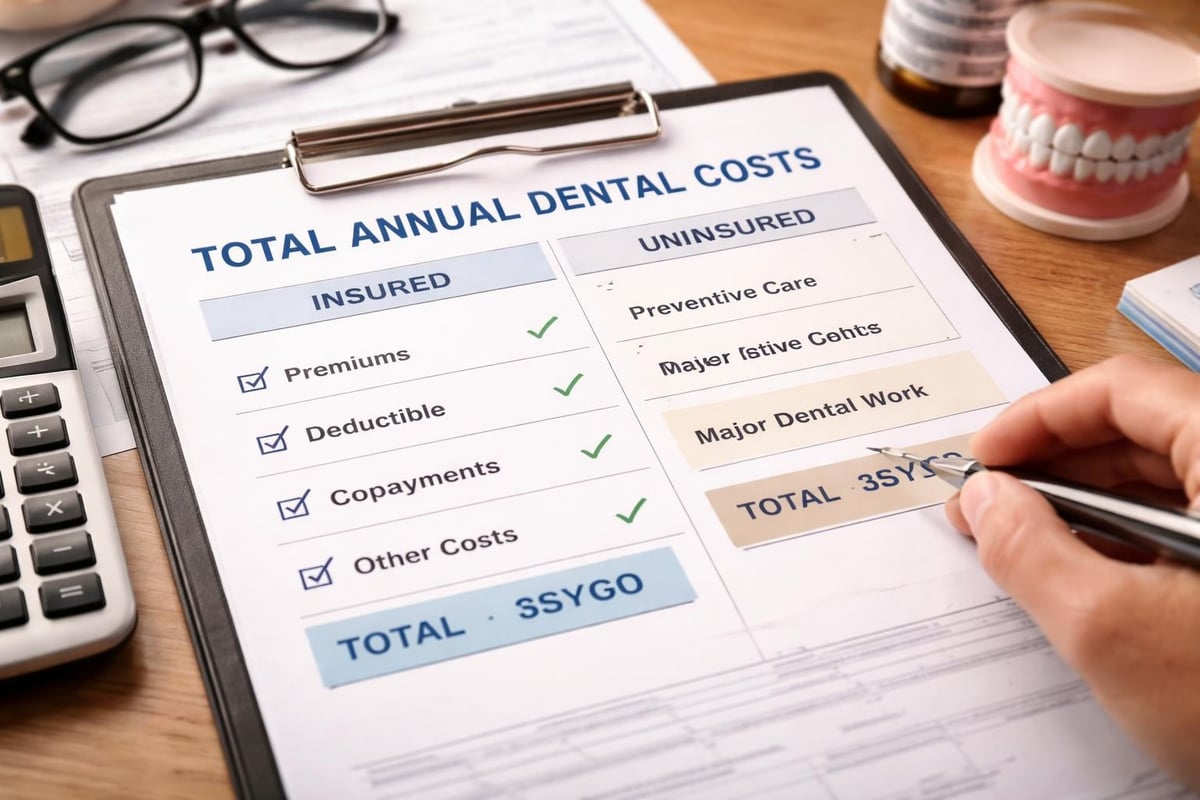
Understanding the true cost of dental insurance requires looking beyond monthly premiums to consider deductibles, copayments, coinsurance, and annual maximums. The best dental insurance plans in Texas balance affordable premiums with reasonable out-of-pocket costs.
Premium Structures Across Plan Types
Monthly premiums vary significantly based on plan type, coverage level, and whether you’re purchasing individual or family coverage. Here’s what Texas residents typically pay in 2026:
| Plan Type | Individual Monthly Premium | Family Monthly Premium |
|---|---|---|
| DHMO | $15-$35 | $40-$90 |
| PPO (Basic) | $25-$50 | $70-$140 |
| PPO (Comprehensive) | $45-$75 | $120-$200 |
| Indemnity | $50-$90 | $150-$250 |
These ranges represent typical market rates, though specific premiums depend on factors including age, location within Texas, tobacco use, and plan-specific features.
Deductible Considerations
Deductibles represent the amount you pay out-of-pocket before insurance coverage begins. Most plans apply deductibles only to basic and major procedures, not preventive care.
Common deductible structures include:
- Individual deductible: $25-$100 per person per year
- Family deductible: $75-$300 per family per year (often with 3-person maximum)
- Preventive services: Usually exempt from deductibles
- Per-visit vs. annual: Most plans use annual deductibles
Plans with higher deductibles typically feature lower monthly premiums, making them suitable for individuals who primarily need preventive care and want protection against major expenses.
Annual Maximum Benefits
The annual maximum represents the most your insurance will pay for covered services in a calendar year. Once you reach this limit, you’re responsible for 100% of additional costs until the next year.
Standard annual maximums in Texas plans:
- Budget plans: $750-$1,000
- Mid-tier plans: $1,000-$1,500
- Premium plans: $1,500-$2,000
- Unlimited plans: Rare, typically only in DHMO structures
When evaluating annual maximums, consider your anticipated dental needs. If you require major work like crowns or bridges, lower maximums may leave significant out-of-pocket expenses.
Special Considerations for Texas Residents
Texas-specific factors influence dental insurance decisions, from geographic coverage availability to regulatory considerations and regional cost variations.
Provider Availability Across Texas Regions
Texas’s vast geography creates disparities in dental provider density. Urban areas like Houston, Dallas, Austin, and San Antonio offer extensive in-network options across all insurance carriers, while rural regions may have limited choices.
When selecting insurance, verify that your area has adequate in-network providers. For instance, residents in smaller communities should confirm local dentist participation before committing to a restrictive DHMO plan.
Patients seeking specialized care may travel to larger cities. Dental Plus Clinic’s multiple locations across Texas, including facilities in Beeville, Seguin, New Braunfels, Leander, and Converse, accept various insurance plans and serve communities throughout central and south Texas.
Texas Marketplace and ACA-Certified Plans
The Affordable Care Act (ACA) created marketplace options for health insurance, including standalone dental plans. Texas residents can purchase ACA-certified dental plans through the federal marketplace during open enrollment periods.
BEST Life offers ACA-certified dental plans in Texas with standardized benefits and consumer protections. These plans must meet specific coverage requirements and follow marketplace regulations.
Key ACA dental plan features:
- Guaranteed issue (no medical underwriting)
- Pediatric dental coverage (essential health benefit for children)
- Limited exclusions for pre-existing conditions
- Transparent plan categories and benefits
While ACA dental plans provide important protections, they may cost more than non-ACA plans due to guaranteed issue requirements and standardized benefits.
Coordination with Medical Insurance
Some Texas residents obtain dental coverage through medical insurance carriers that offer bundled packages. Coordinating dental and medical coverage with the same carrier can provide administrative convenience and sometimes cost savings.
Benefits of coordination include:
- Single deductible tracking
- Combined customer service
- Unified claims processing
- Potential multi-policy discounts
- Integrated health and dental records
However, don’t assume bundled coverage always provides the best value. Compare standalone dental plans against bundled options to ensure you’re getting optimal coverage at competitive prices.
Coverage for Specific Dental Procedures
Different dental procedures receive varying coverage levels, and some treatments face exclusions or limitations depending on the plan. Understanding these nuances helps you select insurance that aligns with your anticipated needs.
Orthodontic Coverage: Children vs. Adults
Orthodontic coverage is often separated from general dental benefits with distinct annual or lifetime maximums. Many plans limit orthodontic benefits to children under 19, though adult orthodontic coverage is increasingly available.
Typical orthodontic coverage features:
- 50% coinsurance after deductible
- $1,000-$1,500 lifetime maximum
- 12-24 month waiting period
- Age restrictions (commonly under 19)
- Pre-authorization requirements
Families with children needing braces should prioritize plans with robust orthodontic benefits. The cost of braces typically ranges from $3,000-$7,000, so even 50% coverage provides substantial savings.
Dental Implant Coverage Challenges
Dental implants represent a significant coverage challenge as many insurance plans classify them as cosmetic or exclude them entirely. However, implant coverage is gradually expanding as the procedure becomes more common and medically necessary.
When evaluating implant coverage:
- Verify whether implants are covered or excluded
- Check if coverage applies only to the crown or includes the implant post
- Review annual maximum impact (implants can easily exceed limits)
- Understand prior authorization requirements
- Consider alternative treatments like bridges if implants aren’t covered
For detailed information about dental implant options and costs, understanding the financial implications helps you plan appropriately.
Emergency Dental Care Coverage
Emergency dental situations require immediate attention, and understanding your coverage for urgent care prevents surprise bills during stressful situations. Most plans cover emergency care under basic or major categories depending on the specific treatment.
Emergency coverage typically includes:
- Palliative treatment (pain relief)
- Emergency examinations
- X-rays for diagnosis
- Extractions
- Temporary restorations
Plans generally cover emergency services at standard rates with no special provisions for urgent situations. Verify whether your plan covers emergency care from out-of-network providers if you experience dental trauma while traveling.
Maximizing Your Dental Insurance Value
Selecting the best dental insurance plans in Texas is only the first step; maximizing your benefits requires strategic planning and understanding how to use your coverage effectively.
Timing Major Procedures Around Annual Maximums
Since most plans reset annual maximums on January 1st, strategic timing of major procedures can help you maximize benefits across two calendar years.
Strategic timing example:
- Begin major treatment (crown preparation) in November or December
- Have the crown placed in January of the following year
- Split the cost across two annual maximums
- Effectively double your available coverage for the treatment
This approach works best when you have flexibility in treatment timing and have already maximized or are close to maximizing your current year’s benefits.
Understanding Waiting Periods and Planning Ahead
Most dental insurance plans impose waiting periods before certain coverage becomes active. Planning ahead allows you to enroll before you need major work.
Common waiting period structures:
- No waiting period: Preventive care
- 3-6 months: Basic procedures
- 6-12 months: Major procedures
- 12-24 months: Orthodontics
If you know you’ll need major dental work, enroll in insurance as early as possible to satisfy waiting periods. Some plans offer immediate coverage for an additional premium, which may be worthwhile if you need prompt treatment.
Utilizing Preventive Benefits Fully
The most cost-effective use of dental insurance involves maximizing preventive benefits that are typically covered at 100% with no deductible. Most plans cover two cleanings and exams annually.
Preventive care strategy:
- Schedule cleanings exactly six months apart
- Use all covered X-rays according to plan schedules
- Take advantage of fluoride treatments for children
- Request sealants for eligible children
- Don’t skip appointments as they’re essentially “prepaid” through premiums
Regular preventive care not only maximizes insurance value but also prevents costly problems that would require basic or major procedures. Resources about reducing costs for dental care offer additional strategies for managing dental expenses effectively.
Comparing Plans: Key Decision Factors
With numerous options available, systematically comparing plans based on key factors ensures you select coverage that best fits your circumstances.
Network Adequacy Assessment
Before committing to any plan, verify that adequate in-network providers are available in your area, particularly if you’re considering a DHMO plan with network restrictions.
Network evaluation checklist:
- How many dentists are within 10 miles of your home or work?
- Does your current dentist participate in the network?
- Are pediatric dentists available if you have children?
- Can you access specialists (periodontists, orthodontists, oral surgeons)?
- What are patient reviews for available in-network dentists?
Most insurance carriers provide online provider directories where you can search by location, specialty, and name. Contact providers directly to confirm they’re accepting new patients with your insurance.
Premium vs. Coverage Trade-offs
Lower premiums often come with trade-offs in coverage, higher out-of-pocket costs, or restrictive networks. Evaluating total potential costs rather than just monthly premiums provides a clearer picture.
Total cost calculation:
- Annual premiums (monthly premium × 12)
- Expected deductibles
- Estimated copayments or coinsurance for anticipated procedures
- Potential out-of-pocket costs if you exceed annual maximum
For individuals who only need preventive care, a basic plan with lower premiums may be ideal. Families or individuals anticipating major work should consider higher-premium plans with better coverage percentages and higher annual maximums.
Customer Service and Claims Processing
Insurance quality extends beyond coverage details to include customer service responsiveness, claims processing efficiency, and dispute resolution processes.
Research carrier reputation through:
- State insurance department complaint ratios
- Independent reviews on consumer websites
- Better Business Bureau ratings
- Recommendations from dental professionals
- Personal experiences from friends and family
Efficient claims processing and responsive customer service become critically important when you face coverage questions or disputes over treatment authorization.
Alternative Options to Traditional Insurance
While traditional dental insurance serves many Texans well, alternative options provide viable solutions for specific situations or preferences.
Dental Discount Plans
Dental discount plans, technically not insurance, offer reduced fees at participating dentists in exchange for annual membership fees. These plans have no deductibles, waiting periods, or annual maximums.
Discount plan characteristics:
- Annual membership fees: $100-$200 for individuals, $150-$350 for families
- 10-60% discounts on dental procedures
- No claim filing required
- No coverage limits or maximums
- Immediate access to discounts
Discount plans work best for individuals who:
- Need major work immediately (no waiting periods)
- Exceed annual maximums on traditional insurance
- Want predictable costs without claim uncertainty
- Can’t afford traditional insurance premiums
Direct Primary Care Dental Models
Some Texas dentists offer membership-based practices where patients pay monthly or annual fees directly to the practice in exchange for covered preventive care and discounted treatment fees.
These arrangements typically include:
- Unlimited preventive visits
- Discounted fees on all procedures
- No insurance paperwork
- Direct patient-dentist relationship
- Flexible payment arrangements
This model appeals to patients who value simplicity and want to avoid insurance administration while maintaining access to affordable dental care.
Health Savings Accounts (HSAs) for Dental Expenses
If you have a high-deductible health plan with an HSA, you can use these tax-advantaged funds for qualified dental expenses, effectively reducing your costs through tax savings.
HSA dental benefits:
- Pre-tax contributions reduce taxable income
- Tax-free withdrawals for qualified dental expenses
- Funds roll over year to year
- Can supplement limited dental insurance
- Covers procedures insurance may exclude
Combining a basic dental insurance plan for preventive coverage with an HSA for major procedures creates a cost-effective strategy for managing dental expenses.
Special Population Considerations
Different groups have unique dental insurance needs that influence which plans provide optimal value.
Families with Children
Families should prioritize plans offering comprehensive pediatric coverage including preventive care, fluoride treatments, sealants, and orthodontic benefits.
Family plan priorities:
- Robust pediatric preventive coverage
- Orthodontic benefits with adequate lifetime maximums
- Family deductible caps (typically after 3 family members)
- Pediatric dentist network availability
- Coverage for pulpotomies (pediatric root canals)
Teaching children about oral health early prevents future problems. Resources about helping children avoid tooth decay complement insurance coverage by promoting healthy habits.
Seniors and Retirees
Medicare doesn’t include routine dental coverage, making standalone dental insurance particularly important for seniors. Retirees should seek plans accommodating age-related dental needs.
Senior-specific considerations:
- Coverage for dentures and partials
- Periodontal disease treatment
- Implant coverage for tooth replacement
- No age-based premium increases
- Coordination with Medicare Advantage dental benefits
Some Medicare Advantage plans include dental benefits, though coverage is often limited. Comparing standalone dental insurance against Medicare Advantage dental benefits helps seniors optimize their coverage.
Individuals with Pre-existing Conditions
While the ACA prohibits medical underwriting for health insurance, dental plans can still impose limitations for pre-existing conditions, typically through waiting periods rather than coverage exclusions.
Strategies for those with existing dental issues:
- Enroll during open enrollment to avoid medical questions
- Select plans with shorter waiting periods
- Consider discount plans that don’t have waiting periods
- Explore plans with immediate coverage options (higher premiums)
- Be transparent with insurers about conditions to avoid claim denials
Self-Employed and Gig Workers
Self-employed individuals and gig economy workers must purchase individual dental insurance without employer subsidies, making cost efficiency particularly important.
Considerations for self-employed:
- Evaluate tax deductibility of premiums as business expense
- Balance coverage needs against premium costs
- Consider high-deductible plans paired with HSAs
- Review whether professional associations offer group rates
- Explore short-term coverage for gaps between projects
Enrollment Periods and Plan Changes
Understanding when you can enroll in or change dental insurance plans prevents coverage gaps and ensures you can adjust insurance as circumstances change.
Open Enrollment Periods
Most individual dental insurance plans allow enrollment only during designated open enrollment periods, typically November through December for January 1st effective dates.
Open enrollment guidelines:
- Annual enrollment window (usually 6-8 weeks)
- Coverage effective January 1st of following year
- Plan changes allowed without qualifying events
- Comparison shopping recommended before deadline
- Automatic renewal if no action taken
Mark open enrollment dates on your calendar and review your current coverage annually to ensure it still meets your needs.
Qualifying Life Events
Certain life changes trigger special enrollment periods outside open enrollment, allowing you to obtain or modify coverage within 30-60 days of the qualifying event.
Common qualifying events:
- Marriage or divorce
- Birth or adoption of a child
- Loss of other dental coverage
- Relocation to new coverage area
- Changes in dependent status
Document qualifying events promptly and contact insurance carriers immediately, as special enrollment windows are time-limited.
Employer-Sponsored Plan Enrollment
Employer-sponsored dental insurance typically allows enrollment during:
- New hire enrollment period (first 30 days)
- Annual open enrollment
- Qualifying life events
Employer plans often provide better rates than individual coverage due to group purchasing power and potential employer contributions toward premiums.
Resources for Comparing Texas Dental Insurance
Numerous resources help Texas residents research and compare dental insurance options to find the best dental insurance plans in Texas for their specific situations.
Online Comparison Tools
Several websites aggregate dental insurance information, allowing side-by-side plan comparisons based on coverage, costs, and provider networks.
The dental insurance comparison guide for Texas explains different plan types and coverage categories, helping consumers understand their options before making decisions.
For broader perspectives, the guide to finding dental insurance in Texas discusses plan types, costs, benefits, and market trends valuable for informed decision-making.
Professional Recommendations
Dentists and dental office staff offer valuable insights into which insurance plans work well from a provider perspective, including claims processing efficiency and coverage adequacy.
When visiting dental care providers, ask which insurance plans they recommend and accept. Practices that participate in numerous networks can offer guidance based on patient experiences across different carriers.
State Insurance Department Resources
The Texas Department of Insurance provides consumer resources, complaint data, and regulatory information about dental insurance carriers operating in the state.
TDI resources include:
- Complaint ratio data for insurance companies
- Consumer guides to understanding dental coverage
- Assistance with claim disputes
- Information about insurance company licensing
- Updates on regulatory changes affecting coverage
Independent Reviews and Rankings
Third-party evaluations provide unbiased assessments of dental insurance carriers based on coverage, customer service, claims processing, and overall value.
The comprehensive review of top dental insurance plans for 2026 from Texas Dentists for Medicaid Reform offers detailed analysis of leading plans including coverage options and benefits.
Additionally, the review of best dental insurance providers in Texas provides insights into plan features, benefits, and provider networks to guide consumer selection.
Making Your Final Decision
After researching options, comparing plans, and evaluating your specific needs, making your final insurance selection requires synthesizing all information into a decision that balances coverage, cost, and convenience.
Creating a Decision Matrix
A structured decision matrix helps objectively compare plans based on weighted criteria important to your situation.
| Criteria | Weight | Plan A Score | Plan B Score | Plan C Score |
|---|---|---|---|---|
| Monthly Premium | 25% | 8 | 6 | 7 |
| Network Quality | 20% | 7 | 9 | 6 |
| Coverage Levels | 25% | 6 | 8 | 9 |
| Annual Maximum | 15% | 7 | 7 | 8 |
| Customer Service | 15% | 8 | 7 | 6 |
| Total Score | 100% | 7.2 | 7.5 | 7.3 |
Assign weights based on your priorities and score each plan on a 1-10 scale for each criterion. The weighted total provides an objective comparison.
Trial Period Strategy
Some carriers offer 30-day satisfaction guarantees or money-back periods. Use this opportunity to test the plan by:
- Scheduling a cleaning with an in-network dentist
- Evaluating the claims process
- Assessing customer service responsiveness
- Confirming coverage details with your dentist’s office
- Reviewing explanation of benefits statements
If the plan doesn’t meet expectations during the trial period, you can switch during the guarantee window without penalty.
Long-term Planning Considerations
View dental insurance as a long-term commitment rather than a year-to-year decision. Maintaining continuous coverage helps you:
- Avoid future waiting periods
- Build relationships with network providers
- Establish claims history
- Access loyalty benefits (if available)
- Ensure continuous protection against major expenses
Unless your circumstances significantly change, stability in coverage often provides better value than frequently switching plans in search of minimal savings.
Final Thoughts
Selecting the best dental insurance plans in Texas requires careful evaluation of coverage options, costs, provider networks, and your specific oral health needs. By understanding plan types, comparing benefits, and strategically using your coverage, you can protect both your dental health and financial well-being. Whether you need comprehensive family coverage including orthodontics or individual preventive care, Texas offers diverse options to meet varied needs and budgets. Dental Plus Clinic accepts most major dental insurance plans and works with patients across our five Texas locations to maximize their benefits while providing exceptional dental care. Our team can help you understand your coverage, navigate insurance questions, and develop treatment plans that align with your insurance benefits and oral health goals.