
Many adults assume that orthodontic treatment is exclusively for teenagers, but this misconception prevents countless individuals from achieving the confident smile they deserve. The question "can adults get clear aligners" has become increasingly common as more professionals, parents, and retirees discover that age is no barrier to straightening teeth. In fact, adult orthodontics has experienced remarkable growth over the past decade, with clear aligner technology making treatment more accessible, discreet, and convenient than ever before. Whether you've lived with crooked teeth your entire life or experienced shifting after earlier orthodontic work, modern dental solutions offer effective options tailored specifically for adult lifestyles and aesthetic preferences.
Understanding Clear Aligners for Adult Patients
Clear aligners represent a revolutionary approach to orthodontic treatment that has fundamentally changed how adults view teeth straightening. Unlike traditional metal braces, these transparent, removable trays gradually shift teeth into proper alignment using controlled force and strategic pressure points.
The core technology behind clear aligners involves sophisticated 3D imaging and computer-aided design. Your orthodontist or dentist creates a precise digital model of your teeth, then maps out the entire treatment journey from start to finish. Each set of aligners moves your teeth incrementally, typically between 0.25 to 0.33 millimeters per aligner, creating predictable and measurable progress.
Key characteristics of clear aligner systems include:
- Custom-fabricated trays designed specifically for your dental anatomy
- Sequential wearing schedule, typically changing aligners every one to two weeks
- Removability for eating, drinking, and oral hygiene
- Transparent material that makes treatment nearly invisible
- Smooth plastic construction that eliminates bracket irritation
Why Adults Choose Clear Aligners
The decision to pursue orthodontic treatment as an adult often stems from both functional and aesthetic concerns. Many patients report feeling self-conscious about their smiles during professional interactions, social events, or even casual conversations. Clear aligners address these concerns while fitting seamlessly into busy adult schedules.
Professional considerations frequently drive treatment decisions. Video conferences, client meetings, and public speaking engagements have made facial appearance more prominent than ever. Adults want orthodontic solutions that won't draw attention or require explaining to colleagues and clients. According to orthodontic professionals who address common patient questions, adults represent a significant and growing portion of orthodontic patients seeking discreet treatment options.

Health motivations also play a crucial role. Misaligned teeth can contribute to:
- Uneven wear patterns that damage enamel
- Difficulty cleaning between crowded teeth
- TMJ disorders from improper bite alignment
- Increased risk of gum disease in hard-to-reach areas
- Digestive issues related to inadequate chewing
Age Considerations and Treatment Viability
Can adults get clear aligners at any age? The straightforward answer is yes, with some important qualifications. Orthodontic treatment depends more on oral health status than chronological age. Patients in their 40s, 50s, 60s, and beyond can successfully complete aligner therapy when their teeth and gums are healthy.
The primary requirement for clear aligner candidacy involves having healthy periodontal tissues and sufficient bone support. Adults must have stable gum health before beginning orthodontic movement. Active gum disease requires treatment first, as moving teeth through inflamed tissues can accelerate bone loss and compromise results.
| Age Range | Typical Considerations | Success Factors |
|---|---|---|
| 20s-30s | Minimal bone density concerns, faster movement | Post-wisdom tooth extraction stability, career timing |
| 40s-50s | May require periodontal evaluation | Good oral hygiene habits, realistic timeline expectations |
| 60+ | Bone density assessment important | Commitment to retention, coordination with other dental work |
Bone Density and Treatment Speed
Adult bone is denser than adolescent bone, which affects treatment timelines. Younger patients often complete treatment in 12-18 months, while adults with complex cases might require 18-24 months or longer. This difference reflects biological reality rather than treatment failure.
The density of mature bone actually provides some advantages. Once adult teeth reach their final positions, they tend to be more stable during the retention phase. The same density that slows initial movement helps maintain results long-term, provided patients wear retainers as prescribed.
Conditions Clear Aligners Can Address in Adults
Understanding what orthodontic issues clear aligners can effectively treat helps set appropriate expectations. Modern aligner systems have expanded their capabilities significantly, but some conditions still require traditional braces or surgical intervention.
Clear aligners typically excel at correcting:
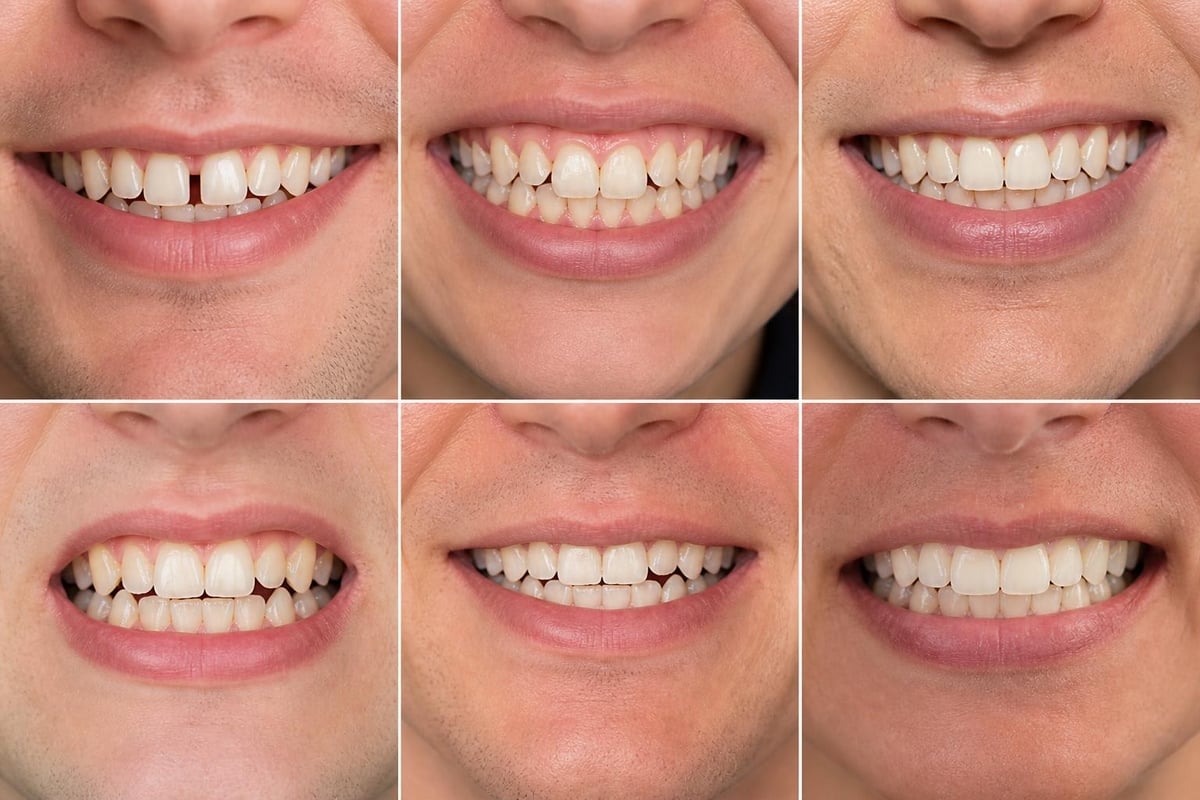
- Mild to moderate crowding (up to approximately 6mm discrepancy)
- Spacing and gaps between teeth
- Minor to moderate overbite conditions
- Certain crossbite presentations
- Mild open bite situations
- Relapse following previous orthodontic treatment
Complex Cases and Limitations
While asking "can adults get clear aligners" for any orthodontic problem, the answer becomes more nuanced with severe malocclusions. Research examining the effectiveness of aligners for specific dental conditions demonstrates that vertical discrepancies and severe rotations may require alternative or hybrid approaches.
Severe cases often benefit from combination treatment. An orthodontist might begin with traditional braces to address major alignment issues, then transition to clear aligners for final refinements. Alternatively, some patients use temporary anchorage devices (TADs) alongside aligners to achieve movements that aligners alone cannot accomplish.
Tooth extractions sometimes factor into adult treatment plans. When severe crowding exists without space for expansion, strategic extraction creates room for proper alignment. Clear aligners can effectively close extraction spaces while maintaining good aesthetic results throughout treatment.
The Clear Aligner Treatment Process for Adults
Beginning clear aligner treatment involves several structured steps designed to ensure optimal outcomes. Understanding this process helps adults prepare mentally, financially, and logistically for their orthodontic journey.
Initial Consultation and Assessment
Your first appointment establishes treatment feasibility and creates a customized plan. At facilities like Dental Plus Clinic’s orthodontic services, the evaluation includes:
- Comprehensive oral examination checking tooth and gum health
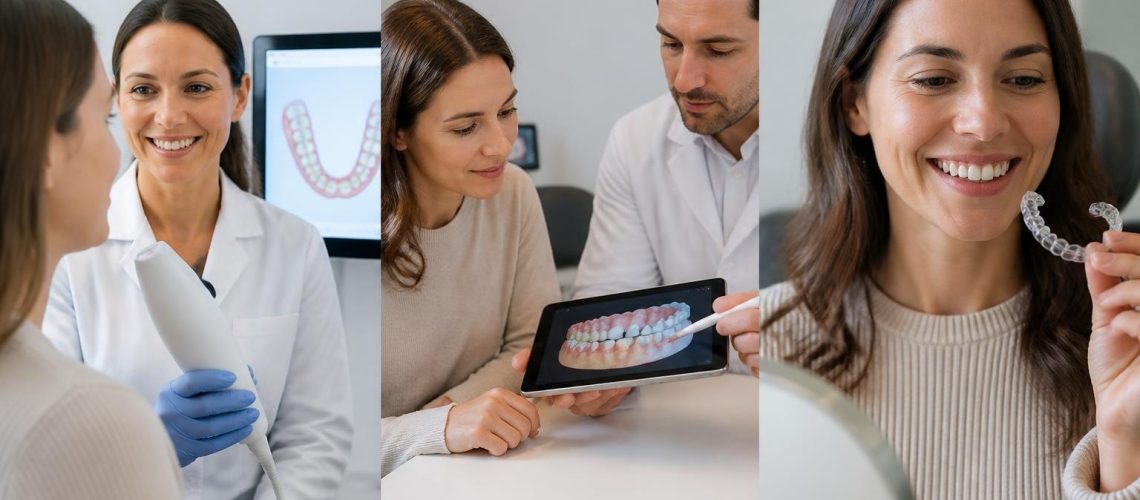
- Digital imaging using 3D scanners or traditional impressions
- Photographic documentation of your current smile from multiple angles
- Bite analysis assessing how upper and lower teeth meet
- Discussion of goals clarifying your expectations and concerns
The orthodontist reviews your dental history, including any previous orthodontic work, existing restorations, and ongoing dental health issues. This information helps predict how your teeth will respond to aligner therapy and identify potential complications before they arise.
Treatment Planning and Digital Design
Modern clear aligner treatment relies on sophisticated software that creates a virtual representation of your entire treatment. You'll typically see a digital simulation showing how your teeth will move from their current positions to the desired final arrangement.
This planning phase determines:
- Total number of aligners needed
- Estimated treatment duration
- Attachment placement (small tooth-colored bumps that help aligners grip)
- Whether interproximal reduction (IPR) is necessary
- Refinement strategies if initial movement proves insufficient
Many patients find the visual treatment plan incredibly motivating. Seeing the projected final result before even receiving the first aligner builds confidence and commitment to the process.
Active Treatment Phase
Once your custom aligners are manufactured, you'll receive several sets at once, typically enough for two to three months of treatment. The active phase requires discipline and consistency for optimal results.
Daily requirements include:
- Wearing aligners 20-22 hours per day
- Removing only for eating, drinking anything except water, and oral hygiene
- Cleaning aligners regularly to prevent discoloration and odor
- Tracking progress with smartphone apps when available
- Attending periodic check-ins every 6-8 weeks
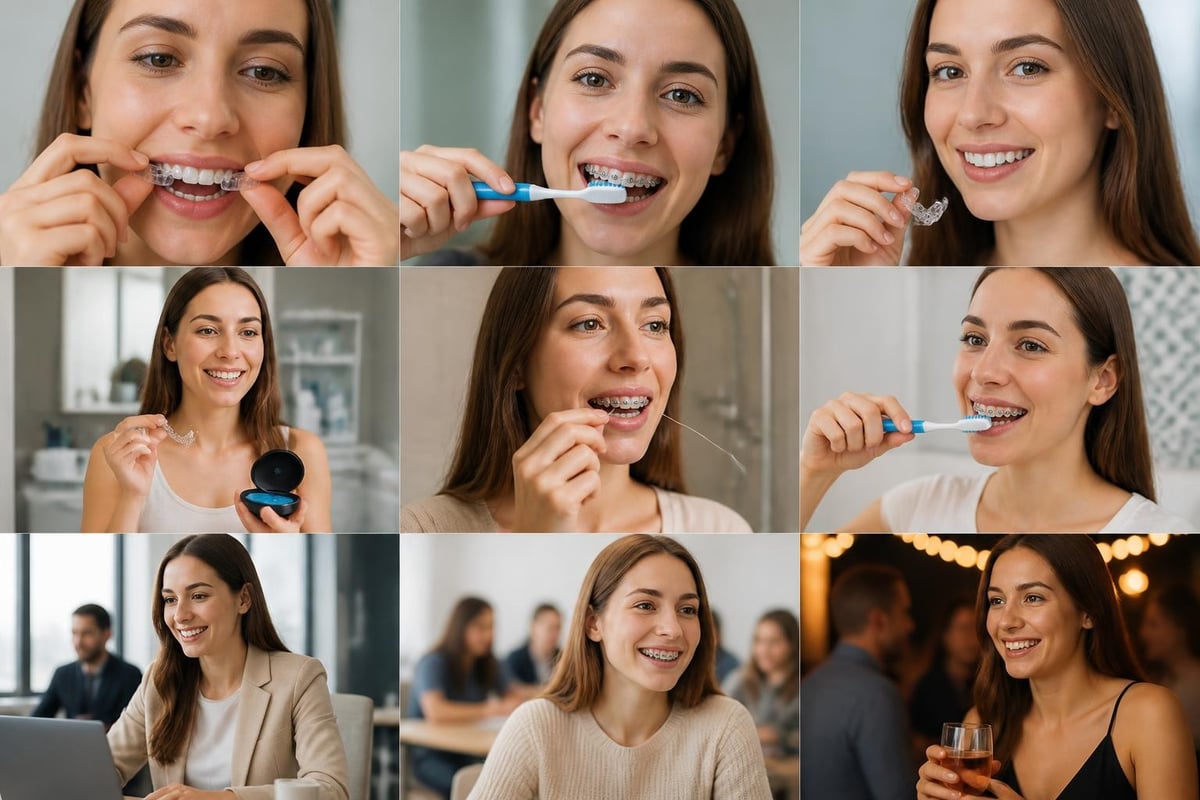
Adults often appreciate the flexibility clear aligners provide compared to traditional braces. Business lunches, important presentations, and special events become manageable because you can temporarily remove aligners when absolutely necessary, though this should remain the exception rather than the rule.
Cost Considerations and Insurance Coverage
Financial planning represents a significant concern when adults consider orthodontic treatment. The question "can adults get clear aligners" often leads immediately to "can I afford them?"
Clear aligner costs in Texas typically range from $3,500 to $8,000, depending on case complexity, treatment duration, and provider experience. This investment covers the initial consultation, all aligners, progress monitoring, refinements, and retainers.
| Cost Component | Typical Range | Notes |
|---|---|---|
| Simple cases (6-12 months) | $3,500-$5,000 | Minor crowding or spacing |
| Moderate cases (12-18 months) | $5,000-$6,500 | More complex alignment needs |
| Comprehensive treatment (18-24+ months) | $6,500-$8,000+ | Significant bite correction |
Insurance and Payment Options
Many dental insurance plans in Texas provide orthodontic benefits, though coverage varies significantly between policies. Adult orthodontic benefits typically range from $1,000 to $2,000 lifetime maximum, regardless of the patient's age when treatment begins.
Flexible payment plans make treatment accessible for adults without insurance coverage or with limited benefits. Dental Plus Clinic offers savings options that help distribute costs over the treatment timeline, eliminating the need for full upfront payment.
Health Savings Accounts (HSAs) and Flexible Spending Accounts (FSAs) can be used for orthodontic treatment, providing tax advantages that effectively reduce your out-of-pocket costs. Many adults strategically time their treatment to maximize these benefits across calendar years.
Comparing Clear Aligners to Traditional Braces
Adults wrestling with the decision between clear aligners and traditional braces benefit from understanding the practical differences beyond mere appearance. Evidence from systematic reviews comparing treatment modalities provides balanced insights into treatment duration, comfort, and outcomes.
Lifestyle and Comfort Factors
Traditional metal braces remain fixed to teeth throughout treatment, while clear aligners offer removability. This fundamental difference cascades into numerous daily life considerations that matter more to adults than to teenage patients.
Clear aligner advantages include:
- Professional appearance during work meetings and presentations
- No dietary restrictions since aligners are removed for eating
- Easier oral hygiene without brackets and wires to navigate
- Less soft tissue irritation from smooth plastic versus metal components
- Ability to remove for special occasions when absolutely necessary
Traditional braces offer benefits such as:
- Continuous force application without relying on patient compliance
- Better control for complex rotations and vertical movements
- Lower risk of treatment delays from inconsistent wear
- Often faster treatment for severe malocclusions
- No possibility of losing or misplacing appliances
Treatment Outcomes and Effectiveness
Clinical research examining clear aligner therapy outcomes demonstrates high success rates for appropriate cases. The key phrase here is "appropriate cases." When patients are properly selected based on their specific orthodontic needs, clear aligners produce excellent, predictable results comparable to traditional braces.
Treatment precision depends heavily on patient compliance. Missing even a few hours of daily wear time accumulates over weeks and months, potentially adding months to the overall treatment duration. Adults generally demonstrate better compliance than adolescents, making them ideal candidates for removable orthodontic appliances.
Risks and Considerations for Adult Patients
Every medical and dental treatment carries some degree of risk, and clear aligners are no exception. Understanding potential complications allows adults to make informed decisions and recognize warning signs early.
Direct-to-Consumer Concerns
The rise of mail-order aligner companies has raised significant concerns among orthodontic professionals. While these services appear cost-effective, they lack the in-person supervision that ensures safe, effective treatment. The American Association of Orthodontists has documented risks associated with unsupervised orthodontic treatment.
Problems arising from direct-to-consumer aligners include:
- Undiagnosed gum disease that worsens during treatment
- Failure to identify tooth decay before tooth movement begins
- Inadequate treatment planning leading to bite problems
- Root damage from excessive or misdirected forces
- No emergency support when complications arise
Professional oversight at established practices like Dental Plus Clinic locations throughout Texas ensures regular monitoring, immediate problem-solving, and comprehensive care that protects both your smile and your oral health.
Root Resorption and Bone Loss
Root resorption-the gradual shortening of tooth roots-can occur during any orthodontic treatment. Adults face slightly higher risk than adolescents due to denser bone and previous dental work. Regular radiographic monitoring detects resorption early, allowing treatment modifications before serious damage occurs.
Existing bone loss from periodontal disease requires careful management during aligner therapy. Moving teeth through compromised bone support can accelerate attachment loss and potentially lead to tooth mobility or loss. Pre-treatment periodontal therapy and ongoing maintenance become essential components of safe adult orthodontics.
Maintaining Results After Clear Aligner Treatment
Completing your clear aligner journey represents a significant achievement, but maintaining those results requires continued commitment. Retention is not optional-it's essential for preserving your investment and protecting your new smile.
Retainer Options and Protocols
After active treatment concludes, teeth naturally tend to shift back toward their original positions, a phenomenon called orthodontic relapse. Retainers counteract this tendency by holding teeth in their corrected positions while surrounding bone and soft tissues stabilize.
Common retention strategies include:
- Fixed lingual retainers bonded behind front teeth for continuous retention
- Removable clear retainers worn nightly, similar to final aligners
- Hawley retainers with wire and acrylic for durability and adjustability
- Combination approaches using both fixed and removable retainers
Most orthodontists recommend full-time retainer wear for at least three months following treatment completion, then transitioning to nighttime-only wear indefinitely. Adults who've invested time and money into straightening their teeth typically find nighttime retainer wear a small price for maintaining results.
Long-term Oral Health Integration
Clear aligner treatment often serves as a catalyst for improved oral health habits. The discipline required to wear aligners consistently, clean them properly, and maintain excellent oral hygiene throughout treatment frequently carries forward into post-treatment life.
Patients should coordinate retention with regular dental cleanings and preventive care to ensure long-term smile stability. Professional monitoring detects early signs of shifting, allowing for timely intervention before significant relapse occurs.
Finding Quality Clear Aligner Providers in Texas
Selecting the right provider significantly impacts your treatment experience and outcomes. Can adults get clear aligners from any dentist? Technically yes, but quality varies dramatically based on training, experience, and technology.
Provider Qualifications and Experience
Look for providers with specific orthodontic training or extensive continuing education in aligner therapy. Board-certified orthodontists complete three additional years of specialized education beyond dental school, focusing exclusively on tooth movement and facial development.
General dentists who offer clear aligners should demonstrate significant case experience and ongoing training. Ask potential providers:
- How many clear aligner cases have you personally completed?
- What continuing education have you pursued in orthodontics?
- Do you offer in-office progress monitoring or remote check-ins?
- How do you handle complications or unexpected treatment challenges?
- What technology do you use for treatment planning and monitoring?
Technology and Treatment Philosophy
Advanced practices invest in digital scanning technology, 3D treatment visualization, and comprehensive diagnostic imaging. These tools improve treatment precision while enhancing your understanding of the proposed plan.
Dental Plus Clinic combines modern technology with personalized care across their Texas locations. Whether you're in Leander or Converse, consistent standards ensure quality treatment regardless of which office you visit.
The British Orthodontic Society emphasizes proper assessment before beginning any clear aligner treatment, highlighting the importance of comprehensive evaluation over convenience-focused approaches that may miss critical health concerns.
Special Situations for Adult Clear Aligner Patients
Adult dental situations often involve complexity not present in teenage patients. Previous dental work, age-related changes, and specific health conditions require tailored approaches to clear aligner therapy.
Prior Orthodontic Treatment and Relapse
Many adults seeking clear aligners previously wore braces as teenagers but experienced relapse after stopping retainer wear. The good news: orthodontic retreatment typically progresses faster than initial treatment because teeth have been moved before and bone "remembers" previous positions.
Relapse cases often qualify as simple to moderate complexity, making them excellent candidates for clear aligner therapy. Treatment duration frequently ranges from 6-15 months, depending on how much shifting has occurred and the specific movements needed.
Coordination with Restorative Dentistry
Adults commonly have crowns, bridges, veneers, or dental implants that complicate orthodontic treatment planning. Clear aligners can move natural teeth around fixed restorations, but the restorations themselves cannot move.
Strategic treatment sequencing becomes essential when combining orthodontics with restorative work:
- Complete orthodontic alignment first
- Replace or place restorations in final tooth positions
- Ensure color and contour match the new smile arrangement
- Begin retention protocol to maintain corrected positions
Some patients require temporary restorations during aligner treatment, then receive final restorations once teeth stabilize in their new positions. This approach ensures optimal aesthetics and function without compromising either the orthodontic or restorative outcomes.
Medical Conditions and Medications
Certain systemic conditions affect orthodontic treatment planning and success. Diabetes, autoimmune disorders, and osteoporosis can influence bone density, healing capacity, and infection risk during tooth movement.
Medications also factor into treatment decisions. Bisphosphonates used for osteoporosis can affect bone remodeling necessary for orthodontic movement. Blood thinners may complicate procedures like tooth extraction or implant placement that sometimes accompany orthodontic treatment.
Full disclosure of medical history, current medications, and any health changes during treatment allows your orthodontic provider to adjust plans appropriately and coordinate care with your physician when necessary.
Frequently Asked Questions About Adult Clear Aligners
Can adults get clear aligners if they have gum disease?
Active gum disease requires treatment before beginning clear aligner therapy. Periodontal disease causes bone and soft tissue breakdown that can accelerate during orthodontic movement. However, once gum disease is controlled and stabilized through professional treatment and improved home care, many patients become excellent candidates for aligner therapy. Your dentist will evaluate periodontal health thoroughly before recommending orthodontic treatment.
How long does clear aligner treatment take for adults?
Treatment duration varies based on case complexity, but most adult patients complete treatment in 12-24 months. Simple spacing or minor crowding might resolve in 6-10 months, while comprehensive bite correction can extend to 24-30 months. Adults generally experience slightly longer treatment times than teenagers due to denser bone that responds more slowly to orthodontic forces. Consistent wear of 20-22 hours daily significantly impacts overall timeline.
Are clear aligners painful for adult patients?
Most patients report mild discomfort rather than pain, particularly during the first few days of each new aligner set. This pressure sensation indicates the aligners are working to move teeth. Over-the-counter pain relievers typically manage any discomfort effectively. Unlike traditional braces, clear aligners don't cause soft tissue injuries from brackets or wires. The smooth plastic rarely creates sores or irritation, making them more comfortable for most adult patients.
Will clear aligners affect my speech?
Most adults experience minor speech changes for the first few days of treatment as they adjust to having aligners in their mouths. Slight lisping or altered "s" and "th" sounds are common initially but typically resolve within a week as the tongue adapts. Practicing speaking, reading aloud, and normal conversation accelerates this adjustment period. The vast majority of patients report no long-term speech impact from clear aligner treatment.
Can I drink coffee or wine while wearing clear aligners?
You should remove clear aligners before consuming anything except water. Coffee, tea, wine, and other colored beverages can stain aligners, making them visible and defeating the purpose of discreet treatment. Additionally, drinking hot beverages while wearing aligners can warp the plastic, compromising fit and effectiveness. Sugar and acid exposure while wearing aligners also increases cavity risk by trapping these substances against tooth surfaces. Remove aligners for all eating and drinking, then brush before reinserting them.
Do clear aligners work as well as traditional braces for adults?
For appropriate cases, clear aligners achieve results comparable to traditional braces. Research demonstrates high success rates when patients are properly selected based on their specific orthodontic needs and demonstrate good compliance with wearing schedules. However, severe malocclusions, complex rotations, and significant vertical discrepancies may still require traditional braces or surgical intervention. A comprehensive orthodontic evaluation determines which treatment modality best addresses your individual situation.
What happens if I lose or break an aligner?
Contact your orthodontist immediately if an aligner is lost or damaged. Depending on where you are in the wearing schedule for that aligner set, your provider may recommend moving back to the previous aligner, advancing to the next set, or ordering a replacement. Many patients receive extra sets at the beginning of treatment for emergencies. Losing multiple aligners or experiencing frequent breakage can extend treatment time, so proper care and storage are essential.
Can adults get clear aligners if they grind their teeth?
Bruxism (teeth grinding) doesn't automatically disqualify you from clear aligner treatment, but it requires additional considerations. The aligners themselves provide some protection against grinding damage during treatment. However, severe grinding can damage aligners, requiring more frequent replacements. Your orthodontist may recommend a night guard after treatment completion to protect both your teeth and your retention appliances. Managing the underlying causes of bruxism through stress reduction or medical intervention may also be discussed.
Evidence-Based Perspectives on Adult Clear Aligner Treatment
Modern orthodontic care relies on scientific evidence to guide treatment decisions and set appropriate patient expectations. Cochrane reviews and systematic analyses provide high-quality evidence about what clear aligners can accomplish and where limitations exist.
Research on Adult Treatment Outcomes
Clinical studies consistently demonstrate that adult clear aligner patients who maintain excellent compliance achieve outcomes that satisfy both functional and aesthetic goals. Success rates for mild to moderate malocclusions exceed 85% when treatment is properly planned and executed.
Factors predicting successful outcomes include:
- Accurate diagnosis and appropriate case selection
- Patient compliance with wear schedule recommendations
- Regular professional monitoring and timely refinements
- Proper retention protocol following active treatment
- Good oral hygiene throughout the treatment period
Limitations Acknowledged by Evidence
Scientific literature also identifies situations where clear aligners face challenges. Precise control of tooth rotation, especially of rounded teeth like canines, proves more difficult with removable appliances than fixed braces. Significant vertical movements and complex bite corrections may require longer treatment times or hybrid approaches.
Understanding these limitations helps set realistic expectations. Can adults get clear aligners for every orthodontic problem? No, but the range of treatable conditions continues to expand as aligner technology advances and provider experience grows.
Making Your Decision About Clear Aligner Treatment
Deciding whether to pursue clear aligner treatment involves weighing aesthetic desires, functional needs, financial considerations, and lifestyle factors. Adults have unique decision-making criteria that differ from adolescent patients and parents.
Questions to Consider
Before scheduling your consultation, reflect on these important considerations:
Motivation and Goals:
- What specific aspects of my smile do I want to improve?
- Are my concerns primarily aesthetic, functional, or both?
- How will straighter teeth impact my confidence and quality of life?
Practical Considerations:
- Can I commit to wearing aligners 20-22 hours daily?
- Am I prepared for 12-24 months of consistent treatment?
- Does my budget accommodate the investment with available payment plans?
Health Factors:
- Is my current oral health stable and suitable for orthodontic treatment?
- Do I have any medical conditions that might complicate treatment?
- Am I prepared to maintain excellent oral hygiene throughout treatment?
Taking the First Step
The consultation process provides personalized answers to the question "can adults get clear aligners?" Every smile presents unique characteristics that influence treatment recommendations. Professional assessment reveals whether your specific situation makes you a good candidate and what outcomes you can realistically expect.
Many adults delay treatment for years, assuming their age disqualifies them or that the process will prove too disruptive. Modern clear aligner technology has eliminated most of these barriers, making treatment more accessible and convenient than ever before. The ideal time to begin is when you're motivated, your oral health is stable, and you're ready to commit to the process.
Scheduling Your Clear Aligner Consultation
Taking the step from curiosity to action begins with a comprehensive evaluation. Professional practices throughout Texas offer consultations that answer your specific questions and create personalized treatment plans.
What to bring to your consultation:
- Current dental insurance information
- List of medications and medical conditions
- Questions you've prepared about treatment, timeline, and costs
- Photos of smiles you admire or specific concerns you want addressed
The consultation typically takes 45-60 minutes and includes digital imaging, clinical examination, and detailed discussion of your options. You'll leave with a clear understanding of whether you're a candidate, estimated treatment duration, and financial information.
What Happens During the Evaluation
Your provider will examine your teeth, gums, and bite relationship while discussing your goals and concerns. Digital scanning creates a precise model of your current dental anatomy. Many offices can show you a preliminary treatment simulation during this first visit, offering a glimpse of your potential results.
The evaluation also identifies any necessary preliminary work. Cavities require filling before orthodontic treatment begins. Gum disease needs treatment and stabilization. Existing dental work might need evaluation for compatibility with planned tooth movements.
Clear aligner technology has transformed adult orthodontics, making discreet, effective treatment accessible for patients at any age. Understanding your options, selecting qualified providers, and maintaining realistic expectations are essential steps toward achieving the confident smile you deserve. Whether you're addressing long-standing alignment concerns or recent shifting, professional clear aligner therapy offers a proven path to improved oral health and aesthetics. Dental Plus Clinic welcomes adults throughout Texas who are ready to explore their orthodontic options with personalized consultations, advanced technology, and comprehensive care designed around your unique needs and lifestyle. Schedule your evaluation today to discover how clear aligners can transform your smile while fitting seamlessly into your professional and personal life.