
Childhood tooth decay remains one of the most common chronic diseases affecting children across the United States. Despite being entirely preventable, cavities in kids continue to impact millions of young patients each year, leading to pain, difficulty eating, missed school days, and potentially long-term oral health challenges. As parents and caregivers, understanding how cavities develop, recognizing early warning signs, and implementing effective preventive strategies can make the difference between a lifetime of healthy smiles and years of dental interventions. This comprehensive guide explores everything Texas families need to know about protecting their children's teeth from decay.
Understanding How Cavities Develop in Children
Cavities, medically known as dental caries, form through a complex process involving bacteria, sugars, and time. When children consume foods or beverages containing sugars and starches, bacteria naturally present in the mouth convert these carbohydrates into acids. These acids attack tooth enamel, the hard outer protective layer of teeth, gradually weakening it over time.
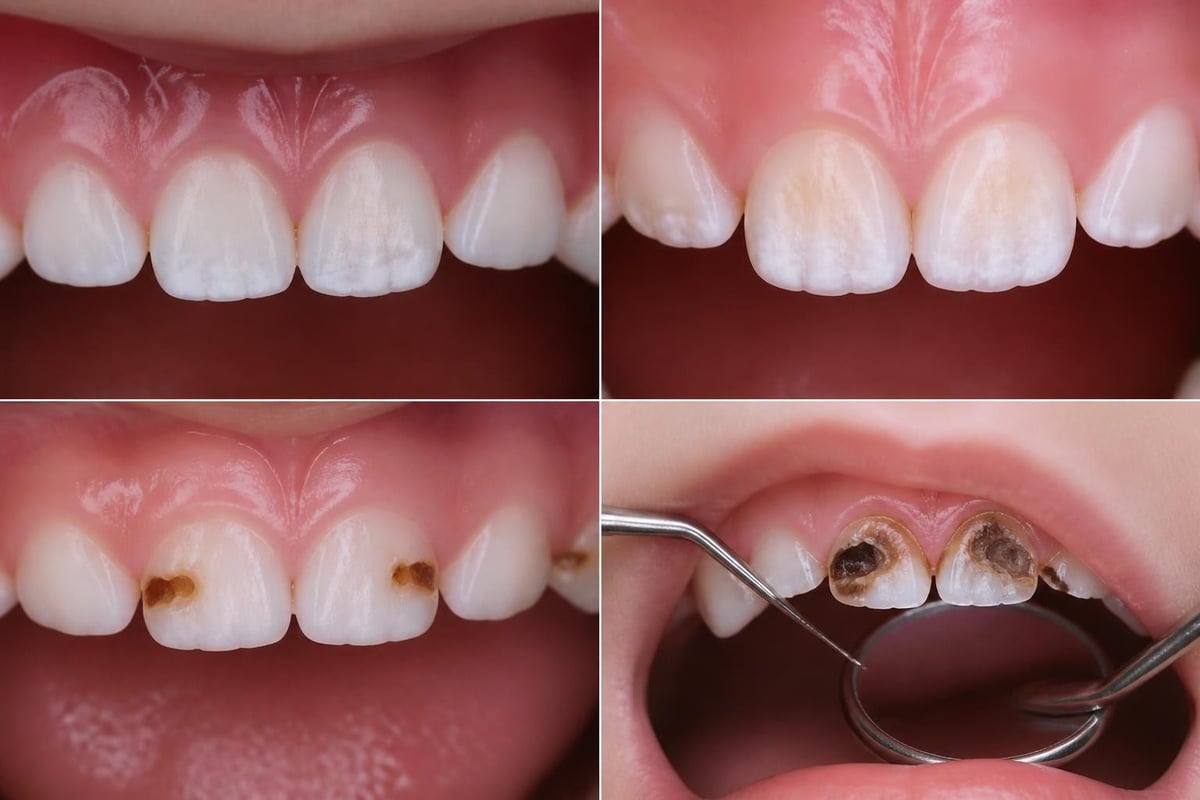
The tooth decay process occurs in stages. Initially, acids cause mineral loss from enamel in a process called demineralization, creating white spots that signal early decay. At this stage, the damage can still be reversed through remineralization using fluoride treatments and improved oral hygiene. However, if the acid attacks continue without intervention, the enamel breaks down completely, creating a cavity that requires professional dental treatment.
The Role of Baby Teeth in Long-Term Oral Health
Many parents mistakenly believe that cavities in baby teeth require less attention since these teeth will eventually fall out. This misconception can lead to serious consequences. Primary teeth serve critical functions beyond chewing and speech development. They hold space for permanent teeth, guide jaw development, and contribute to facial structure formation.
When cavities destroy baby teeth prematurely, neighboring teeth may shift into the empty space, causing crowding issues that require orthodontic intervention later. Infected baby teeth can also damage the permanent teeth developing beneath them. Additionally, children who experience cavities in their primary teeth face significantly higher risks of developing decay in their permanent teeth.
Recognizing the Warning Signs of Childhood Cavities
Early detection dramatically improves treatment outcomes and can prevent minor issues from becoming major dental emergencies. Parents should watch for several telltale indicators that their child may be developing cavities.
Visual indicators include:
- White, brown, or black spots on teeth
- Visible holes or pits in tooth surfaces
- Discoloration along the gum line
- Staining between teeth
Behavioral and physical symptoms:
- Complaints of tooth pain or sensitivity
- Sensitivity to hot, cold, or sweet foods
- Difficulty chewing on one side
- Holding hand to cheek or jaw
- Reluctance to brush teeth due to discomfort
Toddlers and preverbal children may display irritability, changes in eating habits, or disturbed sleep patterns when experiencing tooth pain. If you notice any of these signs, scheduling a prompt evaluation at facilities like our pediatric dentistry services ensures timely intervention before complications develop.
Primary Risk Factors Contributing to Cavities in Kids
Understanding what increases cavity risk empowers parents to implement targeted prevention strategies. Multiple factors influence whether a child will develop tooth decay, ranging from dietary habits to genetic predisposition.
| Risk Factor | Impact Level | Prevention Strategy |
|---|---|---|
| Frequent sugar consumption | High | Limit sugary snacks, choose water over juice |
| Inadequate brushing | High | Supervise brushing until age 8, twice daily |
| Lack of fluoride exposure | Medium | Use fluoridated toothpaste, consider treatments |
| Nighttime bottle use | High | Eliminate bottles after age 1, especially at bedtime |
| Deep tooth grooves | Medium | Dental sealants for molars |
| Dry mouth conditions | Medium | Increase water intake, address underlying causes |
According to research on sugars and dental caries from the World Health Organization, reducing free sugar intake significantly decreases cavity development throughout life. The evidence shows that limiting sugar consumption to less than 10% of total energy intake, and ideally below 5%, provides substantial protective benefits for children's oral health.
The Hidden Sugars in Children's Diets
Beyond obvious culprits like candy and soda, many foods marketed to children contain surprisingly high sugar levels. Fruit snacks, flavored yogurts, breakfast cereals, sports drinks, and even seemingly healthy options like dried fruit can expose teeth to prolonged acid attacks.
The frequency of sugar exposure matters more than the total amount consumed. A child who sips juice throughout the day experiences constant acid production, giving teeth no opportunity to remineralize. Concentrating treats at mealtimes, followed by water and proper brushing, reduces cavity risk significantly compared to constant snacking patterns.
Evidence-Based Prevention Strategies for Parents
Prevention remains the most effective approach to managing cavities in kids. Implementing comprehensive strategies from infancy through adolescence establishes habits that protect oral health for life.
Establishing Proper Oral Hygiene Routines
For infants (birth to 12 months):
- Wipe gums with a clean, damp cloth after feedings
- Begin brushing as soon as the first tooth appears
- Use a rice-grain-sized smear of fluoride toothpaste
- Never put a baby to bed with a bottle containing anything except water
- Schedule the first dental visit by the first birthday
For toddlers (ages 1-3):
- Brush twice daily with a rice-grain amount of fluoride toothpaste
- Begin flossing when teeth touch each other
- Transition from bottle to cup by 12-18 months
- Limit juice to 4 ounces per day, preferably with meals
- Schedule dental checkups every six months
For preschool and school-age children (ages 3+):
- Increase to a pea-sized amount of fluoride toothpaste
- Supervise brushing until age 7-8 to ensure effectiveness
- Encourage spitting out toothpaste rather than swallowing
- Make dental visits routine and positive experiences
- Consider dental sealants for permanent molars
The Critical Role of Fluoride in Cavity Prevention
Fluoride strengthens tooth enamel and helps reverse early decay through remineralization. Children benefit from fluoride through multiple sources: fluoridated water, toothpaste, and professional treatments during dental visits.
Most Texas communities provide fluoridated water, though families using well water or bottled water should consult their dentist about supplementation needs. Professional fluoride treatments applied during routine checkups provide concentrated protection, particularly beneficial for children at higher risk of cavities.
The Cochrane evidence on preventive treatments demonstrates that both sealants and fluoride varnish effectively prevent decay in children's permanent teeth, with sealants showing particular benefit for molars with deep grooves and fissures.

Treatment Options When Cavities Develop
Despite best prevention efforts, some children still develop cavities requiring professional intervention. Modern pediatric dentistry offers various treatment approaches depending on the cavity's size, location, and the child's age.
Conservative Treatments for Early-Stage Decay
When cavities are detected in their earliest stages, remineralization therapies can sometimes reverse the damage without drilling. These approaches include:
- Fluoride varnish applications: High-concentration fluoride painted directly onto affected areas
- Silver diamine fluoride: A minimally invasive treatment that stops cavity progression
- Dietary and hygiene modifications: Enhanced prevention protocols to support natural repair
These conservative options work best for small cavities that haven't penetrated beyond the enamel layer. Regular monitoring ensures the decay remains arrested and doesn't progress.
Standard Restorative Procedures
When cavities extend into the dentin layer beneath enamel, restorative treatment becomes necessary. Dental fillings remain the most common solution, with several material options available:
| Filling Material | Advantages | Best Uses |
|---|---|---|
| Composite resin | Tooth-colored, bonds to tooth structure | Front teeth, visible areas |
| Glass ionomer | Releases fluoride, good for baby teeth | Small cavities, areas not under heavy pressure |
| Stainless steel crowns | Extremely durable, covers entire tooth | Large cavities in baby molars |
| Ceramic/porcelain | Natural appearance, very durable | Permanent teeth in older children |
The choice of material depends on the cavity's location, size, the child's age, and functional requirements. Dentists consider factors like chewing forces, aesthetic concerns, and how long the tooth will remain before natural loss.
Advanced Interventions for Severe Decay
When cavities reach the tooth's inner pulp containing nerves and blood vessels, more extensive treatment becomes necessary. Baby tooth pulp therapy, similar to root canal treatment in adult teeth, removes infected tissue while preserving the tooth structure until natural loss occurs.
In cases where decay has destroyed too much tooth structure for repair, extraction may be necessary. When baby teeth require removal significantly before their natural timeline, space maintainers prevent neighboring teeth from shifting and causing orthodontic problems.
The Importance of Regular Dental Checkups
Professional dental examinations detect cavities in kids far earlier than parents can identify them at home. Dentists use specialized tools, training, and sometimes radiographs to identify decay in its earliest, most treatable stages.
Benefits of routine dental visits include:
- Early cavity detection and intervention
- Professional cleaning to remove plaque and tartar
- Fluoride treatments for added protection
- Sealant application to vulnerable teeth
- Personalized prevention recommendations
- Monitoring of dental development
The American Dental Association recommends children visit the dentist every six months for routine care. However, children at higher risk for cavities may benefit from more frequent evaluations, typically every three to four months.
Regular dental exams and cleanings establish positive relationships with dental care providers, reducing anxiety and building trust that serves children throughout their lives. Making these visits routine from an early age normalizes dental care as an essential aspect of overall health maintenance.
Special Considerations for Different Age Groups
Cavity prevention and treatment strategies must adapt as children grow and their dental needs evolve. Understanding age-specific challenges helps parents provide optimal support at each developmental stage.
Infants and Toddlers: Establishing the Foundation
Early childhood caries, sometimes called baby bottle tooth decay, represents a particularly aggressive form of cavities in kids. This condition typically affects the upper front teeth and results from prolonged exposure to sugary liquids, especially during sleep when saliva production decreases.
Prevention focuses on avoiding bottles at bedtime, transitioning to cups by the first birthday, and beginning oral hygiene practices even before teeth emerge. Parents should wipe infant gums after feedings and start brushing as soon as the first tooth appears.
School-Age Children: Building Independence
As children enter school, they gain more independence over food choices and oral hygiene practices. This transition period presents both opportunities and challenges for cavity prevention.
Parents should:
- Pack healthy lunches and snacks
- Communicate with schools about oral health policies
- Continue supervising brushing despite protests about independence
- Emphasize the connection between oral health and overall wellbeing
- Schedule sealant application for permanent molars as they emerge
School-age children often feel peer pressure around food choices and may resist parental guidance. Framing oral health discussions around confidence, appearance, and avoiding painful dental procedures can prove more motivating than abstract health concepts.
Adolescents: Maintaining Habits During Transition
Teenagers face unique cavity risks from increased independence, dietary changes, orthodontic appliances, and sometimes reduced parental oversight of hygiene habits. Sports drinks, energy drinks, and frequent snacking can significantly increase acid exposure.
Adolescents with braces require extra attention to oral hygiene, as brackets and wires create additional areas for plaque accumulation. Regular professional cleanings and enhanced home care prevent white spots and cavities from developing around orthodontic hardware.
Addressing Common Parental Concerns and Misconceptions
Parents frequently express concerns and hold beliefs about cavities in kids that may not align with current dental evidence. Addressing these misconceptions supports better decision-making and improved outcomes.
"Baby teeth don't matter since they fall out anyway"
Reality: Baby teeth serve critical functions for years before permanent teeth emerge. They enable proper nutrition through effective chewing, support speech development, maintain space for permanent teeth, and contribute to jaw development. Premature loss due to decay can create orthodontic problems, damage developing permanent teeth, and cause unnecessary pain and infection risk.
"My child brushes regularly, so cavities won't develop"
Reality: While brushing is essential, multiple factors influence cavity development. Genetic predisposition, diet, fluoride exposure, tooth anatomy, and brushing technique all play roles. Some children require additional preventive measures like sealants, fluoride treatments, or dietary modifications even with excellent brushing habits.
"Fluoride is dangerous for children"
Reality: When used appropriately, fluoride is safe and highly effective for preventing cavities in kids. The key is using age-appropriate amounts: a rice-grain smear for children under 3, and a pea-sized amount for children 3 and older. Professional treatments follow strict protocols ensuring safety while maximizing protective benefits.
"Dental visits are only necessary when problems occur"
Reality: Preventive dental care identifies and addresses issues before they cause symptoms. By the time pain develops, significant damage has already occurred. Regular checkups catch cavities when they're small and easily treatable, prevent emergencies, and cost significantly less than crisis-driven care.
The Financial and Emotional Impact of Childhood Cavities
Beyond the immediate physical concerns, cavities in kids create broader impacts on families. Understanding these implications motivates comprehensive prevention efforts and timely treatment when needed.
Economic Considerations
Untreated cavities can lead to escalating treatment costs. A small filling addressed early might cost a few hundred dollars, while delaying treatment until pain develops could require root canal therapy, crowns, or extraction with space maintenance, potentially costing thousands.
Many families worry about dental care costs, but investment in prevention and early intervention saves money long-term. Facilities across Texas, including our locations in Seguin and Leander, often offer payment plans and work with families to make necessary care accessible.
Quality of Life Factors
Children suffering from untreated cavities may experience:
- Chronic pain affecting concentration and learning
- Difficulty eating nutritious foods
- Sleep disruption from toothaches
- Missed school days for dental emergencies
- Social embarrassment about tooth appearance
- Reduced self-confidence
- Fear and anxiety about dental visits
Addressing cavities promptly prevents these quality-of-life impacts and supports children's overall development and wellbeing.
Creating a Cavity-Prevention Culture at Home
Long-term success in preventing cavities in kids requires establishing family habits and environmental supports that make healthy choices the easy choices.
Practical strategies for building a tooth-friendly home environment:
- Stock healthy snacks: Keep cut vegetables, cheese, nuts, and other tooth-friendly options readily available
- Eliminate sugary drinks: Make water the default beverage, reserving juice and other sweetened drinks for special occasions
- Establish meal and snack schedules: Reduce grazing and constant exposure to food
- Create brushing routines: Make tooth brushing a non-negotiable part of morning and bedtime rituals
- Model good habits: Children learn by observation; demonstrate your own commitment to oral health
- Make it fun: Use timers, songs, or apps to make brushing engaging for young children
- Provide proper tools: Ensure age-appropriate toothbrushes, toothpaste, and floss are easily accessible
Involving children in oral health decisions builds ownership and motivation. Let them choose their toothbrush design, select a favorite toothpaste flavor (within appropriate options), or track their brushing consistency with a chart and stickers.
Understanding Caries Risk Assessment
Modern pediatric dentistry uses comprehensive caries risk assessment to identify children who need enhanced preventive interventions. This evidence-based approach evaluates multiple factors to categorize children as low, moderate, or high risk for developing cavities.
Risk assessment considers:
- Previous cavity history
- Dietary habits and patterns
- Fluoride exposure
- Plaque levels and oral hygiene quality
- Saliva flow and quality
- Socioeconomic factors
- Special healthcare needs
- Protective factors like sealants
Children identified as high risk benefit from more frequent professional fluoride applications, enhanced dietary counseling, additional dental visits, and possibly prescription-strength home fluoride products. This personalized approach allocates resources where they provide maximum benefit.
Frequently Asked Questions About Cavities in Kids
At what age can children start getting cavities?
Cavities can develop as soon as teeth emerge, typically around 6 months of age. Early childhood caries sometimes affects infants and toddlers, particularly when bottles containing milk, formula, or juice are used for extended periods or at bedtime. Prevention should begin before teeth appear through proper feeding practices and gum cleaning.
How can I tell if my child has a cavity without a dental visit?
While professional examination remains essential, parents may notice white, brown, or black spots on teeth, visible holes or pits, complaints of pain or sensitivity, or difficulty chewing. However, cavities often develop between teeth or in areas invisible to parents, making regular dental checkups critical for early detection.
Are cavities in baby teeth contagious?
Cavities themselves aren't contagious, but the bacteria that cause them can be transmitted through saliva. Parents should avoid sharing utensils, cleaning pacifiers with their mouth, or pre-chewing food for infants, as these actions can transfer cavity-causing bacteria to children who haven't yet been colonized.
What should I do if my child complains of tooth pain?
Contact your dentist immediately for an appointment. In the meantime, rinse the child's mouth with warm water, use dental floss to remove any trapped food, apply a cold compress to reduce swelling, and give age-appropriate pain medication if needed. Avoid placing aspirin directly on gums, as this can cause burns.
Can diet alone prevent cavities without brushing?
No. While diet significantly influences cavity development, brushing and flossing physically remove plaque bacteria and food particles that diet modification alone cannot eliminate. Optimal prevention requires both excellent oral hygiene and tooth-friendly dietary choices working together.
How often should children see the dentist?
Most children should have dental checkups every six months. However, children at higher risk for cavities may benefit from visits every three to four months, while those at very low risk might extend to annual visits based on their dentist's recommendation and individual circumstances.
Do children need X-rays to check for cavities?
Dental X-rays help identify cavities between teeth and under existing fillings that clinical examination cannot detect. The frequency of X-rays depends on the child's age, risk level, and presence of symptoms. Modern digital X-rays use minimal radiation with maximum diagnostic benefit. Dentists follow guidelines that balance early detection benefits against radiation exposure.
What happens if a cavity isn't treated?
Untreated cavities continue growing, eventually reaching the tooth's inner pulp and causing infection, abscess formation, and severe pain. The infection can spread to surrounding tissues and, in rare cases, become life-threatening. Treatment becomes more complex, expensive, and invasive as decay progresses.
Are white spots on teeth always cavities?
White spots can indicate early demineralization that may progress to cavities, but they can also result from fluorosis, enamel hypoplasia, or other conditions. A dental professional can distinguish between these causes and recommend appropriate action, which might include remineralization therapy for early decay.
Can genetics make some children more prone to cavities?
Yes. Genetic factors influence tooth enamel quality, saliva composition and flow, taste preferences, and immune response to bacteria. However, genetics don't determine destiny. Even children with genetic predisposition can maintain cavity-free smiles through enhanced preventive measures and professional care.
Leveraging Technology for Better Oral Health Outcomes
Modern dental technology offers new tools for preventing and detecting cavities in kids earlier and more accurately than ever before.
Innovative approaches include:
- Digital radiography: Reduces radiation exposure while providing detailed cavity visualization
- Laser cavity detection: Identifies decay in earliest stages before visible changes occur
- Intraoral cameras: Show parents and children exactly what the dentist sees, improving understanding and motivation
- Computer-aided diagnosis: Analyzes X-rays to identify subtle changes human eyes might miss
- Teledentistry consultations: Provides expert guidance for families in underserved areas
These technologies enhance traditional dental care, making prevention more effective and treatment more precise. When combined with evidence-based clinical protocols, technology supports optimal outcomes for children at all risk levels.
Building Positive Dental Experiences for Lifelong Health
Perhaps the most important aspect of addressing cavities in kids involves creating positive associations with dental care. Children who feel anxious or fearful about dental visits may avoid necessary care, leading to untreated decay and worsening problems.
Strategies for positive dental experiences:
- Begin dental visits early, before problems develop
- Choose a pediatric-focused practice with child-friendly environments
- Read books or watch videos about dental visits beforehand
- Use positive language, avoiding words like "hurt," "pain," or "shot"
- Allow children to bring comfort items to appointments
- Praise brave behavior rather than focusing on fears
- Never use dental visits as punishment or threats
- Celebrate successful appointments with non-food rewards
Patient-focused practices understand the importance of creating comfortable, welcoming environments where children feel safe and respected. This foundation supports cooperative behavior during treatment and builds lifelong commitment to oral health maintenance.
Protecting children's oral health requires comprehensive prevention strategies, early detection through regular dental visits, and prompt treatment when cavities develop. By understanding how cavities form, recognizing risk factors, implementing evidence-based prevention measures, and addressing problems quickly, Texas families can help their children maintain healthy, confident smiles throughout childhood and beyond. Dental Plus Clinic provides comprehensive pediatric dental care across our five Texas locations, combining advanced technology with compassionate, patient-focused treatment to support your family's oral health needs. Schedule your child's next dental checkup today to ensure their smile stays bright and healthy for years to come.