
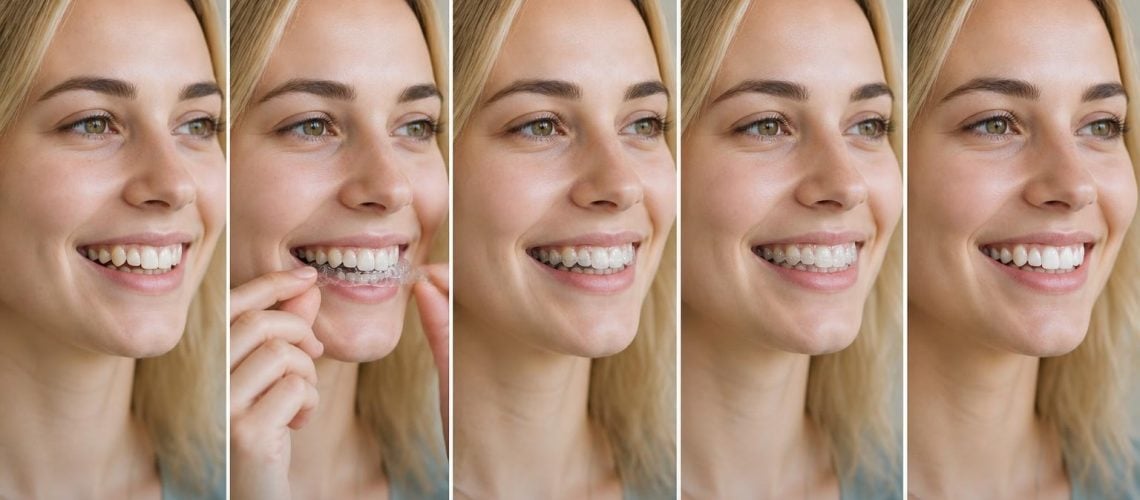
Clear aligners have revolutionized orthodontic treatment, offering patients a discreet, comfortable alternative to traditional metal braces. The dramatic transformation visible in clear aligners before and after photos continues to inspire thousands of adults and teenagers across Texas to pursue the smile they've always wanted. Understanding what realistic outcomes look like, how treatment progresses, and what factors influence your final results helps set proper expectations and ensures you're making an informed decision about your orthodontic care. This comprehensive guide examines everything you need to know about the journey from your first consultation to your final, confident smile.
Understanding Clear Aligner Treatment Transformation
Clear aligner therapy represents one of the most predictable cosmetic dental treatments available in 2026. The technology uses a series of custom-fabricated, transparent plastic trays that gradually shift teeth into their desired positions. Each aligner applies controlled force to specific teeth, moving them incrementally over a predetermined timeline.
The treatment planning process begins with digital imaging and 3D scanning technology. Your orthodontist creates a virtual treatment plan that maps your teeth's current position and plots their journey to the final alignment. This digital blueprint allows you to preview your expected results before treatment even begins.
Modern clear aligner systems address various orthodontic concerns:
- Crowded or overlapping teeth
- Gaps and spacing issues between teeth
- Overbite, underbite, and crossbite conditions
- Mild to moderate malocclusion
- Relapse cases following previous orthodontic treatment
According to systematic reviews comparing clear aligners with traditional braces, these removable appliances demonstrate comparable effectiveness for many orthodontic conditions, particularly for mild to moderate complexity cases. The predictability of outcomes has improved significantly as treatment protocols and materials science have advanced.
The Science Behind Movement
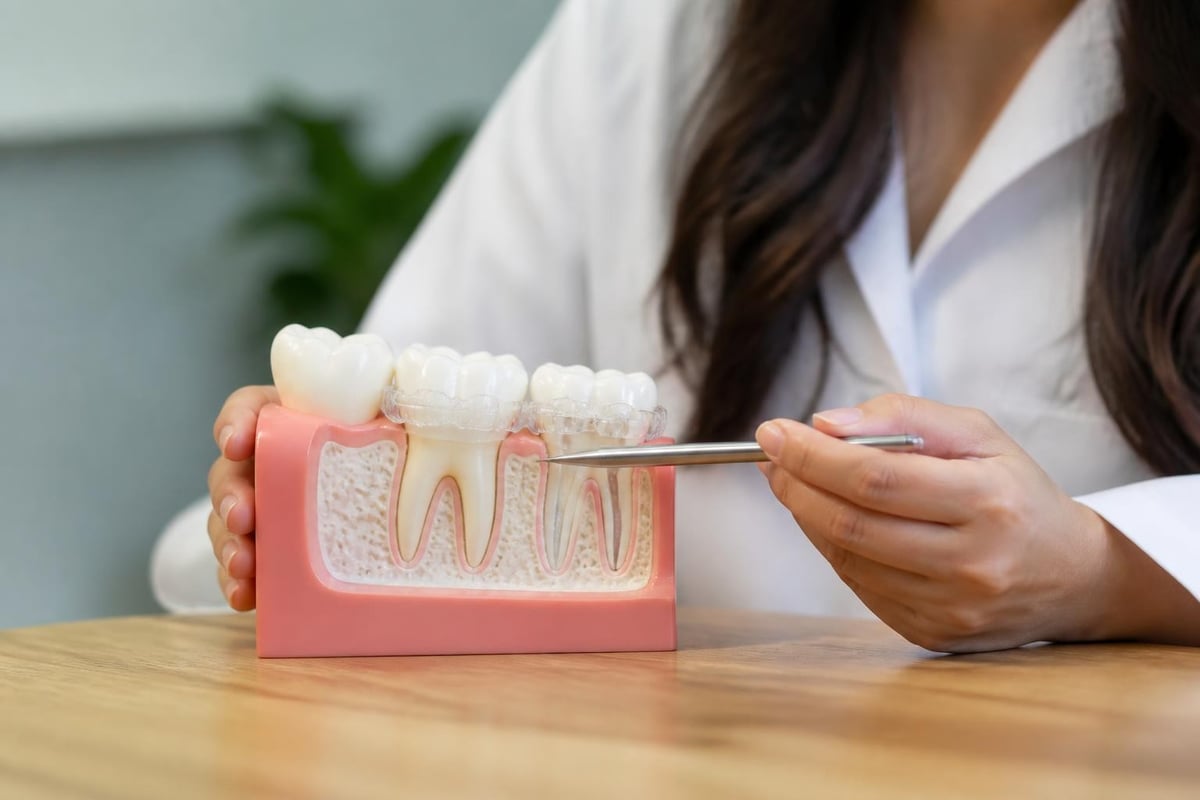
Tooth movement occurs through a biological process called bone remodeling. When aligners apply gentle, consistent pressure to your teeth, the periodontal ligament experiences controlled inflammation. This triggers osteoclasts to break down bone on the pressure side while osteoblasts build new bone on the tension side.
Each aligner typically moves teeth approximately 0.25 millimeters over a two-week period. This gradual approach minimizes discomfort while maximizing safety and stability. The cumulative effect over months of treatment produces the remarkable transformations visible in clear aligners before and after documentation.
What Real Clear Aligners Before and After Results Show
Authentic before and after documentation provides valuable insight into treatment capabilities and limitations. Professional orthodontic practices maintain comprehensive photo records that track patient progress from initial consultation through retention phase.
Typical improvements visible in treatment photos include:
- Elimination of spacing between front teeth
- Correction of rotated canines or lateral incisors
- Alignment of crowded lower anterior teeth
- Improvement in smile arc symmetry
- Reduction in overjet or overbite measurements
- Enhanced facial profile in some cases
The American Association of Orthodontists provides patient-facing resources that explain realistic treatment expectations and help patients understand which conditions respond best to aligner therapy. Not every orthodontic issue achieves ideal correction with aligners alone, and complex cases may require additional interventions.
Reading Before and After Photos Critically
When reviewing treatment results, examine multiple angles and lighting conditions. Professional documentation includes frontal smiles, profile views, and intraoral photographs showing occlusion (bite relationship). Pay attention to cases that resemble your specific concerns rather than focusing solely on the most dramatic transformations.
| Photo Angle | What It Reveals | Why It Matters |
|---|---|---|
| Frontal smile | Tooth alignment, symmetry, midline position | Shows aesthetic improvement most patients notice first |
| Profile view | Lip position, facial convexity changes | Indicates whether tooth movement affected facial appearance |
| Occlusal (bite) view | Arch width, rotation correction, spacing closure | Demonstrates functional improvements beyond cosmetics |
| Close-up intraoral | Individual tooth positions, interproximal contacts | Shows precision of movement and detail work |
Treatment duration in documented cases typically ranges from six months for minor corrections to 18-24 months for comprehensive treatments. The NHS provides realistic timelines for orthodontic treatments that help patients understand the commitment required for different complexity levels.
Timeline Expectations from Start to Finish
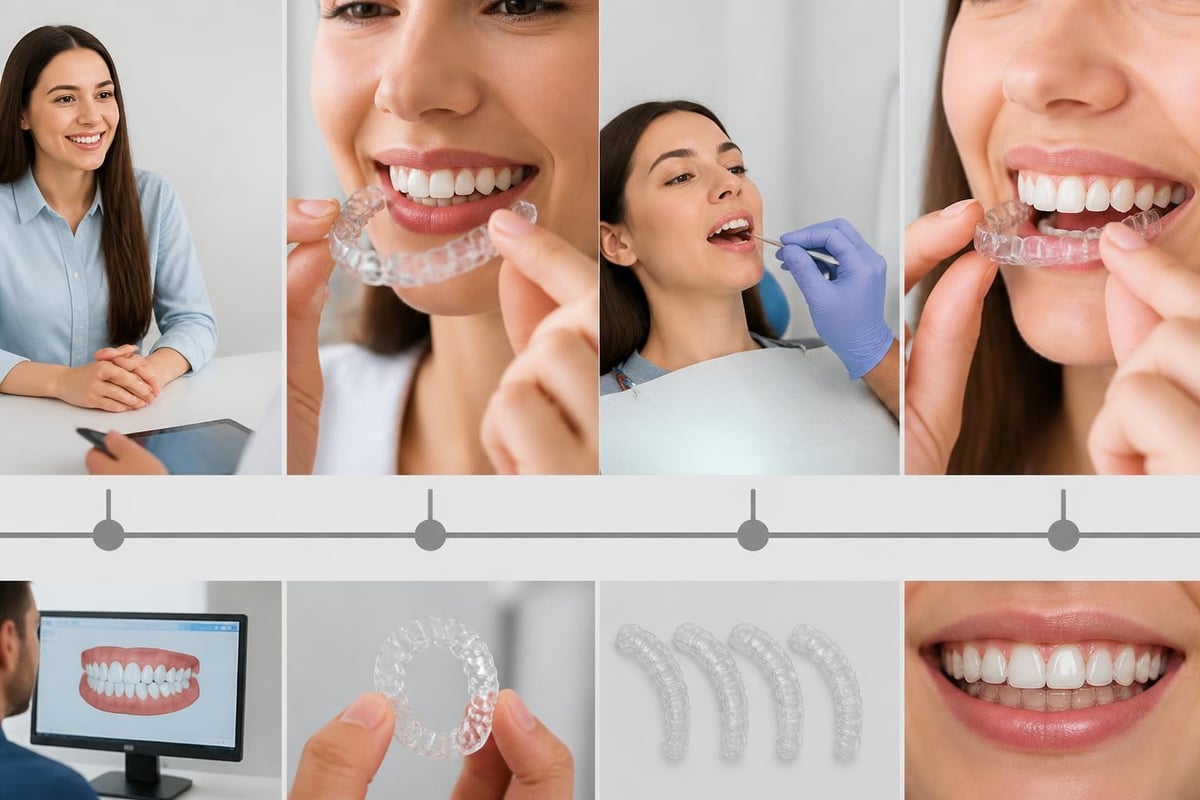
Understanding the treatment timeline helps you set realistic expectations and plan accordingly. The journey involves distinct phases, each contributing to your final outcome.
Initial Consultation and Treatment Planning
Your first appointment involves comprehensive evaluation including digital scans, photographs, and X-rays. The orthodontist assesses your bite, tooth positions, jaw relationship, and discusses your aesthetic goals. This appointment typically takes 60-90 minutes.
Treatment planning occurs over the following 1-2 weeks as your provider designs your personalized aligner sequence. You'll review the digital treatment plan, see predicted outcomes, and discuss any concerns before approving the final design.
Active Treatment Phase
Most patients receive their first several aligner sets simultaneously. You'll wear each aligner for 1-2 weeks before progressing to the next in the series. Compliance is critical during this phase, as aligners must be worn 20-22 hours daily to achieve predicted results.
Progress check appointments occur every 6-10 weeks, allowing your orthodontist to verify tracking and make any necessary adjustments. Some cases require "refinements" where additional aligners address teeth that didn't move as predicted in the initial plan.
Typical active treatment durations by complexity:
- Minor crowding or spacing (3-8 months)
- Moderate alignment issues (8-14 months)
- Comprehensive treatment (14-24 months)
- Complex cases with adjunctive procedures (18-30 months)
Retention and Long-Term Stability
Once teeth reach their target positions, retention begins immediately. Most patients receive fixed retainers bonded behind front teeth and removable retainers for nighttime wear. The retention phase is permanent, as teeth naturally tend to shift throughout life.
Clear aligners before and after comparisons become most meaningful after the retention phase begins, when results have stabilized and soft tissue has adapted to new tooth positions. Early photos may show residual gum inflammation or spaces that close during the finishing stages.
Factors That Influence Your Final Results
Multiple variables affect how closely your outcome matches the predicted simulation. Understanding these factors helps you optimize your treatment experience and maximize results.
Patient Compliance and Wear Time
Aligner effectiveness directly correlates with consistent wear time. Removing aligners frequently or extending wear periods beyond recommendations disrupts the planned tooth movement sequence. Studies indicate that patients wearing aligners less than 20 hours daily experience significantly longer treatment times and less predictable outcomes.
Tracking problems occur when teeth don't follow the predicted path, causing aligners to fit poorly. This typically results from inadequate wear time, though individual biological variation also plays a role. Your orthodontist can usually correct tracking issues with mid-treatment adjustments.
Biological and Anatomic Considerations
Individual biology affects orthodontic response. Factors like bone density, periodontal health, root length, and age influence how readily teeth move. Younger patients generally experience faster movement due to higher metabolic activity, though adults achieve equally successful outcomes over slightly longer timeframes.
Anatomic factors affecting treatment:
- Root shape and length determine movement limitations
- Bone thickness restricts how far teeth can shift
- Gum tissue quality affects aesthetic outcomes
- Existing dental work (crowns, bridges) may complicate movement
- Jaw size and relationship influence bite correction possibilities
The British Orthodontic Society guidance on clear aligners emphasizes the importance of proper case selection and recognizing when aligner limitations require alternative approaches or combined treatments.
Treatment Complexity and Design Quality
Simple alignment cases respond more predictably than complex bite corrections. Movements like rotation correction, root paralleling, and vertical adjustments challenge aligner capabilities. Experienced providers design treatment plans that account for these limitations, sometimes incorporating attachments (small tooth-colored bumps bonded to teeth) or elastics to enhance control.
Digital treatment planning quality varies among providers. Orthodontists who specialize in aligner therapy develop expertise in predicting biological responses and designing efficient movement sequences. This expertise significantly influences how closely your clear aligners before and after results match the original projection.
Cost Considerations and Insurance Coverage
Clear aligner treatment represents a significant investment in your oral health and confidence. Understanding the financial commitment helps you plan appropriately and explore available options.
Average Treatment Costs in Texas
Pricing varies based on treatment complexity, provider expertise, and geographic location. In Texas markets including Beeville, Seguin, New Braunfels, Leander, and Converse, comprehensive clear aligner treatment typically ranges from $3,500 to $7,500. Limited treatments addressing minor concerns may cost $2,000-$3,500.
These fees generally include all appointments, refinements, and initial retainers. Some practices offer package pricing while others charge separately for various treatment components. Always request a detailed treatment estimate that itemizes included services.
| Treatment Type | Typical Duration | Average Cost Range | What's Included |
|---|---|---|---|
| Express/Limited | 3-8 months | $2,000-$3,500 | Minor corrections, basic retainers |
| Moderate Comprehensive | 8-14 months | $3,500-$5,500 | Full arch alignment, refinements, retention |
| Full Comprehensive | 14-24 months | $5,000-$7,500 | Complex corrections, extended monitoring, premium retention |
| Complex/Combined | 18-30 months | $6,500-$9,000 | Multiple treatment phases, adjunctive procedures |
Insurance and Payment Options
Many dental insurance plans provide orthodontic benefits covering a portion of clear aligner treatment. Coverage typically ranges from $1,000 to $2,000 lifetime maximum for orthodontics, regardless of treatment type. Age restrictions may apply, as some plans limit orthodontic benefits to patients under 18.
Understanding the best dental insurance plans in Texas helps you maximize your benefits and minimize out-of-pocket expenses. At Dental Plus Clinic, our team verifies your coverage and provides detailed benefit explanations before treatment begins.
Flexible payment options typically include:
- Monthly payment plans with low or no interest
- Third-party healthcare financing (CareCredit, LendingClub)
- Discounts for payment in full
- Family plan discounts for multiple patients
- In-house membership programs for uninsured patients
Our savings programs offer additional affordability options for patients without traditional insurance coverage. We believe financial constraints shouldn't prevent you from achieving the healthy, confident smile you deserve.
Common Concerns and How to Address Them
Patients considering clear aligner treatment often share similar questions and concerns. Addressing these proactively helps you feel confident in your decision.
"Will Treatment Hurt?"
Most patients experience mild pressure and soreness when switching to a new aligner, particularly during the first several changes as you adjust to the sensation. This discomfort typically subsides within 24-48 hours and indicates that aligners are working properly.
Over-the-counter pain relievers effectively manage any discomfort. The removable nature of aligners allows brief relief during meals, though consistent wear remains essential. Unlike traditional braces, aligners don't cause soft tissue irritation from brackets or wires.
"How Noticeable Are Aligners?"
Clear aligners earn their name from their near-invisible appearance when worn. Most people won't notice you're undergoing orthodontic treatment unless you mention it. The thermoplastic material is transparent, though attachments bonded to teeth may be slightly more visible.
Professional and social situations proceed normally during treatment. Many adults choose aligners specifically because they want discreet correction without the appearance of traditional braces. This aesthetic advantage makes aligners particularly popular among working professionals and image-conscious teenagers.
"Can I Eat Normally?"
You'll remove aligners before every meal and snack, allowing you to enjoy all your favorite foods without restrictions. This represents a significant advantage over traditional braces, which require dietary modifications to avoid damaging brackets.
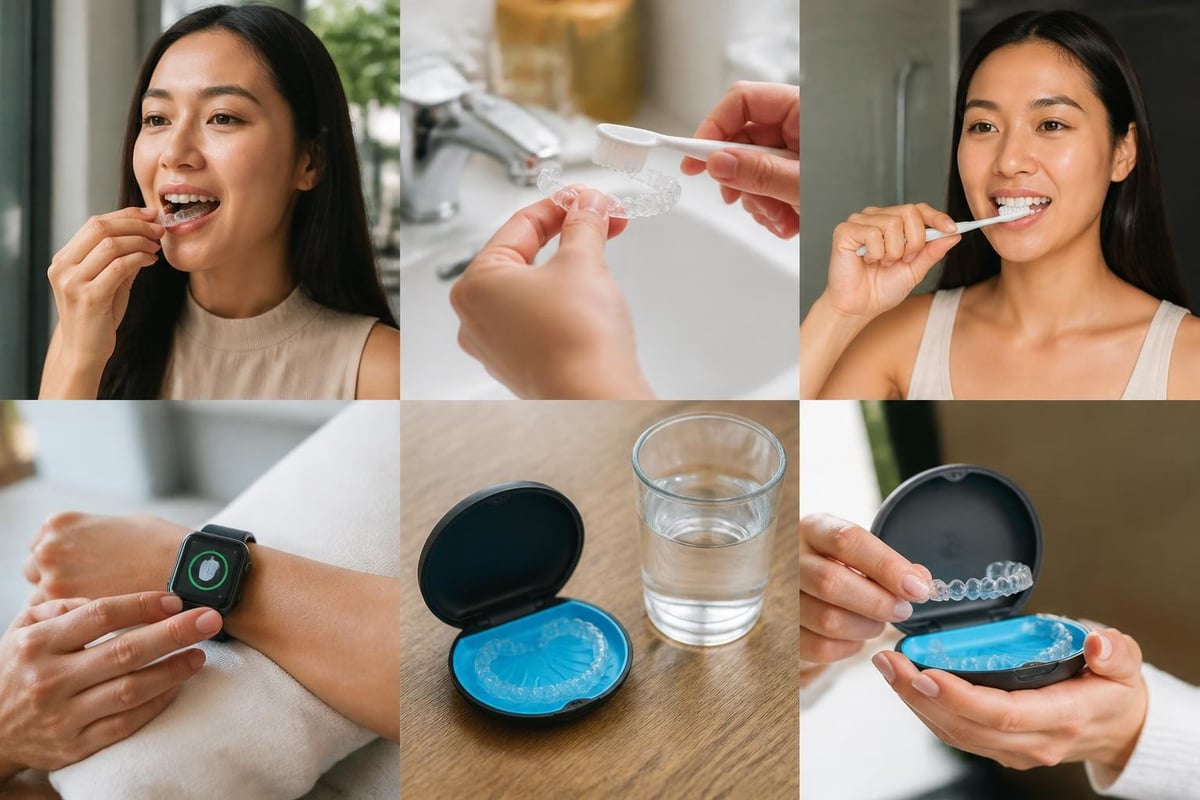
Best practices for eating during treatment:
- Remove aligners before consuming anything except water
- Brush teeth after eating before reinserting aligners
- Carry a travel toothbrush and aligner case
- Avoid drinking hot beverages with aligners in place
- Rinse mouth if unable to brush immediately
The American Dental Association provides guidance on orthodontic care including practical tips for managing treatment alongside daily life. Proper oral hygiene during aligner therapy prevents cavities and gum disease that could compromise your results.
Comparing Professional vs. Direct-to-Consumer Options
The market offers both professionally supervised aligner treatment and direct-to-consumer (DTC) products delivered by mail. Understanding the differences helps you make an informed choice about your care.
Professional Orthodontic Care Benefits
Treatment supervised by licensed orthodontists or dentists includes comprehensive examination, accurate diagnosis, personalized treatment planning, and ongoing monitoring. Regular appointments ensure teeth are moving as planned and allow for timely interventions if complications arise.
Professional oversight becomes especially important for patients with existing dental work, gum disease, or complex orthodontic needs. Your provider can identify contraindications and recommend appropriate alternatives when aligners aren't suitable for your situation.
Advantages of professionally supervised treatment:
- Comprehensive diagnostic records including X-rays
- In-person examination of bite relationships
- Ability to address tracking problems immediately
- Integration with other dental treatments as needed
- Emergency support if issues arise
- Professional finishing and detailing for optimal results
Direct-to-Consumer Limitations
DTC aligner companies offer lower prices by eliminating in-office visits, instead using impression kits or scanning apps for treatment planning. While this approach works for some simple cases, it carries significant risks.
Without professional examination, underlying problems like cavities, gum disease, or jaw joint disorders may go undetected. Tooth movement without proper supervision can exacerbate these conditions or create new complications. The systematic review of adverse effects associated with removable orthodontic aligners documents various complications that require professional intervention.
Research shows that DTC patients experience higher rates of treatment dissatisfaction and incomplete correction compared to professionally supervised cases. The modest cost savings often prove insufficient when factoring in the value of comprehensive care and predictable outcomes.
Real Patient Success Stories
Understanding others' experiences provides valuable perspective on what clear aligner treatment truly entails. These composite examples represent typical patient journeys at practices like Dental Plus Clinic’s Leander location.
Case Study: Adult Professional with Spacing Issues
Jennifer, 34, always felt self-conscious about the gaps between her front teeth. As a sales manager, she interacted with clients daily and wanted a more confident smile but couldn't imagine wearing traditional braces. After consultation, she began clear aligner treatment targeting her upper and lower arches.
Her treatment plan projected 14 months of active treatment. Jennifer wore her aligners consistently, rarely missing her 22-hour daily goal. At month 10, her orthodontist ordered a refinement series to perfect tooth positions. By month 16, her gaps had closed completely, and she transitioned to retention.
Jennifer's clear aligners before and after photos show dramatic improvement in her smile symmetry and confidence. She reports that the investment in her appearance has positively impacted both her professional presence and personal self-esteem.
Case Study: Teenager with Crowded Teeth
Marcus, 16, experienced significant lower incisor crowding following the loss of his primary teeth. His parents wanted orthodontic correction but Marcus strongly preferred aligners over braces. Evaluation confirmed he was an excellent candidate for comprehensive aligner treatment.
His treatment lasted 18 months and included the use of small attachments to enhance rotation control. Marcus initially struggled with compliance but improved after his first check-up when his orthodontist explained how inconsistent wear was delaying his progress. He completed treatment just before his senior year of high school.
The transformation visible in Marcus's clear aligners before and after images motivated several of his friends to pursue their own orthodontic care. His parents appreciated the convenience of fewer emergency appointments compared to what friends with traditional braces experienced.
Maintaining Results After Treatment
Achieving beautiful alignment represents just the beginning of your orthodontic journey. Long-term success requires commitment to retention and ongoing dental care.
Understanding Retention Protocols
Teeth have natural tendency to drift back toward original positions, especially during the first year after active treatment. Retention appliances counteract this tendency by holding teeth in their corrected positions while surrounding bone and tissue stabilize.
Most orthodontists prescribe both fixed and removable retainers. Fixed retainers consist of a thin wire bonded behind lower front teeth, providing 24/7 retention in this high-risk area. Removable retainers, often clear like the treatment aligners, are worn nightly to maintain overall arch form.
Retention best practices:
- Wear removable retainers as prescribed (typically nightly indefinitely)
- Have fixed retainers checked at regular dental cleanings
- Store removable retainers in their case when not wearing them
- Clean retainers daily with gentle soap and cool water
- Replace removable retainers every 1-2 years or as they wear
- Contact your orthodontist immediately if retainers break or fit poorly
Evidence from Cochrane reviews on orthodontic retention emphasizes the critical importance of long-term retention in preventing relapse. Patients who neglect retention protocols often experience partial or complete loss of treatment benefits.
Integrating Orthodontic Care with Overall Dental Health
Your orthodontic results complement broader oral health efforts. Continue regular dental examinations and cleanings every six months. Professional monitoring ensures your teeth remain healthy while maintaining their corrected positions.
At Dental Plus Clinic, we coordinate orthodontic care with comprehensive dental services. Our team provides seamless integration between your aligner treatment and routine dental exams and cleanings, ensuring every aspect of your oral health receives proper attention.
Patients who invest in clear aligner treatment often become more motivated to maintain excellent oral hygiene and pursue additional cosmetic dentistry services that enhance their smile further. This positive cycle of dental care contributes to both aesthetic satisfaction and long-term oral health.
Choosing the Right Provider for Your Treatment
Provider selection significantly influences your treatment experience and outcome quality. Several factors deserve consideration when choosing where to receive aligner therapy.
Credentials and Experience
Verify that your provider holds proper licensure and has specific training in clear aligner systems. While many general dentists offer aligner treatment, orthodontists complete additional years of specialized education focused exclusively on tooth movement and facial development.
Ask about the provider's experience with cases similar to yours. Practitioners who have completed hundreds of aligner cases develop nuanced understanding of treatment mechanics and can better anticipate challenges. Request to see before and after examples from their own patient portfolio.
Technology and Treatment Approach
Modern orthodontic practices invest in advanced diagnostic and monitoring technology. Digital scanning eliminates uncomfortable impression materials while providing superior accuracy for treatment planning. Intraoral cameras and progress tracking software enhance communication and allow you to visualize your journey.
Evaluate the office's treatment philosophy. Do they emphasize conservative, biologically sound tooth movement? Are they willing to recommend alternatives if aligners aren't ideal for your situation? Ethical providers prioritize your best interests over simply selling treatment.
Questions to ask during consultations:
- What diagnostic records do you take before planning treatment?
- How many aligner cases do you complete annually?
- What happens if my teeth don't track as planned?
- What's included in your treatment fee?
- How do you handle emergencies or concerns between appointments?
- What retention protocol do you recommend and why?
Convenience and Communication
Consider practical factors like office location, hours, and appointment availability. Treatment requires multiple visits over many months, so choose a conveniently located practice. Dental Plus Clinic maintains locations throughout Texas including Beeville, Seguin, New Braunfels, Leander, and Converse, making quality orthodontic care accessible across the region.
Evaluate the practice's communication style and responsiveness. You should feel comfortable asking questions and confident that your concerns receive prompt attention. Clear communication about treatment expectations, timelines, and costs prevents misunderstandings and ensures satisfaction with your care.
Maximizing Your Treatment Investment
Clear aligner therapy represents both a financial investment and a commitment of time and effort. These strategies help you achieve optimal results and maximize value from your treatment.
Compliance Strategies That Work
Consistency determines success with clear aligner treatment. Develop routines that make compliance automatic rather than requiring constant decision-making.
Proven compliance techniques:
- Set phone alarms for aligner changes
- Keep backup cleaning supplies at work and in your car
- Take progress selfies weekly to stay motivated
- Use aligner tracking apps to monitor wear time
- Pack aligner case in your daily bag
- Establish morning and bedtime routines that include aligner care
Many patients find that the first two weeks require conscious effort to maintain compliance, but habits form quickly. Once aligner wear becomes routine, it requires minimal thought or willpower.
Optimizing Oral Hygiene During Treatment
Aligner treatment demands excellent oral hygiene since aligners trap anything on tooth surfaces against enamel for extended periods. Poor hygiene during orthodontic treatment can lead to cavities, white spot lesions, or gum disease that compromise your beautiful new smile.
Brush teeth after every meal before reinserting aligners. If brushing isn't possible, rinse thoroughly with water and chew sugar-free gum to stimulate saliva production. Clean aligners themselves daily with soft toothbrushes and mild soap, avoiding hot water that can warp the plastic.
Consider purchasing a small portable water flosser for midday cleaning when traditional flossing isn't convenient. This investment supports gum health throughout treatment and establishes excellent hygiene habits for lifelong oral health.
Communicating with Your Provider
Your orthodontist can only address concerns they know about. Report any problems promptly rather than waiting for scheduled appointments. Issues like broken attachments, lost aligners, or poor aligner fit often require quick intervention to prevent treatment delays.
Take photos if you notice something concerning and send them through your practice's patient portal. Many issues can be assessed remotely, saving you an unnecessary trip while still receiving professional guidance.
Be honest about compliance challenges or lifestyle factors affecting treatment. Your provider can often suggest solutions or make accommodations that help you stay on track without judgment.
Frequently Asked Questions About Clear Aligners
How long does clear aligner treatment typically take?
Treatment duration varies based on complexity, ranging from 3-8 months for minor corrections to 18-24 months for comprehensive orthodontic treatment. Your specific timeline depends on the extent of tooth movement required, your biological response to treatment, and compliance with wear time recommendations. Most patients complete treatment within 12-16 months.
Are clear aligners painful?
Most patients experience mild pressure and soreness during the first few days with each new aligner, indicating that tooth movement is occurring. This discomfort is typically manageable with over-the-counter pain relievers and subsides quickly as teeth adjust. Clear aligners generally cause less discomfort than traditional braces since they lack sharp brackets and wires.
Can clear aligners fix all orthodontic problems?
Clear aligners effectively address many orthodontic concerns including crowding, spacing, and mild to moderate bite issues. However, severe skeletal discrepancies, significant rotations of certain teeth, or complex vertical movements may require traditional braces or combined approaches. Comprehensive evaluation determines whether aligners suit your specific needs.
How much do clear aligners cost?
Clear aligner treatment in Texas typically ranges from $3,500 to $7,500 for comprehensive cases, with limited treatments costing $2,000-$3,500. Exact pricing depends on treatment complexity and duration. Many dental insurance plans provide orthodontic benefits, and practices offer flexible payment plans to make treatment affordable.
What happens if I lose an aligner?
Contact your orthodontist immediately if you lose an aligner. Depending on where you are in your treatment sequence, your provider may recommend moving to the next aligner, reverting to the previous one, or ordering a replacement. Keep previous aligners as backups until you're several steps ahead in your sequence.
Do I need to wear retainers forever after clear aligner treatment?
Yes, retention is a lifelong commitment to maintain your results. Teeth naturally tend to shift throughout life, so permanent retention protocols prevent relapse. Most orthodontists recommend nightly removable retainer wear indefinitely, along with bonded fixed retainers behind front teeth for continuous retention.
Can teenagers use clear aligners?
Clear aligners work excellently for teenagers with most or all permanent teeth erupted. Many aligner systems offer teen-specific features like compliance indicators and eruption compensation for teeth still developing. The removable nature appeals to teens but requires maturity and commitment to wear aligners as prescribed.
How often do I need appointments during treatment?
Most patients visit their orthodontist every 6-10 weeks during active treatment for progress monitoring and to receive new aligner sets. These appointments are typically brief, lasting 15-30 minutes. Some practices offer remote monitoring options that reduce the frequency of in-office visits.
Can I speed up my clear aligner treatment?
Some patients use adjunctive devices that apply vibratory forces to potentially accelerate tooth movement. However, orthodontic treatment should never be rushed beyond biological limitations. The safest approach involves following your orthodontist's prescribed timeline, which balances efficiency with safety and stability.
Will my insurance cover clear aligner treatment?
Many dental insurance plans include orthodontic benefits that apply to clear aligner treatment the same as traditional braces. Coverage typically provides $1,000-$2,000 toward treatment costs regardless of the method chosen. Verify your specific benefits and understand how in-network providers can maximize your coverage.
Special Considerations for Different Age Groups
Clear aligner treatment benefits patients across various life stages, though each age group presents unique considerations and advantages.
Adults Pursuing Orthodontic Treatment
Adults represent the fastest-growing demographic seeking orthodontic care. Many missed treatment opportunities during childhood or experienced relapse after earlier orthodontic work. Others simply want to improve their smile confidence as part of overall self-care.
Adult biology differs from adolescent physiology in ways that affect treatment. Bone density increases with age, potentially slowing tooth movement slightly. However, adults often demonstrate superior compliance compared to teenagers, which can offset biological differences and lead to efficient, predictable outcomes.
Professional adults particularly appreciate the discrete nature of clear aligners. The ability to maintain a polished appearance during client meetings, presentations, and social events makes aligners ideal for career-focused individuals. The removable design also accommodates special occasions like weddings or important photography sessions.
Teenagers and Clear Aligner Success
Adolescents benefit from ongoing jaw growth and higher metabolic activity that can facilitate faster tooth movement. Teen-specific aligner systems include features like eruption tabs that accommodate teeth still emerging and compliance indicators that fade with proper wear time.
The removable nature of aligners eliminates dietary restrictions that frustrate many teens with traditional braces. Sports participation continues without concern about mouth injuries from brackets, though mouthguards should still be worn during contact activities.
Parental involvement supports teen compliance success. Families who establish clear expectations, monitor progress together, and celebrate milestones help teenagers stay committed throughout treatment. Pediatric dentistry services at Dental Plus Clinic include orthodontic evaluation and guidance for families considering teen aligner treatment.
Older Adults and Orthodontic Health
Orthodontic treatment has no age limit, and increasing numbers of patients in their 50s, 60s, and beyond pursue alignment correction. Beyond aesthetics, proper tooth alignment can improve function, reduce wear patterns, and facilitate better oral hygiene as patients age.
Older adults must maintain good periodontal health before beginning orthodontic treatment. Comprehensive evaluation ensures that bone support remains adequate for safe tooth movement. Patients with controlled periodontal disease can successfully complete aligner treatment under careful supervision.
Coordination between orthodontic and restorative treatment becomes more common in older demographics. Some patients complete aligners before receiving dental crowns or dental implants, using orthodontics to create ideal spacing and positioning for subsequent dental work.
Combining Clear Aligners with Other Dental Treatments
Comprehensive smile transformations often involve multiple dental procedures working in concert to achieve optimal aesthetic and functional results.
Sequencing Orthodontics and Cosmetic Procedures
Strategic treatment sequencing maximizes outcomes when combining orthodontics with cosmetic dentistry. Generally, orthodontic alignment should precede most cosmetic procedures since tooth positions affect the design of veneers, crowns, or bonding.
Clear aligners create ideal spacing and alignment, allowing cosmetic work to focus on tooth color, shape, and proportions. Attempting cosmetic improvements on misaligned teeth often produces compromised results requiring future revision.
Common combination treatment sequences:
- Complete clear aligner treatment first
- Professional teeth whitening to brighten natural tooth color
- Porcelain veneers or dental bonding for shape refinement
- Final retention and maintenance
Some patients pursue whitening during aligner treatment since the aligner trays can double as whitening tray carriers. This approach requires professional supervision to ensure proper technique and avoid sensitivity issues.
Orthodontics as Foundation for Implant Treatment
Tooth loss creates spacing that often leads surrounding teeth to drift or tip. Clear aligner treatment can reposition adjacent teeth to create ideal space for implant placement, ensuring proper emergence profile and long-term implant success.
Patients planning dental implants benefit from orthodontic consultation even if alignment seems acceptable. Optimal implant positioning depends on adequate space, proper angulation of neighboring teeth, and sufficient bone volume. Minor orthodontic adjustments often significantly improve implant outcomes.
The coordination between orthodontic and implant treatment requires experienced providers who understand both disciplines. At Dental Plus Clinic, our comprehensive approach integrates orthodontic services with advanced implant dentistry for seamless, efficient care.
Clear aligners before and after results demonstrate the remarkable transformations possible through modern orthodontic treatment, offering patients of all ages the opportunity to achieve confident, healthy smiles without the inconvenience of traditional braces. Whether you're addressing spacing, crowding, or bite concerns, professional aligner treatment provides predictable outcomes when combined with proper patient commitment and expert supervision. Dental Plus Clinic offers comprehensive orthodontic evaluation and personalized clear aligner treatment at convenient locations throughout Texas, supported by flexible payment options and a team dedicated to your comfort and success. Schedule your consultation today to discover how clear aligner treatment can transform your smile and boost your confidence for years to come.