
Modern orthodontic treatment has evolved dramatically, offering patients discreet alternatives to traditional metal braces. Clear aligners have revolutionized how people approach teeth straightening, providing a nearly invisible solution that fits seamlessly into busy lifestyles. These custom-made, removable trays gently shift teeth into proper alignment without the aesthetic concerns associated with metal brackets and wires. Whether you're a professional concerned about appearance or a parent seeking comfortable treatment options for your teenager, understanding how clear aligners work can help you make an informed decision about your orthodontic care. At Dental Plus Clinic, we've seen countless patients transform their smiles through this innovative technology across our Texas locations.
What Are Clear Aligners and How Do They Work
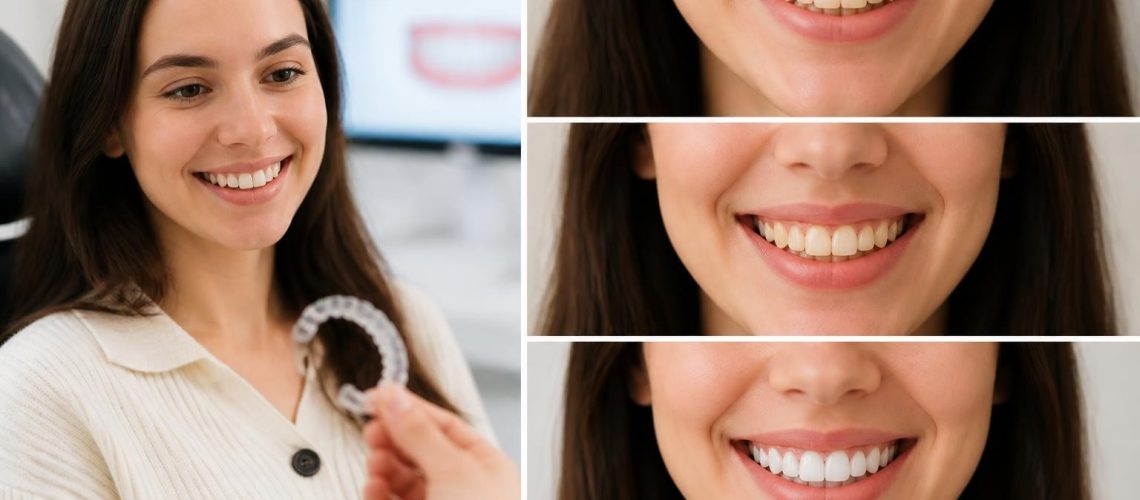
Clear aligners are transparent, medical-grade plastic trays custom-designed to fit snugly over your teeth. Each set of aligners applies controlled pressure to specific teeth, gradually moving them into their desired positions over time.
The treatment process begins with digital scanning or impressions of your teeth. Using advanced 3D imaging technology, orthodontists create a precise treatment plan that maps out every stage of tooth movement. This digital blueprint guides the fabrication of your custom aligner series, with each tray representing a small step toward your final smile.
The Science Behind Tooth Movement
Orthodontic tooth movement occurs through biological remodeling of the bone surrounding tooth roots. When aligners apply gentle, consistent pressure, cells called osteoclasts break down bone on the pressure side while osteoblasts build new bone on the tension side. This coordinated process allows teeth to shift through the jawbone safely.
Research published in studies examining three-dimensional tooth movements demonstrates that clear aligners can achieve predictable results when treatment is properly planned and executed. The key lies in understanding biomechanics and applying appropriate force levels.
Key features of clear aligner technology include:
- Custom fabrication for each patient's unique dental anatomy
- Sequential progression through numbered aligner sets
- Removability for eating, drinking, and oral hygiene
- Transparent materials that blend with natural tooth color
- Computer-aided design ensuring precision fit
Most patients wear each aligner set for one to two weeks before progressing to the next stage. The total number of aligners varies based on treatment complexity, ranging from 10 trays for minor corrections to 50 or more for comprehensive cases.
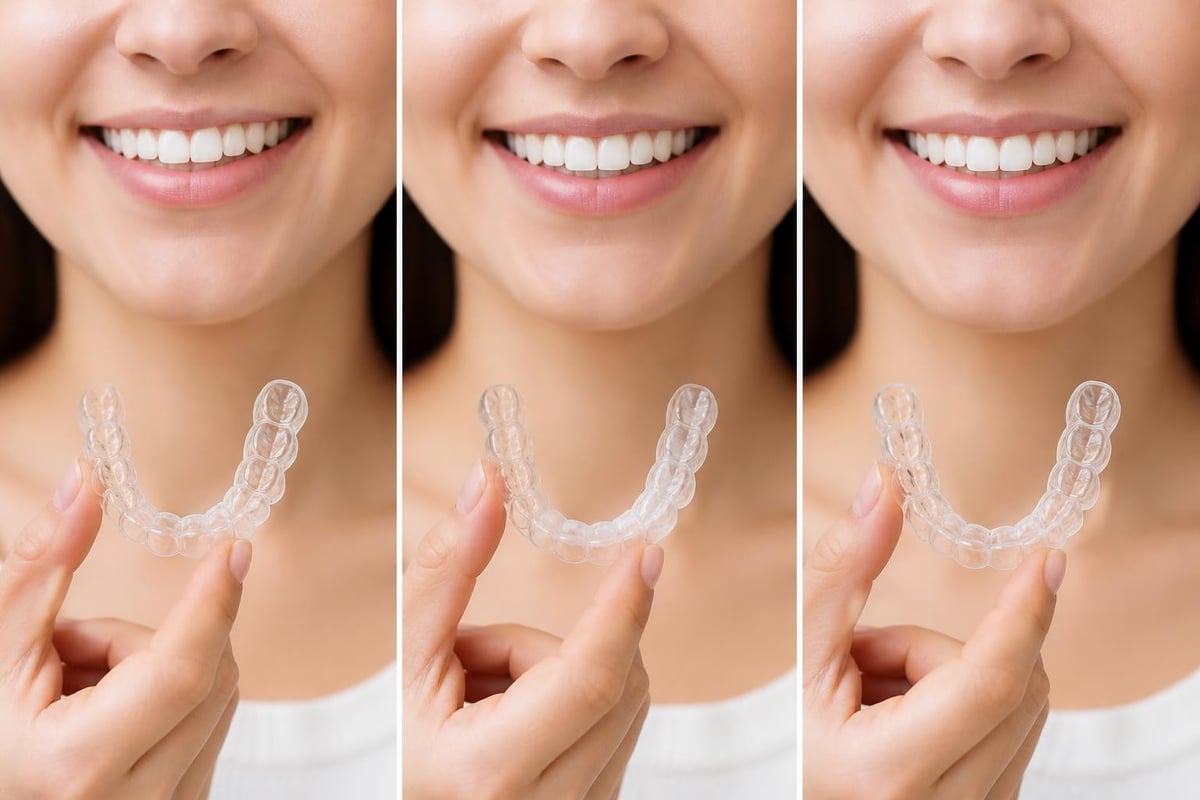
Benefits of Choosing Clear Aligners Over Traditional Braces
The decision between clear aligners and conventional braces involves weighing multiple factors. For many patients, the advantages of aligner therapy make it the preferred choice.
Aesthetic advantages top the list for most adults. Clear aligners are virtually invisible during normal conversation and social interaction. Professionals giving presentations, individuals in customer-facing roles, and teenagers concerned about appearance all benefit from this discretion.
Comfort and Convenience Factors
Traditional braces use metal brackets bonded to teeth and connected by wires that require periodic tightening. This hardware can irritate soft tissues and cause discomfort. Clear aligners, by contrast, have smooth edges and no protruding components.
The removable nature of aligners provides significant lifestyle benefits:
- Unrestricted diet – Remove aligners before meals to eat anything you want
- Superior oral hygiene – Brush and floss normally without navigating around brackets
- Special occasions – Temporarily remove aligners for important photos or events
- Athletic activities – Less risk of oral injury during contact sports
- Professional settings – No dietary restrictions during business lunches
| Feature | Clear Aligners | Traditional Braces |
|---|---|---|
| Visibility | Nearly invisible | Highly noticeable |
| Removability | Yes | No |
| Dietary restrictions | None | Many foods restricted |
| Oral hygiene ease | Easy | Challenging |
| Office visit frequency | Every 6-8 weeks | Every 4-6 weeks |
| Treatment time | 6-18 months average | 18-36 months average |
A systematic review comparing clear aligners to fixed appliances found that aligner patients experienced fewer white spot lesions and less plaque accumulation, suggesting better oral health outcomes during treatment.
Understanding the Clear Aligner Treatment Process
Starting orthodontic treatment requires careful planning and patient commitment. The clear aligner journey follows a structured pathway from initial consultation through retention.
Initial Consultation and Assessment
Your first appointment involves comprehensive examination of your teeth, bite, and jaw relationship. The orthodontist evaluates whether you're a suitable candidate based on the complexity of your case. While clear aligners can address many orthodontic issues, some severe cases may still require traditional approaches.
During this visit, your provider will discuss:
- Your specific concerns and treatment goals
- Expected treatment duration
- Cost estimates and payment options
- Alternative treatment modalities if applicable
Digital scanning or physical impressions capture precise dental anatomy. These records form the foundation of your treatment plan. Advanced software creates a virtual simulation showing predicted tooth movement at each stage, giving you a preview of your future smile.
Custom Treatment Planning
Modern orthodontics increasingly incorporates artificial intelligence to optimize treatment outcomes. AI-assisted orthodontic treatment planning represents the cutting edge of aligner technology, helping practitioners design more efficient tooth movements and predict potential challenges.
Your customized treatment plan specifies:
- Number of aligner sets required
- Estimated treatment timeline
- Specific tooth movements at each stage
- Attachment placement (small tooth-colored bumps that enhance aligner grip)
- Refinement stages if needed
Once you approve the plan, the aligner manufacturing process begins. Most patients receive their first several sets of aligners within two to four weeks.
Wearing Your Aligners: Daily Requirements
Success with clear aligners depends heavily on patient compliance. You must wear your aligners for 20 to 22 hours daily, removing them only for eating, drinking anything besides water, and oral hygiene routines.
Daily aligner care involves:
- Rinsing aligners when removing them
- Brushing aligners gently with a soft toothbrush
- Storing aligners in their protective case when not wearing them
- Cleaning teeth thoroughly before reinserting aligners
- Avoiding hot water that could warp the plastic
Progress checks occur every six to eight weeks, allowing your orthodontist to monitor tooth movement and provide your next sets of aligners. These appointments typically take less time than traditional braces adjustments.
Common Conditions Treated with Clear Aligners
Clear aligners successfully address numerous orthodontic issues, though treatment effectiveness varies based on case complexity. Understanding which conditions respond well to aligner therapy helps set realistic expectations.
Spacing and Crowding Issues
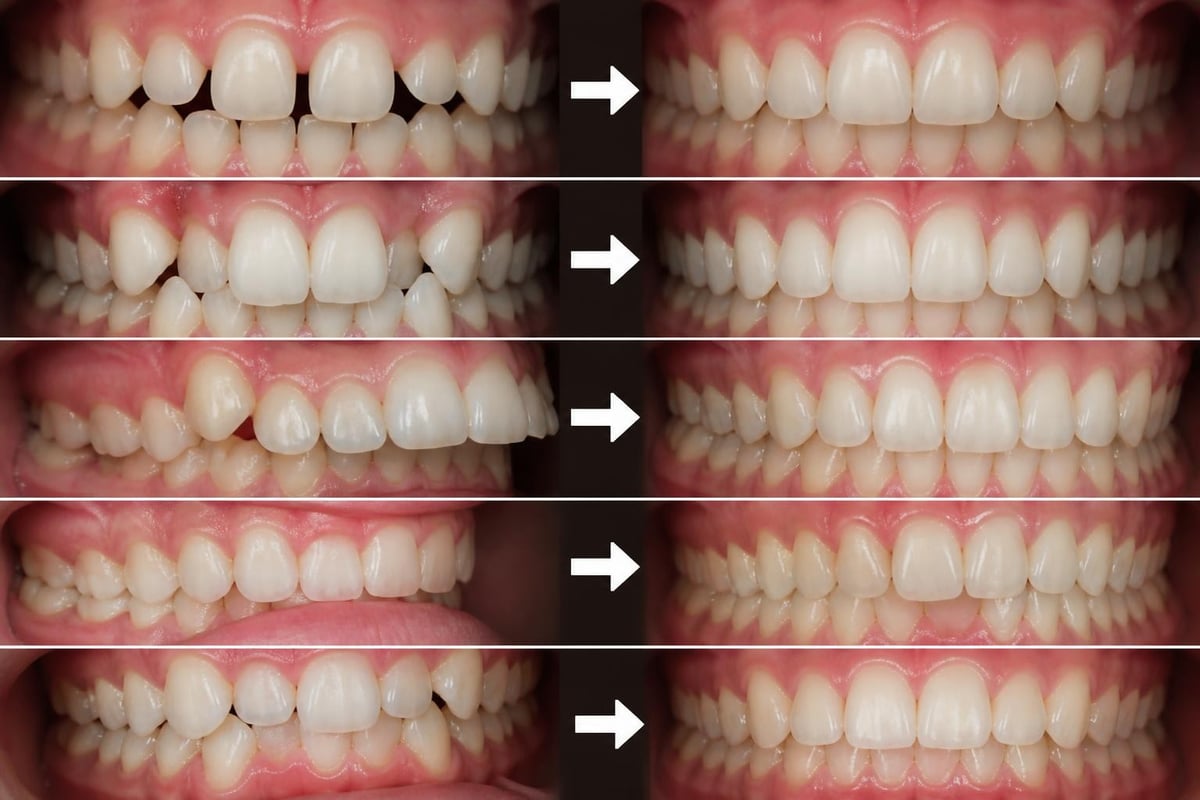
Gaps between teeth and dental crowding represent the most commonly treated conditions. Aligners excel at closing small to moderate spaces and creating room for crowded teeth by gradually expanding the dental arch.
Crowding severity levels:
- Mild (1-3mm discrepancy): Highly predictable with aligners
- Moderate (4-6mm discrepancy): Good results with proper planning
- Severe (7mm+ discrepancy): May require adjunctive procedures or alternative treatment
Bite Alignment Problems
Malocclusions involving how upper and lower teeth meet also respond to clear aligner treatment. The accuracy of orthodontic movements with clear aligners has been extensively studied, revealing good predictability for certain movements and limitations for others.
Treatable bite issues include:
- Overbite: Upper front teeth overlap lower teeth excessively
- Underbite: Lower teeth protrude beyond upper teeth
- Crossbite: Upper teeth fit inside lower teeth when biting
- Open bite: Front teeth don't touch when back teeth are together
Complex bite corrections may require attachments, elastics, or interproximal reduction (gentle reshaping between teeth to create space). Some severe skeletal discrepancies might necessitate surgical intervention combined with orthodontics.
Cost Considerations and Insurance Coverage
Financial planning represents a crucial aspect of orthodontic treatment decisions. Clear aligner costs vary based on treatment complexity, provider experience, and geographic location.
Average Treatment Costs in Texas
In 2026, clear aligner treatment typically ranges from $3,000 to $8,000 for comprehensive cases. Minor corrections might cost $1,500 to $3,000, while complex cases requiring extended treatment can exceed $8,000. These prices generally include all aligners, office visits, and retainers.
Factors affecting cost:
- Treatment duration and number of aligners needed
- Provider's expertise and location
- Technology and materials used
- Refinement aligners if adjustments are needed
- Retainers and follow-up care
Many dental insurance plans that cover orthodontics provide benefits for clear aligners similar to traditional braces. Coverage typically ranges from $1,000 to $3,000 lifetime maximum for orthodontic treatment.
At Dental Plus Clinic, we help patients navigate insurance complexities. Our team verifies coverage, submits claims, and works to maximize your benefits. For those without orthodontic coverage or facing denied dental insurance situations, we offer flexible payment plans and financing options.
Payment Plans and Financing Options
Making orthodontic care affordable involves creative financial solutions. Most practices offer:
| Payment Option | Typical Terms | Best For |
|---|---|---|
| In-office payment plans | Interest-free monthly installments | Patients without financing needs |
| Third-party financing | 6-24 month promotional periods | Larger treatment costs |
| Insurance coordination | Direct billing and benefit maximization | Insured patients |
| Flexible spending accounts | Pre-tax dollars for medical expenses | Employees with FSA/HSA |
Families seeking orthodontic care can learn more about reducing dental care costs through various strategies. Starting treatment at our Leander location or any of our five Texas clinics ensures access to transparent pricing and financial counseling.
Patient Experience: What to Expect During Treatment
Understanding the day-to-day reality of clear aligner treatment helps prepare you for the journey ahead. Most patients adapt quickly, but awareness of common experiences prevents surprises.
Initial Adjustment Period
The first few days with new aligners typically involve an adjustment phase. Your teeth may feel pressure or mild soreness as they begin moving. This discomfort usually subsides within 48 to 72 hours and indicates the aligners are working effectively.
Speech changes are common initially. Some patients notice a slight lisp that resolves as they adapt to having aligners in their mouth. Practicing speaking and reading aloud accelerates this adjustment.
Research on patient satisfaction with different aligner thicknesses reveals that material properties influence comfort levels. Modern aligners use optimized thickness to balance effectiveness with patient comfort.
Managing Discomfort and Side Effects
Common experiences include:
- Temporary tooth sensitivity when beginning new aligner sets
- Slight pressure sensation indicating active tooth movement
- Increased salivation during the first week
- Temporary changes in bite feel
- Minor gum irritation near attachments
Over-the-counter pain relievers help manage initial discomfort if needed. Switching to new aligners before bed allows you to sleep through the most intense pressure period.
Attachments (small composite bumps bonded to teeth) provide leverage for certain movements. While slightly visible up close, they're tooth-colored and far less noticeable than traditional brackets. Your orthodontist removes attachments painlessly once they're no longer needed.
Tracking Progress and Staying Motivated
Seeing gradual changes keeps patients engaged throughout treatment. Take progress photos every four weeks to document improvements that might not be apparent daily. Many patients create side-by-side comparisons showing their transformation journey.
Compliance tracking tips:
- Set phone alarms for aligner insertion after meals
- Keep a backup aligner case in your car or desk
- Maintain a treatment calendar marking aligner changes
- Join online support communities sharing experiences
- Schedule accountability check-ins with family or friends
The importance of consistent wear cannot be overstated. Skipping even a few hours daily can significantly extend treatment time and compromise results. A scoping review of clear aligner effectiveness emphasizes that patient compliance directly correlates with treatment success.
Comparing Clear Aligner Brands and Providers
The orthodontic market offers various clear aligner options, from comprehensive in-office systems to direct-to-consumer alternatives. Understanding differences helps you make informed choices.
Professional Orthodontic Treatment
Traditional orthodontic practices use systems like Invisalign, ClearCorrect, and other established brands. These treatments involve regular professional supervision, in-person monitoring, and adjustments as needed.
Advantages of professional treatment:
- Direct oversight by licensed orthodontists or dentists
- In-person problem-solving if issues arise
- Comprehensive treatment capabilities for complex cases
- Emergency appointments available
- Professional refinements to perfect results
Direct-to-Consumer Aligner Companies
Several companies market aligners directly to consumers, often at lower prices than professional treatment. Patients take their own impressions or visit scanning locations, receiving aligners by mail with remote monitoring.
While initially attractive due to lower costs, this approach carries risks. The recent closure of SmileDirectClub, leaving customers seeking refunds through a complex process, highlights potential challenges with direct-to-consumer models. Without regular professional oversight, complications may go undetected.
Concerns with remote-only treatment:
- Limited ability to address unforeseen complications
- No in-person emergency care
- Potential for inadequate case selection
- Difficulty managing complex movements
- Company stability and long-term support questions
| Treatment Type | Professional Supervision | Typical Cost | Best For |
|---|---|---|---|
| In-office comprehensive | Regular in-person visits | $4,000-$8,000 | Complex cases, all ages |
| In-office limited | Periodic check-ups | $2,000-$4,000 | Minor corrections |
| Direct-to-consumer | Remote only | $1,500-$2,500 | Simple cases, motivated adults |
For families across Texas, seeking treatment at established practices like those in Converse, New Braunfels, or our other locations ensures professional oversight throughout your orthodontic journey.
Maintaining Results After Clear Aligner Treatment
Completing your aligner series represents an exciting milestone, but maintaining your new smile requires ongoing commitment. Teeth naturally tend to shift throughout life, making retention crucial.
Retainer Types and Wearing Schedules
Once you finish active treatment, retainers hold teeth in their new positions while surrounding bone and soft tissues stabilize. Without retention, teeth often drift back toward their original positions.
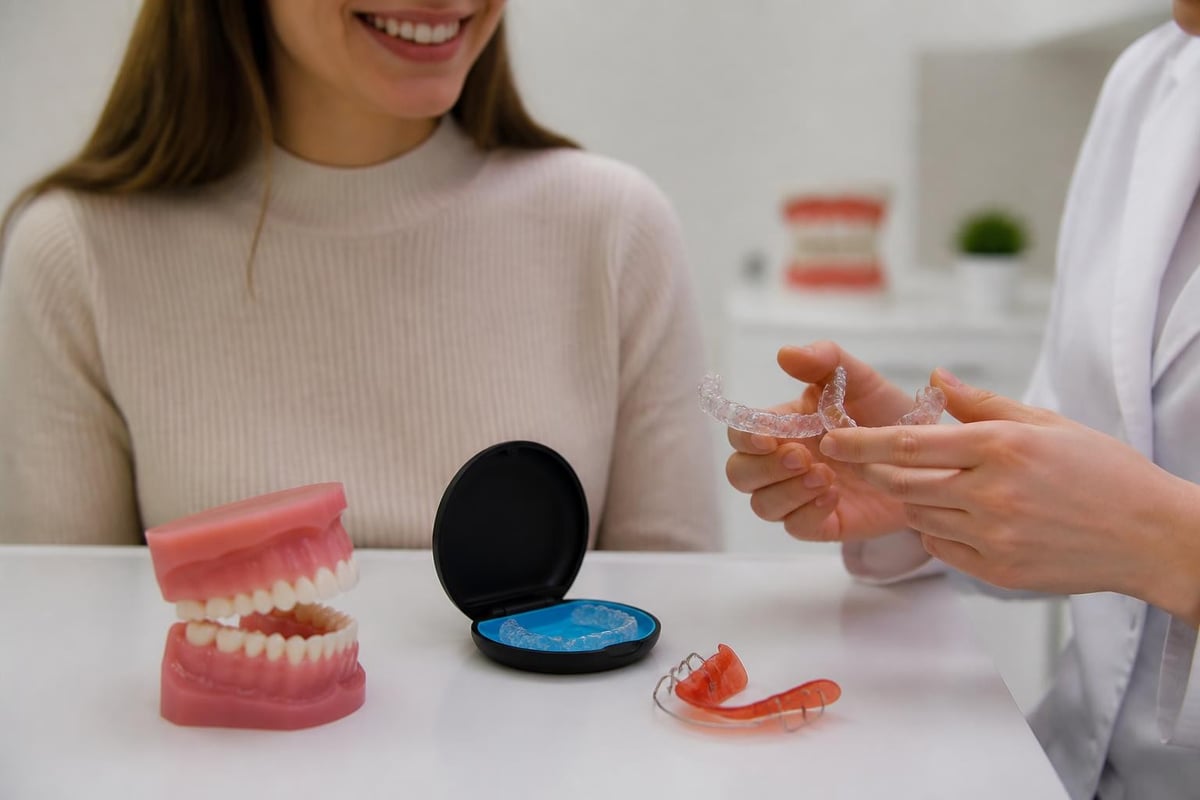
Retainer options include:
- Clear retainers: Similar to aligners, nearly invisible, worn full-time initially
- Fixed retainers: Wire bonded behind front teeth, permanent retention
- Hawley retainers: Acrylic and wire combination, adjustable but more visible
Most orthodontists recommend wearing retainers full-time (except when eating) for the first three to six months post-treatment. After stabilization, many patients transition to nighttime-only wear indefinitely.
Long-Term Smile Maintenance
Protecting your orthodontic investment involves consistent retainer compliance and good oral health habits. Regular dental check-ups, proper hygiene, and addressing dental issues promptly all contribute to lasting results.
Retention success factors:
- Following prescribed retainer wearing schedule
- Properly cleaning retainers daily
- Storing retainers safely when not in use
- Replacing retainers if they crack or no longer fit
- Addressing teeth grinding with protective night guards
Some patients who grind their teeth benefit from dental night guards to protect both natural teeth and orthodontic results. Discussing this with your dentist helps determine if you need additional protection.
Understanding the importance of orthodontics extends beyond aesthetics to include bite function, oral health, and long-term dental wellness. Proper retention ensures you enjoy these benefits for life.
Clear Aligners for Different Age Groups
Orthodontic needs and treatment considerations vary across age groups. Clear aligners offer benefits for teenagers, adults, and even some younger patients when appropriate.
Teenagers and Clear Aligners
Many teenagers prefer clear aligners over traditional braces for social and aesthetic reasons. Modern aligner systems include features specifically designed for adolescent patients, such as compliance indicators and eruption compensation for teeth still developing.
Teen-specific considerations:
- Compliance tracking features that show if aligners are worn adequately
- Compensation for ongoing jaw growth and tooth eruption
- Parental involvement in monitoring treatment progress
- School-friendly treatment without dietary restrictions
- Sports participation without bracket injury risks
However, teenagers must demonstrate responsibility and maturity. The removable nature of aligners requires self-discipline that some younger patients lack. Parents should honestly assess whether their teenager will wear aligners consistently before choosing this option.
Adult Orthodontics
Adults represent the fastest-growing orthodontic patient demographic. Many delayed treatment during childhood or experienced relapse after earlier orthodontic care. Clear aligners appeal to working professionals, parents, and individuals concerned about appearance during treatment.
Adult patient advantages:
- Generally better compliance than teenagers
- Greater appreciation for treatment benefits
- Financial independence for treatment decisions
- Mature bone that responds predictably to treatment
- Aesthetic concerns addressed by nearly invisible aligners
Adults often combine orthodontic treatment with other dental care. Coordinating clear aligners with procedures like dental implants or cosmetic dentistry creates comprehensive smile transformations.
Special Considerations for Different Life Stages
Pregnancy, medical conditions, and medications can influence orthodontic treatment timing and approach. Pregnant women can safely undergo aligner treatment, though some prefer waiting until after delivery to avoid potential complications.
Patients with periodontal disease need gum health stabilization before beginning orthodontic treatment. Those with temporomandibular joint disorders may require specialized approaches or preliminary therapy.
Frequently Asked Questions About Clear Aligners
How long does clear aligner treatment typically take?
Treatment duration varies based on case complexity. Minor corrections might require six months, while comprehensive cases average 12 to 18 months. Severe malocclusions could extend beyond two years. Your orthodontist provides a personalized timeline during consultation based on your specific needs.
Can I eat and drink normally with clear aligners?
You must remove aligners before eating or drinking anything except water. This protects the plastic from staining and damage while allowing unrestricted dietary choices. After eating, brush your teeth before reinserting aligners to prevent trapping food particles and bacteria against your teeth.
Will clear aligners affect my speech?
Most patients experience minor speech changes initially, typically a slight lisp lasting a few days. Your tongue adapts quickly to the presence of aligners. Practicing speaking, reading aloud, and normal conversation accelerates adjustment. Persistent speech issues beyond two weeks should be discussed with your orthodontist.
How often do I need to visit the dentist during treatment?
Most clear aligner patients schedule check-ups every six to eight weeks. These appointments monitor progress, ensure teeth are moving as planned, and provide your next sets of aligners. Some practices offer even longer intervals between visits for patients progressing smoothly.
What happens if I lose or break an aligner?
Contact your orthodontist immediately if you lose or damage an aligner. Depending on where you are in that aligner's wear schedule, you might move to the next set early, revert to the previous set, or need replacement aligners ordered. Most practices keep your digital records and can quickly fabricate replacements.
Are clear aligners painful?
Clear aligners typically cause pressure and mild discomfort rather than pain. Each new aligner set may create soreness for the first few days as teeth begin moving. This sensation indicates the treatment is working effectively. Discomfort usually resolves within 48 to 72 hours and can be managed with over-the-counter pain relievers if needed.
Can clear aligners fix severe orthodontic problems?
While clear aligners have advanced significantly, some complex cases still require traditional braces or surgical intervention. Severe skeletal discrepancies, significant rotations, and certain tooth movements may exceed aligner capabilities. A comprehensive orthodontic evaluation determines whether your specific case is suitable for aligner treatment.
Will my insurance cover clear aligner treatment?
Many dental insurance plans that include orthodontic benefits cover clear aligners similarly to traditional braces. Coverage typically ranges from $1,000 to $3,000 lifetime maximum. Some plans may have age restrictions or require certain conditions to be met. Dental Plus Clinic verifies your coverage and helps maximize your benefits.
How do I clean my clear aligners properly?
Rinse aligners with cool water whenever you remove them. Brush them gently using a soft toothbrush and clear, unscented soap or specialized aligner cleaner. Avoid hot water that can warp the plastic. Don't use toothpaste, which may scratch and cloud the plastic. Store aligners in their protective case when not wearing them.
Can I whiten my teeth while wearing clear aligners?
Consult your orthodontist before whitening during aligner treatment. Some practitioners incorporate whitening gel into aligner therapy, using the trays as custom bleaching trays. Others recommend waiting until treatment completion to avoid uneven coloring if attachments are present. Professional guidance ensures optimal results.
Achieving Your Best Smile with Clear Aligners
Clear aligners represent a transformative technology that has made orthodontic treatment accessible and appealing to millions of patients who might otherwise have avoided traditional braces. The combination of aesthetics, comfort, and convenience addresses common barriers that previously prevented people from seeking the smile they deserved.
Success with clear aligner treatment requires partnership between patient and provider. Your commitment to wearing aligners consistently, maintaining excellent oral hygiene, and attending scheduled appointments directly impacts your results. Meanwhile, professional expertise in treatment planning, monitoring progress, and making necessary adjustments ensures optimal outcomes.
For Texas families considering orthodontic options, understanding the clear aligner process, benefits, and requirements empowers informed decision-making. Whether you're addressing crowding, spacing, bite issues, or simply enhancing your smile's appearance, modern aligner technology offers proven solutions backed by extensive research and clinical experience.
The investment in orthodontic treatment extends beyond financial considerations to encompass improved confidence, better oral health, and enhanced quality of life. A properly aligned smile facilitates easier cleaning, reduces wear on teeth, and contributes to overall dental wellness throughout your lifetime.
When selecting a provider, prioritize comprehensive evaluation, transparent communication, and ongoing professional support. The relationship you build with your orthodontic team significantly influences your treatment experience and satisfaction with final results.
Clear aligners offer a modern, effective solution for achieving straighter teeth and a confident smile without the appearance concerns of traditional braces. Whether you're interested in orthodontic treatment for yourself or a family member, professional guidance ensures the best possible outcome. Dental Plus Clinic provides comprehensive clear aligner consultations and treatment at our five convenient Texas locations in Beeville, Seguin, New Braunfels, Leander, and Converse. Our experienced team combines advanced technology with personalized care to help you achieve the healthy, beautiful smile you deserve. Schedule your consultation today to learn how clear aligners can transform your smile comfortably and discreetly.