
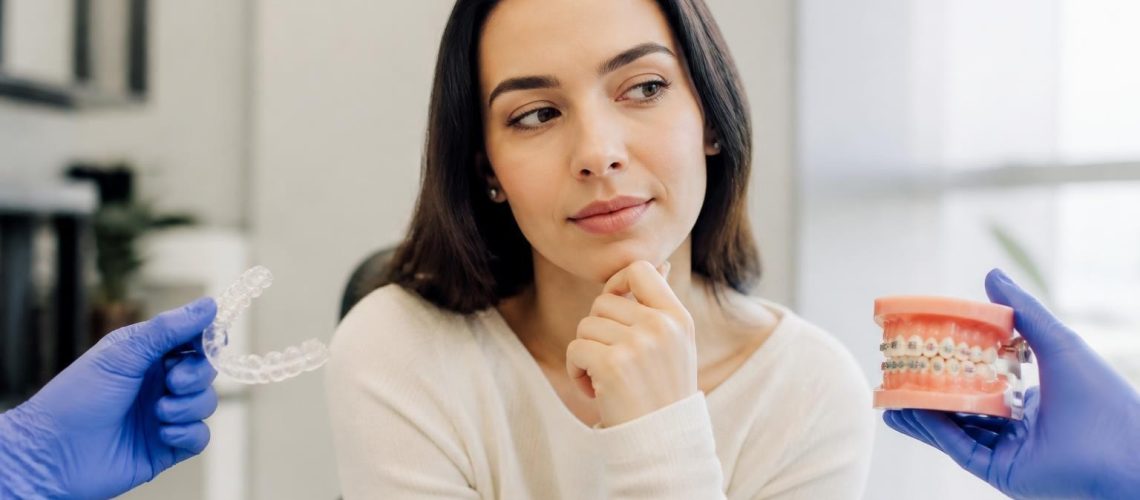
Choosing the right orthodontic treatment can significantly impact your journey to a straighter, healthier smile. The debate between clear aligners vs traditional braces continues to evolve as dental technology advances and patient preferences shift. Both treatment options offer proven results for correcting misaligned teeth, closing gaps, and addressing various bite issues. However, they differ substantially in appearance, treatment approach, maintenance requirements, and overall patient experience. Understanding these differences empowers patients to make informed decisions that align with their lifestyle, budget, and orthodontic needs. At Dental Plus Clinic, we provide personalized consultations to help patients across Texas navigate these choices with confidence.
Understanding Traditional Braces Technology
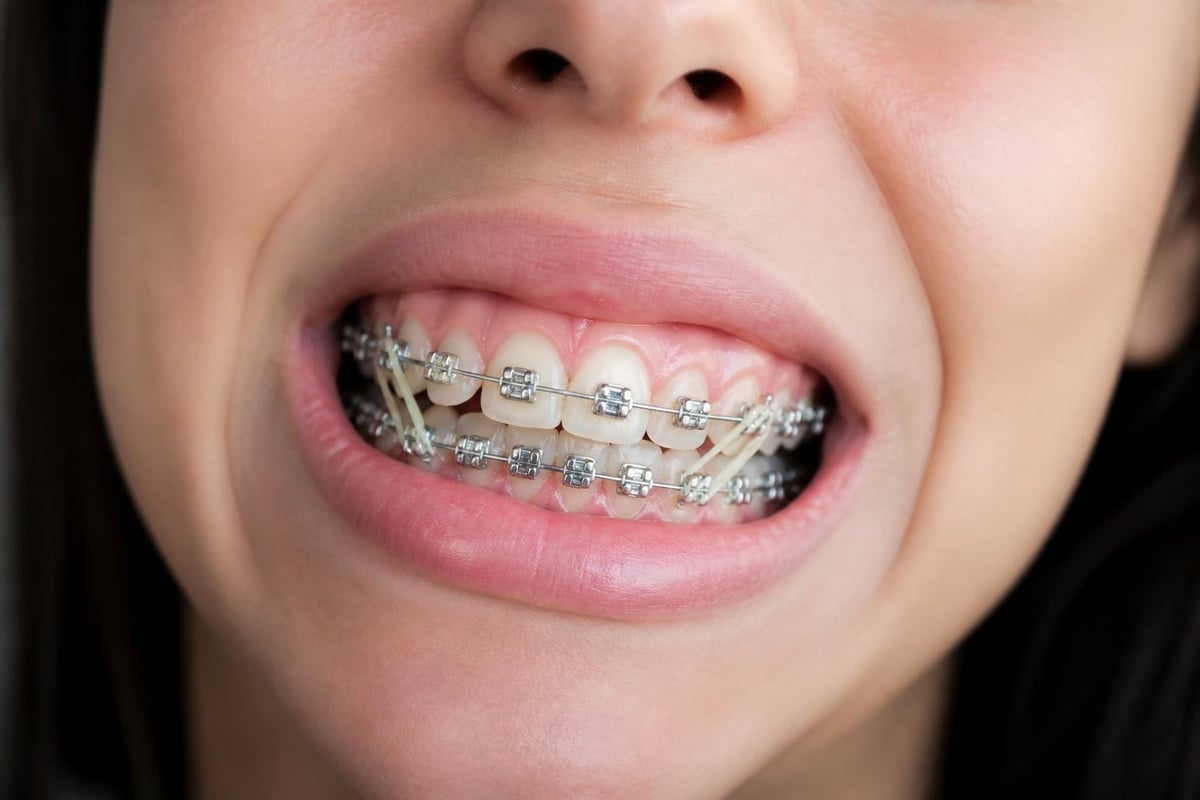
Traditional braces have served as the gold standard in orthodontic treatment for decades, delivering reliable results for patients with diverse dental challenges. This time-tested system uses metal brackets bonded to each tooth, connected by archwires that apply continuous pressure to gradually shift teeth into proper alignment.
The mechanics of traditional braces involve regular adjustments every four to eight weeks. During these appointments, orthodontists tighten wires, replace elastics, and monitor progress. The constant force applied by metal braces makes them particularly effective for complex cases, including severe crowding, significant bite corrections, and rotated teeth that require precise control.
Components and Variations
Modern braces offer several variations beyond the classic metal design:
- Metal braces: Standard stainless steel brackets and wires, most affordable and durable
- Ceramic braces: Tooth-colored brackets that blend with natural teeth for improved aesthetics
- Lingual braces: Brackets placed on the back of teeth, completely hidden from view
- Self-ligating braces: Specialized brackets that eliminate the need for elastic ties
Traditional braces excel in treating comprehensive orthodontic issues that demand maximum control over tooth movement. According to research on treatment effectiveness, conventional fixed appliances demonstrate superior outcomes for complex malocclusions compared to removable alternatives.
The predictability of traditional braces stems from their fixed nature. Patients cannot remove them, ensuring consistent force application 24 hours daily throughout the treatment period. This continuous pressure accelerates tooth movement and reduces the risk of treatment delays caused by non-compliance.
Clear Aligner Technology and Innovation
Clear aligners represent a revolutionary approach to orthodontic treatment, utilizing transparent, removable trays custom-manufactured for each patient's unique dental structure. These virtually invisible devices have transformed orthodontics since their introduction, offering aesthetic and practical advantages that appeal to modern patients.
The clear aligner process begins with digital impressions or physical molds of your teeth. Advanced software creates a comprehensive treatment plan, mapping out precise tooth movements from the initial position to the desired final result. Patients receive a series of aligner trays, each worn for approximately one to two weeks before progressing to the next set in the sequence.
Technology-Driven Treatment Planning
Modern clear aligner systems leverage cutting-edge technology to enhance treatment accuracy and outcomes. Artificial intelligence tools now assist orthodontists in creating optimized treatment plans, predicting tooth movement patterns, and simulating final results before treatment begins.
Clear aligners work through controlled force application, with each tray designed to move specific teeth incrementally. The removable nature offers distinct advantages for oral hygiene and dietary freedom. Patients can brush and floss normally, reducing the risk of cavities and gum disease during orthodontic treatment.
| Feature | Clear Aligners | Traditional Braces |
|---|---|---|
| Visibility | Nearly invisible | Highly visible (except lingual) |
| Removability | Yes, for eating and cleaning | No, fixed until treatment ends |
| Dietary Restrictions | None (remove before eating) | Yes, avoid hard and sticky foods |
| Oral Hygiene | Easy, brush normally | Challenging, requires special tools |
| Treatment Adjustments | New aligners every 1-2 weeks | Office visits every 4-8 weeks |
The aesthetic appeal of clear aligners makes them particularly popular among adults and image-conscious teenagers. Professional environments and social situations become less stressful when orthodontic treatment remains virtually undetectable.
Treatment Effectiveness for Different Dental Conditions
When evaluating clear aligners vs traditional braces, treatment effectiveness varies significantly based on the specific orthodontic condition requiring correction. Both systems deliver excellent results, but their suitability differs depending on case complexity and severity.
Mild to Moderate Cases
Clear aligners excel in treating mild to moderate orthodontic issues, including:
- Minor spacing between teeth
- Mild to moderate crowding
- Simple bite irregularities
- Minor tooth rotations
- Relapse cases following previous orthodontic treatment
For these conditions, clear aligners demonstrate comparable effectiveness to traditional braces while offering superior comfort and aesthetics. Treatment duration typically ranges from 6 to 18 months, depending on individual case complexity and patient compliance.
Complex Orthodontic Challenges
Traditional braces remain the preferred option for severe or complex cases requiring:
- Significant bite corrections: Severe overbites, underbites, or crossbites
- Major tooth rotations: Especially canines and premolars requiring precise torque control
- Vertical tooth movement: Intrusion or extrusion of teeth to specific positions
- Severe crowding: Cases requiring tooth extraction and substantial space closure
- Comprehensive jaw alignment: Issues involving skeletal discrepancies
The fixed nature of traditional braces provides orthodontists with greater control over three-dimensional tooth movement. Specific attachments, springs, and elastic configurations enable corrections that aligners cannot consistently achieve.
Treatment success with either option depends heavily on patient cooperation and adherence to professional recommendations. While braces guarantee continuous wear, clear aligner effectiveness requires patients to wear trays 20 to 22 hours daily for optimal results.
Comfort and Lifestyle Considerations
The patient experience differs substantially between clear aligners vs traditional braces, impacting daily comfort, lifestyle adaptations, and overall treatment satisfaction. These factors often influence patient preferences as much as clinical considerations.
Traditional braces introduce an adjustment period as patients acclimate to metal brackets and wires in their mouth. Initial discomfort typically includes:
- Cheek and lip irritation from bracket contact
- Tongue soreness from wire proximity
- Difficulty eating certain foods during the first week
- Speech changes requiring adaptation time
After adjustment appointments, patients commonly experience tooth soreness lasting one to three days as teeth respond to increased pressure. Orthodontic wax provides relief for irritated soft tissues, and over-the-counter pain relievers manage discomfort effectively.
Clear Aligner Comfort Profile
Clear aligners offer a generally more comfortable experience, though they present their own adaptation challenges. The smooth plastic material eliminates sharp edges that irritate oral tissues. However, patients may experience:
- Temporary tooth sensitivity when switching to new aligners
- Slight speech changes during the initial adjustment period
- Pressure sensations as aligners apply force to specific teeth
- Occasional irritation if aligners have rough edges requiring trimming
The removability of clear aligners dramatically impacts lifestyle flexibility. Patients maintain normal dietary habits without restrictions, removing aligners before meals and snacks. This freedom contrasts sharply with traditional braces, which require avoiding hard, sticky, crunchy, and chewy foods that could damage brackets or wires.
Social and Professional Implications
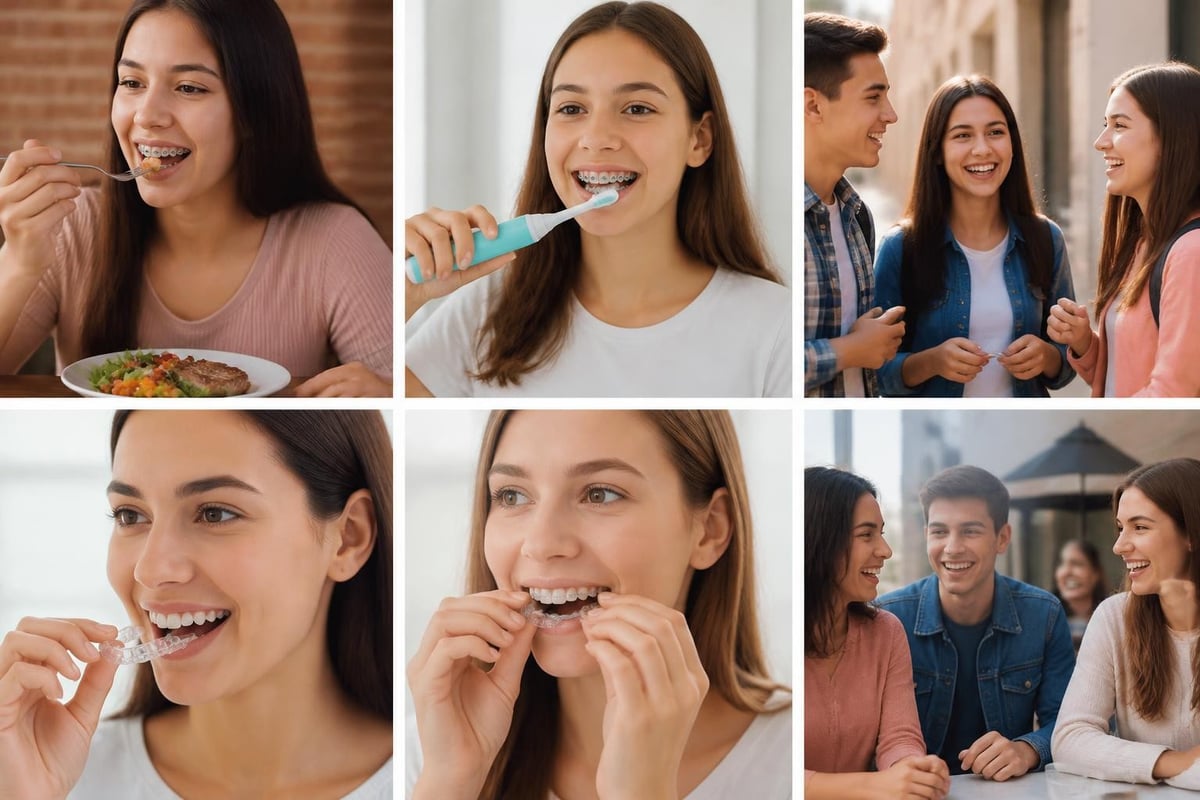
Adults and professionals often prioritize discretion in orthodontic treatment. Clear aligners provide aesthetic advantages that boost confidence during treatment, particularly in business settings, public speaking engagements, and social events where appearance matters.
Traditional braces have become more socially acceptable, especially among teenagers where they represent a common experience. However, adults seeking orthodontic correction frequently prefer the subtle appearance of clear aligners to avoid the perception of wearing "teen braces" in professional environments.
Treatment Duration and Follow-Up Requirements
Treatment timeline represents a critical consideration when choosing between orthodontic options. Both clear aligners vs traditional braces require substantial time commitments, though the structure of appointments and overall duration varies based on case complexity.
Average Treatment Timelines
| Condition Severity | Traditional Braces | Clear Aligners |
|---|---|---|
| Mild Cases | 12-18 months | 6-12 months |
| Moderate Cases | 18-24 months | 12-18 months |
| Complex Cases | 24-36 months | 18-24 months (if suitable) |
Traditional braces typically require in-office adjustments every four to eight weeks. These appointments last 20 to 45 minutes, during which orthodontists tighten wires, replace elastics, monitor progress, and address any concerns. The predictable adjustment schedule allows patients to plan appointments around work and personal commitments.
Clear aligner treatment involves fewer in-person visits, typically scheduled every six to ten weeks. Patients receive multiple aligner sets at each appointment, changing trays at home according to their personalized schedule. This flexibility particularly benefits patients with demanding schedules or those living far from their orthodontic provider.
Compliance and Treatment Success
The removable nature of clear aligners introduces a compliance variable absent from traditional braces. Treatment success depends on patients wearing aligners 20 to 22 hours daily, removing them only for eating, drinking (except water), and oral hygiene. Non-compliance extends treatment duration and may compromise final results.
Traditional braces eliminate compliance concerns related to wear time since patients cannot remove them. However, patients must maintain dietary restrictions and attend all scheduled appointments to avoid treatment delays.
Progress tracking differs between systems. Traditional braces allow orthodontists to assess tooth movement visually and make immediate adjustments during appointments. Clear aligner patients receive predetermined treatment sequences, though orthodontists may revise plans if teeth don't track as predicted, potentially requiring additional aligners or refinement trays.
At our orthodontic services, we utilize advanced monitoring technology to track treatment progress for both braces and clear aligners, ensuring optimal outcomes for every patient.
Oral Hygiene and Maintenance Protocols
Maintaining excellent oral health during orthodontic treatment proves essential for preventing complications and ensuring successful outcomes. The hygiene requirements and maintenance protocols differ substantially between clear aligners vs traditional braces.
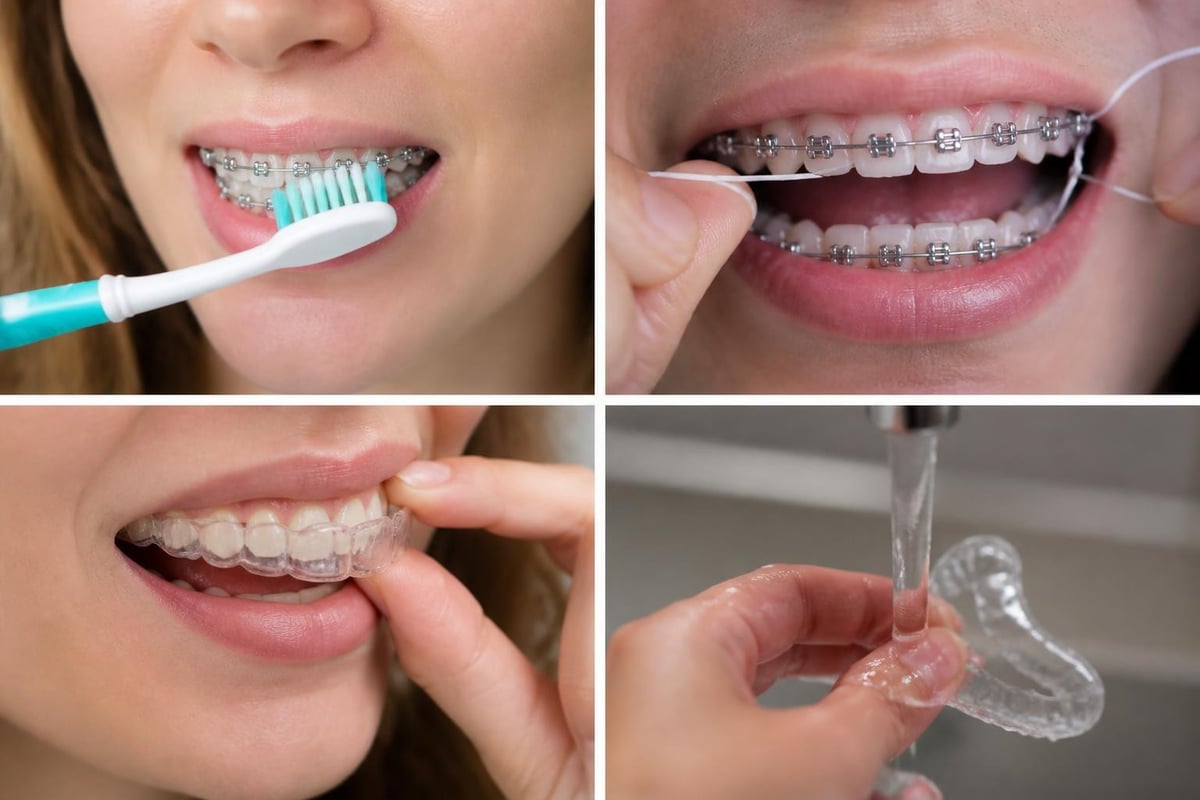
Traditional braces create numerous spaces where food particles and plaque accumulate around brackets, under wires, and between teeth. Patients must adopt comprehensive cleaning routines including:
- Brushing after every meal: Use a soft-bristled toothbrush and fluoride toothpaste, angling bristles to clean around brackets
- Interdental cleaning: Employ floss threaders, orthodontic floss, or water flossers to clean between teeth
- Specialized tools: Use proxy brushes to clean around brackets and under wires
- Fluoride rinse: Apply antibacterial mouthwash to reduce plaque buildup and prevent white spot lesions
The complexity of cleaning traditional braces increases the risk of cavities, gum inflammation, and enamel decalcification if patients neglect proper hygiene. Regular professional cleanings become even more critical during braces treatment to address areas difficult to reach with home care.
Clear Aligner Hygiene Advantages
Clear aligners offer significant hygiene benefits through their removability. Patients brush and floss normally without navigating around hardware. The simplified routine includes:
- Remove aligners before brushing and flossing
- Clean teeth using standard techniques
- Rinse aligners with cool water
- Brush aligners gently with a soft toothbrush
- Store aligners in their protective case when not wearing them
Patients must clean aligners regularly to prevent bacterial buildup, staining, and odor development. Avoid hot water, which can warp the plastic material and affect fit. Specialized aligner cleaning products or gentle soap solutions maintain clarity and hygiene.
The ability to remove aligners for thorough cleaning reduces the risk of dental decay and gum disease during treatment. However, patients must maintain discipline by reinserting aligners promptly after eating and cleaning to achieve the required daily wear time.
Cost Analysis and Financial Considerations
Financial investment represents a significant factor when evaluating orthodontic options. The cost comparison between clear aligners vs traditional braces involves multiple variables, including treatment complexity, geographic location, provider experience, and insurance coverage.
Price Range Overview
In 2026, typical orthodontic treatment costs in Texas range as follows:
Traditional Metal Braces: $3,000 to $7,000
- Most affordable orthodontic option
- Lower costs in smaller markets
- Higher prices for complex cases requiring extended treatment
Ceramic Braces: $4,000 to $8,000
- Premium for aesthetic brackets
- Similar treatment effectiveness to metal braces
- Additional cost for cosmetic improvement
Clear Aligners: $3,500 to $8,000
- Variable pricing based on case complexity
- Premium brands typically cost more
- May require additional refinement aligners
Lingual Braces: $8,000 to $10,000
- Highest cost due to specialized placement
- Custom manufacturing increases price
- Limited provider availability affects market pricing
Treatment complexity significantly influences final costs. Mild cases requiring shorter treatment periods cost substantially less than comprehensive corrections involving extractions, significant tooth movement, or jaw alignment.
Insurance and Payment Options
Dental insurance coverage for orthodontic treatment varies widely among plans. Most policies offering orthodontic benefits provide:
- Lifetime maximum benefit: Typically $1,000 to $2,000 for orthodontic treatment
- Age restrictions: Some plans cover only children and adolescents under 18
- Waiting periods: New policies may require 12-month waiting periods before orthodontic coverage activates
- Treatment approval: Pre-authorization requirements before beginning treatment
Insurance companies generally treat clear aligners and traditional braces equivalently, applying the same lifetime maximum regardless of treatment type chosen. However, policies vary, and patients should verify coverage details before committing to treatment.
Understanding dental insurance coverage helps patients maximize benefits and minimize out-of-pocket expenses. When insurance denies coverage or provides limited benefits, alternative payment strategies become essential.
Payment plans offered by orthodontic practices make treatment accessible by spreading costs over the treatment duration. Common financing options include:
- Zero-interest payment plans through the practice
- Third-party healthcare financing with various term options
- Credit card payments with rewards or promotional interest rates
- Flexible spending accounts (FSA) or health savings accounts (HSA) for tax-advantaged payments
At Dental Plus Clinic, we offer flexible payment solutions designed to make orthodontic treatment affordable for Texas families, regardless of insurance status.
Age-Specific Considerations and Suitability
Patient age significantly influences treatment recommendations when comparing clear aligners vs traditional braces. While both systems treat patients across age groups, specific considerations affect suitability and success rates for different demographics.
Children and Early Adolescents
Traditional braces remain the predominant choice for younger patients (ages 8 to 14) for several compelling reasons:
- Compliance concerns: Younger children may lose or forget to wear removable aligners consistently
- Growth considerations: Active jaw growth requires more robust tooth movement control
- Complex corrections: Children often present developing bite issues requiring comprehensive treatment
- Cost-effectiveness: Treatment duration and outcome predictability favor braces for complex pediatric cases
Phase one orthodontic treatment frequently employs braces or other fixed appliances to guide jaw development and create space for permanent teeth. Early intervention addresses skeletal discrepancies while growth potential maximizes treatment effectiveness.
Some clear aligner manufacturers offer systems specifically designed for teenagers, incorporating features that address compliance concerns and accommodate erupting teeth. These specialized options work well for motivated teens with mild to moderate orthodontic needs.
Teenagers and Young Adults
The teenage years present unique social dynamics that influence treatment preferences. While both options work effectively, considerations include:
Traditional Braces Advantages:
- No compliance worries during busy academic schedules
- Colored elastic options for personal expression
- Social acceptance among peer groups
- Reliable results for complex cases
Clear Aligner Advantages:
- Aesthetic appeal for self-conscious teens
- Flexibility for sports activities and musical instruments
- No dietary restrictions for social eating
- Easier maintenance for independent young adults
Our cosmetic dentistry services include orthodontic solutions tailored to teenage patients seeking discreet treatment options without compromising effectiveness.
Adult Orthodontic Patients
Adults represent the fastest-growing orthodontic patient demographic, seeking treatment for various reasons including aesthetics, bite correction, and pre-prosthetic tooth alignment. According to comparative analyses of treatment options, adults often prioritize discretion and convenience alongside clinical outcomes.
| Age Group Factor | Traditional Braces | Clear Aligners |
|---|---|---|
| Aesthetic Priority | Lower | Higher |
| Compliance Capability | Not applicable | High (self-motivated) |
| Treatment Complexity | All severities | Mild to moderate preferred |
| Professional Concerns | Visible treatment | Discreet treatment |
| Lifestyle Flexibility | Limited dietary freedom | Full dietary freedom |
Adults with periodontal considerations require careful evaluation before orthodontic treatment. Healthy gums and adequate bone support prove essential for successful tooth movement regardless of treatment method chosen. Addressing existing gum disease before beginning orthodontics prevents complications and ensures optimal results.
Professional adults frequently select clear aligners to maintain polished appearance during treatment. Business meetings, presentations, and client interactions proceed without the self-consciousness sometimes associated with visible braces.
Making Your Treatment Decision
Selecting between clear aligners vs traditional braces requires careful consideration of multiple factors unique to each patient's situation. Rather than a universally superior option, the ideal choice depends on individual circumstances, priorities, and orthodontic needs.
Key Decision Factors
Clinical Complexity: Consult with an experienced orthodontist to assess your specific condition. Severe crowding, significant bite discrepancies, or complex rotations may necessitate traditional braces for optimal control and predictable outcomes. Mild to moderate issues often respond excellently to clear aligner treatment.
Lifestyle Priorities: Consider your daily routine, professional environment, and personal preferences. Active lifestyles, contact sports participation, or playing wind instruments may favor removable aligners. Conversely, patients who prefer a "set it and forget it" approach often succeed with traditional braces.
Aesthetic Concerns: Honestly evaluate how much treatment visibility matters to you. While social acceptance of braces has increased, many adults strongly prefer discreet treatment. Clear aligners provide aesthetic advantages, though ceramic braces offer a middle ground combining fixed treatment with improved appearance.
Compliance Capability: Assess your ability to maintain disciplined aligner wear for 20 to 22 hours daily. Success with clear aligners demands consistent compliance. Patients who worry about losing aligners, forgetting to wear them, or removing them too frequently may achieve better results with traditional braces.
Professional Consultation Importance
Schedule comprehensive consultations with qualified orthodontic providers to explore personalized treatment recommendations. During evaluation appointments, orthodontists will:
- Conduct thorough clinical examinations of teeth, gums, and bite relationships
- Take diagnostic records including x-rays, photographs, and digital impressions
- Discuss treatment goals and aesthetic priorities
- Present multiple treatment options with estimated timelines and costs
- Answer questions about procedures, expectations, and post-treatment retention
Professional guidance from experienced dental providers ensures treatment decisions align with clinical realities and patient expectations. Digital treatment simulations available with clear aligner systems allow patients to visualize predicted outcomes before committing to treatment.
Second opinions provide valuable perspectives, especially for complex cases or when choosing between significantly different treatment approaches. Reputable orthodontists welcome informed patients who seek multiple professional viewpoints before making substantial healthcare investments.
Questions to Ask Your Orthodontist
Prepare for consultations by considering these essential questions:
- What specific orthodontic issues require correction in my case?
- Which treatment option (braces or aligners) will deliver superior results for my condition?
- What is the estimated treatment duration for each option?
- How do costs compare between traditional braces and clear aligners for my case?
- What happens if I'm not satisfied with progress or final results?
- What retention protocols will maintain results after active treatment ends?
- Do you have experience treating cases similar to mine with both methods?
Transparent communication with your orthodontist establishes realistic expectations and builds confidence in your treatment decision. Providers should clearly explain why they recommend specific approaches and address any concerns you raise.
Retention and Long-Term Results
Successful orthodontic treatment extends beyond active tooth movement to include retention protocols that maintain results long-term. Both clear aligners vs traditional braces require post-treatment retention to prevent teeth from shifting back toward their original positions.
Why Retention Matters
Teeth naturally tend to return toward their pre-treatment positions due to several factors:
- Periodontal memory: Gum fibers retain tension toward original tooth positions
- Continued jaw growth: Adults experience subtle jaw changes throughout life
- Functional pressures: Chewing forces, tongue pressure, and muscle activity affect tooth positioning
- Wisdom teeth eruption: Third molars can create crowding pressure in younger patients
Without proper retention, orthodontic relapse occurs gradually over months to years. Studies indicate that teeth begin shifting within days of removing braces or completing aligner treatment if retention protocols are not followed.
Retention Options and Protocols
Orthodontists prescribe retention devices customized to each patient's needs:
Fixed Retainers: Thin wires bonded to the back surfaces of front teeth, providing permanent retention that patients cannot remove. These work particularly well for lower front teeth prone to crowding relapse.
Removable Retainers: Custom-fabricated devices worn nightly or as directed. Common types include:
- Hawley retainers with acrylic and wire construction
- Clear plastic retainers similar to aligners
- Combination designs incorporating various materials
Initial retention typically requires full-time wear (except during eating and cleaning) for several months, gradually transitioning to nighttime-only wear indefinitely. Lifelong retention represents the current standard of care for maintaining orthodontic results.
Patients who completed clear aligner treatment may receive retainers resembling their final aligners. Traditional braces patients typically receive a combination of fixed and removable retainers customized to their bite and orthodontic correction.
Retention compliance determines whether orthodontic investments deliver lasting results or require future retreatment. Just as treatment success depends on following orthodontic recommendations, maintaining your new smile requires consistent retainer use according to professional guidance.
Regular follow-up appointments during the retention phase allow orthodontists to monitor stability, check retainer condition, and address early signs of shifting before significant relapse occurs. Most practitioners recommend retention check-ups every six months initially, transitioning to annual visits after the first year.
Special Considerations for Texas Patients
Geographic factors influence orthodontic treatment access, costs, and provider availability throughout Texas. Patients seeking treatment in the state's diverse metropolitan and rural areas encounter unique considerations when comparing clear aligners vs traditional braces.
Texas's large geographic area creates accessibility challenges for patients in rural regions. Orthodontic specialists concentrate in urban centers including Houston, Dallas, San Antonio, and Austin, requiring patients in smaller communities to travel substantial distances for specialized care. This reality affects treatment choice in several ways:
Travel Frequency Impact: Traditional braces require appointments every four to eight weeks, potentially creating hardship for patients driving hours to reach orthodontic providers. Clear aligners reduce visit frequency, with appointments scheduled every six to ten weeks, minimizing travel burden for rural patients.
Local Provider Access: Dental Plus Clinic addresses these accessibility concerns by maintaining locations throughout Central and South Texas. Our clinics in Beeville, Seguin, New Braunfels, Leander, and Converse bring comprehensive orthodontic services closer to patients across the region.
Climate and Lifestyle Factors
Texas's hot climate and outdoor-oriented lifestyle create specific considerations for orthodontic patients:
-
Sports and Recreation: Active patients engaged in football, basketball, or contact sports face increased bracket damage risk with traditional braces. Mouthguards provide protection but add complexity. Clear aligners remove easily for sports activities, reducing injury risk and equipment damage concerns.
-
Heat Considerations: Extreme summer temperatures don't significantly affect either treatment type during normal use. However, clear aligner patients must avoid leaving aligners in hot vehicles where warping could occur.
-
Dietary Culture: Texas's barbecue traditions and diverse food culture present challenges for braces wearers who must avoid sticky, hard, and chewy foods. Clear aligner patients enjoy dietary freedom, removing aligners before enjoying regional specialties.
Insurance Landscape in Texas
Texas dental insurance markets vary substantially by region and employer size. Understanding coverage options helps patients make informed financial decisions:
- Many Texas employers offer dental benefits with orthodontic coverage up to lifetime maximums
- Individual and family plans purchased through the marketplace rarely include orthodontic benefits
- Medicaid programs in Texas provide limited orthodontic coverage for children meeting medical necessity criteria
- Military families at Texas installations access orthodontic benefits through TRICARE with specific provider networks
Cost variations exist across Texas markets, with metropolitan areas typically charging higher fees than smaller communities. However, specialist expertise and technology access may justify urban price premiums for complex cases requiring advanced treatment.
Choosing between clear aligners and traditional braces ultimately depends on your unique orthodontic needs, lifestyle priorities, and treatment goals. Both options deliver proven results when administered by experienced professionals using evidence-based protocols. Whether you prioritize aesthetic discretion, treatment efficiency, or comprehensive correction capability, modern orthodontics offers solutions tailored to diverse patient preferences. Dental Plus Clinic provides expert orthodontic consultations and personalized treatment planning at convenient locations across Texas, helping patients achieve confident, healthy smiles through advanced dental care. Schedule your consultation today to explore which orthodontic option aligns best with your smile goals and lifestyle needs.