

Modern cosmetic dentistry offers numerous solutions for transforming smiles, and composite resin veneers have emerged as one of the most accessible and effective options for patients seeking aesthetic improvements. These thin layers of tooth-colored composite material are expertly bonded to the front surface of teeth, correcting imperfections such as chips, gaps, discoloration, and minor misalignment. Unlike their porcelain counterparts, composite veneers can often be completed in a single visit, making them an attractive choice for busy individuals who want immediate results. The versatility, affordability, and natural appearance of this treatment have made it increasingly popular among patients who desire a confident smile without extensive dental procedures or lengthy treatment timelines.
Understanding Composite Resin Veneers
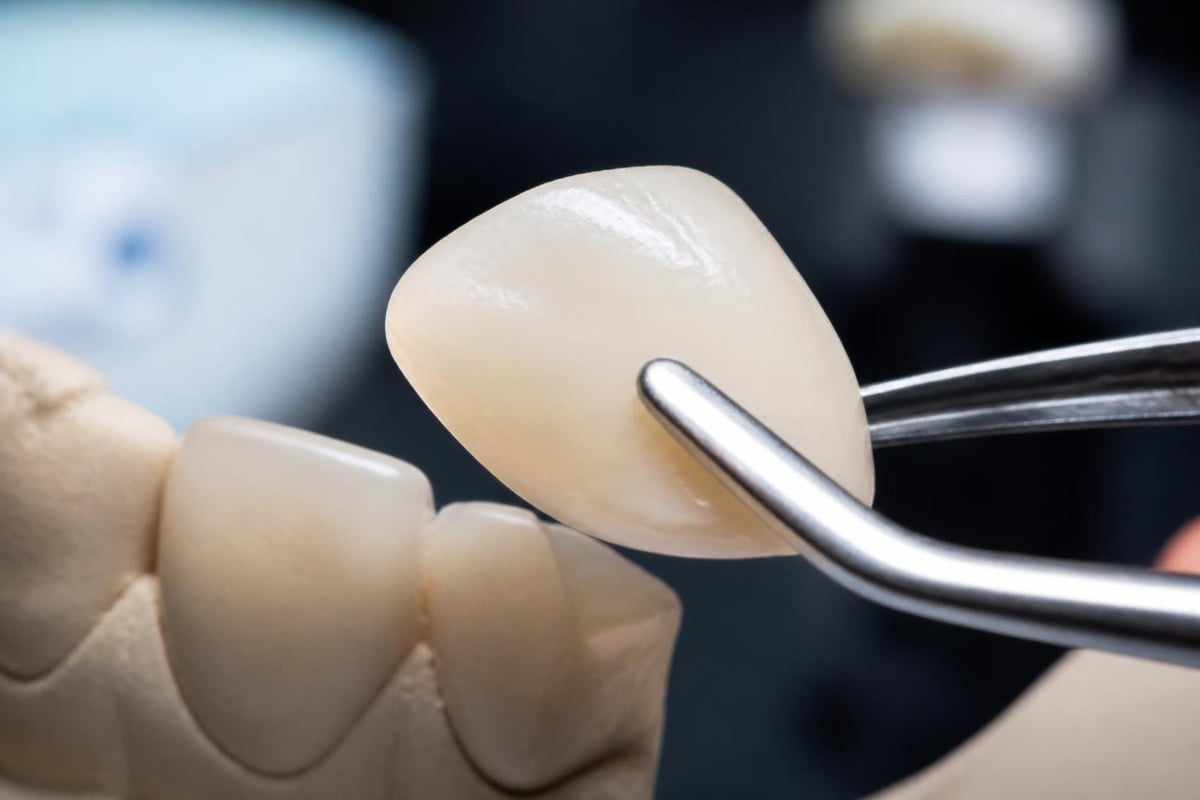
Composite resin veneers are custom-crafted restorations made from a durable, tooth-colored composite material that dental professionals apply directly to the tooth surface. This minimally invasive procedure transforms the appearance of teeth while preserving most of the natural tooth structure.
The composite material consists of a resin-based matrix reinforced with filler particles that provide strength and durability. When properly applied and maintained, these veneers can address multiple cosmetic concerns simultaneously, offering patients a comprehensive smile makeover solution.
Material Composition and Properties
The composite resin used in dental veneers contains several key components that contribute to its effectiveness. The material includes:
- Resin matrix: Provides flexibility and bonding capabilities
- Filler particles: Enhance strength, wear resistance, and aesthetic properties
- Coupling agents: Ensure strong bonds between the resin and filler
- Photoinitiators: Enable light-curing for proper hardening
This advanced composition allows dental professionals to create restorations that closely mimic the translucency and appearance of natural tooth enamel. The material can be precisely color-matched to surrounding teeth, ensuring a seamless integration with your existing smile.
Direct vs. Indirect Application Methods
Composite resin veneers can be applied using two distinct techniques, each offering unique advantages. The direct method involves the dentist sculpting the composite material directly onto the tooth surface during a single appointment. This approach offers immediate results and typically costs less than indirect methods.
Indirect composite veneers are fabricated in a dental laboratory based on impressions of your teeth. These veneers are then bonded to your teeth during a subsequent appointment. While this method requires multiple visits, it often provides enhanced durability and aesthetics because laboratory technicians can work with greater precision in a controlled environment.
| Application Method | Number of Visits | Cost Range | Durability | Customization Level |
|---|---|---|---|---|
| Direct | 1 visit | $250-$600 per tooth | 5-7 years | Good |
| Indirect | 2-3 visits | $600-$1,200 per tooth | 7-10 years | Excellent |
Benefits of Choosing Composite Veneers
Patients who select composite resin veneers for their smile transformation enjoy numerous advantages that make this treatment particularly appealing. The conservative nature of the procedure stands as one of its most significant benefits.
Unlike porcelain veneers that typically require substantial tooth reduction, composite veneers often need minimal or no removal of tooth structure. This preservation of natural tooth enamel maintains dental health while still achieving dramatic cosmetic improvements.
Cost-Effectiveness and Accessibility
Financial considerations play a crucial role in dental treatment decisions. Composite resin veneers represent a more budget-friendly alternative to porcelain veneers, with costs typically ranging from $250 to $1,200 per tooth depending on the application method and complexity.
For patients exploring cosmetic dental treatment options, the affordability of composite veneers makes comprehensive smile makeovers more accessible. Many dental practices offer flexible payment plans that further reduce the financial barrier to achieving your desired smile.
The lower cost doesn't mean compromised quality. When properly executed by skilled professionals, composite veneers deliver excellent aesthetic results that can boost confidence and improve overall quality of life.
Same-Day Smile Transformation
Time constraints often prevent individuals from pursuing cosmetic dental treatments. Composite resin veneers address this concern by offering complete smile transformations in a single appointment. This convenience factor makes them ideal for:
- Professionals with demanding schedules
- Patients preparing for special events
- Individuals seeking quick solutions for dental emergencies
- Those who experience dental anxiety and prefer fewer appointments
The ability to walk into a dental office with cosmetic concerns and leave the same day with a transformed smile represents a remarkable advantage. This immediate gratification can be particularly valuable for patients who need rapid results before weddings, job interviews, or other important occasions.
The Application Procedure Explained
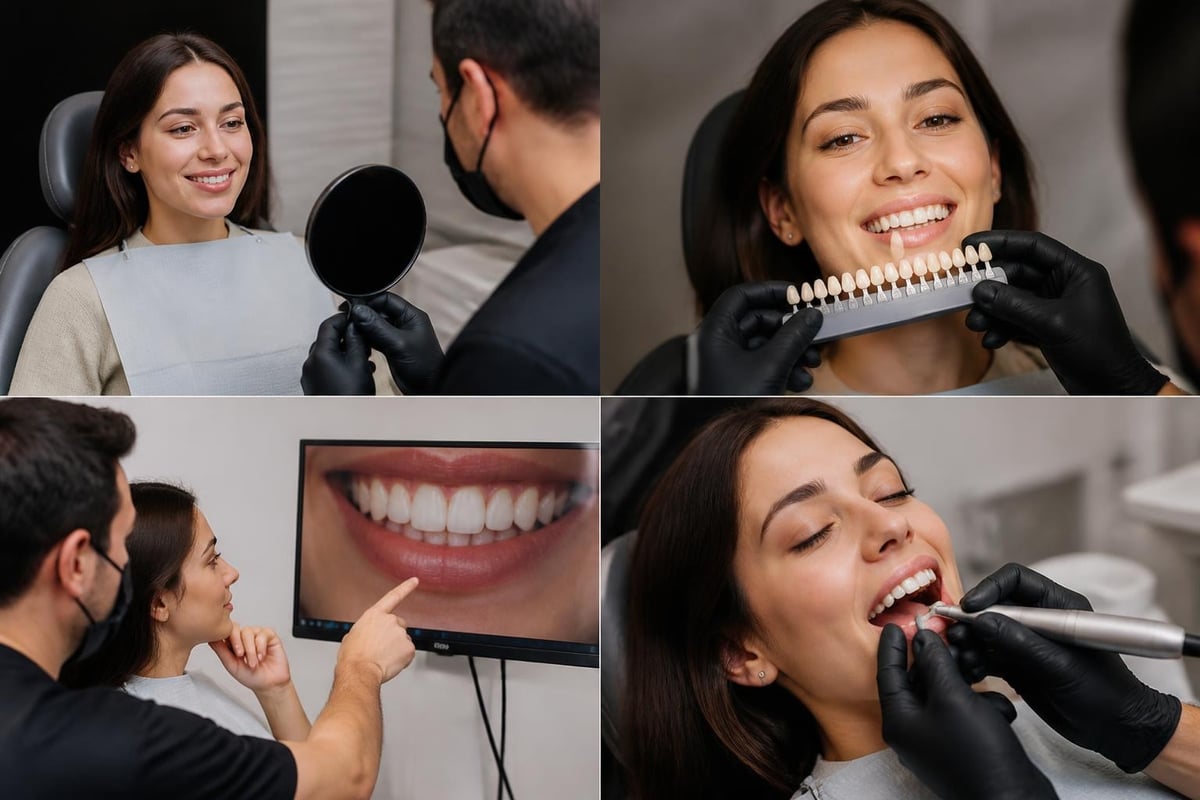
Understanding what happens during a composite veneer appointment helps patients feel more comfortable and prepared. The process begins with a comprehensive consultation where your dentist evaluates your oral health and discusses your aesthetic goals.
Initial Consultation and Treatment Planning
During your first visit, the dental team at facilities like those across locations throughout Texas will conduct a thorough examination. This assessment includes:
- Oral health evaluation: Checking for cavities, gum disease, or other issues
- Aesthetic analysis: Discussing desired changes and realistic outcomes
- Shade selection: Choosing the perfect color to match or enhance your smile
- Treatment planning: Determining how many teeth require veneers
- Cost estimation: Providing transparent pricing information
This consultation ensures that composite resin veneers are the appropriate solution for your specific needs. Some dental concerns may require alternative treatments, and your dentist will recommend the most effective approach for your situation.
Step-by-Step Application Process
The actual application of direct composite veneers follows a precise protocol to ensure optimal results. Your dentist will first prepare the tooth surface through gentle cleaning and slight etching, which creates microscopic roughness that enhances bonding strength.
A bonding agent is then applied to the prepared tooth surface, followed by the careful layering of composite resin material. The dentist sculpts the composite to achieve the desired shape and contour, paying close attention to natural tooth anatomy and your aesthetic preferences.
The layering technique is crucial for achieving natural-looking results. By applying composite in thin layers rather than one thick application, the dentist can create depth and translucency that mimics natural tooth enamel. Each layer is cured using a special light that hardens the material instantly.
After building up the veneer to the appropriate thickness and shape, the dentist refines the contours and polishes the surface to a natural luster. This final polishing step is essential for both aesthetics and longevity, as smooth surfaces resist staining and wear better than rough ones.
Post-Procedure Care and Adjustment
Following the application, your dentist will provide specific care instructions to maximize the lifespan of your new veneers. The first 24-48 hours are particularly important, as the bonding materials continue to strengthen during this period.
You may be advised to avoid extremely hard foods, staining beverages, and excessive biting pressure on the veneered teeth initially. Most patients return to normal activities immediately, though some experience minor sensitivity that typically resolves within a few days.
Longevity and Maintenance Requirements
The lifespan of composite resin veneers depends significantly on proper care and maintenance. With appropriate attention, these restorations can serve patients well for 5-10 years or longer, according to research on survival rates.
Daily Care Guidelines
Maintaining composite veneers requires a commitment to excellent oral hygiene practices. The good news is that caring for veneered teeth is similar to caring for natural teeth, with a few additional considerations.
Essential daily care practices include:
- Brushing twice daily with a non-abrasive toothpaste
- Flossing once daily to remove plaque between teeth
- Using an alcohol-free mouthwash to avoid weakening the composite
- Avoiding excessive force when brushing veneered teeth
- Rinsing after consuming staining foods or beverages
The composite material used in veneers is more porous than porcelain, making it somewhat more susceptible to staining. However, with proper care and regular professional cleanings, patients can maintain the bright, natural appearance of their veneers for years.
Professional Maintenance and Polishing
Regular dental visits play a crucial role in extending the life of composite resin veneers. Professional cleanings every six months allow dental hygienists to remove surface stains and polish the veneers, restoring their original luster.
During these visits, your dentist will also inspect the veneers for signs of wear, chips, or bonding issues. Early detection of problems allows for prompt repairs that prevent more extensive damage. Minor chips or rough spots can often be smoothed and polished during routine appointments.
Some patients benefit from periodic refinishing, where the dentist lightly resurfaces and polishes the veneers to remove surface stains and restore their appearance. This maintenance procedure is quick, painless, and significantly extends the aesthetic lifespan of composite veneers.
Comparing Composite to Porcelain Veneers
When exploring veneer options, patients frequently compare composite and porcelain materials. Each option offers distinct advantages, and understanding these differences helps you make an informed decision aligned with your priorities and budget.
The comparison between porcelain and composite veneers reveals important distinctions in durability, cost, and treatment approach. Neither option is universally superior; the best choice depends on individual circumstances.
Durability and Aesthetic Considerations
Porcelain veneers generally offer superior stain resistance and longevity, often lasting 10-15 years or more with proper care. The ceramic material closely mimics the light-reflecting properties of natural enamel, creating highly realistic results.
Composite resin veneers, while slightly less durable, still provide excellent aesthetics and functionality. Modern composite materials have improved dramatically in recent years, narrowing the gap in both appearance and longevity.
| Feature | Composite Veneers | Porcelain Veneers |
|---|---|---|
| Average lifespan | 5-10 years | 10-15 years |
| Stain resistance | Moderate | Excellent |
| Repairability | Easily repaired | Requires replacement |
| Reversibility | More reversible | Less reversible |
| Natural appearance | Very good | Excellent |
Cost and Treatment Time Differences
The financial investment required for veneers varies significantly between materials. Composite resin veneers typically cost 50-70% less than porcelain alternatives, making them accessible to more patients.
Treatment time also differs substantially. While composite veneers can be completed in one visit, porcelain veneers require at least two appointments spanning several weeks. For patients who value convenience and immediate results, this time difference is significant.
However, when considering long-term value, some patients find that the extended lifespan of porcelain veneers justifies the higher initial investment. Working with a cosmetic dentist who understands your goals helps determine which option provides the best value for your specific situation.
Ideal Candidates for Composite Veneers
Not everyone is an appropriate candidate for composite resin veneers. Understanding who benefits most from this treatment helps set realistic expectations and ensures successful outcomes.
Cosmetic Concerns Addressed
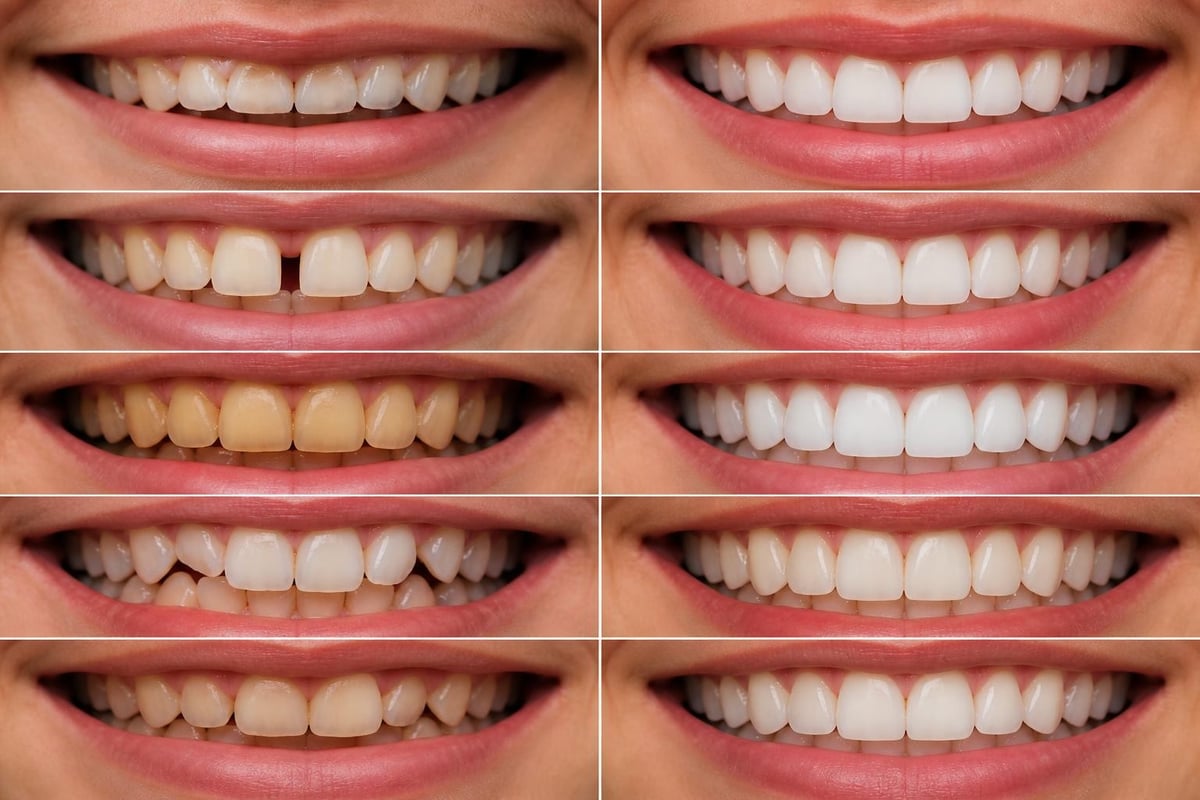
Composite veneers excel at correcting a wide range of aesthetic dental issues. These versatile restorations can effectively address:
- Discoloration: Stubborn stains that don't respond to whitening treatments
- Chips and cracks: Minor to moderate tooth damage
- Gaps: Small to medium spaces between teeth
- Minor misalignment: Slight crowding or rotation
- Worn teeth: Enamel erosion from grinding or aging
- Irregularly shaped teeth: Teeth that are too small, pointed, or oddly shaped
Patients with these concerns often achieve dramatic improvements through composite veneers. The treatment provides comprehensive aesthetic enhancement while maintaining conservative dental practices.
Prerequisites for Treatment Success
Certain oral health conditions must be addressed before veneer placement. Active tooth decay, gum disease, or severe misalignment may require treatment prior to receiving veneers.
Patients who grind their teeth (bruxism) can still receive composite veneers, but they typically need a nightguard to protect their investment. Without protection, grinding can prematurely damage or dislodge veneers.
Those with minimal remaining tooth structure or extensive dental damage may benefit more from alternative treatments such as dental crowns. A comprehensive evaluation with experienced professionals ensures you receive the most appropriate treatment recommendation.
Potential Risks and Limitations
While composite resin veneers offer numerous benefits, patients should understand potential limitations and risks associated with the treatment. Informed decision-making requires awareness of both advantages and potential drawbacks.
Common Complications and Solutions
The most frequent issues with composite veneers include staining, chipping, and bonding failure. Staining typically occurs gradually over time, particularly in patients who consume coffee, tea, red wine, or tobacco products regularly.
Chipping can result from:
- Biting hard foods or objects
- Teeth grinding or clenching
- Trauma to the mouth
- Weak bonding or structural defects
Fortunately, composite veneers are easily repaired. Unlike porcelain veneers that require complete replacement when damaged, composite veneers can be patched, reshaped, or refinished during a simple dental visit. This repairability represents a significant advantage.
Bonding failure, while uncommon with proper technique, occasionally occurs. This typically happens within the first few years if it occurs at all. When bonding fails, the veneer may feel loose or detach completely. Prompt attention from your dentist can usually resolve this issue quickly.
Material Limitations
Composite resin has inherent characteristics that limit its application in certain situations. The material is somewhat softer than porcelain, making it more susceptible to wear in patients with heavy biting forces or parafunctional habits.
The porous nature of composite means it absorbs microscopic amounts of liquid over time, potentially leading to discoloration. While this process is gradual and can be managed through proper care and professional maintenance, it does mean composite veneers may not maintain their original shade as long as porcelain alternatives.
For patients with severe discoloration, extensive structural damage, or extremely high aesthetic demands, porcelain veneers may provide more suitable results. Discussing your priorities and expectations with your dentist helps determine the most appropriate material for your needs.
Cost Considerations and Value Analysis
Financial planning is an important aspect of pursuing cosmetic dental treatment. Understanding the cost structure of composite resin veneers helps patients budget appropriately and evaluate the treatment's value proposition.
Price Ranges and Influencing Factors
As discussed in comprehensive guides about composite veneer costs, numerous factors influence the final price of treatment. Geographic location significantly impacts costs, with urban areas and regions with higher living expenses typically charging more.
The dentist's expertise and experience level also affect pricing. Specialists in cosmetic dentistry or those with advanced training may charge premium rates, but often deliver superior results that justify the investment.
Additional factors affecting cost include:
- Number of teeth being treated (multiple veneers often come with volume discounts)
- Complexity of the case (extensive reshaping requires more time and skill)
- Whether direct or indirect techniques are used
- Need for preparatory treatments (such as teeth whitening or gum contouring)
- Type of composite material selected (premium materials cost more)
Most dental practices provide detailed cost estimates during the consultation phase, allowing patients to plan financially before committing to treatment.
Insurance Coverage and Financing Options
Dental insurance typically categorizes veneers as cosmetic procedures, meaning most plans provide little to no coverage. However, if veneers are deemed medically necessary to restore function or repair damaged teeth, partial coverage may be available.
Patients should contact their insurance providers to understand their specific coverage. Facilities throughout Texas offer transparent pricing and can help navigate insurance questions to maximize available benefits.
For those without insurance coverage, various financing options make composite veneers accessible. Many dental practices offer in-house payment plans or work with third-party healthcare financing companies that provide low-interest or interest-free payment options for qualified applicants.
Maintenance Schedule and Long-Term Care
Establishing a comprehensive maintenance routine maximizes the longevity and appearance of composite resin veneers. This proactive approach protects your investment and ensures your smile remains beautiful for years.
Recommended Checkup Frequency
Patients with composite veneers should maintain regular dental visits every six months, similar to those without veneers. These appointments allow dental professionals to monitor the condition of your veneers and address any issues before they become serious problems.
During checkups, your dental team will:
- Examine veneers for chips, cracks, or bonding issues
- Professional clean and polish the veneer surfaces
- Check bite alignment and veneer positioning
- Screen for underlying dental health concerns
- Provide recommendations for home care improvements
Some patients benefit from more frequent visits, particularly in the first year after veneer placement or if they have risk factors such as teeth grinding. Your dentist will recommend an appropriate schedule based on your individual needs.
Foods and Habits to Avoid
Certain foods and behaviors can compromise the integrity and appearance of composite resin veneers. Being mindful of these factors helps prevent damage and extends the life of your veneers.
Foods to consume cautiously:
- Hard foods (ice, hard candy, nuts)
- Sticky foods (caramel, taffy)
- Staining beverages (coffee, tea, red wine)
- Highly pigmented foods (berries, curry, tomato sauce)
Rather than completely eliminating these items, practice moderation and good oral hygiene. Rinsing your mouth after consuming staining substances and using a straw for beverages can minimize contact with veneered teeth.
Habits that pose risks to veneers include nail biting, pen chewing, using teeth as tools (opening packages), and smoking. Addressing these behaviors protects not only your veneers but your overall oral health as well.
Advanced Techniques and Innovations
The field of cosmetic dentistry continuously evolves, with new techniques and materials enhancing the quality and longevity of composite resin veneers. Staying informed about these advances helps patients access the best available treatments.
Digital Smile Design Technology
Many modern dental practices now utilize digital smile design software that allows patients to preview their post-treatment appearance before any work begins. This technology creates realistic simulations based on photographs and digital scans of your teeth.
The preview capability offers several advantages. Patients can communicate their aesthetic preferences more effectively, ensuring the final results align with their vision. Dentists can plan treatments with greater precision, reducing the likelihood of unexpected outcomes.
Digital planning also facilitates better communication between dentists and dental laboratory technicians when fabricating indirect composite veneers. The detailed digital blueprint ensures the laboratory creates veneers that match the planned design exactly.
Prefabricated Veneer Systems
Recent innovations include prefabricated composite resin veneers that offer an alternative to traditional custom-fabricated options. These pre-made veneers come in various shapes and sizes that can be fitted and bonded to teeth after minimal preparation.
Prefabricated systems offer several potential benefits:
- Reduced treatment time compared to custom indirect veneers
- Lower costs than fully customized options
- Consistent quality due to controlled manufacturing
- Minimal tooth preparation required
However, the limited size and shape options mean prefabricated veneers may not suit all patients or provide the level of customization that some individuals desire. Discussing this option with your dentist helps determine if prefabricated veneers are appropriate for your case.
Special Considerations for Different Age Groups
Age-related factors influence both the suitability of composite resin veneers and the approach to treatment. Understanding these considerations ensures optimal outcomes across different life stages.
Veneers for Young Adults
Composite veneers are often ideal for teenagers and young adults because they preserve tooth structure and offer reversibility if circumstances change. Since dental aesthetics may evolve as individuals mature, the less permanent nature of composite veneers provides flexibility.
Young patients commonly receive composite veneers to address:
- Trauma-related chips or fractures
- Developmental defects in tooth enamel
- Gaps that cause self-consciousness
- Discoloration that affects confidence
The affordability of composite veneers also makes them accessible to younger individuals who may not have established careers or substantial disposable income. This accessibility allows young people to address aesthetic concerns that might otherwise negatively impact their self-esteem during formative years.
Considerations for Older Adults
Mature patients often appreciate composite veneers as part of comprehensive smile rejuvenation. Age-related changes such as tooth wear, darkening, and minor chips accumulate over decades, and veneers can reverse these effects dramatically.
Older adults should consider that existing dental work, such as crowns or bridges, may influence veneer treatment planning. Matching new veneers to existing restorations requires careful shade selection and skilled craftsmanship.
Additionally, some older patients experience gum recession that exposes tooth roots. While veneers cover the visible crown portion of teeth, they don't extend below the gumline. Comprehensive treatment planning addresses these concerns to ensure cohesive, natural-looking results.
Combining Veneers with Other Treatments
Composite resin veneers often deliver the best results when incorporated into a comprehensive cosmetic treatment plan. Combining procedures can address multiple concerns and create harmonious, balanced outcomes.
Complementary Cosmetic Procedures
Teeth whitening frequently precedes veneer placement. Since veneers are color-matched to surrounding teeth, whitening natural teeth first allows the dentist to create veneers in a brighter shade, ensuring uniform color throughout your smile.
Gum contouring is another procedure that pairs well with veneers. If you have excessive gum tissue or an uneven gum line, contouring can create better proportions and enhance the overall impact of your veneers.
Effective treatment combinations include:
- Veneers + teeth whitening for comprehensive color correction
- Veneers + gum contouring for improved tooth proportions
- Veneers + orthodontics for alignment and cosmetic enhancement
- Veneers + dental bonding on less visible teeth for cost management
Understanding what a cosmetic dentist can do helps you explore comprehensive treatment options that address all your aesthetic concerns efficiently.
Sequential Treatment Planning
When multiple procedures are needed, proper sequencing ensures optimal results. Generally, treatments follow this order:
- Orthodontics (if needed): Corrects significant alignment issues
- Periodontal treatment: Addresses gum health concerns
- Teeth whitening: Lightens natural teeth to desired shade
- Gum contouring: Reshapes gum tissue if necessary
- Veneer placement: Final cosmetic enhancement
This sequence ensures that each procedure builds upon the results of previous treatments, creating a cohesive final outcome. Your dentist will develop a personalized treatment timeline based on your specific needs and goals.
Addressing Common Patient Concerns
Prospective veneer patients often have questions and concerns about the treatment process, results, and long-term implications. Addressing these common worries helps individuals make confident decisions about their dental care.
Pain and Discomfort Levels
Most patients experience minimal discomfort during composite veneer placement. Since the procedure typically requires little to no tooth reduction, anesthesia often isn't necessary. Some individuals may feel slight sensitivity during tooth preparation or bonding, but this is generally mild.
Post-procedure sensitivity occasionally occurs but usually resolves within a few days. The sensitivity typically manifests as brief twinges when consuming hot or cold foods and beverages. Over-the-counter pain relievers and desensitizing toothpaste effectively manage any discomfort.
For patients with dental anxiety, discussing sedation options with your dentist can make the experience more comfortable. Many practices offer various sedation levels to accommodate different anxiety levels and treatment complexities.
Reversibility and Future Options
A significant advantage of composite resin veneers is their relative reversibility compared to other cosmetic treatments. Because minimal tooth structure is removed during placement, the underlying tooth remains largely intact.
If circumstances change or you decide to pursue alternative treatments in the future, composite veneers can be removed or replaced more easily than porcelain veneers. This flexibility provides peace of mind, particularly for younger patients whose aesthetic preferences may evolve over time.
Understanding that veneers require eventual replacement or maintenance helps set realistic expectations. While composite veneers aren't permanent, with proper care they provide years of service before requiring attention. Many patients choose to refresh their veneers periodically, maintaining their enhanced smile indefinitely.
Making an Informed Decision
Choosing composite resin veneers represents a significant investment in your appearance and confidence. Thorough research and consultation with qualified dental professionals ensure you make decisions aligned with your goals and circumstances.
Questions to Ask Your Dentist
Preparing questions for your consultation maximizes the value of the appointment. Important topics to discuss include:
- Your dentist's experience with composite veneers
- Before-and-after photos of previous patients
- Expected longevity based on your specific situation
- Detailed cost breakdown and payment options
- Alternative treatments that might address your concerns
- Maintenance requirements and long-term care expectations
Don't hesitate to ask about how to reduce costs for dental care if budget concerns exist. Many practices offer solutions that make quality dental care more accessible.
Evaluating Practice Credentials
The skill and experience of your dental provider significantly impact veneer outcomes. When choosing a cosmetic dentist, consider factors such as:
- Advanced training in cosmetic dentistry
- Membership in professional organizations
- Patient reviews and testimonials
- Quality of facilities and technology
- Communication style and patient education approach
Visiting practices at multiple locations allows you to compare options and find the environment where you feel most comfortable. Establishing trust and rapport with your dental team contributes to positive treatment experiences and successful outcomes.
According to detailed information on composite veneers from newmouth, selecting an experienced provider is one of the most important factors in achieving satisfactory results. Taking time to research and consult with multiple practices is worthwhile.
Real Patient Experiences and Expectations
Understanding what other patients have experienced with composite resin veneers provides valuable perspective. While individual results vary, common themes emerge from patient testimonials and satisfaction surveys.
Typical Results Timeline
Most patients notice immediate improvement in their smile's appearance following veneer placement. The transformation is often dramatic, particularly for individuals addressing multiple cosmetic concerns simultaneously.
During the first week, you'll adjust to the feel of your new veneers. They may feel slightly thicker than your natural teeth initially, but most people acclimate quickly. Minor speech adjustments occasionally occur but typically resolve within days.
Timeline of typical experiences:
- Day 1: Immediate aesthetic improvement, possible minor sensitivity
- Week 1: Adjustment period for feel and function
- Month 1: Full adaptation, normal eating and speaking patterns
- Year 1: Settled appearance, establishment of maintenance routine
- Years 2-5: Stable performance with proper care
- Years 5+: May show gradual wear, potential for refinishing or replacement
Satisfaction Levels and Quality of Life Impact
Research and patient surveys consistently show high satisfaction rates among composite veneer recipients. The psychological benefits of an improved smile often extend beyond aesthetics, influencing self-confidence, social interactions, and even professional opportunities.
Many patients report feeling more comfortable smiling in photographs, speaking in public settings, and engaging in social situations. These quality-of-life improvements represent significant value that extends beyond the financial investment in treatment.
For individuals who have felt self-conscious about their smile for years or decades, the transformation can be life-changing. The immediate results and minimal invasiveness of composite veneers make them particularly appealing for those who have delayed pursuing cosmetic dental treatment.
Composite resin veneers offer an accessible, effective solution for transforming smiles through minimally invasive cosmetic dentistry. Understanding the benefits, limitations, costs, and care requirements empowers patients to make informed decisions about their dental aesthetics. Whether you're addressing discoloration, chips, gaps, or other concerns, composite veneers provide versatile results that can dramatically enhance your confidence and quality of life. If you're ready to explore how composite resin veneers can transform your smile, the experienced team at Dental Plus Clinic is here to guide you through every step of the process with personalized care, modern technology, and treatment plans tailored to your unique needs and goals.