
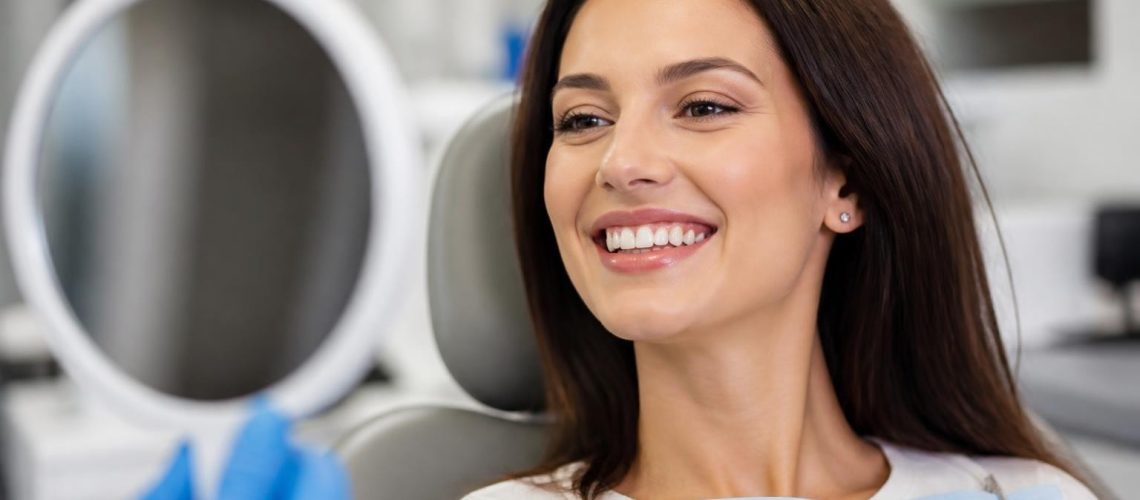
Your smile is often the first thing people notice about you, and in 2026, modern dental technology has made it easier than ever to achieve the confident, radiant smile you’ve always wanted. Whether you’re dealing with discolored teeth, chips, gaps, or misalignment, cosmetic dentistry offers a comprehensive range of solutions designed to enhance both the appearance and function of your teeth. Unlike general dentistry, which focuses primarily on oral health and disease prevention, cosmetic procedures emphasize aesthetic improvements while maintaining the structural integrity of your dental foundation. With advanced techniques, customized treatment plans, and patient-centered approaches, transforming your smile has become a straightforward, accessible process for individuals across all age groups.
Understanding Modern Cosmetic Dentistry
Cosmetic dentistry encompasses a wide spectrum of procedures aimed at improving the visual appearance of your teeth, gums, and overall smile. The field has evolved dramatically over the past decade, incorporating digital imaging, advanced materials, and minimally invasive techniques.
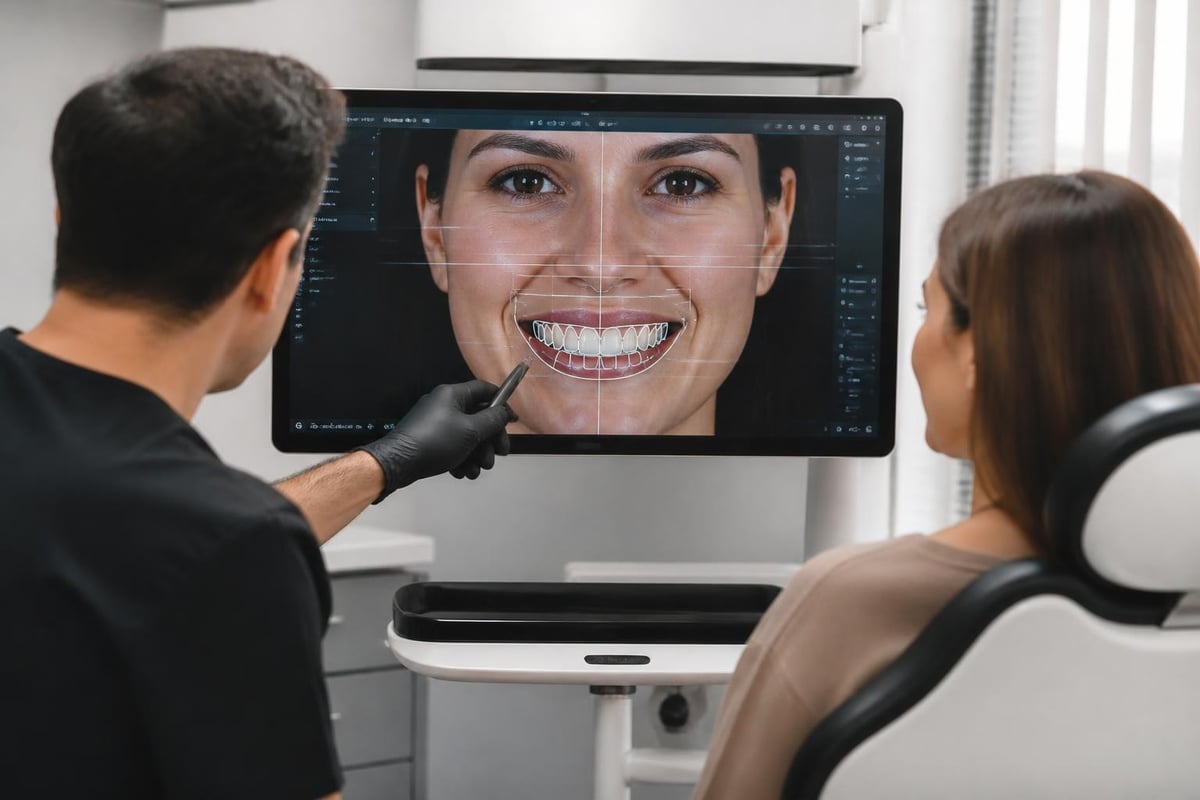
Modern cosmetic procedures go beyond simple aesthetics. They address functional concerns while enhancing appearance, creating results that look natural and last for years. The integration of digital technology has revolutionized treatment planning, allowing patients to preview their results before any work begins.
The Evolution of Aesthetic Dental Treatments
The cosmetic dentistry landscape has transformed significantly since the early 2000s. Materials have improved, procedures have become less invasive, and results appear more natural than ever before.
-
Digital smile design allows precise treatment planning
-
Advanced bonding materials create seamless, durable restorations
-
Same-day procedures reduce treatment time significantly
-
Computer-aided manufacturing ensures perfect fit and appearance
-
Biocompatible materials minimize allergic reactions and sensitivity
Traditional methods required multiple appointments, uncomfortable impressions, and temporary restorations that often failed. Today’s approaches utilize 3D scanning, digital modeling, and precise fabrication techniques that enhance both comfort and outcomes.
Who Benefits from Cosmetic Dental Procedures
Cosmetic dentistry serves patients with diverse needs and goals. From minor adjustments to complete smile transformations, these procedures address both psychological and physical concerns.
Young professionals seeking career advancement often invest in smile enhancement to boost confidence during presentations and networking. Wedding parties frequently schedule treatments months before their big day to ensure perfect smiles in photographs. Mature adults use cosmetic procedures to reverse years of wear, staining, or damage, reclaiming a youthful appearance.
Beyond aesthetics, many patients experience improved oral health. Straightening crooked teeth makes cleaning easier, reducing cavity risk. Replacing missing teeth prevents bone loss and maintains facial structure. Repairing worn enamel protects against further damage.
Popular Cosmetic Dentistry Procedures
The range of available treatments allows customization based on individual needs, budgets, and timelines. Understanding each option helps patients make informed decisions about their oral care.
Teeth Whitening and Brightening Solutions
Professional teeth whitening remains the most requested cosmetic procedure. In-office treatments deliver dramatic results in a single visit, while take-home kits provide gradual improvement over several weeks.
|
Treatment Type |
Duration |
Results |
Longevity |
|---|---|---|---|
|
In-Office Whitening |
60-90 minutes |
6-10 shades lighter |
1-3 years |
|
Custom Take-Home Trays |
2-4 weeks |
4-8 shades lighter |
1-2 years |
|
Over-the-Counter Products |
4-8 weeks |
2-4 shades lighter |
3-6 months |
Professional whitening outperforms retail products because it uses higher-concentration bleaching agents under controlled conditions. Dentists customize treatment intensity based on tooth sensitivity, existing dental work, and desired outcomes.
Stains from coffee, tea, wine, and tobacco respond well to whitening. However, intrinsic discoloration from medications or trauma may require alternative solutions like veneers or bonding.
Porcelain Veneers for Complete Transformations
Porcelain veneers represent the gold standard for dramatic smile makeovers. These thin shells of medical-grade ceramic bond to the front surface of teeth, masking imperfections and creating a flawless appearance.
Veneers address multiple concerns simultaneously:
-
Severe discoloration that doesn’t respond to whitening
-
Chips, cracks, or minor fractures
-
Gaps between teeth
-
Slight misalignment or rotation
-
Worn or uneven tooth edges
-
Irregularly shaped teeth
The process typically requires two appointments. During the first visit, dentists prepare teeth by removing a minimal amount of enamel, take precise impressions, and place temporary veneers. Laboratory technicians craft custom porcelain shells matching the patient’s desired shade, shape, and size. At the second appointment, permanent veneers are bonded in place using specialized adhesives.
Modern veneers last 10 to 15 years with proper care. They resist staining better than natural enamel and maintain their luster indefinitely.
Dental Bonding for Quick Corrections
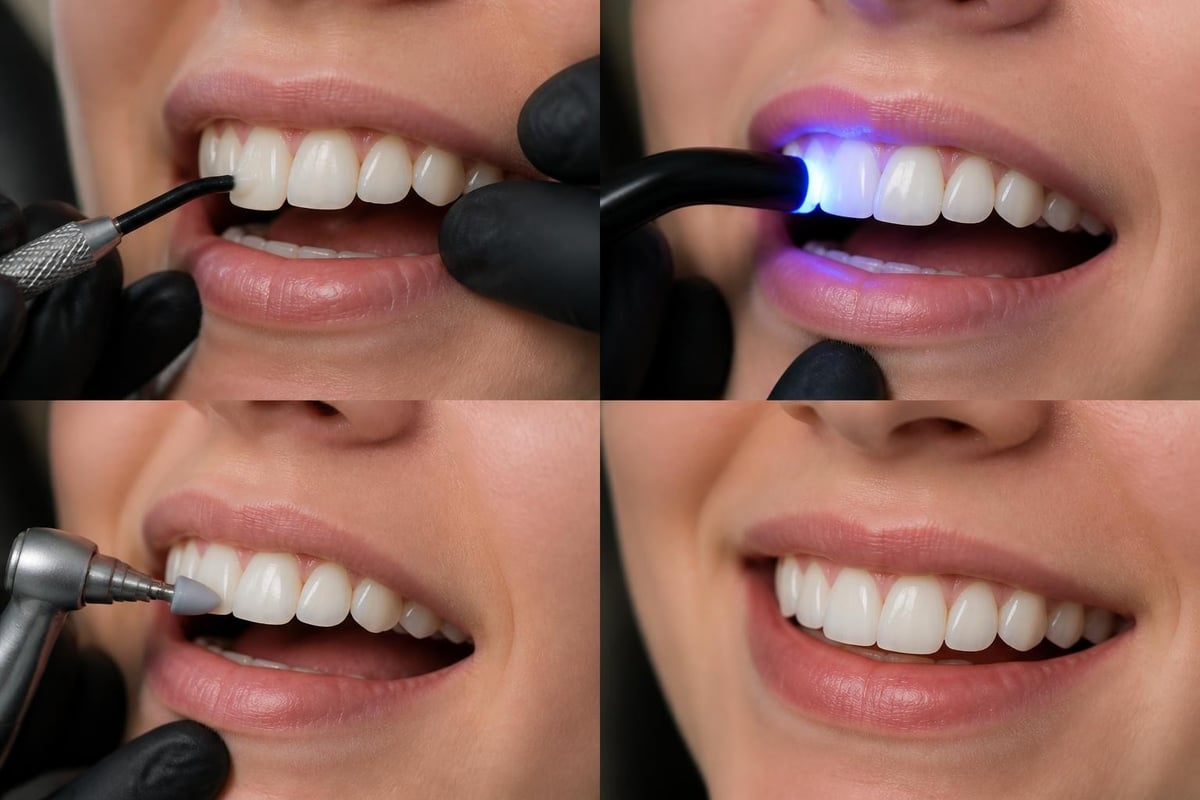
Composite bonding offers an economical, minimally invasive alternative to veneers for minor cosmetic issues. Dentists apply tooth-colored resin material directly to teeth, sculpting and shaping it to correct imperfections.
Bonding excels for:
Single-tooth repairs rather than full smile makeovers. The procedure requires no anesthesia in most cases and can be completed in one appointment. Dentists roughen the tooth surface, apply bonding liquid, then layer composite resin in the desired shape. Ultraviolet light hardens each layer, and final polishing creates a natural appearance.
While less durable than veneers, bonding lasts 3 to 7 years and can be repaired or replaced easily. It’s ideal for patients seeking conservative, budget-friendly improvements.
Clear Aligners and Orthodontic Options
Straightening teeth no longer requires metal brackets and wires. Modern orthodontics offers discreet, comfortable alternatives that fit adult lifestyles.
Clear aligner systems use a series of custom-fitted, removable trays to gradually shift teeth into proper position. Patients wear each set for about two weeks before progressing to the next stage. Treatment typically takes 6 to 18 months depending on complexity.
Advantages over traditional braces include:
-
Nearly invisible appearance during treatment
-
Removable for eating, drinking, and special occasions
-
No dietary restrictions
-
Easier brushing and flossing
-
Fewer office visits required
-
Predictable results through digital planning
Aligners work best for mild to moderate crowding, spacing issues, and bite problems. Complex cases may still require traditional orthodontics, but technological advances have expanded clear aligner capabilities significantly.
Advanced Cosmetic Dentistry Treatments
Beyond basic procedures, advanced treatments address more complex aesthetic and functional concerns. These options require specialized expertise and often involve multidisciplinary approaches.
Dental Implants for Permanent Solutions
When it comes to replacing missing teeth, dental implants provide the most natural-looking and functional results. Unlike bridges or dentures, implants integrate with jawbone, preventing bone loss and maintaining facial structure.
The cosmetic dental treatment process involves surgically placing a titanium post into the jawbone, which serves as an artificial root. After a healing period of 3 to 6 months, a custom crown is attached to the post, completing the restoration.
|
Replacement Option |
Durability |
Bone Preservation |
Adjacent Teeth |
Cost Range |
|---|---|---|---|---|
|
Dental Implants |
20+ years |
Excellent |
No impact |
$3,000-$6,000 |
|
Fixed Bridge |
10-15 years |
None |
Requires alteration |
$2,000-$5,000 |
|
Partial Denture |
5-10 years |
None |
Minimal impact |
$1,000-$3,000 |
Implants feel and function like natural teeth. They don’t slip during eating or speaking, require no special cleaning beyond regular brushing and flossing, and protect surrounding teeth from shifting.
Gum Contouring and Smile Line Enhancement
A beautiful smile depends on proper balance between teeth and gums. Excessive gum tissue creates a “gummy smile,” while receding gums expose tooth roots and create an aged appearance.
Gum contouring reshapes the gum line using laser technology or traditional surgical techniques. The procedure removes excess tissue, reveals more tooth surface, and creates symmetry across the smile.
Laser gum contouring offers significant advantages. It requires no scalpels or sutures, causes minimal bleeding, and heals faster than conventional surgery. Most patients experience little discomfort and return to normal activities within days.
The procedure often complements other cosmetic treatments. Veneers or crowns achieve optimal results when gum tissue is properly proportioned. Many comprehensive smile makeovers incorporate gum contouring as a foundational step.
Full Mouth Reconstructions
Some patients require extensive work to achieve their ideal smile. Full mouth reconstruction combines multiple procedures to address widespread dental issues affecting appearance, function, and oral health.
These comprehensive treatment plans may include:
-
Replacing all missing teeth with implants or bridges
-
Restoring severely worn or damaged teeth with crowns
-
Correcting bite alignment problems
-
Treating gum disease and bone loss
-
Whitening or veneering visible teeth
-
Orthodontic alignment when necessary
Treatment typically occurs in phases over several months. Dentists prioritize procedures based on urgency, creating a roadmap that addresses immediate concerns first while building toward the final aesthetic goal. Digital treatment planning allows patients to see projected outcomes before committing to extensive work.
Cost Considerations and Investment Planning
Understanding the financial aspects of cosmetic dentistry helps patients make informed decisions and plan appropriately. Prices vary based on procedure complexity, materials used, geographic location, and provider expertise.
Procedure Cost Breakdown
Cosmetic dentistry represents an investment in both appearance and self-confidence. While prices may seem substantial, considering longevity and psychological benefits provides important context.
Typical cost ranges for common procedures:
-
Professional teeth whitening: $500 to $1,200
-
Composite bonding per tooth: $300 to $600
-
Porcelain veneer per tooth: $1,000 to $2,500
-
Single dental implant with crown: $3,000 to $6,000
-
Clear aligner treatment: $3,500 to $8,000
-
Gum contouring per arch: $1,000 to $3,000
Geographic location significantly impacts pricing. Urban areas with higher overhead costs typically charge more than rural regions. Provider experience also influences fees, with specialists commanding premium rates for advanced training and expertise.
Insurance Coverage and Payment Options
Most dental insurance plans classify cosmetic procedures as elective, providing limited or no coverage. However, treatments that improve function alongside appearance may receive partial reimbursement.
For example, crowns that restore broken teeth often qualify for coverage even when they enhance aesthetics. Orthodontics may be covered for adults when bite problems cause jaw pain or excessive wear. Implants replacing teeth lost to decay or trauma sometimes receive consideration.
Financing strategies include:
-
Healthcare credit cards with promotional interest rates
-
In-house payment plans through dental practices
-
Personal loans from banks or credit unions
-
Health savings accounts for pre-tax payment
-
Dental discount plans that reduce procedure costs
Many practices offer free consultations where dentists review treatment options, provide cost estimates, and explain payment alternatives. This allows patients to explore possibilities without financial commitment.

Selecting the Right Cosmetic Dentist
Provider selection significantly impacts treatment outcomes and patient satisfaction. Experience, credentials, technology, and communication style all deserve consideration during the evaluation process.
Essential Qualifications and Experience
While all dentists receive basic training in cosmetic procedures during dental school, additional education and hands-on experience differentiate exceptional providers.
Look for dentists who:
-
Complete continuing education courses in cosmetic techniques
-
Maintain membership in aesthetic dentistry organizations
-
Regularly perform the specific procedures you’re considering
-
Use modern technology and materials
-
Show extensive before-and-after portfolios
-
Receive positive patient reviews and testimonials
Board certification in cosmetic dentistry doesn’t exist, as it’s not a recognized specialty by the American Dental Association. However, credentials from organizations like the American Academy of Cosmetic Dentistry indicate commitment to excellence in aesthetic dentistry.
Technology and Treatment Approach
Modern cosmetic dentistry relies heavily on advanced technology for diagnosis, planning, and execution. Practices that invest in current equipment typically deliver superior results.
Key technologies to look for:
|
Technology |
Benefit |
Application |
|---|---|---|
|
Digital Smile Design |
Visualize results before treatment |
All cosmetic procedures |
|
3D Cone Beam Imaging |
Precise implant placement planning |
Implants, extractions |
|
Intraoral Scanners |
Comfortable, accurate impressions |
Veneers, crowns, aligners |
|
CAD/CAM Systems |
Same-day restorations |
Crowns, veneers, inlays |
|
Laser Dentistry |
Minimally invasive gum procedures |
Contouring, periodontal therapy |
Beyond equipment, treatment philosophy matters. Patient-centered practices involve you in decision-making, explain options thoroughly, and never pressure you into unnecessary procedures. They develop customized treatment plans based on your goals, timeline, and budget rather than pushing standardized solutions.
Consultation and Communication
The initial consultation reveals much about a practice’s approach and priorities. Quality providers conduct comprehensive examinations, discuss concerns thoroughly, and present multiple treatment options.
During consultations, observe how staff and dentists interact with you. Do they listen attentively? Answer questions completely? Respect your timeline and budget constraints? Strong communication predicts positive long-term relationships.
Ask specific questions about:
-
How many similar cases they’ve completed
-
What results you can realistically expect
-
Alternative treatment approaches
-
Timeline from start to finish
-
What happens if you’re not satisfied with results
-
Maintenance requirements and longevity
Reputable dentists provide honest assessments, acknowledge limitations, and refer to specialists when appropriate. They never guarantee perfection or pressure immediate decisions.
Maintaining Your Cosmetic Dentistry Results
Investment in cosmetic dentistry delivers the best return when results last for years. Proper maintenance, lifestyle adjustments, and regular professional care protect your enhanced smile.
Daily Care and Protection
Most cosmetic restorations require no special care beyond excellent oral hygiene. Brushing twice daily, flossing once daily, and using antimicrobial mouthwash preserve both natural teeth and cosmetic work.
Specific considerations for different treatments:
Veneers and crowns resist staining but require gentle handling. Avoid biting hard objects like ice, fingernails, or pen caps. Don’t use teeth as tools to open packages. If you grind teeth at night, wear a custom nightguard to prevent damage.
Whitening results fade gradually as teeth accumulate new stains. Limit consumption of dark beverages like coffee, tea, and red wine. When you do indulge, rinse with water afterward. Touch-up treatments every 6 to 12 months maintain brightness.
Dental implants demand meticulous cleaning around the gum line. Use interdental brushes or water flossers to remove debris where implant meets tissue. Inflammation around implants can lead to bone loss and failure.
Clear aligners work only when worn 20 to 22 hours daily. Remove them only for eating, drinking anything besides water, and oral hygiene. Clean aligners with antibacterial soap and cool water, never hot water that warps plastic.
Professional Maintenance Schedule
Regular dental visits allow early detection and correction of problems before they compromise cosmetic work. Most patients should schedule examinations and cleanings every six months.
During these appointments, dentists:
-
Inspect restorations for chips, cracks, or loosening
-
Professional clean around veneers, crowns, and implants
-
Check bite alignment and make adjustments if needed
-
Polish composite bonding to maintain luster
-
Assess gum health and treat inflammation
-
Provide touch-up whitening when appropriate
Some procedures require periodic updates. Bonding typically lasts 3 to 7 years before needing replacement. Veneers may require updating after 10 to 15 years. Implant crowns occasionally need replacement while the implant post remains functional.
Building relationships with your dental team ensures continuity of care. Providers familiar with your dental history, aesthetic preferences, and treatment goals deliver more consistent, personalized service over time.
Common Questions About Cosmetic Dentistry
Patients considering aesthetic dental treatments often share similar concerns and questions. Understanding these common topics helps set realistic expectations and reduce anxiety.
Does Cosmetic Dentistry Hurt?
Modern techniques and anesthetics make most cosmetic procedures comfortable. Many treatments require no anesthesia at all.
Teeth whitening may cause temporary sensitivity, typically managed with desensitizing toothpaste. Bonding and veneer preparation involve minimal tooth alteration and usually need only local anesthesia. Implant placement requires anesthesia during surgery, but most patients report less discomfort than expected during healing.
Dentists offer various sedation options for anxious patients, from nitrous oxide to oral sedatives to IV sedation. These approaches allow comfortable completion of extensive work in fewer appointments.
How Long Do Results Last?
Longevity depends on the specific procedure, material quality, and how well you maintain results.
-
Whitening: 1 to 3 years with touch-ups
-
Bonding: 3 to 7 years before replacement
-
Veneers: 10 to 15 years with proper care
-
Crowns: 10 to 20 years depending on material
-
Implants: 20+ years, often lifetime
-
Orthodontics: Permanent with retainer use
Quality materials and expert placement extend lifespan significantly. Skimping on costs often means more frequent replacements, ultimately costing more than investing in premium options initially.
Can Cosmetic Procedures Be Combined?
Combining procedures often produces more comprehensive results while reducing overall treatment time. Many patients pursue smile makeovers that integrate multiple approaches.
Common combinations include:
-
Whitening before veneers to lighten surrounding teeth
-
Gum contouring before veneer placement for optimal proportions
-
Orthodontics followed by whitening and bonding
-
Implants integrated into full mouth reconstruction
-
Crown lengthening with veneer placement
Comprehensive treatment planning considers how procedures interact and sequences them for maximum efficiency and aesthetic impact. Digital smile design helps visualize how multiple treatments work together toward your ideal outcome.
Will People Notice I’ve Had Work Done?
Modern cosmetic dentistry produces natural-looking results that enhance your appearance without obvious artificial characteristics. The goal is creating beautiful smiles that don’t look “done.”
Quality work considers:
-
Natural tooth proportions and shapes
-
Appropriate shade selection matching surrounding teeth
-
Proper translucency and light reflection
-
Individual variations rather than perfect uniformity
-
Age-appropriate characteristics
When performed expertly, veneers, crowns, and bonding blend seamlessly with natural teeth. People notice your improved smile without identifying specific interventions. The transformation appears as though you simply took exceptional care of your natural teeth.
Preparing for Your Cosmetic Dentistry Journey
Successful outcomes begin with thorough preparation and clear communication with your dental team. Taking time to research, plan, and ask questions sets the foundation for satisfaction with results.
Setting Realistic Goals and Expectations
Understanding what cosmetic dentistry can and cannot achieve prevents disappointment. While modern procedures produce remarkable transformations, certain limitations exist.
Cosmetic dentistry excels at:
Correcting color, shape, size, alignment, and proportions of teeth. It repairs damage, replaces missing teeth, and creates balanced, symmetrical smiles. Advanced techniques can take years off your appearance and dramatically boost confidence.
Limitations to consider:
Facial structure, lip shape, and bone architecture influence final appearance. Dentists work within these parameters rather than against them. Extremely complex bite problems may require orthodontics or jaw surgery beyond cosmetic procedures. Unrealistic expectations like achieving celebrity smiles without considering your unique features may lead to disappointment.
Creating Your Treatment Timeline
Cosmetic procedures range from single-appointment solutions to multi-phase treatments spanning months. Understanding timelines helps you plan around work, social events, and budget constraints.
Simple procedures like whitening or bonding complete in one or two visits over a few weeks. Veneers typically require two appointments separated by 2 to 3 weeks. Clear aligner treatment spans 6 to 18 months with check-ins every 6 to 8 weeks. Implants involve surgery, healing time, and crown placement over 4 to 8 months.
For time-sensitive events like weddings, start planning 6 to 12 months in advance. This allows comprehensive treatment without rushing, ensures optimal healing, and provides buffer time for any adjustments.
Questions to Ask Your Dentist
Thorough consultations clarify treatment details and build confidence in your chosen provider. Prepare questions in advance to ensure you cover all concerns.
Essential questions include:
-
What are all my treatment options for achieving my goals?
-
Which approach do you recommend and why?
-
How many similar cases have you completed?
-
May I see before-and-after photos of your work?
-
What results can I realistically expect?
-
What is the complete timeline from start to finish?
-
What is the total cost including all phases?
-
What payment options do you offer?
-
What happens if I’m not satisfied with the results?
-
What maintenance will be required long-term?
Don’t hesitate to request second opinions, especially for extensive or expensive treatments. Reputable dentists welcome informed patients who take their dental health seriously.
The Psychological Impact of Smile Transformation
Beyond physical improvements, cosmetic dentistry profoundly affects emotional well-being, self-perception, and social interactions. Research consistently demonstrates the psychological benefits of enhanced smiles.
Confidence and Self-Esteem Benefits
Dental appearance significantly influences how people feel about themselves. Those dissatisfied with their smiles often hide them, avoid photographs, and feel self-conscious in social situations.
Studies show that individuals who undergo cosmetic dental treatment report:
-
Increased self-confidence in professional settings
-
Greater willingness to smile and laugh freely
-
Improved performance in job interviews
-
Enhanced romantic relationship satisfaction
-
Reduced social anxiety and self-consciousness
-
More positive self-image and body satisfaction
The transformation extends beyond teeth. When people feel good about their smiles, they carry themselves differently. Posture improves, eye contact increases, and overall demeanor becomes more open and engaging.
Professional and Social Advantages
In professional environments, appearance influences perceptions of competence, trustworthiness, and success. A confident smile creates positive first impressions during interviews, presentations, and client meetings.
Career benefits include:
Research indicates that people with attractive smiles are perceived as more intelligent, successful, and approachable. They receive more positive responses in customer-facing roles, networking situations, and leadership positions.
Social benefits are equally significant. Dating profiles featuring bright, healthy smiles receive more attention. People with aesthetic dental work report greater satisfaction with their social lives and more active engagement in activities they previously avoided.
Long-Term Quality of Life Improvements
The decision to invest in cosmetic dentistry creates ripple effects that extend for years. Improved oral health reduces disease risk and preserves natural teeth longer. Enhanced aesthetics motivate better home care and regular professional maintenance.
Patients frequently describe their smile transformation as life-changing, affecting areas far beyond dental health. The investment in appearance translates into improved mental health, expanded opportunities, and enhanced overall quality of life.
Technological Innovations Shaping Cosmetic Dentistry
The field continues evolving rapidly, with new materials, techniques, and technologies expanding possibilities and improving outcomes. Staying informed about innovations helps patients make current, evidence-based decisions.
Digital Dentistry and AI Integration
Artificial intelligence now assists with diagnosis, treatment planning, and outcome prediction. AI algorithms analyze thousands of successful cases to recommend optimal approaches for specific situations.
Digital workflow integration connects scanning, design, and manufacturing seamlessly. Patients receive precise, predictable results faster than traditional methods allowed. Same-day dentistry becomes increasingly common as technology reduces laboratory dependency.
Virtual reality tools help anxious patients relax during procedures. Augmented reality assists dentists during complex treatments, overlaying digital information onto their actual field of view for enhanced precision.
Advanced Materials and Biocompatibility
New ceramic formulations combine exceptional strength with natural translucency. These materials resist fracture better than traditional porcelain while maintaining aesthetic properties that perfectly mimic natural enamel.
Bioactive materials actively promote tooth remineralization and bacterial resistance. When used for bonding or fillings, they release beneficial ions that strengthen surrounding tooth structure and prevent secondary decay.
Metal-free restorations eliminate concerns about allergies, galvanic reactions, and the gray shadowing that metal-backed crowns can create near gum lines. All-ceramic options provide superior aesthetics for visible teeth.
Minimally Invasive Techniques
Modern cosmetic dentistry increasingly emphasizes tooth preservation. Ultra-thin veneers require minimal or no tooth preparation. Adhesive technologies bond restorations without extensive drilling. Laser procedures eliminate need for scalpels and sutures.
These conservative approaches preserve natural tooth structure, reduce discomfort, and maintain long-term dental health. Patients benefit from faster healing, less invasive procedures, and better outcomes that don’t compromise their natural teeth unnecessarily.
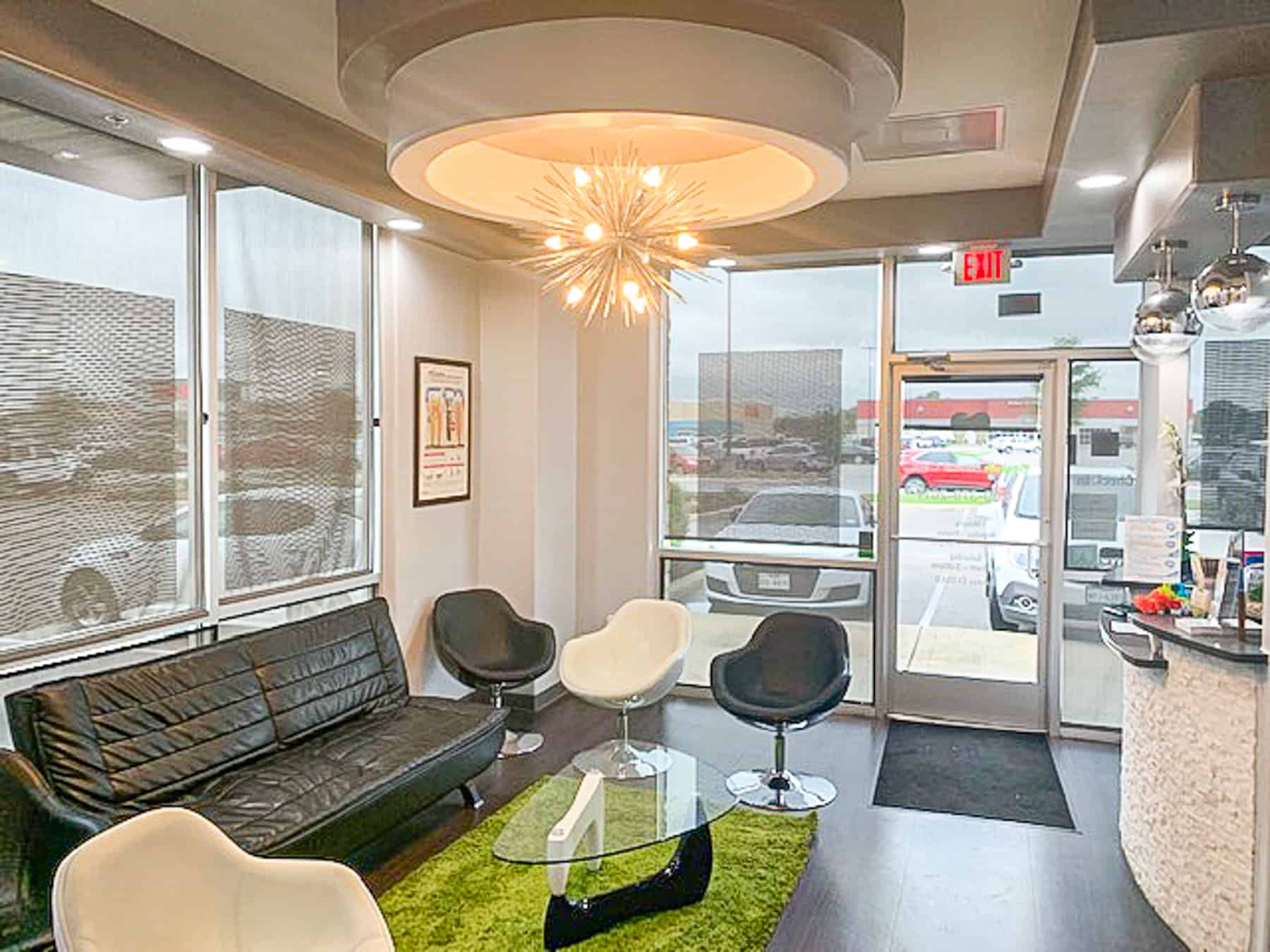
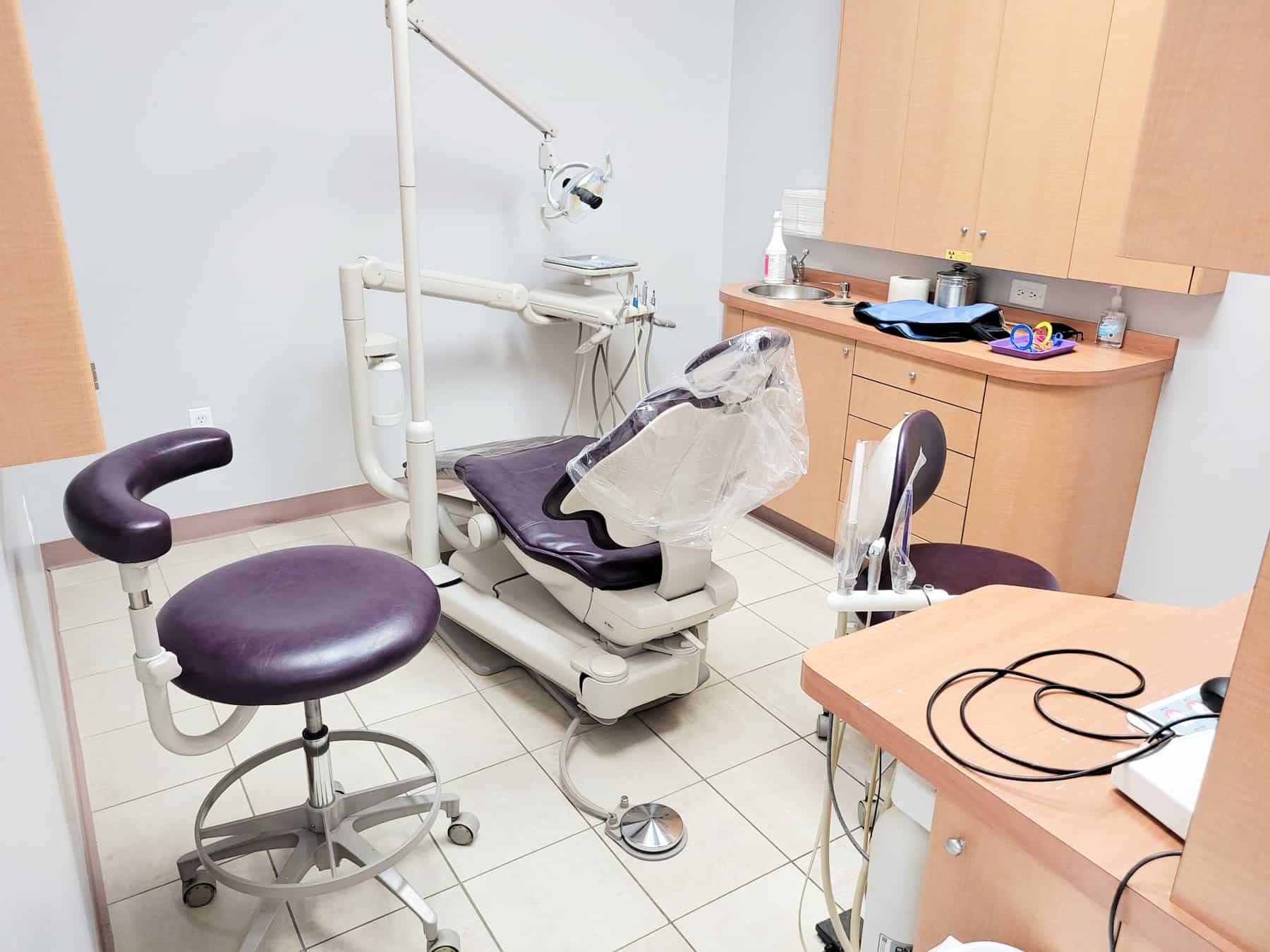
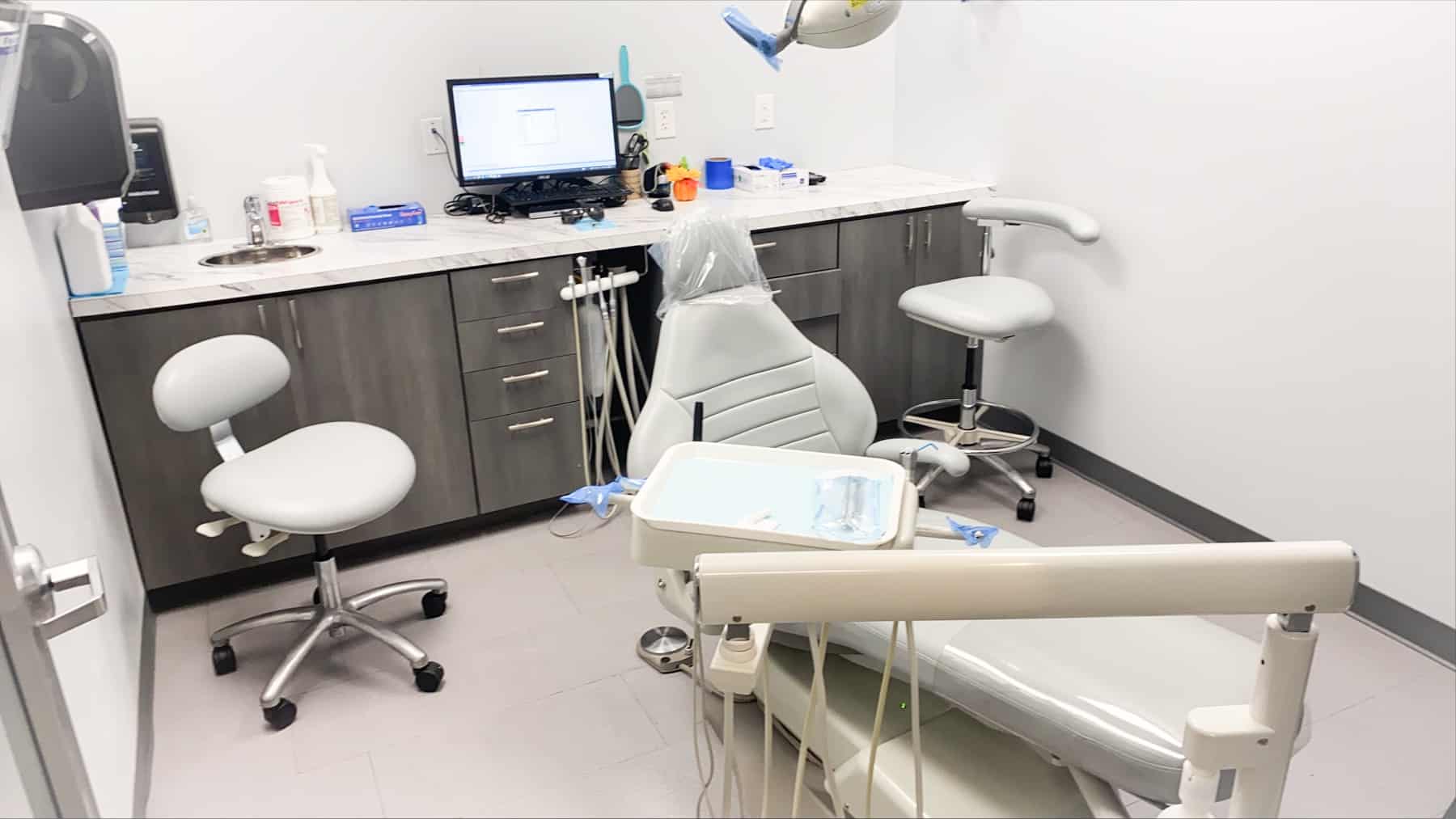
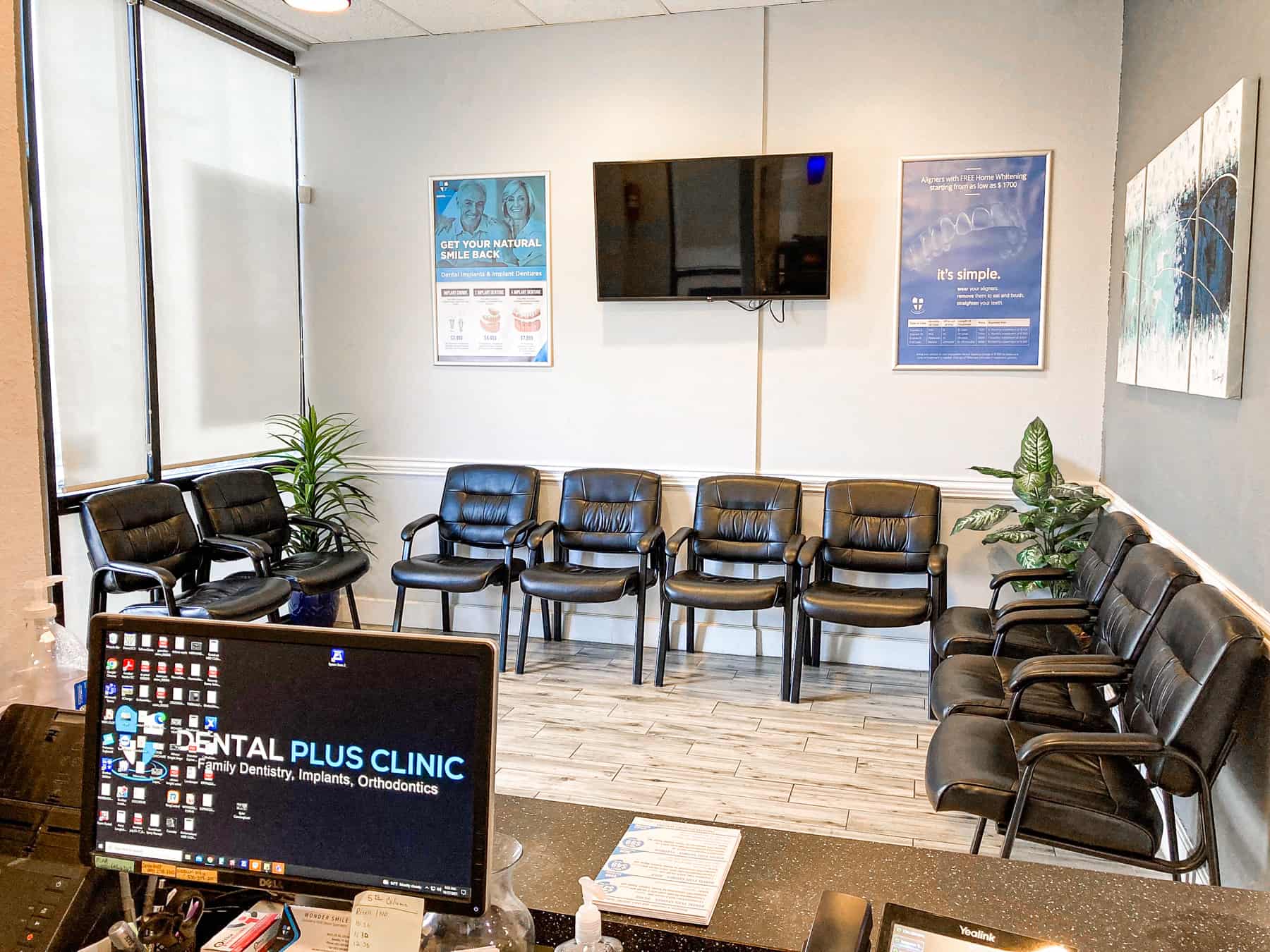
Modern cosmetic dentistry offers transformative solutions for virtually any aesthetic concern, combining advanced technology with personalized care to deliver natural-looking, long-lasting results. Whether you’re seeking minor refinements or comprehensive smile makeovers, understanding your options empowers informed decision-making about your oral health and appearance. Dental Plus Clinic provides comprehensive cosmetic dentistry services across five convenient Texas locations, combining cutting-edge technology with patient-focused care to help you achieve the confident, beautiful smile you deserve. Schedule a consultation today to explore how our experienced team can transform your smile and boost your confidence.