
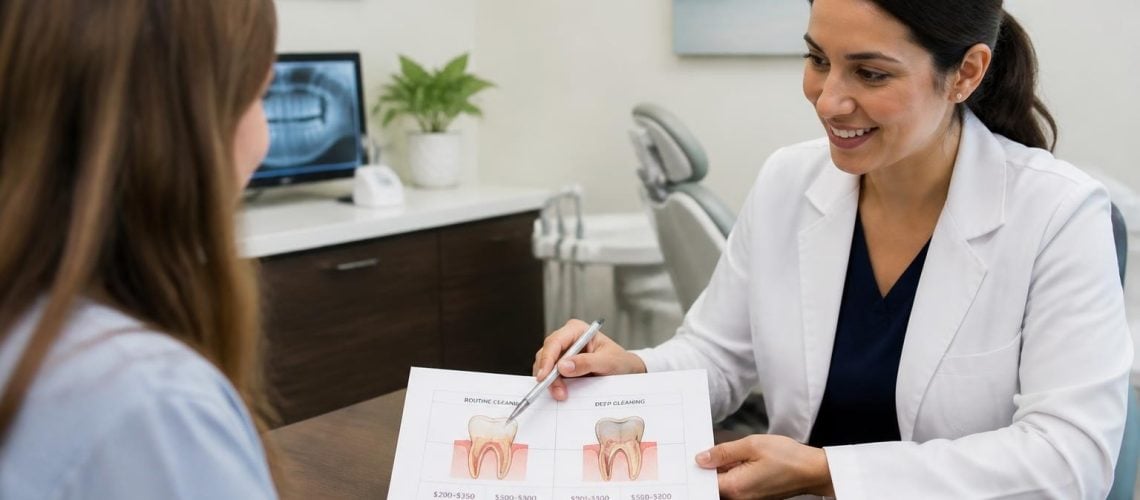
Understanding what you'll pay for dental cleanings is essential for budgeting your family's healthcare expenses and maintaining optimal oral health. The dental cleaning cost in 2026 varies widely depending on the type of cleaning needed, your location in Texas, insurance coverage, and the specific procedures required during your visit. Whether you're scheduling a routine prophylaxis or need a more intensive deep cleaning, knowing the price ranges and factors that influence costs empowers you to make informed decisions about your oral health without unexpected financial surprises.
Understanding Different Types of Dental Cleanings and Their Costs
Not all dental cleanings are created equal. The type of cleaning your dentist recommends directly impacts the final price you'll pay.
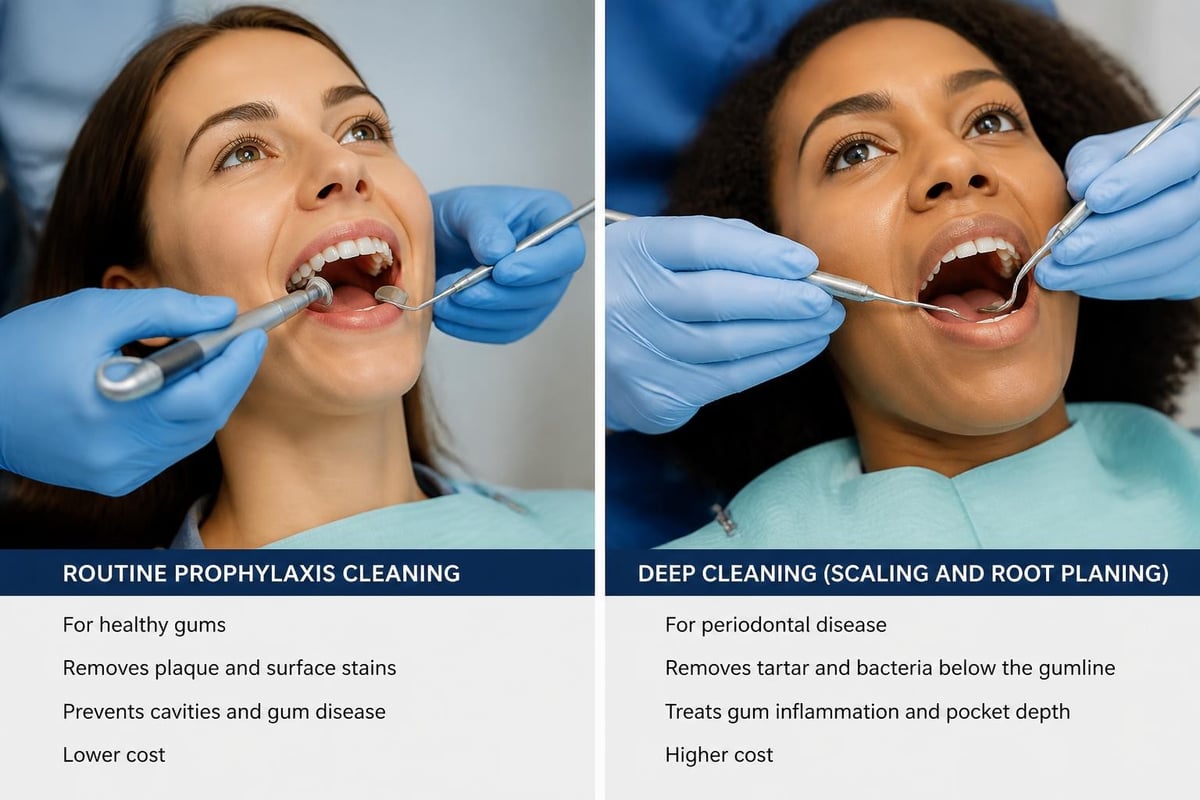
Routine Prophylaxis Cleaning
A standard prophylaxis cleaning is the preventive service most people receive during their biannual dental visits. This procedure removes plaque and tartar from above the gumline, polishes teeth, and typically includes a fluoride treatment. The dental cleaning cost for routine prophylaxis in Texas generally ranges from $75 to $200 without insurance, depending on your location and the dental practice.
What's included in a routine cleaning:
- Plaque and tartar removal from tooth surfaces
- Professional polishing to remove surface stains
- Fluoride treatment for cavity prevention
- Basic oral examination and screening
- Dental hygiene education and recommendations
Most dental insurance plans cover two prophylaxis cleanings per year at 100%, making this the most affordable option for maintaining oral health. According to research from the American Dental Association, preventive services like cleanings remain the most commonly utilized dental procedures nationwide.
Deep Cleaning (Scaling and Root Planing)
When gum disease has developed, a deep cleaning becomes necessary. Also called scaling and root planing, this therapeutic procedure treats periodontal disease by removing bacteria, plaque, and tartar from below the gumline and smoothing root surfaces to promote healing.
The dental cleaning cost for deep cleaning is significantly higher because it's more time-intensive and often requires local anesthesia. Patients typically pay $150 to $350 per quadrant (one-quarter of the mouth), meaning a full-mouth deep cleaning can range from $600 to $1,400 without insurance coverage.
| Cleaning Type | Average Cost (No Insurance) | Time Required | Frequency Needed |
|---|---|---|---|
| Routine Prophylaxis | $75 – $200 | 30-60 minutes | Every 6 months |
| Deep Cleaning (per quadrant) | $150 – $350 | 45-90 minutes per quadrant | As needed for gum disease |
| Periodontal Maintenance | $100 – $300 | 45-60 minutes | Every 3-4 months |
The distinction between routine and deep cleaning matters significantly for both your oral health outcomes and your wallet. Healthline provides detailed guidance on when deep cleaning becomes medically necessary versus routine preventive care.
Periodontal Maintenance Cleanings
After completing deep cleaning treatment, patients with a history of gum disease require ongoing periodontal maintenance cleanings every three to four months instead of standard six-month cleanings. These specialized cleanings fall between routine and deep cleanings in both intensity and price.
The dental cleaning cost for periodontal maintenance typically ranges from $100 to $300 per visit. While more expensive than routine cleanings, they're essential for preventing gum disease recurrence and maintaining the results of initial periodontal therapy.
Key Factors That Influence Dental Cleaning Cost
Multiple variables affect what you'll ultimately pay for dental cleaning services in 2026.
Geographic Location Within Texas
Where you live significantly impacts dental care pricing. Urban areas with higher operating costs typically charge more than rural communities. Among Dental Plus Clinic's five Texas locations, you may notice slight price variations:
- Metropolitan areas (New Braunfels, Leander): Generally higher costs due to increased overhead
- Smaller communities (Beeville, Seguin, Converse): Often more competitive pricing
- Regional economic factors: Local cost of living and market competition
Practices in areas with more dentists competing for patients often offer more competitive rates and special promotions to attract new families.
Dental Insurance Coverage
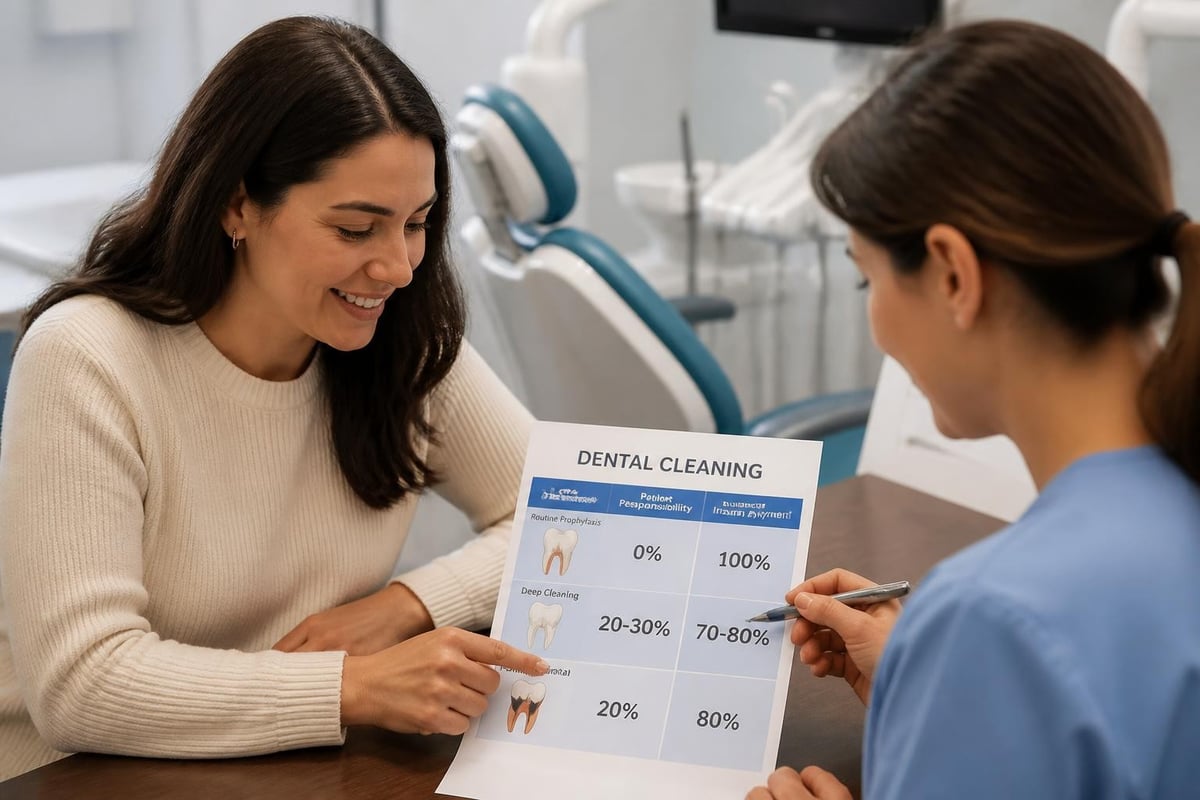
Insurance dramatically affects your out-of-pocket dental cleaning cost. Most dental insurance plans follow a structure that covers preventive care generously:
Typical insurance coverage breakdown:
- Preventive care (routine cleanings): 80-100% coverage
- Basic procedures (deep cleanings): 70-80% coverage
- Major procedures: 50% coverage
Many plans cover two routine cleanings per year at 100%, meaning patients pay nothing out-of-pocket. However, Medicare coverage for dental services remains extremely limited, typically excluding routine cleanings entirely unless connected to a covered medical procedure.
For patients with Medicaid, coverage varies significantly by state. Texas Medicaid provides dental benefits for children but limited coverage for adults. The ADA tracks state-by-state Medicaid fee schedules, which helps explain access disparities for low-income patients seeking affordable cleanings.
Additional Procedures and Diagnostic Services
Your dental cleaning appointment often includes additional services that affect the total cost. X-rays, for example, add $25 to $250 depending on the type:
- Bitewing X-rays (2-4 images): $25-$75
- Panoramic X-rays: $100-$200
- Full mouth series: $150-$300
Other common add-ons include fluoride treatments ($20-$50), dental sealants for children ($30-$60 per tooth), and oral cancer screenings ($25-$50). While these increase the immediate dental cleaning cost, they provide valuable preventive benefits that can save money long-term by catching problems early.
Dental Practice Type and Technology
The type of dental practice you visit influences pricing structures. Corporate dental chains often advertise lower base prices but may recommend more add-on services. Independent practices like Dental Plus Clinic typically build comprehensive care into the visit price and focus on long-term patient relationships rather than transaction volume.
Modern technology investments also affect costs. Practices using advanced ultrasonic scalers, laser therapy, digital X-rays, and computerized charting may charge slightly more but often provide more comfortable, efficient, and thorough cleanings.
Insurance Coverage and Payment Options for Dental Cleanings
Understanding your payment options helps you access needed dental care without financial strain.
Maximizing Dental Insurance Benefits
If you have dental insurance, strategic planning helps maximize your coverage benefits. Most plans operate on a calendar year, providing a set annual maximum (typically $1,000-$2,000).
Tips to maximize insurance benefits:
- Schedule cleanings before year-end if you haven't used preventive benefits
- Confirm your plan's covered frequency (some allow cleanings every six months, others limit to twice per calendar year)
- Understand the difference between prophylaxis and periodontal codes since insurance covers them differently
- Get pre-authorization for deep cleanings to know your exact out-of-pocket cost
- Coordinate with medical insurance since some systemic conditions qualify for medical coverage of related dental care
At Dental Plus Clinic, the team verifies insurance coverage before treatment and provides clear estimates of your responsibility.
Payment Plans and Financing Options
For patients without insurance or facing significant out-of-pocket costs, payment plans make dental care accessible. Many dental practices now offer:
- In-house payment plans with low or no interest for qualified patients
- Third-party financing through companies like CareCredit offering promotional periods
- Dental savings plans providing discounts for an annual membership fee (typically saving 10-60% on services)
- Flexible spending accounts (FSA) or health savings accounts (HSA) that allow pre-tax payment for dental care
The dental cleaning cost becomes manageable when spread over several months, especially when addressing multiple family members' needs simultaneously.
Special Discounts and Promotions
Dental practices frequently offer promotions to help families access affordable care. Dental Plus Clinic provides current promotions that may include:
- New patient specials with discounted initial cleaning and exam
- Family packages when multiple family members schedule together
- Seasonal promotions during National Dental Hygiene Month
- Senior citizen and military discounts
- Referral rewards for existing patients
These promotions can reduce the dental cleaning cost by 20-50%, making preventive care accessible even during tight budget months.
The True Cost of Skipping Regular Dental Cleanings
While the immediate dental cleaning cost may seem like an unnecessary expense, skipping preventive care leads to far more expensive problems down the road.
Financial Impact of Delayed Preventive Care
Research consistently demonstrates that preventive dental care reduces overall healthcare costs. A comprehensive study published in the National Library of Medicine found significant associations between preventive dental care and reduced medical expenditures, particularly for patients with chronic conditions.
Cost comparison of prevention versus treatment:
| Preventive Care | Cost | Treatment After Neglect | Cost |
|---|---|---|---|
| Routine cleaning (2x/year) | $150-$400 | Cavity filling | $200-$600 per tooth |
| Fluoride treatment | $20-$50 | Root canal | $800-$1,500 |
| Periodontal maintenance | $400-$1,200/year | Gum disease treatment | $500-$10,000+ |
| Regular exams | $50-$150 | Tooth extraction | $150-$650 |
| Professional cleaning | $75-$200 | Dental implant | $3,000-$6,000 per tooth |
The math clearly favors prevention. Investing $300-$500 annually in cleanings and checkups prevents thousands in restorative work.
Health Consequences Beyond Your Mouth
The comprehensive Oral Health in America report documents extensive connections between oral health and systemic conditions. Poor oral health resulting from skipped cleanings contributes to:
- Cardiovascular disease and increased heart attack risk
- Poorly controlled diabetes with higher blood sugar levels
- Respiratory infections from bacteria in oral cavity
- Pregnancy complications including preterm birth
- Cognitive decline in older adults
These health impacts create medical costs that dwarf the dental cleaning cost you might have saved by skipping appointments. Consumer Reports emphasizes that preventive care represents the most cost-effective approach to maintaining both oral and overall health.
Time and Discomfort Costs
Beyond financial considerations, delayed care creates time costs and increased discomfort. A routine 45-minute cleaning prevents future appointments for:
- Multiple fillings requiring several visits
- Root canal therapy spanning two or more appointments
- Periodontal surgery with extended recovery periods
- Complex restorative work with temporary restrictions
The convenience factor of quick preventive care versus extensive treatment time represents another hidden cost of skipping cleanings.
What to Expect During Your Dental Cleaning Appointment
Understanding the cleaning process helps you appreciate the value you receive for the dental cleaning cost.
The Standard Cleaning Procedure
A typical professional cleaning appointment at Dental Plus Clinic follows a systematic approach designed to thoroughly clean your teeth while monitoring your oral health.
Step-by-step cleaning process:
- Health history review – Discussing changes in medications, health conditions, or concerns since your last visit
- Visual examination – The hygienist checks for signs of decay, gum disease, oral cancer, and other issues
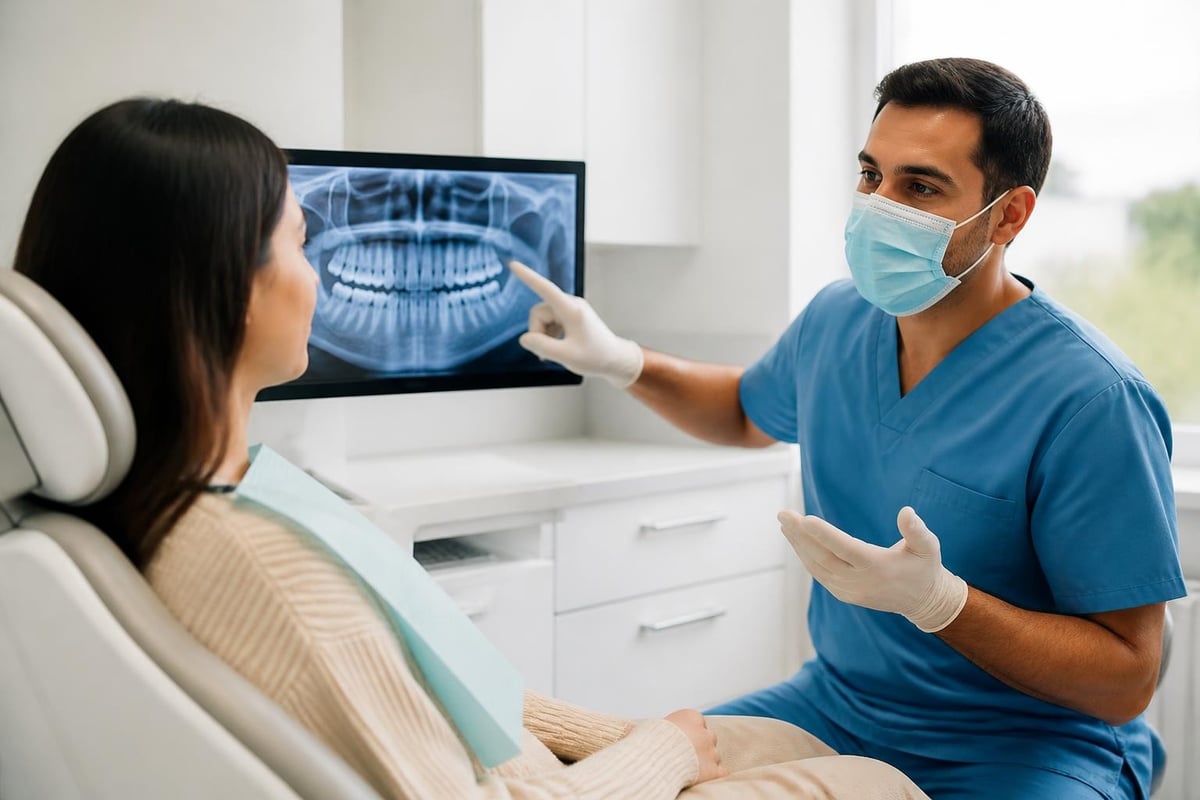
- X-rays (if scheduled) – Digital imaging to detect problems not visible during visual exam
- Plaque and tartar removal – Using hand instruments and ultrasonic scalers to remove buildup above and below the gumline
- Professional polishing – Smoothing tooth surfaces and removing surface stains with a gritty paste
- Flossing – Demonstrating proper technique while cleaning between all teeth
- Fluoride treatment – Strengthening enamel with professional-grade fluoride application
- Dentist examination – The dentist reviews findings, discusses treatment needs, and answers questions
- Treatment planning – Scheduling any necessary follow-up procedures
This comprehensive approach takes 45-90 minutes depending on your oral health status and ensures the dental cleaning cost delivers thorough preventive care.
Deep Cleaning Process
When periodontal disease requires deep cleaning, the process differs significantly from routine prophylaxis. Many patients receive local anesthesia for comfort during the more intensive procedure.
The hygienist or periodontist carefully cleans each quadrant of your mouth, removing calculus deposits from deep periodontal pockets and smoothing root surfaces. This process may occur over multiple appointments to ensure thoroughness and patient comfort.
Post-treatment care instructions help maximize healing and prevent reinfection. Patients typically experience some sensitivity and minor discomfort for several days, managed with over-the-counter pain relievers and saltwater rinses.
Strategies to Reduce Your Dental Cleaning Cost
Smart planning and preventive habits help minimize your out-of-pocket expenses for dental care.
Preventive Care at Home
The most effective way to control dental cleaning cost is preventing problems that require expensive treatment. Excellent home care between professional cleanings maintains oral health and may reduce the frequency of needed interventions.
Essential daily habits:
- Brush twice daily for two minutes using fluoride toothpaste
- Floss once daily to remove plaque between teeth where brushes can't reach
- Use antimicrobial mouthwash to reduce bacteria levels
- Limit sugary and acidic foods that promote tooth decay
- Drink fluoridated water to strengthen enamel throughout the day
- Replace toothbrush every three months or when bristles fray
Research shows that patients who maintain excellent home care often need only routine cleanings rather than intensive periodontal therapy. For families wondering how to reduce dental care costs, home prevention represents the most powerful strategy.
Choosing the Right Dental Practice
Selecting a dental practice focused on preventive care and patient education rather than maximizing treatment volume helps control costs long-term. Look for practices that:
- Provide comprehensive cleanings without rushing through appointments
- Educate patients on effective home care techniques
- Offer transparent pricing before treatment
- Accept multiple insurance plans or provide affordable self-pay options
- Emphasize prevention over expensive reactive treatment
Dental Plus Clinic's five Texas locations in Beeville, Seguin, New Braunfels, Leander, and Converse prioritize building long-term relationships with families through education and preventive focus.
Timing Your Dental Visits Strategically
Strategic scheduling maximizes insurance benefits and budgeting flexibility. Consider these timing strategies:
Optimize insurance calendar:
- Schedule your second annual cleaning early in the year if your first was late the previous year
- Complete necessary treatments before reaching annual maximums
- If changing jobs or insurance, schedule appointments before coverage lapses
Family scheduling efficiency:
- Book multiple family members on the same day for convenience
- Ask about family discounts for simultaneous appointments
- Coordinate cleanings with school breaks for children
Seasonal considerations:
- Take advantage of back-to-school dental promotions in late summer
- Use flexible spending account funds before year-end
- Schedule before holidays when practices may offer specials
Dental Savings Plans for Uninsured Patients
For the approximately 74 million Americans without dental insurance, dental savings plans offer an alternative to paying full price. These membership programs provide:
- 10-60% discounts on most dental services including cleanings
- Annual fees typically ranging from $80-$200 for individuals
- Family plans covering multiple household members
- No waiting periods, annual maximums, or claim forms
- Acceptance at participating dental practices
While not insurance, these plans significantly reduce the dental cleaning cost for uninsured patients who visit participating dentists regularly.
Understanding Dental Cleaning Cost Variations Across Texas
Regional differences within Texas create pricing variations worth understanding when budgeting for dental care.
Urban Versus Rural Cost Differences
Metropolitan areas generally have higher dental cleaning costs due to increased overhead expenses. Rent, staff salaries, and operating costs in cities like Austin (near Leander) or San Antonio (near Converse, Seguin, New Braunfels) exceed those in smaller communities like Beeville.
However, urban areas also offer more competition among dental practices, which can drive promotional pricing and special offers. The competitive landscape means savvy consumers can often find value despite higher baseline costs.
Comparing Costs Across Dental Plus Clinic Locations
Dental Plus Clinic maintains consistent quality standards across all five Texas locations while recognizing local market conditions. Whether you visit the Converse location near San Antonio or the Beeville practice, you receive the same comprehensive care approach with pricing that reflects local economic factors.
Location considerations:
- Beeville: Serving a rural community with competitive pricing and personalized attention
- Seguin: Balancing small-town values with growing community needs
- New Braunfels: Meeting demand in a rapidly growing Central Texas city
- Leander: Serving families in the expanding Austin metropolitan area
- Converse: Providing convenient care for San Antonio area residents
Each location offers flexible payment options and works with patients to make the dental cleaning cost affordable regardless of local price variations.
Research Methodology and Cost Estimation Challenges
Understanding why published dental cleaning cost estimates vary helps patients interpret price information effectively. A methodological review in the National Library of Medicine examined approaches to dental cost research and highlighted significant variability in how researchers calculate and report costs.
Factors creating estimation challenges include:
- Different inclusion criteria for what constitutes a "cleaning"
- Geographic sampling bias in cost surveys
- Timing of data collection relative to inflation and market changes
- Insurance versus self-pay pricing structures
- Bundling of services in quoted prices
This research context explains why you may see different cost ranges from various sources. Always confirm pricing directly with your dental provider for the most accurate estimate.
Frequently Asked Questions About Dental Cleaning Cost
How much does a dental cleaning cost without insurance in Texas?
Without insurance, routine dental cleaning in Texas typically costs between $75 and $200, while deep cleaning ranges from $600 to $1,400 for a full mouth. Prices vary based on location, practice type, and specific procedures included in your appointment.
Does dental insurance cover teeth cleaning?
Most dental insurance plans cover routine prophylaxis cleanings at 80-100%, with many plans covering two cleanings per year at no cost to the patient. Deep cleanings for periodontal disease typically receive 70-80% coverage, leaving patients responsible for the remaining balance.
How often should I get my teeth professionally cleaned?
For most patients with healthy gums, professional cleaning every six months maintains optimal oral health. Patients with gum disease history may need periodontal maintenance cleanings every three to four months. Your dentist recommends frequency based on your individual oral health needs.
What's the difference between regular and deep cleaning costs?
Regular prophylaxis cleaning ($75-$200) removes plaque and tartar from above the gumline and is preventive in nature. Deep cleaning ($600-$1,400 for full mouth) treats existing gum disease by cleaning below the gumline and typically requires anesthesia. The therapeutic nature and increased time investment explain the significant cost difference.
Are dental cleaning costs tax deductible?
Dental cleaning costs may be tax deductible if your total medical and dental expenses exceed 7.5% of your adjusted gross income and you itemize deductions. Consult a tax professional to determine eligibility based on your specific financial situation.
Can I negotiate dental cleaning prices?
Many dental practices offer flexibility on pricing through payment plans, cash discounts, or promotional rates for new patients. While posted prices aren't typically negotiable like retail goods, practices often work with patients to make care affordable through various financial arrangements.
Why does deep cleaning cost so much more than regular cleaning?
Deep cleaning requires significantly more time (often 2-4 hours total), specialized training, local anesthesia, and more intensive techniques to remove hardened tartar deposits below the gumline and smooth root surfaces. The therapeutic treatment of gum disease involves greater complexity than preventive prophylaxis.
Does Medicare cover dental cleaning costs?
Original Medicare (Parts A and B) does not cover routine dental cleanings or most dental care. Some Medicare Advantage plans (Part C) include limited dental benefits. Seniors should review their specific plan details or consider supplemental dental insurance for coverage.
What happens if I haven't had a cleaning in years?
If you haven't visited the dentist in several years, you likely need deep cleaning rather than routine prophylaxis due to accumulated tartar and potential gum disease development. Your dentist will assess your oral health status and recommend appropriate treatment, which may increase the immediate dental cleaning cost but prevents more expensive problems.
How can I find affordable dental cleaning in my area?
To find affordable dental cleaning, compare prices among local practices, ask about new patient promotions, explore dental savings plans, check if local dental schools offer reduced-fee clinics, verify your insurance benefits thoroughly, and inquire about payment plans. Dental Plus Clinic offers transparent pricing and multiple payment options across all Texas locations.
Special Considerations for Families and Children
Parents managing multiple family members' dental health need strategies for controlling cumulative dental cleaning costs while ensuring everyone receives proper care.
Children's Dental Cleaning Costs
Pediatric dental cleanings often cost less than adult cleanings, typically ranging from $60 to $150 for routine prophylaxis. Children's teeth clean more quickly, and procedures require less intensive scaling in most cases.
Most dental insurance plans with family coverage include preventive care for children at 100%, recognizing the importance of establishing good oral health early. Texas Medicaid and CHIP (Children's Health Insurance Program) provide comprehensive dental coverage for eligible children, including regular cleanings.
Pediatric cleaning considerations:
- First dental visits should occur by age one or when the first tooth emerges
- Children typically need cleanings every six months like adults
- Fluoride varnish applications provide extra cavity protection
- Dental sealants on molars prevent decay in cavity-prone areas
- Early education establishes lifelong healthy habits
Parents can help children avoid tooth decay through diet management, supervised brushing, and regular professional cleanings.
Family Appointment Planning
Scheduling multiple family members for cleanings on the same day offers several advantages:
- Reduced total time away from work and school
- Potential family discounts from the dental practice
- Simplified appointment management and follow-up
- Shared transportation and childcare arrangements
- Collective motivation for good oral hygiene habits
Many practices reserve extended time blocks to accommodate family appointments, making it convenient to address everyone's preventive care needs efficiently.
Senior Dental Cleaning Needs
Older adults often face unique oral health challenges that affect cleaning frequency and cost. Age-related changes including gum recession, dry mouth from medications, and increased cavity risk may necessitate more frequent cleanings or specialized procedures.
Medicare's limited dental coverage means seniors often pay out-of-pocket for cleanings or rely on supplemental insurance, dental savings plans, or programs specifically designed for retirees. The dental cleaning cost represents an important budget consideration for seniors on fixed incomes, yet skipping preventive care leads to expensive emergency treatments and potential tooth loss.
Dental Plus Clinic serves patients of all ages and understands the unique needs of Texas families managing multi-generational dental care.
The Investment Value of Professional Dental Cleanings
Viewing the dental cleaning cost as an investment rather than an expense shifts perspective on this essential preventive service.
Long-Term Financial Returns
Professional cleanings deliver measurable financial returns by preventing costly dental problems. The investment math strongly favors prevention:
- Annual cleaning investment: $300-$500
- Average cavity treatment cost: $200-$600 per tooth
- Break-even point: Preventing just one cavity annually justifies cleaning costs
- Additional savings: Avoided pain, lost work time, and complex procedures
Over a lifetime, patients who maintain regular cleaning schedules spend 40-60% less on total dental care compared to those who seek treatment only when problems arise.
Quality of Life Benefits
Beyond financial returns, professional cleanings provide quality of life benefits difficult to quantify but valuable nonetheless:
Health benefits:
- Fresher breath and cleaner feeling
- Reduced risk of systemic health complications
- Early detection of oral cancer and other serious conditions
- Maintained ability to eat comfortably
- Preservation of natural teeth into older age
Confidence benefits:
- Professional appearance in work and social settings
- Comfort smiling and speaking in public
- Positive self-image and self-esteem
- Avoidance of embarrassment from dental problems
These intangible returns complement the financial benefits of preventive dental care.
Professional Expertise and Technology
The dental cleaning cost reflects access to professional expertise and advanced technology unavailable in home care. Dental hygienists complete specialized education and training to provide thorough, safe cleaning that removes calculus deposits impossible to eliminate with regular brushing and flossing.
Modern ultrasonic scalers, digital imaging, intraoral cameras, and other technologies enhance cleaning effectiveness and diagnostic capabilities. This professional care level justifies the cost through superior results compared to any at-home alternative.
Making Dental Cleanings Accessible and Affordable
Dental Plus Clinic recognizes that cost concerns shouldn't prevent families from accessing essential preventive care. Multiple strategies help make dental cleanings affordable for Texas families regardless of insurance status or financial situation.
Transparent Pricing and Cost Estimates
Understanding the exact dental cleaning cost before your appointment eliminates surprise bills and allows proper budgeting. Dental Plus Clinic provides:
- Clear pricing information for common procedures
- Insurance verification and benefit explanation before treatment
- Written cost estimates for recommended services
- Explanation of payment options and financial arrangements
- No hidden fees or surprise charges
This transparency builds trust and helps patients make informed decisions about their dental care.
Flexible Payment Solutions
Recognition that families face different financial circumstances leads to multiple payment approaches:
- Insurance processing and direct billing
- Interest-free payment plans for qualified patients
- Third-party financing with extended terms
- Cash and credit card payments
- FSA and HSA account acceptance
- Senior and military discounts
- New patient promotional pricing
These options ensure that the dental cleaning cost fits within diverse family budgets while maintaining care quality.
Community-Focused Care Philosophy
As a Texas-based practice with five community locations, Dental Plus Clinic understands local families' needs and economic realities. The practice invests in each community it serves, building relationships that extend beyond individual transactions to genuine partnerships in lifelong dental wellness.
This community focus means treating patients as neighbors, not numbers, and finding solutions that work for each family's unique situation. Whether you're establishing care for a new baby or managing complex dental needs as a senior, the practice tailors approaches to your specific circumstances.
Understanding dental cleaning cost empowers you to make informed decisions about your family's oral health while budgeting appropriately for preventive care that saves money long-term. From routine prophylaxis to therapeutic deep cleanings, investing in professional dental care delivers returns through prevented problems, maintained overall health, and preserved quality of life. Whether you're seeking routine preventive care or addressing existing gum disease, Dental Plus Clinic offers transparent pricing, flexible payment options, and compassionate care at five convenient Texas locations serving families throughout Beeville, Seguin, New Braunfels, Leander, and Converse.