

Understanding the financial commitment behind dental crowns can feel overwhelming, especially when you're already managing the stress of a damaged or decayed tooth. The dental crown cost varies significantly depending on materials, location, insurance coverage, and the complexity of your case. For families and individuals across Texas, knowing what to expect financially helps you make informed decisions about your oral health without sacrificing quality. This comprehensive guide breaks down everything you need to know about crown pricing, insurance benefits, payment options, and strategies to manage costs while maintaining excellent dental care.
What Determines Dental Crown Cost in 2026
The price of a dental crown isn't one-size-fits-all. Multiple factors influence the final bill you receive, from the material your dentist recommends to the geographic location of your practice.
Material Selection and Price Variation
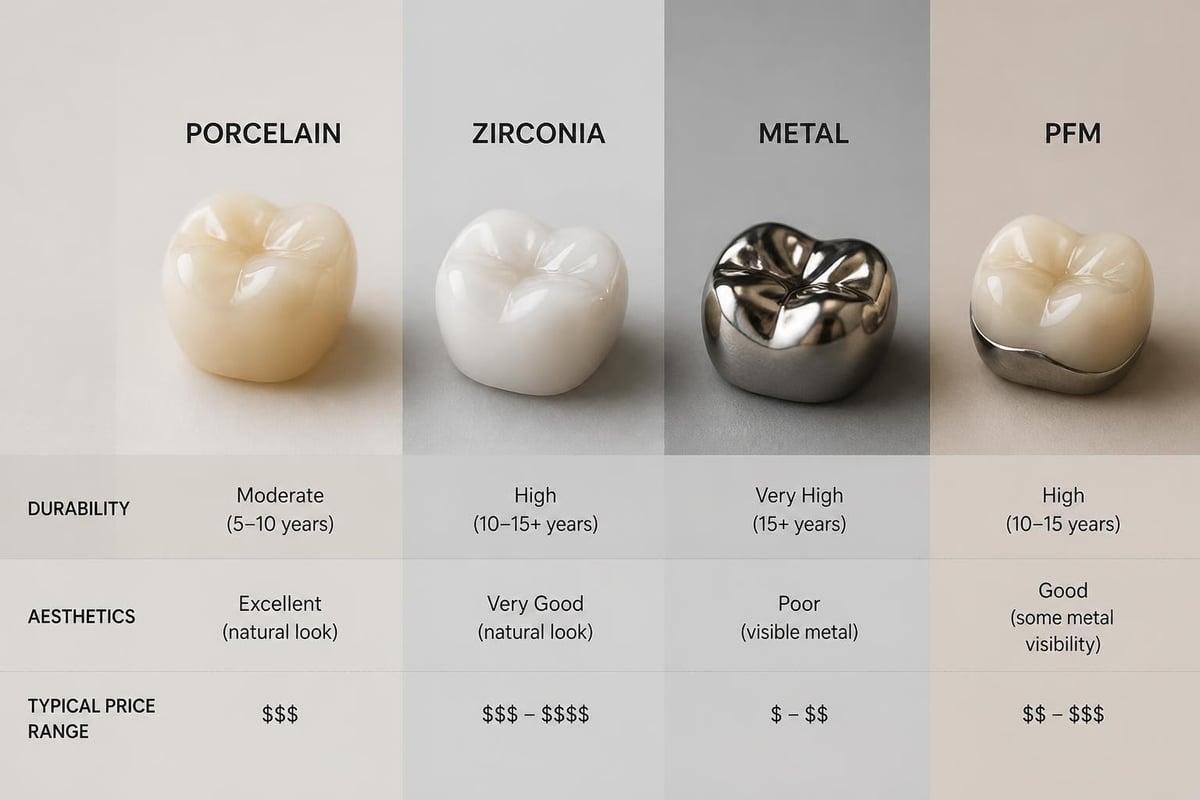
Crown material represents the single largest variable in determining cost. Porcelain-fused-to-metal (PFM) crowns typically range from $800 to $1,400 per tooth, offering a balance between strength and aesthetics. All-ceramic or all-porcelain crowns command higher prices, usually between $1,000 and $2,500, thanks to their superior appearance and biocompatibility.
Metal crowns, including gold alloys, can cost $1,200 to $2,500 or more depending on precious metal market prices. Zirconia crowns offer exceptional durability and natural appearance, with prices ranging from $1,000 to $2,800 per unit.
The material choice depends on several clinical factors:
- Location of the tooth (front teeth require more aesthetic materials)
- Your bite force and grinding habits
- Allergies or sensitivities to certain metals
- Budget constraints and insurance coverage
- Long-term durability expectations
Geographic Location Impact
Where you live in Texas directly affects your dental crown cost. Urban centers like Austin and San Antonio typically have higher overhead costs, translating to prices 15-30% above rural areas. However, competition among practices can sometimes create more affordable options in populated regions.
According to data from the American Dental Association’s Health Policy Institute, regional fee variations reflect local economic conditions, practice costs, and market demand. Texas generally falls in the mid-range nationally for dental fees.
| Region | Average Crown Cost Range |
|---|---|
| Major Texas Cities | $1,100 – $2,400 |
| Suburban Areas | $950 – $2,100 |
| Rural Communities | $800 – $1,800 |
Laboratory and Technology Fees
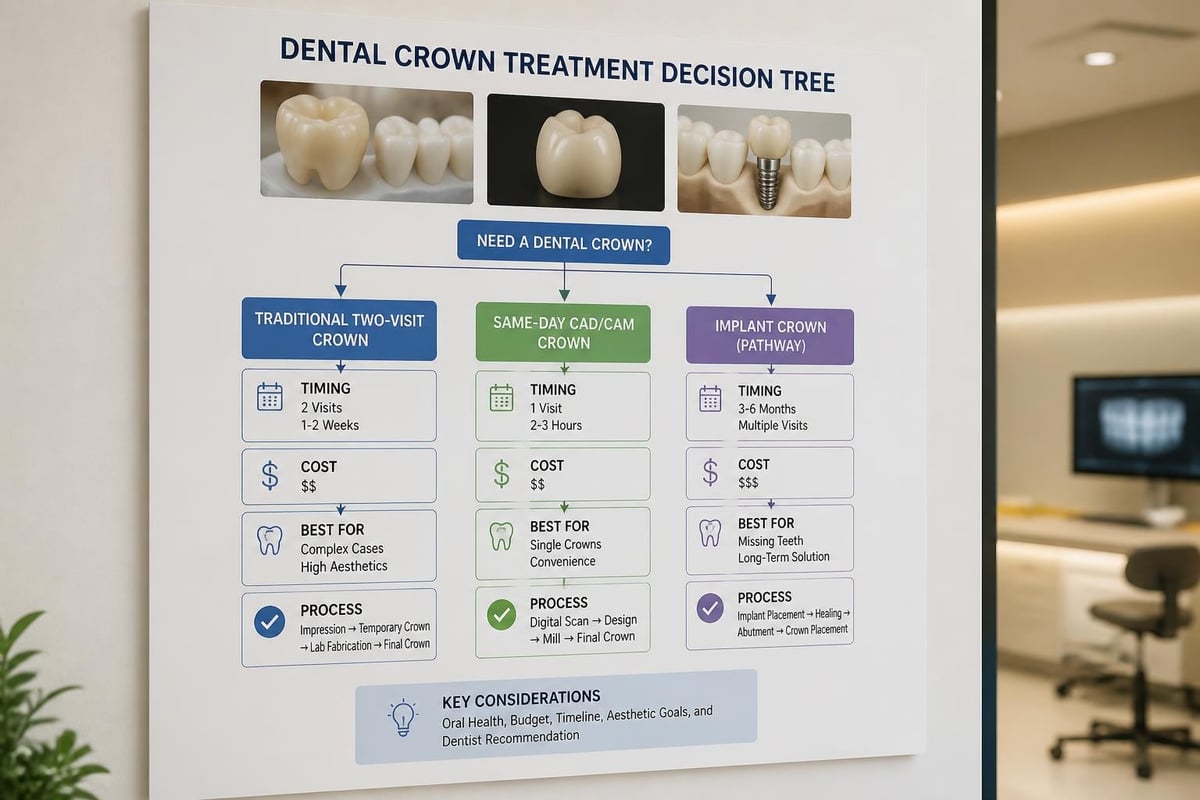
Modern dental practices invest in advanced technology that affects pricing. Same-day CAD/CAM systems allow dentists to design and mill crowns in-office, potentially reducing costs by eliminating lab fees and second appointments. Research comparing chairside and lab-based crown workflows shows that manufacturing method significantly impacts practice expenses and patient pricing.
Traditional crowns require outsourcing to dental laboratories, adding fabrication fees of $200-$600 to your total cost. Premium labs specializing in highly aesthetic restorations charge more but deliver superior results for visible front teeth.
Insurance Coverage for Dental Crowns
Understanding your dental insurance benefits can dramatically reduce your out-of-pocket expenses. Most plans categorize crowns as "major restorative" procedures with specific coverage rules.
Typical Coverage Percentages
Standard dental insurance plans typically cover crowns at 50% of the allowed amount after you've met your annual deductible. Some plans offer higher coverage (60-70%) for preventive-focused benefits or lower percentages (40%) for cosmetic-leaning cases.
Important limitations include:
- Annual maximum benefits (commonly $1,000-$2,000 per year)
- Waiting periods for major procedures (6-12 months for new policies)
- Frequency limitations (one crown per tooth every 5-7 years)
- Pre-authorization requirements before treatment
The widespread public misunderstanding of dental insurance often leads to surprise bills. Unlike medical insurance, dental plans function more like discount programs with strict annual caps.
Medical Necessity Requirements
Insurance companies require documentation proving your crown is medically necessary, not cosmetic. Acceptable reasons include:
- Severe decay affecting tooth structure
- Fracture or crack compromising tooth integrity
- Post-root canal protection
- Replacement of failing existing crown
- Restoration of dental implant
Your dentist submits diagnostic records, X-rays, and treatment narratives to justify coverage. Cosmetic improvements alone typically don't qualify for insurance benefits, even if you have coverage.
For patients exploring broader restorative options, understanding implant specialists accepting major PPO plans can help maximize your benefits across multiple procedures.
Out-of-Network Considerations
Choosing an out-of-network provider affects your dental crown cost significantly. While you maintain freedom to see any dentist, your insurance reimburses at lower percentages (often 30-40% instead of 50%) and bases payment on "usual and customary" rates rather than contracted fees.
The difference can add $300-$800 to your expense per crown. However, some patients prefer specific specialists or practices despite higher costs, valuing expertise and personalized care.
Payment Options Beyond Insurance
Even with insurance, you might face substantial out-of-pocket expenses. Fortunately, multiple payment solutions exist to make crowns more affordable.
In-House Financing and Payment Plans
Many dental practices, including Dental Plus Clinic locations, offer interest-free payment plans for qualified patients. These arrangements typically spread costs over 6-12 months without credit checks or finance charges.
Benefits of practice-based financing:
- No application process or credit impact
- Flexible terms based on your budget
- Simplified billing through your dental office
- No third-party involvement
Treatment can proceed immediately while you manage payments comfortably. Discuss options during your consultation appointment.
Third-Party Healthcare Financing
Companies like CareCredit and LendingClub provide specialized healthcare credit cards with promotional periods offering 0% interest for 6-24 months on approved credit. These solutions work well for patients needing multiple crowns or combining procedures.
Standard interest rates after promotional periods can exceed 20%, so ensure you can complete payments within the interest-free window. Many practices accept multiple financing companies, giving you options to compare terms.

Dental Savings Plans
For patients without insurance, dental savings plans (sometimes called discount plans) offer an alternative. You pay an annual membership fee ($100-$300) and receive 10-60% discounts on procedures from participating dentists.
Unlike insurance, there are no:
- Waiting periods for major procedures
- Annual maximums limiting benefits
- Claim forms or pre-authorizations
- Exclusions for pre-existing conditions
Research whether dental savings plans suit your situation by comparing expected annual dental expenses against membership costs and discount percentages.
Reducing Your Dental Crown Cost
Smart strategies can help you manage expenses without compromising treatment quality.
Timing Your Treatment Strategically
If you're approaching your insurance plan's annual maximum late in the calendar year, consider whether delaying treatment until January resets your benefits. This strategy works only for non-urgent cases where waiting won't compromise your oral health.
Coordinate multiple crowns across benefit years to maximize coverage. For example, if you need three crowns and your annual maximum is $1,500, completing one in December and two in January captures more insurance benefits than doing all three simultaneously.
Exploring Dental Schools
Accredited dental schools offer supervised care by senior students at 30-50% below private practice fees. While appointments take longer and require flexibility, you receive thorough treatment reviewed by experienced faculty.
Texas has excellent dental schools in Houston, San Antonio, and Dallas providing crown services. Call their patient clinics to inquire about new patient acceptance and current wait times.
Preventive Care Investment
The most cost-effective crown strategy is avoiding the need entirely. Regular checkups, professional cleanings, and addressing small cavities early prevent the extensive decay that necessitates crowns.
Your routine dental care protects your natural tooth structure. Insurance typically covers preventive services at 80-100%, making these visits virtually free.
Material Substitutions When Appropriate
For back molars where aesthetics matter less, discuss whether metal or PFM crowns could replace more expensive all-ceramic options. You'll save $200-$600 per crown without sacrificing durability.
Never compromise on front tooth aesthetics or cases where metal allergies exist. Your dentist will recommend the minimum viable material for each situation.
What to Expect: The Crown Process and Associated Costs
Understanding the complete procedure helps you anticipate all potential expenses beyond the crown itself.
Initial Consultation and Diagnostic Fees
Your first appointment involves examination, X-rays, and treatment planning. Diagnostic costs typically range from $150-$350 and may be covered partially by insurance under diagnostic benefits (usually 80% after deductible).
During this visit, your dentist:
- Evaluates tooth damage and surrounding structures
- Takes digital X-rays to assess decay extent
- Discusses material options and costs
- Reviews your insurance coverage and estimates out-of-pocket expenses
- Answers questions about alternatives and timeline
Request an itemized treatment plan showing procedure codes and fees. This document helps you verify insurance coverage before committing.
Preparation Appointment Expenses
The first treatment visit involves numbing your tooth, removing decay, reshaping the remaining structure, and taking impressions. This preparation appointment is typically included in the quoted crown cost, but verify this explicitly.
Additional charges may apply for:
- Core buildup material if extensive decay left minimal tooth structure ($150-$350)
- Post placement for severely damaged teeth ($200-$400)
- Temporary crown fabrication and placement (usually included, but sometimes billed separately at $100-$200)
Understanding the pros and cons of dental crowns helps you make informed decisions about proceeding with treatment.
Final Placement and Adjustments
Your second appointment involves removing the temporary crown, trying in the permanent restoration, making bite adjustments, and cementing the final crown. This visit is included in the standard crown fee.
Some patients require additional adjustment appointments if bite issues persist. Most practices don't charge for minor adjustments within 30-60 days of placement, but clarify this policy upfront.
| Crown Process Phase | Typical Timeline | Associated Costs |
|---|---|---|
| Consultation | Day 1 | $150-$350 (diagnostic) |
| Preparation & Temporary | Day 7-14 | Included in crown fee |
| Laboratory Fabrication | 2-3 weeks | Included in crown fee |
| Final Placement | Day 21-28 | Included in crown fee |
| Follow-up Adjustment | As needed | Usually complimentary |
Cost Comparison: Crowns vs. Alternative Treatments
When facing a damaged tooth, crowns aren't always the only option. Understanding alternatives helps you make cost-effective decisions.
Large Fillings
For teeth with moderate decay that haven't lost significant structure, large composite or amalgam fillings cost $200-$600 versus $800-$2,500 for crowns. However, fillings don't provide structural reinforcement and may fail more quickly on heavily damaged teeth.
Your dentist evaluates remaining tooth structure to determine whether a filling offers adequate longevity. Replacing a failed filling with a crown later costs more than crowning initially.
Onlays and Inlays
These partial coverage restorations treat significant damage while preserving more natural tooth structure than full crowns. Costs range from $650-$1,800, falling between fillings and crowns.
Onlays work well when:
- Damage affects cusps (biting surfaces) but not entire tooth
- You want conservative treatment preserving healthy enamel
- Decay hasn't reached below the gumline
Inlays treat damage within cusps without covering biting surfaces. Both options require similar laboratory fabrication to crowns.
Extraction and Replacement
Removing a severely damaged tooth costs $150-$400, but replacement adds significant expense. Dental implants with crowns total $3,000-$6,000 per tooth, while bridges run $2,500-$5,000 for three-unit restorations.
For patients considering extraction, reviewing tooth replacement options reveals the long-term value of saving natural teeth when possible.
Extraction seems cheaper initially but costs far more over time when factoring in replacement. Additionally, you lose irreplaceable natural tooth structure and risk bone loss in the jaw.
Special Considerations for Specific Crown Types
Certain clinical situations require specialized crowns with unique cost implications.
Implant Crowns
Dental implants require custom abutments and crowns designed for screw or cement retention. The crown portion costs $1,200-$3,000 beyond the implant surgery and abutment expenses.
Implant crowns use premium materials since they're not vulnerable to decay and must withstand forces without natural tooth flexibility. Many patients choose zirconia or high-quality porcelain for optimal aesthetics and longevity.
If you're exploring dental implants without insurance, understanding total restoration costs helps with financial planning.
Pediatric Crowns
Children's crowns typically use stainless steel or zirconia materials designed for primary teeth. Costs range from $300-$800 per tooth, significantly less than adult crowns since they're temporary solutions until permanent teeth erupt.
Pediatric crown situations include:
- Severe early childhood decay
- Fractured baby teeth
- Post-pulpotomy protection
- Developmental defects affecting enamel
Insurance coverage for pediatric crowns often differs from adult benefits, with some plans covering them under preventive categories at higher percentages.
Same-Day CAD/CAM Crowns
Practices equipped with CEREC or similar technology fabricate crowns in a single appointment. While convenience is substantial, costs typically match or slightly exceed traditional two-visit crowns ($1,100-$2,600).
Benefits justifying potential premium:
- No temporary crown period
- Single appointment saves time off work
- Immediate problem resolution
- No impression materials (digital scanning)
Some patients find the time savings worth additional cost, while others prefer traditional methods if budget is paramount.
Regional Crown Cost Data for Texas
Understanding local pricing helps set realistic budget expectations for Texas families.
State-Level Price Variations
Texas dental fees generally align with national averages, though metropolitan areas command premium pricing. State fee schedules and regional data compiled from various sources show crown costs ranging from $850-$2,400 across different Texas regions in 2026.
Factors driving Texas regional variation:
- Practice overhead costs (rent, staff salaries, utilities)
- Local competition and market saturation
- Demographic income levels
- Rural vs. urban location
- Practice specialization and reputation
Cities like Converse and Seguin often offer more accessible pricing than major metropolitan areas while maintaining high-quality care.
Public Program Reimbursement Rates
Medicaid and CHIP programs in Texas reimburse dental procedures at rates typically 30-50% below private practice fees. While these programs serve eligible low-income families and children, understanding their fee structures provides insight into baseline costs.
Public payer fee schedules, similar to examples from other states, show allowed amounts for specific crown procedure codes that influence overall market pricing dynamics.
Private practices accepting Medicaid patients often limit the number they serve due to reimbursement constraints. Adult Medicaid dental benefits in Texas are limited, with coverage primarily focusing on pediatric patients.
Maximizing Your Insurance Benefits
Getting the most from your dental coverage requires understanding plan mechanics and communicating effectively with your dental office.
Pre-Authorization Best Practices
Submit treatment plans for pre-authorization before scheduling crown preparation. This process provides written confirmation of coverage percentage and estimated benefit payment, eliminating surprise bills.
Pre-authorization typically takes 2-4 weeks and requires:
- Current dental X-rays
- Narrative explaining medical necessity
- Procedure codes and fee information
- Clinical photos if requested
While pre-authorization confirms coverage, it's an estimate only. Final payment depends on the claim submitted after treatment completion.
Appealing Denied Claims
Insurance companies sometimes deny crown coverage claiming lack of medical necessity or policy exclusions. You have the right to appeal these decisions with supporting documentation from your dentist.
Successful appeal strategies include:
- Detailed clinical notes showing tooth damage severity
- Additional X-rays from multiple angles
- Photos documenting fractures or decay
- Explanation of why alternatives won't succeed
- Peer-reviewed literature supporting treatment choice
Your dental office typically assists with appeals, as they have experience navigating insurance requirements and documentation standards.
Coordination of Benefits
Patients with dual coverage (through employment and a spouse's plan) can coordinate benefits to maximize reimbursement. Primary insurance pays first according to their schedule, then secondary coverage may pay a portion of remaining costs.
Even with coordination, you rarely receive 100% coverage due to:
- Different fee schedules between carriers
- Annual maximum limitations on each plan
- Non-duplication clauses preventing double payment
- Specific procedure exclusions
Understanding both policies prevents assumptions about complete coverage.
Common Questions About Dental Crown Cost
How much does a dental crown cost without insurance in Texas?
Without insurance, expect to pay $800-$2,500 per crown depending on material, location, and practice. All-ceramic crowns for front teeth typically cost $1,200-$2,500, while metal or PFM crowns range from $800-$1,600. Same-day crowns and premium materials push costs toward the higher end.
Can I negotiate dental crown prices?
Many dental practices offer flexibility, especially for cash-paying patients or those needing multiple crowns. Ask about:
- Cash payment discounts (5-10% common)
- Multi-crown package pricing
- Seasonal promotions or special offers
- Payment plan options without interest
Professional practices want to help you afford necessary treatment. Honest conversation about your budget often reveals solutions. Check current promotions at Dental Plus Clinic for potential savings opportunities.
Why do dental crowns cost so much?
Crown expenses reflect multiple factors beyond the material itself. Your dentist's fee covers diagnostic evaluation, precision tooth preparation, temporary crown fabrication, and final placement requiring extensive training and skill. Laboratory fees for custom fabrication add significant costs.
Modern dental practices invest hundreds of thousands in equipment, sterilization systems, continuing education, and skilled staff. Research on dental cost methodologies shows these practice expenses directly influence patient pricing structures.
How long do dental crowns last?
Quality crowns typically last 10-15 years with proper care, though many patients enjoy 20+ years from well-made restorations. Longevity depends on:
- Material selection and quality
- Precision of fit and fabrication
- Your oral hygiene habits
- Bite forces and grinding habits
- Regular dental maintenance
When calculating cost-per-year, a $1,500 crown lasting 15 years costs just $100 annually to maintain full tooth function and appearance.
What happens if I can't afford a dental crown?
Discuss your financial situation openly with your dentist. Options include:
- Payment plans spreading costs over manageable monthly amounts
- Phased treatment addressing the most urgent crown first
- Alternative materials choosing more affordable options for less-visible teeth
- Temporary solutions stabilizing the tooth while you arrange financing
- Dental savings plans reducing costs for uninsured patients
Never delay treatment so long that you risk tooth loss. Early intervention costs less than emergency procedures or extractions.
Does dental insurance cover crown replacement?
Most policies cover crown replacement only after 5-7 years from original placement, assuming the replacement is medically necessary due to failure, not cosmetic preference. If your crown fails prematurely, some dentists offer warranties covering remake costs.
Review your specific policy for frequency limitations on major restorative procedures and document any crown failures with clinical records supporting necessary replacement.
Maintaining Your Crown Investment
Proper care maximizes crown longevity and protects your financial investment.
Daily Oral Hygiene Practices
Crowns don't decay, but the underlying tooth structure remains vulnerable at margins where crown meets natural tooth. Meticulous brushing and flossing prevents new decay requiring crown replacement.
Essential maintenance habits:
- Brush twice daily with fluoride toothpaste
- Floss carefully around crown margins once daily
- Use antimicrobial mouthwash to reduce bacteria
- Avoid chewing ice, hard candy, or other objects that stress restorations
- Wear a nightguard if you grind your teeth during sleep
Understanding what general dentists provide helps you access preventive care protecting your crowns and natural teeth.
Professional Maintenance Requirements
Regular professional cleanings (every 6 months) allow your hygienist to check crown integrity and clean areas you can't reach at home. Your dentist examines crowns during checkups, identifying potential problems before they become emergencies.
Warning signs requiring immediate evaluation:
- Sensitivity to hot, cold, or pressure around crowned tooth
- Visible gaps developing between crown and gum tissue
- Crown feels loose or moves slightly
- Pain when biting or chewing
- Swelling or tenderness near crowned tooth
Early intervention for minor crown issues prevents complete failure requiring replacement.
Long-Term Cost Considerations
While initial crown investment seems substantial, compare it to alternatives. Extracting a tooth and placing an implant costs $3,000-$6,000. Bridges replacing missing teeth run $2,500-$5,000. Preserving natural teeth with crowns saves money long-term.
Additionally, maintaining your smile's appearance and function has value beyond dollars. Confident smiling, comfortable eating, and clear speaking affect your quality of life and professional opportunities.
Understanding Treatment Urgency and Timing
Not all crown cases require immediate treatment, but delaying too long increases costs and complications.
Emergency vs. Elective Timing
Immediate crown needs include:
- Fractured tooth causing pain or sharp edges
- Post-root canal protection (tooth becomes brittle)
- Crown falling off exposing sensitive tooth structure
- Severe decay threatening tooth vitality
Elective timing applies to:
- Asymptomatic old fillings showing wear
- Cosmetic improvements to discolored teeth
- Preventive crowns on teeth with large fillings but no current problems
Your dentist will indicate urgency level. Emergency situations risk tooth loss if ignored, while elective cases allow time for financial planning.
Phasing Multiple Crown Treatments
If you need several crowns, prioritize based on:
- Teeth causing pain or dysfunction
- Visible front teeth affecting appearance
- Teeth with root canals requiring protection
- Heavily filled back teeth at risk of fracture
Spreading treatment across insurance benefit years and your budget makes extensive work manageable. Create a multi-year treatment plan with your dentist outlining the optimal sequence.
Making the Final Decision
Armed with comprehensive cost information, you can confidently move forward with crown treatment.
Questions to Ask Your Dentist
Before proceeding, clarify:
- Exact fees for your specific case (material, preparation, placement)
- What's included vs. separate charges (temporary crown, adjustments)
- Payment options and financing terms available
- Warranty or guarantee policy on the restoration
- Expected longevity based on your oral health situation
- Alternative treatments and their comparative costs
Request written estimates with procedure codes matching your insurance plan for accurate benefit verification.
Evaluating Value Beyond Price
The lowest-cost provider doesn't always deliver the best value. Consider:
Dentist experience and training: Complex cases benefit from specialized expertise that may cost more but delivers superior long-term results.
Technology and materials: Practices investing in digital impressions, advanced ceramics, and precision milling equipment produce better-fitting, more aesthetic crowns worth premium pricing.
Convenience and comfort: Comprehensive care, flexible scheduling, sedation options, and attentive staff create positive experiences that reduce dental anxiety and encourage continued preventive care.
Relationship and trust: Established relationships with dental teams who know your history provide continuity of care and personalized treatment planning.
For families across Texas, Dental Plus Clinic’s multiple locations offer accessible, high-quality care combining modern technology with patient-focused service.
Understanding dental crown cost empowers you to make confident decisions about your oral health without financial surprises. By exploring material options, maximizing insurance benefits, and discussing payment solutions with your dental team, you can access the restorative care you need within your budget. Whether you're in Beeville, Seguin, New Braunfels, Leander, or Converse, Dental Plus Clinic provides transparent pricing, flexible payment options, and expert crown placement using modern technology, helping you restore your smile with confidence and affordability.