
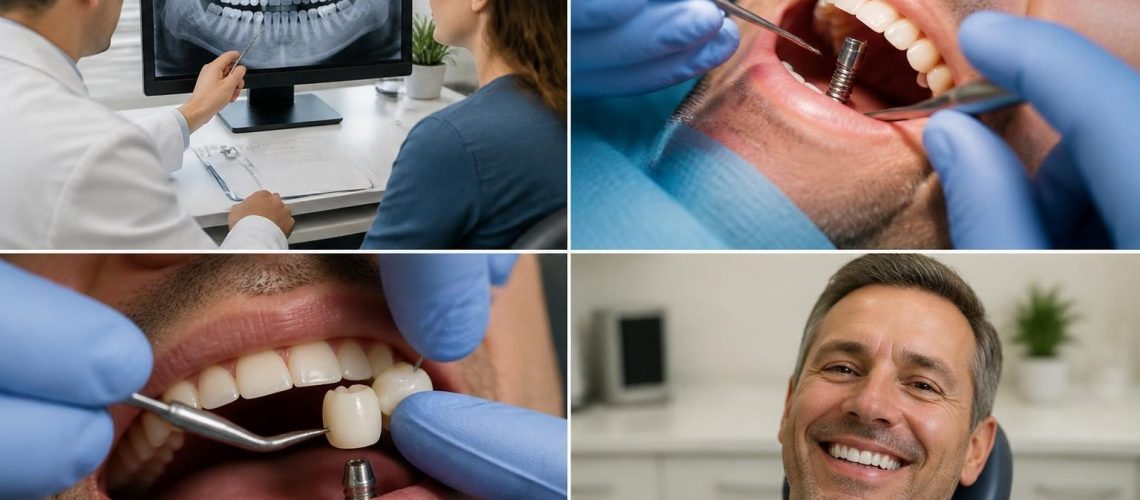
Missing teeth can significantly impact your quality of life, affecting everything from your ability to eat comfortably to your confidence in social situations. For Beeville residents seeking a permanent solution to tooth loss, dental implants represent the gold standard in restorative dentistry. This comprehensive guide explores everything you need to know about dental implants in Beeville, from understanding the procedure and costs to selecting the right provider for your needs. Whether you've lost a single tooth or multiple teeth, understanding your options empowers you to make informed decisions about your oral health.
Understanding Dental Implants and How They Work
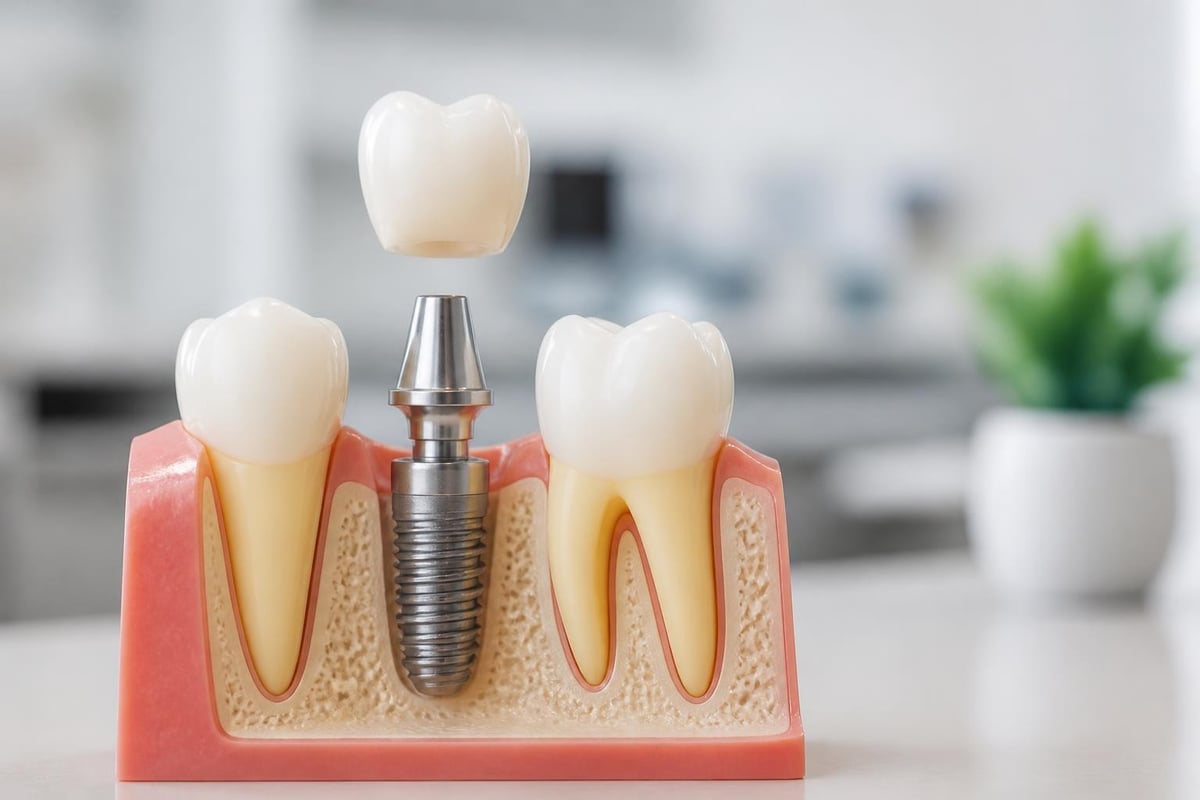
Dental implants are titanium posts surgically placed into your jawbone to serve as artificial tooth roots. Unlike traditional dentures or bridges, implants integrate with your bone structure through a process called osseointegration, creating a stable foundation for replacement teeth.
The implant itself consists of three main components:
- The implant post: A titanium screw that fuses with your jawbone
- The abutment: A connector piece that attaches to the implant post
- The crown: The visible, tooth-colored restoration that looks and functions like a natural tooth
According to the American Academy of Implant Dentistry, dental implants boast success rates exceeding 95% when placed by qualified professionals. This remarkable statistic reflects decades of clinical research and technological advancement in implant dentistry.
Why Choose Implants Over Other Options
When comparing tooth replacement solutions, dental implants offer distinct advantages over traditional alternatives. Bridges require grinding down adjacent healthy teeth, while dentures can slip and cause discomfort during eating or speaking.
Implants preserve your jawbone density by providing the stimulation your bone needs to maintain its structure. Without this stimulation, bone loss occurs naturally after tooth extraction, potentially changing your facial appearance and making future restorations more challenging.
Key benefits of choosing dental implants:
- Preservation of natural bone structure and facial contours
- No damage to surrounding healthy teeth
- Permanent solution that can last a lifetime with proper care
- Natural appearance and comfortable fit
- Ability to eat all your favorite foods without restrictions
- Improved speech compared to removable dentures
The American Dental Association provides guidance on what patients should expect and questions to ask when considering implants, emphasizing the importance of working with qualified dental professionals.
The Dental Implant Procedure: What to Expect in Beeville
Understanding the implant process helps reduce anxiety and sets realistic expectations. At facilities offering dental implants in Beeville, the procedure typically unfolds in several carefully planned stages.
Initial Consultation and Planning
Your journey begins with a comprehensive evaluation including:
- Digital X-rays and 3D imaging to assess bone density and structure
- Medical history review to identify any conditions affecting healing
- Treatment planning to determine the number of implants needed
- Cost discussion and financing options review
During this appointment, your dental team evaluates whether you're a suitable candidate for implants. Factors like bone density, gum health, and overall medical conditions play crucial roles in treatment planning.
Surgical Placement Phase
The actual implant placement occurs in a controlled clinical environment. Modern techniques and sedation options ensure patient comfort throughout the procedure.
| Phase | Duration | What Happens |
|---|---|---|
| Preparation | 30-45 minutes | Anesthesia administration, site preparation |
| Implant Placement | 1-2 hours per implant | Titanium post inserted into jawbone |
| Initial Healing | 3-6 months | Osseointegration occurs, bone fuses with implant |
| Abutment Placement | 30 minutes | Connector piece attached to implant |
| Crown Fabrication | 2-3 weeks | Custom crown created and fitted |
For patients requiring emergency dental care in Beeville, some situations may necessitate immediate tooth extraction followed by delayed implant placement once healing occurs.
Healing and Osseointegration
The healing period represents the most critical phase of implant success. During these months, your body gradually integrates the titanium post with your jawbone. While this process requires patience, it ensures the long-term stability of your restoration.
Most patients report minimal discomfort during healing, manageable with over-the-counter pain relievers. Your dental team provides specific aftercare instructions to promote optimal healing and prevent complications.
Cost Considerations for Dental Implants in Beeville
Financial planning represents a significant consideration for most patients exploring dental implants in Beeville. Understanding the factors that influence cost helps you budget appropriately and explore available options.
Price Range and Influencing Factors
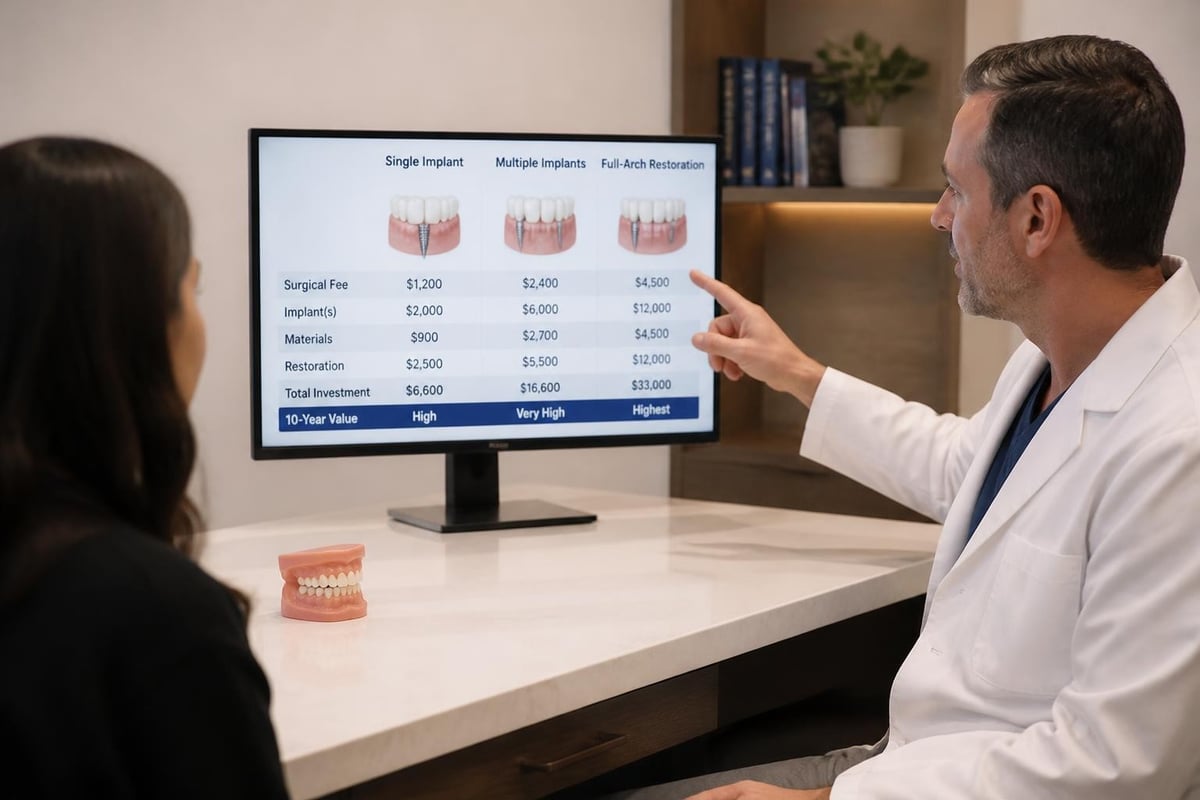
Single tooth implants in Beeville typically range from $3,000 to $6,000, while full-mouth restorations can cost between $24,000 and $100,000 depending on the approach used. These ranges reflect several variables:
- Number of implants required
- Need for bone grafting or sinus lifts
- Type of restoration (single crown, bridge, or full arch)
- Materials used for the final restoration
- Complexity of your individual case
The investment in quality implants often proves more cost-effective long-term than repeatedly replacing failing bridges or dentures. As discussed in our guide on cheap versus premium dental implants, choosing quality materials and experienced providers reduces the likelihood of complications requiring additional procedures.
Insurance Coverage and Payment Options
Understanding your insurance benefits:
Many dental insurance plans classify implants as elective procedures, though coverage has expanded in recent years. Some plans cover portions of the procedure, particularly the crown restoration.
Review your dental insurance coverage carefully to understand what percentage of the treatment may be reimbursed. Even when implants aren't directly covered, related procedures like extractions or bone grafting might be.
Financing solutions available:
- In-house payment plans with manageable monthly installments
- Healthcare credit cards offering promotional interest periods
- Third-party financing through dental-specific lenders
- Health savings accounts (HSAs) or flexible spending accounts (FSAs)
Most providers offering dental implants in Beeville work with patients to develop payment arrangements that fit various budgets, making this life-changing treatment accessible to more people.
Candidacy Requirements and Potential Limitations
Not everyone qualifies as an ideal candidate for immediate implant placement. Understanding these requirements helps set realistic expectations and identify any preparatory work needed.
Health and Bone Density Requirements
Successful implant integration requires:
Adequate bone volume and density to support the titanium post. Patients who've experienced extended tooth loss may need bone grafting procedures before implant placement becomes viable. Advanced imaging technology allows precise measurement of available bone.
Healthy gums free from periodontal disease. Active gum infections must be treated before implant surgery to prevent complications and implant failure.
Good overall health and immune function. Certain medical conditions like uncontrolled diabetes or autoimmune disorders may affect healing and osseointegration success rates.
Research published in systematic reviews on implant survival rates demonstrates that patient selection and proper medical screening significantly influence long-term outcomes.
Medical Conditions and Lifestyle Factors
Several factors require careful evaluation and management:
| Factor | Impact on Treatment | Possible Solutions |
|---|---|---|
| Smoking | Reduces success rates by 10-20% | Cessation programs before surgery |
| Diabetes | Affects healing if uncontrolled | Blood sugar optimization first |
| Osteoporosis | May compromise bone density | Medication review, possible alternatives |
| Radiation therapy | Impacts healing in treated areas | Hyperbaric oxygen therapy consideration |
| Heavy teeth grinding | Can damage implants over time | Night guard fabrication |
For patients dealing with bruxism, protective measures like those discussed in our article about TMJ mouth guards versus bruxism night guards become essential for protecting your implant investment.
Age Considerations
Younger patients must wait until jaw growth completes, typically around age 18-21. Implants placed before complete bone maturation can lead to alignment issues as facial structures continue developing.
Older adults often make excellent candidates provided they maintain good overall health. Age alone doesn't disqualify anyone from receiving implants, and many seniors benefit tremendously from the stability and comfort implants provide.
Choosing the Right Implant Provider in Beeville
The success of your dental implants in Beeville depends heavily on the skill and experience of your dental team. Making an informed provider choice protects your health and financial investment.
Credentials and Experience to Verify
When evaluating potential providers, investigate these crucial qualifications:
- Board certification and specialized training in implant dentistry or oral surgery
- Years of experience specifically with implant procedures
- Continuing education in latest techniques and technologies
- Membership in professional organizations like the American Academy of Implant Dentistry
- Compliance with Texas State Board regulations as outlined in the Texas dental practice guidelines
Don't hesitate to ask prospective providers about their success rates, complication management experience, and how many implant procedures they've completed. Experienced professionals welcome these questions and provide transparent answers.
Technology and Facility Standards
Modern implant dentistry relies on advanced technology for precision and predictability:
- 3D cone beam CT scanning for accurate treatment planning
- Computer-guided implant placement systems for optimal positioning
- Digital impression systems eliminating uncomfortable traditional molds
- In-house restoration labs for faster turnaround and quality control
Our commitment to the latest dental implant technology ensures patients receive the most advanced care available. State-of-the-art equipment combined with skilled practitioners produces superior outcomes.
Questions to Ask During Consultation
Essential questions for your provider:
- How many years have you been placing dental implants?
- What is your personal success rate with implant procedures?
- How do you handle complications if they arise?
- What type of warranty or guarantee do you offer?
- Can you provide references from previous implant patients?
- What happens if an implant fails after placement?
- How do you stay current with advancing implant techniques?
The Academy of Osseointegration consensus recommendations emphasize the importance of evidence-based practices and continuous professional development in achieving optimal patient outcomes.
Recovery and Aftercare Following Implant Surgery
Proper post-operative care significantly influences healing success and long-term implant performance. Following your dental team's instructions carefully minimizes complications and promotes optimal integration.
Immediate Post-Surgical Care
First 24-48 hours after surgery:
- Apply ice packs to reduce swelling (20 minutes on, 20 minutes off)
- Take prescribed pain medications as directed
- Avoid disturbing the surgical site with tongue or fingers
- Eat soft, cool foods to prevent irritation
- Rest and avoid strenuous physical activity
- Sleep with head elevated to minimize swelling
Minor bleeding, swelling, and discomfort represent normal responses to oral surgery. However, severe pain, excessive bleeding, or signs of infection warrant immediate contact with your dental provider.
Long-Term Maintenance and Care
Once healed, dental implants require care similar to natural teeth:
Daily oral hygiene practices:
- Brush twice daily with a soft-bristled toothbrush
- Floss daily using implant-specific floss or interdental brushes
- Use antimicrobial mouth rinse as recommended
- Avoid abrasive toothpaste that might scratch restorations
- Don't use metal instruments that could damage implant surfaces
Professional maintenance schedule:
Regular checkups every six months allow your dental team to monitor implant health, check for early signs of complications, and perform professional cleanings. These visits prove essential for long-term success.
Warning Signs Requiring Attention
Contact your dental provider if you experience:
- Persistent pain or discomfort weeks after surgery
- Loosening of the implant or crown
- Swelling or redness around the implant site
- Bleeding from gum tissue surrounding the implant
- Difficulty chewing or changes in bite alignment
- Pus or discharge near the implant
Early intervention prevents minor issues from developing into serious complications requiring extensive treatment. The clinical guidance on peri-implant diseases highlights the importance of early detection and management.
Advanced Implant Options and Full-Mouth Restorations
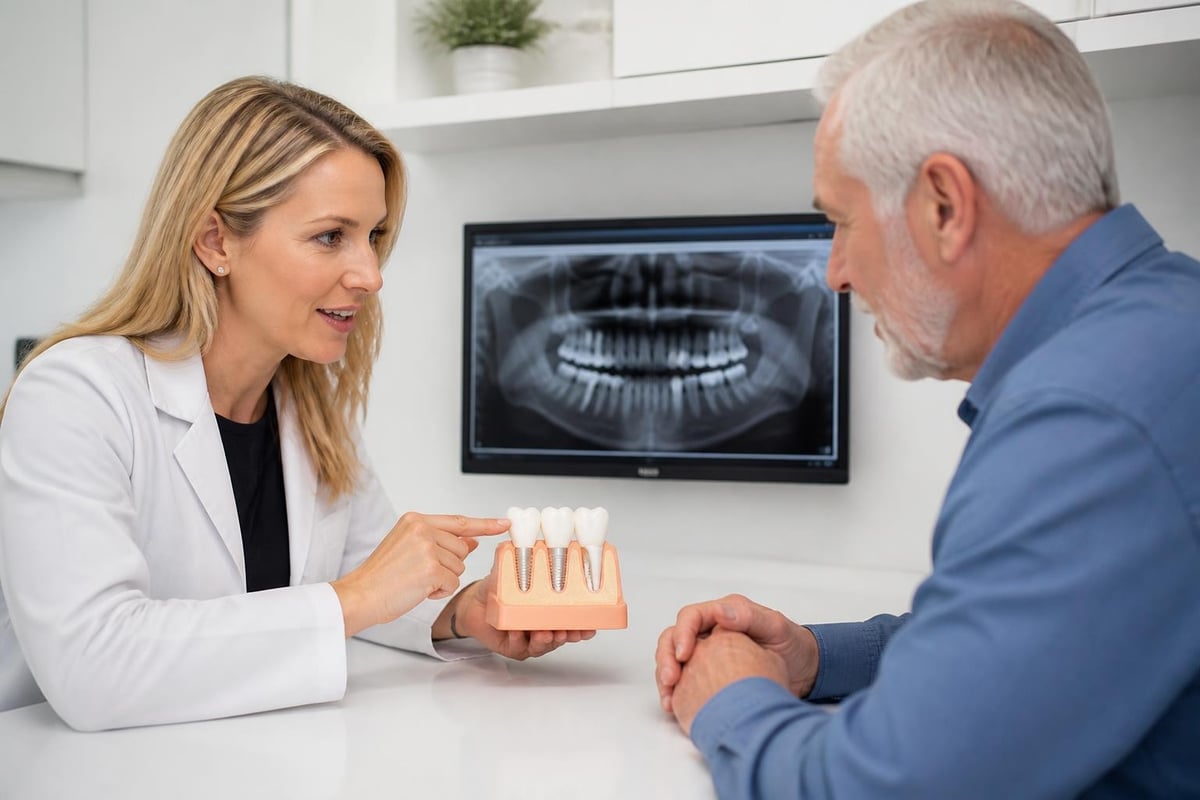
Beyond single tooth replacement, modern implant dentistry offers sophisticated solutions for patients missing multiple teeth or requiring full-arch restorations.
All-on-4 and All-on-6 Systems
These innovative approaches allow complete arch restoration using just four or six strategically placed implants. The technique offers several advantages:
Benefits of full-arch implant solutions:
- Fewer implants required compared to individual tooth replacement
- Often eliminates need for bone grafting procedures
- Immediate loading possible in many cases
- Significant cost savings compared to individual implants
- Restored function and aesthetics in a single procedure
Our detailed guide on All-on-4 dental implants provides comprehensive information about this transformative treatment option for patients with extensive tooth loss.
Implant-Supported Dentures
For patients seeking stability without full-arch fixed restorations, implant-supported dentures offer a middle-ground solution. These removable prosthetics snap onto implant attachments, providing:
- Superior stability compared to traditional dentures
- Easier cleaning and maintenance than fixed bridges
- More affordable than full-arch fixed restorations
- Ability to remove for cleaning while maintaining secure fit during use
This option particularly benefits patients transitioning from conventional dentures who desire improved retention without committing to permanent fixed restorations.
Single Versus Multiple Implants
Comparison of treatment approaches:
| Scenario | Recommended Solution | Typical Timeline | Relative Cost |
|---|---|---|---|
| One missing tooth | Single implant with crown | 3-6 months | $3,000-$6,000 |
| 2-3 adjacent missing teeth | Implant-supported bridge | 4-7 months | $6,000-$15,000 |
| Multiple scattered gaps | Individual implants | 6-12 months | $15,000-$40,000 |
| Full upper or lower arch | All-on-4/6 system | 3-6 months | $20,000-$45,000 |
| Both arches | Full mouth restoration | 6-12 months | $40,000-$90,000 |
Understanding these options helps you make informed decisions aligned with your clinical needs, lifestyle preferences, and budget constraints. For comprehensive information on extensive restorations, explore our full mouth dental implants guide.
Common Concerns and Frequently Asked Questions
Addressing common questions and concerns helps prospective patients feel more confident about pursuing dental implants in Beeville.
Are Dental Implants Painful?
Most patients report that implant surgery involves less discomfort than they anticipated. Modern anesthesia techniques ensure you feel no pain during the procedure. Post-operative discomfort typically responds well to over-the-counter pain relievers and subsides within a few days.
The surgical trauma from implant placement is often less extensive than tooth extraction, as the procedure creates a precise channel rather than removing bone and tissue. Many patients return to normal activities within 24-48 hours.
How Long Do Dental Implants Last?
With proper care and maintenance, dental implants can last a lifetime. The titanium posts themselves rarely fail once successfully integrated. The crown restoration typically requires replacement every 10-15 years due to normal wear, but the underlying implant remains functional.
Factors influencing implant longevity include:
- Quality of oral hygiene maintained
- Regular professional dental care
- Absence of habits like smoking or teeth grinding
- Overall health status and immune function
- Initial surgical technique and placement accuracy
Can Implants Be Noticed by Others?
As we discuss in our article about whether dental implants are noticeable, properly designed and placed implants are virtually indistinguishable from natural teeth. The custom crowns match your existing teeth in color, size, and shape, creating seamless integration with your smile.
Unlike removable dentures that can slip or click during speech, implants remain completely stable. Friends and family members typically cannot identify which teeth are implants without being told.
What Happens If an Implant Fails?
While implant failure rates remain low (under 5% for healthy patients), complications can occasionally occur. Early failures typically result from infection or inadequate osseointegration. Late failures often stem from peri-implantitis, an inflammatory condition affecting the tissue surrounding implants.
Treatment options for failed implants:
- Removal of the failed implant
- Healing period allowing bone regeneration
- Possible bone grafting to restore lost volume
- Re-placement of a new implant after adequate healing
- Alternative restoration methods if re-implantation isn't viable
Reputable providers stand behind their work and help manage complications without additional charges in many cases, depending on the cause of failure.
How Do I Maintain My Implants?
Implant maintenance closely resembles caring for natural teeth. Consistent brushing, daily flossing, and regular professional cleanings prevent the bacterial accumulation that can compromise implant health.
Avoid using your teeth as tools to open packages or bite hard objects. If you grind your teeth at night, wear a protective night guard to prevent excessive force on your implants and restorations.
Can I Get Implants If I Have Gum Disease?
Active periodontal disease must be treated and controlled before implant placement. The bacteria causing gum disease can also attack the tissues supporting implants, leading to failure.
Your dental team will develop a treatment plan to resolve gum disease first, then proceed with implant therapy once your oral health stabilizes. This sequential approach maximizes your chances of long-term implant success.
Are There Alternatives to Traditional Implants?
For patients who aren't suitable candidates for traditional implants, alternatives include:
- Dental bridges supported by adjacent natural teeth
- Partial or complete dentures for removable restoration
- Mini implants requiring less bone volume
- Zygomatic implants for severe upper jaw bone loss
Each option presents unique advantages and limitations. Discussing your specific situation with qualified providers helps identify the most appropriate solution. Resources from MedlinePlus on dental health offer additional patient education materials on various restoration options.
Finding Quality Dental Implants in Beeville
Local access to experienced implant providers offers significant advantages over traveling to distant metropolitan centers. Beeville residents benefit from convenient access to skilled professionals committed to delivering exceptional results.
Local Advantages and Community Trust
Choosing a local provider for dental implants in Beeville means:
Convenient access for multiple appointments throughout the treatment process. Implant therapy requires several visits over several months. Local care eliminates lengthy travel between consultation, surgery, and follow-up appointments.
Established community reputation built on years of serving local families. Providers invested in their community maintain high standards because their reputation depends on satisfied patients who refer friends and neighbors.
Emergency accessibility if unexpected issues arise. Having your implant provider nearby provides peace of mind, knowing help is readily available should you need urgent attention.
Comparing Providers Across Texas
While Beeville offers quality implant services, some patients explore options across multiple locations. Our network includes facilities in Seguin, New Braunfels, Leander, and Converse, providing consistent quality care with convenient locations throughout the region.
For those interested in services at our Beeville location, our team combines advanced technology with personalized patient care, ensuring comfortable experiences and excellent outcomes.
Red Flags When Selecting a Provider
Warning signs suggesting you should continue your search:
- Pressure to commit immediately without adequate consultation time
- Reluctance to discuss credentials, experience, or success rates
- Significantly lower prices than competitors without clear explanation
- Lack of modern diagnostic equipment like 3D imaging
- Poor online reviews or unresolved patient complaints
- Unwillingness to provide detailed treatment plans and cost estimates
- No clear policy on managing complications or failed implants
Trust your instincts. If something feels uncomfortable or uncertain, seek additional opinions before proceeding with treatment.
Integration with Overall Oral Health Strategy
Dental implants represent just one component of comprehensive oral health. Integrating implant care with preventive dentistry and overall wellness produces the best long-term outcomes.
Preventive Care and Regular Checkups
Maintaining optimal oral health before and after implants:
Regular preventive care prevents problems that might compromise your implants or natural teeth. Professional cleanings remove bacterial deposits that home care misses, while comprehensive examinations detect early signs of potential issues.
For patients who've experienced dental insurance coverage denials, don't let financial concerns prevent essential preventive care. Many practices offer affordable membership plans or payment options making routine care accessible.
Addressing Underlying Issues
Before investing in dental implants in Beeville, ensure underlying problems receive appropriate treatment:
- Periodontal disease requiring scaling, root planing, or surgical intervention
- Bite alignment issues that might place excessive stress on implants
- Teeth grinding habits necessitating protective appliances
- General health conditions like diabetes requiring optimization
Comprehensive treatment planning addresses these factors, creating optimal conditions for implant success and long-term oral health.
Cosmetic Considerations and Smile Design
Implant placement offers an opportunity to enhance your smile's overall appearance. Working with providers experienced in cosmetic dentistry ensures your implant restorations complement your facial features and existing teeth.
Considerations include:
- Crown shade selection matching your desired aesthetic outcome
- Gum tissue contouring for natural emergence profiles
- Coordination with other cosmetic procedures like teeth whitening
- Overall smile design considering tooth shape, size, and alignment
Educational Resources for Informed Decisions
Empowering yourself with accurate information helps you participate actively in treatment decisions. Reputable sources include:
- Professional organization websites like the American Academy of Implant Dentistry
- Peer-reviewed research published in dental journals
- Patient education materials from your dental provider
- Texas State Board of Dental Examiners regulations and consumer resources
Avoid relying solely on anecdotal information from online forums or social media. While patient experiences provide valuable perspectives, they don't replace professional consultation and personalized treatment planning.
Life After Dental Implants: Patient Experiences
Understanding realistic outcomes helps set appropriate expectations and motivation for pursuing implant treatment.
Immediate Impact on Daily Life
Changes patients notice first:
Patients with newly completed implants consistently report immediate improvements in several areas. The ability to eat foods previously avoided due to missing teeth or unstable dentures brings tremendous satisfaction. Confidence in social situations increases dramatically when you no longer worry about visible gaps or denture movement during conversation.
Speech clarity often improves, especially for patients who previously struggled with denture-related pronunciation issues. The psychological impact of a complete, natural-looking smile extends beyond aesthetics, influencing self-esteem and social engagement.
Long-Term Lifestyle Benefits
Sustained improvements over years:
- Nutritional benefits from ability to eat diverse, healthy foods
- Facial structure preservation preventing the sunken appearance associated with bone loss
- Oral health protection by preventing neighboring teeth from shifting
- Elimination of adhesives and special cleaning routines required for dentures
- Freedom from embarrassing denture accidents during eating or speaking
Real Patient Scenarios
Case example: Single tooth replacement
A 45-year-old Beeville resident lost a front tooth in a recreational accident. Traditional bridge work would have required damaging two healthy adjacent teeth. A single implant preserved neighboring teeth while providing a permanent, natural-looking restoration. Six months after completion, the patient reported complete satisfaction and no longer thought about which tooth was the implant.
Case example: Multiple missing teeth
A 62-year-old patient had struggled with a removable partial denture for years, experiencing discomfort and self-consciousness about the metal clasps visible when smiling. After receiving four implants supporting a fixed bridge, she described the transformation as life-changing, finally feeling confident smiling openly and enjoying foods she'd avoided for years.
Case example: Full-arch restoration
A 58-year-old patient wearing complete dentures for over a decade dealt with constant slipping, dietary restrictions, and social anxiety. An All-on-4 upper arch restoration provided immediate stability and dramatically improved quality of life. He described the investment as the best healthcare decision he'd ever made.
Regional Considerations for Beeville Residents
Geographic and demographic factors specific to the Beeville area influence dental implant decisions and access to care.
Access to Specialized Care in Rural Texas
Beeville residents benefit from local access to advanced dental services that might otherwise require travel to larger metropolitan areas like San Antonio or Corpus Christi. This local availability saves time, reduces travel expenses, and provides continuity of care throughout the treatment process.
Advantages of local implant care:
- Familiar, trusted providers who understand community needs
- Convenient scheduling accommodating work and family obligations
- Quick access if adjustments or emergency care becomes necessary
- Support for local healthcare economy and community investment
For comprehensive information about implant services available locally and across our Texas locations, visit our regional dental implants guide.
Economic Considerations for Local Patients
Beeville's economic landscape influences how residents approach significant healthcare investments like dental implants. Understanding available financing options and insurance possibilities helps make treatment accessible.
Many local employers offer dental benefits that may cover portions of implant therapy. Even when implants aren't directly covered, related procedures often receive partial reimbursement, reducing overall out-of-pocket costs.
Community Referral Networks
Strong referral networks between general dentists and implant specialists ensure coordinated care. If your family dentist doesn't personally place implants, they likely work closely with trusted specialists who do, ensuring seamless communication and treatment planning.
This collaborative approach benefits patients by combining the convenience of local general dental care with specialized expertise for complex procedures like implant placement.
Making Your Decision: Next Steps
Armed with comprehensive information about dental implants in Beeville, you're prepared to take concrete steps toward restoring your smile and improving your quality of life.
Scheduling Your Consultation
What to bring to your first appointment:
- Current dental insurance information and identification
- List of medications and supplements you take
- Medical history including any conditions affecting healing
- Recent dental X-rays if available from another provider
- Questions or concerns you want addressed
Most consultations last 45-60 minutes, allowing adequate time for examination, imaging, discussion, and questions. Don't feel rushed. Reputable providers ensure you fully understand your options before making decisions.
Preparing Questions and Concerns
Topics to discuss during consultation:
- Your specific candidacy based on bone density and health status
- Recommended treatment approach and timeline
- Total cost breakdown including all phases of treatment
- Payment options and insurance coordination assistance
- What to expect during and after surgery
- Long-term maintenance requirements and costs
- Warranty or guarantee policies
- Alternatives if implants aren't suitable for your situation
Taking notes during your consultation helps you remember details when comparing options or discussing decisions with family members.
Understanding Treatment Timelines
Realistic timeline expectations prevent frustration and help you plan appropriately:
Typical treatment progression:
- Initial consultation and planning: 1-2 weeks
- Pre-treatment procedures (extractions, bone grafting if needed): 1-3 months healing
- Implant placement surgery: Single appointment
- Osseointegration healing period: 3-6 months
- Abutment placement: Single appointment
- Crown fabrication and placement: 2-3 weeks
Total treatment time from initial consultation to final restoration typically ranges from 4-9 months, depending on individual circumstances and any preparatory procedures required.
Taking Action Today
Delaying treatment for missing teeth allows continued bone loss and potential shifting of remaining teeth, potentially complicating future restoration. The sooner you address tooth loss, the simpler and more cost-effective treatment typically becomes.
Ready to explore your options? Contact a qualified provider offering dental implants in Beeville to schedule your comprehensive consultation. This initial appointment involves no commitment beyond investing time to understand your options and develop a personalized treatment plan.
For patients seeking immediate assistance with dental emergencies or urgent concerns, understanding when professional care becomes necessary protects your oral health. Our resources on emergency dental care provide guidance on recognizing situations requiring prompt attention.
Dental implants in Beeville offer a permanent, natural-looking solution for tooth loss that can dramatically improve your quality of life, oral health, and confidence. Understanding the procedure, costs, and provider selection criteria empowers you to make informed decisions aligned with your needs and goals. Dental Plus Clinic combines advanced implant technology with experienced, compassionate care at our Beeville location and across Texas, helping patients achieve healthy, beautiful smiles that last a lifetime. Schedule your consultation today to discover how dental implants can transform your smile and restore full function.