

Missing teeth can dramatically affect your confidence, oral health, and daily quality of life. Whether you've lost teeth due to decay, injury, or periodontal disease, modern dental implant technology offers a permanent solution that looks, feels, and functions like natural teeth. For residents seeking dental implants in Converse, understanding the comprehensive process, benefits, and what to expect from treatment helps you make informed decisions about restoring your smile. This guide covers everything from the science behind implants to financing options, ensuring you have the knowledge needed to take the next step toward a healthier, more confident smile.
Understanding Dental Implant Technology and Materials
Dental implants represent one of the most significant advances in restorative dentistry over the past four decades. These titanium or ceramic posts are surgically placed into the jawbone, where they fuse through a biological process called osseointegration, creating a stable foundation for replacement teeth.
The Science Behind Osseointegration
When you receive dental implants in Converse, the success of your treatment depends heavily on osseointegration. This remarkable process occurs when bone cells grow around and bond with the implant surface, typically taking three to six months. Titanium's biocompatibility makes it an ideal material because the body doesn't recognize it as a foreign object, allowing natural bone integration.
Research continues to refine implant materials and surfaces. A comprehensive comparison of titanium versus zirconia implants shows both materials demonstrate excellent survival rates, though each offers distinct advantages. Titanium implants have decades of clinical evidence supporting their reliability, while zirconia provides aesthetic benefits for patients with thin gum tissue or metal sensitivities.
Implant Components and Design
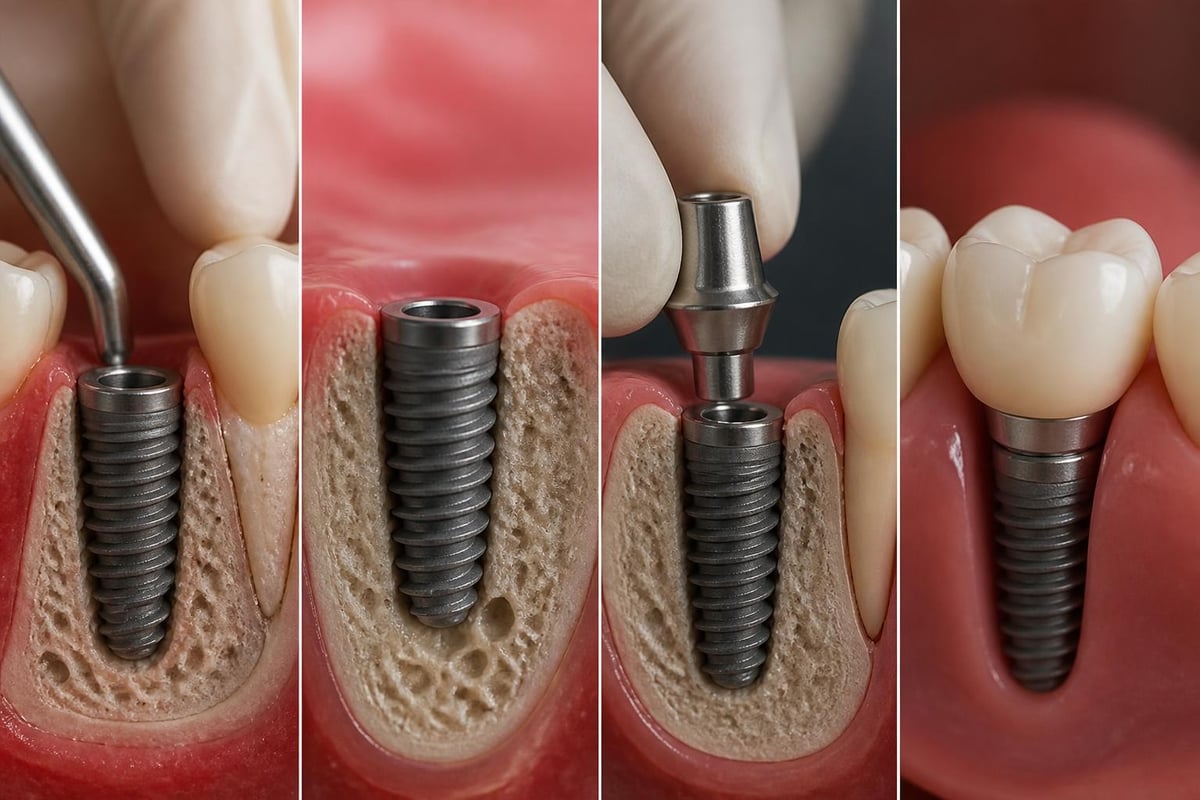
Modern dental implants consist of three primary components:
- Implant fixture: The screw-shaped post that integrates with your jawbone
- Abutment: The connector piece that attaches to the implant
- Crown: The visible tooth replacement that matches your natural teeth
The modular design allows dentists to customize each restoration according to individual patient needs, ensuring optimal fit, function, and appearance.
Types of Dental Implants Available in Converse
Not all implants are created equal, and understanding your options helps ensure you receive the most appropriate treatment for your specific situation. At Dental Plus Clinic’s Converse location, patients have access to multiple implant solutions tailored to their unique oral health needs.
Single Tooth Implants
Single tooth replacement remains the most common application for dental implants in Converse. This approach preserves adjacent healthy teeth, unlike traditional bridges that require grinding down neighboring teeth for support.
| Aspect | Single Implant | Traditional Bridge |
|---|---|---|
| Adjacent teeth | Remain untouched | Must be prepared/reduced |
| Bone preservation | Stimulates jawbone | Bone loss continues |
| Lifespan | 20+ years with care | 10-15 years average |
| Cleaning | Brush and floss normally | Special flossing required |
Multiple Tooth Replacement Options
When several consecutive teeth are missing, implant-supported bridges provide stable, long-lasting restoration without the need for one implant per tooth. Typically, two or three implants can support a bridge replacing four to six teeth, reducing treatment complexity and cost.
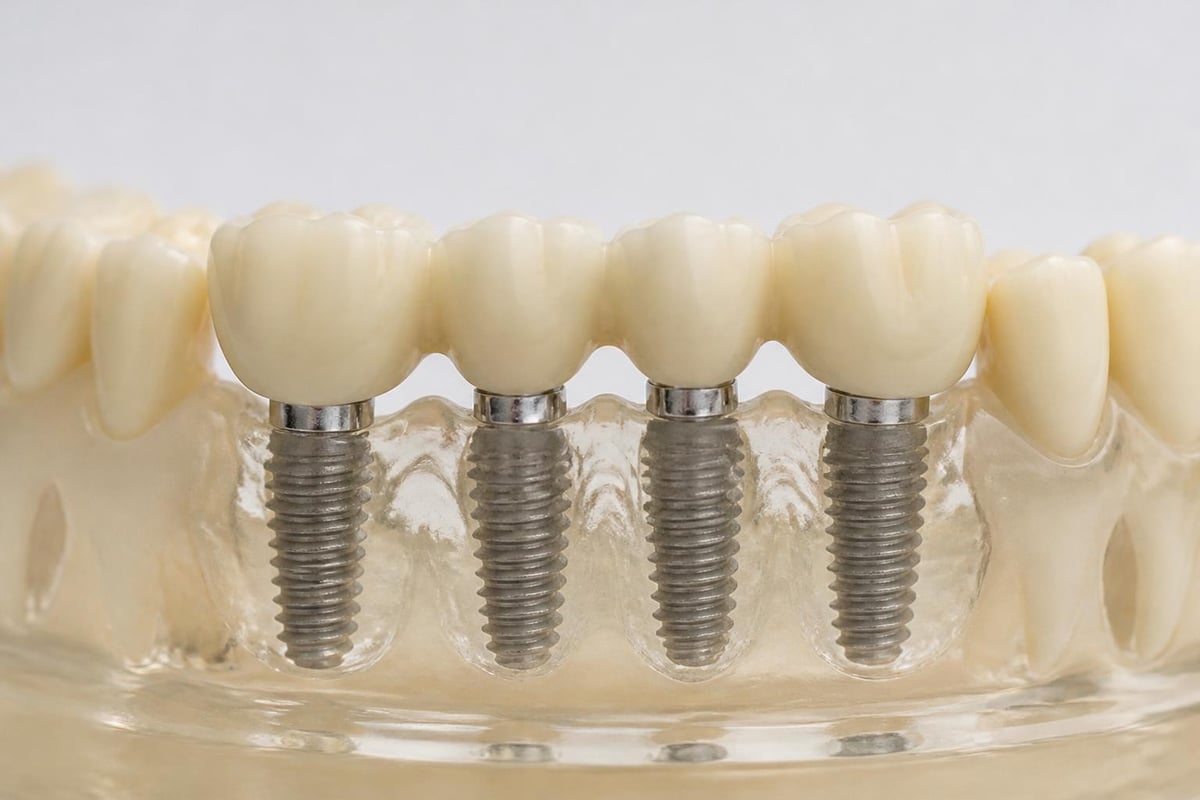
Full Arch Restoration Solutions
For patients missing all teeth in one or both arches, All-on-4 and hybrid implant systems offer transformative results. These advanced techniques use four to six strategically placed implants to support an entire arch of replacement teeth.
The All-on-4 concept revolutionized full-mouth restoration by:
- Utilizing available bone without extensive grafting
- Allowing immediate function in many cases
- Providing fixed (non-removable) teeth in a single day
- Delivering significantly lower costs compared to individual implants
Evidence from long-term survival studies demonstrates that full-arch implant restorations can achieve 95% or higher success rates over twenty years when properly maintained, making them one of the most reliable tooth replacement options available.
The Dental Implant Procedure: What to Expect
Understanding the step-by-step process removes uncertainty and helps you prepare mentally and physically for your dental implants in Converse. While each case varies based on individual factors, the general treatment timeline follows a predictable pattern.
Initial Consultation and Treatment Planning
Your journey begins with a comprehensive evaluation at Dental Plus Clinic. During this appointment, your dentist will:
- Review your complete medical and dental history
- Perform a thorough oral examination
- Take digital X-rays and 3D cone beam CT scans
- Assess bone density and volume
- Discuss your goals and expectations
- Create a customized treatment plan with timeline and cost breakdown
Advanced imaging technology allows precise planning, ensuring implants are positioned for optimal function and aesthetics while avoiding critical anatomical structures like nerves and sinuses.
Bone Grafting When Necessary
Some patients require bone augmentation before receiving dental implants in Converse. Years of missing teeth lead to jawbone resorption, and insufficient bone volume compromises implant stability. Common grafting procedures include:
Ridge augmentation: Rebuilding lost bone width or height at the implant site
Sinus lift: Adding bone below the sinus cavity for upper posterior implants. Research on sinus lift techniques shows excellent outcomes with both grafted and non-grafted approaches, depending on remaining bone height.
Socket preservation: Placing graft material immediately after extraction to minimize bone loss
Grafting extends the overall treatment timeline by three to six months but significantly improves long-term implant success rates in compromised sites.
Surgical Implant Placement
The actual implant surgery is typically performed under local anesthesia, though sedation options are available for anxious patients. The procedure involves:
- Anesthesia administration to ensure complete comfort
- Gum tissue incision to expose the underlying bone
- Precise drilling to create the implant site
- Implant insertion into the prepared socket
- Tissue closure with sutures over or around the implant
Most patients report minimal discomfort during the procedure and manageable soreness afterward. The surgical precision and modern techniques used for dental implants in Converse have dramatically improved patient experiences compared to earlier methods.
Healing and Osseointegration Period
Following placement, patience becomes essential. The three-to-six-month healing period allows bone to integrate fully with the implant. During this time:
- Avoid putting pressure on the implant site
- Maintain excellent oral hygiene around adjacent teeth
- Attend follow-up appointments to monitor healing
- Use temporary restoration if needed for aesthetics
The timing of loading (attaching the crown) significantly impacts success. Cochrane evidence on implant timing provides guidance on immediate versus delayed loading protocols, helping dentists determine the safest approach for each patient.
Abutment Placement and Final Restoration
Once osseointegration is confirmed, a minor second procedure exposes the implant top and attaches the abutment. After gum tissue heals around the abutment (typically two weeks), your dentist takes impressions for the final crown.
The crown is custom-fabricated to match your natural teeth in:
- Color and translucency
- Shape and contour
- Size and proportion
- Bite alignment
When cemented or screwed into place, your new tooth restoration completes the process, delivering results that most patients find indistinguishable from natural teeth.
Cost Considerations and Financial Options
Understanding the investment required for dental implants in Converse helps you plan appropriately and explore available resources. While implants represent a significant upfront cost, their longevity and benefits often make them more cost-effective than alternatives over time.
Breaking Down Implant Costs
The total cost varies based on several factors:
| Component | Typical Range |
|---|---|
| Initial consultation and imaging | $100-$300 |
| Bone grafting (if needed) | $300-$3,000 per site |
| Implant placement | $1,500-$2,500 per implant |
| Abutment and crown | $1,000-$3,000 |
| Total single tooth replacement | $3,000-$6,000 |
Full-arch restorations range from $15,000 to $30,000 per arch, depending on the number of implants and restoration complexity. While these numbers may seem substantial, consider that implants can last 25+ years with proper care, whereas bridges and dentures require replacement every 10-15 years.
Insurance Coverage and Reimbursement
Dental insurance coverage for implants has improved in recent years, though benefits vary significantly by plan. Many insurance policies now cover portions of implant treatment, particularly:
- The crown portion (often 50%)
- Bone grafting in some cases
- Extraction procedures prior to implant placement
Understanding dental insurance coverage specifics helps maximize your benefits. Dental Plus Clinic's team assists patients in navigating insurance claims and understanding what their plans cover.
Flexible Financing Solutions
For patients whose insurance doesn't cover implants or who lack dental insurance, financing options specifically for dental implants make treatment accessible. Payment plans through third-party healthcare lenders typically offer:
- Low or zero-interest promotional periods
- Extended payment terms from 12 to 60 months
- Quick approval processes with minimal documentation
- No prepayment penalties for early payoff
Many Texas residents find that monthly payments fit comfortably within their budget, making dental implants in Converse achievable without financial strain.
Recovery and Post-Operative Care
Successful implant outcomes depend significantly on how well you care for yourself during the healing phases. Following post-operative instructions minimizes complications and promotes optimal integration.
Immediate Post-Surgery Care (First 48 Hours)
The first two days after receiving dental implants in Converse are critical for setting the stage for proper healing:
- Apply ice packs to reduce swelling (20 minutes on, 20 minutes off)
- Take prescribed medications exactly as directed
- Avoid disturbing the surgical site with your tongue or fingers
- Eat only soft, cool foods that require minimal chewing
- Sleep with your head elevated on extra pillows
- Avoid strenuous exercise or activities that increase blood pressure
Pain management typically involves over-the-counter anti-inflammatory medications, though prescription pain relievers may be provided for the first few days. Most patients report that discomfort peaks within 24-48 hours and then steadily improves.
Week One Through Osseointegration
As initial healing progresses, your routine expands slightly:
- Diet progression: Gradually introduce firmer foods while avoiding hard, crunchy, or sticky items near the implant site
- Oral hygiene: Gently brush non-surgical areas while rinsing the surgical site with prescribed antimicrobial mouthwash
- Activity resumption: Return to normal activities while avoiding contact sports or situations risking facial trauma
- Follow-up appointments: Attend scheduled check-ins so your dentist can monitor healing
Some patients experience minor bruising or continued mild swelling through the first week. These symptoms are normal and resolve without intervention.
Warning Signs Requiring Immediate Attention
While complications are rare with dental implants in Converse, contact your dentist immediately if you experience:
- Severe pain not controlled by prescribed medications
- Excessive bleeding beyond the first 24 hours
- Persistent fever above 101°F
- Increasing swelling after the third day
- Implant mobility or exposed implant threads
- Pus or foul-smelling discharge from the surgical site
Early intervention prevents minor issues from developing into serious complications that could compromise implant success.
Long-Term Maintenance and Care
Once your implants have fully integrated and your final restorations are in place, long-term success depends on consistent maintenance. Dental implants in Converse can last a lifetime with proper care, though the crowns may eventually require replacement due to normal wear.
Daily Home Care Essentials
Caring for implants mirrors natural tooth care with some important distinctions:
- Brush twice daily with a soft-bristle toothbrush, paying special attention to the gum line around implant crowns
- Floss daily using unwaxed tape, implant-specific floss, or water flossers to clean below the gum line
- Use antimicrobial rinse if recommended by your dentist to reduce bacterial accumulation
- Avoid abrasive toothpastes that can scratch crown surfaces
The American College of Prosthodontists provides detailed maintenance guidelines for full-arch implant restorations, emphasizing the importance of consistent home care combined with professional monitoring.

Professional Maintenance Appointments
Regular dental visits become even more important after receiving dental implants in Converse. During maintenance appointments, your dental team will:
- Examine implant and surrounding tissue health
- Take periodic X-rays to assess bone levels
- Remove calculus that accumulates below the gum line
- Polish restorations to maintain smooth surfaces
- Evaluate bite alignment and adjust if necessary
- Tighten abutment screws if they've loosened
Most dentists recommend maintenance visits every three to six months, though the frequency may be adjusted based on individual risk factors.
Preventing Peri-Implantitis
Peri-implantitis is an inflammatory condition affecting tissues around implants, characterized by gum inflammation and progressive bone loss. Without treatment, it can lead to implant failure. The European Federation of Periodontology’s clinical practice guideline outlines evidence-based prevention and treatment strategies.
Risk factors for peri-implantitis include:
- Poor oral hygiene
- History of periodontal disease
- Smoking
- Uncontrolled diabetes
- Lack of regular professional maintenance
Prevention strategies focus on:
- Meticulous daily plaque removal
- Professional cleanings every 3-6 months
- Smoking cessation
- Managing systemic health conditions
- Early intervention at first signs of inflammation
Lifestyle Considerations
Certain habits impact implant longevity. Protect your investment by:
Avoiding excessive force: Don't use teeth as tools to open packages or crack nuts
Managing bruxism: Wear a night guard if you grind or clench your teeth (similar to TMJ and bruxism guards)
Limiting staining substances: While implant crowns resist staining better than natural teeth, excessive coffee, tea, or tobacco can affect aesthetics over time
Maintaining systemic health: Conditions like diabetes and osteoporosis can affect bone health around implants
Comparing Dental Implants to Alternative Solutions
When considering tooth replacement options for dental implants in Converse, understanding how implants compare to alternatives helps clarify why they're often the preferred long-term solution.
Implants Versus Fixed Bridges
Traditional bridges have served patients for decades, but they come with significant compromises:
| Feature | Dental Implants | Fixed Bridges |
|---|---|---|
| Adjacent tooth preparation | None required | Significant reduction needed |
| Bone preservation | Maintains bone volume | Allows progressive bone loss |
| Oral hygiene | Standard brushing/flossing | Requires special cleaning aids |
| Longevity | 25+ years typical | 10-15 years average |
| Impact on healthy teeth | Zero | Increases cavity/fracture risk |
While bridges cost less initially, the need for eventual replacement and potential complications with abutment teeth often make implants more economical over a patient's lifetime.
Implants Versus Removable Dentures
Conventional dentures remain the most affordable tooth replacement option but present numerous challenges that implants eliminate:
Stability issues: Dentures slip during eating and speaking, causing embarrassment and limiting food choices. Implant-supported restorations are completely stable.
Bone resorption: Dentures accelerate jawbone loss, leading to poor fit and aged facial appearance. Implants preserve bone through functional stimulation.
Dietary restrictions: Denture wearers often avoid challenging foods like apples, corn on the cob, and steak. Implant patients enjoy unrestricted diets.
Maintenance differences: Dentures require daily removal, soaking, and adhesive application. Implants are brushed and flossed like natural teeth.
For patients struggling with dentures, implant-retained overdentures offer a middle ground-providing improved stability and retention while remaining more affordable than fixed implant restorations.
Quality Considerations in Implant Selection
Not all implants deliver equal results. The article on cheap versus premium dental implants explores how manufacturing quality, material grade, and design sophistication affect outcomes. Premium systems from established manufacturers demonstrate:
- Higher success rates in clinical studies
- Better long-term survival data
- Superior precision in component fit
- More extensive research and development
- Comprehensive warranty coverage
When evaluating options for dental implants in Converse, consider the total value rather than just initial cost. A failed budget implant requiring removal and replacement ultimately costs far more than investing in proven quality from the start.
Special Considerations for Converse Residents
Living in Converse, Texas offers unique advantages for patients seeking dental implant treatment. Understanding local factors helps you make the most of available resources.
Access to Comprehensive Care
Dental Plus Clinic's Converse location provides complete implant services under one roof, eliminating the need to travel to multiple specialists. This integrated approach offers:
- Streamlined communication between all providers
- Consistent treatment philosophy throughout your care
- Convenient appointment scheduling at a single location
- Reduced travel time and associated costs
- Familiarity with the same staff throughout treatment
Emergency Support Availability
Implant complications requiring urgent attention are rare but can occur. Having access to emergency dental care near your Converse home provides peace of mind. Whether you experience unexpected pain, a loose abutment, or restoration damage, same-day emergency appointments address issues before they escalate.
Community-Focused Care
Choosing local providers for dental implants in Converse builds relationships within your community. Many patients appreciate:
- Personalized attention from familiar faces
- Convenient location for routine maintenance visits
- Support for local Texas businesses
- Treatment teams invested in your long-term outcomes
The combination of advanced technology and hometown service creates an ideal environment for successful implant treatment.
Frequently Asked Questions About Dental Implants in Converse
How painful is the dental implant procedure?
Most patients report minimal discomfort during implant placement due to effective local anesthesia. Post-operative soreness is typically less than that experienced with tooth extraction and is well-controlled with over-the-counter pain medications. The anticipated discomfort should not deter you from pursuing this life-changing treatment.
What is the success rate for dental implants?
Modern dental implants demonstrate success rates exceeding 95% in most patient populations. Factors affecting success include bone quality, smoking status, systemic health conditions, and adherence to post-operative instructions. With proper patient selection and technique, dental implants in Converse consistently deliver predictable, long-lasting results.
How long do dental implants last?
While the crown component may require replacement after 10-15 years due to wear, the implant fixture itself can last a lifetime with proper care. Many patients enjoy 25+ years of service from their implants, making them the most durable tooth replacement option available.
Can anyone get dental implants?
Most adults in good general health are candidates for implants. Conditions requiring special consideration include uncontrolled diabetes, active periodontal disease, heavy smoking, certain medications affecting bone metabolism, and insufficient bone volume. A thorough evaluation determines candidacy and identifies any necessary preparatory treatments.
How long does the entire implant process take?
The complete timeline typically spans four to nine months from initial consultation to final restoration, depending on whether bone grafting is required and individual healing rates. Immediate loading protocols may reduce this timeline in carefully selected cases, though traditional staged approaches remain the gold standard for predictable outcomes.
Are dental implants covered by insurance?
Coverage varies significantly by insurance plan. Many policies now provide partial benefits for implants, often covering the crown portion or bone grafting procedures. Dental Plus Clinic's administrative team helps patients understand their specific benefits and maximize available coverage.
What should I do if my dental insurance was denied?
Insurance denials for dental procedures can be frustrating, but options exist. Review the denial response strategies available to understand appeal processes and alternative coverage pathways. Many denials are overturned upon appeal with proper documentation and clinical justification.
How do I care for dental implants?
Implant care closely resembles natural tooth maintenance: brush twice daily, floss daily, use antimicrobial rinse if recommended, and attend regular professional cleanings every three to six months. Avoid using teeth as tools, manage teeth grinding with a night guard, and contact your dentist promptly if you notice any changes.
Can dental implants fail?
While rare, implant failure can occur due to infection, insufficient bone integration, excessive bite forces, or inadequate home care. Early failures typically happen within the first year, while late failures often result from peri-implantitis. Recognizing warning signs and seeking prompt treatment maximizes the chance of successful intervention.
What foods can I eat with dental implants?
Once fully healed, dental implants in Converse allow you to enjoy virtually any food without restriction. Unlike dentures that limit dietary choices, implant-supported restorations provide the strength and stability to bite into apples, enjoy chewy steaks, and eat crunchy vegetables with complete confidence.
Additional Dental Services Complementing Implant Treatment
Comprehensive oral health often requires multiple treatment modalities working in concert. Dental Plus Clinic offers complementary services that enhance implant outcomes and overall dental wellness.
Cosmetic Enhancements
Many implant patients choose to address other aesthetic concerns simultaneously. Cosmetic dentistry services like teeth whitening, veneers, and gum contouring create harmonious smile transformations. Coordinating treatments ensures your new implant crown matches beautifully whitened natural teeth or complements porcelain veneers on adjacent teeth.
Preventive Care Foundation
Successful long-term implant outcomes build on a foundation of excellent preventive care. Regular dental exams and cleanings detect potential issues early and maintain optimal oral health. Patients with well-controlled periodontal health experience significantly better implant success rates.
Preparatory Procedures
Some patients require preliminary treatments before implant placement:
- Tooth extractions to remove failing teeth
- Root canal therapy to save adjacent teeth
- Periodontal treatment to establish healthy gums
- Orthodontics to optimize spacing
Addressing these needs creates ideal conditions for implant placement and long-term success.
Full Mouth Reconstruction
Patients with extensive dental damage may benefit from comprehensive treatment planning. Full mouth reconstructions and smile makeovers combine multiple procedures-including implants, crowns, veneers, and orthodontics-into cohesive treatment plans that restore both function and aesthetics. This holistic approach ensures all elements work together harmoniously.
Taking the Next Step Toward Your New Smile
Understanding the comprehensive nature of dental implants in Converse empowers you to make confident decisions about your oral health. The investment of time, resources, and commitment to proper care delivers returns that extend far beyond aesthetics-improving nutrition, preserving facial structure, protecting remaining teeth, and restoring the confidence that comes with a complete, beautiful smile.
Modern implant technology has transformed countless lives, offering solutions that were unimaginable just a few decades ago. Whether you're missing a single tooth or need full-arch restoration, today's advanced techniques provide predictable, long-lasting results that function and appear completely natural.
The key to successful outcomes lies in choosing experienced providers who utilize proven techniques, quality materials, and patient-centered care philosophies. Asking questions, understanding your options, and following through with recommended treatments and maintenance protocols ensures you'll enjoy the full benefits of this remarkable tooth replacement technology.
Ready to schedule your consultation? Contact Dental Plus Clinic's Converse team to begin your implant journey. The first step involves a comprehensive evaluation to assess your candidacy, discuss your goals, and develop a personalized treatment plan tailored to your unique needs and circumstances.
Don't let missing teeth continue to impact your quality of life. Dental implants offer a permanent solution that restores not just teeth, but the confidence and freedom to eat, speak, and smile without limitation or self-consciousness. The time to invest in your oral health and overall well-being is now.
Restoring missing teeth with dental implants represents a significant step toward improved oral health, enhanced aesthetics, and renewed confidence in your smile. Whether you need a single tooth replacement or full-arch restoration, modern implant technology delivers predictable, long-lasting results that can transform your quality of life. Dental Plus Clinic combines advanced technology, experienced professionals, and patient-focused care to help Converse residents achieve healthy, beautiful smiles that last a lifetime. Schedule your consultation today to discover how dental implants can restore your smile and change your life.