
Missing teeth affect more than just your smile. They impact your ability to eat comfortably, speak clearly, and feel confident in social settings. For residents across Comal County and beyond, dental implants in New Braunfels represent a permanent solution that restores both function and aesthetics. Unlike temporary fixes such as dentures or bridges, implants integrate with your jawbone to create a stable foundation that can last decades with proper care. Whether you've lost a single tooth due to injury or multiple teeth from gum disease, understanding your options and choosing the right provider can make all the difference in your oral health journey.
What Makes Dental Implants the Gold Standard for Tooth Replacement
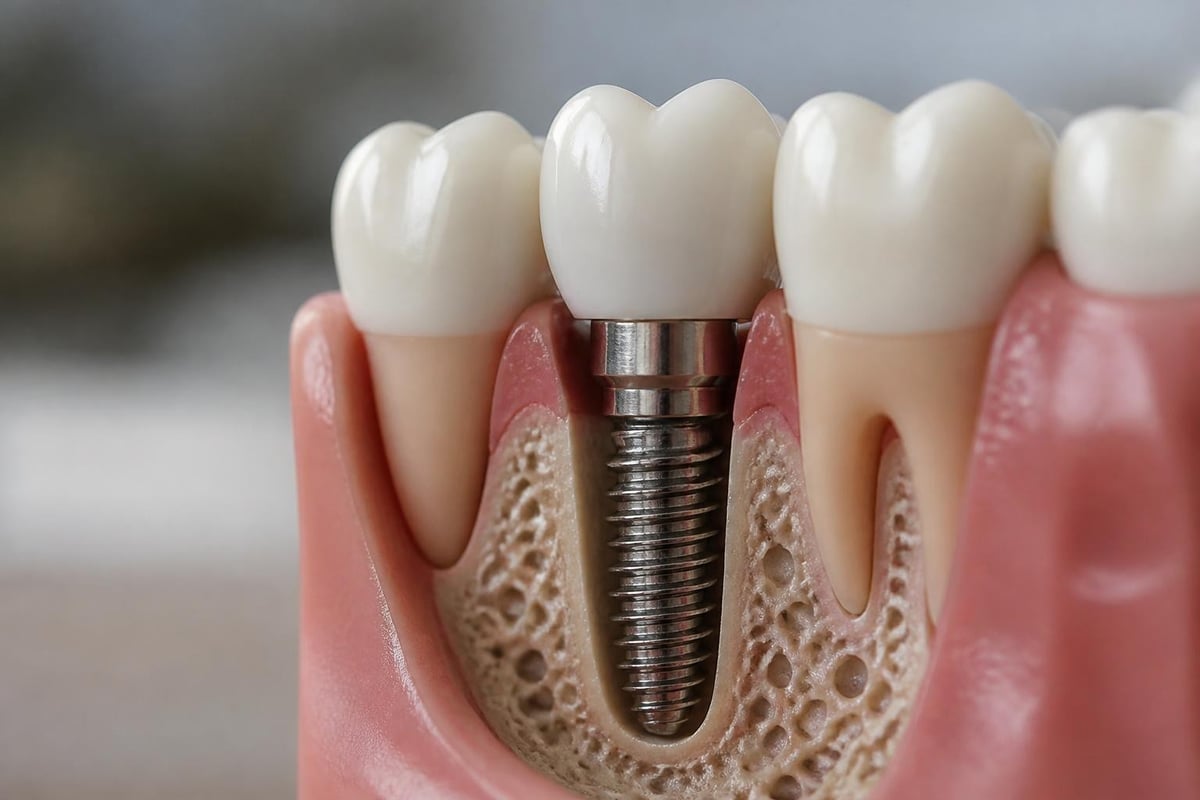
Dental implants have transformed restorative dentistry over the past four decades. They consist of three primary components: a titanium post surgically placed into the jawbone, an abutment that connects the post to the restoration, and a crown that mimics the appearance of your natural tooth.
The Science Behind Osseointegration
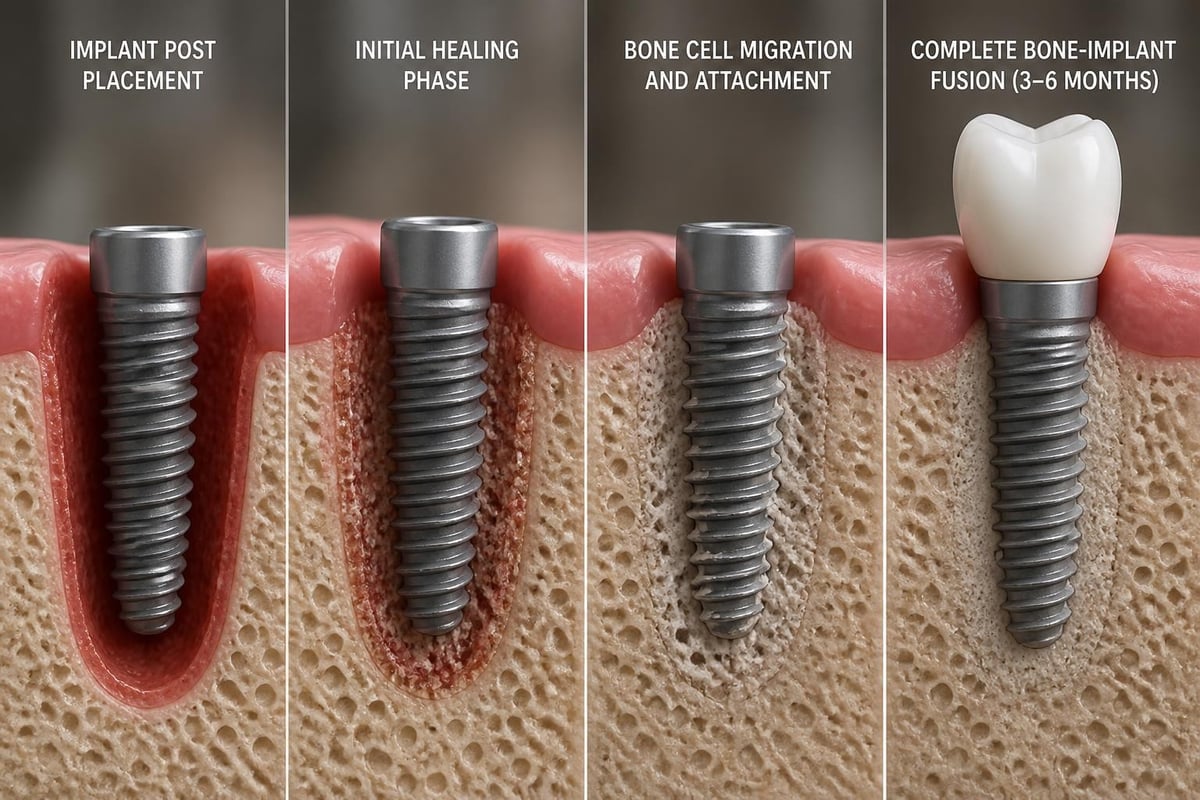
The success of dental implants relies on a biological process called osseointegration. After the titanium post is placed in your jaw, bone cells gradually fuse with the metal surface over several months. This integration creates a bond stronger than many natural tooth roots, providing stability that dentures simply cannot match.
Research from the National Institute of Dental and Craniofacial Research continues to refine implant materials and surface treatments. Modern implants feature textured surfaces and bioactive coatings that accelerate healing and improve long-term success rates. Studies show properly placed implants achieve success rates exceeding 95% over ten years, making them one of the most predictable procedures in dentistry.
Key advantages of dental implants include:
- Prevention of bone loss in the jaw
- No need to alter adjacent healthy teeth
- Restoration of full chewing power
- Natural appearance that blends with existing teeth
- Easier maintenance compared to removable appliances
- Durability lasting 20+ years with proper care
When Are Implants the Right Choice?
Not every case of tooth loss requires an implant. The British Dental Journal recently reviewed treatment decisions comparing endodontic therapy (root canals) versus extraction and implant placement. The consensus emphasizes preserving natural teeth whenever possible, but implants become the preferred option when:
- A tooth is fractured below the gum line
- Severe infection has destroyed supporting bone
- Advanced periodontal disease cannot be controlled
- A congenitally missing tooth creates a gap
- Previous root canal treatment has failed
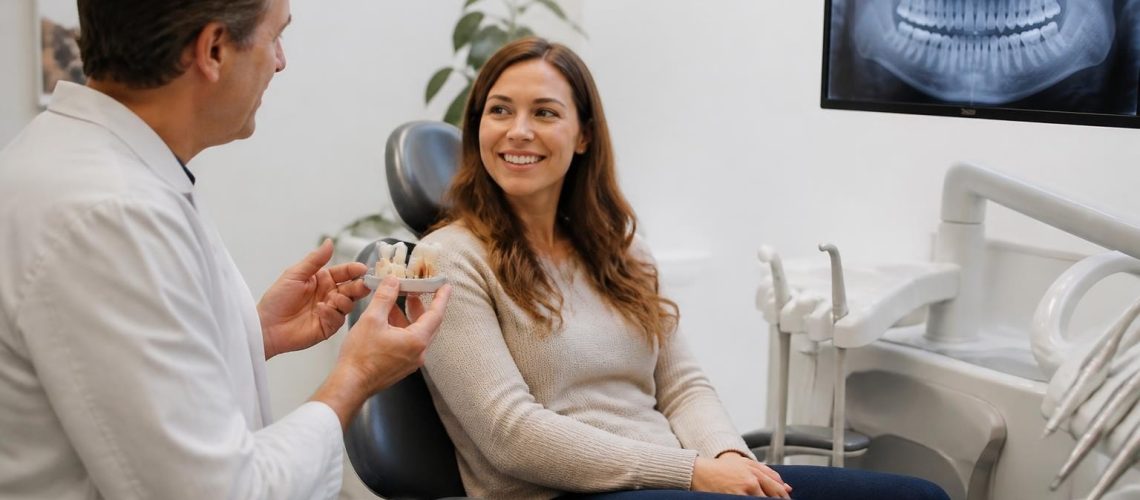
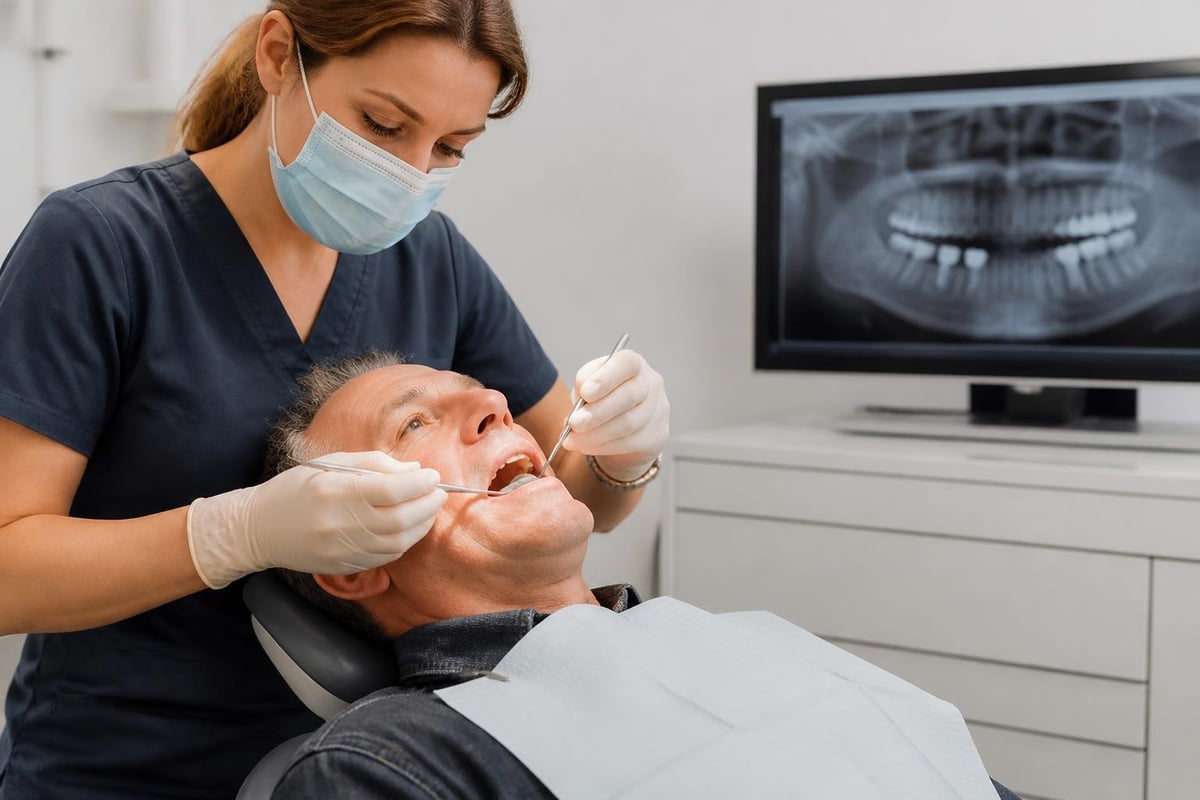
Your dentist will conduct comprehensive imaging and clinical examination to determine whether you're a candidate. Factors such as bone density, gum health, systemic conditions, and lifestyle habits all influence treatment planning.
The Complete Dental Implant Process in New Braunfels
Understanding what to expect during treatment helps reduce anxiety and prepare you for successful outcomes. The process typically unfolds across multiple appointments spanning several months.
Initial Consultation and Treatment Planning
Your first visit establishes baseline information. The dental team will review your medical history, current medications, and any conditions that might affect healing. Diabetes, autoimmune disorders, and smoking can complicate recovery, though they don't necessarily disqualify you from treatment.
Advanced imaging plays a critical role. Three-dimensional cone beam CT scans provide detailed views of bone structure, nerve pathways, and sinus cavities. This data allows precise virtual planning before any surgical work begins. Digital planning software helps determine optimal implant positioning, angulation, and depth.
Your consultation should address:
- Number of implants needed
- Need for bone grafting or sinus lifts
- Timeline from start to finish
- Total investment and payment options
- Alternative treatments if implants aren't suitable
Many patients exploring dental implant financing options in Texas discover flexible payment plans that make treatment accessible without delaying care.
Surgical Placement Phase
The actual implant surgery is typically performed under local anesthesia, though sedation options are available for anxious patients. The procedure follows these steps:
- Incision and exposure: The surgeon opens the gum tissue to access the jawbone
- Site preparation: Specialized drills create a precise channel in the bone
- Implant insertion: The titanium post is carefully threaded or tapped into position
- Closure: Gums are sutured closed, or a healing abutment is attached
Most single-implant surgeries take 60 to 90 minutes. Multiple implants require longer appointments. Post-operative discomfort is generally mild and manageable with over-the-counter pain medication. Patients typically return to work within a day or two.
| Recovery Timeline | What to Expect | Care Instructions |
|---|---|---|
| Days 1-3 | Swelling, minor bleeding, tenderness | Ice packs, soft foods, gentle rinsing |
| Days 4-7 | Swelling subsides, stitches may dissolve | Resume brushing, avoid implant site |
| Weeks 2-4 | Gum tissue heals, minimal discomfort | Follow-up exam, confirm healing progress |
| Months 3-6 | Osseointegration occurs beneath gums | Regular check-ups, maintain oral hygiene |
Abutment Connection and Crown Placement
Once your implant has fully integrated with the bone, you'll return for a minor procedure to attach the abutment. This connector piece protrudes through the gum and serves as the anchor for your final crown. The gum tissue heals around the abutment over one to two weeks.
Your dentist then takes impressions or digital scans to fabricate a custom crown. Modern CAD/CAM technology enables precise color matching and contour design. The crown is secured to the abutment using dental cement or a tiny screw, completing your restoration.
The entire process from initial surgery to final crown typically requires four to eight months. Immediate-load implants, where a temporary crown is placed the same day as surgery, are possible in select cases with adequate bone density.
Cost Considerations and Insurance Coverage for Dental Implants in New Braunfels
Financial planning is essential when considering implants. Costs vary based on complexity, materials, and the specific dental practice you choose.
Breaking Down the Investment
A single dental implant in New Braunfels typically ranges from $3,000 to $5,500. This estimate includes the surgical placement, abutment, and crown. Additional procedures increase the total investment:
Common add-on procedures and approximate costs:
- Bone grafting: $300-$800 per site
- Sinus lift: $1,500-$3,000
- Tooth extraction: $150-$400
- CT imaging: $200-$500
- Temporary restoration: $200-$500
Patients requiring full-arch restoration with multiple implants face higher investments, though All-on-4 or hybrid denture systems can be more economical than individual implants for each missing tooth. The dental implants All-on-4s hybrid approach uses four strategically placed implants to support a complete arch of teeth.
Navigating Insurance and Financing
Traditional dental insurance often categorizes implants as elective cosmetic treatment, limiting coverage. However, policies are evolving. Some plans now cover portions of the procedure, particularly the crown restoration or the extraction preceding implant placement.
Understanding your dental insurance coverage before treatment helps avoid surprises. Key questions to ask your insurance provider include:
- Does my plan cover any portion of implant treatment?
- What documentation is required for pre-authorization?
- Are there annual maximum limits that apply?
- Does the policy distinguish between medical necessity and cosmetic preference?
When insurance falls short, third-party financing companies offer payment plans with competitive interest rates. Many dental practices partner with lenders specializing in healthcare financing, allowing you to spread costs over 12 to 60 months. Comparing the differences between cheap and premium dental implants helps you understand what you're paying for and make informed decisions about quality versus cost.
Choosing the Right Provider for Dental Implants in New Braunfels
Provider selection significantly impacts both your experience and long-term results. Not all dentists perform implant surgery, and those who do have varying levels of training and expertise.
Credentials and Experience Matter
The American Academy of Implant Dentistry emphasizes the importance of specialized education. General dentists can pursue additional training through residency programs, fellowship courses, or continuing education. Oral surgeons and periodontists receive implant training as part of their specialty education.
When evaluating providers, inquire about:
- Years performing implant surgery: More experience correlates with better outcomes
- Continuing education: Dentistry evolves; providers should pursue ongoing training
- Technology and techniques: Digital planning and guided surgery improve precision
- Complication management: How does the practice handle rare failures or infections?
- Patient reviews and outcomes: Testimonials provide insight into patient satisfaction
Local practices serving New Braunfels and surrounding communities combine accessibility with personalized care. Establishing a relationship with a provider who will monitor your implants for years to come adds value beyond the initial procedure.
Technology and Facility Standards
Modern implant dentistry relies on advanced technology. Practices equipped with CBCT scanners, intraoral scanners, and computer-guided surgery systems deliver more predictable results with less invasive techniques. The International Team for Implantology consensus proceedings highlight digital workflows as best practice in contemporary implant treatment.
Facility cleanliness and infection control protocols protect your health. The American Dental Association’s statement on dental implant practices underscores the importance of sterile surgical environments and adherence to evidence-based protocols.
Visit potential providers to assess:
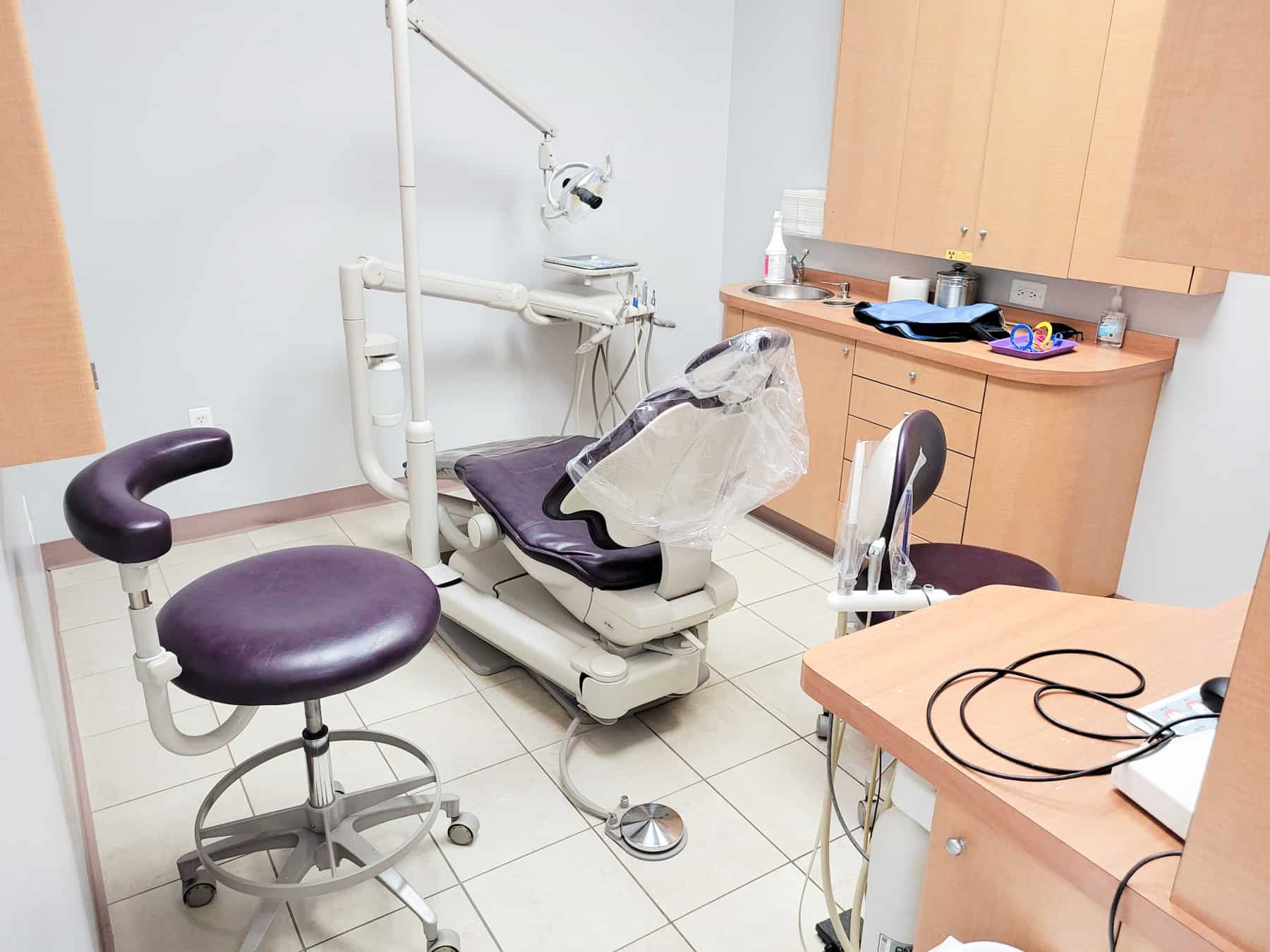
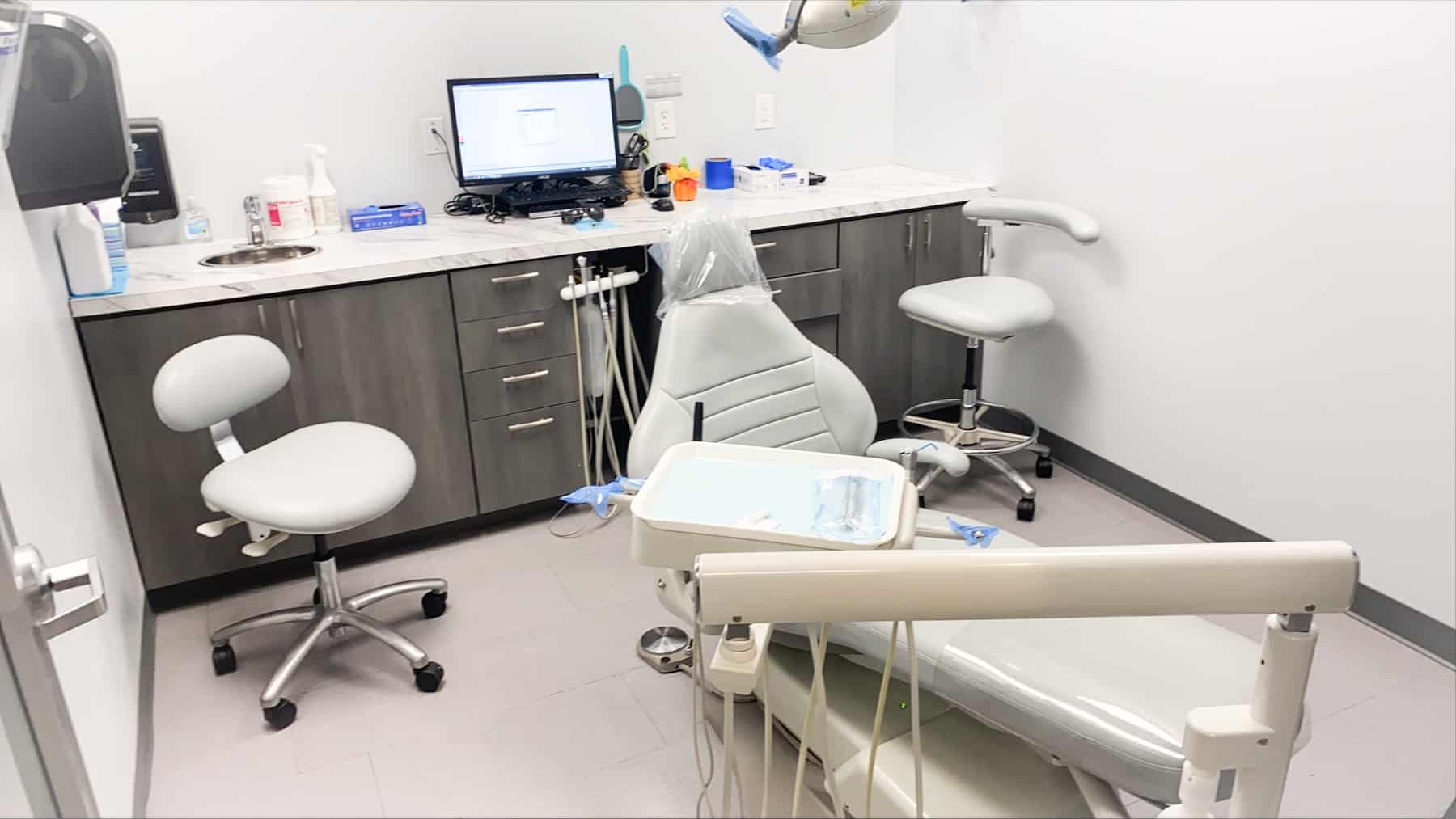
- Cleanliness and organization of treatment rooms
- Sterilization equipment and procedures
- Staff professionalism and communication
- Comfort amenities for nervous patients
- Emergency protocols for rare complications
Long-Term Care and Maintenance of Your Dental Implants
Successful osseointegration is just the beginning. Maintaining your investment requires commitment to oral hygiene and regular professional care.
Daily Home Care Routines
Implants cannot develop cavities, but the surrounding gum tissue remains vulnerable to infection. Peri-implantitis, an inflammatory condition affecting tissues around implants, can lead to bone loss and implant failure if left untreated.
Essential daily maintenance practices:
- Brush twice daily using a soft-bristled toothbrush
- Use low-abrasive toothpaste to avoid scratching restorations
- Floss around implants with specialized floss or interdental brushes
- Rinse with antimicrobial mouthwash to reduce bacterial load
- Avoid using metal instruments that might damage implant surfaces
Water flossers offer an effective alternative for patients struggling with traditional floss. The pulsating water stream removes debris from hard-to-reach areas around implant crowns and abutments.
Professional Monitoring and Cleanings
Regular dental visits allow early detection of potential problems. Your hygienist will use specialized instruments designed for implant maintenance, cleaning around the abutment and crown without scratching titanium surfaces.
Typical recall schedules recommend visits every six months, though patients with history of gum disease may need more frequent monitoring. During these appointments, your dentist will:
- Examine gum tissue for inflammation or recession
- Take periodic x-rays to assess bone levels
- Check the stability of your crown and abutment
- Remove calculus buildup around implants
- Reinforce home care techniques
Evidence from systematic reviews on implant outcomes demonstrates that regular professional maintenance significantly improves long-term survival rates. Patients who maintain consistent recall appointments experience fewer complications than those who skip routine care.
| Maintenance Factor | Impact on Implant Longevity | Recommended Frequency |
|---|---|---|
| Professional cleanings | High – prevents peri-implantitis | Every 6 months |
| Radiographic evaluation | High – detects bone loss early | Annually or as needed |
| Home oral hygiene | Critical – foundation of success | Daily |
| Occlusal adjustments | Moderate – prevents overload | As needed |
| Smoking cessation | Critical – reduces failure risk | Immediate and ongoing |
Common Concerns and Questions About Dental Implants
Patients often have reservations before committing to implant treatment. Addressing these concerns with accurate information helps you make confident decisions.
Will the Procedure Be Painful?
Modern anesthesia techniques ensure comfort during surgery. Most patients report less discomfort than they anticipated. Post-operative pain is typically described as pressure or soreness rather than sharp pain, easily managed with ibuprofen or prescription medication if needed.
Anxiety about dental procedures is normal. Practices offering sedation dentistry can provide oral sedatives or nitrous oxide to help you relax. For complex cases, IV sedation or general anesthesia may be options worth discussing.
How Long Do Implants Really Last?
With proper care, dental implants can function for decades. Research shows well-maintained implants have survival rates above 90% at 20 years. The crown restoration may need replacement after 10 to 15 years due to normal wear, but the implant post itself rarely requires removal once successfully integrated.
Factors influencing longevity include:
- Oral hygiene habits: Poor cleaning accelerates failure
- Tobacco use: Smoking doubles the risk of complications
- Bone quality: Dense bone provides better support
- Systemic health: Diabetes and osteoporosis affect healing
- Bite forces: Grinding or clenching can overload implants
Patients who grind their teeth may benefit from a nightguard to protect both natural teeth and implant restorations.
Can Implants Fail, and What Happens If They Do?
Early failures occur when osseointegration doesn't develop properly, usually within the first three to six months. Late failures result from infection, bone loss, or mechanical complications. Overall failure rates remain low, typically under 5% for straightforward cases.
Warning signs of potential problems include:
- Increased mobility of the crown or implant
- Persistent pain or discomfort around the site
- Swelling or bleeding of surrounding gums
- Difficulty chewing on the implant side
- Visible changes in gum tissue color or texture
If failure occurs, the implant can usually be removed and the site allowed to heal before placing a replacement. Bone grafting may be necessary to rebuild the foundation for a second attempt.
Are There Age Restrictions for Dental Implants?
Implants require fully developed jawbones, so treatment typically waits until late teens when facial growth is complete. There is no upper age limit. Healthy seniors in their 70s, 80s, and beyond successfully receive implants. Medical conditions and medications matter more than chronological age.
Younger patients who lose teeth due to injury should consult with providers experienced in growth considerations. Temporary solutions may be recommended until skeletal maturity is confirmed.
Dental Implants in New Braunfels: Local Advantages and Considerations
Seeking care close to home offers distinct benefits beyond convenience. New Braunfels provides a unique combination of small-town accessibility and access to advanced dental care.
Community Health Context
Comal County's growing population includes diverse demographics, from young families to active retirees. The area's rapid growth has brought expanded healthcare infrastructure, including modern dental practices equipped with cutting-edge technology.
Local public health initiatives emphasize preventive care and access to treatment for underserved populations. Understanding regional health trends helps providers tailor education and outreach efforts.
Proximity and Continuity of Care
Receiving implant treatment locally means you can easily attend multiple appointments without lengthy travel. Emergencies or unexpected complications are addressed quickly when your provider is minutes away rather than hours.
Building long-term relationships with your dental team ensures continuity. The same professionals who place your implants will monitor them for years, developing familiarity with your unique oral health history.
For residents in neighboring communities, Dental Plus Clinic maintains convenient locations throughout the region, including facilities in Seguin and other surrounding areas, making comprehensive care accessible regardless of where you live.
Supporting Local Expertise
Choosing local providers strengthens community healthcare infrastructure. Practices that invest in advanced training, modern equipment, and personalized service rely on patient support to continue offering high-quality care.
New Braunfels dentists participate in regional study groups, continuing education, and professional organizations that keep them current with evolving techniques and materials. This commitment to excellence ensures you receive treatment aligned with current best practices.
Frequently Asked Questions About Dental Implants in New Braunfels
How soon after tooth extraction can I get an implant?
Immediate implant placement is possible in some cases where infection is absent and bone is adequate. However, most extractions require three to six months of healing before implant surgery. Your dentist will assess your specific situation and recommend optimal timing.
Do dental implants set off metal detectors?
No. The titanium used in dental implants is non-ferromagnetic and will not trigger metal detectors at airports or other security checkpoints. You can travel freely without concerns about your implants causing alarms.
Can I get an implant if I have gum disease?
Active periodontal disease must be controlled before implant placement. Bacteria and inflammation compromise healing and increase failure risk. Your dentist will treat existing gum disease first, then evaluate your candidacy once tissues are healthy.
What if I don't have enough bone for an implant?
Bone grafting procedures can rebuild lost bone structure. Common techniques include socket preservation at the time of extraction, ridge augmentation to widen the jaw, and sinus lifts to increase vertical bone height in the upper jaw. These procedures add time and cost but make implants possible for many patients initially deemed unsuitable.
Are mini implants as good as regular implants?
Mini implants have smaller diameters and are primarily used to stabilize dentures rather than support individual crowns. They require less bone and simpler surgery but offer reduced strength. Standard-diameter implants remain the gold standard for single-tooth replacement due to superior long-term performance.
How do I know if my implant is healing properly?
You won't feel the osseointegration process occurring. Absence of pain, swelling, or mobility are positive signs. Your dentist monitors healing through clinical examination and periodic x-rays. Trust the process and maintain good home care while your body does the work.
Can dental implants improve my ability to taste food?
Traditional upper dentures cover the palate, potentially interfering with taste sensation. Implant-supported restorations eliminate the need for palate coverage, allowing you to fully enjoy food flavors and temperatures. Many patients report enhanced enjoyment of meals after transitioning from dentures to implants.
What happens if I move away from New Braunfels after getting implants?
Implants are universal, and dentists nationwide can provide ongoing maintenance and care. Bring your treatment records to your new provider, including implant specifications, x-rays, and surgical notes. Most complications, if they occur, develop within the first year, but transferring care for long-term monitoring is straightforward.
Lifestyle Factors That Influence Implant Success
Your daily habits and overall health significantly impact treatment outcomes. Understanding these connections empowers you to optimize conditions for healing and long-term success.
Nutrition and Healing
Proper nutrition supports bone formation and tissue repair. Protein provides building blocks for new tissue, while vitamins and minerals facilitate cellular processes. Calcium and vitamin D are particularly important for bone health.
Nutritional recommendations during healing:
- Increase protein intake through lean meats, fish, eggs, and legumes
- Ensure adequate calcium from dairy, leafy greens, or supplements
- Maintain vitamin D levels through sun exposure or supplementation
- Include vitamin C-rich foods to support collagen formation
- Stay well-hydrated to facilitate cellular function
- Avoid excessive alcohol, which impairs healing
Patients with dietary restrictions or chronic conditions affecting nutrition should discuss supplementation with their healthcare providers.
Tobacco Use and Implant Failure
Smoking is the single most significant controllable risk factor for implant failure. Nicotine constricts blood vessels, reducing oxygen and nutrient delivery to healing tissues. Carbon monoxide impairs cellular respiration, while heat and chemicals damage delicate gum tissue.
Studies consistently show smokers experience failure rates two to three times higher than non-smokers. The risk is dose-dependent; heavy smokers face greater challenges than occasional users.
Strategies for tobacco users:
- Consider quitting entirely before treatment begins
- At minimum, abstain for one week before and six weeks after surgery
- Discuss nicotine replacement therapy with your physician
- Join support groups or cessation programs
- Understand that continued smoking jeopardizes your investment
Providers may decline to treat active smokers unwilling to modify their habits due to predictably poor outcomes.
Systemic Health Conditions
Diabetes, autoimmune disorders, and osteoporosis influence healing and osseointegration. Well-controlled conditions pose minimal additional risk, but unmanaged disease significantly increases complications.
Diabetic patients should achieve stable blood sugar control before surgery. HbA1c levels below 7% indicate good glycemic control. Some research suggests slightly higher failure rates even in controlled diabetics, though implants remain a viable option.
Medications like bisphosphonates, used to treat osteoporosis, can affect bone healing. Patients taking these drugs should inform their dental and medical teams to coordinate care and minimize rare but serious complications.
Advanced Implant Techniques and Innovations
Implant dentistry continues evolving with technological advances and refined surgical techniques. Staying informed about current options helps you understand what your provider may recommend.
Computer-Guided Implant Surgery
Digital treatment planning transforms surgical precision. Software uses CT scan data to create three-dimensional models of your jaw, allowing virtual implant placement before surgery. This planning generates surgical guides that direct drill positioning with sub-millimeter accuracy.
Guided surgery offers several advantages:
- Reduced surgical time and trauma
- Improved implant positioning for optimal aesthetics
- Ability to perform flapless surgery in select cases
- Predictable outcomes with less variability
- Enhanced safety near anatomical structures
Not every case requires guided surgery, but complex cases with multiple implants or limited bone benefit significantly from this technology.
Immediate Load and Teeth-in-a-Day Protocols
Traditional protocols involve months of healing before loading implants with prosthetic teeth. Immediate-load techniques place temporary crowns or dentures on implants the same day as surgery. This approach requires specific conditions: excellent bone density, strong initial implant stability, and controlled bite forces.
Benefits include elimination of toothless periods and reduced total treatment time. However, success depends on patient selection and careful treatment planning. Not all patients are candidates for immediate loading.
Zygomatic Implants for Severe Bone Loss
When upper jaw bone is severely resorbed, conventional implants lack foundation. Zygomatic implants anchor in the cheekbone (zygoma) rather than the maxilla, bypassing the need for extensive bone grafting. These longer implants require specialized surgical expertise but offer solutions for patients who might otherwise be told they lack adequate bone.
This advanced technique is typically reserved for full-arch rehabilitation and performed by specialists with specific training in zygomatic protocols.
Making Your Decision: Next Steps Toward a Complete Smile
Gathering information is the first step. Translating knowledge into action requires scheduling a consultation with a qualified provider who can assess your unique situation.
Preparing for your implant consultation:
- Compile a list of all current medications and supplements
- Gather previous dental records and x-rays if available
- Write down questions and concerns to discuss
- Consider bringing a family member for support and to help remember details
- Prepare to discuss your goals, timeline, and budget
The consultation establishes whether implants suit your needs and what treatment would entail. You'll receive a personalized treatment plan outlining procedures, timeline, and investment required.
Don't hesitate to seek second opinions. Comparing recommendations from different providers helps ensure you're making an informed decision. Reputable dentists welcome patients who take time to research and evaluate options.
Questions to ask during your consultation:
- What is your experience with cases similar to mine?
- Which implant systems do you use and why?
- What is the expected timeline from start to finish?
- What are the risks and potential complications specific to my case?
- What happens if the implant fails?
- What financing options are available?
- Can I speak with previous patients about their experiences?
Trust your instincts. The right provider will take time to answer questions, explain procedures clearly, and make you feel comfortable about moving forward.
Dental implants in New Braunfels offer a proven path to restoring your smile with confidence and function that lasts for decades. Understanding the process, costs, and commitment required empowers you to make informed decisions aligned with your oral health goals. Whether you're missing one tooth or need full-arch restoration, modern implant dentistry provides solutions tailored to your unique needs. Dental Plus Clinic combines advanced technology, experienced professionals, and personalized care across convenient Texas locations to help you achieve the healthy, complete smile you deserve. Schedule your consultation today to explore how dental implants can transform your quality of life.